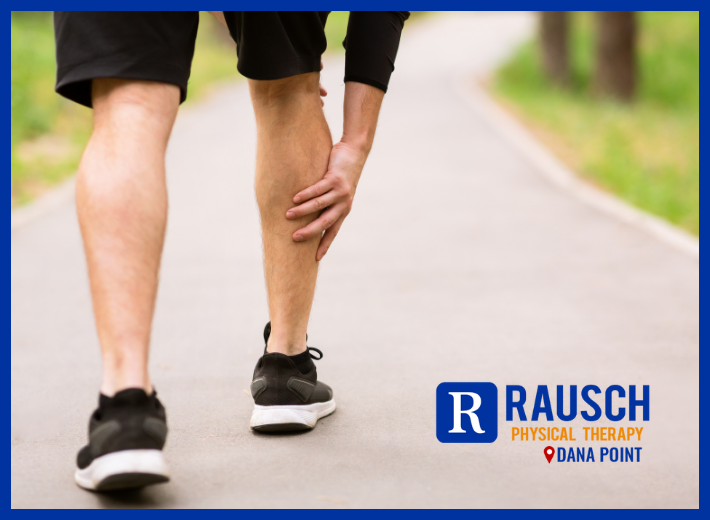
Calf pain can strike suddenly, leaving you sidelined and wondering what happened. Whether it’s a sharp twinge or a dull ache, calf pain can disrupt your daily routine and leave you frustrated. Let’s turn that ouch into an “all clear” and get you moving pain-free! Questions? That’s why we are here! Give us a call and let’s get you seen. Relief is a mere phone call away!
Popped or Pulled Calf Muscles: What To Know
The calf is the muscle that runs down the back of your lower leg. You build strong calf muscles by walking, running, hiking, tennis, and soccer. Sometimes you can strain your calf during those activities, known as a popped or pulled calf muscle. Read on to learn more about a popped calf muscle, how to treat it, and how to prevent it.
What Is a Pulled Calf Muscle?
When someone says they popped or pulled a calf muscle, it’s another way of saying they tore or strained the calf muscle. The expression comes from the popping sound of the tissue tearing.
A popped calf muscle strain would be an injury of a muscle, tendon—fibrous tissues that connect muscles and bone—or both. Sprains refer to stretches, tears, or both of ligaments, the connective tissue for bones.
 Symptoms
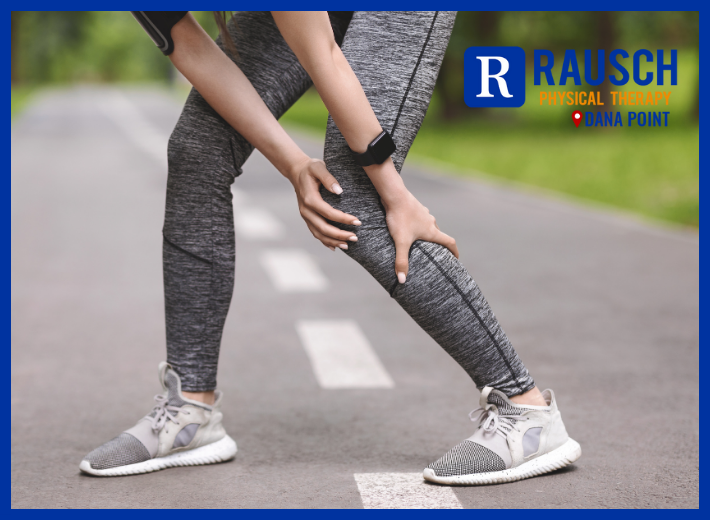
When you pull a calf muscle, the injury makes it difficult to walk or bear any weight on the affected leg. Other symptoms include:
- Cramping
- Inflammation
- Muscle spasms
- Muscle weakness
- Pain
- Swelling
Causes and Risk Factors
Situations like accelerating to chase a ball on a tennis court or changing directions abruptly in a soccer game can lead to a pulled calf muscle. A calf muscle strain may be the result of muscle or tendon stretching. People may also wholly or partially tear either structure in their leg.
Researchers found the following factors can put you at risk of pulling a muscle:
- Age: Because muscles naturally lose some elasticity as you age, you’re more likely to suffer a strain as you get older—especially if you’re overtraining or fatigued.
- Previous calf strains: Your strength, nerves, and structure of tissues may be affected if you’ve had calf strains before.
Diagnosis
A healthcare provider will ask about your medical history, including the current symptoms, and perform a physical exam. In some cases, they may use the following to learn more about the injury:
- Magnetic resonance imaging (MRI): An MRI shows a provider any tears or breaks in muscle fibers and how much the torn muscle fibers have retracted.
- Neurological exam: This exam tests the motor and sensory capacities of the affected muscle.
- Ultrasound: Ultrasounds can help providers determine how small or large an injury is.
Pulled Calf Muscle Treatment
Early treatment goals for popped calf muscles are decreasing pain, limiting bleeding, and preventing contracting joints.
In the initial stages of the injury, treatment for a strain includes resting, icing the affected area, and elevating the leg. Of note, moist heat or massage can worsen any internal bleeding around the early stages of the injury. Other treatments can include:
- Medications: Medications such as acetaminophen or narcotic pain medicines may be prescribed to help with pain or muscle spasms.
- Physical therapy: A healthcare provider may recommend physical therapy to help with functional recovery after successful initial treatments.
- Surgery: Surgery may be necessary in cases of a muscle tear—though this treatment is still up for debate about its helpfulness.
Many people who experience a calf muscle injury recover with little issue. Decreased pain and exercise resumption is possible when individuals follow treatment and management recommendations.
Prevention
One way to prevent calf muscle injuries is warming up and stretching before you exercise. This can help improve flexibility in your muscles.
People engaging in physical therapy should stick with their home exercise program and follow up with their physical therapist as instructed. Athletes can also prevent these injuries by waiting until they don’t experience pain and have a fully-recovered range of motion.
Complications
There are also potential complications from a muscle strain, such as:
- Chronic pain or dysfunction: Pain that lasts longer than usual—usually more than three to six months—but isn’t due to the normal healing process
- Compartment syndrome: A condition of dangerous pressure levels in muscles
- Deep vein thrombosis (DVT) formation: The development of blood clots in a deep vein, which can be in the lower leg
- Reinjury: Having another muscle strain
- Scar tissue formation: Development of internal scar tissue on the affected calf muscle
A Quick Review
Popped calf muscles, also known as pulled calf muscles, happen when you strain or tear those muscles. You may experience symptoms such as muscle spasms or weakness, cramping, or pain. Treatments are available for a pop in your calf muscle, like physical therapy, and ways to prevent it include warming up and stretching before exercise.
Say goodbye to calf pain for good! Explore the benefits of PT and get back to enjoying your favorite activities pain-free! Contact us today at 949-276-5401. You can follow us on TikTok and Instagram for more tips.
Reference: [ https://www.health.com/condition/chronic-pain/pulled-calf-muscle ]