
Blog

Stronger Bones: How PT Can Help Prevent Fractures

Weaker bones shouldn’t hold you back from an active life! Regular physical therapy can strengthen your bones, improve your balance, and reduce your risk of fractures if you suffer from osteoporosis. Read more and unlock the power of movement for a stronger, more confident you!

Osteoporosis is a condition that develops from decreased bone mineral density that causes bones to become thin, brittle, and more susceptible to fractures.

While people with osteoporosis should be cautious with everyday activities to avoid breaking a bone, exercising regularly is crucial for increasing bone and muscle strength.

This article will discuss the benefits of physical therapy for osteoporosis, beneficial exercises, what exercises to avoid and finding treatment.

Does Exercise Impact Bone Density?

Bone cells get thicker and stronger in response to beneficial stress from exercise. This response in bone cells is stimulated by:

  • Joint reaction forces: Forces from contracting muscles that pull on the bones they are attached to
  • Ground reaction forces: Forces through bones (primarily the leg bones) from contact with the ground when standing and moving on your feet, and also in response to completing pushups (for arm bones)

Physical therapy for osteoporosis will involve a selection of therapeutic exercises tailored to your individual needs. These exercises are designed to strengthen key muscle groups that support and stabilize areas of weakness. These exercises protect your bones and improve your balance to decrease your risk of falls.

Misconceptions Regarding Exercise 

Pain, fear of falling, and lack of interest are some of the main reasons that prevent people with osteoporosis from exercising but avoiding exercise and physical activity can worsen osteoporosis and increase your risk of breaking bones.

Not being active causes muscle stiffness and atrophy (breakdown), resulting in muscle weakness. This also leads to poor balance and bone weakness, which accelerates bone mineral density loss. Exercise and physical activity are crucial to rebuilding muscles and maintaining adequate bone health.

Who Can Benefit from Physical Therapy?

Bone density naturally decreases over time with aging, especially in people over the age of 65, increasing the risk of developing osteoporosis. Because the female hormone estrogen protects bone cells, the natural decline in estrogen levels that occurs in postmenopausal women also significantly increases osteoporosis risk.

Other risk factors for osteoporosis include:

  • Low body mass
  • Certain medications, especially prolonged use of corticosteroids
  • Low testosterone in males
  • Smoking
  • Malnutrition
  • Vitamin D deficiency or insufficiency
  • Excessive alcohol use
  • Family history of osteoporosis

People with the lowest bone mass and the lowest level of previous exercise are likely to benefit the most from increased exercise loading (the amount of exercise you’re doing) to strengthen bones.

Physical Therapy Exercises for Osteoporosis 

A physical therapist will be able to provide you with an individualized exercise plan tailored to your specific needs following a physical examination.

Although there are no definitive guidelines for the exact amount, intensity, and duration of exercises to increase bone strength, weight-bearing exercises that work multiple muscle groups are generally the most beneficial. Setting goals and choosing exercises you like will help you stick with your workouts over the long term.

Weight-Bearing Exercises

Weight-bearing exercises are important for slowing bone loss and improving bone mineral density. Weight-bearing exercises also significantly strengthen muscles to work together to stabilize and support joints.

Specific weight-bearing exercises that can increase muscle and bone strength include squats, step-ups, lunges, and jumping rope. Other weight-bearing activities include jogging, hiking, and stair climbing. Note that if you have osteoporosis, you will need to work up to higher-level exercises, such as plyometrics, jogging, and jumping rope.

Participate in any weight-bearing activity you can tolerate, even if you aren’t able to progress to high levels like jogging.

Because bone cells adapt to repeated patterns of loading, such as the force from running, changing your movements and exercises is beneficial. Doing exercises like squats and lunges, changing the weight and angles, can help build bone mass density.

Non-Weight-Bearing Exercises

Non-weight-bearing exercises are those in which your limbs can move freely without being in contact with the ground. Non-weight-bearing exercises isolate specific muscle groups to help improve balance and stability.

Specific non-weight-bearing exercises that can help strengthen the muscles of the legs and arms include:

  • Legs: Multidirectional leg lifts and clam shells
  • Arms: Bicep curls, tricep pushdowns, shoulder press, lateral raises, and rows

While non-weight-bearing activities like swimming and cycling are good for improving cardiovascular fitness and general health, these types of activities are not specifically recommended for patients with osteoporosis since they don’t do much to improve bone mineral density.

Balance and Flexibility 

Good balance is crucial for people with osteoporosis to prevent falls and subsequent risk of fractures. Balance exercises include:

  • Standing on one foot
  • Standing on an unstable surface
  • Sidestepping
  • Backward walking
  • Forward and lateral step-ups
  • Weight shifting in different directions

Flexibility is also important to allow muscles to contract properly within their range of motion, improved range of motion, and joint health. Key muscles to stretch to prevent imbalances and improve strength include hip flexors, hamstrings, quadriceps, and calf muscles.

Movements to Avoid 

Avoid exercises that involve repetitive bending and twisting, especially when carrying an object, such as sit-ups and crunches, lifting with a bent spine, certain yoga poses and dance movements, and strenuous house and yard work.

These positions increase pressure and friction within the spine, which can cause a fracture. Compression fractures of the spine are also more likely to occur when your abdominal muscles are weak and cannot properly stabilize your spine. High-impact exercises like golfing and tennis, which require forceful twisting motions, are also best avoided.

Where to Find a Physical Therapist 

While you may be able to get direct access to physical therapy services without a prescription from a referring doctor, some facilities, especially hospitals, still require a prescription from a healthcare provider to treat you at their facility.

Outpatient physical therapy, which is carried out in private clinics, hospitals, and healthcare providers’ offices, is generally appropriate for most people with osteoporosis, especially for fall prevention or following a bone fracture.

Outpatient centers typically see a high volume of patients, so you must be able to have some level of independence to complete exercises and activities with supervision. If you have difficulty and limitations with mobility preventing you from going to an outpatient center safely, home care services may be a better option for you.

Financial Costs

Physical therapy costs will vary depending on your insurance coverage. The sessions generally are two to three times a week for four weeks. After one month of physical therapy, you will be reevaluated to determine if you need more treatment. Coverage for physical therapy services is typically based on medical necessity.

Additional Support 

Having a sedentary (inactive) lifestyle involving sitting or lying down for long periods of time leads to weakness and muscle atrophy, poor balance, decreased bone mineral density, and increased risk of falls. It is important to do something physical every day, even if it is just a light activity like walking around your home, cooking, or cleaning.

Relying on friends and family for social support can keep you motivated to stick to an exercise routine. Starting your exercise routine with the help of a physical therapist can give you encouragement.

Don’t let osteoporosis limit your life. Take control of your health and embrace an active future with physical therapy. Remember, we also offer Rx Massage support if you need it for recovery and healing. Call us today at 949-276-5401. For more tips, follow us on Instagram.


Reference: [https://www.verywellhealth.com/physical-therapy-for-osteoporosis-5215657]
Common Physical Therapy Treatments

Aches, pains, and injuries can sideline you from the activities you love. But physical therapy offers a path back to movement and well-being. Here, we present you with a range of techniques, from hands-on therapy and therapeutic exercises to modalities like heat and electrical stimulation. By understanding these treatments, you can approach your physical therapy journey with confidence.

Physical therapists have a range of modalities, or treatment methods, they can choose from to help reduce pain and inflammation, as well as improve your endurance, strength, and range of motion as you rehab from a musculoskeletal injury or movement dysfunction.

Heat application, electrical stimulation, traction, and massage are just a few of the physical therapy modalities that may be used at different stages of your recovery. While some modalities may only be able to be used during a treatment session, others can also be done at home.

This article explores 12 common physical therapy modalities, including how and why they are used. If your therapist recommends one for you, they should be prepared to explain the reason for using the modality and what to expect from treatment.


Exercise

Exercise is a controlled physical stress applied to the body to help improve strength, range of motion, or flexibility.

Exercise can be passive or active.

  • Passive exercise is one that requires you to simply relax while another person, like a physical therapist, applies the stress. One example of this is a hamstring stretch where a person lifts your leg to elongate the hamstring muscle on the back of your thigh.
  • Active exercise is exercise that you perform under your own power. Walking on a treadmill, hip strengthening exercises, or straight leg raising exercises are all active exercises.

If you attend physical therapy in a clinic, at home, or while in the hospital, you will likely be engaged in some form of exercise to help improve your mobility. Home exercises are often also prescribed.

The home program is a group of exercises that you perform on your own. They can be very important to helping you return to normal function.


Ultrasound

Ultrasound is a deep heating treatment used to treat many musculoskeletal conditions like sprains, strains, or tendonitis.

Ultrasound is administered by your physical therapist using an ultrasound machine. A wand called a sound head is pressed gently against your skin and moved in small circular sweeps near the site of injury. A small amount of gel is used so the ultrasound waves are absorbed into the skin and muscles.


Electrical Stimulation and TENS

Electrical stimulation is occasionally used in physical therapy to help decrease pain around injured tissue.2 Transcutaneous electrical neuromuscular stimulation (TENS) is one well-known form.

There are two theories about how the stimulation works: the gate theory and the opiate theory.

Other forms of electrical stimulation may be used to contract muscles. This is called neuromuscular electrical stimulation (NMES) and is used to help your injured muscles “relearn” how to function properly.


Traction

Traction is used in the treatment of low back pain and neck pain to help decrease pain and improve mobility in the spine.

To use lumbar traction, you must be strapped into a mechanical machine. There is a vest that helps support your ribs and another device that wraps around your pelvis. The vest and pelvic device are stabilized with straps, and a mechanical force is applied with a machine.

Cervical traction is applied in either the sitting or lying position. If sitting, a harness is attached to the head and a pulley system is used with a small weight attached. The weight provides the traction force while you sit comfortably in a chair.

In lying, or supine, traction, a specific device is used. You must lie down on your back and strap your forehead into the device. Then, a pneumatic pump is used to help provide the traction force to your neck.

Theoretically, traction helps to separate the joints and disc spaces in the low back or neck, which in turn helps to decrease pressure on spinal nerves.


Joint Mobilization

Joint mobilization occurs when your physical therapist passively moves the joints of your body in specific directions. This can help to decrease pain and improve mobility.

While you may think of your joints moving as hinges, there is a gliding motion that also occurs between the joints of the body. This gliding motion is increased during joint mobilizations. The degree to which your therapist moves each joint depends on the amount of pressure and the direction of force applied to the joint.

While joint mobilization is a passive treatment, your physical therapist can teach you self-mobilization techniques so you can manage your problem independently. This can help you return to normal function quickly and offer you a strategy to prevent future problems.


Massage

Massage is using the hands to knead the injured tissues of your body to help decrease pain, improve circulation, and decrease muscle tension.

There are many massage techniques, including effleurage, petrissage, and trigger point massage.


Heat

Moist heat, or hot packs, may be applied to your body if you have an injury or after physical therapy exercises. The heat helps to increase circulation to the injured tissues, relax the muscles, and provide pain relief.

In a physical therapy clinic, hot packs are kept in a device called a hydrocollator. This is a large tank of hot water. The hot packs are cloth packs filled with a sand, clay and silica mixture. They absorb the hot water and are wrapped in terry cloth covers and towels before being applied to your body.

The hot pack is usually kept on the injured body part for 15 to 20 minutes.

Caution must be used when using hot packs as the skin may suffer burns if insufficient toweling is used during the application of the heat.


Ice

If you have an injury, cold packs or ice may be applied to your body to help decrease pain and control inflammation. Ice is usually used during the acute or initial phase of injury to limit localized swelling around tissues.

Cold packs are usually applied for 15 to 20 minutes. Like hot packs, care must be used to prevent skin damage from getting too cold.


Iontophoresis

Iontophoresis is a form of electrical stimulation that is used to deliver medication across the skin to inflamed or injured tissues.

Most often, a steroid like dexamethasone is used in the treatment of inflammation. This steroid can help decrease pain and swelling of tissues that occurs when they are inflamed.

Iontophoresis can be used in the treatment of other conditions as well, depending upon the medication that is used during treatment. It is not a replacement for active physical therapy, but can be added as part of an overall plan.


Laser or Light Therapy

Light therapy involves using light at a specific wavelength to help improve the healing process of injured tissues.8 The treatment is painless and usually lasts for approximately one to three minutes.

To apply light therapy, your physical therapist will hold the light-emitting wand directly over your injured body part and press a button to activate the light.

Light therapy can be used in the treatment of chronic pain, inflammation, or wound healing.

The theory behind light therapy is that photons of light carry energy, and this energy applied to injured tissues can help improve cellular processes and speed healing or decrease pain.


Kinesiology Taping

Kinesiology taping, or K-tape, is often used by physical therapists to augment your rehab program. The tape is made of a flexible fabric that stretches and pulls as you move.

Kinesiology tape is applied to the skin, and it can be kept in place for a few days.

It may be used for various purposes, including:

  • Muscle inhibition
  • Muscle facilitation
  • Bruising and swelling management
  • Pain relief

Since K-tape is a newer treatment modality, it has yet to be fully tested, and gains made with it may be due to the placebo effect.


Whirlpool

Whirlpools are a form of hydrotherapy and are used to help improve circulation, maintain clean wounds, or control inflammation.

Whirlpools can be hot or cold. The usual temperature for a hot whirlpool is between 98 and 110 degrees Fahrenheit. A cold whirlpool bath is typically 50 to 60 degrees Fahrenheit.

Whirlpool baths have a motor or agitator that helps move the water around the body part that is being treated. This motion can have a soothing effect, and can also be used in the treatment of wound debridement.

A typical whirlpool session involves placing your body part to be treated into the water and relaxing while the water swirls around it. Gentle exercises can be performed to help improve motion around the body part while it is in the whirlpool.

Care must be taken to ensure that the whirlpool bath is not too cold or hot, as temperature extremes can damage your skin during treatment.

Understanding your treatment options is key to a successful recovery. Our experts are here to offer you a personalized plan to address your specific pain. Call us today at 949-276-5401. For more tips, follow us on Instagram.


Reference: [https://www.verywellhealth.com/physical-therapy-treatments-and-modalities-2696683]

Forearm Pain Relief

Forearm pain can be a constant companion, hindering everything from work tasks to your favorite hobbies. Here is all the information you need to understand your forearm pain and take charge. If you’d like a personalized look at what’s going on with your pain — we are here for that, along with a customized solution to make it go away! Don’t forget — you don’t have to live with pain! Sometimes we get used to it and think its a normal part of aging or injury — not so!

What To Know and Do About Forearm Pain

Need a personalized plan to address your specific forearm pain? Schedule a consultation with our licensed physical therapist and get started on your path to recovery! Call us today at 949-276-5401. For more tips, follow us on Instagram.


Reference: [ https://www.health.com/forearm-pain-8584583 ]

A Beginner’s Weight Training Guide

Ready to unlock your inner strength and build a healthier you? Weight training isn’t just for bodybuilders anymore! Whether you’re a complete novice or someone curious about adding weights to your routine, here is a roadmap to success. If you have a pre-existing concern or want to know how to work this into your routine, we are here to guide you through and ensure you’re at your healthiest every step of the way!

A Beginner’s Guide to Weight Training

Some exercises, including bicep curls and squats, can support weight training at home or the gym. You can use free weights or your body weight with certain exercises to provide resistance.

Whether your goal is to build muscle mass or achieve a fitter, more toned body, lifting weights can help you get there.

Weight training, also known as resistance or strength training, builds lean, stronger muscles, strengthens your bones and joints, and can help keep your metabolism in a healthy state — meaning you’ll burn more calories even when you’re resting.

And the benefits of lifting weights aren’t just for young people. Weight training as we age can help fight the loss of muscle mass and mobility, as well as improve psychological well-being.

So even if you’ve never done any kind of weight training before — it’s never too late to start!

What’s more, you don’t even need to belong to a gym. You can simply use your body weight for many exercises or use free weights, resistance bands, or other home fitness equipment to get results.

This article will walk you through how to get started with weight training and provide suggested exercises and training advice for beginners.

What do you need to start weight training?

If you’ve never lifted weights before, consider starting out with the help of a certified personal trainer. They’ll be able to teach you the proper form for specific exercises and set up a strength training program tailored to your needs.

Many gyms or fitness centers offer introductory training sessions at little or no cost, or they have trainers available if you have questions. Additionally, there are many personal trainers who train clients online, through video platforms.

While most gyms have a combination of resistance machines and free weights, such as dumbbells and barbells, you can also get a comprehensive weight training workout at home with basic equipment.

Equipment options

You don’t necessarily need weights to build lean muscle mass and tone your body. As an example, for some strength training exercises, like pushups or lunges, you only need your body weight to provide resistance.

You can expand your at-home workout options with dumbbells. A beginner’s set of adjustable weight dumbbells starts at about $50, but the price increases as you add more weight.

Kettlebells, which are weighted balls with handles, are another popular option. Many kettlebell exercises work several muscle groups at once, which makes them effective for a full-body workout, especially if you’re short on time.

Resistance bands are also a helpful addition to your workout equipment. These color-coded elastic bands provide varying levels of resistance when pulled and stretched.

A set of resistance bands can be purchased for $10 to $60. Because they’re light and portable, you can take them with you when you travel.

What to know before you begin

Once you’re ready to get started with a weight training program, keep the following tips in mind.

Weight lifting tips for beginners

  • Warm up. Some aerobic activity, such as a 5-minute jog or brisk walk, will increase blood flow to your muscles and prime them for a good workout. Skipping rope or doing jumping jacks for a few minutes are also good warmup options.
  • Start with lighter weights. You want to start with a weight that you can lift 10 to 15 times with proper form. Begin with 1 or 2 sets of 10 to 15 repetitions, and slowly progress to 3 sets or more.
  • Gradually increase the weight. When you can easily do the recommended number of sets and reps, increase the weight by 5 to 10 percent. Check to make sure this is the right weight for you before doing a full workout.
  • Rest for at least 60 seconds in between sets. This helps prevent muscle fatigue, especially as you start out.
  • Limit your workout to no longer than 45 minutes. You can get the workout you need in this time frame. Longer sessions may not lead to better results and may increase your risk of burnout and muscle fatigue.
  • Gently stretch your muscles after your workout. Stretching can help boost your flexibility, ease muscle tension, and reduce your risk of injury.
  • Rest a day or two in between workouts. Resting gives your muscles time to recover and replenish energy stores before your next workout.

Exercises for beginners

You may be especially interested in building your biceps or toning your legs, but the best resistance training program works all the major muscle groups in your body.

In fact, overworking one muscle group at the expense of another could raise your risk of injury.

For a solid all-over workout, you may want to start off with the following exercises. Including these exercises in your weight lifting routine will work most of the large muscle groups in your body.

SETS AND REPS

Start off by doing 10 to 15 reps of each exercise. Aim for 1 to 2 sets to start. As you build strength, you can add extra sets, and also increase the weight.

  • What is a rep? A repetition (rep) is one complete exercise movement.
  • What is a set? A set is a certain number of reps. For instance, 10 to 15 reps make up 1 set.

Dumbbell single-arm rows

Targeted area: Your back and upper arm muscles.

How to do this exercise:

  1. Place your left knee on the end of a sturdy bench and place your left hand palm-down on the bench for balance.
  2. With your back parallel to the ground, reach down with your right hand and grab a dumbbell with your palm facing the bench.
  3. Slowly bring the dumbbell up to your chest. Squeeze your back and shoulder muscles and slowly straighten your arm to the starting position.
  4. Finish 1 set, then switch arms and do 1 set with your right knee and right hand on the bench.

Dumbbell shoulder press

Targeted area: Your shoulder muscles.

How to do this exercise:

  1. Sit or stand with a dumbbell in each hand, your palms facing forward, and your elbows out to your side at 90-degree angles.
  2. Without leaning back or arching your back, press the dumbbells up over your head until your arms are almost straight.
  3. Slowly return them to the starting position.

Dumbbell chest press

Targeted area: Your chest muscles.

How to do this exercise:

  1. Lie flat on a bench with a dumbbell in each hand and your palms facing forward.
  2. Slowly press the dumbbells upward until your arms are directly over the shoulders. Be careful not to lock your elbows.
  3. Slowly lower the dumbbells to the starting position. Your elbows should be a little lower than your shoulders.

Bicep curls

Targeted area: Your biceps (muscles in the front of your arms).

How to do this exercise:

  1. Sit or stand with a dumbbell in each hand in front of you, your elbows at your sides, and your palms facing up.
  2. Curl the dumbbells up toward your shoulders by bending your elbows but keeping them stationary at your sides.
  3. Reverse the curl to the starting position.

Triceps extensions

Targeted area: Your triceps (muscles in the back of your arms).

How to do this exercise:

  1. You can do this exercise sitting on a bench or standing with your feet about shoulder-width apart.
  2. Place both your hands around the dumbbell handle.
  3. Lift the dumbbell up over your head so that your arms are straight.
  4. Keeping your elbows by your ears, bend them to a 90-degree angle, lowering the dumbbell behind your head.
  5. Slowly straighten your arms so that the dumbbell is above your head again.

Resistance band pull apart

Targeted area: The muscles in your back, shoulders, and arms.

How to do this exercise:

  1. Stand with your arms stretched out in front of you at chest height.
  2. Hold a resistance band parallel to the ground and grasp it tightly with both hands.
  3. Keeping your arms straight, pull the band toward your chest by moving your arms outward, away from your body. Use your mid-back to initiate this movement.
  4. Keeping your spine straight, squeeze your shoulder blades together and “downward,” and then slowly return to the starting position.

Lunge

Targeted area: Your leg muscles, including your quadriceps, hamstrings, and calves, as well as your glutes (buttocks). If you include a dumbbell, you’ll work your biceps, too.

How to do this exercise:

  1. Stand tall with your feet shoulder-width apart (a dumbbell in each hand for the more advanced).
  2. Take a big step forward with your left leg so your heel touches down first.
  3. Lower your body so your left thigh is parallel to the floor.
  4. Pause for a second (curling the dumbbells up toward your chest and lowering them again to the starting position for the more advanced).
  5. Push off your heel and return to the starting position.
  6. Repeat, but lead with your right leg.

Squats

Targeted area: Your leg muscles, including your quadriceps, hamstrings, and calves.

How to do this exercise:

  1. Squats can be done with or without weights.
  2. Stand with your feet shoulder-width apart and slowly bend your knees, so your thighs are almost parallel to the floor.
  3. Slowly rise to your starting position.
  4. To add resistance, hold a dumbbell or kettlebell close to your chest with both hands.

Calf raises

How to do this exercise:

  1. Stand on the edge of a step with your feet parallel to each other.
  2. Slowly raise your heels a few inches above the step and hold for a few seconds.
  3. Slowly lower your heels below the edge of the step and hold for a few seconds. You should feel a stretch in your calves.
  4. You can add resistance by holding a light dumbbell in each hand down by your sides.

Plank

The plank works your entire body, but specifically targets your core. It also strengthens your arms, shoulders, back, glutes, and legs.

  1. Start on all fours, with your hands below your shoulders and your knees below your hips.
  2. Straighten your legs behind you, keeping your feet hip-width apart. Tighten your core.
  3. Hold for 10 to 30 seconds.
  4. As you get stronger, increase to holding it a minute or more

To make this exercise easier, place your knees on the floor.

Weight training schedule

If your goal is to mainly build strength, three weight training workouts a week will likely provide the results you need.

According to a 2019 studyTrusted Source, doing a weight training routine 3 times a week is as effective as more frequent workouts for strength building.

However, if you want to build up muscle mass, you’ll need to do more repetitions and more frequent workouts.

You can work all your muscle groups during a workout, doing 1 or 2 sets of each exercise to start, and working your way up to more sets or heavier weights as the exercises get easier.

Or, you can focus on certain muscle groups on specific days. For example:

Weekly weight training schedule

Monday: Chest, shoulders, tricepsand core

  • dumbbell chest press
  • dumbbell shoulder press
  • dumbbell triceps extension
  • plank

Wednesday: Back, bicepsand core

  • dumbbell single-arm rows
  • bicep curl
  • resistance band pull apart
  • plank

Friday: Legsand core

  • lunges
  • squats
  • calf raises
  • plank

As you become more comfortable with weight training, you can mix up the exercises you do for each muscle group. Be sure to add weight and more sets as you build up your strength.

Safety tips

It’s important to focus on safety when you start a weight training routine. Pay close attention to your body and resist the urge to push yourself too quickly.

To stay safe while weight training, remember to:

  • Wear proper clothing for weight lifting, like closed-toe shoes and weight lifting gloves if needed.
  • Perform each exercise slowly, paying attention to proper form.
  • Use a spotter to help you with heavier lifts, especially those that go above your head.
  • Stay hydrated throughout your workout.
  • Inhale before your lift and exhale during the lift. Never hold your breath when working out weights.
  • Stop your workout if you feel sharp or stabbing pain. If the pain doesn’t go away when you stop exercising, seek medical attention.

If you have a health condition, talk with your doctor about a weight training and exercise program that’s safe for you.

The bottom line

Weight training is also known as resistance or strength training. It involves moving parts of your body against some kind of resistance, like weights, resistance bands, weight machines, or even your own body weight.

Weight training is an excellent way to build muscle mass and make your muscles stronger. It can also keep your metabolism chugging, strengthen your bones and joints, improve your muscle tone, help you burn more calories, and keep you healthier as you age.

To make the most of your weight training routine, start with lighter weights until you master the proper form. Then increase the weight or resistance slowly to avoid injury. Be sure to work all your muscle groups for optimal strength and fitness.

Not sure where to start? Explore our qualified physical therapists who can help you embark on your weight training journey safely and effectively. Contact us today at 949-276-5401. For more tips, follow us on Instagram.


Reference: [ https://www.healthline.com/health/how-to-start-lifting-weights ]

A Guide to Kneecap Concerns

The kneecap is the hardworking little hero of the leg joint, bearing the brunt of our every step and jump. If you’re currently navigating the world of knee woes, you’re not alone. Knee pain is a common complaint, affecting millions of people worldwide. But we are ready to help you decipher the messages your kneecap is sending.

What’s going on with my kneecap?

If your kneecap pops or slides to the outside of your knee, you’ll definitely know that something’s going on. Typically, that “something” is a partial or full dislocation, which means the kneecap, also known as the patella, has slipped partly or all the way out of its groove over the knee joint.

Dislocation can be caused by a sudden blow, such as taking a hard hit playing a contact sport like football or hockey, or by a chronic condition like a stretched ligament. Some people have a particular knee anatomy that makes it more common. In those cases, a dislocation could be caused by something as simple as normal walking or standing up from a chair. With chronic dislocation, it may feel as though your knee is buckling or giving way. There’s often no pattern or regular causes of the dislocations.

What happens when a kneecap dislocates

When the kneecap dislocates, it’s painful and the knee area may swell. Whether it happens from an acute or chronic situation, dislocation can damage the cartilage of the groove that the kneecap sits in or the cartilage underneath the kneecap.

Acute or chronic dislocation indicates you have a stretched or torn medial patellofemoral ligament, or MPFL, a tough band of tissue that connects to the inside of the kneecap and prevents it from sliding to the outside of the knee.

Treating acute dislocation

If the dislocation is caused by an acute injury, you may be able to ease the kneecap back into place, or you may need to go an emergency department where health care professionals can correct the dislocation and evaluate if there’s additional injury to your knee. Following the dislocation, you should see an orthopedic specialist.

An X-ray provides an overall view of the anatomy of the kneecap and knee joint. The orthopedic specialist can determine if there is damage to the groove the kneecap rests in, how high the kneecap sits above the joint and if the patellar tendon, which connects below the kneecap, is pulling to one side.

If this is the first time your kneecap has dislocated, the X-ray also can help determine if you’re at risk of it happening again. Your orthopedic specialist also may order an MRI to check if a piece of the cartilage has broken off.

Younger patients may need to undergo surgery to remove or fix a cartilage piece that has broken off and reconstruct the MPFL. Recovery following surgery typically involves wearing a brace, physical therapy and limited weight bearing to give the cartilage the best chance to heal. It may take up to six months before you’re able to fully return to sports.

For older patients, cartilage is less likely to heal, so surgery isn’t always recommended. However, if you’re experiencing a catching sensation in your knee, an orthopedic surgeon may decide to surgically remove the piece of cartilage. Rehabilitation will include limited weight bearing, using a brace and physical therapy.

Treating chronic dislocation

The first time your knee dislocates — unrelated to an injury — it may slide back into place on its own. However, you should see an orthopedic specialist who can evaluate if there has been any injury to the cartilage and determine your risk for dislocations happening again. If there isn’t any cartilage damage, the orthopedic specialist may order physical therapy to strengthen your hip and quadricep muscles. This can help overcome any stretch in the MPFL ligament and stabilize your kneecap, as well as decrease the risk of arthritis over time.

However, you eventually still may require surgery to reconstruct the MPFL, as well as other procedures to correct chronic dislocations. These include deepening the groove where the kneecap sits or moving the location where the patellar tendon connects.

Recovery from MPFL reconstruction may take several months before you’re able to return to normal activities and regain your range of motion. Overall recovery for more complex surgeries may take four to six months.

Preventing kneecap dislocations

The best way to lessen your chance of acute and chronic kneecap dislocations is to maintain overall leg, quadricep and hip strength. For chronic dislocations, learn what tends to cause them, such as twisting, and avoid those motions. A physical therapist also can teach you how to correct a kneecap dislocation on your own.

For athletes who have suffered an acute dislocation, prompt care, possible surgery and rehabilitation can get you back to playing again.

Demystifying Back Pain

As we step into a new year filled with resolutions and aspirations, prioritizing our health is more crucial than ever. And few things are as fundamental as maintaining a healthy back. Join us at Rausch PT as we kick off the year by debunking eight myths about back pain. We can offer you solutions to alleviate and prevent back pain, with targeted exercises, therapeutic techniques, and expert guidance to restore mobility, strengthen muscles, and promote a pain-free, active lifestyle. All supported with Rx Massage, should you so desire!

8 common myths about back pain

Preventing Dance-Related Injuries

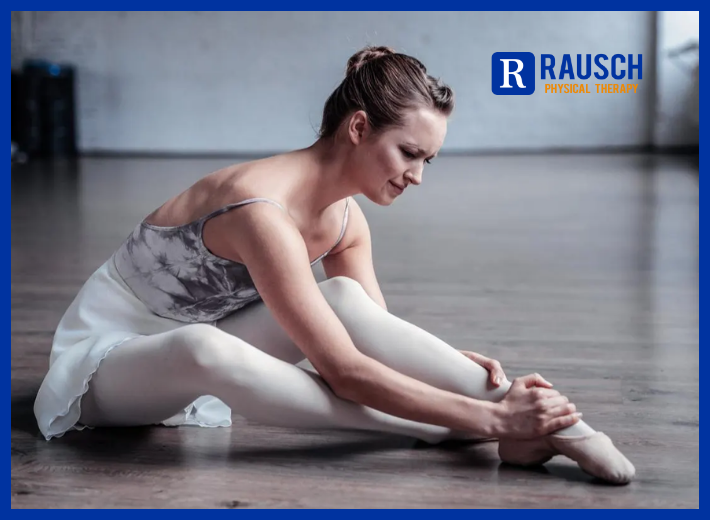
Dancers put their bodies through incredible feats of strength, agility, and flexibility. However, these demanding movements can also lead to a variety of injuries. As PTs, we understand the importance of maintaining peak performance while staying injury-free. Take a look at our valuable insights into prevention strategies and techniques to help dancers recover and thrive. 

Dance may look effortless, but it requires a lot of strength, flexibility and stamina. It also comes with a high risk of injuries. Whether you are a dancer, the parent of a dancer or a dance teacher, you should be aware of the most common dance injuries and learn how to avoid them.

Johns Hopkins performing arts physical therapists Andrea Lasner and Amanda Greene share valuable information about dance injury treatments and prevention tips. Lasner and Greene, both dancers, have turned their love for the art into a means of helping injured dancers.

What are some common dance injuries?

A few studies that looked into dance injuries found that injuries from using your joints and muscles too much (overuse injuries) are the most common in dancers. The majority of these overuse injuries involve an ankle, leg, foot or lower back. Some common dance injuries are:

  • Hip injuries: snapping hip syndrome, hip impingement, labral tears, hip flexor tendonitis, hip bursitis and sacroiliac joint dysfunction
  • Foot and ankle injuries: Achilles tendonitis, trigger toe and ankle impingement
  • Knee injuries: patellofemoral pain syndrome
  • Stress fractures: metatarsals, tibia, sesamoids and lumbar spine
  • Dancers are also likely to develop arthritis in the knee, hip, ankle and foot

Generally, dancers have a much lower rate of anterior cruciate ligament (ACL) injuries than other athletes. One explanation could be that dance training involves much more intense jumping from an earlier age than other sports, which helps improve muscle control.

How do I know if the pain is from an injury?

In most cases, the pain you experience after dancing is muscle soreness that usually subsides within 24 to 48 hours. Sometimes, it takes a few days for muscles to get sore, which is also normal. However, if you experience the following types of pain, you may have suffered an injury:

  • Pain that wakes you up at night
  • Pain that is present at the start of an activity
  • Pain that increases with an activity
  • Pain that makes you shift your weight or otherwise compensate your movements

If you experience such pain, consult with a medical specialist — preferably a physical therapist or physician with experience in treating dancers. They will be able to determine whether additional testing is needed and will formulate an appropriate treatment plan.

Why do dance injuries happen?

Dance is a physically demanding activity. Dancers perform repetitive movements for several hours a day. Studies have shown that dancing five hours a day or longer leads to an increased risk of stress fractures and other injuries.

On top of the intensive training, many dancers get little time to recover between the sessions and have no “offseason.” Restrictive diets and unhealthy body weights may also contribute to dance injuries. Proper nutrition is important for dancers of all ages.

How do dancers get ankle sprains?

Ankle sprains are the number one traumatic injury in dancers. Traumatic injuries are different from overuse injuries as they happen unexpectedly. When an ankle is sprained, ligaments on the inside or outside of your foot get twisted or overstretched and may experience tears. Ankle sprains often happen due to improper landing from a jump, misaligned ankles (when they roll in or out) or poorly fitted shoes. Torn ligaments never heal to their preinjury condition. Once you’ve sprained your ankle, you are at risk of doing it again. It’s important to build muscle strength to prevent further injuries.

Dance Injury Prevention

How can dance injuries be prevented?

The majority of overuse injuries and even some traumatic dance injuries can be prevented. Follow these guidelines to reduce your risk of injury:

  • Eat well and stay hydrated before, during and after class.
  • Get enough rest and avoid overtraining.
  • Do cross-training exercises to build strength and endurance in all parts of your body.
  • Always wear proper shoes and attire.
  • Always warm-up before training or performances.
  • Lead a healthy lifestyle and get to know your body.

When injuries happen, address them immediately and get advice from a doctor or physical therapist.

What are good cross-training exercises for dancers?

Core and hip strengthening exercises like Pilates and stability-based yoga are great for dancers. And so are aerobic and cardiovascular activities, such as running, swimming or biking. They get your heart rate up and help build stamina for long performances.

Many dancers don’t do enough cardio during their regular training. Just 30 minutes three to four times a week is usually enough to improve your endurance. As always, do this in moderation and in short intervals to avoid stressing your joints. Being screened by a physical therapist with experience treating dancers will help you identify individual areas of weakness to address with specific exercises.

How much rest should a dancer get?

While many experts stress the importance of proper rest, there are no specific guidelines on the frequency and amount of rest. However, we know that dancing five hours a day or longer is linked to an increased risk of injury. It is also known that intense activity leads to microdamage, which peaks in recovery 12 to 14 hours after a workout. So it would make sense to take the next day off after a high-intensity activity. Dancers should work at their highest intensity a couple of times per week and then take at least two days off, preferably in a row. Also, a three- to four-week period of rest after the season is ideal for recovery.

Dance Injury Treatment

Should I ice or heat after a dance injury?

If it’s a sudden injury, it’s best to apply ice first to reduce swelling and inflammation. RICE treatment is a common approach that involves rest, ice, compression and elevation. After a few days, you can switch to heat to increase blood flow to the area and promote healing. However, every person is different. If you feel that ice helps you better than heat, then there is nothing wrong with continuing to ice. But be careful not to ice before dancing or stretching, because you want those muscles to be warmed up to prevent re-injury.

What are my treatment options for a dance injury?

It depends on the type of injury, your level as a dancer and many other factors. For example, for traumatic injuries like ankle sprains, your doctor may recommend RICE, joint protection and physical therapy. For stress fractures you may need to limit weight on your foot by using crutches, wearing a leg brace or walking boots. Surgery is typically used as the last resort. It is best to discuss your treatment options with a doctor who specializes in dance injuries. And if you are working with a physical therapist, make sure he or she is experienced in treating dancers. A big part of physical therapy is correcting the training technique that led to the injury. Otherwise, you risk hurting yourself again by making the same mistake.

What should be in the first aid kit for dance injuries?

Your regular first aid kit might already have many of the essentials for handling a medical emergency. However, when it comes to common dance injuries, you may want to include a few additional items, such as:

  • Instant cold pack
  • Pre-wrap and athletic tape (if qualified providers are available to apply)
  • Elastic bandages (to be used only for compression, not support while dancing)
  • Crutches
  • Topical pain reliever

Rausch PT is here to help you achieve your best performance. Our personalized PT programs can keep you moving with grace and confidence. Don’t let injuries steal the spotlight. Contact us today at 949-597-0007. You can follow us on TikTok and Instagram for more inspiration and tips.


Reference: [https://www.hopkinsmedicine.org/health/conditions-and-diseases/sports-injuries/common-dance-injuries-and-prevention-tips]

What Is Pelvic Organ Prolapse (POP) and How It Happens

Dr. Marena Boctor Nakhla – Laguna Hills

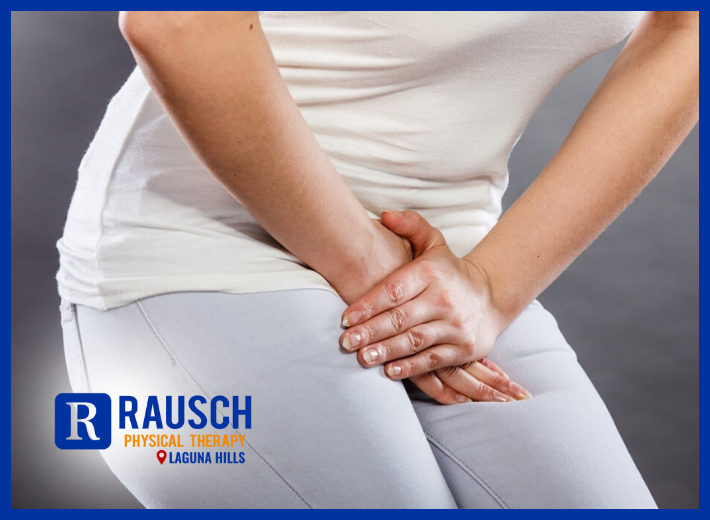
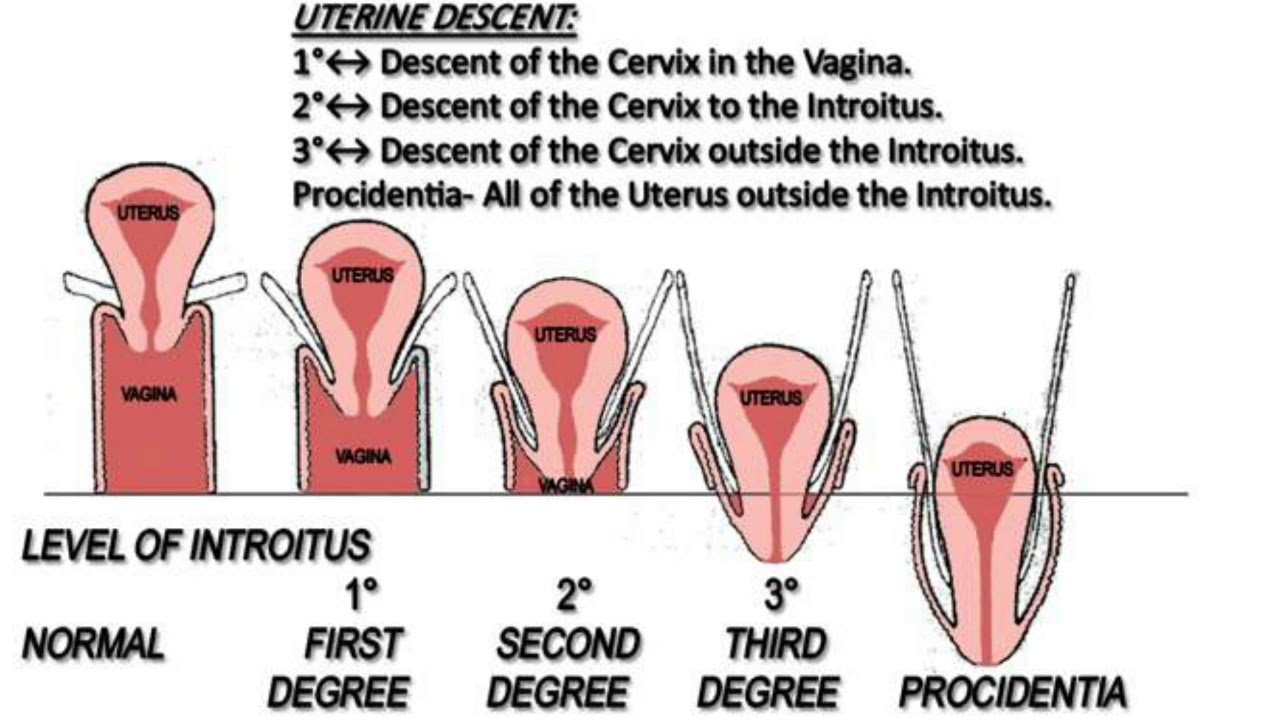
Pelvic organ prolapse (POP) is the descent of one or more organs such as the uterus, bladder, or rectum into the vaginal wall. It is most commonly referred to as herniation. 

Pelvic organ prolapse happens when the pelvic floor muscles are no longer able to support pelvic organs, resulting in a drop of the organs.

Types of prolapse: 

  1. Cystocele is when the bladder bulges into the vaginal space. It can also be called anterior wall prolapse.
  2. Recotcele happens when the rectum prolapse or herniates into the vaginal space. It can also be known as posterior vaginal prolapse.
  3. Uterine prolapse is when the uterus bulges into the vaginal space and can be called anterior wall prolapse.

Now let’s talk about causes for prolapse.

Pelvic Organ Prolapse is mainly caused by pregnancy and vaginal childbirth. Pelvic organ prolapse happens when pelvic floor muscles (PFM) are weak and unable to support the organ. Pelvic floor muscles need to be strong to be able to support the weight of the fetus. After childbirth, pelvic floor muscle starts to fatigue and dysfunction starts to occur.

Prolapse risk factors include:

Laceration, tearing, or stretching can affect the integrity and function of the pelvic floor. Forcep or vacuum-assisted delivery increases the risk of pelvic floor injury.

Grades of pelvic organ prolapse:

Pelvic organ prolapse is rated on a scale of 0-4. Each grade specifies the intensity of the prolapse.

  1. Stage 0 is absent or non
  2. Stage 1: > 1 cm above hymen
  3. Stage 2: 1 cm above or beyond the hymen
  4. Stage 3: > 1 cm beyond hymen
  5. Stage 4: complete eversion

Symptoms of pelvic organ prolapse 

DwfsicoyzIpoSmjLaaVdEFbgDHCMPCH1HM4m1CjCE8IOxyM-6WdQdyJH__2ZwjVTjq1Ve77f8I8x47jDOXuSe-PR8mJOy2u8nwIt16csHo4MOTVejZpLTuueHs700kX8x4ReRpGw

The most common symptom of all types of vaginal prolapse is the sensation that tissues or structures in the vagina are out of place or feeling that something is coming down. You might also feel pressure or pain in the perineum. Some patients may also feel pelvic or abdominal pain.

Symptoms may be exacerbated with standing or bearing down with bowel movements.

Management of pelvic organ prolapse: 

  1. Pelvic floor physical therapy to assess and treat pelvic floor muscle, core strengthening, stabilization exercises, and hip strengthening.
  2. Avoid intra-abdominal pressure by managing constipation. Avoid bearing down.
  3. Proper lifting mechanics. Always exhale while lifting heavy items.
  4. Weight loss. Increased intra-abdominal pressure can increase prolapse.
  5. Use of pessary. A pessary is a removable device placed into the vagina to aid in supporting pelvic organs.
  6. Loose clothing and supportive garments. Avoid tight and fitted pants as they can increase intra-abdominal pressure.

The Importance of Breathing

Dr. Kristen Nelson — Laguna Niguel

Breathing is something we do every day without even thinking about it. It allows our bodies to replenish with oxygen, which is very important for every system. Breathing is also beneficial for mental clarity, better sleep, and reduces stress levels. However, we need to know if we are breathing properly and efficiently. Without proper breathing, we could potentially cause harm to our bodies. 

Proper Breathing Technique 

Fy-5m28fVEbOmrkQYZ1Q-FgoyVOE1PqG66A4vhBWHCaCkcLT06XrQnmi6adyZSS5bdkVNvRLbfvnZX6-wmlytImrkWnxk6BC0C_oufuIILb0ZWddrdmzxJrQDCv3a1V5i9awCZzd

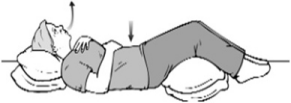
Even though it seems breathing should be a “no-brainer,” there is a proper way to breathe — called diaphragmatic breathing. Imagine that our bodies are like a balloon. As we inhale, our bellies should be expanding like a balloon, which causes our diaphragm to contract. As we exhale, our bodies should deflate like a balloon when our diaphragm relaxes. If we breathe from our chests, we are not breathing as efficiently and need to recruit our intercostal muscles (the muscles between our ribs) to assist us in breathing. One way to find out if we breathe from our chest or diaphragm is to lie on our back with one hand on our chest and the other on our stomach. Perform your regular breathing pattern and see which hand moves more; this can also be an exercise to teach ourselves how to breathe from our diaphragm.

Breathing and Exercise

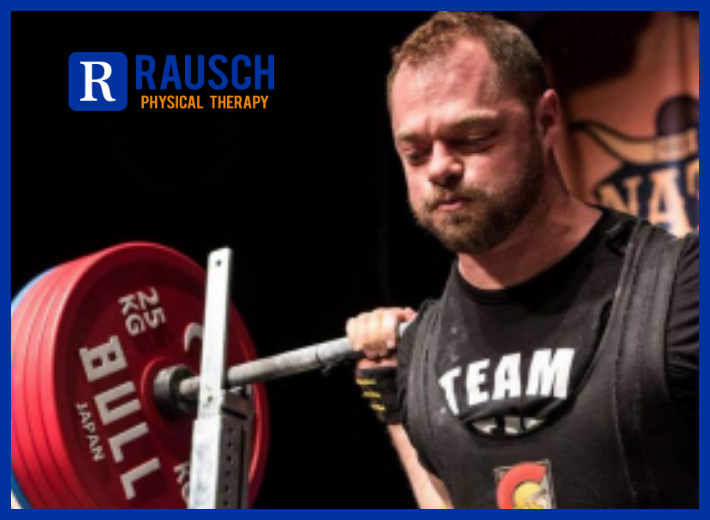
When exercising, we sometimes forget to breathe and instead hold our breath. It is important to remember to breathe properly during exercise, especially when performing stressful movements, such as heavy weight lifting. When performing exercises with heavy resistance, individuals might tend to hold their breath which is called the Valsalva maneuver. If you have ever seen YouTube videos of individuals fainting after lifting heavy weights, it is most likely they were holding their breath to be able to perform the lift. Weightlifters faint because of a drop in blood pressure and a lack of oxygen to the brain. Breathing properly will allow for more oxygen and blood flow to our muscles and brain and avoid a drop in blood pressure when performing high resistance activities, which can help mitigate injury (i.e. fainting due to dizziness from holding your breath).

Another Type of Breathing Exercise

noceL-3V3-Romv3GBzj8oxwn6nNOxiI8J0kaIU6J_FYO--Mo_GWI7OyHZJomSR4Uviml-thWD3NpSijCTr7WoIOrkzPeiqhgxpokFdgvdwaF8hDnFG_kVHf1PKB98Fc0oYDkrCHS

Not only is there diaphragmatic breathing, but there are other types of breathing techniques that are beneficial for individuals. One that I find to be helpful is “pursed-lip breathing.” This type of breathing can assist with activities such as lifting and bending. It is a technique to control and slow down our breathing patterns. Start in a relaxed position, such as sitting down in a comfortable chair. Next, start breathing slowly through your nose for a count of two. Then you want to purse your lips like you are blowing out through straw or trying to blow out a candle slowly. This slow exhalation should occur for a count of four. Perform this for a cycle of 5 breaths.

Take Away 

As we go about our daily lives, it is good to stop and check ourselves to see how we are doing with our breathing. Even though many of us have difficulty finding the time to check on our breathing, it only takes a minute to sit in a comfortable spot and focus on our breathing. Our physical and mental health will thank us for taking the time to check in with ourselves.

Physical Therapy ISN’T…

Jennifer Carman – Laguna Hills

In my 20+ years as a Physical Therapist, I have come across individuals who were displeased with their previous physical therapy experiences. They reported that physical therapy did not work for them, and they did not see any functional improvement. When I inquired about the details of their experience, I realized that although the service they received was called “physical therapy,” it was, in fact, not skilled rehabilitative physical therapy. I responded with, “That was NOT Physical Therapy!”

Physical Therapy ISN’T…

The following is what Physical Therapy IS NOT:

  • A quick patient assessment based solely on the treating diagnosis — followed by a cookie-cutter treatment plan for that diagnosis.
  • Seeing the treating physical therapist only on the initial evaluation day and never seeing them again during any follow-up visits.
  • The only hands-on treatment is placing a pre-treatment hot pack followed by a general massage.
  • Unsupervised exercises in the corner table.
  • Leaving the PT clinic with more pain and having made no progress.

Physical Therapy produces results when skilled, knowledgeable, individualized evaluation and hands-on treatment occur. We are proud to provide integrative, personalized, excellent, caring physical therapy.

Physical Therapy IS…

The following is what Physical Therapy IS:

  • 60-minute evaluation and patient assessment including thorough patient history; evaluating patient posture, strength, range of motion, flexibility, nerve function, gait mechanics, mobility, stability; observation of performance, movement. and specific recreational/vocational activities. The Physical Therapist creates a plan of care, and treatment plan, for each individual to address their specific impairments, dysfunction, and goals — based on what they find.
  • Every treatment visit following the initial evaluation consists of one-on-one time with the Physical Therapist, whereby the PT reassesses progress and goals. Treatment includes hands-on manual techniques, passive range of motion, joint mobilization, myofascial release, pain modalities, muscle reeducation and stabilization, balance/ posture/ gait training, movement analysis as needed, and relevant to patient diagnosis and presentation.
  • Treatment continues with therapeutic exercises chosen by the PT specifically for the individual patient, based on their goals and presentation. A physical therapy aide trained to instruct and observe proper exercise techniques supervises each exercise session.
  • PT treatment frequency and duration vary based on progress; usually, the patient will attend PT 1-3 treatments per week, times 4-8 weeks; as needed and medically necessary.
  • Each patient receives an individualized home exercise program to promote healing and functional progress.

Your Physical Therapy experience is our utmost priority. We are committed to your success. If you think you have had a previous unsuccessful Physical Therapy experience and are currently in pain or limited by pain or dysfunction, consider Physical Therapy with us. We accept Direct Access, which means a doctor referral or prescription is not required. 

We hope to see you soon so you can get back to your best life!

Start your journey to recovery today — (949) 597-0007. Don’t forget to join us on our Facebook page.

Scrumptious Smoothie Recipes

What comes to your mind when you think of a healthy snack? You probably thought of fruits, yogurt, and cereal bars, right? So it’s time for you to try something new. Smoothies are refreshing, easy to prepare, versatile, and nutritious. Check out Dr. Danielle’s secret smoothie recipes to inspire your next break.

By: Dr. Danielle Fleming

In my opinion, any time is a perfect time to whip up some smoothies (or bowls) for a cooling delicious meal, snack, or dessert.

Smoothies are great in many ways. Yes, they can be cool and refreshing (although I’ve been known to eat them in winter months, too), and they are extremely versatile. You can throw whatever you want in a blender, really! Smoothies can also be helpful for sneaking in plenty of fruits and vegetables and protein, and for gaining or losing weight depending on how you prepare them! They are also easy to meal prep, they’re portable, and they may be easier on your digestive system vs. solid foods. Frozen fruits and veggies are great, and affordable options for your smoothies!

As I mentioned, feel free to experiment with your smoothie recipes! The ones I have here are just some frameworks for ones I like! I also like to add protein powder to my smoothies (some of my favorites are Nuzest. Truvani, and Orgain).

Keep in mind, to keep the sugars (carbs) from fruits in check, balance with veggies! You can of course do all veggie smoothies, too!

  • Acerola Cherry & Peach

    1. 1 frozen acerola cherry puree packet (can be found at grocery stores like Trader Joe’s)
    2. 1 cup frozen peaches
    3. ½ frozen banana (frozen into coins is easier to blend, or fresh + ice cubes)
    4. 1 cup frozen riced cauliflower
    5. 1 scoop protein powder (I like vanilla)
    6. 1 tablespoon flaxseed
    7. Liquid (plant milk, water, etc.) as needed for consistency
  • Berry Berry Green

    1. 1 cup frozen blueberries
    2. 1 frozen acai puree packet (or sub with 1 cup frozen raspberries)
    3. ½ cup frozen blackberries
    4. Big handful(s) of dark greens like kale or spinach
    5. 1 scoop of protein powder
    6. 1 tablespoon chia seeds
    7. Liquid as needed for consistency
  • Sunny Orange

    1. 1 frozen orange (peel, dice, freeze)
    2. 1 cup frozen papaya (peel, dice, freeze)
    3. ½ cup frozen pineapple
    4. 1-2 cups frozen riced cauliflower
    5. ½ cup frozen sweet potato (steamed, diced, frozen)
    6. 1 tablespoon hemp seeds
    7. Liquid as needed for consistency
  • Veg’d Out

    1. Handful spinach (can be chopped, frozen, or fresh)
    2. Handful kale (can be chopped, frozen, or fresh)
    3. 1 teaspoon green spirulina
    4. 1 cup frozen cucumber
    5. 1 cup frozen cauliflower
    6. A scoop of protein powder
    7. 1 tablespoon nut butter (choose raw versions — I like almond butter or Sunbutter)
    8. Liquid as needed for consistency
    9. *If you want some fruit, green apple, banana, or pineapple would go well!

For all of these, just throw in a blender and blast until smooth! 

Comment on some of your favorite smoothie experiments!

Disclaimer — All the information that you find on our blogs and social media pages is for informational purposes only and is not intended to be used as your personal professional diagnosis, or treatment. Come and see us for your excellent, personalized care! https://staging.rauschpt.net/


Dr. Danielle Fleming, PT, DPT, CSCS, Pn1

daniellef@rauschpt.net 

Dr. Danielle, our “Wellness PT” is a certified nutrition and wellness coach, and promotes a holistic approach to health. Let’s talk! We are here to help. Give us a call at (949) 276-5401 for a complimentary consultation. We would love to meet you.

There’s no prescription needed from a doctor to see us, but we will communicate your progress and treatment to your doctor — if you’d like us too! 

Blue Zones

If living a happier and healthier life in 2022 was one of your New Year’s resolutions, this article is for you! Dr. Danielle Fleming has gathered life-hacks shared by the people from the healthiest areas of the world.

By: Dr. Danielle Fleming

History of Blue Zones – Blue Zones

Have you heard people talk about Blue Zone populations? Wondering what and where they are, and what makes them so special?! I have answers!

Blue Zones is a trademarked term – dubbed by Dan Buettner – identifying world regions with the longest-living, healthiest populations. These are the populations with the most centenarians. People here tend to live happier, more fulfilled lives, too. Yay! 

There are five Blue Zones around the world: Okinawa, Japan; Loma Linda, California, USA; Sardinia, Italy; Icaria, Greece; and Nicoya, Costa Rica. Dan and his team found that people in these areas share several common lifestyle factors that contribute to their longevity and health. 

These 9 common factors are:

  1. Moving naturally and often 
  2. Knowing their purpose in life
  3. “Down shifting” i.e. de-stressing activities 
  4. 80% rule (stop eating at 80% full and don’t eat late at night)
  5. Plant-based diets with minimal meat
  6. Light-moderate wine drinking frequently (but not heavy binging)
  7. Belonging to any kind of faith-based community
  8. Prioritizing family ties
  9. Being surrounded by the right people that promote healthy lifestyles

I’m sure many of us want to live long, thriving lives in every aspect (thriving vs surviving). Drawing inspiration from the Blue Zone populations could help us do that, so knowing and implementing these factors is a first step! 

Think about which ones you need more of in your life, and actions to take based on that.

Like for me, I am working on surrounding myself (and BEING ONE) with people that promote the lifestyle and goals I am looking for (#9) so I can #levelup and continue to grow.

Additionally, The Blue Zones organization has lead to further research and movements related to promoting health and longevity. For example, my friends gifted me The Blue Zones Kitchen cookbook (I need to utilize it more!), which contains all kinds of healthy recipes based off of the research around what people in the Blue Zones typically eat. My friends made me the Minestrone Soup from Sardinia (enjoyed with red wine) and…BAM!

Let’s point out some of these recipes – you may find some new faves or get the book yourself for more!

Sardinia:

  • Minestrone 3 Ways – Minestrone with Fennel and Wild Garlic
    Beans, chickpeas, fava beans, lentils, potatoes, onion, celery, garlic, fennel, pasta, chard, squash, tomatoes
  • Cabbage and Sun-Dried Tomato Saute
    Sun-dried tomatoes, cabbage, green onions, sweet onion, EVOO
  • Spaghetti with Walnut Pesto
    Walnuts, spaghetti, garlic, parsley, EVOO, salt
  • Sardinian-Style Pizza
    Garlic, EVOO, tomatoes, basil, veggie broth, pane carasau bread (or pitas), optional pecorino cheese

Okinawa: 

  • Sweet and Spicy Carrot Medley
    Carrots, onion, sesame oil, dashi or veggie broth, chili paste or red pepper flakes, mirin
  • Sweet Potato and Onion Hash
    White sweet potatoes, onion, carrots, oil, dashi broth, scallions, soy sauce
  • Iced Banapple Tumeric Smoothie
    Banana, apple, turmeric, soy milk, ice
  • Savory Rice Porridge
    White rice, miso, dark green leafy greens, dashi broth

Nicoya:

  • Veggie Hash with Corn and Onions
    Chayote squash, corn, red or yellow peppers, onion, cilantro, celery, garlic, cilantro coyote, achiote paste
  • Fried Green Plantains
    Plantains, veggie oil
  • Bean Soup Three Ways – Black Bean and Potato Soup
    Chayote squash, carrot, potatoes, culantro coyote, onion, garlic, veggie stock, black beans
  • Horchata:
    Rice, water, cinnamon, nutmeg, sugar

Icaria:

  • Winter Potato Salad
    Potatoes, dill, EVOO, red wine vinegar, arugula, spinach, onion, romaine, radish
  • Hummus With Parsley
    Chickpeas, garlic, EVOO, red wine vinegar, parsley
  • Honey Cookies
    Orange juice, honey, lemon, vanilla, cognac/rum, EVOO, flour, cloves, cinnamon, nutmeg
  • Tomato Pasta Soup
    Veggie broth, tomato, tomato sauce, EVOO, orzo/pasta

Loma Linda:

  • Longevity Smoothie Bowl
    Almond milk, banana, blue/blackberries, kale, spinach, almond butter, flax, turmeric, cinnamon – toppings!
  • Quick Cornbread
    Flax, cornmeal, flour, soy milk, applesauce, oil, maple syrup, vanilla, corn
  • Veggie No-Meat Balls
    Chickpeas, garlic, bread crumbs, oregano, basil, spices
  • Coconut Chia Pudding
    Coconut cream, coconut milk, agave, lemon zest, chia seeds

Which ones sound good to you?! I know healthy cookies, pizza, and horchata sound YUMMY to me! Share with your buddies and get cooking!

Disclaimer — All the information that you find on our blogs and social media pages is for informational purposes only and is not intended to be used as your personal professional diagnosis, or treatment. Come and see us for your excellent, personalized care! https://staging.rauschpt.net/


Reference:

History of Blue Zones – Blue Zones

The Blue Zones Kitchen: 100 Recipes to Live to 100 – Dan Buettner 

Dr. Danielle Fleming, PT, DPT, CSCS, Pn1

daniellef@rauschpt.net 

Dr. Danielle, our “Wellness PT” is a certified nutrition and wellness coach, and promotes a holistic approach to health. Let’s talk! We are here to help. Give us a call for a complimentary consultation. We would love to meet you.

Did you know there’s no prescription needed from a doctor to see us – but we will communicate your progress and treatment to your doctor if you’d like us too! 

(949) 276-5401