Blog

Simple Strategies to Relieve Tight Muscles

Are you tired of dealing with persistent muscle tightness that’s been holding you back from enjoying life to the fullest? Tight muscles can be a real nuisance, affecting everything from your daily comfort to your overall well-being. Fortunately, there are simple yet effective ways to address this issue and regain your mobility. 

Feeling stiff? Achy? Can’t move quite like you used to?

You’ve likely got one – or more – tight muscles to blame. But what does it mean when muscles are tight?

Dr. Neal H. Patel, a family medicine specialist with Providence St. Joseph Hospital in Orange County, California, compares muscles to “rubber bands that have a certain level of natural stretch and elasticity. When someone says their muscles are tight, it means the muscles are similar to a stiff rubber band and not able to move as freely or be as elastic as they should be.”

Why Tight Muscles Happen

There are a variety of reasons why your muscles can feel tight, says Claire Such, a physical therapist in sports medicine at the Ohio State University Wexner Medical Center in Columbus. “In some cases, the muscle is at a shortened length compared to its ideal length,” she explains. This can result from being too sedentary or habitually being in the same position too often.

In other cases, “feelings of chronic muscle tightness can also be due to muscle weakness and fatigue,” Such says. This could be a sign that the muscle group needs to be strengthened.

“The body works on a simple principle of ‘if you don’t use it, you lose it,’” Patel adds. Therefore, if you don’t exercise or stretch much, that can reduce the natural movement and integrity of the muscle fibers and tendons, he says.

One of the biggest and most common culprits of tight muscles is sitting, typically while focusing on a computer or other gadget.

“When you sit, you keep your hip flexors in a constantly shortened, yet underload(ed) position,” explains kinesiologist and medical exercise specialist Dean Somerset, based in Alberta, Canada. After all, your hip flexors not only draw your knees up to your chest, they stabilize your spine and help keep it in place. As if tight hip flexors weren’t bad enough, all of their constant tension also draws the top of the pelvis forward, pulling your hamstrings tight and keeping you from being able to touch your toes.

Meanwhile, chances are that when you’re sitting, you’re also hunched over a keyboard, tablet or phone. “Ideal alignment is with the head directly over the spine,” Somerset explains. “When your head moves forward, your upper (trapezius) muscles have to work extremely hard to keep your head from basically falling off your shoulders.” The result: Those muscles become short and fatigued.

How to Release Chronically Tight Muscles

“If your muscles have tightened up, they’re not operating at 100% capacity,” says Costa Mesa, California-based certified personal trainer Kelly Collins, co-founder of SISSFiT, designed to help women lead healthier, fitter lives. “Therefore, loosening your muscles will not only relieve stress and reduce your risk of injury, but improve your overall functional performance and the results you get from those workouts.”

Such says that if you’re engaging in static stretching – that conventional kind of stretching that involves moving the muscle into its longest position without pain and holding it for 15 to 20 seconds – “it’s important to perform this after you are warm and are done with any exercise or activity you’re doing.” Being warmed up offers better results for both the stretching and your workout.

When your muscles are tight, sometimes your body’s neuromuscular control system gets a bit overprotective. This system includes an array of neurons and protective tissues that have to fire (or not fire) in a certain way for any given muscle to stretch to its full physiological capacity, Somerset explains.

So, to fully stretch a muscle, your neuromuscular system has to release its resistance to stretching that far. It does so by signaling your muscles not to worry and that it’s OK to stretch this far.

Exercise physiologists commonly use a stretching technique called “proprioceptive neuromuscular facilitation,” or PNF, to do this. While there are various ways to conduct PNF stretching, many experts believe the most effective version for combating excessive tightness, increasing muscle length and improving range of motion is the hold-relax with agonist contraction method. It’s a mouthful, but it’s easy enough to perform at home with some help from a friend or family member.

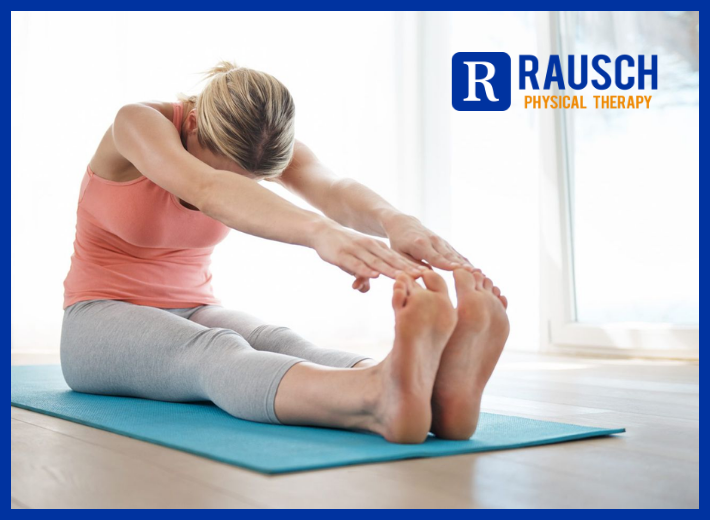
Here’s how to perform the stretch with the commonly tight hamstrings, but you can apply this same sort of stretch to any tight muscle. Perform two to four bouts of this stretch per day, either immediately following exercise or at the end of the day. It’s important to note that stretching should never provoke pain, so be mindful of not moving a joint so far that it causes pain.

Step 1:

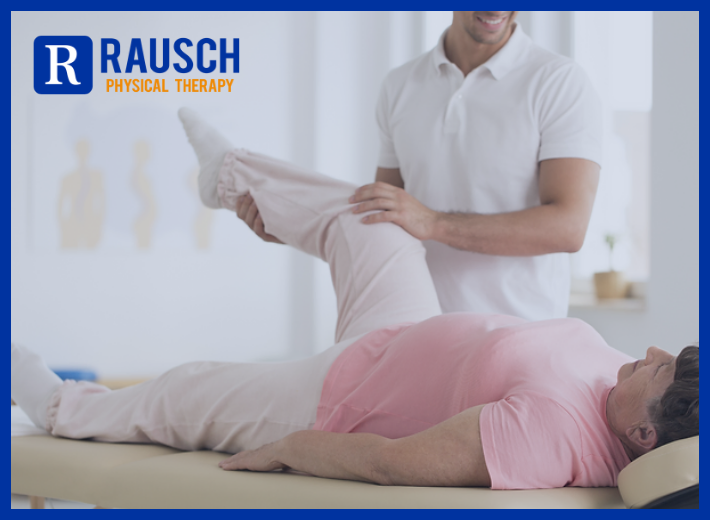
Lie on your back on the floor, with one leg extended straight toward the ceiling. Have a partner hold your lifted leg firmly, with one hand on your heel and the other the thigh just above your knee.

Step 2:

Keeping your leg straight, have your partner press on your leg to move it toward your chest until you feel a mild stretch in your hamstrings. Have your partner hold this stretch for 10 seconds. Make sure to relax into the stretch.

Step 3:

With your partner still holding your leg firmly in the same stretched position, contract your hamstrings to push against their hands and “fight” the stretch for six seconds. With both of you working in opposite directions, your leg should not move.

Step 4:

Relax again into the stretch, this time using your quads to help “pull” your leg even closer to your chest and deepen the stretch. Hold for 30 seconds. You should be able to stretch the hamstrings farther than you could during Step 2.

Five Tips to Improve Your Stretching

Adding these strategies to your routine can help you get more out of every stretch:

Improve your core strength

Oftentimes, short, tight muscles are due to nothing more than a weak core, explains Los Angeles-based certified strength and conditioning specialist Holly Perkins, author of “Lift to Get Lean.” That’s because the core is in charge of stabilizing your spine and pelvis. So, when your core is weak – and thus your spine and pelvis get out of proper alignment – you’re bound to tighten some muscles.

Perkins recommends improving core strength through core stability exercises such as planks and “dead bugs.” Dead bugs are performed by lying on the floor on your back, engaging the core muscles and raising and lowering your arms above your head and legs with knees bent in an alternating pattern that looks something like a dead bug lying on its back.

Strengthen the muscle group

For other muscle groups beyond the core, strengthening can also help alleviate muscle tightness, Such says. When strengthening, it’s best to slowly ramp up your strength training rather than trying to do too much all at once.

“Strengthening that muscle group progressively over time will allow for more permanent elimination of those sensations and will lend more dynamic stability (making sure your body moves efficiently the way it was mechanically built) to the joint or joints it supports over time,” Such says.

Pair your stretching with foam rolling

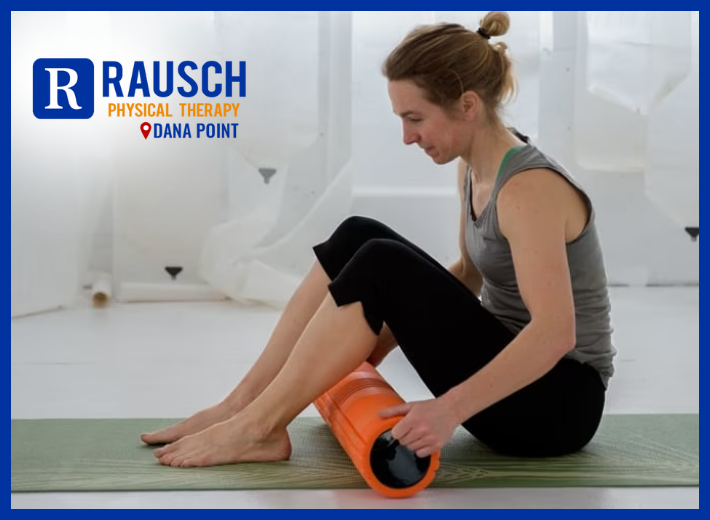
Before diving into your favorite stretches, spend some time with a foam roller. While study results of foam rolling’s effectiveness and best application have been mixed, there is some evidence that it can be a helpful warmup activity to improve flexibility before exercise and it can also reduce muscle fatigue and soreness when used after exercise.

Collins recommends that, no matter your activity level, spend at least 10 minutes three times per week stretching and foam rolling.

Stay hydrated

“Because muscles retain water, especially after exercising, dehydration can also be a cause of muscle tightness,” Patel notes.

Make sure you’re taking in adequate levels of water; the U.S. National Academies of Sciences, Engineering and Medicine recommend consuming 15.5 cups (3.7 liters or 125 ounces) of fluid each day for men and 11.5 cups (2.7 liters or 91 ounces) of fluid per day for women. Roughly 20% of your fluid needs each day are typically met through foods you eat; the rest you should be drinking, and plain water is usually the more effective drink you can reach for.

Add pressure

In addition to stretching, Patel recommends getting a massage from a licensed professional, “ideally one that places deeper tissue pressure.” Massage guns like the Theragun or HyperIce can also help relax and break down tension in muscles, he says. These devices are widely used in professional sports to help athletes keep tightness at bay when not actively participating in the game.

Battling a Consequence of Aging

Patel notes that while tight muscles might seem concerning, they are not a serious medical issue.

Dr. Akash Bajaj, a longevity specialist and founder of concierge wellness practice Remedy Wellness & Anti Aging in Marina del Ray, California, says that experiencing tightness in the muscles is common. “As we grow older, we can expect to experience episodes of muscle tightening because of lack of use, injuries and depletion of certain vital minerals like magnesium.”

Magnesium is vital for keeping muscles loose and supple. “This is why we must pay as much attention to keeping ourselves youthful and treat our bodies well as early as possible,” Bajaj advises.

Moving as much as you can and incorporating stretching into your daily routine, just like you would brush and floss your teeth, can help keep your muscles supple and ready to move well into your golden years, Patel adds.

Get rid of those stubborn muscle tightness issues with Rausch PT. Our experienced physical therapy team is here to help you regain your mobility and enjoy the activities you love. Plus — we offer Rx Massage to support your health journey. Contact us today at 949-597-0007 and start your journey to better health and well-being. For more helpful tips and information, follow us on Instagram.


Reference: [https://health.usnews.com/wellness/fitness/articles/simple-ways-to-ease-tight-muscles]
Posture Perfection: Tips and Exercises

Maintaining good posture and its impact on our overall health and well-being is often underestimated. From sitting at a desk all day to hunching over our devices, poor posture has become a common modern-day affliction. Learn the crucial role your posture plays and strategies to improve your routine by reading the article below.

Good posture involves training your body to stand, walk, sit, and lie in positions where the least strain is placed on supporting muscles and ligaments during movement or weight-bearing activities.

If any of the following guidelines causes an increase of back pain or spreading of pain to the legs, do not continue the activity and seek the advice of a doctor or physical therapist.

The spinal curves

Your spine has natural curves that form an S-shape. Viewed from the side, the cervical and lumbar spines have a lordotic, or a slight inward curve, and the thoracic spine has a kyphotic, or gentle outward curve. The spine’s curves work like a coiled spring to absorb shock, maintain balance, and to facilitate the full range of motion throughout the spinal column (see Anatomy of the Spine).

These curves are maintained by two muscle groups, flexors and extensors. The flexor muscles are in the front and include the abdominal muscles. These muscles enable us to flex, or bend forward, and are important in lifting and controlling the arch in the lower back.

The extensor muscles are in the back. These muscles allow us to stand upright and lift objects. Working together these muscle groups act as guy wires to stabilize your spine.

What is good posture?

Posture is the position in which you hold your body upright against gravity while standing, sitting, or lying down.

Proper posture requirements:

  1. Good muscle flexibility
  2. Normal motion in the joints
  3. Strong postural muscles
  4. A balance of muscles on both sides of the spine
  5. Awareness of your own posture, plus awareness of proper posture which leads to conscious correction. With much practice, the correct posture for standing, sitting, and lying down (as described below and on the following page) will gradually replace your old posture.

Proper Sitting Posture

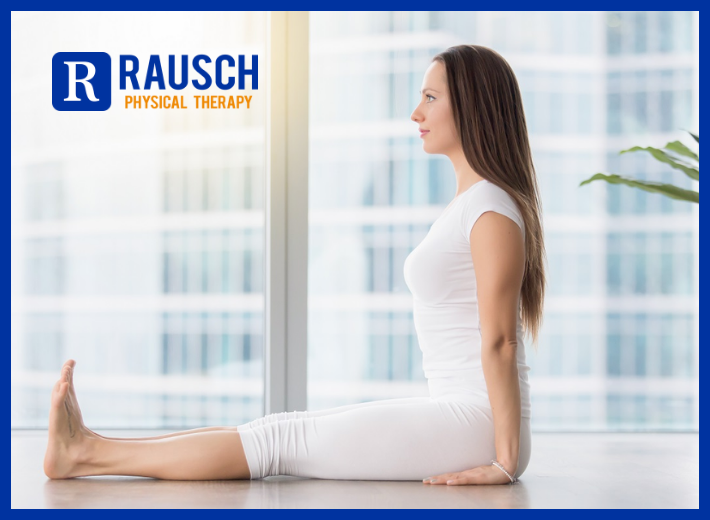
Shoulders over hips, feet flat on the floor, low back support provided, and chin aligned over the chest.

Proper Sitting Posture at Desk

Posture should start with shoulders over hips with good low back support. Details include: elbows flexed to 90 degrees, knees bent to 90 degrees, feet flat on floor or supported with stool/ phonebook (enough that there is a finger width gap between the knee and the chair). Computer monitor should be at eye level, head position should include ears aligned with shoulders. The computers mouse should be close enough that the elbow remains in a bent position. Finally, pen/phones should be kept within 14-16 inches of reach.

Sit to Stand

Place your feet so that toes and knees are in line. Bend forward so your nose is over your toes. Push up from the chair with a controlled motion. Use your hands as needed.

Tying Shoes

Place your foot on your opposite knee to keep from bending too far forward.

Proper Bending and Reaching Technique (Golfers Lift)

Please be aware that bending and lifting are contraindicated after lumbar fusion/kyphoplasty procedures. This technique is provided for the rare occasions when you absolutely require objects being picked up from the floor. Note that the subject has arranged herself in a position where she can use the leg as a lever arm to pull her body back up to its standing posture while maintaining a flat back.

Proper Sleeping Posture

When lying on your back a pillow support should be utilized under the knees. Remember a pillow should support the neck not the head.

Proper Sidelying Posture

Place the pillow support between the knees with another pillow support at the lumbar spine and a third pillow supporting the neck and head. The lumbar support pillow is only necessary if there is a gap between the bed and the waist.

Log Roll

With starting position lying on your back bend your knees.

Roll onto your side.

Keep your shoulders and hips together as a unit as you roll.

Place your top hand to the bed and push up while lowering your legs to the floor.

Slowly raise your body while lowering the legs to assume an upright position.

Getting In & Out of Car

Getting in the Car

  • When getting into the car, back up to the car seat until you feel the seat behind your legs.
  • Reach one hand behind you for the back of the seat while placing your other hand on the dashboard for balance.
  • Lower yourself slowly to the seat and bring your legs into the car one at a time.
  • Scoot your hips back until you are fully on the seat.

Getting out of the Car

  • Position the seat all the way back for maximum leg clearance.
  • Bring each leg out one at a time, turning your hips and shoulders with your body to avoid twisting at your spine.
  • Place one hand on the back of the seat and one hand on the door frame or dashboard.
  • Push up to a standing position; don’t pull.
  • Tip: Placing an empty plastic bag on the seat of the car will make sliding in and out of the car easier for you.

Preventing back pain and injury

Self care. Using correct posture and keeping your spine in alignment are the most important things you can do for your back. The lower back (lumbar curve) bears most of your weight, so proper alignment of this section can prevent injury to your vertebrae, discs, and other portions of your spine. If you have back pain, you may need to make adjustments to your daily standing, sitting, and sleeping habits and learn proper ways to lift and bend (see Self Care for Neck & Back Pain). Your workspace may need to be rearranged to keep your spine from slouching. Because extra pounds can make back pain worse, you should maintain a weight that is appropriate for your height and body frame.

Exercise. Regular exercise is important to prevent back pain and injury. A program of strengthening, stretching and aerobic exercises will improve your overall fitness level. Research has shown that people who are physically fit are more resistant to back injuries and pain, and recover quicker when they do have injuries, than those who are less physically fit (see Exercises: Back Stretches & Strengthening).

Ready to make positive changes in your posture and overall health? Our expert physical therapists are here to guide you. Schedule your appointment today at 949-597-0007. You can follow us on TikTok and Instagram for more inspiration and tips.


Reference: [https://mayfieldclinic.com/pe-posture.htm]

Step Ahead of Shin Splints

Are you an avid runner, dancer, or sports enthusiast who’s been dealing with the frustrating discomfort of shin splints? Don’t worry, you’re not alone. These pesky pains can put a real damper on your active lifestyle. But fear not – we’re here to offer some friendly guidance on how to tackle those shin splints head-on and get back to doing what you love. 

What are shin splints?

Shin splints refer to pain and tenderness along or just behind the large bone in the lower leg (the tibia).

What causes shin splints?

Shin splints most often happen after hard exercise, sports, or repetitive activity. This repetitive action can lead to inflammation of the muscles, tendons, and thin layer of tissue covering the shin bones, causing pain.

What are the symptoms of shin splints?

These are the most common symptoms of shin splints:

  • Pain felt on the front and outside of the shin. It’s first felt when the heel touches the ground during running. In time, pain becomes constant and the shin is painful to the touch.
  • Pain that starts on the inside of the lower leg above the ankle. Pain gets worse when standing on the toes or rolling the ankle inward. As the shin splint progresses, the pain will increase.

The symptoms of shin splints may look like other conditions or medical problems. Always talk with your healthcare provider for a diagnosis.

How are shin splints diagnosed?

Your healthcare provider can most often diagnose shin splints by reviewing your medical history and doing a physical exam. X-rays are often needed.

How are shin splints treated?

Your healthcare provider will figure out the best treatment based on:

  • How old you are
  • Your overall health and medical history
  • How sick you are
  • How well you can handle specific medicines, procedures, or therapies
  • How long the condition is expected to last
  • Your opinion or preference

The best course of treatment for shin splints is to stop any activity that’s causing the pain until the injury is healed. Other treatment may include:

  • Stretching exercises
  • Strengthening exercises
  • Cold packs
  • Medicine, such as ibuprofen
  • Running shoes with a stiff heel and special arch support

Can shin splints be prevented?

You may be able to prevent shin splints by wearing good fitting athletic shoes. Also, gradually increase the intensity, duration, and frequency of a new exercise routine. It may also help to switch between high impact activities and low impact activities such as swimming or cycling.

Say goodbye to those bothersome shin splints and welcome pain-free activities! Our team of skilled physical therapists is here to help you regain your stride. Contact us today at 949-597-0007 to schedule your consultation. For more helpful tips and information, follow us on Instagram.


Reference: [https://www.hopkinsmedicine.org/health/conditions-and-diseases/shin-splints]

Jumpstart Your Fitness

Embracing a fitness journey is all about taking steps towards a healthier and more active lifestyle. Plyometric exercises can invigorate your routine and enhance your overall fitness experience. These explosive movements, known for their dynamic and impactful nature, offer various benefits, from increased strength to improved agility. Learn all about this trend.

As a kid, I spent many Saturdays romping around my Florida neighborhood imitating Colonel Steve Austin, better known as The Six Million Dollar Man to avid TV watchers in the 1970s.

The popular show featured a bionic man — half human and half machine — who could jump from three-story buildings, leap over six-foot-high walls, and bolt into a full 60-mile-per-hour sprint. Naturally, these actions occurred in slow motion with an iconic vibrating electronic sound effect.

My own bionic moves involved jumping to pluck oranges from tree branches, hopping over anthills, and leaping across narrow ditches while humming that distinctive sound. I didn’t realize it, but this imitation game taught me the foundations of plyometrics — the popular training routine now used by top athletes to boost strength, power, and agility.

What are plyometrics?

Plyometric training involves short, intense bursts of activity that target fast-twitch muscle fibers in the lower body. These fibers help generate explosive power that increases speed and jumping height.

“Plyometrics are used by competitive athletes who rely on quick, powerful movements, like those in basketball, volleyball, baseball, tennis, and track and field,” says Thomas Newman, lead performance specialist with Harvard-affiliated Mass General Brigham Center for Sports Performance and Research. Plyometrics also can help improve coordination, agility, and flexibility, and offer an excellent heart-pumping workout.

Who can safely try plyometrics?

There are many kinds of plyometric exercises. Most people are familiar with gym plyometrics where people jump onto the top of boxes or over hurdles.

But these are advanced moves and should only be attempted with the assistance of a trainer once you have developed some skills and muscle strength.

Keep in mind that even the beginner plyometrics described in this post can be challenging. If you have had any joint issues, especially in your knees, back, or hips, or any trouble with balance, check with your doctor before doing any plyometric training.

How to maximize effort while minimizing risk of injury

  • Choose a surface with some give. A thick, firm mat (not a thin yoga mat); well-padded, carpeted wood floor; or grass or dirt outside are good choices that absorb some of the impact as you land. Do not jump on tile, concrete, or asphalt surfaces.
  • Aim for just a few inches off the floor to start. The higher you jump, the greater your impact on landing.
  • Bend your legs when you land. Don’t lock your knees.
  • Land softly, and avoid landing only on your heels or the balls of your feet.

Three simple plyometric exercises

Here are three beginner-level exercises to jump-start your plyometric training. (Humming the bionic man sound is optional.)

Side jumps

Stand tall with your feet together. Shift your weight onto your right foot and leap as far as possible to your left, landing with your left foot followed by your right one. Repeat, hopping to your right. That’s one rep.

  • You can hold your arms in front of you or let them swing naturally.
  • Try not to hunch or round your shoulders forward as you jump.
  • To make this exercise easier, hop a shorter distance to the side and stay closer to the floor.

Do five to 15 reps to complete one set. Do one to three sets, resting between each set.

Jump rope

Jumping rope is an effective plyometric exercise because it emphasizes short, quick ground contact time. It also measures the coordination and repeated jump height as you clear the rope.

  • Begin with two minutes of jumping rope, then increase the time or add extra sets.
  • Break it up into 10- to 30-second segments if two minutes is too difficult.
  • If your feet get tangled, pause until you regain your balance and then continue.

An easier option is to go through the motions of jumping rope but without the rope.

Forward hops

Stand tall with your feet together. Bend your knees and jump forward one to two feet. Turn your body around and jump back to the starting position to complete one rep.

  • Let your arms swing naturally during the hop.
  • To make this exercise easier, hop a shorter distance and stay closer to the floor.
  • If you want more of a challenge, hop farther and higher. As this becomes easier to do, try hopping over small hurdles. Begin with something like a stick and then increase the height, such as with books of various thicknesses.

Do five to 10 hops to complete one set. Do one to three sets, resting between each set.

Discover the transformative benefits of plyometric exercises and count on our expert physical therapy team to guide you on a journey of strength, agility, and explosive movement tailored to your unique needs and goals. Schedule your appointment today at 949-597-0007 and start your path to a stronger you. You can follow us on TikTok and Instagram for more inspiration and tips.


Reference: [https://www.health.harvard.edu/blog/plyometrics-three-explosive-exercises-even-beginners-can-try-202308022960]

How to Alleviate Morning Joint Stiffness

Are you tired of waking up feeling like a creaky robot? We’ve all been there! The struggle of dealing with morning stiffness is real, and it can seriously put a damper on your day. But we’ve got your back (and your knees, and your hips!) with some tips to help you say goodbye to those stiff joints and welcome a more vibrant morning routine. 

Rusty old hinges tend to get locked in place if they sit unused for an extended period of time. The same concept applies to your joints.

That’s why your first steps in the morning after hours in bed might seem a bit awkward. The same sensation hits after binge-watching TV shows from the couch or sitting in the car during a long road trip.

So, why do your joints stiffen up like the Tin Man after he’s caught in a downpour? And is there a point when that feeling is a sign of a bigger concern? Rheumatologist Ahmed Elghawy, DO, has your answers.

What causes morning stiffness?

Joints need lubrication to operate smoothly. That’s why you oil or grease a squeaky door hinge.

Your joints come with a natural lubricant known as synovial fluid. This viscous fluid fills the meeting space between bones. The slippery substance allows for smooth movement within your knees, elbows, and other joints.

The more you move around, the more this fluid circulates in your joints to keep everything gliding, says Dr. Elghawy.

But when you rest, that lubricant sits and thickens.

The next time you move around … well, let’s just say that those joints don’t immediately operate quite as efficiently as they did earlier. That resulting “stiff” feeling remains until the fluid thins and starts recirculating.

This phenomenon is sometimes called “morning gel” in reference to how synovial fluid stiffens like gelatin when allowed to rest.

Can ‘morning gel’ signal a joint issue?

Experiencing some joint stiffness after inactivity is natural at any age. But as you get older, the feeling may become more common and linger a little longer given decreases in your synovial fluid.

Still, that creakiness should disappear relatively quickly after you start moving around.

But if that joint stiffness is prolonged, it may signal:

  • Osteoarthritis is the common arthritis people may experience with age. “It tends to become more problematic as people get older,” notes Dr. Elghawy. “The effects can also be accelerated by injuries, too, such as from years of playing sports.”
  • Inflammatory arthritic conditions such as rheumatoid arthritis, psoriatic arthritis, and ankylosing spondylitis involve an overactive immune system.

Determining the cause of longer-lasting stiffness is important — particularly when it comes to autoimmune conditions, which require more specialized care and treatment.

“When joint stiffness lasts for an hour or more, we often suspect an autoimmune disorder,” says Dr. Elghawy. “When we’re talking about a younger person with long-lasting stiffness, that’s another signal that it’s potentially an autoimmune disorder that needs attention.”

If your morning gel is severe and there’s a question about whether it’s rooted in an autoimmune issue, healthcare providers may run blood tests or remove and examine joint fluid to check for inflammatory cells.

How to prevent stiff joints

The best advice here fits just about every health issue. “It’s so important to adopt a healthy lifestyle,” advises Dr. Elghawy. “You can ease many issues with your joints if you watch your weight, exercise regularly, eat a healthy diet, reduce stress and get proper rest.”

Motion is lotion, too, so staying active will help keep your joints lubricated and working efficiently. Physical therapy and targeted exercises can sometimes be used to reduce joint pain and stiffness.

Over-the-counter pain relievers can also sometimes help ease symptoms connected to osteoarthritis. For autoimmune disorders, prescription medications can be used to calm down inflammation.

“But lifestyle changes often make the biggest difference,” says Dr. Elghawy. “Start small and slowly build up to create good habits.”

Let’s reclaim your mobility together! Our expert team of physical therapists is here to help! Whether it’s targeted exercises, manual therapy, or personalized treatment plans, we’ve got the tools to get you moving with ease. Schedule your appointment today at 949-597-0007. For more inspiration and tips, you can follow us on TikTok and Instagram.


Reference: [https://health.clevelandclinic.org/waking-up-stiff-how-morning-gel-can-affect-your-joints-tips-for-relief/]

Get the VIP Treatment with Premium PT Experience

VIP cash visits bypass traditional insurance providing the patient with more opportunities to work in-depth with their physical therapist. For those who do not have insurance coverage for physical therapy treatments, or for those whose insurance may have run out, Premium PT Experience, our new cash-based program, allows you access to your PT. Cash visits are gaining popularity due to the numerous benefits it offers to both patients and physical therapists. From enhanced personal care, access to different modalities, and extended time with the PT, cash visits open the world of VIP physical therapy treatments.

1. Enhanced Personalized Care:

One of the primary advantages of cash physical therapy visits is the level of personalized attention patients receive. While insurance allows for access to your PT, it may restrict treatment once benefits run out. Cash PT visits allow patients to still receive treatment. Without the constraints imposed by insurance companies, therapists can spend more time with each patient, tailoring treatment plans to their specific needs and goals. This individualized approach often leads to better outcomes and faster recovery times. Some of these benefits include:

  • Specific treatment with extended time focusing on individualized needs
  • Building a closer relationship with your PT increasing trust and helping to expedite progress
  • Assessing individual biomechanics and adjusting therapy according to your needs/goals

2. Faster Access to Treatment:

Insurance-based physical therapy often involves time-consuming administrative processes, including pre-approvals and claim filings. By opting for cash-based visits, patients can bypass these delays and get immediate access to the treatment they need. This timely intervention can prevent conditions from worsening and reduce overall recovery time.

3. Focus on Preventive Care:

Utilizing cash physical therapy treatments allows for an emphasis on preventive care. Therapists can dedicate time to educating patients on injury prevention techniques and strategies for maintaining optimal physical health. This proactive approach can help patients avoid future injuries, reducing the need for extensive treatments down the line.

4. Freedom of Choice:

Choosing cash-based physical therapy grants patients the freedom to select their preferred therapist and clinic without being restricted by a network of providers dictated by insurance companies. This allows patients to find therapists who specialize in their specific condition or who use modalities such as cupping or scraping, depending on the needs of the patient.

5. Transparency in Pricing:

With cash-based physical therapy, patients know exactly what they’re paying for. There are no hidden costs, co-pays, or surprises in the form of denied claims. This transparency allows patients to make informed decisions about their healthcare and budget for their treatments accordingly.

Are you ready for the VIP treatment? With Premium PT Experience, our team can spend more individualized time working towards having you feel better and supporting you in reaching your goals. If you are interested in elevating your physical therapy treatment visit our socials or give us a call at 949.276.5401.

Foam Roller Exercises

Stretching and foam rolling are two powerful tools that can take your fitness journey to the next level. Learn to release muscle tension, improve range of motion, increase blood flow, and promote better recovery. Dive into our valuable insights and practical tips to maximize your fitness potential. If you’re still stuck, come on in and see us! We will give you a customized routine for your pains and show you exactly how to soothe and heal your body.  

FOAM ROLLING  WHAT IS IT EXACTLY?

Fascia is the muscular connective tissue of the body: It holds everything together and acts as an elastic shock absorber. Fascia training with a foam roller or a Blackroll, therefore, plays an important role after your full body workout. Sometimes, intense bodyweight training or a tough running session causes the fascia to dehydrate. As a result, the fascia loses its elasticity and binds down, making the body more prone to injury.

The best times to do foam roller exercises are shortly before your workout and right afterwards, although then it should be slower and longer. Focus on the following body parts:

1. THIGH

Numerous squats and burpees can really take a toll on your quads. You can reduce muscle stiffness by slowly rolling your anterior, medial, and posterior thigh muscles after your workout.

2. LOWER LEG

Your shins and calves also get a pretty good workout when you go running or do bodyweight training. Therefore, don’t forget to foam roll them, too.

3. BACK

Full body training requires strong back and core stability. One way to avoid back pain is to massage these muscles regularly with a fascia roller. But don’t overdo it – make sure to massage slowly and carefully. When it starts to hurt, that’s when you should stop.

ROLL YOURSELF FIT 

Everyone who does physical exercise knows that stretching helps prevent sore muscles — it allows your muscles to recover after an intense workout. All too frequently, however, this knowledge doesn’t make its way into practice. Our daily life is stressful, and there is seldom time for thorough stretching. Taking 5 or 10 minutes for foam roller exercises after the workout is easy to squeeze in and can be really helpful for recovery.

Get ready to optimize your workouts and unleash your body’s true capabilities. Don’t let muscle tightness or limited range of motion hold you back. Choose physical therapy, choose Rausch PT! Contact us today at 949-597-0007 to schedule your consultation. For more helpful tips and information, follow us on Instagram.


Reference: [https://www.runtastic.com/blog/en/stretching/]

Effective Strategies for Back Pain Relief

Are you tired of living with chronic back pain that limits your mobility and affects your quality of life? Surgery may not be the only solution. At Rausch PT, our dedicated team of physical therapists is committed to helping you find relief, regain functionality, and restore your overall well-being. Learn here seven ways to treat chronic back pain without surgery.

Back pain is considered chronic if it lasts three months or longer. It can come and go, often bringing temporary relief, followed by frustration. Dealing with chronic back pain can be especially trying if you don’t know the cause.

Back pain rehabilitation specialist Andrew Nava, M.D. , offers insights into common chronic back pain causes and nonsurgical treatment options—and advises not to give up hope.

Common Causes of Chronic Back Pain

Chronic back pain is usually age-related, but can also result from a prior injury. The most common causes include:

  • Arthritis of the spine —the gradual thinning of the cartilage inside the spine
  • Spinal stenosis —narrowing of the spinal canal that may lead to nerve pain
  • Disc problems, such as a herniated or bulging disc
  • Myofascial pain syndrome—unexplained muscle pain and tenderness

In some cases, it’s difficult to pinpoint the cause of chronic back pain. “If your doctor has exhausted all diagnostic options, it’s time to seek a second opinion from a back pain specialist,” recommends Nava. It’s important not to make rushed decisions or undergo extensive medical procedures until the origin of the pain is found. Not only may they not help; they could make the pain worse, warns Nava.

If the source of the pain is not known or can’t be treated, your best option may be to work with your doctor on reducing the flare-ups and making the pain manageable with nonsurgical treatments.

Nonsurgical Treatments for Chronic Back Pain

  1. Physical Therapy

    Exercise is the foundation of chronic back pain treatment. It’s one of the first treatments you should try under the guidance of your physician and spine physical therapist. However, the same set of exercises doesn’t work for everyone, says Nava. The exercises have to be tailored to your specific symptoms and condition. Maintaining the exercise routine at home is also a big part of success.

    Physical therapy for chronic back pain may include:

    • Retraining your posture
    • Testing the limits of pain tolerance
    • Stretching and flexibility exercises
    • Aerobic exercises
    • Core strengthening
  2. Mindfulness and Meditation

    Chronic back pain is straining both physically and emotionally. To manage the frustration, irritability, depression and other psychological aspects of dealing with chronic pain, you may get referred to a rehabilitation psychologist. This specialist may recommend meditation, yoga, tai chi and othercognitive and relaxation strategies to keep your mind from focusing on pain

  3. Diet

    Some diets are highly inflammatory, especially those high in trans fats, refined sugars and processed foods. Consult with your doctor to see if your diet could be contributing to your chronic back pain and how you could change it. Maintaining a healthy weight could also help lessen your back pain by reducing the pressure on your spine.

  4. Lifestyle Modifications

    When you have chronic pain, it’s important to accept your limitations and adapt. “Listen to your body and learn to pace yourself,” suggests Nava. Take a break when mowing the lawn, or make several trips when carrying groceries. Take note of the activities that worsen your pain and avoid them if possible. Not only could this help your back feel better, it could also prevent the underlying condition from advancing. Another important lifestyle change to try is giving up smoking. Nicotine is scientifically known to accentuate pain and delay healing.

  5. Injection-based Treatments

    Nerve blocks, epidural steroid injections, nerve ablations and other types of injection-based procedures are available for chronic back pain. They are used when the source of the pain is known and can sometimes help rule out certain causes if the treatment doesn’t work. Injections may stop or lessen pain for a certain period of time, but are not intended as long-term solutions and shouldn’t be used in isolation.

  6. Alternative Treatments

    Acupuncture, massage, biofeedback therapy, laser therapy, electrical nerve stimulation and other nonsurgical spine treatments can also make a difference for chronic back pain. Talk to your spine specialist about alternative treatments that could benefit you.

  7. Pharmacologic Treatments

    Analgesics, anti-inflammatory drugs, muscle relaxants and other medications can be used to help control chronic back pain. However, most come with unwanted side effects and are not intended for prolonged use.

    “Opioid medications generally shouldn’t be used as the first, the only or the long-term line of treatment for chronic back pain,” recommends Nava. Many of them are addictive and don’t address the underlying cause of your pain. Opioids should be prescribed only after a thorough exam by a specialist and if other drugs have failed to provide relief. If you find yourself relying on opioids to get through the day, it may be time to seek a second opinion.

Explore non-surgical treatment options for back pain. Our highly skilled physical therapists will assess your condition, develop a personalized treatment plan, and guide you through exercises that target the root causes of your pain. Contact us today at 949-597-0007 to schedule your consultation. And don’t forget to follow us on Instagram for more helpful tips and information on how to stay healthy and pain-free.


Reference: [https://www.hopkinsmedicine.org/health/conditions-and-diseases/back-pain/7-ways-to-treat-chronic-back-pain-without-surgery]

Unleash the Power of Your Elbows

Whether you’re an athlete, a fitness enthusiast, or someone recovering from an injury, understanding the intricate workings of the elbow can empower you to reach new heights of performance and recovery. In this article, we explore the marvels of the elbow joint, including its anatomy, function, and its impact on our overall physical health.

I recently saw a car vanity plate that read “LBODOC” (as in elbow doc). The driver — probably an orthopedic doctor or arthritis specialist — was clearly a fan of the elbow, an unassuming joint and a surprisingly central player in many daily tasks. I could relate: throughout my medical career, the elbow has been my favorite joint.

Here’s why we should give praise to elbows and do all we can to protect them.

What if we didn’t have elbows?

Let’s face it: the human experience would be quite different without elbows.

Imagine your arm without a joint that bends at the elbow. You’d be unable to easily feed yourself, put on makeup, shave your face, or brush your teeth. It’d be tough to get dressed or throw a ball without elbows. And, importantly, wiping yourself after using the bathroom would be nearly impossible.

Yet, when it comes to joints and joint disease, we hear little about elbows; hips and knees get most of the attention. So, let’s consider for a moment what the lowly elbow does and why it deserves more credit.

How do your elbows work?

Three bones come together at the elbow joint: the humerus, which is in the upper arm, and two long bones called the ulna and radius in the lower arm.

Your elbow has two main motions:

  • Flexing and straightening. Flexing your arm allows you to bring your hand toward your body (flexion), which you do when bringing food to your mouth or putting your hands on your hips. Straightening your arm (extension) allows such motions as putting your arm in a shirt sleeve or reaching your toes.
  • Turning up and down. You can also flip your palms from facing the ceiling (supination) to facing the floor (pronation). These motions are important for many common movements, such as turning a key or a doorknob.

Bumping your elbow: Why is it called the funny bone?

Probably for two reasons:

  • The humerus in the upper arm sounds just like the word humorous, meaning funny.
  • Bumping your elbow often puts pressure on the ulnar nerve, since it’s located between the bones of the joint. Pressure on this nerve can cause a funny tingling sensation that runs down your arm.

Elbow trouble: Four well-known problems — and a surprising fifth

Like so many overlooked and underappreciated things, most people think little about their elbows until something goes wrong. Here are some of the most common elbow problems:

  • Arthritis. Several types of arthritis can affect the elbow, including rheumatoid arthritis, psoriatic arthritis, and gout. Interestingly, the most common type of arthritis, osteoarthritis, doesn’t usually affect the elbow unless there’s been prior damage to the joint.
  • Bursitis. The bursa is a saclike structure that surrounds the tip of the elbow. Bursitis develops when it becomes swollen or inflamed, due to infection, gout, or bleeding.
  • Tendonitis. Tendon inflammation (tendonitis) may develop on the inside part of the elbow (called “golfer’s elbow”) or the outside (called “tennis elbow”). Despite these names, you don’t have to play any particular sport to develop elbow tendonitis.
  • Trauma. Everyday activities and athletic pursuits put the elbow at risk. A bike accident, falling off a skateboard, or just tripping on a curb and falling onto your arm can cause significant elbow injuries. These include ligament damage, broken bones, or bursitis.

And the surprising fifth problem? Cell phone-induced nerve irritation: holding your elbow bent for a long time can lead to “cell phone elbow” due to pressure on the ulnar nerve. This can cause numbness and pain down the arm. The solution? Put the phone down — or at least go hands-free.

How can you protect your elbows?

Considering all our elbows do for us, we need to do our best to protect them. That means:

  • Wear elbow protectors when engaging in activities likely to injure the elbows (like skateboarding or roller blading).
  • Learn proper technique for activities that can stress the elbow like racquet sports, baseball, weight training, or repetitive motions in carpentry and other types of work. For example, a trainer or coach can help you improve your tennis stroke to avoid overstressing the elbow joint and its tendons or ligaments.
  • Use appropriate equipment. For example, avoid using a tennis racquet that’s too heavy for you.
  • Train well. Strengthening forearm muscles and stretching can help avoid golfer’s elbow.

The bottom line

As the junction between hand and shoulder, our elbows play a pivotal role in everyday function. It’s high time we recognized them for what they do for us. Even if the elbow isn’t your favorite joint — as it is for me — perhaps it should be in your top five. After all, think of all the things you couldn’t do without them.

Ready to unlock the full potential of your elbow and transform your physical well-being? Don’t let elbow pain or limitations hinder your lifestyle. Take charge of your health with Rausch PT and experience the benefits of specialized PT care. Contact us today at 949-597-0007 to schedule a consultation and join our Instagram community @rauschpt. Follow us on TikTok for exclusive content.


Reference: [https://www.health.harvard.edu/blog/give-praise-to-the-elbow-a-bending-twisting-marvel-202305242938]

How to Keep Running Safely with Arthritis

Are you hesitant to take up running or other high-impact exercises because of fears that they will cause arthritis or worsen existing joint pain? You’re not alone. There’s a common misconception that running is bad for your joints, particularly in the knees. However, recent studies have found that this is not the case. In fact, running may even help improve joint health in the long term. Below, you can read some tips on how to maintain joint health while continuing to enjoy your favorite activity.

When I took up running in college, a friend of mine scoffed at the idea. He hated running and was convinced runners were “wearing out” their joints. He liked to say he was saving his knees for his old age.

So, was he onto something? Does running really ruin your joints, as many people believe?

Runners can get arthritis, but is running the cause?

You may think the answer is obvious. Surely, years of running (pounding pavements, or even softer surfaces) could wear out your joints, much like tires wear out after you put enough miles on them. And osteoarthritis, the most common type of arthritis, usually affects older adults. In fact, it’s often described as age-related and degenerative. That sounds like a wear-and-tear sort of situation, right?

Maybe not. Sure, it’s easy to blame running when a person who runs regularly develops arthritis. But that blame may be misguided. The questions to ask are:

  • Does running damage the joints and lead to arthritis?
  • Does arthritis develop first and become more noticeable while running?
  • Is the connection more complicated? Perhaps there’s no connection between running and arthritis for most people. But maybe those destined to develop arthritis (due to their genes, for example) get it sooner if they take up running.

Extensive research over the last several decades has investigated these questions. While the answers are still not entirely clear, we’re moving closer.

What is the relationship between running and arthritis?

Mounting evidence suggests that running does not cause osteoarthritis, or any other joint disease.

  • A study published in 2017 found that recreational runners had lower rates of hip and knee osteoarthritis (3.5%) compared with competitive runners (13.3%) and nonrunners (10.2%).
  • According to a 2018 study, the rate of hip or knee arthritis among 675 marathon runners was half the rate expected within the US population.
  • A 2022 analysis of 24 studies found no evidence of significant harm to the cartilage lining the knee joints on MRIs taken just after running.

These are just a few of the published medical studies on the subject. Overall, research suggests that running is an unlikely cause of arthritis — and might even be protective.

Why is it hard to study running and arthritis?

  • Osteoarthritis takes many years to develop. Convincing research would require a long time, perhaps a decade or more.
  • It’s impossible to perform an ideal study. The most powerful type of research study is a double-blind, randomized, controlled trial. Participants in these studies are assigned to a treatment group (perhaps taking a new drug) or a control group (often taking a placebo). Double-blind means neither researchers nor participants know which people are in the treatment group and which people are getting a placebo. When the treatment being studied is running, there’s no way to conduct this kind of trial.
  • Beware the confounders. A confounder is a factor or variable you can’t account for in a study. There may be important differences between people who run and those who don’t that have nothing to do with running. For example, runners may follow a healthier diet, maintain a healthier weight, or smoke less than nonrunners. They may differ with respect to how their joints are aligned, the strength of their ligaments, or genes that direct development of the musculoskeletal system. These factors could affect the risk of arthritis and make study results hard to interpret clearly. In fact, they may explain why some studies find that running is protective.
  • The effect of running may vary between people. For example, it’s possible, though not proven, that people with obesity who run regularly are at increased risk of arthritis due to the stress of excess weight on the joints.

The bottom line

Trends in recent research suggest that running does not wear out your joints. That should be reassuring for those of us who enjoy running. And if you don’t like to run, that’s fine: try to find forms of exercise that you enjoy more. Just don’t base your decision — or excuse — for not running on the idea that it will ruin your joints.

We understand the importance of staying active and healthy. Our team of experienced PTs can help you achieve your fitness goals safely and effectively. Whether you’re looking to start running for the first time or need help managing arthritis symptoms, we’re here to support you every step of the way. Contact us today at 949-597-0007 to schedule a consultation and join our Instagram community @rauschpt. Follow us on TikTok for exclusive content.


Reference: [https://www.health.harvard.edu/blog/does-running-cause-arthritis-202304262930]

How PT Can Help You Heal Your Broken Foot

A broken foot can be a painful and frustrating experience, but with the right care and support, you can recover fully. At Rausch PT, we understand the challenges that come with foot injuries, and we’re here to help you get back on your feet. Learn the causes and symptoms of a broken foot, and how PT can aid in the recovery process.

A broken foot is an injury to the bone. You may experience a broken foot during a car crash or from a simple misstep or fall.

The seriousness of a broken foot varies. Fractures can range from tiny cracks in your bones to breaks that pierce your skin.

Treatment for a broken foot depends on the exact site and severity of the fracture. A severely broken foot may require surgery to implant plates, rods or screws into the broken bone to maintain proper position during healing.

Symptoms

If you have a broken foot, you may experience some of the following signs and symptoms:

  • Immediate, throbbing pain
  • Pain that increases with activity and decreases with rest
  • Swelling
  • Bruising
  • Tenderness
  • Deformity
  • Difficulty in walking or bearing weight

When to see a doctor

See a doctor if there is obvious deformity, if the pain and swelling don’t get better with self-care, or if the pain and swelling gets worse over time. Also, see a doctor if the injury interferes with walking.

Causes

The most common causes of a broken foot include:

  • Car accidents. The crushing injuries common in car accidents may cause breaks that require surgical repair.
  • Falls. Tripping and falling can break bones in your feet, as can landing on your feet after jumping down from just a slight height.
  • Impact from a heavy weight. Dropping something heavy on your foot is a common cause of fractures.
  • Missteps. Sometimes just putting your foot down wrong can result in a broken bone. A toe can get broken from stubbing your toes on furniture.
  • Overuse. Stress fractures are common in the weight-bearing bones of your feet. These tiny cracks are usually caused over time by repetitive force or overuse, such as running long distances. But they can also occur with normal use of a bone that’s been weakened by a condition such as osteoporosis.

Risk factors

You may be at higher risk of a broken foot or ankle if you:

  • Participate in high-impact sports. The stresses, direct blows and twisting injuries that occur in sports such as basketball, football, gymnastics, tennis and soccer can causes foot fractures.
  • Use improper technique or sports equipment. Faulty equipment, such as shoes that are too worn or not properly fitted, can contribute to stress fractures and falls. Improper training techniques, such as not warming up and stretching, also can cause foot injuries.
  • Suddenly increase your activity level. Whether you’re a trained athlete or someone who’s just started exercising, suddenly boosting the frequency or duration of your exercise sessions can increase your risk of a stress fracture.
  • Work in certain occupations. Certain work environments, such as a construction site, put you at risk of falling from a height or dropping something heavy on your foot.
  • Keep your home cluttered or poorly lit. Walking around in a house with too much clutter or too little light may lead to falls and foot injuries.
  • Have certain conditions. Having decreased bone density (osteoporosis) can put you at risk of injuries to your foot bones.

Complications

Complications of a broken foot are uncommon but may include:

  • Arthritis. Fractures that extend into a joint can cause arthritis years later. If your foot starts to hurt long after a break, see your doctor for an evaluation.
  • Bone infection (osteomyelitis). If you have an open fracture, meaning one end of the bone protrudes through the skin, your bone may be exposed to bacteria that cause infection.
  • Nerve or blood vessel damage. Trauma to the foot can injure adjacent nerves and blood vessels, sometimes actually tearing them. Seek immediate attention if you notice any numbness or circulation problems. Lack of blood flow can cause a bone to die and collapse.

Prevention

These basic sports and safety tips may help prevent a broken foot:

  • Wear proper shoes. Use hiking shoes on rough terrain. Wear steel-toed boots in your work environment if necessary. Choose appropriate athletic shoes for your sport.
  • Replace athletic shoes regularly. Discard sneakers as soon as the tread or heel wears out or if the shoes are wearing unevenly. If you’re a runner, replace your sneakers every 300 to 400 miles.
  • Start slowly. That applies to a new fitness program and each individual workout.
  • Cross-train. Alternating activities can prevent stress fractures. Rotate running with swimming or biking.
  • Build bone strength. Calcium-rich foods, such as milk, yogurt and cheese, really can do your body good. Taking vitamin D supplements also can help.
  • Use night lights. Many broken toes are the result of walking in the dark.
  • Declutter your house. Keeping clutter off the floor can help you to avoid trips and falls.

Are you suffering from a broken foot? Our expert physical therapists at Rausch PT can help you recover safely and quickly. Contact us today at 949-597-0007 to schedule a consultation with one of our specialists. And don’t forget to follow us on Instagram for more helpful tips and information on how to stay healthy and injury-free.


Reference: [https://www.mayoclinic.org/diseases-conditions/broken-foot/symptoms-causes/syc-20355492]

Overcoming Chronic Pain

Chronic pain can be debilitating, affecting every aspect of your life. Coping with it requires a comprehensive approach that involves physical, psychological, and emotional factors. At Rausch PT, we provide specialized care to help you manage your chronic pain and improve your quality of life. We are a team that truly cares about your whole-health journey and getting you the very best outcomes possible. 

Everyone experiences occasional aches and pains. In fact, sudden pain is an important reaction of the nervous system that helps alert you to possible injury. When an injury occurs, pain signals travel from the injured area up your spinal cord and to your brain.

Pain will usually become less severe as the injury heals. However, chronic pain is different from typical pain. With chronic pain, your body continues to send pain signals to your brain, even after an injury heals. This can last several weeks to years. Chronic pain can limit your mobility and reduce your flexibility, strength, and endurance. This may make it challenging to get through daily tasks and activities.

Chronic pain is defined as pain that lasts at least 12 weeks. The pain may feel sharp or dull, causing a burning or aching sensation in the affected areas. It may be steady or intermittent, coming and going without any apparent reason. Chronic pain can occur in nearly any part of your body. The pain can feel different in the various affected areas.

Some of the most common types of chronic pain include:

  • headache
  • postsurgical pain
  • post-trauma pain
  • lower back pain
  • cancer pain
  • arthritis pain
  • neurogenic pain (pain caused by nerve damage)
  • psychogenic pain (pain that isn’t caused by disease, injury, or nerve damage)

According to the American Academy of Pain Medicine, more than 1.5 billion people around the world have chronic pain. It’s the most common cause of long-term disability in the United States, affecting about 100 million Americans.

What causes chronic pain?

Chronic pain is usually caused by an initial injury, such as a back sprain or pulled muscle. It’s believed that chronic pain develops after nerves become damaged. The nerve damage makes pain more intense and long lasting. In these cases, treating the underlying injury may not resolve the chronic pain.

In some cases, however, people experience chronic pain without any prior injury. The exact causes of chronic pain without injury aren’t well understood. The pain may sometimes result from an underlying health condition, such as:

  • chronic fatigue syndrome: characterized by extreme, prolonged weariness that’s often accompanied by pain
  • endometriosis: a painful disorder that occurs when the uterine lining grows outside of the uterus
  • fibromyalgia: widespread pain in the bones and muscles
  • inflammatory bowel disease: a group of conditions that causes painful, chronic inflammation in the digestive tract
  • interstitial cystitis: a chronic disorder marked by bladder pressure and pain
  • temporomandibular joint dysfunction (TMJ): a condition that causes painful clicking, popping, or locking of the jaw
  • vulvodynia: chronic vulva pain that occurs with no obvious cause

Who is at risk for chronic pain?

Chronic pain can affect people of all ages, but it’s most common in older adults. Besides age, other factors that can increase your risk of developing chronic pain include:

  • having an injury
  • having surgery
  • being female
  • being overweight or obese

How is chronic pain treated?

The main goal of treatment is to reduce pain and boost mobility. This helps you return to your daily activities without discomfort.

The severity and frequency of chronic pain can differ among individuals. So doctors create pain management plans that are specific to each person. Your pain management plan will depend on your symptoms and any underlying health conditions. Medical treatments, lifestyle remedies, or a combination of these methods may be used to treat your chronic pain.

Medications for chronic pain

Several types of medications are available that can help treat chronic pain. Here are a few examples:

  • over-the-counter pain relievers, including acetaminophen (Tylenol) or nonsteroidal anti-inflammatory drugs (NSAIDs) such as aspirin (Bufferin) or ibuprofen (Advil).
  • opioid pain relievers, including morphine (MS Contin), codeine, and hydrocodone (Tussigon)
  • adjuvant analgesics, such as antidepressants and anticonvulsants

Medical procedures for chronic pain

Certain medical procedures can also provide relief from chronic pain. An example of a few are:

  • electrical stimulation, which reduces pain by sending mild electric shocks into your muscles
  • nerve block, which is an injection that prevents nerves from sending pain signals to your brain
  • acupuncture, which involves lightly pricking your skin with needles to alleviate pain
  • surgery, which corrects injuries that may have healed improperly and that may be contributing to the pain

Lifestyle remedies for chronic pain

Additionally, various lifestyle remedies are available to help ease chronic pain. Examples include:

  • physical therapy
  • tai chi
  • yoga
  • art and music therapy
  • pet therapy
  • psychotherapy
  • massage
  • meditation

Dealing with chronic pain

There isn’t a cure for chronic pain, but the condition can be managed successfully. It’s important to stick to your pain management plan to help relieve symptoms.

Physical pain is related to emotional pain, so chronic pain can increase your stress levels. Building emotional skills can help you cope with any stress related to your condition. Here are some steps you can take to reduce stress:

Take good care of your body: Eating well, getting enough sleep, and exercising regularly can keep your body healthy and reduce feelings of stress.

Continue taking part in your daily activities: You can boost your mood and decrease stress by participating in activities you enjoy and socializing with friends. Chronic pain may make it challenging to perform certain tasks. But isolating yourself can give you a more negative outlook on your condition and increase your sensitivity to pain.

Seek support: Friends, family, and support groups can lend you a helping hand and offer comfort during difficult times. Whether you’re having trouble with daily tasks or you’re simply in need of an emotional boost, a close friend or loved one can provide the support you need.

If you’re struggling with chronic pain, don’t suffer in silence. Our experts will design a plan to focus on your specific needs. Start your journey towards better pain management today. Contact us at 949-597-0007 and join our Instagram community @rauschpt.


Reference: [https://www.healthline.com/health/chronic-pain#coping]