Blog

Carpal Tunnel Syndrome: What You Need to Know

Carpal tunnel syndrome is a condition that can cause pain, numbness, and tingling in the hand and wrist. It occurs when the median nerve, which runs through a narrow passage in the wrist called the carpal tunnel, becomes compressed. While often associated with repetitive motions, carpal tunnel syndrome can also be caused by underlying health conditions or anatomical factors. Let’s learn more about it here.

Carpal tunnel syndrome is one of the most common hand conditions. It is caused by pressure on the median nerve in the carpal tunnel of the wrist. The carpal tunnel is a narrow passageway surrounded by bones and ligaments on the palm side of the hand. When the median nerve is compressed, symptoms can include numbness, tingling and weakness in the thumb and fingers.

Wrist anatomy, health conditions and possibly repetitive hand motions can contribute to carpal tunnel syndrome.

Proper treatment usually relieves the tingling and numbness and restores hand function.

Symptoms

Symptoms of carpal tunnel syndrome usually start gradually and include:

  • Tingling and numbness. Tingling and numbness may occur in the fingers or hand. Usually the thumb, index, middle and ring fingers are affected, but not the little finger. You might have a feeling like an electric shock in these fingers. These symptoms often occur while holding a steering wheel, phone or newspaper, or they may wake you from sleep.The sensation also can travel from the wrist up the arm.Many people “shake out” their hands to try to relieve their symptoms. The numb feeling may become constant over time.
  • Weakness. People with carpal tunnel syndrome may experience weakness in the hand and drop objects. This may be due to numbness or to weakness of the thumb’s pinching muscles, which also are controlled by the median nerve.

When to see a doctor

See your healthcare professional if you have symptoms of carpal tunnel syndrome that interfere with your usual activities and sleep patterns. Permanent nerve and muscle damage can occur without treatment.

Causes

Carpal tunnel syndrome is caused by pressure on the median nerve.

The median nerve runs from the forearm through a passageway in the wrist to the hand, known as the carpal tunnel. The median nerve provides sensation to the palm side of the thumb and all of the fingers except the little finger. This nerve also provides signals to move the muscles around the base of the thumb. This movement is known as motor function.

Anything that squeezes or irritates the median nerve in the carpal tunnel space may lead to carpal tunnel syndrome. A wrist fracture can narrow the carpal tunnel and irritate the nerve. This also may occur due to swelling and inflammation caused by rheumatoid arthritis or other diseases.

Many times, there is no single cause of carpal tunnel syndrome. Or the cause may not be known. It may be that a combination of risk factors contributes to the development of the condition.

Risk factors
Several factors have been linked with carpal tunnel syndrome. Although they may not directly cause carpal tunnel syndrome, they may increase the risk of irritation or damage to the median nerve. These include:

  • Anatomical factors. A wrist fracture or dislocation can alter the space within the carpal tunnel. Arthritis that causes changes to the small bones in the wrist can affect the carpal tunnel. These changes can put pressure on the median nerve.People who have smaller carpal tunnels may be more likely to have carpal tunnel syndrome.
  • Sex assigned at birth. Carpal tunnel syndrome is generally more common in women. This may be because the carpal tunnel area is relatively smaller in women than in men. Or it may be due to the effect of hormones on the lining of the tendons in the carpal tunnel.Women who have carpal tunnel syndrome also may have smaller carpal tunnels than do women who don’t have the condition.
  • Nerve-damaging conditions. Some chronic illnesses, such as diabetes, increase the risk of nerve damage, including damage to the median nerve.
  • Inflammatory conditions. Rheumatoid arthritis, gout and other conditions that cause swelling, known as inflammation, can affect the lining around the tendons in the wrist. This can put pressure on the median nerve.
  • Medicines. Some studies have shown a link between carpal tunnel syndrome and anastrozole (Arimidex), a medicine used to treat breast cancer.
  • Obesity. Being obese is a risk factor for carpal tunnel syndrome.
  • Body fluid changes. Fluid retention may increase the pressure within the carpal tunnel, irritating the median nerve. This is common during pregnancy and menopause. Carpal tunnel syndrome that happens with pregnancy generally gets better on its own after pregnancy.
  • Other medical conditions. Certain conditions, such as thyroid disorders, kidney failure and lymphedema, may increase the chances of getting carpal tunnel syndrome.
  • Workplace factors. Working with vibrating tools or on an assembly line that requires repeated movements that flex the wrist may create pressure on the median nerve. Such work also may worsen existing nerve damage. Pressure on the nerve can be worse if the work is done in a cold environment.However, the scientific evidence is conflicting and these factors haven’t been established as direct causes of carpal tunnel syndrome.Several studies have evaluated whether there is a link between computer use and carpal tunnel syndrome. Some evidence suggests that mouse use, but not the use of a keyboard, may be related to carpal tunnel syndrome. There has not been enough quality and consistent evidence to support extensive computer use as a risk factor for carpal tunnel syndrome. However, computer use may cause a different form of hand pain.

There are no proven strategies to prevent carpal tunnel syndrome, but you can lessen stress on the hands and wrists with these methods:

  • Reduce your force and relax your grip. If your work involves a cash register or keyboard, for instance, hit the keys softly.
  • Take short, frequent breaks. Gently stretch and bend your hands and wrists periodically. Alternate tasks when possible. This is especially important if you use equipment that vibrates or that requires you to exert a great amount of force. Taking a break for even a few minutes each hour can make a difference.
  • Watch your form. Do not bend your wrist all the way up or down when using a keyboard. A relaxed middle position with the wrists parallel to the floor is best. Keep your keyboard at elbow height or slightly lower.
  • Improve your posture. The wrong posture can occur when you adjust your body to view a computer screen rather than adjusting the screen height and distance to a correct posture. The wrong posture rolls shoulders forward, shortens the neck and shoulder muscles, and compresses nerves in the neck. This can cause neck pain and also may bother the hands and arms.
  • Change your computer mouse. Make sure that your computer mouse is comfortable to use and doesn’t strain your wrist.
  • Keep your hands warm. You’re more likely to develop hand pain and stiffness if you work in a cold environment. If you can’t control the temperature at work, put on fingerless gloves that keep the hands and wrists warm.
Alleviate pain, improve function, and get back to doing what you love. Our experienced physical therapists can help you regain control of your hand and wrist. Remember: We offer RxMassage and StretchFix support for your maximum healing, recovery, and best health. Contact us today at 949-276-5401. You can follow us on TikTok and Instagram for more tips. 


Reference:[https://www.mayoclinic.org/diseases-conditions/carpal-tunnel-syndrome/symptoms-causes/syc-20355603]
Conquer Those Cramps: A PT’s Guide to Relief

Muscle cramps can strike at any time, causing sudden, sharp pain and discomfort. Whether you’re an athlete pushing your limits or simply going about your day, these involuntary contractions can be frustrating. Our PT experts offer prevention strategies, and targeted treatments to help you find relief and regain comfort. Read on to learn more.

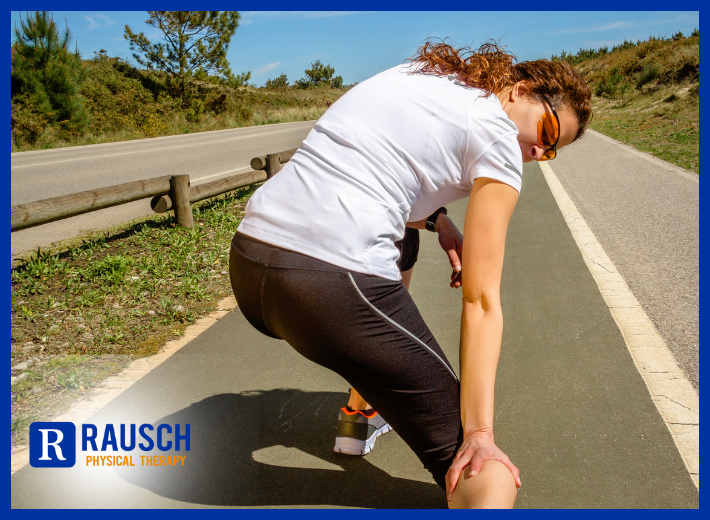
A muscle cramp is a sudden, unexpected tightening of one or more muscles. Sometimes called a charley horse, a muscle cramp can be very painful. Exercising or working hard, especially in heat, can lead to muscle cramps. Some medicines and illnesses also might cause muscle cramps.

Muscle cramps aren’t usually harmful. Self-care measures can treat most muscle cramps.

Symptoms

Muscle cramps occur mostly in leg muscles, most often in the calf. Cramps usually last for seconds to minutes. After the cramp eases, the area might be sore for hours or days.

When to see a doctor

Muscle cramps usually go away on their own. They don’t usually need medical care. However, see a health care provider for cramps that:

  • Cause severe discomfort.
  • Have leg swelling, redness or skin changes.
  • Come with muscle weakness.
  • Happen often.
  • Don’t get better with self-care.

Causes

A muscle cramp can happen after working a muscle too hard or straining it, losing body fluids through sweat or simply holding a position for a long time. Often, however, the cause isn’t known.

Most muscle cramps are harmless. But some might be related to a medical concern, such as:

  • Not enough blood flow. A narrowing of the arteries that bring blood to the legs can cause a cramping pain in the legs and feet during exercise. These cramps usually go away soon after exercise stops.
  • Nerve compression. Pressure on the nerves in the spine also can cause cramping pain in the legs. The pain usually gets worse with walking. Walking bent slightly forward, such as when pushing a shopping cart, might ease cramping.
  • Not enough minerals. Too little potassium, calcium or magnesium in the diet can cause leg cramps. Medicines often prescribed for high blood pressure can cause increased urination, which may drain the body of these minerals.

Risk factors

Factors that might increase the risk of muscle cramps include:

  • Age. Older people lose muscle mass. Then the muscles can’t work as hard and can get stressed more easily.
  • Poor conditioning. Not being in shape for an activity causes muscles to tire more easily.
  • Extreme sweating. Athletes who get tired and sweat a lot while playing sports in warm weather often get muscle cramps.
  • Pregnancy. Muscle cramps are common during pregnancy.
  • Medical issues. Having diabetes or illnesses that involve nerves, liver or thyroid can increase the risk of muscle cramps.
  • Weight. Being overweight can increase the risk of muscle cramps.

Prevention

These steps might help prevent cramps:

  • Drink plenty of liquids every day. Muscles need fluids to work well. During activity, drink liquids regularly. Keep drinking water or other liquids without caffeine or alcohol after the activity.
  • Stretch your muscles. Stretch gently before and after using any muscle for a time. To avoid getting leg cramps at night, stretch before bedtime. Light exercise, such as riding a stationary bicycle for a few minutes before bedtime, also may help prevent cramps while you sleep.

Don’t let muscle cramps interfere with your life. Our physical therapists are experts in identifying and treating the root causes of your pain. We also offer Rx Massage support! Contact us today at 949-276-5401. You can follow us on TikTok and Instagram for more tips and inspo.


Reference: [https://www.mayoclinic.org/diseases-conditions/muscle-cramp/symptoms-causes/syc-20350820]

Managing Joint Pain

Feeling a little creaky lately? Don’t let joint discomfort steal your joy of movement! With the help of a skilled physical therapist and some smart strategies, you can keep your body active and feeling fantastic. Let’s explore some positive approaches to staying active and feeling your best, so you can live life to the fullest! Remember that we also offer you the support of StretchFix and RxMassage to help support your best life with enhanced mobility and reduced pain. 

When you’re active or upping your exercise goals, the last thing you want is to be sidelined with joint pain. Joint pain affects people at all stages of life from student athletes to seniors. Pain can be a big barrier to not only maintaining a regular exercise program, but also getting started. These strategies can help keep you active.

Assess where you’re at

A good first step if you want to start a regular routine or up your exercise goals is to check with your primary care provider or see a sports medicine specialist who can assess your overall fitness level, general mobility and if you have current injuries or pain.

They also may conduct a functional movement screening to evaluate how you move and pinpoint specific issues. For example, you may have decreased range of motion in a hip or shoulder, or are stronger on one side than the other. This screening can identify specific rehabilitative exercises that can be done along with your regular exercise program. These exercises help your body move safely, perform exercises correctly, and reduce the risk for injury or make symptoms worse.

These findings will help build a program that’s going to be safe and effective for you and let you exercise as pain-free as possible.

Build a successful exercise routine

Whatever your level of fitness, a good exercise routine should be sustainable. Regular exercise provides a host of health-related benefits, including reducing risk of cardiovascular disease, managing weight, maintaining strength and flexibility, and supporting bone health.

It also should encompass a combination of activities:
  • Cardio, which increases heart rate and improves your overall cardiovascular fitness. This includes vigorous walking, swimming, biking, playing pickleball, or taking a dance or water fitness class.
  • Strength, which builds and strengthen muscles, improves overall function and improves performance in the gym, as well as activities of daily living. Strength activities include weight training, working with resistance bands, climbing stairs and exercises such as pushups, situps and squats.
  • Flexibility, which stretches muscles and ligaments and promotes range of motion. Stretching, yoga, tai chi and Pilates all focus on flexibility.

And finally, regular exercise doesn’t mean just going to the gym, taking a class or following an online exercise program. It also means moving throughout the day, especially to break up periods of sitting. This unstructured exercise may be sweeping the floor, walking in place by your desk or doing some simple stretches when you first get up or before you go to bed.

Customize exercise to you

Sore muscles after exercising, especially if people are new to exercise and working on increasing their activity level, are normal. But sharp or ongoing pain may indicate an injury or chronic problem.

Some points to keep in mind are:

  • Ease your way into a new exercise program. Try not to go from 0 to 100 overnight, since that may increase your risk of injury.
  • Listen to your body. Don’t overdo it. Take a break or tone down your activity for the rest of the day.
  • Keep a small problem small. If you’re feeling recurring pain, get it checked out.
  • Build in time to recover between activity sessions. Our bodies need this time to rebuild and repair.

Another strategy is to work with a physical therapist, sports medicine specialist or trainer to determine the right and wrong way to do an exercise, or strengthen muscles to support a particular movement or joint. For example:

  • If you suffer from low-back pain and are not able to perform a traditional barbell back squat exercise, you could do a modified version: either a split squat (one leg at a time) or rear-foot-elevated squat. These variations target the same muscle groups, but apply external resistance in the form of dumbbells or kettlebells at your side instead of on your back.
  • If you have knee pain, using a reverse lunge or hex-bar squat helps reduces stress on your knees and allows you to target the same muscle groups.
  • If you aren’t able to perform pushups or variations of the bench press without pain in your upper body, switching to a neutral grip position can reduce stress on the shoulder. Make sure to align the arms in a 45-degree angle with your torso to reduce stress on the shoulder and minimize pain.

Working with an exercise specialist can help you develop a plan that is specific to you and your abilities.

When joint pain begins to restrict the activities you love, it’s time to consult with an orthopedic specialist. Together, you’ll map out a plan for treatment to keep you moving and enjoying life. Orthopedic providers have a wide variety of options in their treatment toolbox. These options range from least invasive, such as physical therapy or medications, to more invasive, including injections or surgery. Their goal is to get patients back to the lives they want to lead.

Break down barriers

Joint pain is just one barrier to regular exercise. Others include:

  • Time
    To start and maintain regular exercise, people need to carve time out of their schedules. Recent research shows that even short 5- to 15-minute workouts throughout the day can provide health and fitness benefits. Finding these little pockets of time and a consistent workout can go a long way.
  • Knowing where to start
    Doing an online search for workout programs can yield overwhelming results. Once again, sports medicine specialists can provide guidance toward a program that best fits your goals. The choice of workouts should be ones you enjoy and can stick with.
  • Motivation
    Whether it’s getting started or keeping going, lack of motivation can sink workout resolutions. One successful strategy is to review goals as a reminder of why you want to exercise, whether it’s to keep up with the grandkids, feel better or lose weight.
  • Being realistic
    Build a foundation by setting goals that can be accomplished in small segments, with each building on the next. For example, if you’re just starting, a walk around the block might be a first step, not signing up for a 5K.

The benefits of regular exercise are both physical and mental. Make sure you play the long game when it comes to your exercise program. Find a style of exercise that works for you long-term and that you can incorporate into your daily life.

Don’t let joint pain limit you! Our expert physical therapists can help! Get a customized plan to manage joint pain and stay active. Contact us today at 949-276-5401. You can follow us on TikTok and Instagram for more tips.

Reference: [https://www.mayoclinichealthsystem.org/hometown-health/speaking-of-health/staying-active-with-joint-pain]

Exploring the Cold Plunge Workout Recovery

Sore muscles after a tough workout? Pushing your limits can leave you feeling achy, but what if there was a way to accelerate recovery? Here we’ll uncover the cold plunge growing trend, examining the potential benefits of taking an icy dip after you hit the gym.  

From ice bucket challenges to polar plunges, people have embraced being doused with or dunked in icy water to raise money for their favorite causes. But can cold water immersion have benefits beyond fundraising?

Research indicates that icy water may have a positive effect on recovery after exercise by reducing inflammation and soreness. It also may help build resiliency, restore balance to the nervous system and improve cognitive function and mood.

What are the basics of cold-water immersion?

A cold plunge or cold-water immersion involves partially or totally submerging yourself in cold water for a few minutes at a time. It can be as simple as sitting in a bathtub filled with cold water and ice cubes or jumping into a cold lake or the ocean. You also can go to a cold-plunge center or create or buy your own cold-plunge tank, which, if it has all the options, can cost up to $20,000.

Be sure not to plunge into icy waters that have a current, such as a river, to avoid being swept downstream or trapped under ice.

Water should be 50 F or colder. Keep in mind that the water in a frozen lake will be much colder. That’s why it’s a good idea to measure the temperature before you jump in. The plunge can be done as one continuous session or multiple sessions with breaks between the sessions. Typically, cold-water plungers start with 30 seconds to a minute and work up to five to 10 minutes at a time.

Researchers are still determining the optimum process and timing for cold-water immersion sessions.

You can do cold plunging every day. However, if you’re doing it after training, daily plunges could compromise the potential for long-term performance improvements.

What are the benefits for workout recovery or athletic performance?

Research on cold-water immersion has found evidence that it helps reduce the degree of exercise-induced muscle damage that can occur after physically challenging activities. Less damage leads to less inflammation, which in turn reduces soreness and helps restore physical performance the next day.

These benefits may be the result of rapid constriction of the blood vessels due to the cold water. The cold can trigger responses in your body, such as decreased metabolic activity, alterations in hormone production and blood flow, and activation of the immune system.

What are the drawbacks of cold plunges?

The most obvious drawback is the cold and discomfort, although frequent plungers report becoming more comfortable and tolerant of the cold with regular exposure. Depending on the environment, such as plunging into an ice- and snow-covered lake, you also may be at risk for frostbite. Too-long exposure also can lead to hypothermia, so make sure you have towels and warm clothing close at hand if you’re doing cold plunges outdoors.

For athletes, cold-water immersion may affect different types of training in different ways. For those engaged in resistance training, cold water may turn down the molecular signaling pathways that are normally activated after exercise. This may hinder long-term improvements in strength, muscle growth and performance. However, cold-water immersion doesn’t appear to negatively affect endurance training in the same way.

If you want to give cold-water immersion a try, start by consulting an expert, such as a sports medicine specialist, to ensure you’re plunging appropriately and following the right protocol. If you have risk factors associated with cardiovascular disease, such as high blood pressure, check with your primary care provider or cardiologist so you know it’s safe for you to cold plunge.

Ready to optimize your workout recovery? Explore the cold plunge trend and discover a personalized PT program to maximize your results! Remember, we also offer RxMassage support if you need it for recovery and healing. Contact us today at 949-276-5401. You can follow us on TikTok and Instagram for more tips.


Reference: [https://www.mayoclinichealthsystem.org/hometown-health/speaking-of-health/cold-plunge-after-workouts]

Everything About Muscle Pain

Muscle pain is extremely common and will affect nearly everyone at some point. Activities like heavy lifting workouts, lifestyle factors like excessive stress, and chronic conditions can cause or worsen it. Learn how to address this problem.

Everything You Need to Know About Muscle Pain

Don’t let muscle pain hold you back! Explore the benefits of PT and get back to enjoying your favorite activities pain-free! Contact us today at 949-276-5401. You can follow us on TikTok and Instagram for more tips.


Reference: [ https://www.health.com/muscle-pain-causes-7229891 ]

Calf Pain? Here’s What You Need to Know

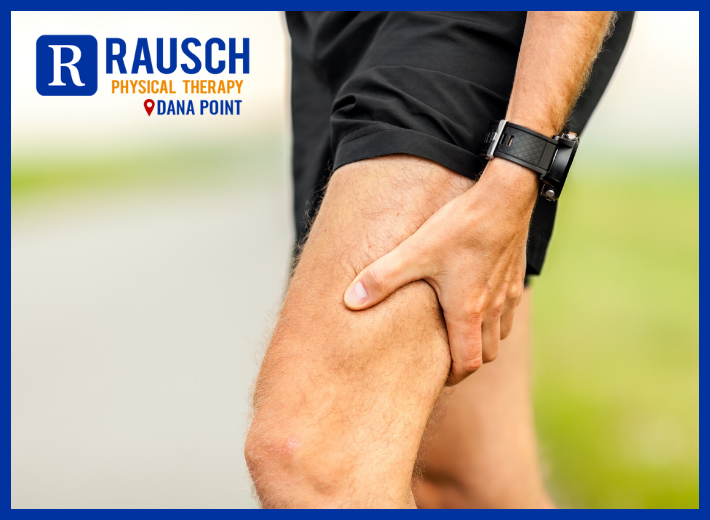
Calf pain can strike suddenly, leaving you sidelined and wondering what happened. Whether it’s a sharp twinge or a dull ache, calf pain can disrupt your daily routine and leave you frustrated. Let’s turn that ouch into an “all clear” and get you moving pain-free! Questions? That’s why we are here! Give us a call and let’s get you seen. Relief is a mere phone call away!

Popped or Pulled Calf Muscles: What To Know

Say goodbye to calf pain for good! Explore the benefits of PT and get back to enjoying your favorite activities pain-free! Contact us today at 949-276-5401. You can follow us on TikTok and Instagram for more tips.

Reference: [ https://www.health.com/condition/chronic-pain/pulled-calf-muscle ]

Say Goodbye to Hip Discomfort

Hip pain can be a real drag, putting a damper on your daily activities and leaving you feeling stiff and uncomfortable. It shouldn’t be ignored. Learn the tools you need to understand the causes of your pain and explore effective relief strategies. Questions? We are always here!

What Causes Hip Pain—and How Can You Relieve It?

Take control of your hip health! Learn how to manage discomfort and prevent it from returning with our PT experts. Contact us today at 949-276-5401. You can follow us on TikTok and Instagram for more inspiration and tips.


Reference: [ https://www.health.com/hip-pain-8426031 ]

Boost your fitness with 3 beginner-friendly plyometric moves!

These dynamic exercises harness the power of explosive jumps and bodyweight movements to skyrocket your fitness in no time. But hold on, don’t let the word “explosive” intimidate you! This post is your beginner-friendly guide to unlocking the benefits of plyometrics with 3 easy-to-learn moves.

What are plyometrics?

Plyometric training involves short, intense bursts of activity that target fast-twitch muscle fibers in the lower body. These fibers help generate explosive power that increases speed and jumping height.

“Plyometrics are used by competitive athletes who rely on quick, powerful movements, like those in basketball, volleyball, baseball, tennis, and track and field,” says Thomas Newman, lead performance specialist with Harvard-affiliated Mass General Brigham Center for Sports Performance and Research. Plyometrics also can help improve coordination, agility, and flexibility, and offer an excellent heart-pumping workout.

Who can safely try plyometrics?

There are many kinds of plyometric exercises. Most people are familiar with gym plyometrics where people jump onto the top of boxes or over hurdles.

But these are advanced moves and should only be attempted with the assistance of a trainer once you have developed some skills and muscle strength.

Keep in mind that even the beginner plyometrics described in this post can be challenging. If you have had any joint issues, especially in your knees, back, or hips, or any trouble with balance, check with your doctor before doing any plyometric training.

How to maximize effort while minimizing the risk of injury

  • Choose a surface with some give. A thick, firm mat (not a thin yoga mat); a well-padded, carpeted wood floor; or grass or dirt outside are good choices that absorb some of the impact as you land. Do not jump on tile, concrete, or asphalt surfaces.
  • Aim for just a few inches off the floor to start. The higher you jump, the greater your impact on landing.
  • Bend your legs when you land. Don’t lock your knees.
  • Land softly, and avoid landing only on your heels or the balls of your feet.

Three simple plyometric exercises

Here are three beginner-level exercises to jump-start your plyometric training. (Humming the bionic man sound is optional.)

Side jumps

Stand tall with your feet together. Shift your weight onto your right foot and leap as far as possible to your left, landing with your left foot followed by your right one. Repeat, hopping to your right. That’s one rep.

  • You can hold your arms in front of you or let them swing naturally.
  • Try not to hunch or round your shoulders forward as you jump.
  • To make this exercise easier, hop a shorter distance to the side and stay closer to the floor.

Do five to 15 reps to complete one set. Do one to three sets, resting between each set.

Jump rope

Jumping rope is an effective plyometric exercise because it emphasizes short, quick ground contact time. It also measures the coordination and repeated jump height as you clear the rope.

  • Begin with two minutes of jumping rope, then increase the time or add extra sets.
  • Break it up into 10- to 30-second segments if two minutes is too difficult.
  • If your feet get tangled, pause until you regain your balance, and then continue.

An easier option is to go through the motions of jumping rope but without the rope.

Forward hops

Stand tall with your feet together. Bend your knees and jump forward one to two feet. Turn your body around and jump back to the starting position to complete one rep.

  • Let your arms swing naturally during the hop.
  • To make this exercise easier, hop a shorter distance and stay closer to the floor.
  • If you want more of a challenge, hop farther and higher. As this becomes easier to do, try hopping over small hurdles. Begin with something like a stick and then increase the height, such as with books of various thicknesses.

Do five to 10 hops to complete one set. Do one to three sets, resting between each set.

Unlock the benefits of plyometrics safely and effectively with expert physical therapy designed for athletes! Contact us today at 949-276-5401. You can follow us on TikTok and Instagram for more inspiration and tips.


Reference: [https://www.health.harvard.edu/blog/plyometrics-three-explosive-exercises-even-beginners-can-try-202308022960]

5 Stretches to Soothe Your Stiff Neck

Is your head doing the bobblehead dance on top of your shoulders? Does turning left feel like an Olympic trial in flexibility? These five stretches are ready to help you untangle knots, melt away soreness, and restore your head to its rightful, pain-free perch.

How to Stretch Your Neck

If your neck is stiff or sore, you have lots of company. Neck pain is one of the most common types of pain among Americans. But as with any other part of your body, exercises and stretches can make the muscles in your neck stronger and more limber. Try these moves to loosen a tense neck, banish pain, and gain flexibility.

Bonus: A strong neck can help prevent problems with your shoulders, upper back, and arms, too.

If you already have pain in your neck or elsewhere, talk to your doctor before you start. You will feel some tension in your neck muscles when you stretch. But you shouldn’t have pain. If you do, stop right away.

This can be done while you’re seated or on your feet. Keep your moves slow and smooth.

  • Start with your head squarely over your shoulders and your back straight.
  • Lower your chin toward your chest and hold for 15-30 seconds. Relax, and slowly lift your head back up.
  • Tilt your chin up toward the ceiling and bring the base of your skull toward your back. Hold for 10 seconds, then return to the start position.
  • Repeat the set several times. Do it every day.

Do this while standing, with your feet hip-width apart and arms down by your sides.

  • Gently tilt your head toward your right shoulder and try to touch it with your ear. Stop when you feel the stretch. Don’t raise your shoulder.
  • Hold the stretch for 5-10 seconds, then return to the start position.
  • Repeat on your left side. You can do several sets and work your way up to 10 repetitions.
  • For extra stretch, put the hand on the same side of your tilted head on top of your head, and press lightly with your fingertips.

You can do this while seated or standing.

  • Keep your head squarely over your shoulders and your back straight.
  • Slowly turn your head to the right until you feel a stretch in the side of your neck and shoulder.
  • Hold the stretch for 15-30 seconds, and then slowly turn your head forward again.
  • Repeat on your left side. Do up to 10 sets.

This is best done standing up.

  • Raise your shoulders straight up and move them in a circle going forward. Do it 6 times.
  • Return to the start position, and make another 6 circles, this time going backward.

10 Workout Misconceptions for Effective Fitness

As January unfolds and resolutions take center stage. The pursuit of a healthier, fitter self often leads us down the path of exercise. Here we’re embracing the January vibes with a mission — create the habit of exercising. Join us in unlocking the secrets to initiating a fitness journey with care, setting the tone for a healthier year ahead.

Need to get moving? Start slowly.

If you haven’t been active or are recovering from an illness or injury, the temptation is to do nothing. But that’s probably just what you need to increase your energy, and overall physical and mental health.

However, when you exercise, you feel less tired and stressed, and more upbeat. Even taking a 10-minute walk is a good start. You don’t have to run a marathon to reap the benefits of exercise.

How much exercise do you need? According to the Centers for Disease Control and Prevention, adults should aim for at least 150 minutes a week of moderate-intensity activity, such as walking, swimming or mowing the lawn, or 75 minutes a week of vigorous-intensity activity, such as jogging, running, high-intensity interval training or fast bicycling. The CDC recommends you also add two or three weekly strength training sessions.

While 150 minutes of physical activity each week sounds like a lot, you don’t have to do it all at once. Spread your activity out during the week, and break those minutes into small chunks of time; for example, 30 minutes a day, five days a week.

While it’s safe for most people to begin an exercise program, if you have a chronic medical condition, such as high blood pressure, you should consult with your primary care provider before beginning to work out.

Low-cost workouts

You don’t have to join a gym to work out. Low- or no-cost options include:

  • Walking
    Stroll around your neighborhood or through the mall. Park at the back of the parking lot rather than by the door. Choose the stairs.
  • Clean sweep
    Housework can do double duty if you can get your heart rate up. Mowing, shoveling and gardening count too.
  • Child’s play
    Engage your kids in a game of tag, a bike ride or an after-dinner dance party. Moving with your kids sets a good example for a lifetime of healthy activity.

Bring the gym home

It may be difficult to find time to exercise regularly with busy lives. Gym membership costs also may be a drawback.

The good news is these five inexpensive workout items can be used at home to get you started:

1. Jump rope

Jumping rope gets your heart pumping and offers a great cardiovascular workout. When the weather is not the best for an outdoor walk or jog, a jump rope can be a great indoor option. Jumping rope can be performed by people at any fitness level.

2. Mat

Mats can protect your back and joints from hard surfaces during your workout. Mats provide a layer of cushion for floor-based exercises, such as yoga, core strengthening or a stretching cooldown after your workout.

3. Dumbbells

Dumbbells come in various weights and designs. Choose weights that offer a little challenge, and keep them handy. You could curl your way through a commercial break while watching TV or use them first thing in the morning.

4. Resistance bands

Using resistance bands can improve your strength and muscle tone. They’re lightweight, take up little space and can easily travel with you for work or vacation.

5. Stability ball

This piece of equipment will strengthen your core, which is important for the health of your lower back. Stronger back and abdominal muscles also will improve your balance and stability to help you continue moving safely and confidently as you age.

No matter what form of exercise you choose, the most important thing is to get started. Remember to focus on the process, not just the results, and be patient with yourself as you get moving.

The Relationship Between Running and Arthritis

Are you passionate about hitting the pavement, but concerned about the rumors surrounding running and arthritis? Check out here the science behind the popular belief that running might cause arthritis and uncover the real relationship between your love for running and joint health. Let’s separate fact from fiction and empower you to make informed decisions about your running journey for the year about to start.

Does running cause arthritis?

Mounting evidence suggests the answer is no.

By Robert H. Shmerling, MD, Senior Faculty Editor, Harvard Health Publishing; Editorial Advisory Board Member, Harvard Health Publishing
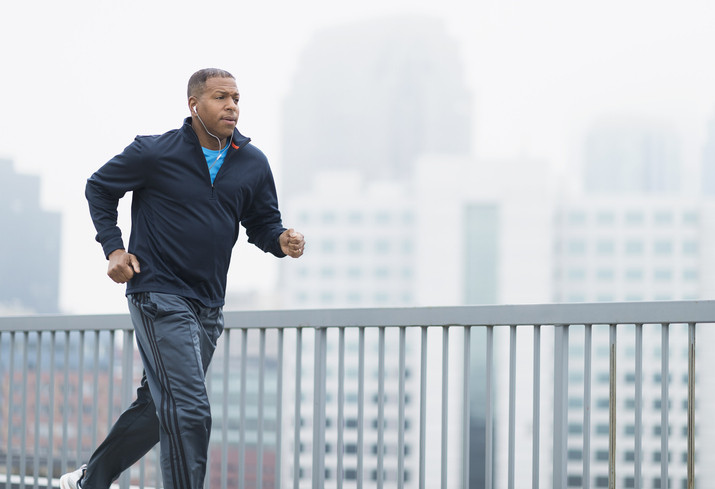
A middle-aged man wearing a blue zip top and lighter blue track pants running alongside a blurred cityscapeWhen I took up running in college, a friend of mine scoffed at the idea. He hated running and was convinced runners were “wearing out” their joints. He liked to say he was saving his knees for his old age.


So, was he onto something? Does running really ruin your joints, as many people believe?

Runners can get arthritis, but is running the cause?

You may think the answer is obvious. Surely, years of running (pounding pavements, or even softer surfaces) could wear out your joints, much like tires wear out after you put enough miles on them. And osteoarthritis, the most common type of arthritis, usually affects older adults. In fact, it’s often described as age-related and degenerative. That sounds like a wear-and-tear sort of situation, right?

Maybe not. Sure, it’s easy to blame running when a person who runs regularly develops arthritis. But that blame may be misguided. The questions to ask are:

  • Does running damage the joints and lead to arthritis?
  • Does arthritis develop first and become more noticeable while running?
  • Is the connection more complicated? Perhaps there’s no connection between running and arthritis for most people. But maybe those destined to develop arthritis (due to their genes, for example) get it sooner if they take up running.

Extensive research over the last several decades has investigated these questions. While the answers are still not entirely clear, we’re moving closer.

What is the relationship between running and arthritis?

Mounting evidence suggests that that running does not cause osteoarthritis, or any other joint disease.

  • A study published in 2017 found that recreational runners had lower rates of hip and knee osteoarthritis (3.5%) compared with competitive runners (13.3%) and nonrunners (10.2%).
  • According to a 2018 study, the rate of hip or knee arthritis among 675 marathon runners was half the rate expected within the US population.
  • A 2022 analysis of 24 studies found no evidence of significant harm to the cartilage lining the knee joints on MRIs taken just after running.

These are just a few of the published medical studies on the subject. Overall, research suggests that running is an unlikely cause of arthritis — and might even be protective.

Why is it hard to study running and arthritis?

  • Osteoarthritis takes many years to develop. Convincing research would require a long time, perhaps a decade or more.
  • It’s impossible to perform an ideal study. The most powerful type of research study is a double-blind, randomized, controlled trial. Participants in these studies are assigned to a treatment group (perhaps taking a new drug) or a control group (often taking a placebo). Double-blind means neither researchers nor participants know which people are in the treatment group and which people are getting a placebo. When the treatment being studied is running, there’s no way to conduct this kind of trial.
  • Beware the confounders. A confounder is a factor or variable you can’t account for in a study. There may be important differences between people who run and those who don’t that have nothing to do with running. For example, runners may follow a healthier diet, maintain a healthier weight, or smoke less than nonrunners. They may differ with respect to how their joints are aligned, the strength of their ligaments, or genes that direct development of the musculoskeletal system. These factors could affect the risk of arthritis and make study results hard to interpret clearly. In fact, they may explain why some studies find that running is protective.
  • The effect of running may vary between people. For example, it’s possible, though not proven, that people with obesity who run regularly are at increased risk of arthritis due to the stress of excess weight on the joints.

The bottom line

Trends in recent research suggest that running does not wear out your joints. That should be reassuring for those of us who enjoy running. And if you don’t like to run, that’s fine: try to find forms of exercise that you enjoy more. Just don’t base your decision — or excuse — for not running on the idea that it will ruin your joints.

Lace-up your running shoes without the weight of arthritis concerns. Take charge of your joint health with our experienced physical therapists to customize a plan that keeps you moving forward, pain-free. Contact us today at 949-597-0007. You can follow us on TikTok and Instagram for more inspiration and tips.


Reference : [https://www.health.harvard.edu/blog/does-running-cause-arthritis-202304262930]

Shoulder Bursitis Demystified

Shoulder bursitis, a condition that affects the small, fluid-filled sacs called bursae in the shoulder joint, can be a painful and limiting experience. These sacs, which serve as cushions between bones, tendons, and muscles, can become inflamed or irritated, leading to discomfort and restricted movement. However, with the right knowledge and proactive care, managing shoulder bursitis is not only possible, but can also lead to a pain-free and active life. Check out how with our tips below:

What is bursitis?

Bursitis is an inflammation of a bursa. It is a condition usually characterized by pain and sometimes by redness and swelling. A bursa is a very thin (i.e., a few cells thick), sac-like structure that is located wherever there might be friction, such as between skin and bones, between tendons and bones or between ligaments and bones. In other words, they serve to decrease the friction that occurs between hard bone and softer tissues. A good analogy is rubbing leather over the corner of a table — over time, you would rub a hole in the leather. Skin, tendons, and ligaments would likewise wear out if there were no bursa between them and bony surfaces. As a result, there are over 150 bursae in the body, wherever there is the possibility of rubbing.

A bursa is normally very thin and does its job without notice. However, if there is too much friction, it reacts by getting inflamed or irritated. When this happens the bursa gets thicker and sometimes produces fluid to create more cushion. It goes from being very thin (like tissue paper) to thick and lumpy (like corrugated cardboard). The bursa can be very large if a lot of fluid is produced inside. Sometimes it can be colonized by bacteria, and in this case, becomes an infected bursa. It can be difficult to distinguish an inflamed bursa (irritated with no infection) and an infected bursa (irritated with infection or bacteria present).

While bursae are present all over the body, the most common areas where inflammation or irritation occurs are at the elbow, knee, and shoulder (see below). The terms “housemaid’s knee” (i.e., bursitis following domestic work done on the hands and knees), “miner’s elbow” (bursitis following work in mines performed on the hands and knees) or “student’s elbow” (bursitis following hours of studying with the elbows pressed against a table) are sometimes used to refer to bursitis in a specific group of patients due to repetitive friction.

What causes bursitis?

There are several ways to get bursitis, but the condition is usually caused by too much stress on the bursa. In general, however, bursal irritation can be roughly divided into three groups. The first type, known as chronic bursitis, may be due to a variety of factors. This type is the most common and develops over time due to repetitive irritation of the bursa. Most people who get this type have no predisposing problems, and the inflammation occurs for no apparent reason. It occasionally can occur in people who have a preexisting medical condition that causes the bursa to swell. While not the most usual cause of this type of bursal swelling, it can be seen in people who have gout, pseudogout, diabetes, rheumatoid arthritis, uremia, and other conditions.

The second type is called infected bursitis and is more serious. In this type, the bursa becomes infected with bacteria. If the infection spreads, it can cause serious problems.

The last type, typically seen in athletes, is called traumatic bursitis (or acute traumatic bursitis). Of the three types, it is the least common. It is due either to repetitive rubbing of an extremity against a hard surface or from too much bending of the joint.

What are the symptoms of bursitis?

The symptoms of bursitis depend on the severity of the inflammation and the type of bursitis present. In chronic bursitis, swelling is the most obvious symptom. Patients with this type often seek medical attention because they notice swelling that has gone on for some time and does not improve. It is rarely painful and usually not reddened. However, this type of bursal swelling can get warm and painful without being infected.

In infected bursitis patients usually experience excessive warmth at the site of the inflamed bursa. They often complain of a great deal of tenderness, pain, and fever. The swelling and redness may spread away from the affected site and go up or down the arm. Also, an infected bursa can make you feel very sick, feverish and tired. If you have any of these symptoms, it is very important to seek immediate medical attention.

Traumatic bursitis presents with the rapid onset of swelling. These cases usually occur after a specific event, such as when a lacrosse or football player hits his or her elbow on hard artificial turf, or when a wrestler hits his elbow on a mat. The affected area may be somewhat tender and warm but not to an excessive degree. The swelling may also be accompanied by bruising.

How can I tell which type of bursitis I have?

The symptoms sometimes point to one type of bursitis over another, but the distinction is often hard to make. This is especially the case when trying to differentiate chronic bursitis from an infected bursa. Chronic bursitis presents with swelling but lacks the other more serious signs of an infected bursa. They include redness, inflammation, fever, and pain. Medical attention should be sought when these symptoms appear.

What is the treatment for bursitis?

The treatment depends on the type of bursitis you have. Chronic bursitis is treated by a reduction in the activities that cause swelling. In some cases, it may even be necessary to immobilize the affected extremity with a splint. In addition, treatment of this type includes padding (i.e., knee or elbow pads) and the use of anti-inflammatory medications (i.e., ibuprofen, Naprosyn, Celebrex, etc.) for a few weeks. We recommend icing two or three times per day for 20 to 30 minutes each time until the swelling is gone. Swelling may not disappear for several weeks. Heat should not be used since it will increase the inflammation. Injection of steroids into the bursa may decrease the swelling and inflammation but can be associated with unwanted side effects (infection, skin atrophy, chronic pain). Injection of cortisone is best reserved for those bursae that do not get better with the treatment above. In addition, any bursa that might be infected should not be injected with cortisone.

Infected bursitis requires immediate evaluation by your doctor. The physician may want to aspirate the bursa (i.e., take fluid out with a syringe) to reduce its size and to collect fluid needed to diagnose an infection. Antibiotics are needed to kill bacteria. The true danger with this type of bursitis is the risk that bacteria can spread to the blood. As with the other types of bursal inflammation, ice, rest, and anti-inflammatory medications improve swelling and inflammation.

Traumatic bursitis is normally treated by aspirating the bursa (i.e., using a small needle to draw fluid/blood from the affected bursa). Icing and NSAIDs (anti-inflammatory medications) help to reduce swelling. It is also important to compress the bursa with an elastic bandage and use padding upon returning to the activity that initially caused the problem. The use of protection is particularly important in football players (playing on artificial turf), wrestlers and basketball players. Also, gardeners, roofers, and carpet layers should take special precautions to prevent irritation to the knee area.

What can I do if the symptoms of bursitis do not improve?

Symptoms should improve if treated as described above. If you do not see an improvement, you may want to talk to your doctor. It is especially important to seek medical care if you think you may have an infection. You should also seek attention if you notice swelling in more than one area or if the swelling increases despite the treatment above.

When is surgery indicated for bursitis?

Surgery is rarely needed to treat bursitis and is usually done only in the chronic cases that have not improved with traditional therapy. The most common surgical treatment, if needed, is an incision and drainage (called an I and D) and is used only in cases of infected bursa. The surgeon first numbs the skin with an anesthetic and then opens the bursa with a scalpel. Finally, he or she drains the fluid present in the inflamed bursa. Sometimes it is necessary to excise the entire bursa surgically. This is indicated only if the bursal swelling causes problems.

Can bursitis be a sports-related injury?

Bursitis is quite uncommon in sports. Most cases fall under the acute traumatic type. As mentioned above, activities in which an athlete repeatedly rubs an extremity on a hard surface predispose him or her to bursitis (i.e., football, wrestling, and basketball). It is important to use knee or elbow pads to prevent the bursa from swelling.

What about bursitis in the shoulder?

Bursitis can also occur in the shoulder and is part of a process doctors use different names to describe: impingement, bursitis, rotator cuff tendinitis or biceps tendinitis. In this case, the bursa is usually inflamed but not swollen. The treatment is similar to chronic bursitis: ice, NSAIDs and range-of-motion exercises. If these do not work, then further treatment may be necessary.

Ready to find relief from shoulder bursitis and regain your active lifestyle? With our experienced team of PT professionals, you can have a personalized assessment and start your journey toward a pain-free shoulder. Contact us today at 949-597-0007. For more comfort and mobility tips, follow us on Instagram.


Reference: [https://www.hopkinsmedicine.org/health/conditions-and-diseases/shoulder-bursitis]