Blog

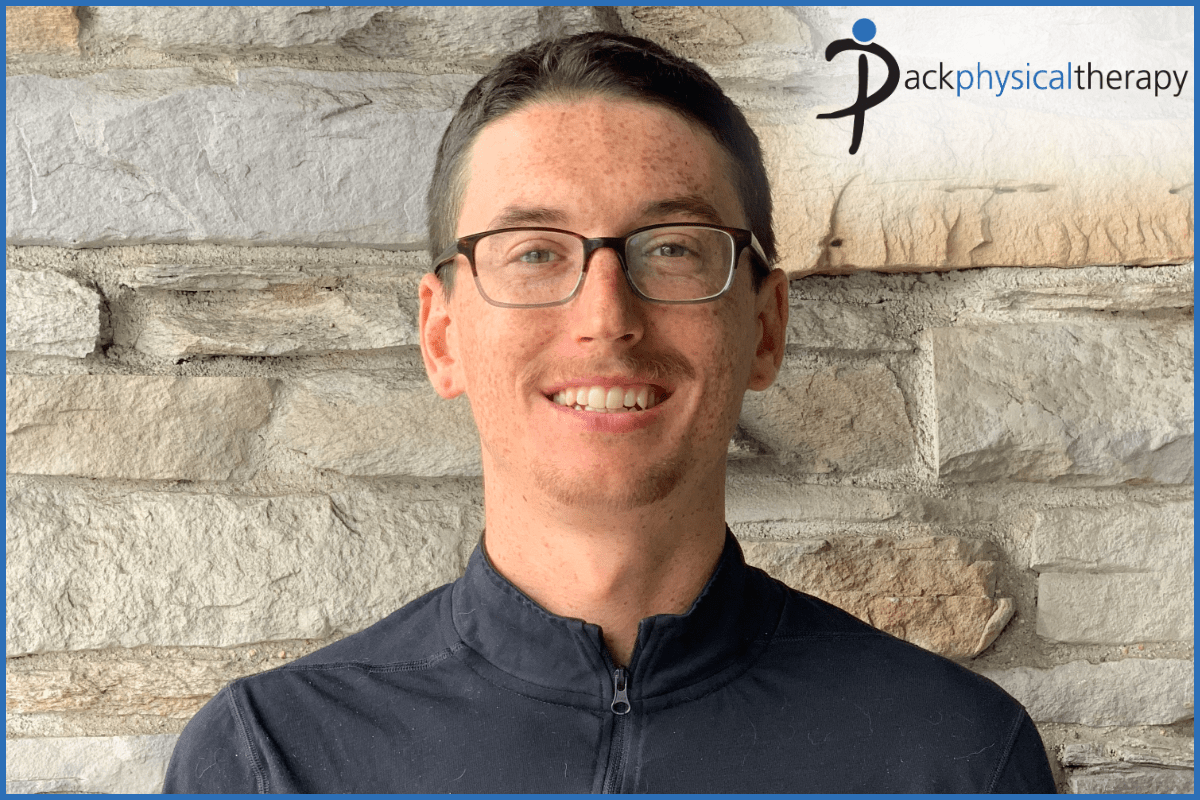
Pack PT Employee – Bryce Parrish Spotlight

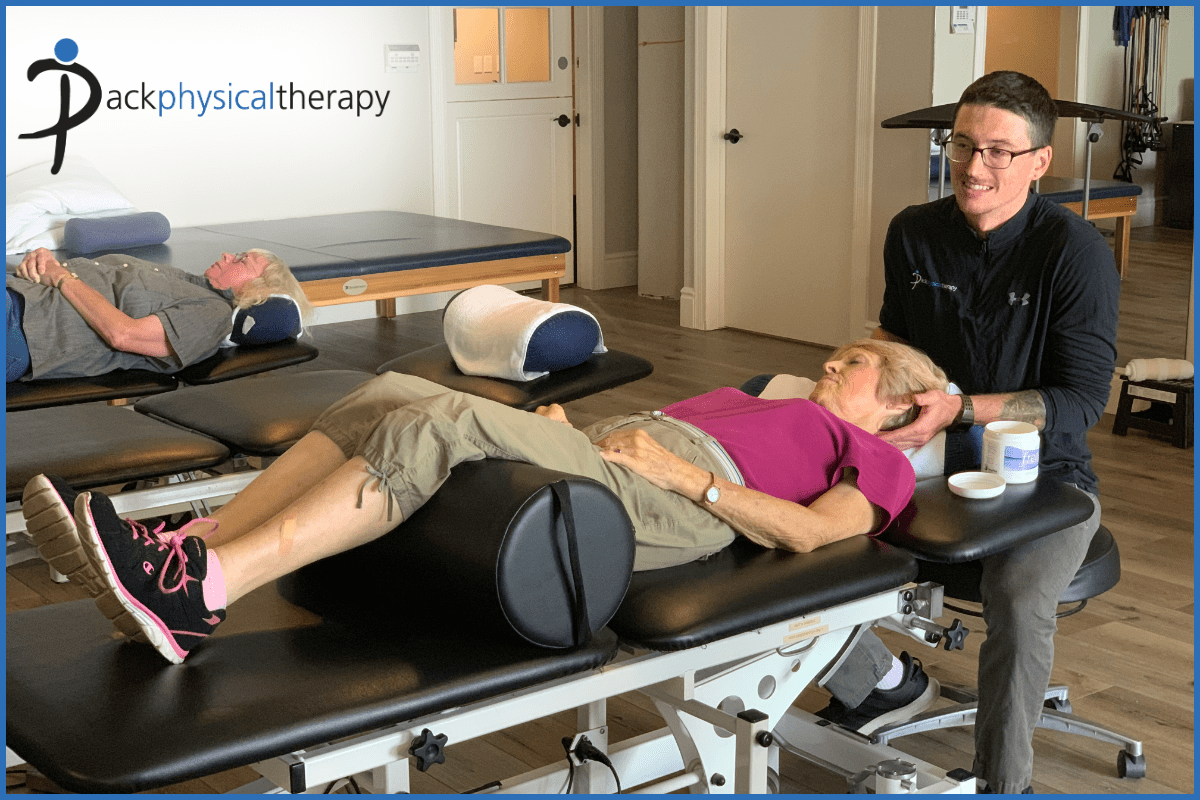
Meet Bryce Parrish on of our star Physical Therapists at Pack PT. Bryce primarily treats orthopedic patients with a special interest in vestibular and balance conditions. He always utilizes the training harness as it allows for increased safety above standard practice and enables him to challenge patients beyond what they feel safe doing otherwise. One of his favorite success stories was a patient that came to him utilizing a cane after a long hospitalization. This patient could barely walk from his car into Pack PT’s office safely. Over the course of his treatment, he was able to safely progress to stop utilizing his cane, start walking from his house to his appointments at Pack PT’s office and go on a trip to Ireland!

The reason I got into this industry is…

I got into the physical therapy industry to help people return to the activities they love to do.

One thing no one would guess about me is:

I have a first-degree black belt in Tae Kwon Do.

Before working at Rausch, what was the most unusual or interesting job you’ve ever had?

The most unusual job was in high school. I was a graveyard attendant.


Physical Therapy After Fracture

If you have suffered a broken bone, also known as a fracture, then you may benefit from the skilled services of a physical therapist. Your physical therapist can help you regain normal range of motion, strength, and functional mobility after a fracture. So what does physical therapy and rehab entail after a fracture?

If you have had the unfortunate injury of a fracture or broken bone, then you may understand how painful this can be. A broken bone requires swift medical attention to ensure proper healing and alignment of the bone.

After a fracture, your bone will be set, or reduced, by a doctor. Reduction of the bone can be done manually. For more serious fractures, a surgical procedure called an open reduction internal fixation (ORIF) may be necessary to make sure that all the bone pieces are in the correct place and healing can occur.

Often after fracture, the bone needs to be stabilized or immobilized to ensure proper healing. This is usually accomplished using a cast. For simple fractures, your doctor may elect to apply a removable cast so that gentle motion can occur around the injury site. After complex fractures or an ORIF procedure, you may be required to wear a cast that is not to be removed. If you fracture your shoulder or arm, you may be required to wear a sling to keep the arm immobilized. Check with your doctor to ensure that you understand what is expected of you in regard to immobilization.

Starting Physical Therapy after Fracture

After a fracture, physical therapy may be ordered to help ensure you return to optimum function as quickly as possible. You may encounter a physical therapist at different times in the continuum of care after suffering a fracture.

In the Hospital

After you fracture a bone, a physical therapist may visit you in the hospital. If you break your leg or ankle, a physical therapist may instruct you in how to walk with an assistive device, like a cane or crutches. This includes how to use the device to walk up and down stairs or to get into and out of a car. Be sure to ask questions if you have any.

After a lower extremity fracture, your doctor may limit the amount of weight you can put on your leg. Your PT can help you understand weight bearing restrictions and can teach you how to move about while still maintaining these restrictions.

If you fracture your arm, you may be required to keep your arm in a sling to help with healing. In the hospital, your physical therapist may teach you how to apply and remove the sling.

At Home

When you return home from the hospital after a fracture, your doctor may order physical therapy at home. Home care physical therapy usually is reserved for people who are unable to leave the house as a result of their injury.

Your physical therapist can help you master using your assistive device in your home environment. You may also engage in exercises to help improve your overall endurance or to strengthen the muscles around the fracture site.

If you break your leg or ankle, your doctor may have specific weight-bearing restrictions that you must follow. Your physical therapist can help you maintain these restrictions to ensure that you do not put too much stress on the healing bone. Lifting restrictions may be in place after an arm or shoulder fracture. At your house, your physical therapist can also assess your home environment. He or she can make recommendations to make minor adjustments to allow you to move safely around your home.

If surgery was required to set your fracture, your PT may assess your surgical scar to ensure that things are healing properly.

In the Clinic

When you have recovered enough to travel from your home, your doctor may refer you to a physical therapy clinic to help with restoring normal function after your fracture. Usually, this occurs after the cast has been removed and you can start mobilizing the area around the fracture. You may still have to follow weight-bearing precautions or lifting restrictions at this point, so be sure to consult with your doctor so you understand what your limitations are.

Your first visit with your physical therapist will usually involve an evaluation and assessment. Your therapist will likely take measurements of body parts around the fracture site. This might include measurements of:

  • Range of motion
  • Strength
  • Pain
  • Flexibility
  • Girth or swelling
  • Gait (for lower extremity fractures)
  • Overall function and mobility

After the initial evaluation, your physical therapist can work with you to devise a treatment strategy to help you recover fully. Physical therapy after a fracture often focuses on overcoming the negative effects of being immobilized by a cast or sling. Immobilization may cause loss of motion and strength and decreased functional mobility.

Physical therapy after fracture can also help you improve your functional mobility. If you have fractured your leg, your physical therapist can help you improve walking and help decide if you should walk with a walker, crutches, quad cane, or standard cane. If you have fractured an arm or shoulder, functional activities that focus on reaching and grasping may be included.

Physical agents or modalities may be used to help with pain and swelling. Electrical stimulation may also be used to help improve muscle recruitment. You should remember that while passive treatments like electrical stimulation or ultrasound may be used, you should also be engaged in active activities in your physical therapy.

If you have had surgery to reduce the fractured bone, you may have surgical scar tissue. Scar massage and mobilization can help reduce scar adhesions and improve mobility around the scar.

Exercises to improve range of motion and strength may also be started. Particular focus should be placed on the fractured area and the joints around the fracture. If you broke a bone near your elbow, mobility exercises should be included for your elbow, wrist, and shoulder. Likewise, a fracture of the tibia (shin) should include exercises for the knee, ankle, and hip.

How Long Should PT Last?

Everyone’s fracture is different, and everyone heals at different rates. In general, a fracture should be healed by about eight weeks, and you should be back to normal within 12 weeks of a fracture. Your rehab should normally take about six to eight weeks, but your program may be slightly shorter or longer. Your physical therapist should be able to give you an idea of how long your rehab program is expected to last.

If you find yourself in discomfort or think you could benefit from a personalized exercise plan, talk to a
Physical Therapist.

Let’s talk! We are here to help. Give us a call for a complimentary assessment.
Did you know there’s no prescription needed from a doctor to see us?
(949) 443-0713

logo-top

{Reference: https://www.verywellhealth.com/physical-therapy-after-fracture-2696424}

Exercises for Easing and Preventing Upper Back Pain

Upper back pain and tension are common complaints, particularly when people feel stressed or spend a lot of time hunched over desks or computers. Exercises that stretch the neck, shoulders, and upper back can help relieve pain and loosen tight muscles.

Muscles tension in the shoulders can also lead to neck stiffness and headaches, so it is important not to ignore upper back pain. Regular stretching can relieve current back pain and help prevent it from returning.

In this article, we describe several exercises and stretches for easing upper back pain. For some of these exercises, it may be a good idea to use a yoga or exercise mat, rather than performing them on hard flooring.

We also cover when to see a doctor for upper back pain.

Cat-Cow Pose

To perform the Cat-Cow Pose:

  1. Begin on all fours. The hands should be underneath the shoulders and the knees directly beneath the hips. This is the Table Pose.
  2. Slowly arch the back upward, pushing down through the shoulders and dropping the head to the chest. This is the Cat Pose.
  3. Hold it for a few seconds, then release it.
  4. Return to the starting position but continue to drop the lower back toward the floor. Gently move the head back so that the chin and nose are pointing upward. This is the Cow Pose.
  5. Hold it for a few seconds, then release it.
  6. Return to the Table Pose and repeat the whole sequence several times.

Wall Stretch

To perform the wall stretch:

  1. Stand with the right side of the body facing a wall.
  2. Bend the right arm at the elbow and place the forearm against the wall. The upper arm should be completely straight so that the elbow forms a 90-degree angle.
  3. Gently take a step forward with the right foot and twist to the left, allowing the right shoulder and upper back to stretch.
  4. Hold the stretch for a few seconds, then return to the starting position.
  5. Repeat the stretch several times on both sides.

Child’s Pose

To perform the Child’s Pose:

  1. Begin in the Table Pose but bring the big toes together.
  2. Slower lower the hips toward the floor, placing the buttocks on top of the feet. While doing this, bring the chest down to rest on the thighs and the forehead down to touch the floor.
  3. Stretch the arms out in front, with the palms touching the floor.
  4. Remain in this position for several breaths or as long as feels comfortable.
  5. Pushing through the arms, slowly return to a sitting position.


Instead of extending the arms forward, a person can also try placing the arms backward beside their thighs. The palms should be facing upward.

Another variation is to stretch the right arm forward while threading the left arm under the right arm and out to the side, rotating the head to face it.

A person then repeats the stretch on the other side. This variation creates a gentle rotation and twist motion in the back and shoulders.

Trunk rotation

To perform the trunk rotation:

  1. Lie on the back with the knees bent and the feet flat.
  2. Gently rotate the knees to the right, keeping them bent.
  3. Hold this position for a few seconds.
  4. Return the knees to the center.
  5. Repeat the stretch several times on both sides.

Neck flexion

To perform the neck flexion:

  1. Sit or stand up straight.
  2. Gently drop the chin to the chest, making sure to stop if there is any pain or discomfort.
  3. Roll the head so that the right ear is down toward the right shoulder. Hold this position for a few seconds.
  4. Keeping the chin down, slowly rotate the head back, continuing until the left ear is near the left shoulder. Hold this position for a few seconds.
  5. Continue this gentle rotation of the head from shoulder to shoulder several times. Pause and deepen the stretch whenever there is muscle tension.

Shoulder roll

To perform the shoulder roll:

  1. Stand or sit up straight, keeping the arms down by the sides.
  2. Gently roll the shoulders forward, lifting them up and down in a continuous circular motion. Try to keep the arms relaxed.
  3. Do this for around 30 seconds, then repeat it in the opposite direction.

Overhead arm reach

To perform the overhead arm reach:

  1. Begin in a sitting or standing position.
  2. Stretch the arms above the head.
  3. Lean to the right, keeping both arms stretched upward. To deepen the stretch, use the right hand to gently pull the left arm to the right.
  4. Return to the starting position.
  5. Repeat the stretch several times on both sides.

Knee-to-chest

To perform the knee-to-chest stretch:

  1. Begin by lying on the back.
  2. Gently lift the legs and bend the knees, bringing them to the chest.
  3. Hug the knees to the chest for a breath, then relax, allowing the feet to return to the floor.
  4. Repeat a few times, as needed.

Thoracic extension

To perform the thoracic extension:

  1. Sit on the floor.
  2. Place the block or roller on the floor behind the body. Slowly lie back so that it supports the upper back area — the thoracic spine. The buttocks should be on the floor and the hands behind the head, supporting the head and neck.
  3. For a deeper stretch, extend the arms above the head while bending the body backward.
  4. Take a few deep breaths and let the back and shoulder muscles relax.
  5. Repeat this several times.

When to see a doctor of PT

Upper back pain often gets better on its own, particularly with rest and gentle stretching.

However, see a doctor if the pain is severe or does not go away. The PT can help determine whether there is a more serious cause for the pain and can recommend treatment options.

Summary

Upper back pain is common and usually not a cause for concern. Rest, over-the-counter medications, and gentle stretches and exercises can often help relieve the pain.

See a doctor of PT for an evaluation if the pain is severe, if it does not get better, or if there are any other symptoms or concerns.


Your Bad Habit: Sitting

There is one more thing to add to the list of things that can kill you: sitting. As you’re reading this, you’re probably sitting. Ironic, isn’t it? But you may be surprised to learn that research has shown that a sedentary lifestyle, or sitting too long every day consistently, can not only increase blood pressure, blood sugar, cholesterol, and weight, but it can put you at greater risk for cancer, heart disease, diabetes, and even an early death.

How long is too long?

Over half of the average person’s day is spent sitting. If you sit all day for your job, sit while driving or riding the bus to and from work, and then sit watching TV for the rest of the night, you are doing way more harm than you may realize.

A recent study has revealed that regularly sitting for over 12.5 hours a day, in durations of over 30 minutes, can have such harmful effects on the body that it can even shorten your life. With the typical office worker spending up to 15 hours a day sitting, that’s more than a little scary.

Isn’t it natural to sit?

Sitting is definitely a natural posture, and something we need to do to rest – just not as often. Think of it like eating – necessary, yet harmful if you do it too much.

Sitting too much can also cause poor circulation, inflammation and contribute to osteoporosis. We often don’t have the best posture when we sit either, tending to slouch, which puts extra stress on our back and neck, leading to aches and pains.

Does exercise help?

Some studies have shown that exercise can offset the negative effects of sitting, while others are inconclusive. However, most experts agree that we would need to exercise for at least an hour a day to counter sitting’s destructive effects. The Canadian Society for Exercise Physiology (CSEP) recommends adults exercise for 20-30 minutes a day. 2.5 hours a week is much more doable for most of us than 7, and if we combine the recommended amount of exercise with sitting less during the day overall, we’ll be well on our way. However, if we sit for the rest of the day, we’ll undo the benefits of all that exercise.

But I have to sit for my job – what do I do?

What if you have a desk job or have a career in which you have to drive for long periods of time, like a bus driver, taxi driver or transport truck driver?

Standing isn’t necessarily the answer. People who are on their feet all day for their jobs – like construction workers and nurses – have their own discomforts. However, standing up rather than sitting when you have the chance will help offset the damaging effects of all that sitting. Here are some other things you can do at home or work:


  • Stand up and stretch your legs or take a quick walk every 30 minutes – even if it’s just for a minute or two
  • Use a sit-stand desk at work
  • Use an ergonomic chair
  • Have a walking meeting – it boosts creativity!
  • Always take the stairs
  • Stand or walk while talking on the phone
  • Get up during every commercial break, or watch TV while using a treadmill or elliptical
  • Make sure to exercise for at least 30 minutes every day
  • Whatever you do, keep moving as much as possible throughout the day.


Take a stand

Obviously, we still need to sit down, and that’s fine. But since limiting sedentary time is just as important to overall health as eating healthy and exercising, we should be more conscious about breaking up how long we sit, and our total sitting time each day.

If you find yourself in discomfort or think you could benefit from a personalized exercise plan, talk to a
Physical Therapist.

Let’s talk! We are here to help. Give us a call for a complimentary assessment.
Did you know there’s no prescription needed from a doctor to see us?
(949) 443-0713

logo-top

{Reference: https://www.pthealth.ca/blog/your-bad-habit-sitting/}

Five Reasons to See a Physical Therapist in 2019

Are you 50, nearing 50, or older? Did you know orthopedic pain is the leading cause of disability for this age group in the United States and around the world? (“Orthopedic” means a part of the body that moves is not working correctly or is painful, and “disability” means that someone cannot live their fullest life, like work normally, spend time with their family normally, or easily play with their grandchildren.) All of these issues are treatable and even preventable with the help of a qualified physical therapist.

Here are Five Reasons to See a Physical Therapist in 2019

1. You want to age greatly, not just gracefully.

Not every 70-year-old patient I see looks and acts the same. The ones that exercise regularly and include exercise as a lifelong habit look and act about 10-15 years younger than their peers. In the game of life, from a physical therapist’s standpoint, those who are able to move, walk and live freely without disability wins!

A physical therapist’s goal is to keep you moving until the very end with good power, good motion, good balance and a high quality of life. Good physical therapy is the key to your overall good health. Please refer to an earlier blog about How to Find a Good PT.

2. You want relief from orthopedic pain.

In a study published at Life’s Work Physical Therapy, physical therapy was found to be effective in treating all types of pain in all body parts for both new and older injuries. In fact, the patients in the study had more relief from physical therapy than from pain medications! And the best part is physical therapy is not addictive and you can’t overdose on it.

3. You want to get stronger, improve your balance or sports performance as you age.

Physical therapists know how to detect injury, and how normal aging is associated with typical orthopedic problems. Time and “miles” on the body create typical “wear and tear” issues related to aging. Starting in the third decade of life, people lose 5% of their muscle mass per decade if they don’t lift weights to counteract this aging effect. By age 50, we lose 10% of our muscle power if we do not lift weights or do resistance training to maintain our strength!

Physical therapists are specially trained to diagnose injury and prescribe exercises appropriate for your age, injury, and lifestyle. A physical therapist can assist with strengthening and flexibility to combat the effects of aging.

4. You want to treat or avoid orthopedic injuries.

When it comes to detecting small injuries in the orthopedic system, physical therapists are pros! Those wear and tear injuries like small rotator cuff tears or gluteal weakness are easily found during a thorough physical therapy examination. Identifying orthopedic weaknesses and issues before they become painful is key to injury prevention. In addition, physical therapy helps to not only strengthen or stretch trouble areas but prevent future injuries. Don’t wait until it’s painful, get ahead of your injury.

5. You want to invest in your long-term health.

What’s a healthy, working body worth to you? These days, with increasing insurance costs and more out-of-pocket expenses for patients, we hear patients make poor decisions about spending money on themselves when it comes to physical therapy. If it costs you $500 to $1000 to see a physical therapist who can help prevent or treat a rotator cuff tear, treat early arthritis of the knee to avoid joint replacement, help you run with no pain (or better yet, run faster), or help relieve back pain so you can pick up your grandchild, then it’s worth it! Skip the daily Starbucks, pack your lunches and invest in your health!

An excellent physical therapist makes all the difference in how you age. Find one that works well with you and keep them on your team. You can usually access a physical therapist directly without going to your doctor first. Research physical therapists in your area or ask a trusted friend/family member for a recommendation. At Life’s Work Physical Therapy, we often see patients referred to us from other patients. Because we take care of very complex and stubborn injuries and have an Annual Physical program, patients who have failed to improve with other treatments or who want preventative care seek us out. Most physical therapists accept insurance but be prepared to pay some out-of-pocket expenses. Remember, you get out of it what you put into it. Physical therapists partner with you to get the results you desire. Your effort is essential in recovery and prevention! Physical therapists love helping people get well, and it only works if you follow the instructions and advice provided by your physical therapist.

Let’s talk! We are here to help. Give us a call for a complimentary assessment.
Did you know there’s no prescription needed from a doctor to see us?
(949) 443-0713

logo-top

{Source: https://lifesworkpt.com/2019/02/five-reasons-to-see-a-physical-therapist-in-2019}

Solo Step Overhead Track and Harness System: Your Partner in Recovery

The road to recovery can be a daunting road for clients as they navigate the sometimes challenging demands of physical therapy. However, PT need not be accompanied by apprehension or anxiety about falling down or losing your balance during treatment. We use the Solo Step Overhead Track and Harness System to supports individuals as they work on their mobility and range of motion. Ideal for clients overcoming a variety of ailments, from Parkinson’s to amputations, the suspension system comfortably and safely supports PT clients as they work through their therapy without risk of falling down or injuring themselves due to losing balance. The Solo Step Overhead Track and Harness System allows you to work smarter, not harder, in your recovery.

By implementing the Solo Step Overhead Track and Harness System in your recovery, we aim to achieve the goals of not only aiding our clients on their road to recovery but also to help eliminate or reduce pain, to help restore range of motion as well as to allow clients the opportunity to work on their recovery with confidence. The clients are securely fastened within a harness, allowing them the freedom to work through their therapy without fear of slips or falls. When there is one hundred percent safety from accidents, clients can work on balance, strength, and recovery in a controlled and safe environment, thereby expediting their recovery while allowing them a space to challenge themselves and the way their body moves.

The Solo Step Overhead Track and Harness System also helps those with neurological and orthopedic disorders as well as high-performance athletes. Its benefits are limitless and it aids in the recovery of many types of patients. It’s easy to use while reducing the fear of strain or pain, which allows the physical therapist to step away from the patient and monitor full-body alignment and movement. The Solo Step Overhead Track and Harness System is another tool our PTs use to access methods of treatments that help to aid in recovery while limiting risk and strain on the individual.

Pack PT has the systems and the knowledge to aid you in a speedy recovery! Our team of experts has both the passion and the experience to provide you with the support and the programming to get you back to feeling like your strong and capable self! Visit our Facebook page at www.facebook.com/PackPhysicalTherapy or give us a call at 949.443.0713 to learn about the ways we can get you back to feeling like the best version of yourself!

Sports Injury Prevention Tips

Sadly, medical science has yet to figure out how to clearly identify people who are at risk for sports injuries. Injuries happen, but we mostly don’t know why they happen to the people they happen to, so prevention is a bit of a crapshoot. This article reviews some of the closest things we have to evidence-based injury prevention options.

But first, let’s deal with a classic tactic that is not evidence-based …

Stretching ain’t it

Weekend warriors and a lot of amateur athletes tend to believe that injury prevention is pretty much all about having a stretching regimen, and they are usually feeling guilty about not doing it enough. If I had a buck for every time I’ve heard someone say, just before a game of ultimate, “I should really do some stretching” … well, heck, I could afford to play ultimate for a living.

Lucky for them, they aren’t really missing anything important. As established elsewhere, stretching doesn’t really work for the things people think it does, and it is particularly useless at preventing injury. Here are five ways to prevent injury that are a much better use of your time …

Train in the Goldilocks Zone: manage your training “load”

One of the few things we know for sure is that injury is linked to training “load”— how hard and quickly your tissues are challenged. So load management is one of the best overall strategies for preventing injuries. What “load management” mostly means is avoiding spikes and lulls in training and competition where possible … and when they do occur, be more cautious for a while. Train regularly and moderately, with only moderate increases in load.

That’s the tip of the iceberg on the topic of load management. It’s simple in principle, but the devil is in the details. In 2016, a panel of experts for the International Olympic Committee covered all of those details in an exhaustive scientific paper on this topic, “How much is too much?” Here are the main points they made, translated to plain English:

  • There’s not enough research, surprise, and what we do know is mostly from limited data about a few specific sports. But there’s enough to be confident that “load management” overall is definitely important.
  • Both illness and injury seem to have a similar relationship to load — lots of overlap.
  • Too much and not enough load probably increase the risk of both injury and illness. You want to be in the Goldilocks zone! But the devil is in the details …
  • Not everyone is vulnerable to high load, and elite athletes are the most notable exception: they are relatively immune to the risks of overload, probably because of genetic gifts. Everyone else gets weeded out!
  • Big load changes — dialing intensity up or down too fast — are much bigger risks than absolute load. If you methodically work your way up to a high load, it may even be protective.
  • “Load” can also refer to non-sport stressors and “internal” loads, which are legion. Psychology, for instance, probably does matter anything from daily hassles to major emotional challenges, as well as stresses related to the sport itself.

Most of the tips below are really just diving deeper into the implications of load management.

Warm up

The best simple way to prevent injury is to warm up. Prepare for any intense activity by doing a similar activity less intensely. In other words, start slow! To warm up your tissues, you need metabolic activity: the heat causes physical changes in connective tissues that make them more pliable. Many more complex benefits arise from the stimulus of mild physiological stress.Mobilizations are an excellent warm-up method, but really it’s just a matter of starting intense activities slowly.

Conversely, don’t overdo it. I’ve seen sports teams scrimmage for an hour before game time. I think that’s crazy: players go into a competition not only warmed up but worn out. In competition, you can’t afford to give up any resources, and you only have so much juice in a day — no matter how fit you are. Athletes get hurt far more when they are fatigued than when they’re fresh.

And speaking of being tired …

Get your zzzleep

As just mentioned, fatigue is a major risk factor for injury. Sleep deprivation is an almost universally underestimated problem. It’s a major factor in chronic pain. It impairs athletic performance, getting more sleep boosts performance, and injury rates and recovery are probably affected too.

People who actually do get enough sleep are extremely rare, and of course, actual insomnia is a common problem. Insomnia treatment is not as hard as people think, and it’s a great indirect injury prevention tip, something that is definitely relevant to performance and injury risk — but has nothing to do with what you’re doing before, during, or after workouts.

Cultivate coordination

Many traumatic injuries are probably caused by minor glitches in coordinating fast, powerful movements — an inability to sense and respond to traumatic forces at just the right time, either from lack of developed skill and/or fatigue. Creating coordination takes practice at complex and specific tasks (working within genetic advantages and disadvantages). But you can make some progress simply challenging yourself with a wide variety of activity and sensations, and coordination can be improved. For instance, a particularly long-term study followed a men’s basketball team for six years, tracking their injury rates in response to “classic proprioceptive [coordination] exercises” — which seemed to clearly reduce ankle sprains, and possibly more.

Balance is one of the most basic elements of coordination and isn’t much of a concern for younger athletes, but it becomes one for older adults — and even fit older people fall just as much as their less active counterparts. Fortunately, if you practice tasks that require balance, your balance will usually get better (as long as there’s no medical issue). And better balance means fewer falls.

Play smart, not hard

Many injuries are caused by excessive and misdirected effort! That might seem like a bit of a no brainer, but people need to learn this. I certainly did. It is one of the great lessons of martial arts.

I remember the day I learned this lesson in ultimate, watching an older woman play. She seemed unlikely to be competitive — she was simply too old, and a little overweight. In fact, it turned out that she was the best player on the field that day, entirely because she was clever. I particularly remember how little she ran. Although there were certainly bursts of intensity, her effort was precise and savvy, and time and again she got the better of other players with only a fraction of the sweat.

One particularly important way of playing smart is to relax into intense challenges …

Chill out, man

Adaptability prevents injury, and rigidity is the opposite of adaptability. Relaxation is more psychological than golf. To purge rigidity from your system, you will have to go on the journey of self-exploration: most tension is emotional and protective. You won’t be able to relax and be “comfortable in your own skin” until you know yourself better. Meanwhile, you’ll get more injury prevention mileage.

Part II: Collateral and re-injury prevention

Don’t underestimate the importance of prevention … after you’ve already been injured! After an injury, you should double-down on injury prevention.

The risk of re-injury and collateral injury is a significant factor in many cases of chronic pain. Minor re-injury can stop healing in its tracks, or at least slow it down. Injury “prevention” is therefore not just a way of keeping yourself from getting injured in the first place, but directly relevant to recovery from obvious injuries that have already happened. Double or triple your alertness and caution when limited by an injury, and bear in the mind the risk of minor re-injury turning an injury into a chronic pain problem.

We’re not just talking about the risk of a second “oh @#$!&” moment, dramatically re-injuring your injury, although that can certainly happen: re-injury routinely occurs in small, sneakier ways. And every minor re-injury impedes recovery. Minor re-injuries can be so subtle that you aren’t even really aware that it’s happening — all you know is, you aren’t getting better fast enough. (Although it’s awfully hard to tell how fast is fast enough.

Good health care professionals are always considering the “aggravating factors” of their patients’ pain problems. What factors in patients’ lives are making the problem worse? What keeps people from healing? What adds insult to injury? In a sense, almost every “aggravating factor” is basically just a kinda re-injury. You could call them “micro” re-injuries.

When you are trying to figure out why your injury isn’t healing, do not neglect this important perspective: could you be slightly re-injuring yourself regularly? Have you actually removed from the equation any forces that might be, even just slightly, hurting you again … and again … and again …?

Injury déja vu: the risk of real re-injury

Obviously, injured parts are vulnerable. A classic example of re-injury is the ankle sprain. The anterior talofibular ligament in the ankle is the most commonly injured structure in the body — and undoubtedly the most commonly re-injured structure in the body. Once it is damaged, it is never the same again. The chances of having a second ankle sprain are way higher than the chances of having the first. Almost exactly the same is true of muscle strains (“pulled” muscles), one of the most common athletic injuries.

People also often continue doing the very same activity that injured them in the first place. Like me, for instance: for years, I had almost annual compression sprains of my thumb joint — a “thumb jam,” well known to rugby players — from playing ultimate. I was at great risk for re-injury because I kept exposing myself to the same dangers, and the thumb was so damaged that virtually any impact constituted a real hazard, flaring it up again for weeks.

The need to avoid re-injury might seem too obvious to even bother writing about. But the failure to do so isn’t just an amateur mistake made by people too eager to get back to normal after an injury. For decades, patients have often been encouraged to do so by professionals, to the point of serious risk. It’s been in vogue in physical therapy for a long time now to “mobilize” injuries as quickly as possible — probably too much in vogue. In the zeal to get people on their feet again ASAP, serious sprains — which are worse than fractures in some ways — are almost never put in a cast. Turns out that’s a mistake. A 2009 experiment published in the Lancet presents clear evidence that a full cast for a severe ankle sprain is superior to the almost universal practice of using braces and tubular compression bandages. The editors write, “This elegant study highlights the need for trials to address common problems.” n other words, it has not been common sense to make re-injury avoidance a top priority.

In many contexts, getting active makes complete sense — but doing it prematurely can be a disaster. You definitely have to consider the risk of re-injury when you are trying to heal.

Collateral injury: when you are hurt, you are at higher risk for completely different kinds of injuries

One of my clients had a shoulder injury — an ordinary thing, no big deal, just a little rotator cuff lesion, a tear in the muscles around the shoulder socket. Unfortunately, it impaired her ability to catch herself when she tripped and fell. It is amazing — shocking, really — just how hard you fall when you aren’t able to catch yourself. She fell face first onto a curb, and fractured her jaw and facial bones severely … a much more grievous injury than the original shoulder injury.

This kind of thing is surprisingly common. Patients with injuries need to be wide-awake alert to the fact that you are more vulnerable when you’ve been injured!

Being injured is an unfamiliar state, and it’s the “weirdness” of that state — the new sensations, and limitations — that gets people into trouble. An injury basically induces poor coordination (some more than others). Just like a child needs to be warned to look both ways before crossing the street, injured people — especially if they’ve never been injured seriously before — need to be warned to be much more alert to potential dangers.

Masking symptoms

A major mechanism for re-injury is the overconfidence given by masking symptoms with medication. Pain killers and anti-inflammatories, when they are effective, can make you feel less vulnerable than you actually are. And that’s when you’re going to go too far and hurt yourself … again. And you may not even realize it, both because of the masking and because it doesn’t have to be serious re-injury to really slow down recovery.

“Masking symptoms,” especially with medications, is often maligned because it doesn’t “treat the root cause.” But masking symptoms can be a good idea, and it should not be eschewed just because it doesn’t have a real healing effect … because there are very few real healing effects! “Healing” is mainly about removing impediments to natural recoveries, like stress on tissues. It’s not dictated by some mythical power to speed healing, but by a strong understanding of the nature of the problem and what pisses it off and impedes recovery. Focus on facilitating natural recovery, and don’t knock a little “symptom relief” along the way.

But, if you decide you need some symptom relief, you must exercise more cautiously.

Let’s talk! Give us a call for a complimentary assessment.

Did you know there’s no prescription needed from a doctor to see us?
(949) 443-0713

logo-top

[https://www.painscience.com/articles/injury-prevention.php]

Newly discovered Alzheimer’s genes further hope for future treatments


(CNN)An analysis of the genetic makeup of more than 94,000 people in the United States and Europe with clinically diagnosed Alzheimer’s led to the discovery of four new genetic variants that increase risk for the neurodegenerative disease.

These genes, along with others previously identified, appear to work in tandem to control bodily functions that affect disease development, the study found.

“This is a powerful study, and a step forward for our understanding of Alzheimer’s,” said neurologist Dr. Richard Isaacson, who directs the Alzheimer’s Prevention Clinic at Weill Cornell Medicine.

“Finding these new genes allows clinicians to one day target these genes with therapeutic interventions,” said Isaacson, who was not involved in the study. “It also gives us a greater insight to potential causes of Alzheimer’s.”
The study’s findings will not change anyone’s “day-to-day life or medical practice any time soon,” said Heather Snyder, the Alzheimer’s Association’s senior director of medical and scientific operations, who was also not involved in the new research.
“That said, they do give us potentially useful insights into the bodily processes that may cause or interact with the changes of Alzheimer’s disease and other dementias,” Snyder added.

Unprecedented numbers

Led by a team from the University of Miami’s Hussman Institute for Human Genomics, an international consortium of researchers analyzed data collected by four centers, two in the United States and two in Europe, that make up the International Genomic Alzheimer’s Project.

he study, published Thursday in the journal Nature Genetics, was the second genome-wide association study to be performed by the group on individuals with known Alzheimer’s compared to a group of controls. The first study, published in 2013, looked at nearly 75,000 people and identified 11 gene “loci,” or locations, that had not been previously known to be associated with the development of Alzheimer’s.
By increasing the numbers to 94,000, the new study added 30% more data to the analysis, allowing the researchers to verify 20 previously found genes and add four.
How the new genes — IQCK, ACE, ADAMTS1 and WWOX — along with a previously discovered gene called ADAM10, affect the development of Alzheimer’s is under investigation. But once their specific functions are understood and examined, researchers say they will be able to begin to develop potential drug targets.
“Alzheimer’s is a complex disease. It’s not like Huntington’s or Parkinson’s, where one gene is altered and you get the disease,” said senior author Dr. Margaret Pericak-Vance, director of the Hussman Institute.
“With Alzheimer’s, it’s multiple genes acting together,” Pericak-Vance said. “We were trying to get at the very rare gene variants that could contribute to Alzheimer’s. And we couldn’t do that before. We just didn’t havethe sample size to do it.”
The study validated the previously discovered role of amyloid and immune system genes in the development of Alzheimer’s, said Harvard professor of neurology Rudy Tanzi, director of the Alzheimer’s Genome Project and a member of the international consortium.
“We had seen amyloid early on, but it had not been verified in a [genome-wide association study],” Tanzi said. “So I think one exciting thing is that it brings us back to amyloid as a major player.
“I should also say that we’re also seeing that the other major pathway besides the amyloid is innate immunity,” Tanzi said. “In this study we’re seeing even more innate immune genes affecting one susceptibility to neuroinflammation.”
A susceptibility to neuroinflammation is key, Tanzi says, “because at the end of the day, plaques and tangles may set the stage, but it’s neuroinflammation that kills enough neurons to get to dementia.”
Now having more than a dozen gene targets on how immunity ties into Alzheimer’s, Tanzi said, should “really facilitate a new drug discovery.”

Precision medicine

The increase in sample size allowed the researchers to discover “hubs of genes” that might impact the development of Alzheimer’s. “And some of those genes have the potential to have more than one function,” said lead author Brian Kunkle, an associate scientist at the Hussman Institute.

“They may be increasing risks through different disease pathways,” Kunkle said. “Prediction of risk and treatment for each individual will rely on what type of changes a person has in each of those 25 genes or other biomarkers.”

Isaacson said the ongoing work could lead to “precision medicine at its finest.”

“A person can take many different roads to Alzheimer’s,” Isaacson said. “If we can find out what road a person is on through identifying certain genes, we can target specific interventions that may work preferentially for that specific person.”
As to when that might occur, Kunkle is cautiously optimistic.
“It’s difficult to say if it will help someone that has Alzheimer’s now,” he said. “Hopefully, we will have treatments developed for their family members that may have these genes that are putting them at risk.”
Let’s talk! Give us a call for a complimentary assessment.

Did you know there’s no prescription needed from a doctor to see us?
(949) 443-0713

logo-top

[https://edition.cnn.com/2019/02/28/health/alzheimers-genes-discovery-treatment/index.html]

3 Ways a Physical Therapist Can Help Manage Headaches

Headaches affect 47% of the global population and are described by the type and location of pain in the head. Many headaches are harmless and resolve gradually. However, more frequent moderate to severe headaches can impact your ability to do daily activities and quality of life.

Different types of headaches include:

  • Tension
  • Cervicogenic or neck muscle-related
  • Migraine
  • Secondary headaches from an underlying condition, such as fever, infectious disease, sinus disorder, or in rare cases, a tumor or more serious illness
  • Unspecified headaches

A physical therapist will perform a clinical examination to diagnose the type of headache and develop an effective treatment plan. Physical therapy has been proven to:

  • Decrease or resolve the intensity, frequency, and duration of headache
  • Decrease medication use
  • Improve function and mobility
  • Improve ease of motion in neck
  • Improve quality of life

A physical therapist treatment plan may include:

  1. Manual therapy: Proven hands-on techniques are designed to alleviate joint and muscle stiffness, increase the mobility of the head and neck, decrease muscle tension and spasms, and improve muscle performance.
  1. Exercise: Research has shown that various types of specific exercises will decrease pain, improve endurance, decrease inflammation, and promote overall healing. In addition to individualized prescribed exercises, customized home-exercise programs are an essential part of the treatment plan.
  1. Education: Educational strategies have been found helpful at lessening the severity and/or frequency of headaches. These strategies include identifying highly individualized triggers (ie, dietary, sleep, movement/postural habits, stressors, hydration). Effective strategies to alleviate symptoms also include a wide variety of relaxation techniques.

Why suffer if there’s a possibility you can have relief? And we CAN help!

Let’s talk! Give us a call for a complimentary assessment. We will help you live pain-free.

Did you know there’s no prescription needed from a doctor to see us?

(949) 443-0713

logo-top

Keep Your Immune System Healthy

Your immune system defends you against the viruses that cause colds and flu. These eight steps can help support your immune system so it’s ready to fight those viruses.

  1. Eat plenty of fruits, vegetables, and whole grains.
  2. Get at least 30 minutes of exercise most days of the week.
  3. Get enough sleep.
  4. Wash your hands.
  5. Keep up with your vaccinations. Almost everyone who’s at least 6 months old should get a flu vaccine every year.
  6. Keep your weight healthy.
  7. Don’t drink too much alcohol.
  8. Don’t smoke.

Get the Nutrients You Need

Food is your best source. Fill half your plate with vegetables and fruit, and split the other half between lean protein and grains, as the government’s “MyPlate” guidelines recommend.

Not sure if you’re getting enough vitamins and minerals? Ask your doctor or a nutritionist about that.

Don’t overdo supplements. Taking too much can be bad for you. Your doctor can let you know what you need.

Manage Your Stress

Everyone gets stressed. Short bursts of stress may help your immune system. But lasting stress is a problem. It can hamper your immune system.

You can take action to tame stress. Make these steps part of your stress management plan:

  • Get enough sleep.
  • Learn and use relaxation techniques.
  • Exercise.
  • Take time for yourself.
  • Build your support network of people you can talk to.
  • Consider counseling, especially when you’re going through a very stressful time.

Trying to get, or stay, healthy? Give us a call for a complimentary assessment. We will help you live your best life.

Did you know there’s no prescription needed from a doctor to see us?

(949) 443-0713

logo-top

Eggs Are Among The Healthiest Foods You Can Eat

Eggs were unfairly demonized because the yolks are high in cholesterol.

However, studies show that cholesterol from eggs doesn’t raise blood cholesterol in the majority of people.

New studies that include hundreds of thousands of people show that eggs have no effect on heart disease in otherwise healthy individuals.

The truth is, eggs are among the healthiest and most nutritious foods you can eat.

Almost all the nutrients are found in the yolk, and telling people to avoid the yolks (or eggs altogether) is one of the biggest mistakes in the history of nutrition.


logo-top


A Guide to Burnout

Overview

Burnout is a state of mental and physical exhaustion that can zap the joy out of your career, friendships, and family interactions. Continual exposure to stressful situations, like caring for an ill family member, working long hours, or witnessing upsetting news related to politics and school safety can lead to this stress condition.

Burnout, however, isn’t always easy to spot. With that in mind, we’ve put together a guide to help you identify the signs of burnout, as well as ways to prevent it.

Interested in helping friends, family members, or co-workers who may be experiencing this stressful state? We’ve also included a list of our favorite burnout intervention tips and tricks.

What is burnout?

Coined by the psychologist, Herbert Freudenberger in the 1970s, burnout describes a severe stress condition that leads to severe physical, mental, and emotional exhaustion.

Much worse than ordinary fatigue, burnout makes it challenging for people to cope with stressand handle day-to-day responsibilities.

People experiencing burnout often feel like they have nothing left to give and may dread getting out of bed each morning. They may even adopt a pessimistic outlook toward life and feel hopeless.

Burnout doesn’t go away on its own and, if left untreated, it can lead to serious physical and psychological illnesses like depression, heart disease, and diabetes.

Who gets burnout?

Anyone who’s continually exposed to high levels of stress can experience burnout. Helping professionals, such as first responders, doctors, and nurses are especially vulnerable to this health condition.

Along with career-induced burnout, people caring for children can also have this type of extreme exhaustion. A recent study found that, just like doctors and business executives, mothers and fathers can also burn out.

Personality characteristics like needing to be in control, perfectionism, and being “Type A” can also increase your risk of burnout.

Need help staying healthy and feeling great? Give us a call for a complimentary assessment. We will help you live your best life.

Did you know there’s no prescription needed from a doctor to see us?

(949) 443-0713

logo-top