Blog

When and how to spend a rest day

We all know how important exercising is in our lives, but we tend to forget the benefits of a resting day. Your body needs a chance to recover and repair, to prevent injuries. Many signs indicate your body needs to slow down for one day, and we are going to see some below. Check also some ideas for what to do on a rest day. Rx Massage offers a wide range of therapeutic treatments for when you need a break. Add maintenance massages into your training to recover faster and combat injuries (and remember, we also offer PT support with the experts in our facilities!)


A rest day is a day in which a person takes a break from their regular workout routine. Rest days are an important part of any exercise program. They give the body a chance to repair and recover, and help to prevent injury.

A person should plan to have at least one rest day every 7–10 days.

This article explains why rest days are important for health and outlines some signs that may indicate a need for a rest day. We also highlight some of the issues that can occur if a person does not incorporate rest days into their workout routine.

Health benefits of rest days

Rest days are an important part of any exercise routine. A person should plan to take regular rest days and should learn to recognize when extra rest days are necessary. The health benefits of rest days include:

  • Alleviating muscle pain and soreness: During rest days, the body has a chance to remove excess lactate from the muscles. This helps to alleviate muscle pain and soreness.
  • Repairing and building muscles: Exercise creates microscopic tears in muscle tissue. During rest days, cells called fibroblasts repair and build up the muscle tissue.
  • Replenishing the body’s energy stores: Glycogen is a form of energy stored in muscles. Exercise depletes glycogen levels, which leads to muscle fatigue. Rest days allow the muscles to replenish their glycogen stores, thereby reducing muscle fatigue and preparing the muscles for their next workout.
  • Preventing injury: Overexercising puts repetitive stress and strain on the muscles, increasing the risk of injury.
  • Allowing the mind to rest: Overexercising can tire the mind as well as the body. Tiredness can lead to poor decision making during a workout routine, which increases the risk of injury.

Signs someone needs a rest day

Certain signs may indicate that a person needs a rest day. According to the American Council on Exercise (ACE), some signs to look out for include:

  • persistent muscle pain or soreness
  • inability to complete a workout routine
  • continued feelings of sluggishness following a workout
  • binge eating, or craving comfort foods
  • increased incidence of injury or illness
  • changes in mood or behavior, such as
    • mood shifts
    • irritability
    • insomnia
    • prioritizing fitness over everything else
  • reduced beneficial effects of the workout, such as a decreasing rate of fat loss or muscle gain.

If a person experiences any of the above signs, they should take a day or two to rest and recover.

What happens if a person does not rest?

Exercise puts a strain on the body and mind. Exercising daily without taking a rest day can cause both physical and mental exhaustion.

According to ACE, not allowing the body to rest can cause a depletion of glycogen in the muscles. This depletion can trigger the body to use proteins for energy, meaning there is less protein available to assist muscle repair and growth.

Without a rest day, muscles, joints, and other important structures do not have adequate time to repair themselves. People may also become mentally exhausted and more prone to making mistakes while training. Continually pushing on without a rest day will eventually lead to injury.

Ideas for how to spend a rest day

The ACE make the following suggestions for activities to do on a rest day:

  • spending time on a hobby or other activity, such as coaching a sports team
  • enjoying time with family or friends
  • catching up with work
  • volunteering
  • reading a book or watching TV to relax

If a person is not injured or physically or mentally exhausted, they may consider taking an active recovery day (ARD), which is a day of gentle exercise.

An older study from 2010 suggests that an ARD can help remove a buildup of lactate in the blood, helping to prevent cramping and fatigue. Examples of gentle exercises include walking and yoga.

When to speak to a doctor

A person should see a doctor if they believe they have sustained an injury during exercise, or if they develop an unhealthy compulsion to exercise.

Physical injuries

In some cases, a person may know instantly that they have sustained an injury. They may experience intense pain, swelling, or inflammation.

In other cases, an injury may take several weeks to become apparent. Repetitive use injuries to joints or muscles develop slowly over time. A person can often treat such injuries by following the RICE procedure:

  • Rest: Resting the affected part of the body to prevent further injury.
  • Ice: Applying a wrapped ice pack to the affected area to minimize swelling and alleviate pain.
  • Compression: Applying a compression bandage to the affected area to reduce swelling and inflammation.
  • Elevation: Elevating the affected part of the body above the level of the heart to reduce blood flow to the area and alleviate swelling.

If a person’s symptoms persist or worsen despite following the RICE procedure, they should see their doctor for a diagnosis and appropriate treatment.

Compulsive exercising

People should consider talking to a doctor or therapist if they feel compelled to work out. According to a 2017 reviewTrusted Source, although compulsive exercising is not a recognized mental health disorder, it is associated with the following:

  • eating disorders
  • perfectionism
  • neuroticism
  • narcissism
  • obsessive-compulsive traits

If a person experiences an uncontrollable need to exercise, they should talk to a doctor or mental health professional for further advice.

Summary

Rest days are an important part of exercise for all levels of fitness. A person should take a rest day every 7–10 days or as needed to help the body and mind recover.

A rest day can be an active day that incorporates gentle exercises such as walking or yoga. Alternatively, a person may opt for a full day of relaxation.

A person should talk to their doctor if they believe they are injured or feel compelled to keep working out without stopping. A doctor will help to diagnose any issues and provide any appropriate treatments.

Reference: {https://www.medicalnewstoday.com/articles/rest-day}


Need a break? We are here for you! With certified therapists and a relaxing environment, Rx Massage customizes each session to target your specific issues. Visit our Facebook page at www.facebook.com/rauschpt or call us at 949.336.1089 to book an appointment.

Did you know massage can massively speed up your healing, from training, injury, or surgery recovery? Massage has an overarching positive effect on so many aspects of your health. We have excellent memberships that make regular expert massages possible. Call us! (949) 276-5401

Patient Spotlight – Chris Shilling

After twenty years of multiple doctor visits and the same diagnosis of Prostatitis time after time, Chris still was not finding the relief that he needed to live a better life while dealing with this diagnosis. In 2019, Chris met with his urologist who recommended Pelvic Floor PT, and that is when he first met Dr. Yvonne of South Orange County Physical Therapy. Finally, Chris was under the care of a doctor who understood his issues and could give him the tools to fix them. Not only did these tools help Chris physically but they made an even greater personal impact now that he finally knew that he did not have to live this way any longer.

Chris endured many years of physical work as an infantryman in the Marine Corps, which led to many other injuries and surgeries — from his knees to his shoulders. Yvonne realized that these other injuries needed some extra attention, so she referred him over to massage therapist Melissa at Rx Massage. Due to his many years of military service, Chris knew that anything worthwhile takes time and effort, so he kept coming to his massage treatments even though they hurt in the beginning.

From learning how to sit properly to standing on his feet correctly, Chris now has the tools to avoid injuries and remain active. After years of doctor visits, all treating the wrong cause, Dr. Yvonne diagnosed Chris correctly right off the bat. Once she began treating the cause and not the symptom, Chris started healing immediately. And along with feeling great because of his physical changes, Chris also has found mental relief knowing that he is in the great care of Dr. Yvonne and all of our pelvic floor PT specialists at SOCPT!


Melissa-Bruketta-Massage-Therapist

Melissa Bruketta

Let’s talk! We are here to help. Give us a call for a complimentary consultation. We would love to meet you.

Did you know there’s no prescription needed from a doctor to see us – but we will communicate your progress and treatment to your doctor if you’d like us too!
(949) 276-5401

Disclaimer — All the information that you find on our blogs and social media pages are for informational purposes only and is not intended to be used as your personal professional diagnosis, or treatment. Come and see us for your excellent, personalized care! https://rauschpt.net/

7 Surprising Benefits of Massage

Can you believe it has almost been a year since physical distancing became a thing? Even people who aren’t touchy-feely are starting to feel the effects of prolonged touch deprivation. Massage can help alleviate those feelings safely and hygienically. And if you needed any more reason to visit a massage therapist, here are seven other benefits.


Many people associate massage with relaxation but there are actually plenty of surprising health benefits. Massage is a common therapy recommended by health professionals to complement other treatments. It’s beneficial for both your mental and physical health and is great for recovery from injuries and even reduces the appearance of scars. There are several reasons why you should finally book that visit to the spa. Here are seven surprising benefits of massage.

Massage aids digestion

Massage facilitates healthy blood flow and this means that it aids digestion. This is because oxygenated blood reaches your digestive system and helps speed up the process. It’s also great for reducing tension in your body. Often a massage therapist will focus on stubborn areas of your body and this includes your waist. Improved digestion can even help with weight loss, relieves constipation, and leaves the patient feeling much comfortable overall.

Massage helps with rehabilitation

Massage is often prescribed to complement other treatments such as physiotherapy by a spine surgeon. It helps with overall rehabilitation after an injury and is also beneficial to those with back or muscle problems due to sport or an accident. Massage brings the patient back to a speedy recovery and also relieves some of the stress caused by the injury. It helps loosen sore muscles and reduce swelling and pain.

Massage is great for your skin.

There are many reasons why massage is great for your skin and several benefits of facial massage, for example. It improves blood flow to the face which can relieve tension and result in facial rejuvenation. It’s even used to reduce the signs of aging such as wrinkles. If you want fresh, glowing, and younger-looking skin, you might want to consider booking an appointment with a massage therapist.

Massage relieves sinus pressure

Another benefit of facial massage in a particular is that it relieves sinus pressure. You can even do a sinus massage to yourself at home and this helps reduce the build-up of nasal congestion and relieves pain. Often people with conditions such as sinusitis or tension headaches are recommended massage as a treatment. Massage works by relieving tension from the affected area, so this is why it’s an effective treatment for headaches and sinus infections.

Massage reduces the appearance of scars

Massage also reduces the appearance of scars over time. There are several benefits of scar massage. It not only increases the blood flow to the area but also flattens out bumps and loosens the surrounding tissue. Many people have also found that it helps with the associated symptoms such as itching and soreness. There are, therefore, many ways in which massage can help with rehabilitation and improve the patient’s quality of life.

Massage boosts mental wellbeing

There are plenty of mental health benefits associated with massage. It helps reduce stress and anxiety due to its relaxing effects. It also helps you sleep and maintain a healthier sleeping routine. Massage has been linked to being an effective treatment for depression because it encourages the release of endorphins, serotonin, and dopamine. These positive hormones increase wellbeing and happiness and help to reduce anxiety. Massage also works well in combination with meditation and other mindfulness techniques which are used to improve mental wellbeing. It’s the perfect present for someone in need of a little stress relief or a way to focus on your own self-care.

Massage improves blood and lymph flow

It’s proven that massage improves circulation which is why it has so many health benefits. By stimulating a healthy blood flow, massage allows your whole body to receive a fresh supply of oxygen which is great for your vitals. It also soothes your muscles and improves skin blood flow. Increased blood flow also helps to reduce swelling and pain. Massage increases your lymph flow as well and helps you maintain a healthy lymphatic system. In fact, lymphatic drainage is a specific type of massage therapy to encourage the movement of lymph fluids. These fluids remove waste and toxins from your body.

Massage has many benefits for both your physical and mental wellbeing. It’s not only a relaxing stress-relieving experience, but it also helps your body with its overall functioning. Massage should be carried out by a specialist, but there are some techniques you can try at home. There are several different types of massage and these are often complemented by other therapies. Always speak to your doctor about any new treatments and they will be able to recommend the best one for you.

Reference: {https://www.shinyshiny.tv/2020/12/7-surprising-benefits-of-massage.html}


A therapeutic massage may be what you need right now, without even knowing it. We’re here with certified therapists to help you. Visit our Facebook page at www.facebook.com/rauschpt or call us at 949.336.1089 to book an appointment.

Let’s talk! We are here to help. Give us a call for a complimentary consultation. We would love to meet you.

Did you know massage can massively speed up your healing, from training, injury, or surgery recovery? Massage has an overarching positive effect on so many aspects of your health. We have excellent memberships that make regular expert massages possible. Call us! (949) 276-5401

 

Dealing With Jaw, Neck, or Face Tension Lately? Here Are 5 Ways to Get Relief (Without Turning to Advil)

2021 is here, and it is time to let go of the stress of 2020 and leave it all behind! If you’re feeling any tension in your jaw, neck, or face, here are five great ways to get relief and take on 2021 stress-free!


Aches and pains in the neck and jaw area affect more people than you think. Here are some pro tips for releasing tension yourself.

Tension in the neck, jaw, and face is so common that it’s almost impossible to be human and not have it. “Nearly every patient who walks through our door has some level of this type of tension,” says Sean Joyce, PT, DPT, a licensed physical therapist with Hudson Medical + Wellness in New York City. Although the causes are numerous, the pandemic has certainly done its fair share to make things worse for people. Evidence suggests that stress and anxiety from COVID-19 are driving an increase in facial pain. In one study from Tel Aviv University, stress and anxiety caused a significant rise in facial and jaw pain, with women suffering more from symptoms than men, and people aged 35 to 55 suffering the most of anyone.

The Biggest Culprits

Physical and Emotional Stress

Added stress brought on by the pandemic is what David J. Calabro, DC, a certified pediatric and pregnancy chiropractor and functional medicine practitioner in Linwood, N.J., classifies as emotional stress, and while it’s certainly one culprit, physical stress also plays a role. Physical stress includes falls, accidents, and traumas such as falling off a bicycle, jamming your head getting out of a car, or going through a C-section delivery (which puts extra stress on the neck), even if these things happened when you were young. “They can manifest years later as pain or other symptoms,” Calabro says. But here’s the kicker: If you have too much emotional stress, you can suffer an increase of physical stress. “You might hold more tension in your body, stress-eat, which can drive weight gain and add to more physical stress, or use poor posture,” Calabro explains.

Bad Postural Habits

Unfortunately, modern-day living exacerbates poor posture. Maybe you have a work-from-home station that’s not set up properly: the mouse is positioned too far away and your arm is overstretched for too long, which can cause shoulder and neck tension that even extends into the jaw.

Or it’s possible your head is too far forward in front of your shoulders, which puts extra stress on the joints and muscles of the neck, shoulders, and jaw—and can even affect nerves at the base of the skull, Calabro says. In fact, Joyce notes that because so much of what modern living requires is forward-focused—sitting at a desk, looking at your iPhone, even driving—and because most people don’t perform mobility or strengthening exercises to counteract poor posture, you’re bound to get tension at some point.

If you don’t get this tension under control, it can lead to bigger issues. “Basically, it can lead to pain, soreness, stiffness, tenderness, arthritis, loss of mobility, muscle spasms, muscle loss, muscle imbalance, numbness, tingling and burning in the arm and hands, and other neurological pains and symptoms,” Calabro says. It can also exacerbate existing conditions like high blood pressure, headaches, migraines, and sinus problems.

But at the very least, tension, pain, or aching in the neck, face, and jaw is plain old uncomfortable. So how do you keep it in check and find relief when it’s at its worst? While you still may need to seek medical care, especially if the tension is being caused by a structural issue like a joint dysfunction or dental condition, these six strategies can help get things under control.

Do Breathing Exercises

There’s a reason every wellness expert recommends breathing exercises: They work. Focusing on breathing can help calm the brain and take you out that tension-inducing fight-or-flight response. What’s more, “breathing exercises can reduce blood pressure, improve circulation, reduce cortisol levels and put you in a state of ease rather than stress,” Calabro says. Try doing rhythmic breathing where you breathe in deeply for four seconds, hold for seven seconds and then blow out forcefully for eight seconds.

Try a Gentle Jaw Massage

Stretching or massaging your jaw might never have crossed your mind, but if you’re aching there, Calabro recommends this easy, soothing massage that feels so good.

Open your mouth slightly, place the palms of your hands in front of your ears, and slowly open your mouth as you gently massage straight down your face. If you’ve been clenching your teeth all day, this could be a little uncomfortable so go nice and easy.

Alternate You’re Posture

Whether you’re standing or sitting all day, staying in one position for too long will cause problems. “We’re meant to be fluid beings,” Joyce says. His patients see the best results when they alternate from sitting to standing, or vice versa, every 30 minutes. “Doing this will help alleviate tension in the neck, jaw and face, promote good posture and decrease the chance that you develop soft tissue adaptations that keep you from being able to achieve optimal posture.”

Set a recurring timer for every 30 minutes to remind you it’s time to switch it up.

Manage Your Stress Levels

This might be the most overstated tip of the year, but it’s worth repeating. “By forcing yourself to break away from the tunnel vision that your stress creates, you’ll give tight muscles a chance to unwind,” Joyce says. While you’re easing mental and physical symptoms of stress, you may even notice significant improvements in facial and jaw tension. Everybody has different ways of keeping stress in check but suggestions include meditating, listening to music, taking a bath, reading, walking your dog, and exercising.

Stretch Your Neck and Shoulders Daily

Get into the habit of stretching your neck and shoulder muscles daily. Here are two stretches from Joyce that you can do anytime, anywhere.

Get into a proper seated posture. Then sit on your left hand to help anchor your left shoulder. Tilt your head to the right so your right ear moves toward your right shoulder. Place your right hand on top of your head and gently pull your head further to the right to intensify the stretch on the left side. Hold for 30 seconds, remembering to breathe deeply, and repeat three times before switching to the other side.

For the second stretch, you’ll start in the same seated position as above—but before applying pressure on or tipping your head toward the right shoulder, first rotate your head down so your nose is pointed to your right armpit. Now place your right hand on top of your head and gently pull the head down more to increase the stretch in the back of the neck and spine. Hold for 30 seconds, breathing deeply, and repeat three times consecutively before switching to the other side.

Reference: {https://www.yahoo.com/lifestyle/dealing-jaw-neck-face-tension-202244040.html}


A therapeutic massage is another fantastic way to help rid yourself of residual stress! We’re here with certified therapists to help you. Visit our Facebook page at www.facebook.com/rauschpt or call us at 949.336.1089 to book an appointment.

Let’s talk! We are here to help. Give us a call for a complimentary consultation. We would love to meet you.

Did you know massage can massively speed up your healing, from training, injury, or surgery recovery? Massage has an overarching positive effect on so many aspects of your health. We have excellent memberships that make regular expert massages possible. Call us! (949) 276-5401



Employee Spotlight – Calvin Vang

Rx Massage-Laguna Niguel is thrilled to have our newest Massage Therapist, Calvin Vang, join our team! When it comes to his massage treatments Calvin views the entire body as a whole. He treats patients from all ages with muscular issues related to stress, tension or spasm, circulation, and energy flow. One of Calvin’s favorite issues to treat would be hip-related issues that cause low back pain, hip impingement, and knee pain. He believes that a lot of lower body (and sometimes upper body) issues come from the pelvis and associated structures and is usually where he begins his treatments.

What did you used to wear that you thought was cool, but now realize it isn’t?

2008 Joe Jonas Long Hairstyle

What’s a phrase you always say?

“That’s crazy.”


The reason I got into this industry is…

To give people an opportunity to create awareness and understanding of their own bodies so that they can live life freely.


Let’s talk! We are here to help. Give us a call for a complimentary consultation. We would love to meet you.

Did you know there’s no prescription needed from a doctor to see us – but we will communicate your progress and treatment to your doctor if you’d like us too!
(949) 276-5401

RauschPT

Easy Ways to Speed Up Recovery After Exercise (Besides Stretching!)

Happy holidays! If you’re like the rest of the world, you’re going to get some much-needed rest and have some great meals and good times over the festive season — and then you’ll want to exercise some of those holidays pounds off! Make sure you don’t overdo the workouts and use these suggestions to speed up your exercise recovery afterward! 

A therapeutic massage is another fantastic way to help your muscles recover! We’re here with certified therapists to help you. Call us at 949.336.1089 to book an appointment.


Stretching is arguably the most common way to recover from a workout. According to Harvard Health, stretching is important for muscle flexibility. It “keeps the muscles flexible, strong, and healthy, and we need that flexibility to maintain a range of motion in the joints. Without it, the muscles shorten and become tight”.

But, there are other ways to help the recovery process along and it doesn’t involve a post-workout stretch. Here’s what you can try to help speed up your post-exercise recovery.

Passive recovery

Passive recovery basically refers to resting your body to allow it to repair after exercise. According to Healthline, passive recovery is especially “important and beneficial if you’re injured or in pain.”


Resting is also imperative if you’re experiencing exercise burnout and the thought of working out feels either mentally or physically draining. In that case, definitely head for the couch.

Active recovery

Active recovery, on the other hand, refers to using movement as a form of recovery. Studies have shown that active recovery can reduce the amount of lactic acid buildup in your muscles, which helps prevent fatigue, sore muscles and stiffness.

Forms of active recovery include:

— An active cooldown

While collapsing in a heap after a workout is the most appealing option, try to keep moving for roughly 10 minutes after you finish your session. This could be as simple as going for a quick jog or walk, or if you’ve just finished a grueling HIIT session, opt for a quick spin on a stationary bike.

Because it’s technically still a cooldown, Healthline advises not to work at more than 50% of your maximum effort during this time.

— Try an active rest day

Taking an active rest day is a great way to keep moving without causing too much stress on your body. Instead of forgoing all movement on your day off, try a low impact form of exercise.


It could be as simple as going for a walk or swim, hitting up a virtual yoga class, or taking your bike out for a leisurely ride. Continuing to move your body will help it recover and be super beneficial to sore muscles.

— Break up interval training

If you’re a fan of circuit training, breaking up your session with active recovery activities can lead to a quicker recovery post-workout. Research published in the Journal of Sports Medicine & Science found that engaging in active recovery exercises between circuits can help clear lactic acid.

The study used climbers as the research subject and found that those who used walking as their active recovery between climbing stints found that they were less fatigued on their second climb and had lower blood lactate levels.

So, if you’re into HIIT, it could help to break up your sets with walking or a gentle jog on the spot.

Reference: {https://thelatch.com.au/ways-to-speed-up-recovery/}


Let’s talk! We are here to help. Give us a call for a complimentary consultation. We would love to meet you.

Did you know massage can massively speed up your healing, from training, injury, or surgery recovery? Massage has an overarching positive effect on so many aspects of your health. We have excellent memberships that make regular expert massages possible. Call us! (949) 276-5401


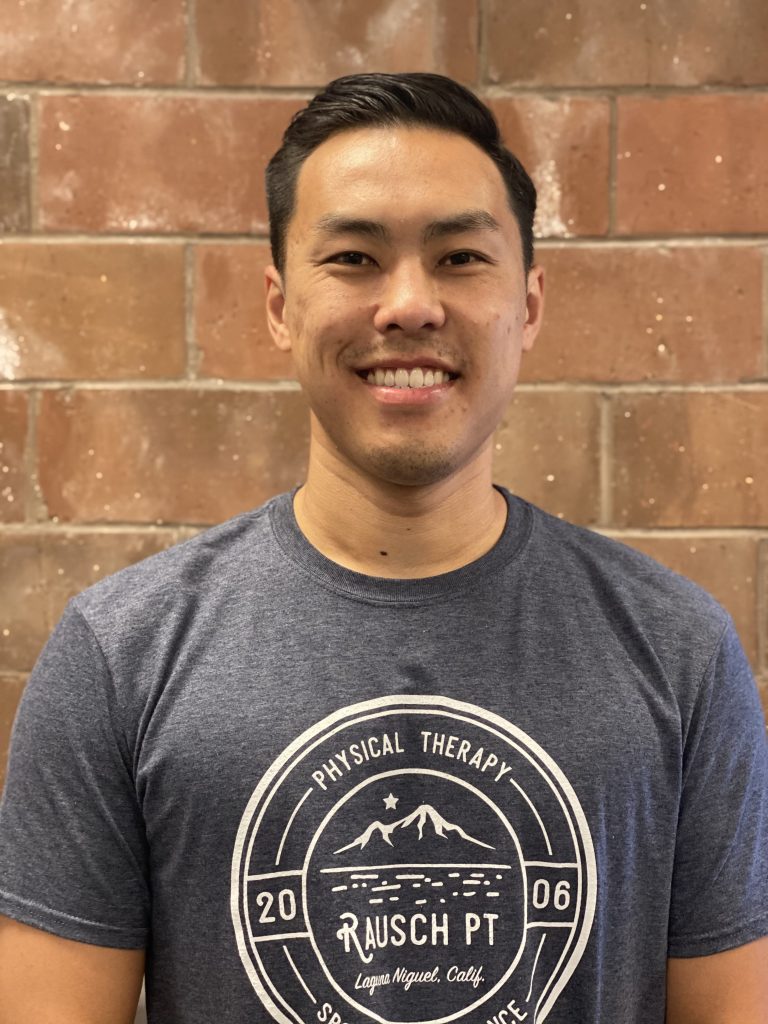
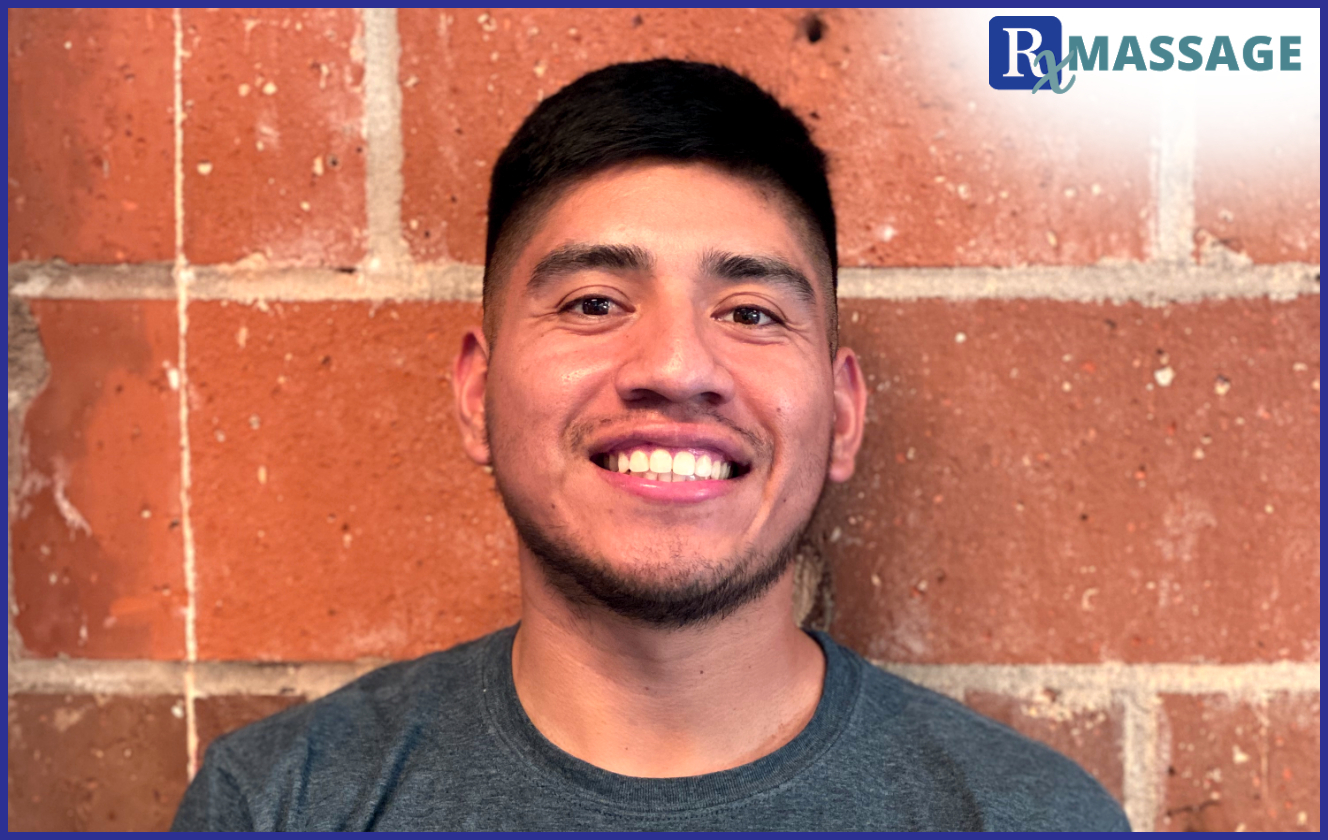
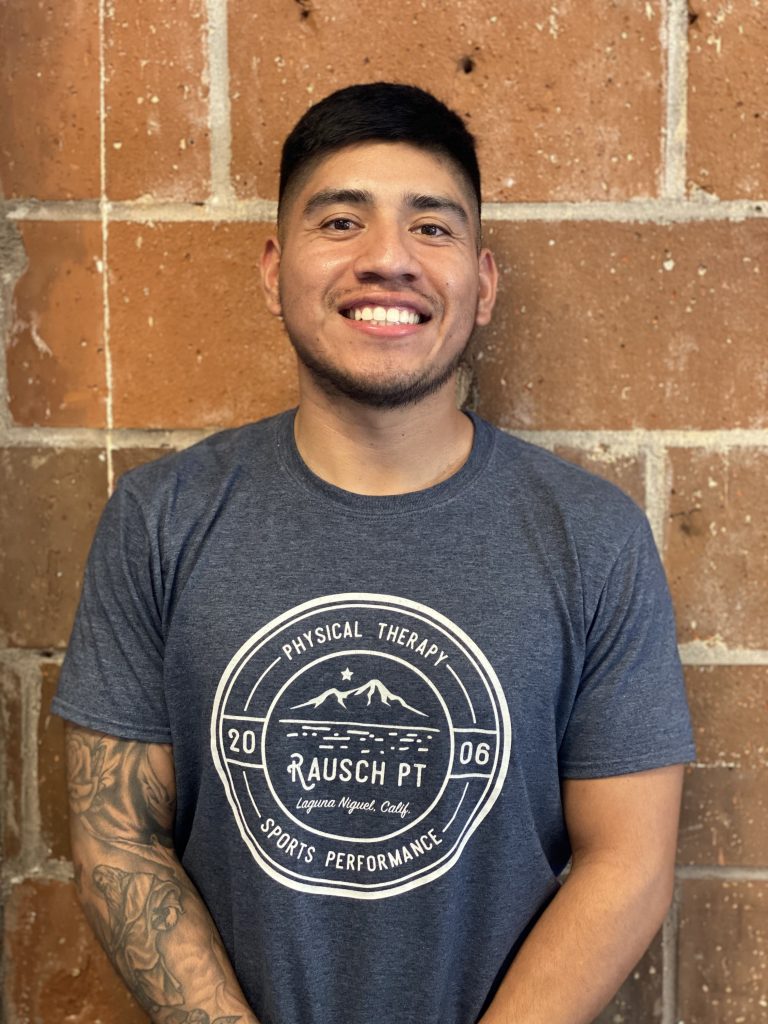
Employee Spotlight – Tommy Casarrubias

Rx Massage — Laguna Niguel is thrilled to welcome Tommy Casarrubias to their massage therapist team! Tommy treats a wide range of clients that may be dealing with motion issues, the feeling of muscle tightness, as well as neck, shoulder, and back issues. He is fascinated with the back because he sees it as a big canvas that gives him a lot of room to work with to help heal his clients. He also loves to work with athletes, since he coached soccer for over 6 years, which helped him learn how the athletic body works with these specific issues.

Tommy’s favorite place in the world is between Barcelona and Lisboa.

The reason Tommy got into this industry is that it is similar to physical therapy.

Three words to describe Tommy:

Funny, Outgoing, Empathic


Tommy Casarrubias

Let’s talk! We are here to help. Give us a call for a complimentary consultation. We would love to meet you.

Did you know there’s no prescription needed from a doctor to see us – but we will communicate your progress and treatment to your doctor if you’d like us too!
(949) 276-5401

RauschPT


Employee Spotlight – Dori Shiraga

Rx Massage is so excited to have Massage Therapist Dori Shiraga join our team! Dori’s specific massage niche is Therapeutic, Swedish, and Reflexology. If people are in pain, she wants to relieve that, and also have them more relaxed as well. Dori treats everything from frozen shoulders and sciatic pain to knots and muscle tension and tightness.

Dori’s favorite body part to treat is the feet. She finds that it can relieve body pains, relax the entire body, promote better sleep, and improve mood and blood circulation. Besides her education, Dori is always seeking and learning to be the best that she can be in her business. She has the heart to serve others and really listens to her clients and their needs. If you are looking for relief of tension, want to relax, or also need an increased range of motion make sure to call in for your massage with Dori!

Dori’s favorite place in the world is anywhere her family and friends are…and Hawaii!!


One thing no one would guess about Dori is….. She wants to be a mermaid. She really, really loves the water and all things beachy.


Three words to best describe Dori:

Compassionate. Encouraging. Thankful


Dori Shiraga

Let’s talk! We are here to help. Give us a call for a complimentary consultation. We would love to meet you.

Did you know there’s no prescription needed from a doctor to see us – but we will communicate your progress and treatment to your doctor if you’d like us too!
(949) 276-5401

RauschPT

Reaping the Benefits of Consistent Massage Therapy

Folks often envision massage therapy in either one of two ways. In the first scenario, massages are something that is seen as opulent and excessive, to be enjoyed by the wealthy or on special occasions. In the second situation, massages are seen as a necessary healing procedure for either intense athletes or those recovering from an accident or injury. However, while the above-described scenarios may be true for some circumstances, regular massage therapy is actually incredibly helpful to all people and for all body types. Massage therapy can either be used in conjunction with your physical therapist or M.D. to help heal and relieve pain in your body, or massage can be used to help alleviate stress after a grueling week. The types of massages and the benefits of regular massages make it a great choice for everybody – from the seasoned athlete to the weekend warrior. Our membership program allows affordable access to massages on an ongoing basis, with physical therapy support if you need it, helping you to achieve the pain-free and mobile life you want to live!

Massages for Athletes:

The importance of integrating regular, on-going massages into your health care routine will have long-lasting and advantageous benefits to both your recovery and your future performance. Sports massage alongside, cupping and ART (Active Release Therapy) will allow your massage therapist to address areas in which you may have scar tissue or mobility restrictions that could be hindering your performance. By actively working on these areas on a regular basis, the demand you put on your muscles and on your body will result in shorter recovery time, allowing you the opportunity to hit your personal bests the next time you practice your sport.

Massages for Everyone:

There is no doubt we are all under an immense amount of stress, now more than ever. With the tension of daily life during a pandemic, as well as trying to balance work and family life, our bodies will let us know the ways in which it is manifesting that stress. Tension headaches, sore backs, and stiff necks are all signs of tension. Our therapeutic massage and our deep tissue massage both allow you to relieve stiffness, pain and to help you release tension and relax. This may feel like it’s “pampering” yourself, but the truth is when under stress, your body needs this.

Our membership program allows routine monthly massages to be available to everyone! Our affordable monthly rate helps to ensure you have access to the message therapy you need without worrying about opulent spending or unnecessary add-ons. We can offer you the massage therapy and physical therapy support that your body needs to thrive! Visit our Facebook page at www.facebook.com/rauschpt or give us a call at 949.276.5401 to see how we can help you in getting your body feeling its best!


Let’s talk! We are here to help. Give us a call for a complimentary consultation. We would love to meet you.

Did you know massage can massively speed up your healing, from training, injury, or surgery recovery? Massage has an overarching positive effect on so many aspects of your health. We have excellent memberships that make regular expert massages possible. Call us! (949) 276-5401


The 8 Best Massage Guns of 2020

Here at Rx Massage, we know tensions are high right now. Your body may be in need of a sports massage, however, being stuck at home has its challenges. This is why we suggest purchasing a massage gun in the meantime! Massage guns are fairly simple to use—you’ll want to aim the head about an inch away from your skin as it pulsates. Experts recommend to only use it for one to two minutes per muscle group and advise to start on the lowest intensity and work your way up. See a list of the 8 best massage guns of 2020 you should consider purchasing! We can’t wait to welcome you back and take care of you ourselves!

Our Top Picks

Best Overall: KRAFTGUN

One of the newer massage guns on the market, Kraftgun does it all. It uses a brushless motor, which helps reduce noise dramatically. It’s also powered by a Samsung battery, which keeps the device running for 3.5 hours on a single charge.

The lightweight design—just 2.2 pounds—comes equipped with two adjustable handles, making it more comfortable for people of all body shapes and sizes. The handle adjusts to point where you can reach your lower back on your own.

It can handle up to 80 pounds of force before stalling, deeming it powerful enough to provide significant therapeutic relief. Choose between three speeds for the pulsation intensity that you’re most comfortable with.

By arriving a little late to the massage gun game, Kraftgun designers were able to observe common shortcomings of other devices and focus on improvements in a device of their own.


How To Use

Massage guns are fairly simple to use—you’ll want to aim the head about an inch away from your skin as it pulsates. Experts recommend to only use it for one to two minutes per muscle group, and advise to start on the lowest intensity and work your way up.


Best Quiet: OPOVE M3 Pro Massage Gun

When searching for a massage gun, experts say noise control should be high on your priorities list—especially if you plan to use it around your neck and shoulders for stiffness and soreness.

“When you use a massage gun, noise is generated by the motor units, which is important to consider when you plan to use the device on muscles closer to the ears,” said Latoya Julce, a fitness professional and registered nurse in New York City.

The OPOVE M3 Pro is one of the quietest massage guns on the market. Its 24-volt, high-torque brushless motor keeps noise between 35 and 55 decibels. Even on the highest of its three different speed settings, it’s quieter than the lowest setting of most other massage guns.

Its battery life is also competitive, clocking in around three hours for one full charge. And at 2.5 pounds, it’s a pretty lightweight option as well. Plus, it comes with a convenient carrying case so you don’t have to worry about misplacing its various attachments.


Quick Tip

“Be careful about relying on guns as your only recovery tool. You should also stretch, rest, get massages, and try cold and heat therapies to maintain flexibility and aid muscle recovery.”—Latoya Julce, fitness professional and registered nurse in New York City


Best High-End: Theragun G3PRO

Theragun is the pioneer of massage gun products, and the G3PRO is their top-of-the-line option with a price tag to match. With that said, it definitely gets the job done.

It comes equipped with six attachments and an adjustable arm so users of all heights can target any part of their body successfully. Handling up to 60 pounds of force before stalling, it provides pretty powerful percussive therapy. While its battery life is only 75 minutes, the GP3PRO comes with two batteries both of which are rechargeable, so you can use them interchangeably.

The percussion speed of the GP3PRO makes it a louder option, which is something to be mindful of if you plan on using it in a public space like the gym. On the plus side, it comes with a nice carrying case and an interactive app.

Best Budget: Exerscribe Vybe Percussion Massage Gun

Yes, you can enjoy many of the benefits of higher-end massage guns for a fraction of the price. Weighing 2.5 pounds, the Vybe can handle up to 60 pounds of force before stalling (just like the Theragun G3PRO), providing both deep percussion and strong pressure.

You can choose from six different speed settings and feel confident that it can reach any muscle in need, thanks to its adjustable arm. It also comes with two swappable, rechargeable batteries, keeping it going for up to three hours.

This model from Exerscribe is the least expensive of the three they offer, but that doesn’t make it an inferior choice. The only real sacrifice made here is in the noise department—it’s a pretty loud device.


Expert Advice

“I would recommend trying a few massage guns before buying one. And while it’s tempting to use the gun for longer sessions, limit percussive therapy to one or two minutes per muscle targeted. Also, if you’re prone to blood clots, you may want to check with your doctor before using a massage gun.”—Cori Giuliani, ACE-certified trainer at OrangeTheory Fitness


Best Portable: Hyperice Hypervolt

The Hypervolt is a favorite among many fitness trainers (including our expert source Cori Guiliani) because it’s easy to transport from location to location and use on a variety of clients for their unique needs.

It weighs just 2.5 pounds and sports an ergonomic design that fits easily in any gym bag. It also comes with five different attachments and offers three different speed settings, making it a versatile tool.

Even better, it’s quick to recharge after a battery life of almost three hours, and it has a gauge that reveals exactly how much battery it has left when it’s turned on. The Hypervolt also delivers on the quiet front, using a proprietary silencing technology to keep the percussion noise to a minimum.

Best High-Intensity: TimTam Power Massager Pro

If you typically opt for more aggressive deep tissue massages, this device is one of your best home alternatives. The TimTam Power Massager Pro is lightweight, quieter than many other options on the market, and more powerful, so it can help relieve your muscle soreness faster (the manufacturer says in 60 seconds).

It also features a unique, auto-heating tip and a vibration attachment, providing two more soothing elements of a traditional massage in one device. The TimTam Power Massager Pro features a 175-degree rotating head and makes 50 percent less noise than the brand’s previous model. The only downside: Its battery life is pretty low, clocking in at about an hour.

Best for Beginners: MuscleGun Carbon Massage Gun

With four massage heads that are quick and easy to change and a lightweight design of 2.2 pounds that’s even easier to handle, this massage gun is ideal for those new to percussive therapy.

The MuscleGun Carbon has a stall force of 50 making it a little milder than others on this list, which is great for newbies. If you’re a beginner, it’s best not to start out with an intense massage gun that’s ready to assault your sore muscles.

It has five speed settings, four-hour battery life and comes with a compact carrying case that’s handy for travel. Newcomers will love that the massage gun comes with images detailing how long to work each body part and what head attachments to use for each.

Best Battery Life: Lnchett Massage Gun

If you’re the person who always forgets to charge your phone, this massage gun is the one for you. Our expert, Latoya Julce, says good battery life is key for massage guns, “especially for trainers on the go tending to multiple clients.”

This massager comes equipped with rechargeable lithium batteries and has a long-lasting battery life of six to eight hours. The LED touch screen will notify when battery is running low and also lets you easily control the speed of the device.

It has six massage heads for total-body relief and 20 speed levels. The brushless high-torque delivers 500 to 3500 per minute, so it’s best for those who enjoy deeper pressure massages.

What to Look for in a Massage Gun

Noise

The motors that power massage guns can be surprisingly loud, so it can be a rather unpleasant experience to use them on neck and shoulder muscles. Luckily, lots of newer models have prioritized decreasing this motor noise.

Stall Force

This term refers to the amount of pressure you can apply to the head of the massage gun before the motor stalls. Folks who want deeper, more aggressive percussive therapy typically need massage guns with higher stall force.

Weight

Because these devices are often held with one hand, weight is an important factor. You want to feel confident that you can hold the massage gun steadily and safely on the targeted muscle while it’s running at its top speed.

Customizability

Some massage guns come with a handful of head attachments, some offer an adjustable head angle on the device itself, some provide both of these features, and some neglect both. Consider customizability as you think about which muscles you typically need to target and how many different types of massage therapy you enjoy using on those muscles.

Reference: {https://www.verywellfit.com/best-massage-guns-4800201}


Let’s talk! We are here to help. Give us a call for a complimentary consultation. We would love to meet you.

Did you know massage can massively speed up your healing, from training, injury or surgery recovery? Massage has an overarching positive effect on so many aspects of your health. We have excellent memberships that make regular expert massages possible. Call us! (949) 276-5401

RxMassage


Disclaimer — All the information that you find on our blogs and social media pages is for informational purposes only and is not intended to be used as your personal professional diagnosis, or treatment. Come and see us for your excellent, personalized care! https://staging.rauschpt.net/

MASSAGE THERAPY & HEART HEALTH: MASSAGE MIGHT REDUCE RISKS & BENEFIT RECOVERY

Heart disease is the leading cause of death in the U.S. for both men and women. Given these grim statistics, what can be done — and can massage therapy help heart health in any way?

February is American Heart Month, a month-long awareness campaign created in 1963 and today promoted by organizations including the National Heart, Lung & Blood Institute, the American College of Cardiology and the American Heart Association.

This article written for MASSAGE Magazine on behalf of the Massage Therapy Foundation provides an overview of heart disease in the US and research conducted on the benefits of massage for disease prevention and recovery of cardiovascular patients.

Heart Disease in the U.S.

According to a report by the Centers for Disease Control & Prevention (CDC), heart disease is the leading cause of death in the U.S. for both men and women — and someone has a heart attack every 40 seconds.

Drawing information from a study titled Heart Disease and Stroke Statistics — 2017 Update: A Report From the American Heart Association, the fact sheet cites that “Heart disease is the leading cause of death for people of most racial/ethnic groups in the [U.S], including African Americans, Hispanics, and whites. For Asian Americans or Pacific Islanders and American Indians or Alaska Natives, heart disease is second only to cancer.”

Risk factors of heart disease include, but are not limited to, high blood pressure, obesity, diabetes, and limited exercise. Sleep disturbances may also increase cardiovascular risk factors per the American Heart Association.

While the above statistics are for the U.S., the research reviewed for this article reveals that heart disease is prevalent worldwide.

And Now, the Good News

The good news is that a number of studies indicate that massage may be beneficial, both for some of the risk factors of heart disease as well as a treatment for those who have undergone some cardiac procedures.

When we look at massage therapy and the heart, there are a variety of studies to review, including ones involving cardiac patients and those related to how massage helps with stress relief.

While this review of the literature is fairly short, the hope is that it will stimulate interest in others to further investigate the risks, symptoms, treatments, and benefits of massage for heart disease.

Given the prevalence of the disease, there is a very good chance that individuals with heart disease have been on the majority of massage tables.

Massage & High Blood Pressure

In looking at the risk factors of heart disease, we have to ask several questions: What does the research report about massage and high blood pressure (HBP)?; as one of the leading causes of heart disease, if massage is proven to help lower blood pressure, would it be beneficial to promote that to the public?; and what constitutes a diagnosis of HBP?

According to the CDC, normal blood pressure is less than 120/80, prehypertension is 120-139/80-89, and HBP is 140/90 or higher.

In a 2013 issue of the International Journal of Preventive Medicine, a study on the durability effect on massage on HBP was published. This was a single-blind study with the intervention group receiving Swedish massage three times a week and each session lasting 10-15 minutes for a total of 10 sessions over a three-and-a-half-week period of time. The areas massaged were the face, neck, shoulders and upper chest. The client’s blood pressure was taken before and after each massage session.


The individuals in the control group reclined in bed and also had their blood pressures measured in the same manner as the massage group. All participants also had their blood pressures taken 72 hours after the study period ended.

Results showed a significant lowering of blood pressure for the massage therapy group and little or no change in the control group. While this is a six-year-old study and some of the references listed in it are over 20 years old, all indicate that massage may have a positive impact on reducing blood pressure.

Massage & Heart Rate Variability

Another study measured heart rate variability (HRV) of those receiving massage with or without aromatic oil or sham massage. In this study, the authors cited a number of references that “have shown that massage can reduce stress, improve immunological and inflammatory parameters and has a positive influence on blood pressure and HRV”

This study found that massage without the aromatic oil caused the most relevant effect in the long term of the autonomic nervous system.

Massage & Sleep

More recent studies have looked at the effect of massage therapy on sleep disturbances. In June of 2013, a case report on narcolepsy was published that indicated an overall improvement in the client’s ability to get to sleep and the quality of sleep.

As this was a study with only one subject, further studies would be beneficial. Some studies cited in the references are over 10 years old and indicate a positive impact on sleep disturbances for those who received massage.

Massage & PTSD

For individuals with PTSD and sleep issues, a series of case reports published in 2019 found that massage did not significantly improve the quality of sleep for the three individuals in the study. This differed from results in other studies8.

Anecdotally, many massage therapists will report that they often have clients who fall asleep during the massage, so it’s not hard to imagine that it may benefit those with sleep disturbances, but perhaps not all. Is this an area of study that might be of interest to you?

Massage & Treatment Recovery

For people with heart disease who have undergone one or more treatment interventions, massage may be beneficial in their recovery.

One of the newest studies is currently taking place thanks to a grant from the Massage Therapy Foundation (MTF). James Hunter Groninger, director of the Section of Palliative Care at MedStar Washington Hospital Center and Associate Professor of Medicine at Georgetown University, is conducting a pilot study using massage to improve self-efficacy for those patients who have a left-ventricular device implanted.


Previous research has studied the effect of massage for post-op cardiac patients, mostly evaluating its impact on anxiety, stress, and pain. In 2016, the journal Clinical Trials and Regulatory Science in Cardiology published a meta-analysis review of studies evaluating the effect of massage therapy on post-cardiac surgery patients related to anxiety and pain.

The researchers discovered the following results: “[Ten] randomized clinical trials were included in the systematic review, providing data on 888 individuals. Massage therapy was associated with decreased pain (−1.52 [95% CI,−2.2,−0.84; I2 91%], p < 0.0001) and with lower anxiety in the postoperative period when compared to the control group (−1.48 [95% CI, −1.93, −1.04; I2 0%], p < 0.0001)”. They reached the conclusion that massage may be beneficial to reduce pain and anxiety for this population.

Earlier studies show varied results, including a 2015 systematic review of research studies that were published between 2000 and 2015. The researchers concluded, based on their review of seven studies, that “[T]here is a need for higher methodological qualities of research studies to create a strong evidence base for massage therapy. Additional research studies that validate massage therapy as effective in improving postoperative outcomes and recovery in cardiac surgery ….”

Massage in the Hospital

Further, a randomized clinical study published in 2012 measured pain levels, relaxation, muscular tension and satisfaction in a total of 152 patients who had elective cardiac surgery, either coronary artery bypass (CABG) or valve surgery. The researchers also evaluated the feasibility of providing massage in the hospital setting for these post-operative patients.

The intervention group received a 20-minute massage on post-op days three or four, and five or six. Patients determined the areas of the body to be massaged. The control group received an equivalent rest period devoid of visitors or any interventions of health care providers.

The researchers concluded that “[T]he results from the present randomized study have shown that massage therapy can be safely and effectively delivered on a busy cardiothoracic surgical ward, with no increase in adverse events, significant reductions in pain, anxiety, and muscular tension, and enhancement of patients’ sense of relaxation.”

Massage & Stress Relief

One can imagine that being diagnosed with heart disease can be stressful. Undergoing a heart procedure to treat heart disease can add to that stress. There are numerous research studies that have evaluated the benefit of massage for stress reduction.

A search of “massage and stress research” returns studies done throughout the past 30-plus years, many of them measuring cortisol levels, physiological indicators of stress, or perceived stress with positive results.


I was fortunate enough to be able to complete one of those for my master’s thesis thanks to a grant from the Massage Therapy Foundation and the studies done before mine. So many more have been completed since that time and have strengthened the link between massage and stress reduction.

Reference: {https://www.massagemag.com/massage-therapy-heart-health-massage-might-reduce-risks-benefit-recovery-121340/}


Let’s talk! We are here to help. Give us a call for a complimentary consultation. We would love to meet you.

Did you know massage can massively speed up your healing, from training, injury or surgery recovery? Massage has an overarching positive effect on so many aspects of your health. We have excellent memberships that make regular expert massages possible. Call us! (949) 276-5401
RxMassage


Disclaimer — All the information that you find on our blogs and social media pages is for informational purposes only and is not intended to be used as your personal professional diagnosis, or treatment. Come and see us for your excellent, personalized care! https://staging.rauschpt.net/


MASSAGE REDUCES POST-RUN PAIN

After running 10 kilometers, or about 6.2 miles, as fast as possible, runners who received 10 minutes of massage therapy focused on the quadriceps experienced a greater decrease in pain than runners who received 10 minutes of sham joint mobilization, according to recent research.

The study, “Massage therapy slightly decreased pain intensity after habitual running, but had no effect on fatigue, mood or physical performance: a randomized trial,” involved 78 runners with a mean age of 34, all of whom had been running at least twice a week for the past year.

These subjects were randomly assigned to either the experimental group or the control group. Those in the experimental group received 10 minutes of massage therapy focused on the quadriceps after running 10 kilometers as fast as possible. Subjects in the control group received 10 minutes of sham joint mobilization after running 10 kilometers as fast as possible.


According to the study’s authors, the message protocol consisted of one minute of superficial effleurage, three minutes of deep effleurage, three minutes of petrissage, one minute of tapotement and a final two minutes of superficial effleurage.

Outcome measures in this study included pain and perceived fatigue, both of which were measured on a numerical rating scale that ranged from zero to 10. In addition, pain behavior was assessed via the McGill Pain Questionnaire, and mood profile was measured using Brunel Mood Scale.

Several strengths and performance factors served as outcome measures as well. Quadriceps muscle flexibility was evaluated by measuring maximal knee flexion angle via inclinometer. Isometric muscle strength of the knee extensors was assessed using hand-held dynamometry, and vertical jump performance was evaluated by recording jump height on the My Jump 2 app.


The results of the research showed a greater decrease in pain on the numerical rating scale among the subjects who received massage compared to those who received the sham joint treatment. No other differences were observed between the two groups for any of the other outcome measures.

“Massage therapy was effective at reducing pain intensity after application to the quadriceps of runners compared to a sham technique, but the magnitude of the effect was small,” state the study’s authors. “There were no significant effects on perceived fatigue, flexibility, strength or jump performance.”

Reference: {https://www.massagemag.com/running-pain-119681/}


Let’s talk! We are here to help. Give us a call for a complimentary consultation. We would love to meet you.

Did you know massage can massively speed up your healing, from training, injury or surgery recovery? Massage has an overarching positive effect on so many aspects of your health. We have excellent memberships that make regular expert massages possible. Call us! (949) 276-5401
RxMassage


Disclaimer — All the information that you find on our blogs and social media pages is for informational purposes only and is not intended to be used as your personal professional diagnosis, or treatment. Come and see us for your excellent, personalized care! https://staging.rauschpt.net/