Blog

Ice or Heat?

One of the most common questions that patients ask their physical therapist is “so, should I ice it or heat it?”. The answer to this question differs for each injury and each patient. Icing and heating are two very useful, cost-effective, and rational ways that my patients can manage their pain when out of the clinic. Because they are key to pain management and essential to the rehabilitation process, I find myself (as the PT) explaining to each patient the difference between icing and heating. Aside from the obvious – ice being cold and heat being warm – ice and heat differ in use and therapeutic effects on the body.

When should I ice or heat?

Ice is used for any acute injury. This means that ice is best for a new injury. Think of a swollen, red, and irritated knee – this kind of injury is the perfect match for ice. Ice has been known to decrease pain while also reducing inflammation and swelling. So when my patients walk into the clinic with a swollen, inflamed, or irritated injury, I will apply ice to the injury.


Heat is for chronic injuries. Heat is most useful when the pain has been ongoing over several days/weeks/months. Think of that dull achy back pain that has been present for months. The heat has been known to decrease pain while improving blood circulation to the heated muscle. I will apply heat to my patients that walk into the clinic with muscle aches, stiffness, or those with chronic pain.

When should I avoid ice or heat?

There are specific scenarios when you should not ice or heat. You should never use ice or heat when you have impaired sensation, as you will not be able to feel if the ice or heat is burning you leading to tissue damage. Ice should also not be used if you have Raynaud’s disease, hypertension, rheumatoid arthritis, history of vascular impairments, and another medical history. Heat should not be used if you have had a recent hemorrhage, thrombophlebitis, impaired mental awareness, malignant tissue, and another medical history. Consult with your doctor if you have any past medical issues or have had any reactions to using ice or heat in the past before applying either ice or heat.

Bottom Line

Ice and heat are two simple, easy, and cost-effective ways to manage pain outside of the clinic and between your PT appointments. Ice is generally used when the tissue is irritated and swollen. Heat is generally used when the muscle is stiff or painful for several days.

CAUTION: Both ice and heat can cause burns and tissue damage so be careful and take the ice/heat off if causing more pain, too hot, or too cold.


If you find yourself in discomfort or think you could benefit from a personalized exercise plan, talk to a Physical Therapist.

Let’s talk! We are here to help. Give us a call for a complimentary assessment.
Did you know there’s no prescription needed from a doctor to see us?
(949) 443-0713


logo-top

8 tips for staying active during the COVID-19 pandemic

In an effort to prevent the spread of the 2019 Novel Coronavirus (COVID-19), many spectator and participation sports have been postponed.

While this may be especially disappointing if you were looking forward to events – such as college basketball’s March Madness – it’s an important step in minimizing the impact of COVID-19 in our communities.

Pack PT is here to help during this unique time, which is why we’re providing you 8 tips for staying active during the COVID-19 pandemic.

The good news is there are plenty of ways we can maintain our sports connections, even within social distancing guidelines. And, staying active during the COVID-19 pandemic is important for both our physical and mental well-being.

The coronavirus is spread through respiratory droplets, such as a cough or sneeze, and can travel several feet. However, as long as you don’t have a fever and are feeling well, there’s no need to stay on the couch while you practice social distancing. As always, be sure to wash your hands with soap for 15 to 20 seconds before and after any activity with others.

Staying active during the COVID-19 pandemic

If you are healthy, try these eight tips for safely exercising while maintaining social distance during the COVID-19 pandemic.

  1. Exercise outdoors.

Most public gym facilities are likely closed but if yours is still open, we recommend avoiding it until public health officials say otherwise. Instead, take your fitness into the fresh air outside. Consider hiking a new path or trying a water-based activity like kayaking, if the weather permits.

Younger athletes can also benefit from outdoor play by themselves or in small groups. Be sure to supervise kids playing in small groups or alone, and discourage the use of sporting equipment or jungle gyms to minimize direct contact with each other and surfaces.

  1. Exercise by yourself, with a friend, or in small groups of less than 10.

If you’re heading outside, consider bringing your family or a friend to keep you company, but keep the U.S. Centers for Disease Control and Prevention (CDC) guidelines in mind. Choose activities that allow you to maintain an appropriate distance between each other, such as hiking or biking. Do your best to minimize direct contact and save your high-fives and fist bumps for another day.

If you are going to exercise with a small group of friends, plan to meet up at the destination to avoid close quarters like carpools, and consider outdoor activities rather than fitness studios.

  1. Engage in non-contact activities that allow spacing of 6 feet between participants.

Limiting physical contact is one of the best ways to prevent the spread of coronavirus—and any other virus. Social distancing guidelines recommend maintaining six feet of space between people, and there’s plenty of activities that allow for this, such as biking or tennis.

Other group activities, such as running, bodyweight workout routines, and fitness videos allow for additional spacing. If you’re using any equipment, be sure to thoroughly clean and disinfect it before and after use, even if you’re the only one using it.

  1. Rethink recess.

With children home from school and focusing on distance learning, don’t forget recess. Physical activity is an important part of the school day and helps children not only with fitness but with mental focus and concentration as well.  Be sure to include a combination of structured and unstructured physical activity into every day your child is home.

  1. Work on improving your general fitness.

Having a strong core and aerobic fitness level is necessary for good fitness. You can work on strengthening your core and cardiovascular condition without compromising the safety of those around you by using:

  • Home gyms
  • Home-based video workouts
  • Web-based exercise programs

In fact, many fitness-related instructors and organizations are currently offering free online workout classes and routines for new users as a way to encourage activity and improve morale throughout the country.

  1. Clean and disinfect any equipment you use alone or with others.

The virus may remain active on untreated surfaces for an extended period, so be sure to follow the CDC guidelines for cleaning and disinfecting surfaces and any equipment you use by yourself or with others. Using a cleaning solution that contains at least 70% alcohol is important, even if you and your family are using your own in-home facilities.

  1. Exercise using your body weight.

Using your own body weight with a circuit-type program can be an effective way to maintain strength and aerobic health in a short period of time. Bodyweight workouts can incorporate a variety of movements that don’t require equipment, including:

  • Burpees
  • Squats
  • Lunges
  • Pushups
  • Yoga


Remember that with any exercise program, you should gradually increase frequency, intensity, and duration to avoid overuse injuries. If it hurts, stop doing it.

  1. Stay in touch with your fitness community online.

Whether you’re a competitive athlete or a weekend warrior, stay in touch with your friends and teammates through appropriate social media channels. Consider sharing your thoughts about this situation and hopes for returning to normal activity as soon as safely possible. Consider on-line challenges for steps, or stationary bike rides, or even run a “virtual race” together and compare times.

What to do if you’re sick

If you or a family member has a fever, cough, or shortness of breath, stay home and avoid interacting with others. Consult with your primary care physician regarding when to resume activity and follow the CDC’s recommendations to minimize the spread of COVID-19 when you do get moving.

As you resume activity, you should:

  • Practice social distancing
  • Avoid handshakes, high-fives, and hugs
  • Maintain a distance of six feet from strangers and anyone with cold and flu symptoms
  • Avoid using public surfaces and shared equipment
  • Adhere to appropriate hand and personal hygiene

Stay active, but be safe. Stay hopeful, but be helpful. You’ll be back in action soon!

Reference: {https://www.medstarhealth.org/medstar-blog/8-tips-for-staying-active-during-the-covid-19-pandemic/}


If you find yourself in discomfort or think you could benefit from a personalized exercise plan, talk to a Physical Therapist.

Let’s talk! We are here to help. Give us a call for a complimentary assessment.
Did you know there’s no prescription needed from a doctor to see us?
(949) 443-0713
logo-top

Patient spotlight – Zetta Tsukamoto

Zetta first came to me back in September of 2019. Essentially she was one of my very first patients as a new graduate physical therapist, which is very meaningful to me. She initially had a significant low back injury that resulted in drop foot of her left foot. Drop foot is a concerning dysfunction, because it means the patient cannot fully lift their toes while walking, which causes a tripping hazard. With hard work and diligence on her part and with careful consideration of my recommendations, Zetta has made incredible progress since September. As you can see in the picture, we use electrical stimulation as a treatment approach to activate the nerve to muscle connection. With that among other treatments such as manual therapy, therapeutic exercise, and the laser modality, Zetta now has a functional left foot. I am very pleased with her recovery because although the nerve can regenerate, it doesn’t always. It is also a very slow going rehabilitation process so I give credit to Zetta for her determination and patience with her recovery. She is an excellent patient spotlight because of her positive outlook and should serve as an inspiration to other patients.

When asked about her experience at Rausch Dana Point, here is what she wrote. “I’m very fortunate to be working with Sarah Troicky. Sarah’s passion, knowledge, and patience is evident in her approach and treatment of patients she works with. Together we are a team and work toward the same goal. I’ve made tremendous progress and I owe that to Sarah and the staff of professionals at Rausch who have assisted in my recovery.” -Zetta Tsukamoto


logo-top

Let’s talk! We are here to help. Give us a call for a complimentary assessment.
Did you know there’s no prescription needed from a doctor to see us?
(949) 443-0713

Pack Physical Therapy is closed to due county-wide business closures to assist in preventing the spread of COVID-19 until March 31st

🔴 Please be advised that Pack Physical Therapy will be closed, effective immediately.

➡️We will be closed until March 31st and re-evaluate. If we can help with at-home care or exercises, or answer any questions, please call us at (949) 443-0713. If you need to see us, let us know and the moment we open we will get you on the schedule and ready to go!

📉📉📉 We urge everyone to continue taking all recommended precautions in their personal lives to safeguard their health and that of others. This pandemic will call on each of us to do our part to contain its reach.

These are historic times, and we feel profound gratitude for this community and what it represents. Follow us here for news and updates. We look forward to welcoming you all back soon!


If you find yourself in discomfort or think you could benefit from a personalized exercise plan, talk to a Physical Therapist.

Let’s talk! We are here to help. Give us a call for a complimentary assessment.
Did you know there’s no prescription needed from a doctor to see us?
(949) 443-0713
logo-top

Why is Sodium important…?

Where do I start with a personal hydration strategy?

Sodium plays a vital role in helping your body maintain fluid balance and cognitive function. It is also involved in the absorption of nutrients in the gut, nerve impulse transmission and muscle contraction. What does that mean in terms of performance? A 2015 study found that athletes who adequately replaced the sodium in their sweat finished a middle distance triathlon 26 minutes (on average) faster than those who did not.  This is just one study, but it demonstrates the potential impact of getting your sodium intake in training and competition right.  Speaking anecdotally from my own personal experience as an Olympian and World Champion competing and training over 20 years in extreme heat, cold, wet, and dry, I would concur.  When I am able to stay on top of my hydration status, my performance, recovery, and sleeping is positively impacted, so much so that my personal priority after big training and racing is rehydration. (What is big? I recently did ~36 hours of training in 7 days averaging more than 100 miles/day. I also won the World Championship in extreme heat in Doha, Qatar.)

Why is sodium the most important electrolyte?

Sweat comes from extracellular fluid in our bodies and 90% of the electrolytes in that fluid is Sodium.  In an acute situation like exercise, sodium is the most important electrolyte to pay attention to.  It does not mean that the others like magnesium and potassium are not important, but a deficit in these is better addressed in your diet than in over supplementing in your performance hydration solution.

As an athlete, sodium is key to maintaining fluid balance and sustaining performance.  Our blood contains 15-20% of the extracellular fluid in our bodies. (Remember sodium is the main ingredient in our extracellular fluid and sweat comes from this fluid.) Therefore, blood volume is directly impacted by sodium loss.  As our blood volume drops there is a greater strain on our cardiovascular systems. Our hearts must pump faster and harder to deliver oxygen and to dissipate heat to help keep us cool. We see higher heart rate numbers even though our pace does not change. Yikes. We all know this is not fun.

Then there is general fatigue, loss of concentration, and cramping! There is new research on cramping and how important electrolyte threshold is…… but I will save that for the next blog.

For now, what’s important to know is that there is a cost to allowing your sodium losses to mount up and go uncorrected.  Be aware of this.

How do I figure out how much sodium to replace while training or competing?

There are two things to think about 1) your sweat rate and 2) your concentration of sodium loss per liter of sweat.  Your sweat rate or the volume of sweat you lose is dependent on the conditions and intensity of exercise.  However, the amount of sodium you lose per liter of sweat remains fairly constant throughout life, and it is very unique to each of us.  It can range from as little as 200mg/L up to 2000mg/L!  That is a dramatically different range and requires dramatically different products and hydration strategies.  Using your best buddy’s strategy could be a disaster if you two are on the opposite ranges.  (As a reference most products fit the middle of the bell curve of the range at ~700mg/L.)

Get tested! Find out your unique sodium concentration loss in a simple 15-minute test.

Note: We schedule your appointment for 50 minutes so we have time to talk about your personal situation and goals.

You do not have to exercise or work hard! All that’s required is that you sit in a chair and expose your forearm. Easy! Using patented technology, we will stimulate your sweat glands and collect enough sweat to measure the amount of sodium you are losing.
It’s simple and painless, yet a very powerful piece of information for performance. Along with an individual value, we will provide you with a customized hydration strategy to use in training and competition.


If you find yourself in discomfort or think you could benefit from a personalized exercise plan, talk to a Physical Therapist.

Let’s talk! We are here to help. Give us a call for a complimentary assessment.
Did you know there’s no prescription needed from a doctor to see us?
(949) 443-0713

logo-top

Physical Therapy and Pain Management

Sometimes pain relief can be accomplished through physical therapy. Physical therapy (PT) involves treatments that focus on the prevention and management of injuries or disabilities. PT helps to relieve pain, promote healing, and restore function and movement.

PT is practiced by a professionally trained physical therapist. A physical therapist is a specialist skilled and educated specifically in the evaluation and conservative management, including rehabilitation, of orthopedic, neurologic, and cardiovascular conditions…

How Is Physical Therapy Used to Treat Pain?

A therapist may focus on decreasing pain with either passive or active therapy. Examples of passive physical therapy include:

  • Manual therapies
  • Heat/ice packs
  • Electrical stimulation, including TENS units
  • Ultrasound
  • Dry needling
  • Cupping

Examples of active physical therapy include:

  • Movement-based activities, including stretching and range of motion exercises
  • Specific strengthening exercises
  • Pain relief exercises
  • Low-impact aerobic conditioning

Points to Consider About Physical Therapy and Pain

An important aspect to keep in mind about physical therapy and pain relief is that each individual may respond differently to therapy. People have different types of bodies, different patterns of movement, and different habits. Physical therapists and their trained staff can monitor each individual and attempt to correct improper habits and movement patterns.


Reference: {https://www.medicalnewstoday.com/articles/327169.php}


If you find yourself in discomfort or think you could benefit from a personalized exercise plan, talk to a Physical Therapist.

Let’s talk! We are here to help. Give us a call for a complimentary assessment.
Did you know there’s no prescription needed from a doctor to see us?
(949) 443-0713
logo-top

Tips for healing a sprained ankle fast

A sprained ankle is an injury to one or more ligaments in the ankle. Mild sprains may involve overstretching and irritating the ligaments, while severe sprains can cause the ligaments to tear completely.

Ankle sprains are common injuries, particularly among people who play sports.

They can be very painful, and severe sprains can require months of recovery. However, a person can do several things at home to help speed their healing and reduce the risk of reinjury.

Below, find out what to do after spraining an ankle. We describe first aid and longer-term methods of supporting recovery.

First aid

Anyone who thinks that they have sprained an ankle should receive first aid. Avoid putting any weight on the ankle, as this increases the risk of broken bones and other injuries. Sit in a comfortable position, with the ankle elevated to reduce swelling.

Nonsteroidal anti-inflammatory drugs, or NSAIDs, such as ibuprofen, can also help alleviate swelling and pain.

If possible, wear a temporary brace or bandage to support the joint and prevent it from moving.

If crutches are available, some people find that they can help with balance and mobility while allowing the ankle to rest.


It is difficult to diagnose an ankle sprain based on symptoms alone. For this reason, a person should see a doctor.

Most family physicians and doctors at urgent care clinics can quickly diagnose a sprained ankle. If the injury is very serious, they may refer the person to an orthopedist or foot and ankle surgeon.

Stay in the know. Get our free daily newsletter

Expect in-depth, science-backed toplines of our best stories every day. Tap in and keep your curiosity satisfied.

Tips to aid healing

The following methods of home care may support faster recovery while helping to protect against further injuries.

RICE

The acronym RICE stands for: rest, ice, compression, and elevation. Doctors often recommend these tactics to reduce swelling and inflammation in the days after an injury.


Rest

Resting the ankle is key for healing, and wearing a brace can help stabilize the injured area. Attempting to return to sports or other activities too quickly increases the risk of another injury.

Ice

Using an ice pack may reduce blood flow to the injury and help ease pain and swelling.

The American Academy of Family Physicians suggests applying an ice pack to the sprain for 10–20 minutes at a time. Wrap the pack in a towel before laying it against the skin.

However, the National Athletic Trainers’ Association reviewed the evidence for the use of ice on injuries in 2013. They found that, while doctors commonly recommend applying ice, there is limited evidence to support its effectiveness.

If ice does not help relieve symptoms, use other treatments instead.

Compression

Compression helps stabilize the injured joint and may reduce swelling.

Try wrapping a bandage around the injured ankle. The bandage should be snug, but not so tight that it digs into the skin, hurts, or causes numbness.

Elevation

Elevating a sprained ankle reduces the accumulation of fluid in the joint. This can ease swelling, which may also help reduce pain.

Try sleeping with the foot and ankle propped up on pillows at a level higher than the heart. When sitting or resting, use pillows or a footrest to keep the foot and ankle elevated.

Heat

Heat increases blood flow to an injury, which can speed healing. Some people also find that it helps relax tight muscles, easing pain and tension.

However, do not use heat while the ankle is still swollen, as this can increase inflammation and slow healing.

Once the swelling goes down, try applying a heat pack for 15–20 minutes at a time.

Some people find relief from alternating heat and ice packs. Only try this after the swelling is gone — not immediately after the injury.

Stretching

An injury to the ankle puts nearby muscles and other structures at risk of damage. This is especially likely if the tissues have become weak from disuse.

Stretching keeps the muscles strong and limber. It also helps more blood circulate to the area, which may help the ankle heal faster.

Gently stretch the ankle by moving it in all directions at least three times each day. Try flexing the foot forward, then backward, or rolling it clockwise, then counterclockwise.

However, it is important to avoid overextending the ankle or moving it in any direction that hurts.

Walking

The pain and swelling that immediately follow an ankle sprain may be severe. This can make it impossible for a person to put any weight on the joint.

As the swelling goes down, walking can promote healing. Start by walking short distances within the house. Then, gradually build up to longer distances as the ankle begins to heal.

However, walking may require a person to hold the injured ankle in an unusual position or twist the body to avoid putting excess weight on the joint. If this is the case, wait 1–2 days, then try again.

Exercise

Exercise can restore strength and balance while preventing the muscles in the area from weakening. This can reduce the risk of another sprain.

After the swelling goes down and walking is comfortable, it may be a good idea to start exercising the ankle.


A person can try performing the following exercises for 10–15 minutes every other day:

On a low step, stand with the heels hanging backward over the edge. Drop the heels slightly, and hold the position for a few seconds. Then, elevate the heels above the toes.
Balance on one foot for 30–60 seconds, then switch sides, to promote equal strength in both joints.
Loop an elastic exercise band under the foot for gentle resistance. Move the ankle clockwise, then counterclockwise.
Play catch while balancing on one leg, then the other.

Massage

Massage can help ease pain while promoting blood flow to the sprained area.

If the injury is particularly severe or painful, a person should seek advice from a qualified massage therapist.

For less severe injuries, a person can try a gentle massage at home. Some people find that massaging the bottom of the foot or heel provides relief. Others prefer to massage around or just above the ankle.

A person should stop massaging the area if it causes pain or worsens symptoms.

Physical Therapy

Physical therapy may especially benefit anyone who experiences long-term pain following a serious sprain and anyone with a history of similar injuries.

A physical therapist will perform an exam of the person’s ankle to identify weak muscles and other issues that can cause pain and increase the risk of injury.


They will also ask about the person’s lifestyle, including any sports.

The physical therapist will use this information to create a customized exercise plan that promotes healing and eases pain.

When to see a doctor

According to a popular myth, a doctor can do nothing to treat a sprain. It is true that sprains do not usually require casts and often heal on their own.

However, the American College of Foot and Ankle Surgeons recommends that anyone who suspects that they have a sprain see a doctor. They may be mistaken and have a different injury that requires treatment, or they may have additional injuries, such as broken bones, which is common.

Also, a doctor can assess the severity of the sprain. Particularly serious sprains can require surgery, physical therapy, and other long-term treatments. Delaying medical attention can delay rehabilitation.

If the pain is mild and a person prefers home treatment, they can wait a day or two. If the swelling does not go down or the pain gets worse, they should see a doctor.

Summary

Sprains are common and usually heal on their own. However, severe sprains that completely sever the ligament may require months of healing and possibly surgery.

Do not ignore the pain of an ankle sprain or assume that there is nothing a doctor can do. Prompt treatment can speed recovery and reduce the risk of chronic or secondary injury.

Reference: {https://www.medicalnewstoday.com/articles/327169.php}


If you find yourself in discomfort or think you could benefit from a personalized exercise plan, talk to a
Physical Therapist.

Let’s talk! We are here to help. Give us a call for a complimentary assessment.
Did you know there’s no prescription needed from a doctor to see us?
(949) 443-0713
logo-top

5 Lifestyle Tweaks That Will Dramatically Improve One’s Well being: “Only exercise for fun” with Emma Green and Dr. William Seeds

Only exercise for fun: Rather than being obsessed with what is optimal, focus on what is fun for you. Think about the activities that you used to enjoy when you were younger and see if you can find ways to incorporate them now. Perhaps grab a friend if working out on your own seems boring or intimidating, it can be a great way to connect.

As a part of my series about “5 Lifestyle Tweaks That Will Dramatically Improve One’s Wellbeing”, I had the pleasure of interviewing Emma Green. Emma helps people build a healthy relationship with food, exercise, and their bodies. She achieves this by working as a freelance writer and online coach. Emma is passionate about taking an evidence-based yet fun approach to health and fitness.


Thank you so much for doing this with us! Our readers would love to “get to know you” a bit better. Can you share with us the story about how you first got involved in fitness and wellness?

I developed an eating disorder at the age of 14, which was triggered by being bullied at school. My mental and physical health rapidly deteriorated. I was barely eating and exercising obsessively on a daily basis. I was tired and miserable but felt unable to stop. I didn’t really understand what was happening to me at the time and subsequently continued to struggle, albeit less severely, until the age of 18 when I went to university. The stress of my studies combined with social pressures resulted in my eating disorder rapidly worsening and finally receiving a diagnosis at the age of 20.

Following graduating from university, I began the journey of recovery. It took six years and four different therapists but I made a full recovery. The process gave me a greater understanding of the way in which an obsession with food and exercise can become all-consuming and what it takes away from you. I spend years of my life just existing, rather than truly living. I became increasingly aware of the detrimental effect of the diet culture in which we live where people punish themselves with endless diets and grueling exercise routines in an attempt to achieve the ‘perfect body.’ I saw that people were postponing their happiness in the hopes that one day, their dieting and exercise would allow them to reach some kind of utopia that just doesn’t exist. I wanted to share the message that people can seek health and fitness without being restrictive. That a ‘perfect body’ is not only unattainable but not the answer to happiness. I wanted to show people that there was another option.

Can you share the most interesting story that happened to you since you started your career?

Whilst studying for my Ph.D., I began online fitness coaching. I started being approached by friends that knew me in ‘real-life’ but had been positively affected by the messages I was sharing on my Instagram page. I realized that the message I was sharing was powerful and had the ability to affect others in a positive way. I began to take things more seriously, thinking more carefully about what I was sharing and ensuring that there was no potential to cause harm, with either the images or the words I was using. I take this responsibility incredibly seriously to this day and never post anything that I think could negatively impact another person. I am sure that I am not perfect with this but I try my absolute best.

Can you share a story with us about the most humorous mistake you made when you were first starting? What lesson or takeaway did you learn from that?

When I first started posting on Instagram, I had no idea what I was doing. I would post pictures with no caption and no hashtags. At the time it was just pictures of food, which were not particularly engaging so it’s no surprise that I got little to no engagement! I learned that Instagram is about so much more than pictures. I realized that people do read captions and that as a lifelong writer, I could use words in a meaningful way to positively impact others. My captions became gradually longer and now I regularly reach the maximum character allowance. Fortunately, my editing has also improved and I am much better at removing the fluff from a caption to ensure that only the important stuff remains.

Can you share with our readers a bit about why you are an authority in the fitness and wellness field? In your opinion, what is your unique contribution to the world of wellness?

In terms of being an authority, I have a Ph.D. in Health Psychology which has provided me with the ability to think critically about topics, assess the scientific evidence and form a coherent argument. I am also a certified Personal Trainer, which gives me more credibility in terms of the content I produce but also in my ability to work with individuals on a one-to-one basis.

In terms of my unique contribution, I try to show people that the pursuit of health and fitness goals (which is by no means is a moral imperative) doesn’t have to mean restriction. It doesn’t have to involve miserable and exhausting workouts. It doesn’t mean having to eat ‘clean’. It doesn’t mean trying to make your body fit some kind of ideal that society has told you are beautiful. I talk a lot about the principles of intuitive eating, which involves tuning into your own bodily cues to decide how what and when to eat. It involves exercising in a way that is fun, rather than as a way to burn calories.

I’m aligned with a Health at Every Size (HAES) approach, which supports all individuals to pursue health but adopting health-promoting behaviors, whilst acknowledging the societal and structural barriers that impede health. It’s a radical standpoint, particularly within the health and wellness industry, but I’m hugely passionate about sharing the message and having engaging discussions with others in this space

None of us are able to achieve success without some help along the way. Is there a particular person who you are grateful to who helped get you to where you are? Can you share a story about that?

That would have to be my boyfriend Stef. He is hugely supportive of my social media efforts and encourages me to ‘put myself out there’, which as an introvert is always something I have struggled with. After a talk I gave at a health summit earlier this year, he said to me ‘You are meant to do this.’ Stef sees my passion and desire to help others with my message. I often doubt myself and having his belief in me means a lot.

Ok, thank you for all that. Now let’s move to the main focus of our interview. We all know that it’s important to eat more vegetables, eat less sugar, exercise more, and get better sleep, etc. But while we know it intellectually, it’s often difficult to put it into practice and make it a part of our daily habits. In your opinion what are the 3 main blockages that prevent us from taking the information that we all know, and integrating it into our lives?

I actually think that there is a misunderstanding about what we ‘should do’. I don’t think that nutrition has to be restrictive and I don’t think that exercise has to be prescriptive.

I think one of the main reasons that people struggle with integrating certain behaviors into their daily lives is because they are inherently unsustainable. The good news is that pursuing physical and mental health does not have to be miserable, onerous or exhausting. People have to do a lot less than they think in the pursuit of physical health and wellbeing.

I think that it is also important to acknowledge the huge amount of privilege inherent in making decisions about health. People who are worrying about how to get by day-to-day cannot possibly have the time or energy to engage in health-promoting behaviors. Those people should be shamed or chastised but instead offered compassion whilst we campaign for social justice to address the root issues.

Finally, I think that some people struggle to justify the time to take care of their own health and wellbeing, regardless of their sociodemographic characteristics. If people are busy and have a lot of responsibilities, it can be hard for them to feel okay about leaving those aside and spending more time exercising or sleeping. Those activities can appear selfish. People may not necessarily have others around them that can challenge that idea.

Can you please share your “5 Non-Intuitive Lifestyle Tweaks That Will Dramatically Improve One’s Wellbeing”? (Please share a story or an example for each, and feel free to share ideas for mental, emotional and physical health.)

1) Stop dieting: Restricting food does not lead to improved health or wellbeing. It is inherently unsustainable, demonstrated by the 80% or more of people who regain weight loss after dieting. Instead, embrace a non-diet approach, tuning into your own body’s cues to determine what, when and how much to eat. This not only allows you to get in touch with what your body needs but also frees up a huge amount of time and energy that you can dedicate to other areas of your life.

2) Throw away the scale: The scale does not tell you anything that is useful. It is not a marker of health status. It is merely an unnecessary source of anxiety and stress, which makes you think that you are failing unless the number is going down. Get rid of it and see how liberated you feel.

3) Only exercise for fun: Rather than being obsessed with what is optimal, focus on what is fun for you. Think about the activities that you used to enjoy when you were younger and see if you can find ways to incorporate them now. Perhaps grab a friend if working out on your own seems boring or intimidating, it can be a great way to connect.

4) Learn to say no: As a recovering people-pleaser, I understand how hard it is to say no when you are asked to do something. It is so important to guard your own time, energy and wellbeing. If something is not worth doing, say no. If you don’t feel comfortable saying any right away, say ‘I’ll have to think about it’ and go back to that person at a later date. That gives you the time and space to decide what you are going to say to them and means that they will not be expecting an unequivocal yes.

5) Take time for being rather than doing: I like to be busy so I find it hard to take time to slow down and relax but it is hugely important for wellbeing. Make sure that you dedicate time for yourself, even if it is only a few minutes. Resist the temptation to fill this time with stuff. Instead, use the time to unwind and recharge so that you can feel refreshed and energized.

As an expert, this might be obvious to you, but I think it would be instructive to articulate this for the public. Aside from weight loss, what are 3 benefits of daily exercise? Can you explain?

My approach is weight-neutral so I don’t consider weight loss to be an inherent benefit of daily exercise. The scientific literature is very clear that physical activity is helpful regardless of whether or not a person loses weight. I would also note that I don’t think that exercise has to be a daily occurrence, there is nothing wrong with chilling on the sofa in front of a movie with a pizza. We all need downtime for both physical and mental health.

A key benefit of exercising more generally is getting more in touch with your body. You can learn about the cues it sends you, helping you better decide when you need to push yourself and when you need to pull back.

Exercise also helps boost your mood. Physical activity releases endorphins which in the short-term makes you feel happier. It can provide a welcome escape from existing worries and concerns.

Finally, exercise can improve confidence. It can be a springboard to feel more capable in daily life and increasing self-esteem.

For someone who is looking to add exercise to their daily routine, which 3 exercises would you recommend that are absolutely critical?

I actually don’t think that any exercises are critical. I think that enjoyment is the most important factor that should determine activity choices. However, from a physical health standpoint, I would argue that there are three aspects of fitness that ideally should be included within a routine: strength, cardio, and flexibility.

These can be achieved in a variety of ways. For example, strength might be gained using dumbbells, kettlebells, or bodyweight. Cardio might mean going for a run, dancing or swimming. Flexibility might mean a yoga class or even just some extended stretching done after workouts. A person certainly doesn’t have to start with all of these elements but it is something that they can work up to over time (as long as it remains fun).

In my experience, many people begin an exercise regimen but stop because they get too sore afterward. What ideas would you recommend to someone who plays sports or does heavy exercise to shorten the recovery time, and to prevent short term or long term injury?

For recovery, I think there are three key aspects: enough food (particularly carbs), sufficient rest days, and plenty of sleep.

Food cannot be underemphasized in terms of recovery. It is key that you eat enough not only to fuel your exercise but also to have enough left over for day-to-day functioning. There is increasing discussion of this in the industry and greater awareness about a condition called RED-S, which stands for Relative Energy Deficiency in Sports. Overall energy intake must be sufficient and making sure that you eat enough carbs is particularly important as they provide the primary fuel for the body during exercise.

Rest days are not optional! You need at least a day off per week, ideally two or three, to ensure that you can recover and don’t get burned out physically or mentally. This doesn’t have to mean sitting in front of the TV all day (although if that sounds good, go for it!) but it does mean time off from structured exercise sessions. Some gentle stretching or walking is fine. Your muscles repair and grow when you are resting so it is hugely important.

Sleep seems boring but it is vital to ensure proper recovery. Each person’s needs are different but the majority need between seven and nine hours per night. Establishing a nighttime routine can be helpful in ensuring you drift off easily, along with avoiding caffeine and bright light in the few hours beforehand. Equally, consider when you are scheduling your exercise sessions. You never want to be skimping on sleep in order to fit in your workout.

Is there a particular book that made a significant impact on you? Can you share a story?

Yes, a book entitled Intuitive Eating by two dieticians called Evelyn Tribole and Elyse Resch. They coined the term intuitive eating and laid out ten principles that help people to build a healthy relationship with food, exercise and their bodies. The first edition was published in 1995 but the ideas have gained greater traction recently, which is really exciting to see.

I have now read the book a total of three times and have gained something new each time. The first time it really opened my eyes to a different way of relating to food and exercise, one that didn’t involve tracking or counting anything, and the idea of allowing your body to just be was really novel. Although I didn’t immediately implement the principles into my daily life or my work with clients, it planted a seed and I dived into more books, podcasts and the scientific literature about the HAES approach. I am hugely grateful for having come across the book because it informed my work with clients today as well as my own day-to-day life.

You are a person of enormous influence. If you could start a movement that would bring the most amount of good to the most amount of people, what would that be? You never know what your idea can trigger. 🙂

I wish I could encourage people to be their authentic selves unapologetically. I know it sounds really corny but so many people, often unconsciously, are pursuing the version of themselves that they think they are meant to be, rather than who they truly are. We all are unique and I would really like to see that embraced and celebrated, both as individuals and within society as a whole.

Can you please give us your favorite “Life Lesson Quote”? Do you have a story about how that was relevant in your life?

“Extraordinary claims require extraordinary evidence.” It’s a quote by astronomer Carl Sagan. When I first heard it, it was a stark reminder of the importance of being critical of the messages we are fed in both mainstream and social media. It emphasizes the importance of weighing up the evidence of a claim, rather than taking it at face value. For me, this means reading the scientific studies myself as opposed to going by someone else’s opinion of it. It means thinking carefully about my experiences and questioning what evidence they have provided. It also means being mindful about the statements that I make myself and the evidence (or lack thereof) that I have to support them.

We are very blessed that some of the biggest names in Business, VC funding, Sports, and Entertainment read this column. Is there a person in the world, or in the US whom you would love to have a private breakfast or lunch with, and why? He or she might just see this if we tag them 🙂

Deborah Frances-White. I discovered The Guilty Feminist podcast earlier this year and am now obsessed. I think that it is so important to think critically about the effects of the patriarchy on both individuals and society as a whole and consider how we can best enact change in a meaningful and effective way. I’d like to chat with Deborah about the actions that we can take in our daily lives to create the world that we want to see.

What is the best way our readers can follow you on social media?

You can find me @emmafitnessphd on Instagram. I love connecting with others and having conversations about this stuff!

Thank you for these fantastic insights. We wish you only continued success in your great work!

— –

About the author:

Dr. William Seeds is a board-certified orthopedic surgeon and physician specializing in all aspects of sports medicine and total joint treatments. With over 22 years of experience, Dr. Seeds is focused on providing the most innovative results to those seeking to maximize their performance, relieve injuries, and live a healthy lifestyle.


If you find yourself in discomfort or think you could benefit from a personalized exercise plan, talk to a
Physical Therapist.

Let’s talk! We are here to help. Give us a call for a complimentary assessment.
Did you know there’s no prescription needed from a doctor to see us?
(949) 443-0713

logo-top

Reference: https://medium.com/authority-magazine/5-lifestyle-tweaks-that-will-dramatically-improve-ones-wellbeing-only-exercise-for-fun-with-4da46771dd56

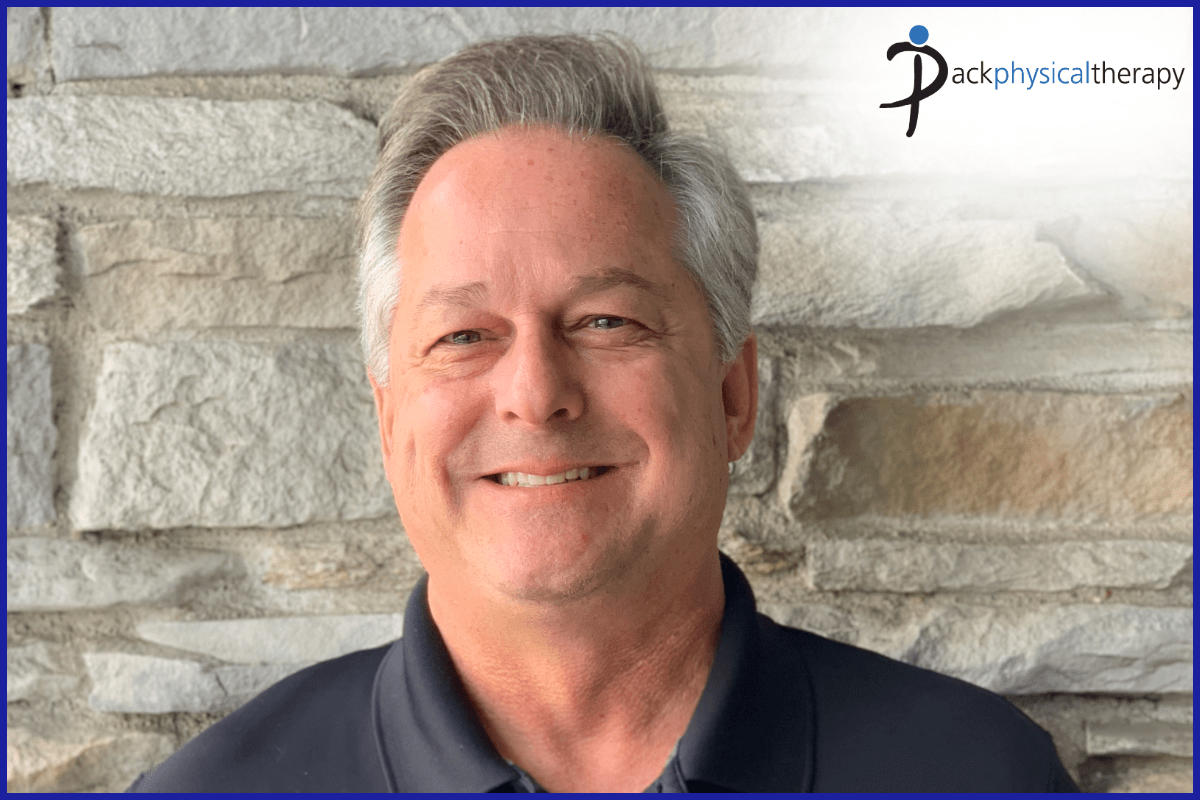
Pack PT-Employee – Brian Frank Spotlight

Meet our all-star PT Brian Frank. Brian is skilled in treating orthopedic and sports injuries with
youth, high school, and college-age athletes. He has always had an interest and been involved in
sports. Brian also enjoys treating ‘experienced’ patients who have had total joint replacements.
He takes pride in continuing to learn more about his craft through his own hands-on
experience and continuing education courses.

My first concert was:

Oingo Boingo


Three things I would bring if I were stuck on an island:

My guitar, my cast iron skillet, a hammock


Three words that best describe me:

Empathetic, loyal, funny


Tips to Improve Posture

Posture is the positioning of the body when a person is sitting, standing, lying down, or performing different tasks. Researchers have linked bad posture with some uncomfortable health conditions and a high risk of injury, especially during exercise.

Having good posture is very important. Poor body positioning and alignment can cause various health problems, such as:

  • Back and Neck Pain
  • Poor Balance
  • Difficulty Breathing
  • Headaches
  • Incontinence
  • Constipation
  • Heartburn

Poor posture may be responsible for other conditions, as well. According to Harvard Health, researchers are investigating possible connections between bad posture and sleep disturbances, fatigue, and mood disorders.

Poor posture can be habitual, and it may also stem from poor muscle tone and low levels of strength and flexibility.

There are many ways to overcome habitual bad posture and build the right muscles.

Exercises and stretches

The most helpful exercises for improving posture affect the core — the back, buttocks, and abdomen.

Bridge


Begin by lying flat on the back with the legs shoulder-width apart, the knees bent, and the heels as close to the buttocks as possible.

With the hands at the sides, lift the buttocks and lower back off of the floor. There should be a diagonal line from the knees to the hips and down to the shoulders.

Hold this position for a few seconds, then gently lower the hips to the floor. Repeat this exercise 8 to 10 times per session.

Back extension


Lie on the stomach with the legs straight and the arms bent. Look down at the floor, keeping the neck straight and the hands-on either side of the face.

Keeping the forearms flat on the floor and keeping the head and neck straight, gently use the arms to lift the upper body, while arching the back.

Hold this position for a few seconds, then gently lower the body to the starting position. Repeat this exercise 8 to 10 times per session.

Plank


Several variations of the plank exercise can help improve posture. Below is the basic plank, but a person may find different versions more or less effective.

Begin by lying on the stomach. Shift the position so that the weight of the body rests on the forearms and toes, with the rest of the body hovering above the floor. Some people prefer to have their arms outstretched and their hands, not their forearms, touching the floor.

Stay in this position for a few breaths, focusing on keeping the core and abdominal muscles tight, before lowering the body and releasing the position.

Hip flexor stretch

Stand with the legs together. Using the right foot, take a big step forward, keeping both the feet and knees pointing forward.

Gently bend the right knee and lunge forward, until there is a stretching feeling in front of the left hip.

Hold this position for a few seconds, then return to standing. Repeat the exercise, this time using the other foot to step forward.

Standing quad stretch


From a standing position, slowly bend the right knee and bring the right foot up behind the body.

Using the right hand, grab the right foot and pull it closer to the buttocks, until there is a stretching feeling in the hip and quadriceps — a group of muscles in the front of the thigh. Make sure that the knees stay close together.

Hold the stretch for a few seconds and release it, slowly lowering the foot to the floor. Repeat the exercise on the other side.

Chest stretch


Stand straight, with the legs shoulder-width apart.

Using both hands, reach behind the body and interlace the fingers with the palms pointing upward.

Keeping the back and arms straight, gently pull back and down through the shoulders. Hold the position for a few seconds, then release it.

Other tips for improving posture

In addition to regular stretching, there are many ways to improve posture. These include:

  • Using a posture device: There are braces or shirts that gently pull back the shoulders to improve the way that the person sits and stands.
  • Staying active: Exercise can help build up the muscles necessary for maintaining good posture.
  • Being mindful of devices: Make sure that computer screens and keyboards are at a height that encourages healthful posture. Desk chairs and work surfaces should also be at an appropriate height.
  • Maintaining a healthy weight: Carrying extra weight can put extra stress on the muscles and pull the body out of alignment.
  • Getting enough support: Make sure that the buttocks, back, and thighs have enough support when sitting down. Use a small pillow behind the back if necessary, and ensure that the hips and thighs are parallel to the floor.
  • Using the imagination: When standing up, pretend that there is a string extending from the top of the head into the air. Imagine that someone is pulling on that string, keeping head up and the shoulders, hips, knees, and ankles in a straight alignment.

Summary

Good posture is important. Maintaining proper alignment of the body while sitting and standing helps prevent injury and pain and supports the functioning of the muscles and the rest of the body.

Being mindful of body positioning, stretching regularly, and employing some of the tips listed above can help improve posture.

Let’s talk! We are here to help. Give us a call for a complimentary assessment.
Did you know there’s no prescription needed from a doctor to see us?
(949) 443-0713

logo-top

{Reference: https://www.medicalnewstoday.com/articles/325365.php#summary}

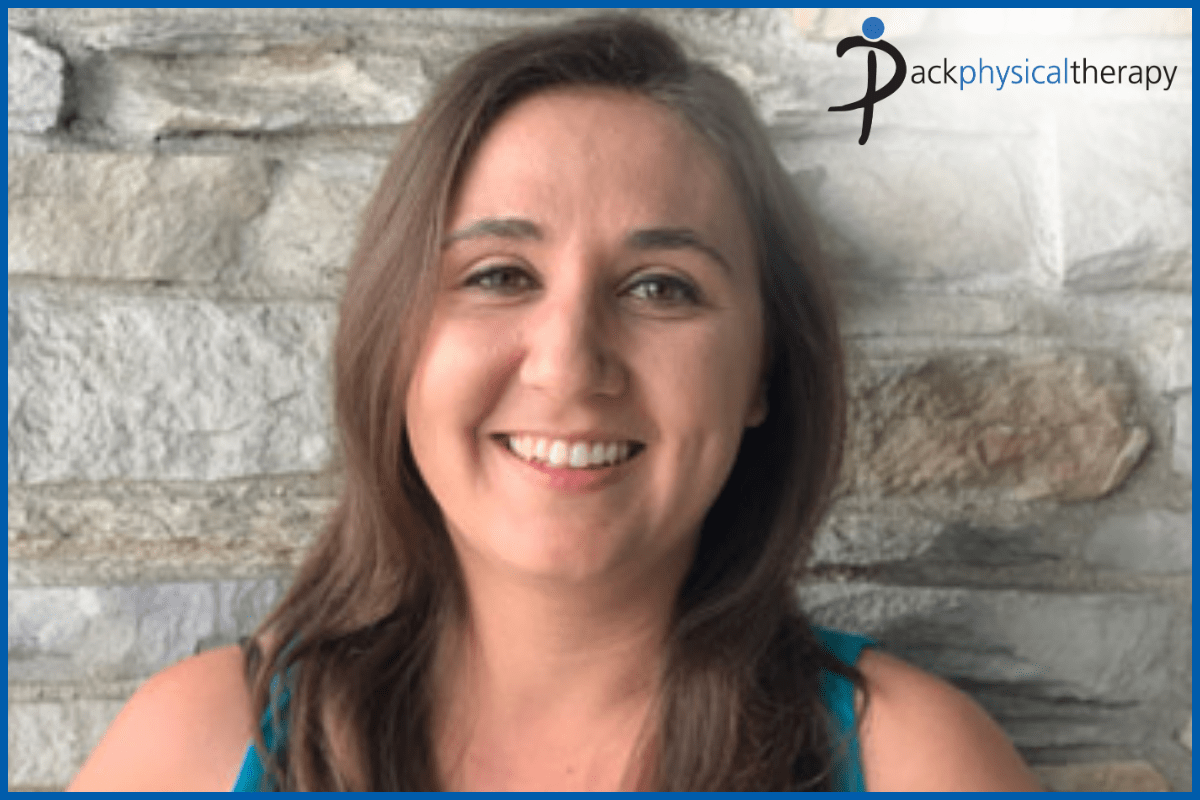
Pack PT Employee – Sarah Troicky Spotlight

Meet Sarah Troicky, one of our amazing Physical Therapists at Pack PT. Sarah strives to get to the root of your pain. From the day you walk into the clinic she is persistent in understanding how you move and what limitations may be causing you pain. Education is a large component in the way she treats her patients, and she strives to make sure you understand your pain and how you will work together as a team to help you to overcome it. She treats a variety of injuries, with the majority of low back, hip, knee, neck, and shoulder pain. Sarah sees a large age range of patients, from those who are very active looking to get back to their physical activity to those who are in need of some encouragement to get back into a regular routine. Sarah also has a specialty of working with those involved in performing arts, specifically dancers. Sarah comes from an extensive personal background of dance which helps her to understand how the dancer’s body moves and functions. Recently a patient told her how grateful she was that she took the time to assess her dance technique and get to the root of a mechanical problem that she had been struggling with for quite a while. A true win-win for both Sarah and her patient! 

Where’s your favorite place in the world?

Kihei, Maui


What is the first concert you attended?

Justin Timberlake

Three words to best describe you:

Patient, persistent, and compassionate


An Overview of Physical Therapy Exercises

If you have been referred to physical therapy after an injury or an illness, then you may have questions about what will happen. Most people visit a physical therapist because they are experiencing pain or difficulty with normal functional mobility. Your physical therapist may prescribe treatments and exercises to help you move better and feel better. One of the best ways to improve your overall mobility is with physical therapy exercises.

Therapeutic exercise should be one of the main treatments you receive from your physical therapist. It doesn’t matter if you are in a hospital, nursing home, school, or an outpatient orthopedic clinic. Physical therapists are movement experts, and exercise should be the primary tool your PT uses to get you moving better and feeling better.

When your physical therapist prescribes exercises for you to do, they should be considered as specific movement strategies to help your body change and grow in a positive way. The exercises you do in physical therapy are designed for your specific condition and are an integral part of your rehab program.

Should exercise be the only treatment you receive in physical therapy? Not necessarily. Some physical therapists use other techniques like massage, joint mobilizations, or modalities—like ultrasound or electrical stimulation—to help their patients move better and feel better. While passive treatments may feel good, they should not be the only treatment you get in physical therapy. There should always be an active component to your rehab program which includes various types of therapeutic physical therapy exercises.

Types of Physical Therapy Exercises

There are different types of physical therapy exercises that may be prescribed for you depending on your specific condition. These exercises may include:

  • exercises to improve strength
  • exercises to improve range of motion
  • flexibility exercises
  • balance and proprioception exercises
  • functional mobility exercises
  • cardiorespiratory exercises
  • exercises for vertigo and dizziness

A physical therapy exercise program should be tailored for your specific needs. For example, if you are having difficulty walking after a total knee replacement surgery, your physical therapist may assess your quadriceps function and prescribe specific exercises to help improve the strength of this muscle group.

The type of equipment you use depends upon the specific exercises you are doing and the goals of each exercise. Sometimes, no special equipment is necessary for your PT exercise.

Exercises are typically done in the physical therapy clinic, but they can also be done in the hospital while you are lying in bed or sitting up in a chair. Your physical therapist may visit you in the hospital and work on improving functional mobility—like moving in bed or climbing stairs—so you can safely go home. One component of this in-hospital rehab program may be to complete physical therapy exercises.

Your physical therapist may also prescribe exercises for you to do as part of a home exercise program. This program can help you improve your condition while you are not in the PT clinic, giving you control over your injury or illness. Your PT can also show you exercises that can be used to prevent future problems from occurring.

Choosing the Best Exercises for You

So how do you know which physical therapy exercises are best for your specific condition? The best way to know that you are doing the right exercise for you is to visit with your physical therapist for a few sessions. Your PT can assess your condition and prescribe the correct exercises for you to be doing.

Naturally, you can expect a little soreness from doing new exercises that your body may not be accustomed to. Delayed onset muscle soreness, or DOMS, typically lasts a few days after starting exercise. But the exercises your PT prescribes should not make your condition significantly worse. If exercising causes your condition to worsen, stop the exercises and check in with your physical therapist. You may be doing your exercise improperly, or you may simply need to find an alternative exercise to do for your condition.

Many exercises that are prescribed by your physical therapist are designed to help you feel better. When performing your physical therapy exercises, you should feel like your pain is improving or changing in a positive way.

Getting Started With Your Physical Therapy Exercises

Getting started on physical therapy exercises is easy. If you have an injury or an illness that causes pain or prevents you from moving normally, visit your doctor and ask to be referred to a physical therapist. Choosing physical therapy first—before medication or surgery—is a good idea, as PT tends to be a safe and value-packed model of care for many conditions.Many states in the US allow you to visit a physical therapist via direct access, and no doctor’s referral is needed.

When you first meet your physical therapist, ask about different exercises that you can do to help your condition. Your PT should be a wealth of knowledge on proper exercise technique, and he or she can prescribe exercises that can help you improve your mobility and decrease your pain. Think of your physical therapist as an expert guide who can teach you the proper exercises for your specific condition. He or she can help you, but it’s up to you to take the first step and commit to performing your PT exercises.

Final Word

Most people show up to the physical therapy clinic and say, “I hurt, and I can’t.” They are in pain and are not able to do the things that they normally do. You may feel anxious about going to physical therapy. This anxiety is normal, and your PT can help put your mind at ease as you learn exercises and movement strategies to help you move better and feel better.

If you find yourself in discomfort or think you could benefit from a personalized exercise plan, talk to a
Physical Therapist.

Let’s talk! We are here to help. Give us a call for a complimentary assessment.
Did you know there’s no prescription needed from a doctor to see us?
(949) 443-0713

logo-top

{Reference: https://www.verywellhealth.com/physical-therapy-exercises-4013311}