Blog

A Deeper Look into The Effects of Body Tempering

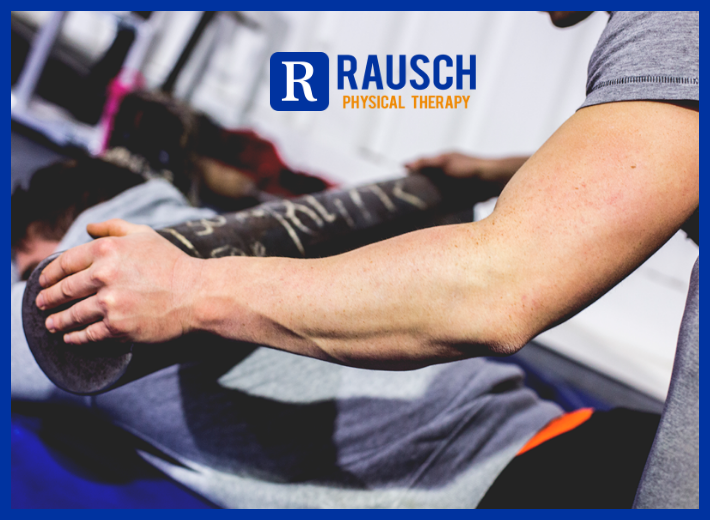
Body tempering is an emerging method of myofascial treatment that involves applying a weighted steel cylinder to a muscle group to manipulate the tissue passively under the device. Unlike foam rolling, which is an active process, body tempering is passive, allowing the client to relax and, by knowing the mass of the device in use, the pressure can be controlled and consistent. 

Laguna Niguel PT Dr. Patrick conducted a comprehensive study to scientifically explore the additional benefits of body tempering on soreness, range of motion (ROM), vertical jump performance, and maximal strength in D1 football players — and his efforts, process, and data are recently published!

The premise of the study:

There has been limited research to explore the use of body tempering and when the use of this modality would be most appropriate. This study aimed to determine if a body tempering intervention would be appropriate pre-exercise by examining its effects on perceived soreness, range of motion (ROM), and force production compared to an intervention of traditional stretching.

The subjects for this study were ten Division 1 (D1) football linemen from Sacred Heart University (Age: 19.9 ± 1.5 years, body mass: 130.9 ± 12.0 kg, height: 188.4 ± 5.1 cm, training age: 8.0 ± 3.5 years). Subjects participated in three sessions with the first session being baseline testing. The second and third sessions involved the participants being randomized to receive either the body tempering or stretching intervention for the second session and then receiving the other intervention the final week. Soreness using a visual analog scale (VAS), ROM, counter movement jump (CMJ) peak force and jump height, static jump (SJ) peak force and jump height, and isometric mid-thigh pull max force production were assessed.

The results of the study concluded that body tempering does not have a negative effect on muscle performance but did practically reduce perceived muscle soreness. Since body tempering is effective at reducing soreness in athletes, it can be recommended for athletes as part of their pre-exercise warmup without negatively affecting isometric or dynamic force production.

Have a further look at this fantastic accomplishment and valuable information here: https://www.mdpi.com/2411-5142/7/1/9/htm

The entire team at Rausch Physical Therapy is committed to providing the best patient care, and we will explore the most effective methods of treatment ourselves to ensure we deliver! Come and see us for outstanding personalized care to improve your health and well-being! Call us today at (949) 276-5401 or visit our Facebook page here.

What To Know About Exercise And How To Start

January is a great month to start exercising and sticking to it. This is the year, darn it! Figuring out how to start a workout regime, however, can be a challenge. A significant part of staying healthy and strong is keeping physically active. An exercise program should be a regular activity when it comes to maintaining your general health. Learn more about exercising and how to get started. Remember; we are here to help and support — especially as it relates to making sure your exercise journey is pain-free! 

Exercise involves engaging in physical activity and increasing the heart rate beyond resting levels. It is an important part of preserving physical and mental health.

Whether people engage in light exercise, such as going for a walk, or high intensity activities, for example, uphill cycling or weight training, regular exercise provides a huge range of benefits for the body and mind.

Taking part in exercise of any intensity every day is essential for preventing a range of diseases and other health issues.

In this article, we explain the different types of exercise and their benefits, as well as the considerations for designing a fitness regime.

Types and benefits

People divide exercise into three broad categories:

  • aerobic
  • anaerobic
  • agility training

We describe each of these categories below.

Aerobic exercise


Aerobic exercise aims to improve how the body uses oxygen. Most aerobic exercise takes place at average levels of intensity over longer periods.

An aerobic exercise session involves warming up, exercising for at least 20 minutes, and then cooling down. Aerobic exercise mostly uses large muscle groups.

Aerobic exercise provides the following benefits:

  • improves muscle strength in the lungs, heart, and whole body
  • lowers blood pressure
  • improves circulation and blood flow in the muscles
  • increases the red blood cell count to enhance oxygen transportation
  • reduces the risk of diabetes, stroke, and cardiovascular disease (CVD)
  • improves life expectancy and symptoms for people with coronary artery diseases
  • stimulates bone growth and reduces the risk of osteoporosis when at high intensity
  • improves sleep hygiene
  • enhances stamina by increasing the body’s ability to store energy molecules, such as fats and carbohydrates, within muscle

Anaerobic exercise

Anaerobic exercise does not use oxygen for energy. People use this type of exercise to build power, strength, and muscle mass.

These exercises are high-intensity activities that should last no longer than around 2 minutes. Anaerobic exercises include:

  • weightlifting
  • sprinting
  • intensive and fast skipping with a rope
  • interval training
  • isometrics
  • any rapid burst of intense activity

While all exercise benefits the heart and lungs, anaerobic exercise provides fewer benefits for cardiovascular health than aerobic exercise and uses fewer calories. However, it is more effective than aerobic exercise for building muscle and improving strength.

Increasing muscle mass causes the body to burn more fat, even when resting. Muscle is the most efficient tissue for burning fat in the body.

Agility training

Agility training aims to improve a person’s ability to maintain control while speeding up, slowing down, and changing direction.

In tennis, for example, agility training helps a player maintain control over their court positioning through good recovery after each shot.

People who take part in sports that heavily rely on positioning, coordination, speed, and balance need to engage in agility training regularly.

The following sports are examples of ones that require agility:

  • tennis
  • American football
  • hockey
  • badminton
  • volleyball
  • basketball
  • soccer
  • martial arts
  • boxing
  • wrestling

Stretching and flexibility


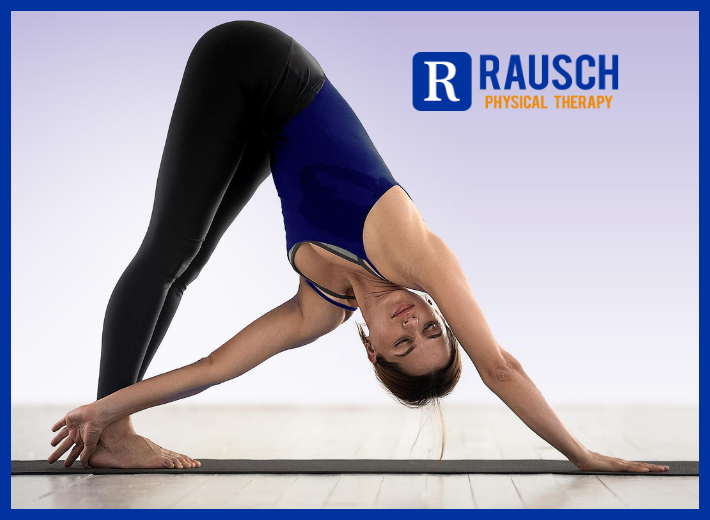
Some exercises combine stretching, muscle conditioning, and balance training. A popular and effective example is yoga.

Yoga movements improve balance, flexibility, posture, and circulation.

The practice originated in India thousands of years ago and aims to unify the mind, body, and spirit. Modern yoga uses a combination of meditation, posture, and breathing exercises to achieve the same goals.

A yoga practitioner can tailor a course for individual needs.

A person looking to manage arthritis might need gentle stretches to improve mobility and function. Someone with depression, on the other hand, may need more emphasis on the relaxation and deep breathing elements of yoga.

Pilates is another stretching option that promotes flexibility and core strength. Tai chi is also an effective option for exercise that promotes calm stretching rather than intensity.

Rausch PT professionals have the skill and expertise you need to correct your posture, decrease pain, and increase mobility. We provide treatments that help improve and restore function and get you pain-free — with no prescription from a doctor required. Call our experts today at (949) 276-5401 and make an appointment. We would also love to have you join our Facebook community where you can get health and wellness updates and learn about what we have to offer ongoing!


Reference: [https://www.medicalnewstoday.com/articles/153390]

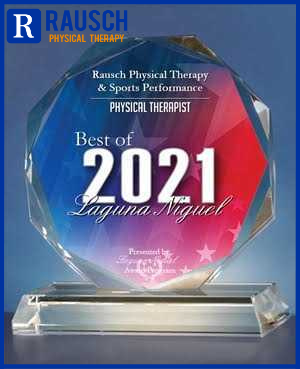
Receives 2021 Best of Laguna Niguel Award

Hard work pays off. Since 2006, Rausch Physical Therapy has offered superior care that has always included current treatment models and accelerated protocols. Rausch PT has always emphasized the value of community service and engagement, continued education, inspiration, and health and safety for all. And they have done it with unparalleled passion and care. They have led by example with their hard work, and — as with the people they treat — their hard work has paid off. Rausch PT is thrilled and honored to receive the 2021 Best of Laguna Niguel Award. Read on to learn more about this prestigious recognition. 

Laguna Niguel Award Program Honors the Achievement

LAGUNA NIGUEL December 1, 2021 — Rausch Physical Therapy & Sports Performance has been selected for the 2021 Best of Laguna Niguel Award in the Physical Therapist category by the Laguna Niguel Award Program.

Each year, the Laguna Niguel Award Program identifies companies that we believe have achieved exceptional marketing success in their local community and business category. These are local companies that enhance the positive image of small business through service to their customers and our community. These exceptional companies help make the Laguna Niguel area a great place to live, work and play.

Various sources of information were gathered and analyzed to choose the winners in each category. The 2021 Laguna Niguel Award Program focuses on quality, not quantity. Winners are determined based on the information gathered both internally by the Laguna Niguel Award Program and data provided by third parties.

About Laguna Niguel Award Program

The Laguna Niguel Award Program is an annual awards program honoring the achievements and accomplishments of local businesses throughout the Laguna Niguel area. Recognition is given to those companies that have shown the ability to use their best practices and implemented programs to generate competitive advantages and long-term value.

The Laguna Niguel Award Program was established to recognize the best of local businesses in our community. Our organization works exclusively with local business owners, trade groups, professional associations and other business advertising and marketing groups. Our mission is to recognize the small business community’s contributions to the U.S. economy.

CONTACT: Laguna Niguel Award Program
SOURCE: Laguna Niguel Award Program
Email: PublicRelations@bizawardnotifier.com
URL: http://www.bizawardnotifier.com

Physical Therapy is the best way to work through or mitigate injuries, stay active, get rid of pain, and improve performance. Rausch Physical Therapy has experts who care about your goals and customize programs specific to your needs. Call today (949) 276-5401 or get in touch with the team on their Facebook page.

Why Do I Feel Pain After Exercise?

Mild soreness after a workout can cause discomfort but it is generally not a bad thing. It’s just a sign that the muscle has been taxed. The stress on the muscle causes a microscopic breakdown of muscle fibers, which in turn causes discomfort. The muscle breakdown serves a purpose: when those fibers rebuild, the muscle is stronger. This leads us to this funny fact: it’s not working out that makes you stronger, it’s the rest between the workouts. For more information about the pain that you feel after working out, read below.

Have you ever felt sore after starting a new activity or pushing yourself harder than usual during a workout?

Muscle pain that shows up a day or two after exercising can affect anyone, regardless of your fitness level.

But don’t be put off. This type of muscle stiffness or achiness is normal, doesn’t last long, and is actually a sign of your improving fitness.

Why do my muscles feel sore after exercising?

Sore muscles after physical activity, known as delayed onset muscle soreness (DOMS), can occur when you start a new exercise program, change your exercise routine, or increase the duration or intensity of your regular workout.

When muscles are required to work harder than they’re used to, or in a different way, it’s believed to cause microscopic damage to the muscle fibers, resulting in muscle soreness or stiffness.

DOMS is often mistakenly believed to be caused by lactic acid build up, but lactic acid isn’t involved in this process.

Who can DOMS affect?

Anyone can develop DOMS, even those who have been exercising for years, including elite athletes.

It can be alarming for people who are new to exercise, and it may dent their initial enthusiasm to get fit. The good news is that the pain will decrease as your muscles get used to the new physical demands being placed upon them.

The soreness is part of an adaptation process that leads to greater stamina and strength as the muscles recover and build. Unless you push yourself hard, you’re unlikely to develop DOMS after your next exercise session.

What type of activities can cause DOMS?

Any movement you’re not used to can cause DOMS – in particular, movements that cause the muscle to contract while it lengthens, called eccentric muscle contractions.

Examples of eccentric muscle contractions include going down stairs, jogging or running downhill, lowering weights (such as the lowering phase of a bicep curl), and the downward motion of squats and push-ups.

How long does DOMS last for?

DOMS typically lasts between three and five days. The pain, which can range from mild to severe, usually occurs one or two days after the exercise.

This sort of muscle pain shouldn’t be confused with any kind of pain you might experience during exercise, such as the acute, sudden and sharp pain of an injury, such as muscle strains or sprains.

How can I treat DOMS?

There’s no one simple way to treat DOMS. Nothing is proven to be 100% effective. Treatments such as ice packs, massage, tender-point acupressure, anti-inflammatory drugs (such as aspirin or ibuprofen), and rest may help ease some of the symptoms.

DOMS doesn’t generally require medical intervention. However, seek medical advice if the pain becomes debilitating, you experience heavy swelling, or your urine becomes dark.

How can I prevent DOMS?

One of the best ways to prevent DOMS is to start any new activity program gently and gradually. Allowing the muscle time to adapt to new movements should help minimize soreness.

There’s little evidence that warming-up will be effective in preventing DOMS. But exercising with warmed-up muscles will reduce your chance of injury and improve your performance.

While stretching has many benefits, there’s currently no evidence stretching before or after exercise helps reduce or prevent DOMS.

Can I continue exercising with DOMS?

You can exercise with DOMS, although it may feel uncomfortable, especially during the warm-up phase. You may find the pain goes away during the session, but returns after exercising once your muscles have cooled down.

If the pain makes it hard to exercise, it’s advisable to refrain from the activity for a few days until the pain eases. Alternatively, you could focus on exercises targeting less affected muscles to allow the most affected muscle groups time to recover.

Will I keep getting DOMS?

DOMS is a type of muscle conditioning, which means your muscles are adapting to the new activity. The next time you perform the same activity, or exercise at the same intensity, there’ll be less muscle tissue damage, less soreness, and a faster recovery.

Just one bout of DOMS actually develops a partially protective effect that reduces the chances of developing soreness in that same activity for the following weeks or months.

Looking for personalized treatment and professionals who care? At Rausch Physical Therapy, we will help you recover, improve mobility, and make sure you’re ready for the next adventure you plan – or life throws your way. Contact us today at (949) 276-5401 and join our Facebook community.


Reference: [https://www.livehealthily.com/sports-injuries/why-do-i-feel-pain-after-exercise]

5 Warm-Up Mistakes That Can Ruin Your Workout and Leave You Injured

Injuries can happen for many different reasons, but a common one is related to skipping your warm-up before exercising. Not properly preparing for a workout can lead to creaky joints and achy muscles – or worse. Before hitting the weights or heading out for a long run, start with a good warm-up. Here are some tips for warming up the right way and to avoid injuries.

Warm-ups and cool downs are essential to your workouts. Done correctly, warming up may help reduce the risk of injury and improve your athletic performance and results, according to the American Heart Association.

Even though it only takes a few extra minutes, it’s easy to fall into the habit of skipping this essential step before your workout. So before your next sweat session, try a three- to 10-minute warm-up (depending on the length and intensity of your main workout) that includes light cardio to increase your heart rate and dynamic stretches that get your muscles ready to move.

Keep these five tips in mind, and you’ll give your body the best chance to stay healthy and free of injury.

1. Skipping Your Warm-Up Entirely

Avoiding a warm-up may be tempting, especially if you’re pressed for time, but it can do more harm than good.

“The main purpose of the warm-up is to raise the body temperature via increases in your heart rate and blood pressure and loosen tissues to perform work, as well as release hormones associated with exercise,” says Geoff Tripp, CSCS, head of fitness science at Trainiac.

With that in mind, Tripp says the warm-up should closely mimic the types of movements and intensities that you’ll be performing during your workout to prepare the body and brain for what’s to come.

“A short warm-up is better than nothing, but it should be specific, with some intensity to prepare your body for work,” he says.

2. Starting Off With Too Much Intensity

Slow and steady wins the race! A solid warm-up should mimic what you plan on doing in your workout but at a much lighter and gentler pace. Think of it as your workout in slow motion or at a lower intensity.

“We call this style of warm-up dynamic,” says Kelsey Decker, certified personal trainer and Education Coordinator for Stretch Lab. “You are preparing your body for an activity with movement that mimics what you will do in your workout or fitness activity but not at full capacity.”

When you do dynamic movements prior to a workout, Decker says you’re increasing oxygen consumption, blood flow and body temperature before diving straight into full activity.

“When the body is not properly warmed up, you have a higher chance of an injury happening, Decker says.” But if you spend time performing a good warm-up, your body will be ready for more intense activity, according to the American Academy of Orthopedic Surgeons.

3. Doing Static Stretches First

Stretching is vital to your fitness, but only when it’s the right kind of stretching. Decker says there’s a lot of misinformation about stretching and flexibility training, and most of it stems from confusion around the idea of stretching before exercise.

Static stretching (holding a stretch for 30 seconds or more) improves flexibility, increases range of motion and can help increase blood flow and oxygen distribution throughout the body, but it isn’t recommended for warm-ups, Decker says.

In fact, it might even hinder your workout performance. An April 2013 review published in the Scandinavian Journal of Medicine & Science in Sports found that static stretches can reduce muscle strength by nearly 5.5 percent (or more when a stretch is held longer!), cut muscle power by 2 percent and reduce power by nearly 3 percent.

4. Not Warming Up Long Enough

Most of us have been guilty of it at some point: Two minutes on the treadmill, and we’re done with our warm-up!

But the National Strength and Conditioning Association says that an effective warm-up should last between five and 10 minutes and consist of low-to-moderate intensity cardiorespiratory exercise, followed by less intense movements similar to the sport or activity about to be performed.

More specifically, Tripp says that the length of your warm-up is usually determined by a few factors such as the duration and intensity of the activity.

“We usually see that as exercise length increases, intensity lowers, so a less intense warm-up is needed. But as exercise length decreases, and intensity increases, a longer warm-up is beneficial,” he says.

5. Performing the Same Warm-Up for Every Workout

You generally wouldn’t do the exact same workout each day, and Tripp says we should approach the warm-up in a similar fashion. “A warm-up specific to your activity will better prepare your body for the work you need to perform,” he says.

Tripp looks at a warm-up as a very condensed version of the workout, since it prepares the mind and body for what is to come. An easy way to think about this, says Tripp, is that your warm-up is key for optimal performance, injury prevention and reductions in muscle soreness post-exercise.

Push your limits and elevate your performance with a customized physical therapy program.  Let us help you perfect your form and increase performance. Contact our experts today at (949) 276-5401 and join our Facebook community here. Remember, we also offer Rx Massage to enhance your PT treatments — and also to help when you get sore and to increase recovery from hearty exercise or race events.


Reference: [https://www.livestrong.com/article/13728066-warm-up-mistakes/]

Seven Scapula-Focused Exercises to Help You Swim Faster

Most overhead athletes, especially swimmers, know that strengthening the rotator cuff is important for performance. While rotator cuff strengthening is a vital part of maintaining shoulder joint stability and proper joint mechanics, many swimmers, unfortunately, overlook the shoulder blade, the scapula. All that work on stabilization at the shoulder joint/rotator cuff is pointless if the shoulder blade itself is not stable.

Understanding the Scapula

The scapula contains the glenoid fossa, where the humeral head sits and is actively anchored in by multiple structures, mainly the rotator cuff musculature. Because it does not have a direct articulation with the spine or ribs like a typical joint would, the scapula must be controlled by multiple muscles that anchor it to the axial skeleton to provide a stable platform for the humerus (arm) to move on.

Your posture has a big effect on scapular stabilization. For example, the common “forward head/rounded shoulder posture” forces the scapula to alter its path as it moves over a more rounded rib cage into a more forward position (adducted.) This causes the scapular stabilizers to sit in a stretched position, causing the muscles to fire outside of their optimal position and weaken them through the prolonged stretch.

Before you can start working to improve your scapular mobility for a stronger stroke, you first have to learn how to properly recruit the muscles of the scapula. I suggest reading my colleague Sean Swopes, PT, DPT, CSCS article, How to Activate Your Scapular Muscles to Alleviate Pain, to learn how to do this correctly and achieve optimal posture.

Seven Scapula-Focused Exercises to Help You Swim Faster

Once you understand exactly how the scapula needs to move, you can begin an exercise program that helps improve your scapular mobility and posture, creating a stronger platform for your shoulder to help you swim faster.

FR: T/S Extensions and Supine Angels
Serratus punches/push-ups
Rows (isometric scap)
I’s, T’s, Y’s
Prone 90/90s
While lying on the SB in the same position as for I’s, T’s, or Y’s, raise your arms to shoulder height with good scapular squeeze then rotate your shoulders 90 degrees so that your arms are even with your shoulders and hands up next to your head, hold this position for 2-3 sec then lower your hands down toward the floor and relax your arms. 3×10
SB walkouts
Step overs
Hold a good plank position with hands directly under your shoulders, step your hand sideways up onto a small step then step up with the other hand and down on the other side. 3×10


Clay Simons

clay@rauschpt.net

Did you know there’s no prescription needed from a doctor to see us – but we will communicate your progress and treatment to your doctor if you’d like us to!  (949) 276-5401

Disclaimer — All the information that you find on our blogs and social media pages is for informational purposes only and is not intended to be used as your personal professional diagnosis, or treatment. Come and see us for your excellent, personalized care! RauschPT.net

An Overview of Tennis Elbow

Despite its name, “tennis elbow” does not solely occur in tennis players. In fact, it’s a very common issue to many athletes. Learn about how to identify the symptoms, diagnosis, and treatment options. With physical therapy, you can both treat your injury and learn how to keep it from happening again. Your Rausch physical therapist will be by your side throughout your entire treatment.

Despite its name, “tennis elbow”, or lateral epicondylitis, does not solely occur in tennis players. Tennis elbow is actually the most common condition seen in patients experiencing elbow pain and is thought to be due to small tears of the tendons that attach forearm muscles to the arm bone at the elbow joint.

The diagnosis of tennis elbow is made through a medical history and physical examination. Additional tests may be ordered to rule out other health conditions that cause lateral elbow pain.

Treatment of tennis elbow is conservative and usually involves rest, wearing a forearm brace, and taking an anti-inflammatory medication.

Most patients with tennis elbow are between the ages of 30 and 50 years old. Tennis elbow affects an equal number of men and women and occurs in the dominant arm in about 75% of people.

Causes

Tennis elbow occurs when there is a problem with the tendon (called the extensor carpi radialis brevis muscle tendon) that attaches to the outside part of the elbow bone called the lateral epicondyle, thus giving tennis elbow the medical name ‘lateral epicondylitis.’ This tendon is the attachment site of the muscle that functions to cock the wrist back (called wrist extension).

It’s important to note that the tennis elbow is not simply a tendon “inflammation.” Rather, as a result of repetitive use, experts believe that incompletely healed microscopic tears develop within the tendon.1 This leads to a degenerative (“wear and tear”) process and subsequent pain and tenderness felt at the outside of the elbow.


While tennis elbow may occur on its own, there are two groups of people that are especially vulnerable to developing this condition:

  • Sports Participants: Athletes, especially racquet sport players, are prone to developing tennis elbow. About a third of amateur tennis players experience tennis elbow at some point in their careers. In addition to racquet sports, tennis elbow is seen in golfers, fencers, and other sports participants.
  • Manual Laborers: People who work with their hands are at greater risk of developing tennis elbow. Jobs that may lead to tennis elbow include plumbers, painters, gardeners, and carpenters.

Besides activities that require repetitive gripping and grasping, trauma (in the form of a direct hit to the elbow which leads to tendon swelling) can also cause tennis elbow; although, this is a less common culprit.

Symptoms

The most common symptoms of tennis elbow are:

  • An aching or burning pain over the outside of the elbow that is worsened by gripping or lifting
  • Pain starts at the elbow but then may spread to the forearm
  • Weak grip strength

The pain associated with the tennis elbow usually has a gradual onset, but it may also come on suddenly. Pain can be highly variable too, ranging from very mild to severe and debilitating.

Diagnosis

The diagnosis of tennis elbow is made through a medical history and physical examination. Additional tests may be ordered to rule out other conditions that cause elbow pain.

Besides tennis elbow, there are several other causes of pain over the outside of the elbow including instability of the joint, elbow arthritis, radial tunnel syndrome, and cervical radiculopathy. These conditions are generally considered if the symptoms are not typical for tennis elbow, or if a person with presumed tennis elbow does not respond to treatment.

Medical History and Physical Examination

In addition to inquiring about the characteristics of your elbow pain (e.g., location and severity), your doctor will ask you about any potential risk factors, like whether you have participated in a certain job or sports-related activities or experienced a recent elbow injury or trauma.

Your doctor will also ask you about your medical history, like whether you have a history of rheumatoid arthritis or elbow nerve entrapment.1

During the physical exam, your doctor will press on your elbow at various sites to evaluate for tenderness. With tennis elbow, there is usually tenderness about one centimeter from the lateral epicondyle itself.

Your doctor will also move (flex and extend) your wrist while your arm and elbow are held out to see if this increases or reproduces your pain.

Other Tests

Various tests may be used to diagnose some of the above conditions. For example, while an X-ray should be normal with a tennis elbow, it may reveal changes consistent with elbow arthritis.

Likewise, a magnetic resonance imaging (MRI) scan is also often normal, although in some individuals the affected tendon may show some abnormal changes. An MRI can also be useful for diagnosing radial tunnel syndrome

Other tests, such as nerve conduction study and electromyography (EMG), are sometimes conducted to rule out nerve compression.1 Blood tests may be utilized to help diagnose inflammatory conditions like rheumatoid arthritis.

When to See a Doctor

The following symptoms should be discussed with your doctor before initiating any treatment:

  • Inability to carry objects or use your arm
  • Elbow pain that occurs at night or while resting
  • Elbow pain that persists beyond a few days
  • Inability to straighten or flex your arm
  • Swelling or significant bruising around the joint or arm
  • Any other unusual symptoms

Treatment

Treatment of tennis elbow entails simple, non-surgical steps, and the good news is that with sufficient time, most individuals respond well.

Non-Surgical Therapies

For most people, one or more of the following treatments are effective for treating tennis elbow:

  • Rest and Activity Modification: Stopping or significantly limiting activities that trigger and/or aggravate the condition (oftentimes for several weeks) is a key first step to healing.
  • Medication: Under the guidance of your doctor, taking a nonsteroidal anti-inflammatory drug (NSAID), can ease inflammation and pain.
  • Brace: Wearing a tennis elbow brace (a band worn over the back of your forearm muscle just below your elbow) can ease the stress on the tendon and muscle.
  • Physical Therapy: Performing exercises that stretch and strengthen your forearm muscles, as well as various techniques like ice massage, heat, or ultrasound, can help improve muscle function and speed up healing.
  • Steroid Injection: In certain cases, your doctor may opt to inject cortisone (a strong anti-inflammatory medication) into the area near your lateral epicondyle.

It is usually best to begin treatments in a stepwise fashion, advancing to the next treatment only if one fails to alleviate your symptoms. It is also important to remember that most patients take a few months from the onset of symptoms to the resolution of symptoms—it is rarely an overnight cure.

Surgery

A small percentage of patients diagnosed with tennis elbow will ultimately require surgical treatment. Generally speaking, patients may consider surgery if more conservative treatments are not effective after a period of six to 12 months.

A Word From Verywell

While “tennis elbow” or lateral epicondylitis is a painful and frustrating condition, be at ease knowing that you are not alone. This condition is common, and with proper time and treatment, the vast majority of people experience tendon healing and relief.


Reference: {https://www.verywellhealth.com/tennis-elbow-a2-2549917}


Performing exercises that address your forearm muscles can help speed up healing. At Rausch PT, our physical therapists can formulate a recovery plan to help get you back on track – and there’s no prescription needed to see a PT. Visit our Facebook page or call us at (949) 276-5401 to book an appointment.

If you find yourself in discomfort or think you could benefit from a personalized exercise plan, talk to a Physical Therapist.

Let’s talk! We are here to help. Give us a call for a complimentary assessment. Did you know there’s no prescription needed from a doctor to see us? (949) 276-5401

Health and Fitness Benefits of Flexibility Training

Can you touch your toes? Do a deep squat? If you classify yourself amongst the most inflexible people, remember that doesn’t get you off the hook as everyone can become flexible by putting some time into it. Flexibility is a skill that you can work on and improve at any age — and it should not be overlooked. It’s a key to whole-body health! Here is a helpful article with everything you need to know to work on your flexibility.

Flexibility is the range of motion in a joint or group of joints, or the ability to move joints effectively through a complete range of motion. Flexibility training includes stretching exercises to lengthen the muscles and may include activities like yoga or tai chi. Improving your flexibility can help you move more comfortably throughout the day.

Flexibility and Range of Motion

Flexibility training is stretching—lengthening and loosening muscles and connective tissues to improve flexibility. You probably know what it means when someone says they are flexible. It usually means that they can reach down and touch their toes or bend deeply into a squat. But the definition of flexibility is more complicated than simply being able to do a single stretch. True flexibility is the ability to move through a range of motion without pain.

Hyperflexibility (being too flexible) is a concern for some people, as it can cause instability in the joints. People who experience this need resistance training to strengthen muscles and joints.

That means that each joint and each group of muscles in your body might have a different range of motion (ROM) or a different level of flexibility. Range of motion is a measurement of how much a joint can move, both in terms of distance and direction. Along with other factors, your muscles’ ability to relax or contract affects your range of motion. If your muscles are inflexible, then your range of motion could be less than it should be.

Some areas of your body may be very tight, meaning that the muscles feel short and restricted. Some areas of your body may feel very loose, and you may be able to lengthen and move those muscles freely.

For example, you might be very flexible in the hamstrings, allowing you to bend over and touch your toes. But your thigh muscles (quadriceps) might be tight (inflexible), so it may be harder for you to stand up straight or bend backward. It’s vital to have balanced flexibility between the right and left of your body, and front and back.

Many people who work in an office develop inflexible hips as a result of sitting all day. This is one of the reasons that health experts recommend that you stand up and move for a few minutes every hour.

Benefits of Flexibility

Being flexible is a key aspect of physical health. With appropriately flexible tissues, your joints can move more freely, allowing more functional movement patterns. You’ll also be more likely to have the range of motion necessary to perform strength training exercises to their full potential, allowing for better results. Some benefits of flexibility training include:

  • Reduces injury risk
  • Lessens the risk of falls
  • Prevents and corrects muscle imbalances
  • Improves posture
  • Enhances joint range of motion
  • Improves athletic performance
  • Combats the effects of sitting for long periods
  • Reduces joint pain and strain

Types of Flexibility Training

There are different types of stretching to improve flexibility. Each has a slightly different purpose.

Static Stretching

You move into a position that lengthens a target muscle and hold the position for 15-60 seconds. It’s best to remember to breathe as you hold each stretch. Static stretching typically should only be done after muscles are warmed up, so do it after a workout. If stretching is the main workout, make sure it’s preceded by a proper warm-up. Some recent research suggests that short-duration static stretches are safe before a workout for most people—just not high-performance athletes.

Dynamic Stretching

You move in and out of a position that lengthens a target muscle. Dynamic stretching involves moving through a joint’s full range of motion either slowly or quickly to mimic a functional activity. Examples would be bodyweight squats or lunges, arm and leg swings, or hip circles.

Active Isolated Stretching (AIS)

Active isolated stretching is a technique that involves contracting the opposite muscle from the one you are stretching, holding it for two seconds, then relaxing, and repeating 8 to 10 times. The muscle contraction sends a signal to the opposite muscle to relax, letting you stretch more effectively without discomfort. Many athletes and active exercisers use active isolated stretching to prevent injuries or muscle imbalance.

Myofascial Release

Myofascial release exercises, such as foam rolling, can also help increase flexibility. It is thought that tight, tense areas in your body are due to adhesions of the fascia, a connective tissue. Using myofascial release can purportedly break up these adhesions, increase blood flow to the tissues, and release tension.

One type of stretching known as ballistic (bouncing) stretching is risky and not recommended as it has a higher potential to cause injuries.

How to Increase Flexibility

Stretching improves flexibility. But you don’t have to do hours of stretching to enjoy the benefits of flexibility training. You can take a stretching class or do an online video that focuses just on stretching exercises to improve range of motion throughout the body.

Many exercisers add a few minutes of stretching to the end of their daily workout to relax muscles and improve range of motion. Or you can take five to 10 minutes to stretch in the morning after you get out of bed. Just a few minutes of flexibility training each day can provide benefits.

For example, a lunge exercise strengthens the quadriceps on one leg but lengthens (stretches) the hip joint on the other. Different swimming strokes increase flexibility in the upper back and torso. And walking strengthens the lower body but also increases flexibility in the hip joint.

Another way to improve flexibility is to do various cardio and strength training exercises. Flexibility is inherent in many other activities such as yoga, pilates, and mobility work.

Never stretch to the point of pain; don’t force or overdo any movements. Improved flexibility will come with time and regular practice.

A Word From Verywell

Exercisers who include flexibility training as part of a balanced fitness program enjoy many benefits. Stretching exercises can help decrease stress and improve the way your body moves and feels throughout the day. Improved flexibility can even lead to better posture. 

All of these benefits help you to move more often throughout the day and burn more calories. So if you’re trying to lose weight, it’s smart to include flexibility exercises in your weight loss program.

Reference: {https://www.verywellfit.com/flexibility-definition-and-examples-3496108}


Work with a physical therapist to improve your flexibility and range of motion. Rausch PT physical therapists help to prepare your body for whatever it is you want to try next. Keep moving and living life to the fullest. Give us a call at 949-276-5401 or find us on Facebook at https://www.facebook.com/rauschpt/. Don’t forget: there’s no prescription needed to see a PT in California.

If you find yourself in discomfort or think you could benefit from a personalized exercise plan, talk to a Physical Therapist.

Let’s talk! We are here to help. Give us a call for a complimentary assessment. Did you know there’s no prescription needed from a doctor to see us? (949) 276-5401

Injury Prevention in Our Young Athletes

One of the biggest questions in sports is always: “how can we prevent injury”? That is becoming especially true as our young athletes are returning to their sports after such an extended period off due to COVID-19 shutdowns. This season of sports has been predicted to have one of the highest injury rates. Unfortunately, there is not one key secret to preventing it. The best possible ways to avoid injury are through the following:

1.Sleep!

  • At least 7-9 hours! Kids are extremely busy with school pressure, sports (sometimes multiple), extracurriculars, and others, especially now that activities are starting up again. We are currently seeing our young athletes cutting back on their sleep to keep up with everything on their plates, which is not allowing for proper recovery of their growing bodies. Tired minds and bodies are not able to react and support themselves through their activities. Approximately 7-9 hours of sleep is crucial for the body to be able to perform optimally.

2.Hydrate!

  • A good starting point is drinking half the body weight in ounces of water, but the amount the body needs depends on each person’s body composition, activity level, and diet. An appropriate gauge on if you are drinking enough water is the color of your urine. Ideally, it should be a light yellow to clear. If urine is a dark yellow color, your body probably needs a higher water amount than you are currently drinking.

3.Proper nutrition

  • A balanced diet will give these young athletes the proper fuel to sustain the demands put on their bodies. It is easy to grab and go fast food and processed food, but a healthy, balanced diet will give your athlete the best chance to perform at their best.

4.Appropriate warm-up, sport-specific

  • A proper warm-up should mimic the activity the athlete is about to perform and contain more dynamic stretching over the commonly passive/static stretching. Passive/static stretching is holding a muscle stretch for a sustained time, usually 30-60 seconds. Dynamic stretching is where joints/muscles move actively through a full range of motion; examples include leg swings, walking leg hugs, arm circles, lunges with a twist, high kicks.

5.Not over-training

  • With sports being on hold for so long due to COVID-19, our young athletes are now dealing with multiple sports at once, various practices a day, and returning to the level of play they were at before the shutdown (sometimes higher than prior levels in an attempt to make up for lost time). That is leading to significant fatigue and injuries.

Also, remember that physical therapy can also be a preventative approach! A licensed physical therapist can evaluate and assess your young athlete for any mobility restrictions or muscular imbalances and recommend a proper program!

Time to get back to exercising! Rausch PT will set your kid up for success with a personalized program to boost their performance and prevent injuries for years to come. Keep them prepared, safe, and pain-free! For more info on how to keep them safe in the field, contact us today at (949) 276-5401. 


Rausch Physical Therapy remains your caring team and can accommodate you with a specific, personalized plan. Visit our Facebook page at https://www.facebook.com/rauschpt or call us at (949) 276-5401 to learn how we can help you.

RauschPT-logo

Let’s talk! We are here to help. Give us a call for a complimentary consultation. We would love to meet you.

Did you know there’s no prescription needed from a doctor to see us – but we will communicate your progress and treatment to your doctor if you’d like us too!
(949) 276-5401

Disclaimer — All the information that you find on our blogs and social media pages is for informational purposes only and is not intended to be used as your personal professional diagnosis, or treatment. Come and see us for your excellent, personalized care! https://rauschpt.net/

Injury Prevention For Gymnasts

There have been various practices, games, and competitions canceled or postponed due to the pandemic. Now, it has been delightful to see indoor and outdoor activities resume again. With sporting events starting up after a long hiatus, athletes can return more of a regular practice schedule in anticipation of games and competitions. However, with modified practices and the beginning of the season for many different sports, injuries are starting to occur. Jumping back into the full swing of things can be hard on the body, especially if athletes are not used to the regular grind after taking a long break. Since I have a passion for gymnastics, I want to talk about injury prevention for gymnasts and some ideas to avoid injury after taking some time off.

There is a high rate of injury in artistic gymnastics. This is partly due to the training time per week and the skills gymnasts perform, particularly the more advanced skills and the high impact nature of the sport. Gymnastics is very demanding on the body, and knowing some tips and tricks for injury prevention is extremely important. Many of the injuries can occur due to overuse. Being proactive about applying prevention into training regimes is crucial.

Correcting potential problems early on is critical, especially during puberty. Between the ages of 11 and 14, increased rates of growth occur. That can lead to open growth plates, which can be problematic because of the body’s reduced ability to accept high loads and stress to the areas. Understanding when taking a break or taking a step back if the pain starts to occur in that age range can prevent injury down the road. Improving proprioception is another crucial aspect of preventing injuries. Proprioception is the body’s ability to know where it is in space. In gymnastics, many skills involve a blind landing or the ability to understand where you are during a flipping. Practicing those skills into a pit or practicing parts of a skill multiple times can improve that muscle memory. Baseline cardio level, especially after a long break, is also necessary to support the routine and its demands. If you are not able to perform a routine or several skills in a row without the cardio to back you up, you are more likely to see an injury. Recovery is also an essential element. Taking care of your body outside the gym as sleeping enough, staying hydrated, and fueling your body with proper and sufficient nutrition will help prevent injury. 

Don’t be afraid of going back to the basics to work on specific techniques. That can be a critical element if a lot of time has passed since being in the gym. There is nothing wrong with returning to the basics and mastering more technical aspects of a skill. It will help in the long run and prevent potential injury down the road when you are putting skills together in a routine in preparation for the season. Also, speaking up about an injury or constant pain is crucial. Taking it easy for a few weeks, if necessary, will be beneficial in the long run.

With gyms having modified hours or being closed due to COVID, take time to get back into the full swing of things again and prepare well for practices and routines. Pay attention to your body and slow down if you start feeling pain. Taking the time now to prevent further injury will lead to a more successful season.

If you want a personalized exercise plan to help you prevent injuries and organize your way back to exercising safely, talk to a physical therapist. Give us a call for a complimentary consultation. We would love to meet you. Did you know there’s no prescription from a doctor needed to see us? Call us! (949) 276-5401.


Rausch Physical Therapy remains your caring team and can accommodate you with a specific, personalized plan. Visit our Facebook page at https://www.facebook.com/rauschpt or call us at (949) 276-5401 to learn how we can help you. Don’t forget: there’s no prescription needed to see a PT in California.

RauschPT-logo

Let’s talk! We are here to help. Give us a call for a complimentary consultation. We would love to meet you.

Did you know there’s no prescription needed from a doctor to see us – but we will communicate your progress and treatment to your doctor if you’d like us too! (949) 276-5401

Disclaimer — All the information that you find on our blogs and social media pages is for informational purposes only and is not intended to be used as your personal professional diagnosis, or treatment. Come and see us for your excellent, personalized care! https://rauschpt.net/

Physical Therapy for the Elderly

Many people misconstrue physical therapy as beneficial only for folks recovering from injury or illness, athletes, or a specific demographic. The truth is that physical therapy can benefit anyone of any age or fitness level. Here is an insightful look into how it can foster maximum function in the elderly.


Physical therapy has an important role in health care delivery and is connected with maximizing function, preventing decline, decreasing pain, and treating physical illnesses. For elderly individuals, who often have decreased physical reserve, any medical illness can lead to decline. Inactivity and bedrest, a common consequence of illness, contributes to and intensifies muscle weakness, causing deterioration in walking and loss of function. Illnesses, such as Parkinson’s disease, fracture, or stroke, can affect walking and balance directly. Chronic diseases, such as arthritis, may cause pain or restriction of movement. Exercise, activity, and other physical therapy interventions can therefore have a profound effect on overall health, restoring an individual’s ability to perform the daily activities required to live independently in the community.

Assessment

Evaluation begins with a patient interview to determine the individual’s perception of the problems and their goals for treatment and then proceeds to a physical exam. Typically, a physical therapist will assess a wide array of abilities, including strength, balance, transfers (rise from a chair), and walk.

Assessment of muscle strength, through manual muscle testing, can determine whether the strength of a particular muscle, graded from five (normal) down to zero (completely dysfunctional). Muscle weakness is commonly associated with problems walking and climbing stairs, as well as falls. Appreciating the relationship between strength and function can clarify the expected degree of difficulty an individual will have with daily tasks. Other areas evaluated include sensation, range of movement, coordination, and muscle tone (i.e., a measure of the ability to relax when an extremity is passively moved).

Pain is another common problem that limits abilities. If pain is present, it is important to determine the duration of pain, describe what exacerbates and relieves the pain, get an indication of severity, and formulate a comprehensive treatment plan for pain control.

The impaired balance will affect the ability to walk safely and can contribute to falling. By observing an individual in the sitting or standing position, static balance can be determined. Dynamic balance, or balance during movement, can be assessed by watching an individual’s ability to react to perturbation and displacement.

Physical therapists will judge walking safety, evaluate gait patterns and posture, and appraise a person’s ability to transfer safely from a bed or chair to a standing position. Transfer and gait can be described by the amount of assistance that is needed to safely accomplish these tasks and can be grossly classified as independent needing assistance (of one or more people), or unable. A specific gait pattern may point to a medical diagnosis, such as Parkinson’s disease, stroke, or uncontrolled pain.

Sometimes home safety assessments can delineate problems in the environment that predispose the patient to fall. Common problems include scattering rugs, poorly lit areas, low chairs, and clutter.

Assessment tools are frequently used to standardize evaluation and measure treatment outcomes. These tools allow the physical therapist to record and communicate information in a consistent fashion. For example, both the Berg Balance Scale (scored from 0–56 with 56 being the optimal score) and Functional Reach Test (ability to reach forward, calculated in inches) measure balance. Mobility scales include the Elderly Mobility Scale (scores a person’s ability to transfer, stand, reach, and walk) Timed Up and Go (amount of time required for a person to rise from a chair, walk 3 meters, turn and return to a seated position in the chair), and a 6-Minute Walk Test (a measure of the distance a person can walk in this time). There are many activities of daily living scales (Barthel Index and Lawton Brody) that can be used to document a person’s abilities to carry out basic tasks (i.e., dressing, bathing, walking, hygiene).

Functional ability is important as it affects the quality of life, emotional status, and ability to remain independent.

Treatment

Treatment must be tailored to the physical and functional problems identified during the assessment. Muscle weakness and lack of strength can be treated with resistance exercise. An exercise technique known as high-intensity resistance training (HIRT) can be used in different clinical settings, from nursing homes to community programs. Research shows that high-intensity resistance training is safe, well-tolerated, and can increase muscle strength by as much as 113 percent. Even people who are very weak are able to tolerate and benefit from this form of exercise.

Pain control is essential to achieve optimal function and quality of life. Mechanical aspects of pain can be helped with sketching, the use of an aid or orthotic, or activity modification to achieve joint protection. Exercise can remediate pain, as is the case in osteoarthritis. Pain associated with inflammation or swelling can be treated with the use of modalities such as ice, heat, transcutaneous electrical stimulation (TENS), ultrasound, or acupuncture. Medications can be used adjunctively when necessary.

Gait and balance training is an integral part of treatment. Gait training is aimed at improving postural alignment, gait pattern, speed, safety, and endurance. A walking aid, such as a cane or walker, an orthotic, or appropriate footwear may be recommended. To help with stability, balance responses are practiced to promote appropriate reactions. Weight-shifting exercises and functional activities, such as reaching, can be helpful.

Aerobic conditioning can improve cardiovascular function and endurance and is an especially important component of a cardiac rehabilitation program.

These interventions often improve an individual’s physical condition and restore function. Sometimes, physical problems cannot be entirely alleviated, but usually, therapy can help an individual adapt to disabilities, allowing for increased independence and improved safety.

Interdisciplinary approach

The physical therapist typically works closely with other health care professionals, such as nurses, physicians, social workers, and occupational therapists, in order to refine both diagnosis and treatment. This interdisciplinary approach allows for the integration of all domains of health to more fully address the needs of the elderly.

Conclusion

For the elderly population, illness can quickly affect physical stability and cause deterioration in walking. Alternatively, a decline in physical function can cause deterioration in health and quality of life. Therefore, physical therapy interventions are an essential aspect of health care delivery. Exercise and other therapeutic treatments provide options to address inactivity, muscle weakness, and specific physical and medical problems. Using these techniques, the physical therapist is able to improve function, optimize safety, and ameliorate painful or dysfunctional conditions.

Reference: {https://www.encyclopedia.com/education/encyclopedias-almanacs-transcripts-and-maps/physical-therapy-elderly}


Rausch Physical Therapy remains your caring team and can accommodate you with a specific, personalized plan. Visit our Facebook page at https://www.facebook.com/rauschpt or call us at (949) 276-5401 to learn how we can help you. Don’t forget: there’s no prescription needed to see a PT in California.

RauschPT-logo

Let’s talk! We are here to help. Give us a call for a complimentary consultation. We would love to meet you.

Did you know there’s no prescription needed from a doctor to see us – but we will communicate your progress and treatment to your doctor if you’d like us too! (949) 276-5401

Disclaimer — All the information that you find on our blogs and social media pages is for informational purposes only and is not intended to be used as your personal professional diagnosis, or treatment. Come and see us for your excellent, personalized care! https://rauschpt.net/
Physical therapists urge long-haulers to seek their treatment in COVID-19 recovery

The arrival of the new year is a welcome relief. But we’re not out of the pandemic woods yet. Some of us are still recovering from having contracted the coronavirus. If you’re still feeling ‘off’, here’s an encouraging article about how to treat the long-term effects.


WORCESTER, MA — As health officials continue to warn that patients experience long-term COVID-19 symptoms may need extra medical attention, an emerging treatment for ‘long-haulers’ may be physical therapy.

Physical therapists warn that not getting the proper treatment may be dangerous.

“With these types of problems, you’re looking at prolonged debilitations,” explained Jimmy Kakouris, a physical therapist at Worcester Physical Therapy Services. “A lot of times we don’t know what the full effect is.

According to Kakouris, many of the common long-term COVID-19 symptoms are treatable.

On Friday he told Boston-25 News that he believes more people will begin to seek help as positive cases continue to surge in Massachusetts.

“Physical therapists can be the best provider to help them get better and improve functions in a faster and effective way.”

According to the Center for Disease Control and Prevention (CDC), the most commonly reported long-term COVID-19 symptoms include:

  • Fatigue
  • Shortness of breath
  • Cough
  • Joint pain
  • Chest pain

Other reported long-term symptoms include:

  • Difficulty with thinking and concentration (sometimes referred to as “brain fog”)
  • Depression
  • Muscle pain
  • Headache
  • Intermittent fever
  • Fast-beating or pounding heart (also known as heart palpitations)

Kakouris warned that not getting proper treatment can hurt a patient’s chance at recovery.

“The biggest risk in people who are maybe osteoporotic or older, or elderly patients, is they could fall and break a hip,” he explained.

According to medical experts, once COVID-19 is in the chest, it can impact a person’s airways and cause inflammation.

Kakouris told Boston-25 News that diaphragmatic breathing can help with that, and that he teaches his patients to breathe from the stomach instead of the chest.

“The belly takes in a bigger, deeper breath, using muscles that are more effective at breathing,” he said.

He added that physical therapy can also help people who have trouble with balance and other cardiovascular issues.

“We definitely should be the first source in post-rehab following any kind of COVID, the flu, or any other long-term illness.”

Reference: {https://www.boston25news.com/news/health/physical-therapists-urge-long-haulers-seek-their-treatment-covid-19-recovery/276LU6KQTVEKVPSRS5VS7D3CHM/}


Rausch Physical Therapy remains your caring team and can accommodate you with a specific, personalized plan. Visit our Facebook page at https://www.facebook.com/rauschpt or call us at (949) 276-5401 to learn how we can help you.


RauschPT-logo

Let’s talk! We are here to help. Give us a call for a complimentary consultation. We would love to meet you.

Did you know there’s no prescription needed from a doctor to see us – but we will communicate your progress and treatment to your doctor if you’d like us too!
(949) 276-5401

Disclaimer — All the information that you find on our blogs and social media pages is for informational purposes only and is not intended to be used as your personal professional diagnosis, or treatment. Come and see us for your excellent, personalized care! https://rauschpt.net/