Blog

Dear Parents: Stop Overusing Your Kids

Originally published August 17, 2015

Dear Parents of Young Athletes:

As a physical therapist, I have the privilege to work with many of your young all-stars. Some of your kids are here to recover from an injury as quickly as possible so they can get back to competing; others come in for injury prevention so they don’t go down again; and still more are simply going above-and-beyond to understand how their body works so they can push their limits. A few of these young athletes are simply, hyper-focused individuals, self-driven to be the best in their sport, and I’m always impressed by their desire to be here and get better. Unfortunately more often than not, your kids are here because of you, the parent.

Parents are pushing their young athletes to perform and—this is going to be hard for some of you to hear—it’s usually too hard, too much and too fast.

From talking to your kids while they’re on my table, I’ve learned that it’s not uncommon for young athletes to have practice twice a day, sometimes for up to four to six hours a day, just for one sport! Whether it’s swimming, running track, or playing baseball, what this means is that your kids are performing one repetitive, sport-specific movement pattern for hours at a time, day after day, for many, many months straight.

Our bodies were not meant to perform one type of movement pattern for the amount of time that most of these athletes are putting in. Kids used to play a variety of sports throughout the year, which provided the body with more diversity and helped avoid overusing one set of muscle groups. However, our society’s current fascination with the specialization of one particular sport has dramatically increased the tendency of our young athletes to overdevelop particular muscle groups without any counter balance. Over time, the overuse of these muscle groups results in an overwhelming demand that their young bodies simply cannot support, which then leads to the injuries plaguing our children these days.

A prime example of this issue is a young soccer player. Between high school and club games, practices and tournaments, she’s essentially playing soccer year-round. She continues to push her body over and over, month after grueling month, for just this one sport. The result? Her quadriceps become too dominate; her hamstrings, glutes and outside stabilizers are basically non-existent because of the lack of strength training in her other muscle groups. This can potentially lead to an ACL tear, which studies show are up 400% over the last decade.
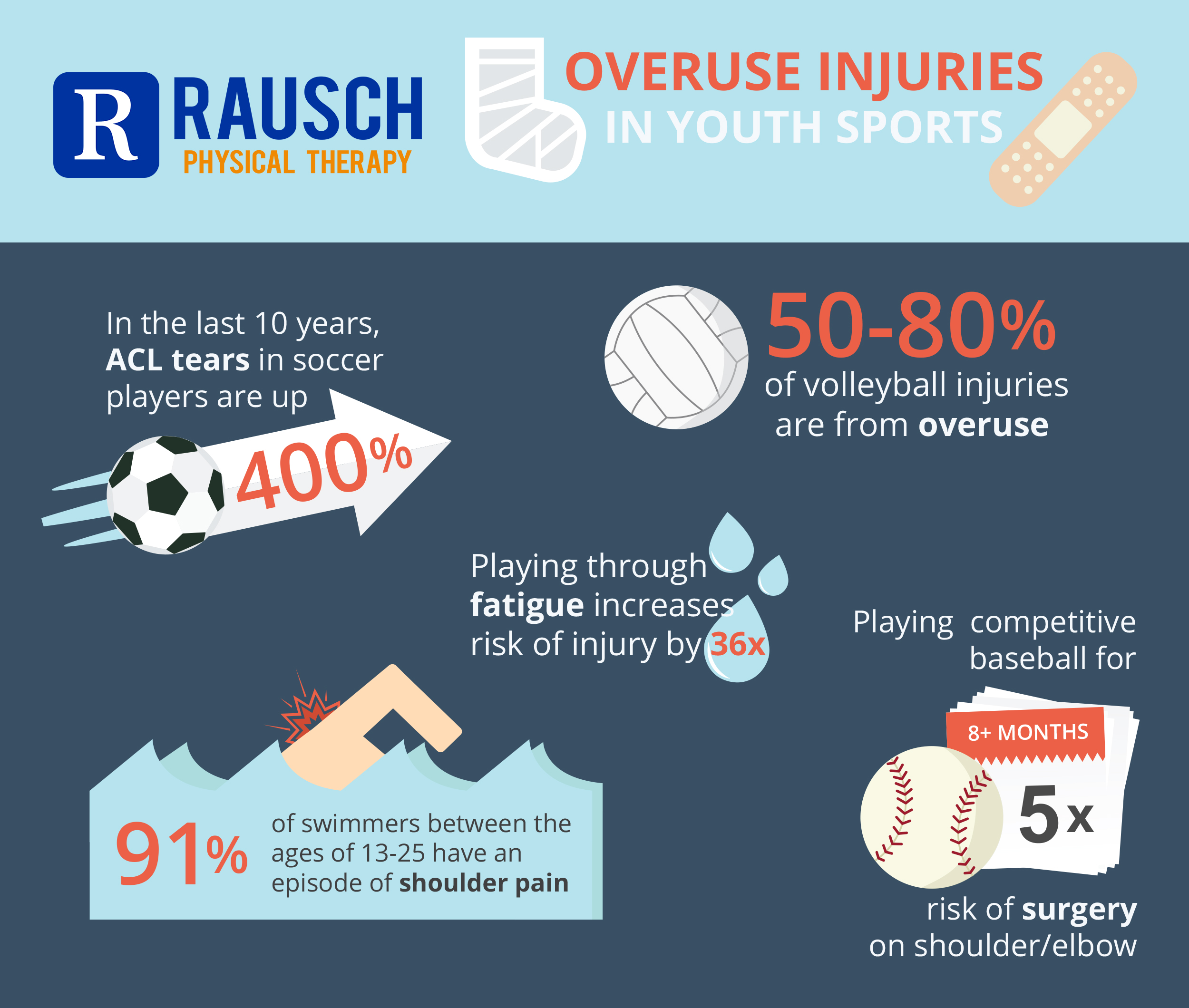
overuseyouthinjurystats

So whether you like to hear it or not, the fact of the matter is kids are suffering more overuse injuries these days, which ironically leads to a decrease in their overall playing time. You think you have your kid on the path to the Olympics, but instead they’re headed to my PT table with an increased risk of surgeries and chronic joint pain later on in life.

Now don’t get me wrong, I think it’s great that these young athletes are so determined to become the next Mike Trout, Michael Phelps, Misty May-Treanor and so on, but the emphasis on overtraining is a serious issue that needs to be addressed. It all starts with you, parents! Can you be the difference maker in your young athletes’ lives?

Please take caution in playing your young athlete for more than eight months consecutively in a given year. A lot of these injuries can be prevented through multiple sport play, active rest and coming in to see one of our sport-specific PTs here at Rausch Physical Therapy & Sports Performance as soon as your child starts showing warning signs of overuse injury (Remember, if they’re in pain, they should have been in here weeks ago.)

With proper injury prevention knowledge and tools, together we can help reduce this alarming overuse injury trend and keep our kids happy, healthy and in the game much longer.

Sincerely,

Jonathan Meltzer, PT, DPT

[framedbox]

Statistics and Additional Reading:


Jonathan Meltzer graduated from the University of Redlands with a bachelor of arts in biology and a minor in physical education. Following graduation, Jonathan discovered his passion for physical therapy while working as a Physical Therapy Aide. After graduating top of his class from Loma Linda University in 2012 with a Doctorate in Physical Therapy, Jonathan began his career at Rausch Physical Therapy and Sports Performance. Jonathan’s goals are to identify limitations and treat his patients with the most recent and innovative techniques in order to maximize functional independence and obtain his patients’ individual goals.
Let’s talk! We are here to help. Give us a call for an initial evaluation and assessment. We would love to meet you.

Did you know there’s no prescription needed from a doctor to see us – but we will communicate your progress and treatment to your doctor if you’d like us too!

(949) 276-5401

RauschPT

Disclaimer — All the information that you find on our blogs and social media pages are for informational purposes only and are not intended to be used as your personal professional diagnosis, or treatment. Come and see us for your excellent, personalized care! https://staging.rauschpt.net/
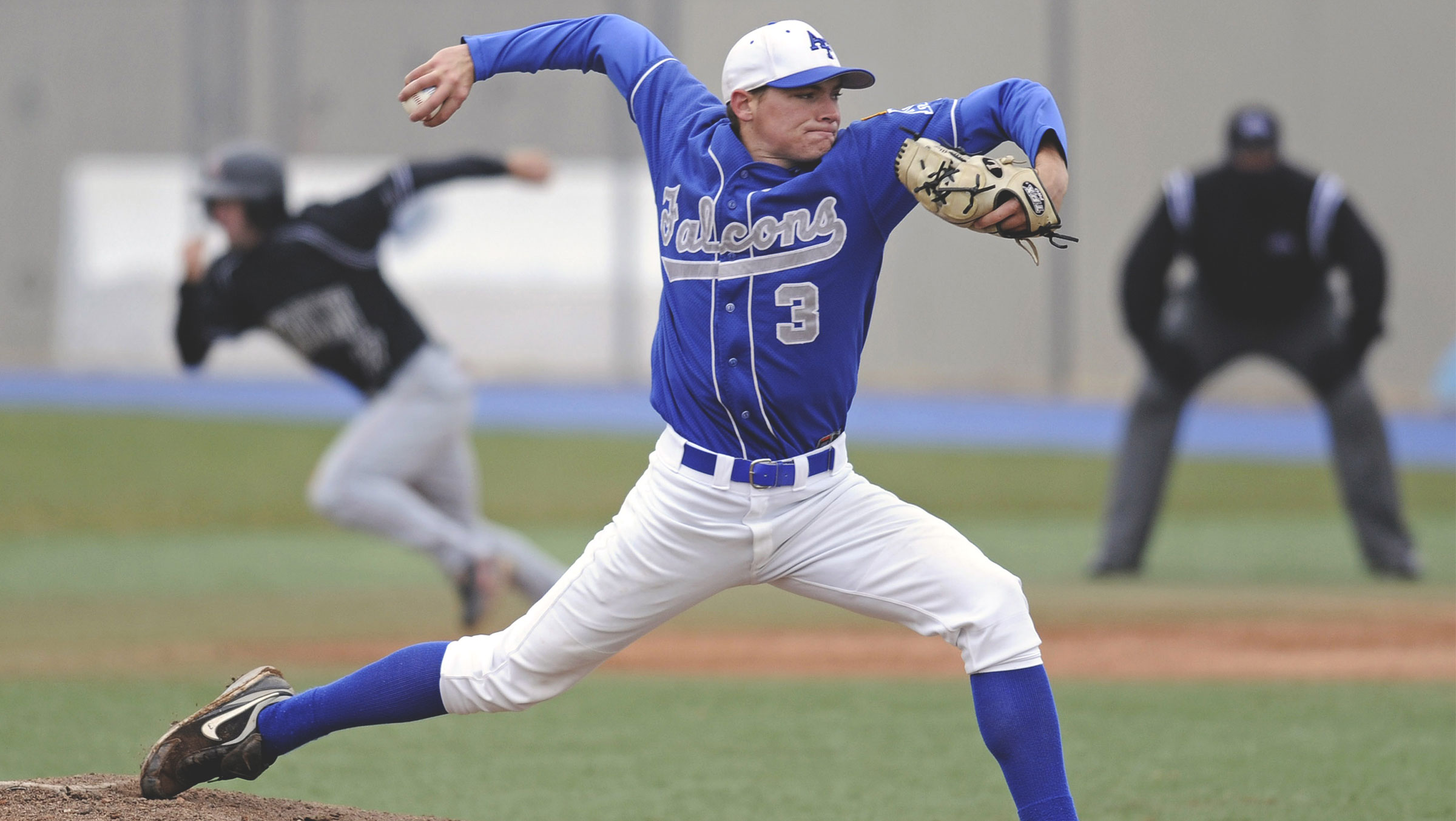
To Throw or Not to Throw this Offseason?


Baseball season is tough enough on a young athlete’s body, should you really be throwing in the offseason? PT Jonathan Meltzer explains what you should do in the offseason to set yourself up for a successful, healthy upcoming season.

Jonathan-Blog
BY JONATHAN MELTZER, PT, DPT, RAUSCH PHYSICAL THERAPY

Baseball demands a lot out of a young athlete’s body through the course of a season. It’s the only sport that plays on consecutive days in a week, multiple weeks throughout the year. The ability to make it through the season healthy takes time, effort and diligence. As The Baseball PT, the questions I always ask my patients at the end of the season are:

  • Did you stretch, foam roll and warm up properly before and after every practice and game?
  • Did you perform your rotator cuff and scapular strength exercises?
  • Did you let your coach, trainer or physical therapist (me) know if you were struggling with pain or an injury?

The answer should be a resounding, “Yes!” to all these questions. If your answer is, “I’ll just deal with it/recover in the offseason,” guess what? It’s the offseason and your arm is sore, your legs and back feel tight, but then club/college teams are asking you to jump on their team! Should you do it? Is it smart? Are you risking your arm health?

The fact is that playing summer ball or going to college recruitment is a top priority if you want to advance your baseball career, and I agree that you should take advantage of those opportunities. However, I have specific recommendations for my players, especially pitchers, to help them be smart about offseason play.

#1 – Take a four to six-week break

Immediately after the season ends, I recommend you take four to six weeks off from throwing completely. The shoulder and elbow need about a month for the tissue to calm down, regenerate and recover from the season-long wear and tear. Consider this time as an “active rest,” defined by:

  • Cross Training with a different sport or activity
  • Recovery with soft tissue work and stretching

Once you have completed the recommended four-to-six week break, begin a return-to-throwing program—slow and steady.

#2 – Get strong in the summer

Summer is the time to lift and get really strong so you can improve the dynamic stability and rotational strength you need to return to play. Implementing specific strength exercises, such as lunges, deadlifts, and rotational med ball toss, as well as agility training and plyometric exercises, are crucial during this time.

Conclusion

So, to throw or not to throw? Both! Take that initial four to six weeks off to let the tissue heal, then progress into an interval throwing program. If you’re confused on how to do this, make an appointment with me at Rausch Physical Therapy & Sports Performance; I’ve developed a return-to-throwing program that will get you where you need to go. If you use the offseason to develop good recovery habits, train hard and expand your strength, you can set yourself up for a successful upcoming season.


Jonathan Meltzer graduated from the University of Redlands with a bachelor of arts in biology and a minor in physical education. Following graduation, Jonathan discovered his passion for physical therapy while working as a Physical Therapy Aide. After graduating top of his class from Loma Linda University in 2012 with a Doctorate in Physical Therapy, Jonathan began his career at Rausch Physical Therapy and Sports Performance. Jonathan’s goals are to identify limitations and treat his patients with the most recent and innovative techniques in order to maximize functional independence and obtain his patients’ individual goals.

Click to learn more about Jonathan and our other physical therapists »


Listen to Jonathan on Angels Baseball Radio


If you’re a parent of a young ball player, you need to hear this.

Baseball PT Jonathan Meltzer joined Dr. Alan Beyer on Doctor in the Dugout Angels Radio AM830 to talk about injury prevention for players of all levels, as well as his views on the controversial issue of youth baseball injuries on the rise in Orange County.


JMAbout Jonathan Meltzer, PT, DPT

Doctor of Physical Therapy Jonathan Meltzer is a licensed orthopedic physical therapist at Rausch Physical Therapy & Sports Performance in Laguna Niguel, Calif. Known as “The Baseball PT,” Jonathan not only specializes in baseball-specific rehab and helping players get back onto the field faster and healthier, but he also advocates for injury prevention and is passionate about combating avoidable overuse injuries plaguing youth baseball athletes. Jonathan’s goals are to identify limitations and treat his patients with the most recent and innovative techniques in order to maximize functional independence and obtain his patients’ individual goals.


Why Early Sport Specialization is Unhealthy and Ineffective


Is early sport specialization actually hurting your child’s chances at a college scholarship?

Early sport specialization continues to be a troubling trend in youth sports, despite research and studies showing it is actually more detrimental to a young athlete’s elite athletic goals than it is helpful. Ashley Heller, PT, MPT unpacks the numerous problems associated with early sport specialization and provides solutions for how to set your child up for success in high school and college athletics.

Blog-Ash
BY ASHLEY, PT, MPT, RAUSCH PHYSICAL THERAPY

Originally published: 4/25/17

We all know top universities want students who have the best grades, best athletic ability, and who are well-rounded with extracurricular activities. Even if you do get an acceptance letter, tuition hikes have students and parents concerned about how to pay for higher education. To ease the burden of student loans, a popular strategy is to get an athletic scholarship.

The pressure on young student-athletes to be the absolute best in their sport to increase their chances of getting into and paying for college is astounding, to the level that it has actually changed the way our society approaches youth athletics. Instead of having our kids play multiple sports in seasons and involving them in a variety of extracurricular activities, parents are encouraging their children to focus on only one sport year-round–all in hope they’ll become good enough to earn athletic scholarships.

However, this alarming trend of “early sport specialization” can actually have more drawbacks than benefits, and it’s happening at a younger and younger age as college competition continues to rise.

Cons of early sport specialization

Negative effects on grades, socialization–and your bank account

When a child “specializes” in one sport, their life (and their parents’ lives) revolves around it. Between club practice, high school practice, individual coaching and training sessions, etc., kids have little time for other things. This can have a detrimental effect on their academic performance, as well as limit their involvement in social or extracurricular activities. This often leads to burnout before they even reach high school.

Not to mention the cost of early sport specialization! All those private lessons, club teams, tournaments, travel costs, and specialized coaching adds up quick. Realistically, parents may spend more money on early sport specialization than what can even be awarded in scholarships.

The cold truth is that studies show that only 0.2% to 0.5% of U.S. high school athletes make it to the professional level. Ultimately, pressuring kids to specialize and overtrain at an early age will not make up for innate athletic talent.

Increased risk of injury

In addition to academic, social and financial issues, early sport specialization is also associated with increased risk of injury. Flexibility, mobility and coordination are all affected during and after growth spurts. Trying to specialize a child while they are still growing can lead to strength imbalances and movement pattern deficits, which can result in breaks, tears and sprains.

Year-round practices and games lead to overloading joints and the creation of repetitive, faulty movement patterns, which can result in overuse injuries. Studies indicate that risk of overuse injuries increases significantly when the number of hours spent training weekly exceeds the child’s age. Unfortunately, its the common and avoidable overuse injuries that plague youth sports–“little league elbow” in pitchers, shoulder instability in swimmers, and Osgood-Schlatter’s or Sever’s Disease in soccer players–that often stop collegiate or professional athletic dreams in their tracks.

Pros of sport and activity diversity

Early multisport participation has many benefits for youth athletes.

  • It creates a solid motor skill foundation–coordination, balance, proprioception, motor planning and strength–which translates to athletic success and overall good health later in life
  • It helps prevent burnout if the athlete plans to compete at a higher level
  • It will promote motor skill development and improve their overall athletic skill when they reach the appropriate age (typically late-adolescence, around 16 years old) to specialize in one sport

Sports diversification is even more important now in our tech-driven society. Kids are spending more time in front of screens and less time playing outside. Outdoor “free play” is critical for young motor skill development, which is the foundation for building athletic skill. So, if you want your kids to be great at sports, get them outside early and often! They’ll develop a variety of movement patterns that will help reduce the risk of overuse injuries and improve their overall athletic ability.

The importance of cross training for one-sport athletes

If your child is at the appropriate age and specializing in a specific sport, please consider adding cross training to their training regimen. Cross training helps:

  • Prevent overuse injuries by providing rest to heavily trained muscle groups, which is extremely important for muscle rejuvenation and tissue health, and encouraging different movement patterns
  • Complement strength training to reduce strength imbalances and improves overall core stability and power
  • Minimize fatigue, enhance flexibility, and build endurance


Final Thoughts

If your goal is to be a collegiate or even professional athlete, this article is not meant to discourage you! I want to give you insight into what it takes to achieve this level of athletic ability while avoiding injury.

Here are some final thoughts to take away:

  • The appropriate age for sports specialization is around 15 to 16 years old for most sports
  • Not all high school athletes will be college or professional athletes, so manage your expectations
  • Sports are supposed to be fun! If your child is getting tired of their sport, let them try something new
  • Youth athletes should be encouraged to participate in a variety of sports to develop a good foundation of motor skills
  • Cross-train to become a well-rounded athlete and to avoid overuse/overtraining injuries

And if this article still hasn’t convinced you, the NCAA website includes in its NCAA Sport Science Institute resources and materials section Consensus Statement by the American Orthopaedic Society for Sports Medicine which states:

Background: “Early sport specialization is not a requirement for success at the highest levels of competition and is believed to be unhealthy physically and mentally for young athletes. It also discourages unstructured free play, which has many benefits.”

Results: “The primary outcome of this think tank was that there is no evidence that young children will benefit from early sport specialization in the majority of sports. They are subject to overuse injury and burnout from concentrated activity. Early multisport participation will not deter young athletes from long-term competitive athletic success.”

Conclusion: “Youth advocates, parents, clinicians, and coaches need to work together with the sport governing bodies to ensure healthy environments for play and competition that do not create long-term health issues yet support athletic competition at the highest level desired.”

So, let’s shift our approach to youth sports and be smarter when it comes to our children’s health and well-being. By encouraging your child to play multiple sports, managing your and their expectations, and incorporating cross training, you can set them up for success to achieve their athletic and academic goals and thrive both on and off the playing field.

[framedbox]

References & Additional Reading:

[/framedbox]


StaffHeadshot-Ashley2Ashley Heller, PT, MPT is a licensed physical therapist at Rausch Physical Therapy & Sports Performance. She received her Masters of Physical Therapy degree at California State University, Long Beach and is passionate about working with patients with shoulder, knee and ankle injuries. With background in orthopedic-related injuries and post-operative rehabilitation, Ashley believes that the combination of manual therapy and personalized therapeutic exercise program is vital to recovery. Known as the Water Sports PT, Ashley says her goal is to help her patients better understand their injuries and the plan for their road to recovery.

Click to learn more about Ashley and our other physical therapists »


How to Keep Injuries from Killing Your Big League Dreams


Injury prevention is a top concern for many young players whose goals of playing college or professional baseball rely on them staying healthy. “The Baseball PT” Jonathan Meltzer, DPT shares his four tips for proper arm and body care and maintenance to help youth overhead athletes achieve a long, healthy career.

JM-BLOG
BY JONATHAN MELTZER, DPT, RAUSCH PHYSICAL THERAPY

So, you want to play baseball at the next level? Whether that means making a college team or making it to the show, the opportunities to play at a higher level are there for the taking, but it requires significant diligence, dedication and talent. It also takes training and—most importantly—you have to stay healthy.

One of the biggest big league dream killers is injury. You see it time and again; a high school player ignores an injury he suffered playing club ball as a kid, and now when it’s time for scouts and coaches to evaluate his skill, he’s stuck in the dugout on the disabled list.

As a physical therapist, nothing makes me prouder than when I help a young ballplayer rehabilitate from a potentially career-ending injury, and he then goes on to achieve his goal of playing college baseball. By taking care of your body and implementing a specific strength training program, injuries are much less likely to occur, and you can greatly expand your career longevity.

Here are four tips for getting your arm and body in the most efficient shape possible so that injuries don’t keep you from playing ball at the next level.

#1 – Be Honest

First and foremost, you have to be honest about your symptoms. Ask yourself, “Do I feel pain, discomfort, or soreness anywhere in my body that doesn’t seem to go away?” Answering yourself honestly and being able to accept that something “just doesn’t feel right” is the first step in injury prevention.

If you do notice any minor aches, pains or soreness that doesn’t seem to go away, you need to get it checked out by your physical therapist or sports physician. For example, as “the Baseball PT,” I always perform a full biomechanical analysis and assessment of the entire “baseball body” when a player comes to see me about some “minor” pain. Trust me when I say something small will usually develop into a more serious injury because of the repetitive nature of baseball mechanics (i.e. pitching, throwing and hitting.)

FOR PARENTS/COACHES: If your player is trying to be honest with you about pain, LISTEN TO HIM. I cannot tell you how many times an overzealous parent or coach will push their kid to play through pain and soreness because a scout might be in the stands, only to cause permanent damage that ends their kid’s baseball career while he’s still a teenager.


#2 – Take Care of Your Tissues

Once recognizing some ache, pain or soreness, you need to start preventative care with consistent soft tissue work. For this, I recommend every one of my athletes to get a lacrosse ball or baseball. You can either lay or stand with the ball pressed against your back/shoulder and some hard surface. Any sore or tender spots you find means there are restrictions there that must be worked out before and after every practice and game. Another great soft-tissue mobilization tool–particularly for your upper back and lats–is a foam roller. Again, you should foam roll before and after every practice and game to keep the rotational component of your body loose.

#3 – Stretch the Proper Way

Take note because this is very important: we DO NOT want to static stretch prior to performance. When you static stretch (e.g. hold arm across body, pec stretch holding on to fence, hamstring stretch, etc.) all you’re doing is tricking your brain into thinking your tissues are lengthening (i.e. getting loose) when in reality, they’re not. Your brain has told your body it’s warmed up and ready to go, but actually the tissue is still stiff and not properly prepared for action, which is what can lead to injury. Static stretching also negatively effects your performance, as research shows that it leads to a nine percent decrease in strength for up to an hour afterwards (obviously not ideal before a game.)

Instead, before every practice and game you need to perform a dynamic warm up, which mimics the movements you’ll actually be doing while playing ball, such as active wrist movements, dynamic hugs, and throwing position rotation.

For a simple dynamic stretching program you can implement into your warm up routine today, watch my video Dynamic Baseball Warm Up (Part 1): Stretching:


#4 – Build Entire-Body Strength

Finally, the last piece to get us to the next level and help prevent injuries is a proper strength training program. However, in this case* I’m not just talking about strengthening the arm, but rather the entire body. I really can’t emphasize enough how important it is for baseball players to work on their shoulder stabilizers to improve their back, core and lower-half strength, as well as balance.

To view my four favorite stabilization and strength training exercises for preventing injuries, check out my blog “4 Strength Exercises All Baseball Players Should Add to Their Training Program.”

[framedbox]*PLEASE NOTE that my Dynamic Baseball Warm Up mentioned in #3 also includes an arm strength exercise program, to be performed prior to every practice and game to dynamically warm up the arm before use. Stay tuned for part two of the above video, “Dynamic Baseball Warm Up (Part 2): ARM STRENGTH & BANDS,” coming soon![/framedbox]

So, as you continue to put in the work to achieve your dream of playing baseball at the next level, just remember that consistency is key. Professional athletes are all known for their consistent drive and dedication, and with that dedication comes an intense focus on daily body health maintenance. The fact is that if you’re consistent with your daily recovery routine and if you start listening to your body, you will perform better, and ultimately your shot at playing baseball at the next level is as good as anyone’s.


StaffHeadshot-JonJonathan Meltzer graduated from the University of Redlands with a bachelor of arts in biology and a minor in physical education. Following graduation, Jonathan discovered his passion for physical therapy while working as a Physical Therapy Aide. After graduating top of his class from Loma Linda University in 2012 with a Doctorate in Physical Therapy, Jonathan began his career at Rausch Physical Therapy and Sports Performance. Jonathan’s goals are to identify limitations and treat his patients with the most recent and innovative techniques in order to maximize functional independence and obtain his patients’ individual goals.

Click to learn more about Jonathan and our other physical therapists »


Four Strength Exercises All Baseball Players Should Add to Their Training Program

JM-BLOG
BY JONATHAN MELTZER, DPT, RAUSCH PHYSICAL THERAPY

In my blog “How to Keep Injuries from Killing Your Big League Dreams,” I discuss four ways youth baseball players can take better care of their bodies and get in the most efficient shape possible so that injuries don’t keep them from playing ball at the next level. One of these ways is to implement a global strength program into your training regimen, which emphasizes building entire body strength rather than simply focusing on your throwing arm.

The Best Exercises for Building Entire-Body Strength

A proper strength training program will not only will this improve your overall athletic performance, but it will also help you to avoid the common overuse injuries that are plaguing youth sports today. However, I’m not just talking about strengthening the arm, but rather the entire body. I really can’t emphasize enough how important it is for baseball players to work on their shoulder stabilizers to improve their back, core and lower-half strength, as well as balance.

Here are my four favorite stabilization and strength training exercises for preventing injuries:

1. Planks

Planks are great for total body stabilization and core. Perform this plank series every day to increase your strength.


Front Plank – Hold for 45 seconds.


Side Planks  – Hold for 45 seconds on each side.

2. I.T.W.Y. on Swiss Ball with Weights

For this exercise you’ll need 1, 2 and a 3 lbs. dumbbells and a swiss ball. As you move through the sequence below, keep your abs tight and lifted so your back is flat. Perform 2 sets x 15 reps (2 x 15).


” I – 3 lbs. weight”


” T – 1 lbs. weight”


” W – 2 lbs. weight”


” Y – No weight”

3. Side-Lying Dumbbell Pyramid

To perform this series, lay on your side with 1, 2 and 3 lbs. dumbbells in front of you. Place a rolled towel between on your side and top arm, just below the elbow. Grab the 3 lbs. dumbell first, and lift up and down, keeping the elbow glued to the hip and shoulder blades squeezed together. Do 30 lifts or until fatigue, then move to the next lowest weight, repeating the same movements. Once you have completed reps with each dumbbell, roll over and do the other arm.


3 lbs. weight first.

lbs. weight.


Finish up with the 1 lb. weight, then switch sides.

4. Swiss Ball Core Series

This tricky series will strengthen your core and improve your balance.


Roll down the ball until you’re in a plank position, then do a push up. (2 x 15)


Tuck knees toward your chest. (2 x 15)

Core Series

Lift your hips into the pike position. (2 x 15)

By implementing these four exercises into your current strength training program, you can begin to greatly improve your entire-body strength and stability, two very important keys to athletic success and a long, healthy baseball career.


StaffHeadshot-JonJonathan Meltzer graduated from the University of Redlands with a bachelor of arts in biology and a minor in physical education. Following graduation, Jonathan discovered his passion for physical therapy while working as a Physical Therapy Aide. After graduating top of his class from Loma Linda University in 2012 with a Doctorate in Physical Therapy, Jonathan began his career at Rausch Physical Therapy and Sports Performance. Jonathan’s goals are to identify limitations and treat his patients with the most recent and innovative techniques in order to maximize functional independence and obtain his patients’ individual goals.

Proper Pitcher’s Hip Rotation and How to Get It


Remember that game Twister? Every time that spinner landed on a new color, you were forced to reach your hand behind your back, underneath a leg, and across the board, all while trying not to fall. While incredibly entertaining, this silly game can also be a valuable lesson about positional torques, balance, rotation and flexibility—especially when it comes to baseball.

Looking at the specific qualities to win this game can be related to the critical components of the throwing motion in baseball. Often times when assessing a pitcher’s mechanics, there’s a miss in relating the lower half to the upper half of the body.  It is crucial for a pitcher—no matter the age—to begin to learn the importance of max hip rotation in order to achieve full torque of the trunk and obtain maximal velocity through the pitch.

The Sling Shot Effect

The rubber band of a sling shot is wound up with so much tension so that when it’s released, a massive amount of kinetic energy hurls the rock (or projectile of your choice) forward. The pitching motion in baseball is similar in that the lower half of the body, starting with proper foot placement and maximal hip rotation, will create a buildup of kinetic energy through the trunk, shoulder blades, shoulder and finally release through the fingers.

Proper Hip Rotation and How to Get It

Without proper hip rotation, a pitcher’s hips will fly open, which creates torque at the elbow. To avoid this, we want proper hip rotation, which occurs when:

  • The hips are fully rotated just before the lead foot strikes the ground
  • The shoulders are closed with arm extended out into the cocked phase of throwing.

Proper rotation allows for maximal hip-to-shoulder separation, which in turns creates the most amount of torque and velocity possible. There are two specific keys to obtaining this position and preventing further stress on the arm, the lead leg and posture.

The lead leg

The lead leg must be relaxed from the knee down and have proper landing position. Proper landing position includes:

  • Toes pointing slightly towards the right-handers box (if a right-handed pitcher.)
  • The hips will remain closed until just before lead foot strikes the ground.
  • At this time they will lead their front hip towards the plate and really turn open the front hip at the latest possible time.
  • If done properly, the pitcher shoulder feel tightness along their oblique muscles, NOT their back.

Posture

When a pitcher transitions from early-stance phase to the cocked position, their posture can completely affect their ability to rotate through their hips and finish off a throw. For example, if a pitcher is bent too far forward when their foot lands, they will not have the ability to achieve full pelvic rotation, thus not allowing this maximal hip/shoulder separation.

The key for good throwing posture is to focus on balancing and creating extension or back-bending through the middle part of the athlete’s back. It has been statistically proven and correlated that the optimal position of posture is the thoracic spine slightly extended, slight lean towards the back leg, and non-throwing hip flexed up. Therefore, it is important to not allow early rotation of the trunk or shift the center of gravity towards the throwing arm, as both will cause the trunk and shoulders to “open early.” before the hips, and create abnormal stresses on the shoulder and arm.

Maintaining proper foot landing position and rotation of the hips will create the maximal amount of separation leading to good pitching mechanics and increased velocity. Posture is also considerably important and must be taken into account when looking at the ability to create this hip to shoulder separation.

Suggested Training and Exercises


StaffHeadshot-JonJonathan Meltzer graduated from the University of Redlands with a bachelor of arts in biology and a minor in physical education. Following graduation, Jonathan discovered his passion for physical therapy while working as a Physical Therapy Aide. After graduating top of his class from Loma Linda University in 2012 with a Doctorate in Physical Therapy, Jonathan began his career at Rausch Physical Therapy and Sports Performance. Jonathan’s goals are to identify limitations and treat his patients with the most recent and innovative techniques in order to maximize functional independence and obtain his patients’ individual goals.