Blog

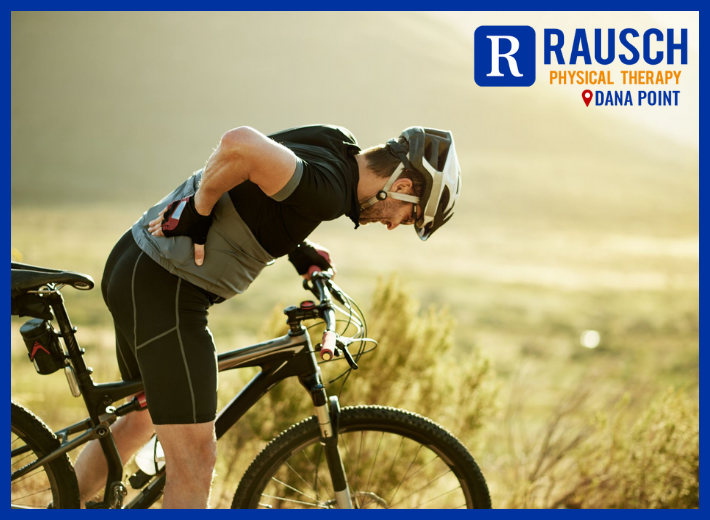
5 Stretches to Prevent Low Back Pain in Mountain Bikers

Dr. Cheryl Moore- Dana Point

As mountain bikers, we put our bodies through a lot of abuse with grueling pedals uphill to hard-hitting descents, but that does not mean that we should deal with low back pain every time we go riding. Research shows that 30-70% of bike riders have back pain. Staying faithful to maintenance and prevention programs can be challenging, but incorporating stretching exercises into your pre-ride routine can help you bike longer and train harder for races such as the upcoming Over the Hump series. 

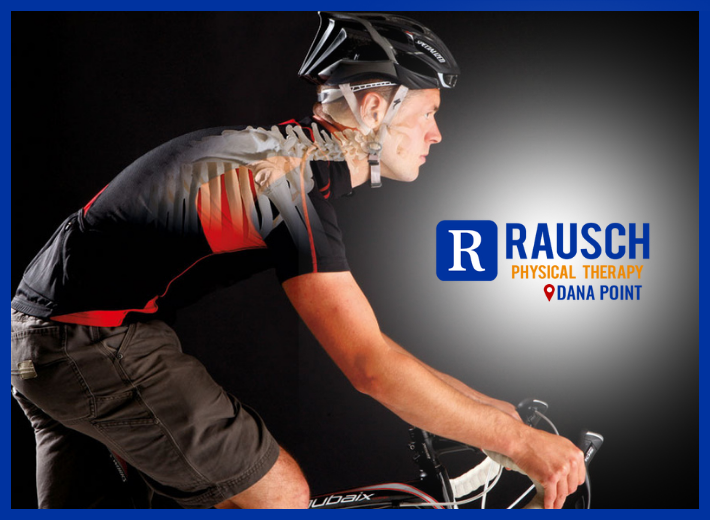
The most common causes of low back pain in bikers are poor posture and muscle imbalance. While riding, it is crucial to find a neutral pelvis, meaning that the back is not arching too much or too rounded. If you never had a bike fit to set up your bike’s geometry, I recommend checking out your local bike shop or come in for a Bike Right, where we will assess your riding biomechanics and make suggestions to set up your bike. That way, you can get the most out of riding your bike.

Muscle imbalances occur when one muscle that crosses the joint is tighter or stronger than the opposing muscle, causing an imbalance in posture. Spending too much time sitting at a desk or on a bike leads to tightness in the hip flexors, quads, hips, and chest. A hunched or rounded shoulder posture results, putting more stress on the back and making it more difficult to maintain a neutral pelvis. Poor posture over time can cause more significant back injuries such as disc herniation, muscle strains, and decreased joint mobility.

Cheryl’s Mountain Bike Low Back Pain Prevention Program: 

These five pre-ride stretches will improve hip mobility, decrease tension in the low back, decrease muscle imbalance and ensure that your back is warmed up and ready to ride after a long day at the office.

  1. Child’s pose: 

This stretch will help improve the mobility of both hips and open up/decrease stiffness in the lumbar spine on the bike.

  1. Hand up stretch: 

This hip flexor stretch will improve hip mobility and sitting posture on a biking

  1. Seated Hands on Knees Cat/Cow: 

More functional to biking than quad ped cat/cow, this stretch will improve pelvic and lumbar spine mobility

  1. Cobra:

Lumbar spine extension relieves the pressure on the intervertebral discs and improves lumbar spine mobility

  1. T/S extensions over the foam roll: 

Improving mobility of the chest /upper back and decrease stress on the lumbar spine

It is critical NOT to push through the tightness when focusing on stretching. Stretching should be gentle and easy. Perform this stretching routine before every ride. Perform stretches 2x and hold each for 30 seconds. When foam rolling, roll for 1 min.

Conclusion: 

Don’t let the struggle or fear of low back pain keep you off the bike. By maintaining a pre-ride stretching routine, the only thing that you should be worrying about is what trail to shred next. If we can help – we are here!

Keep Calm and Breathe On: The importance of not holding your breath

Dr. Ruth Meltzer – Dana Point

5K788i6SCZ9TmbNgBm14mkTPIAKjO45ZIz-SgwcuhiDVwcpKtDl7IU4d3PwqgGNZrpoto1I_V8bnsfFj4xoHkd5pJ-mXVThxOi-DCZ1xe9-iUljhQoC6HRjNUVkddB-1PtOej1QZ

What

As you breathe out, your pelvic floor muscles activate and help support your internal organs.  It is vital to keep your breathing relaxed and rhythmic while working out in the gym, weight lifting, or engaging in gymnastics or sport. Holding your breath can be very detrimental to your internal abdominal pressure, thus putting more pressure on your pelvic floor muscles.

Who

People who experience pelvic pain, incontinence, or accidentally urinate when they laugh or jump on the trampoline are all examples of people who would need pelvic physical therapy. The first step in treatment is improving your breathing. Pelvic physical therapy can evaluate tightness in muscles, weak muscles, and retrain muscles just like any other muscle group in the body.

So if you or someone you know experiences these symptoms, bring them by, and we can take a look at their breathing and muscle control and set them on the right path to recovery. Who knew something as simple as breathing could be a culprit in their pelvic floor muscles?

Understanding Turnout and Importance of Avoiding Forcing More


Kathryn Totheroh – Dana Point

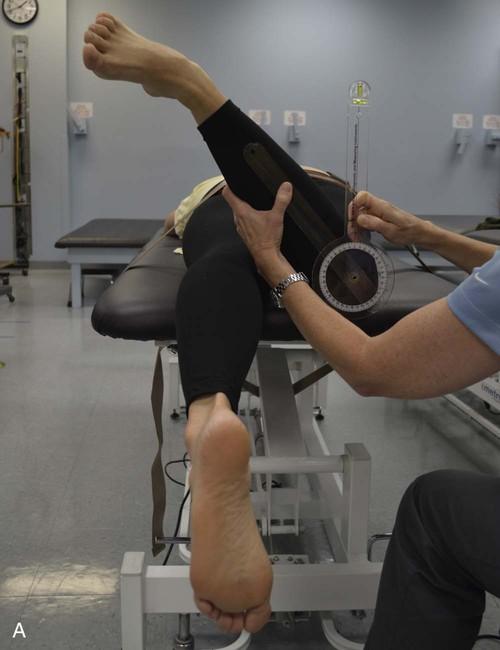
Every joint in the human body has a “normal” range of motion. For the hip in external rotation or turnout, that range is about 45 degrees. For dancers, especially ballet, we always aim for 90 degrees in each hip to reach that elusive 180 first position. Some lucky individuals will be born with the potential for extra range of motion in the hips, and the very rare few (less than 2% of professional ballet dancers) may naturally reach that 180. However, for the rest of us, it is critical to understand where our natural limitations are so that we can safely and effectively use the turnout each of us have. 

First, you must understand that this is a boney limitation; therefore, stretching will not work. Many teachers learned that stretching the hips while children are young (pre-puberty) can increase this natural range. While it may be possible to slightly increase mobility through the front of the hip joint leading to a marginal increase in turnout, several studies show that whatever a person’s turnout is going to be was predetermined before they were born.

It is simple for a physical therapist or athletic trainer to assess someone’s natural range of motion; this can give you/your students a clear understanding of what they should be aiming for in their standing leg. If someone is measured at 50 degrees at each hip, they are looking at a 100-degree first position. Anything more than their anatomical range is coming as compensation of the knee, ankle, and/or pelvis.

qZjZJP7qB9hKQeOkJs7JetuK2Kz1lDIjvoeDs0icKaOnOJ62QJ1pTb_mXnlDepxnGrz_-j7t-LWDVRllx3lObmqRydAs-tSBcvjntotpH2Jc_rucHxEV9WLiVzaab5gfgLIRulNb

These compensations will show up as ankle-foot pronation or collapsing arch, knees not tracking over the midline of the foot in plie, anterior pelvic tilt/ tail out, or any combination of the three. Over time these compensations can lead to serious injuries such as torn ligaments, torn muscles or tendons, joint instability, or impingement. These injuries can easily lead to the end of someone’s dance career, along with chronic pain. Therefore, it is critical to work within a natural range of motion, avoid compensation techniques, and the forcing of excessive turnout.

If you have any questions or have been dancing with pain, get to your favorite physical therapist. We can assess your specific range of motion and how you are moving, and get you back to dancing pain-free.

Rausch Physical Therapy remains your caring team and can accommodate you with a specific, personalized plan that suits your needs and goals. Visit our Facebook page or call us at (949) 276-5401. 

8fFDsBLJCHCRyAjGWU0hJqIY2aWetWOvEXJynW0paNkM9UbM2R6rSdIYyYzlMQy-zZ-UResDFVn6SaGihNZUsFYdg1Ivq_YWz3KJukpxXZg102tvh1XR7hVv1XO2_EouVFlbn-e1

Riding is a Pain in the Neck

Do you have neck pain while riding your bike? You are not alone. Neck pain has plagued many bike riders.

While you are sitting in a chair and reading this blog article (with what I assume is good posture: sitting tall, shoulders back and head up), all the weight from your head, which is about as much as a bowling ball, is being translated down and balancing on the bones in your cervical spine. The muscles are just chilling, and there is no significant muscle contraction going on. Now imagine sitting on a bike. You lean forward to the reach for the handlebars. Your thoracic and lumbar spine round, and your shoulders flex and internally rotate. As you lean forward, so does the weight of your head, putting your neck in a more diagonal position which means that the weight of your head is no longer providing a direct axial or downward load through your cervical spine. Instead, the muscles in the back of your mid and lower neck are supporting your head. The upper part of your neck is responsible for holding your head up to see the road. These are suboccipital muscles, and they attach from the base of your skull to the top of your neck. The more your thoracic and lumbar spine round or lean forward, the more your neck must extend to lift your head. So, the lower or more drop arm the handlebars are the neck must compensate. For example, a tri or road bike will need more neck extension than a mountain bike or townie bike due to handlebar position.

When discussing the different subtypes of riding, there is also a component of time that needs addressing. A roadie or triathlete will be in a long-duration forward head posture while riding, whereas mountain biking is more dynamic and is only in the forward head posture for climbs. No matter which bike or bike activity you choose, forward head posture is a disadvantageous position of the muscles; the longer they hold, the more fatigued and overworked the muscles will become, leading to a greater chance of developing neck pain.

To increase your time on the bike with less neck pain, here are some exercises to help strengthen and improve your neck mobility and endurance.

  1. Suboccipital release: tape two tennis balls or lacrosse balls together and roll out your suboccipitals for about 2 min. Avoid the spine!
  2. Neck stretches: it is vital to maintain the mobility of the neck.
  3. Chin tucks: laying on your back with a pillow under the back of your head. Imagine a string from the top of the head pulling up, causing your chin to nod (think of making a double chin). Hold for 5-10 seconds and then repeat ten times. Once you have mastered the chin tuck, you can perform it in sitting, standing, or quadruped to make it more challenging and sports-specific.
  4. Chin tuck with rotation: perform a basic chin tuck and then slowly rotate the head to look over one shoulder and then the other. Keep that chin tucked the whole time — this will open up the joints in the neck and improve mobility.
  5. T/S extensions and doorway pec stretch: due to the flexed or rounded posture of the bike, t/s openers and chest openers are clutch. These all-around exercises will help your posture and keep you balanced.

Rausch PT professionals have the skill and expertise you need to improve and restore function and get you pain-free — with no prescription from a doctor required. Call our experts today at (949) 276-5401 and make an appointment. We would also love to have you join our Facebook community where you can get health and wellness updates and learn about what we have to offer ongoing!

New Year’s Resolutions for Runners

Want to become a better runner in the new year? Of course you do—and we could all use a refresh after a tough 2021. Tens of millions of people made resolutions this year, many of them centered around health and well-being. Let’s use some of the tactics below to help you stick to your resolutions to run more. And when you’re ready, if you’re in OC we offer the BEST running group in OC! 🏃🏃‍♀️ We sure hope you can come out and join us any Tuesday. On every last Tuesday of the month, we offer free pizza and beer! All paces, all abilities are welcome. Let’s gooooo!!! 

We meet every Tuesday, at 6 pm, at 30100 Town Center Dr, Y/Z,  Laguna Niguel, CA 92677.

Now — back to those tips…..

1. Enter a Race

This is an obvious one but there’s nothing like a date in your diary and a bit of money forked out on entry fee/travel arrangements to keep you committed to your training. It could be your first race or an attempt to get faster over a distance you’ve raced many times before.

2. Set a Target

Maybe you ran a marathon in 4:10 last year, now you can start planning for the sub-4. Maybe you just want to make the club’s A-team for a relay. Giving yourself a target to aim for can give a little extra motivation in training, and produce an even bigger smile at the finish line knowing all of your hard training paid off!

3. Try Something New


It’s good to have something challenging but also fun. If a road 10k or marathon doesn’t appeal to you, look for something different: a triathlon, a hill race or an ultra-marathon. These are all gaining in popularity and cater for all levels of abilities. If you don’t enjoy running races, then try some new running routes and terrains for variety.

4. Think Laterally

Your goal could simply be to add new elements into your training. All runners can benefit from core stability or other strengthening work. If you’re curious about barefoot or minimalist running, maybe now is a good time to start incorporating a barefoot session into your training program. For more tips on this, see our section on barefoot running.

5. Work On Your Weaknesses

Do you always struggle on hills, get overtaken in a sprint finish, or struggle to maintain your pace over the second half of a race? Identify your weak point and work on it in training.

6. It’s Not All About You!

Make it your project to encourage someone else to run this year. Running is such an accessible way of keeping fit that excuses soon run out! Some people just need a little gentle encouragement, and it can be just as fulfilling to see a friend run their first 5k as it was to run your own first race.

7. Be Realistic

When setting running goals, consider what else is going on in your life in terms of work, family and other commitments. Assess how much time you have available for training and set your goals accordingly. Equally, be prepared to re-adjust your goals if things aren’t going to plan.

8. Dare to Dream

This might slightly contradict the previous point, but sometimes you just have to think BIG. We all need challenges and there’s nothing wrong with setting yourself an ambitious target. It will give you an extra incentive to push harder in training and get the most out of yourself.

Ready to get to your best performance in 2022? Physical therapy prepares your body for whatever it is you want to try next. Let us help you boost your performance while preventing injury.  Come meet our team! (949) 276-5401. Check out our Facebook page here. But also come join our Tuesday Night Run group here!


Reference: [https://www.runandbecome.com/running-training-advice/new-years-resolutions-for-runners]

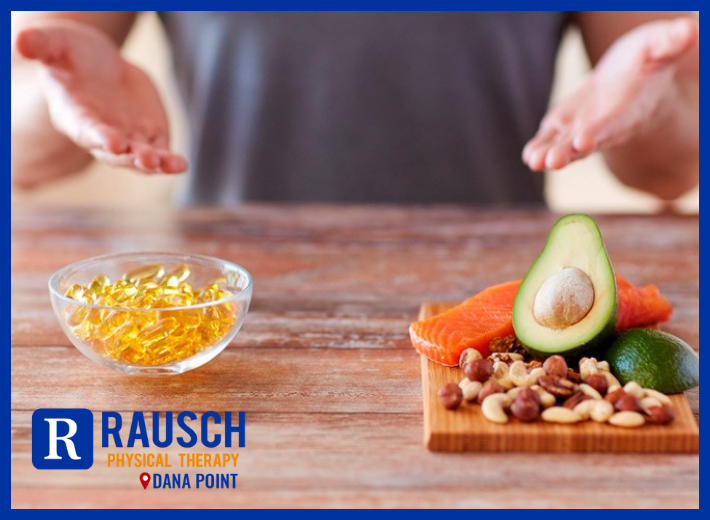
The Top 14 Foods and Supplements for Sports Injuries

When it comes to recovering from a sports injury, many elements come into play: from PT sessions to straight rest. Your eating habits can also play a significant role during this period. The healing process demands fuel — and the right kind! Reach for these healthy options to bounce back ASAP.

When it comes to sports and athletics, injuries are an unfortunate part of the game.

However, no one likes to be sidelined for longer than necessary.

Fortunately, certain foods and supplements may help reduce the amount of time your body needs to recover from a sports injury.

This article lists 14 foods and supplements you should consider adding to your diet to help recover from an injury more quickly.

1. Protein-Rich Foods

Protein is an important building block for many tissues in your body, including muscle.

After a sports injury, the injured body part is often immobilized. This generally leads to a decline in strength and muscle mass.

However, getting enough protein can help minimize this loss. Furthermore, a protein-rich diet may help prevent inflammation from getting too bad and slowing down your recovery.

Moreover, slightly increasing your protein intake once you start training the injured body part again helps you rebuild any lost muscle.

For all these reasons, make sure to include protein-rich foods like meat, fish, poultry, tofu, beans, peas, nuts or seeds in your daily menu.

How you distribute these foods throughout the day also seems to matter.

Research shows that spreading your protein intake equally over four meals may stimulate muscle growth more than an uneven distribution.

Experts also suggest that eating a protein-rich snack before bed may help enhance your body’s muscle-building process while you sleep.

2. Fiber-Rich Foods

Recovery from injury often involves immobilization or limited use of the injured body part.

To prevent this from resulting in unwanted body fat, it’s important to compensate by eating slightly less.

One way to reduce your calorie intake is to consume a diet rich in fiber. This, along with consuming the protein-rich foods mentioned above, will help you eat less without feeling hungry.

That’s because fiber-rich foods such as fruits, vegetables, legumes and whole grains help promote feelings of fullness after meals.

As an added bonus, fiber-rich foods tend to be high in several other nutrients essential for your recovery, including vitamin C, magnesium and zinc.

However, note that restricting calories too severely can reduce wound healing and promote muscle loss, both of which negatively affect recovery.

Therefore, individuals who were attempting to lose body fat before the injury should consider postponing their weight loss efforts. Instead, focus on maintaining your body weight until recovery is complete.

3. Fruits and Vegetables Rich in Vitamin C

Vitamin C helps your body make collagen, which helps maintain the integrity of your bones, muscles, skin and tendons.

Therefore, getting enough vitamin C from your diet is a great way to help your body rebuild tissue after an injury.

Moreover, vitamin C has antioxidant and anti-inflammatory properties, which may help speed up your recovery by preventing excessive levels of inflammation.

Luckily, vitamin C is one of the easiest vitamins to get enough of through your diet.

Foods with the highest amounts of it include citrus fruits, red and yellow bell peppers, dark leafy greens, kiwi, broccoli, berries, tomatoes, mango and papaya.

However, it’s currently unclear whether supplements provide any benefits for those already getting enough vitamin C from their diet.

Nevertheless, the small number of people who can’t consume enough vitamin C-rich foods may want to consider taking supplements.

4. Omega-3 Fatty Acids

After an injury, the first phase of wound healing always involves some inflammation. This inflammatory response is beneficial and needed for proper healing.

However, if this inflammation remains too high for too long, it may slow down your recovery.

One way to prevent excess inflammation from delaying your recovery is to eat enough omega-3 fats.

These fats, which are found in foods such as fish, algae, walnuts, flaxseeds and chia seeds, are known to have anti-inflammatory properties.

You can also prevent excess or prolonged inflammation by limiting omega-6 fats, which are commonly found in corn, canola, cottonseed, soy and sunflower oils.

Consuming too many omega-6 fats is known to promote inflammation, especially if your intake of omega-3 fats is also low.

In addition, some studies report that omega-3 supplements may help increase the creation of muscle protein, reduce the loss of muscle during immobilization and promote recovery from concussions.

That said, high intakes of omega-3 fats from supplements may reduce your body’s ability to regain muscle mass once you return to training. Therefore, it may be best to increase your omega-3 intake from foods rather than supplements.

5. Zinc-Rich Foods

Zinc is a component of many enzymes and proteins, including those needed for wound healing, tissue repair and growth.

In fact, studies show that not getting enough zinc from your diet can delay wound healing.

Therefore, consuming zinc-rich foods such as meat, fish, shellfish, pulses, seeds, nuts and whole grains may help you recover more effectively from an injury.

Some people may be tempted to simply take zinc supplements to ensure they meet their recommendations.

But zinc competes with copper for absorption, so receiving high doses of zinc from supplements may increase the likelihood of copper deficiency.

Overall, if your zinc status is good, additional zinc from supplements probably won’t speed up wound healing. However, getting enough from your diet is important.

6. Vitamin D and Calcium-Rich Foods

Calcium is an important component of bones and teeth. It’s also involved in muscle contractions and nerve signaling.

That’s why it’s important to ensure you always get enough calcium — not just when you’re recovering from an injury.

Calcium-rich foods include dairy products, leafy greens, sardines, broccoli, okra, almonds, seaweed and calcium-fortified tofu and plant milks.

Vitamin D also serves an equally important function because it helps your body absorb the calcium found in the foods you eat. Together with calcium, it plays an instrumental role in recovering from a bone injury.

Also, getting enough vitamin D may increase the chances of a good recovery after surgery. For instance, studies have found a good vitamin D status can enhance strength recovery following an anterior cruciate ligament (ACL) surgery.

Few foods naturally contain vitamin D, but your body has the ability to make vitamin D from exposure to the sun.

Those living in northern climates or spending a limited amount of time outdoors may require supplements to get enough vitamin D.

7. Creatine

Creatine is a substance naturally found in meat, poultry and fish.

It helps your body produce energy during heavy lifting or high-intensity exercise. The human body can also produce about 1 gram of it per day.

Creatine has become a popular supplement commonly used to increase muscle mass and improve performance in various sports.

Interestingly, it may also help you recover from an injury.

One study reported that creatine supplements enhanced the gain of muscle mass and strength lost during a two-week immobilization period more than a placebo.

Another study found that individuals supplementing with creatine lost less muscle in their upper body during a week-long period of immobilization than those given a placebo. However, not all studies found these results.

Both of the studies showing positive results provided the creatine supplement in four doses of five grams each day.

It’s important to note that there is currently no consensus about creatine and sports injury recovery. That said, no studies to date have found any negative effects.

Creatine remains one of the most-studied, safest supplements around, so it may be worth giving it a try.

8. Glucosamine

Glucosamine is a natural substance found in the fluid that surrounds your joints. It is involved in the creation of tendons, ligaments and cartilage.

Your body naturally produces glucosamine, but you can also increase your levels through supplements. Supplements are generally made either from shellfish shells or fermented corn.

Research in individuals with arthritis shows that glucosamine may be useful in decreasing joint pain.

Also, studies in healthy individuals show that supplementing with 1–3 grams of glucosamine per day may help reduce joint deterioration.

One recent animal study also showed that taking glucosamine daily after a fracture may speed up bone reformation.

Based on these findings, some people take glucosamine supplements to help reduce pain after joint and bone injuries or speed up recovery from fractures. However, more research is needed before strong conclusions can be made.

It’s worth noting that glucosamine supplements may pose a risk to those who are allergic or sensitive to shellfish or iodine, pregnant women and those with diabetes, high cholesterol, asthma or high blood pressure.

9–14. Other Foods Beneficial for Bone Fractures

In addition to getting enough calcium and vitamin D, good intakes of the following nutrients can contribute to a speedier recovery from bone fractures:

  1. Magnesium: Promotes bone strength and firmness. Found in almonds, cashews, peanuts, potato skins, brown rice, kidney beans, black-eyed peas, lentils and milk.
  2. Silicon: Plays an important role in the early stages of bone formation. Best sources include whole grains and cereals, carrots and green beans.
  3. Vitamins K1 and K2: Directs calcium toward bones and helps improve bone strength. Best sources include leafy greens, Brussels sprouts, prunes, sauerkraut, natto, miso, organ meats, egg yolks and dairy products from grass-fed cows.
  4. Boron: Promotes bone health by increasing calcium and magnesium retention and enhancing vitamin D’s effect. Prunes are the best dietary source.
  5. Inositol: Helps improve calcium absorption in bones. Found in cantaloupe, grapefruit, oranges and prunes.
  6. Arginine: This amino acid is needed to produce nitric oxide, a compound necessary for fracture healing. The best sources include meat, dairy, poultry, seafood, nuts and oatmeal.

Those recovering from bone fractures should consume foods rich in these nutrients daily.

Take Home Message

When it comes to recovering from a sports injury, many elements come into play.

While not all of them are under your influence, one factor you can control is the nutrients you provide your body.

Therefore, regularly consuming the foods and supplements mentioned in this article is one way you can speed up your recovery.

Physical therapy is a natural and healthier solution to many pain problems – and to get rid of them at their root cause, for good. Our team can teach you proper techniques to reduce your chances of recurrence. If you’re facing an injury, try a PT session. Find our team at (949) 276-5401 or meet us on our Facebook page.


Reference: [https://www.healthline.com/nutrition/foods-supplements-for-sports-injury#TOC_TITLE_HDR_4]

4 Most Common Cycling Injuries – and How to Avoid Them

Cycling improves overall function in your lower body and strengthens your leg muscles without overstressing them. It targets your quads, glutes, hamstrings, and calves. Although it’s inherently a low-impact exercise on your joints, there are some precautions people should take. Check out the four most common cycling injuries – and, most importantly, how to avoid them! Need our guidance and support? We are here!

Cycling – whether indoor or outdoor – gets a reputation as a pretty “easy on the body” venture.

After all, while cycling is a great way to strengthen your heart and lungs, it’s inherently low-impact on your joints.

It’s also scalable, making it an excellent workout for cardio newbies and endurance veterans alike.

That said, just like with any exercise, if your technique isn’t on point, cycling injuries are more likely to hit your body.

We’re not just talking about traumatic injuries like a pulled muscle or broken bone from falling off of your bike.

Incorrect set-up and riding mechanics can lead to overuse (aka wear-and-tear) injuries that can very quickly drain the fun from your workouts — or halt them altogether.

Here, experts share the four most common cycling injuries, along with the best ways to prevent aches and pains while cycling.

1. Saddle Sores

Every cyclist knows the literal pain in the butt that starting a biking routine can be.

But sometimes, it’s not just general groin soreness that’s a problem.

Many riders can develop straight-up saddle sores when cycling.

What are saddle sores?

They are patches of skin on the buttocks or groin that, due to friction against the bike seat, get irritated, inflamed, and if they open, can even get infected, explains professional cycling coach Garret Seacat, CSCS.

How to Avoid Them

As common as saddle sores are, they are not OK, or something to just accept will happen.

When getting started with a new bike – or if you have any discomfort – Seacat recommends going to a specialty bike shop to get fitted for a bike seat.

“There is often a device you can sit on that will measure where your sitz bones are,” he says.

When riding, you should be perched on top of these sitz bones (aka the ischial tuberosities) and not scoot back and forth.

Seacat says that when people have rear-end pain, they often look for a wider seat, but a narrower one may actually be what enables you to get into a correct, more comfortable position.

And while you’re at it, buy special cycling shorts.

“When you’re cycling, without a doubt, the best investment you can make is the bike itself, but close behind are cycling shorts,” Seacat says.

Look for a pair ergonomically cut for your biological sex, he says.

Resist the urge to wear underwear with them; doing so increases your risk of chafing.

2. Knee Pain

There’s a reason that patellofemoral syndrome – pain at the front of the knee, around the kneecap – is sometimes called “cyclist’s knee.”

“People who cycle tend to get a lot of knee injuries due to muscular imbalances,” says kinesiologist Jake Harcoff, C.S.C.S.

One primary reason: Cycling develops the quads and hip flexors while keeping them in a shortened, flexed position.

“The quads can get so tight they pull on the tendon that goes over the top of the kneecap,” he explains.

It’s also common for cyclists to have their seats incorrectly positioned, which can dump more stress into overly tight, overworked tendons and ligaments, he says.

How to Avoid It

For immediate relief, check your bike seat’s height. When you stand next to the bike, it should be at hip height.

And when you’re cycling, your knee should never completely straighten, Seacat explains.

(Remember, you should pedal through the balls of your feet, not your heels.)

Over the long-term, focus on integrating posterior-chain-strengthening exercises like deadlifts, hip thrusts, and reverse lunges into your workout routine.

Doing this will strengthen the muscles that connect to the back of your knee, helping to balance out your leg musculature and reduce your risk of cycling injuries, according to Harcoff.

3. Lower Back Pain

Tight hip flexors can make more than your knees ache. They can also throw your lower back out of whack, Harcoff says.

He explains that it’s common to see cyclists have what’s called an anterior pelvic tilt.

With such a tilt, the hip flexors pull the front of the pelvis toward the floor, angling the buttocks upward and making the lower back arch excessively.

That can stress both the spine and the muscles and tissues that help support it.

How to Avoid It

Cycling tightens the hip flexors, so you need to perform stretches dedicated to relaxing them.

Harcoff says one of the best stretches you can do to relieve tension in the front of your hips is the couch stretch.

To perform the couch stretch:

  • Get on one knee facing away from a couch.
  • Raise your back foot until your foot is directly above your back knee, then scoot back to brace your shin against the couch.
  • With your opposite foot on the floor in front of you, squeeze your glutes and breathe. You should feel a deep stretch in your back leg’s hip and thigh.
  • Work up to holding the stretch for 90 seconds or longer, and never push through the pain.

4. Elbow and Wrist Pain

While anyone who keeps their arms locked out or leans forward when cycling is likely to experience some upper-body joint pain, these cycling injuries are most common among people who take indoor cycling classes, Harcoff says.

Because indoor cycling classes typically involve a lot of upper-body movements that use the handlebars, many class-goers (and instructors) lean forward excessively when riding.

As a result, they can stress out their elbows and wrists.

How to Avoid It

You shouldn’t need to put a ton of pressure on your arms to keep from falling forward on your bike whether you’re sitting or standing.

If you’re unable to perform upper-body moves or hold onto the handles without dumping your weight into your hands or locking out your elbows, you likely need to spend the bulk of your time riding upright.

Then, between classes, you can work on developing the core strength necessary to take a more forward posture without potentially irritating your arms.

Focus on stability and anti-rotation exercises like the planks, dead bug, and Pallof press.

Regain strength and reclaim your mobility with Rausch PT. Your physical therapist will create a customized program just for you and your needs. Start your journey to recovery today — (949) 276-5401. Don’t forget to join us on our Facebook page.


You can contact  from https://www.trainabsolute.com to learn more about cycling and endurance training!

Reference: [https://www.beachbodyondemand.com/blog/cycling-injuries]

What to Know About Muscle Soreness

Whether you’ve recently engaged in a particularly intense workout or just a walk around the park, many people believe that muscle soreness after such activities is simply a body’s way of complaining as it gets stronger. Though the sensation is typically nothing to worry about, it’s necessary to know why muscle soreness occurs. In some cases, watch out for the pain that might be indicating a problem to be checked out and come see us if you are concerned. 

Any physical activity that places too much or unusual strain on the muscles can lead to soreness. Everyone can experience muscle soreness, even people who exercise regularly and have good physical fitness.

Muscle soreness can be uncomfortable and disruptive. However, the pain typically disappears within a few days.

This article outlines the causes of muscle soreness and the typical duration of symptoms. We also list the treatments that may help to relieve muscle soreness, along with research into their effectiveness.

Causes

During physical activity, the body’s muscles extend and contract to support movement. Prolonged or repetitive physical activity can overexert the muscles. This activity can lead to muscle soreness.

Overexertion and muscle soreness are more likely to occur after physical activity that differs from normal. This could be due to:

  • exercising more often than usual
  • doing higher intensity workouts
  • performing longer workouts
  • introducing new exercises to a routine

Muscle soreness usually occurs several hours after physical activity. For this reason, doctors refer to the condition as delayed onset muscle soreness (DOMS). Most people experience DOMS at some point, regardless of their physical fitness.

The exact cause of DOMS is still unclear. Some experts believe it may be due to microscopic tears in the muscle fibers, which can develop during exercise. They believe that muscle soreness is the result of the body healing these tears. DOMS is not due to a buildup of lactic acid in the muscles.

How long does it last?

According to the American College of Sports Medicine (ACSM), muscle soreness usually begins 12–24 hours following exercise. The muscle soreness then tends to peak around 24–72 hours after the exercise. After this time, the pain should start to go away.

The level of soreness a person feels during DOMS depends on the type, duration, and frequency of the activity that caused the pain.

It is possible to continue exercising with muscle soreness, but it can be uncomfortable.

Sharp pains that occur immediately after activity could be a sign of injuries, such as strains or sprains. These injuries are the result of a muscle, tendon, or ligament becoming stretched or torn and are more severe than DOMS, possibly requiring medical attention.

Relieving muscle soreness

Muscle soreness is normal and rarely requires medical attention. In most cases, symptoms go away on their own within a few days. In the meantime, it is best to avoid putting too much strain on the injured muscles.

People sometimes recommend the following treatments to alleviate muscle soreness following exercise:

Massage: A qualified sports massage therapist or physiotherapist can provide massages for alleviating muscle soreness. Massages increase blood flow to the injured area, which may promote healing and help to relieve the pain.

Heat therapy: Taking a warm bath or applying heat pads can also stimulate blood flow to the injured muscles. Heat therapy tends to offer only temporary symptom relief.

Cold therapy: Cold packs or immersion in cold water can reduce inflammation and swelling in the muscles. Cold therapy is, therefore, useful as a longer-term treatment for muscle injuries.

Light exercise: Keeping the muscles active may help to reduce pain. It is important to keep the intensity light and avoid movements that put too much strain on injured muscles. Examples of light exercises include walking and gentle stretching.

Pain medication: Over-the-counter nonsteroidal anti-inflammatory drugs (NSAIDs) can help to reduce muscle inflammation and associated pain.

What the research says

A 2012 meta-analysis investigated the effectiveness of four popular DOMS treatments. The meta-analysis included 35 studies, each of which investigated one of the following treatments:

  • massage
  • cold therapy, or “cryotherapy“
  • stretching
  • light exercise

The meta-analysis revealed that massage was effective in treating the signs and symptoms of DOMS in some people. However, the effect was small and was not significant across the group as a whole. There was no evidence to support the use of cryotherapy, stretching, or light exercise in treating DOMS.

A 2011 meta-analysisTrusted Source also found that stretching before or after exercise does not lead to a noticeable reduction in DOMS.

A 2016 meta-analysis investigated whether a type of cryotherapy called cold water immersion (CWI) helps to alleviate muscle soreness. The results showed that CWI was slightly more effective than no treatment. Bathing in water temperatures between 11°C–15°C for 11–15 minutes provided the best results.

Overall, these studies indicate that there are few scientifically proven treatments for DOMS. Those that are effective appear to provide only a slight benefit. Nonetheless, some people may find the treatments helpful.

Importantly, while a treatment may help to alleviate pain, it will not undo the underlying muscle damage or improve muscle function.

Rausch PT wants to help you feel good and pain-free. We prepare your body for whatever it is you want to try next. Keep moving and living life to the fullest. Schedule your appointment today at (949) 276-5401 or visit our Facebook page. Remember, we also offer Rx Massage to enhance your PT treatments — and also to help when you get sore and to increase recovery from hearty exercise or race events.


Reference: [https://www.medicalnewstoday.com/articles/327138#how-long-does-it-last]

Learn How to Improve Your Running Speed With These Simple Tips

Running is a great and motivating exercise. Many new runners, however, struggle to keep challenging their bodies and increase their speed and performance. If that is your goal, this article brings interesting insights on how to improve running, highlighting the role of muscle memories and muscle groups to improve speed.  

For the art of running, endurance is the basic building block. But to push yourself to excel, it’s important to have a decent amount of speed in your stride.
It’s important to understand, however, that increasing speed is not just about pushing yourself in every run. There is a systematic approach that involves strengthening specific muscles, adjusting your form and even training your muscles to retain data, or muscle memory.
Here are tips from Adidas Runners’ coaches from Bengaluru, Anil Mahoba and Rashmi Gupta, on how to improve running speed.


How does muscle memory come into play?

While working on speed interval training, the muscles start to get used to working at a specific pace for a specific amount of time. Accordingly you can understand how much your body can be pushed for greater speed.
For example, if you constantly cover five kilometres in 30 minutes, your body gets used burning a certain amount of energy to maintain a steady pace to complete the course in that time.
“When you do your normal run, your legs have muscle memory. Once you do speed workouts, and later go for your normal run, with the muscle memory you realise you did a run at a faster pace than normal,” says Gupta.
“Once you start enjoying your speed interval training, the muscles build up memory and just move along.”

Which muscle groups have to be worked on to increase speed?

The main muscle groups responsible for speed are the quadriceps, hamstrings and glutes.
“Glutes are the biggest muscles in your body, they hold your body erect,” Gupta adds.

Which workouts can help increase speed?

Planks are a good way to increase strength in the core. For seasoned runners, either increasing the duration of a plank or adding weights on your back is a good way to increase core strength.
“Squats, weighted squats, lunges and weighted lunges are very handy,” says Bengaluru-based Adidas runners coach Anil Mahoba.
“Then you can use the bouncing ball to help balance, because running is all about balancing on one leg as you stride. You can also work with resistance bands.”
Weight exercises do have merit, for both the upper and lower body. But it’s advised not to use heavy weights.
“Go for lighter weights, but more reps and functional exercises. Around 5kg or 7.5kg weights are adequate. Anything heavier means you’re starting to bulk up (which reduces flexibility),” Mahoba says.
“If you do use heavier weights, then reduce repetitions.”

Does form make a difference?

Yes, and it is very important for speed.
The arms play a big role, but they only activate if they’re swinging straight front and back, and not sideways. The movement helps the forward drive, and just tweaking a possible side-to-side movement to front-back movement tends to bring about significant improvement.
Then there’s the head positioning.

“Looking down is not good,” explains Gupta. “When you look down and run, the oxygen intake capacity decreases. You should always look forward, keep your chin parallel to the ground and run.”


In terms of the lower body, the push should be forward rather than the legs pushing into the ground.
The posture needs to be nice and straight without a slouch, which can be improved with strength training.
“The core of our body, neck to pelvis, that region has to be very stable when we run. Even though it’s an activity that focuses mainly on your lower body, if the upper body is not straight, the lower body will not be able to manage it,” she adds.
It’s also important to understand that ‘form’ does not just pertain to running, but also in the gym during training.
“[For running,] form is very important when you do any kind of workout – not the number of reps – which people tend to forget. When the adrenaline kicks in and you are pumped up, you forget what your body is doing,” Gupta says.

Is there an element of natural running form that does not need to be tinkered with?

Yes. Gupta encourages the natural landing stride – which is what area of the foot lands first – should not be changed.
“We have something called heel-striker, mid-foot striker, fore-foot striker. About 95% of runners all over the world are heel-strikers. I was a heel-striker. When I tried to change it to mid or fore-foot strike, I started developing pain in my arches. That’s the point I realized that when your body is used to a certain running form for a long amount of time and it’s not giving you problems, don’t change it,” she concludes.


Physical therapy prepares your body for whatever it is you want to try next. Let us help you boost your performance while preventing injury.  Come meet our team! (949) 276-5401. Check out our Facebook page here.

Don’t forget to mark your calendars for Tuesday’s TNR! You don’t want to miss it — fun and unexpected things always happen. Literally 𝙚𝙫𝙚𝙧𝙮𝙤𝙣𝙚 is welcome to join — from runners to walkers, strollers, and dogs, all ages and fitness levels.

➡️ EVERY Tuesday at 6 pm — we meet at Rausch Physical Therapy & Sports Performance — 30100 Town Center Dr # Y/Z, Laguna Niguel, CA 92677).📱 Call us at 949.276.5401 today to learn more.



Reference: [https://www.redbull.com/in-en/how-to-improve-running-speed]

Shoulder Impingement

Shoulder impingement is a common potential cause of shoulder pain. However, this condition is often misunderstood. This article will help you better understand shoulder pain and ways to treat it. Although this pain can be frustrating and impede on your life, the good news is in most cases, it responds well to conservative care, such as physical therapy. Rausch PT can help you understand your pain and address the proper way to heal.

What is shoulder impingement?

Shoulder impingement is a common cause of shoulder pain. It’s also known as impingement syndrome or swimmer’s shoulder, since it’s common in swimmers. It’s also common in other athletes who use their shoulders a lot, such as baseball or softball players.

Your rotator cuff is a group of muscles and tendons that attach your upper arm bone to your shoulder. They help you lift and rotate your arm. The rotator cuff sits under the top of the shoulder, which is called the acromion. If you have shoulder impingement, your rotator cuff catches or rubs against the acromion. When you lift your arm, the space (bursa) between the rotator cuff and acromion narrows, which increases pressure. The increased pressure irritates the rotator cuff, leading to impingement.

What are the symptoms?

The main symptom of shoulder impingement is sudden pain in your shoulder when you lift your arm overhead or backward. Other symptoms include:

  • minor but constant pain in your arm
  • pain that goes from the front of your shoulder to the side of your arm
  • pain that gets worse at night
  • shoulder or arm weakness

What causes it?

Many cases of shoulder impingement are caused by overuse. Repeated use of the shoulder can make the tendons in your shoulder swell, leading them to “catch” on your upper shoulder bone. In other cases, there’s no known cause.

Who’s at risk of having it?

Playing sports that require using your shoulders for overhead or forceful motion is the biggest risk factor for developing shoulder impingement. Common activities that could cause this include:

  • swimming
  • tennis
  • baseball

Occupations that require lots of heavy lifting or arm movement also increase your risk. These include:

  • construction work
  • moving boxes
  • painting

Both old age and previous shoulder injuries, such as a dislocation, are also risk factors for shoulder impingement. Some people also have an unusually shaped acromion that increases their risk.

How is it diagnosed?

Your doctor may start by asking you some questions about any previous injuries as well as your exercise habits. Next, they may ask you to do a series of motions using your shoulder while they check for any unusual movement. This will also help your doctor rule out other conditions, such as a pinched nerve.

In some cases, you may also need an X-ray to rule out arthritis or check for bone changes, such as a spur, that could lead to impingement.

If your doctor thinks that you have a more serious rotator cuff injury or they still can’t diagnose you, they might use an MRI scan to get a better look at your shoulder.

How is it treated?

There are many types of treatment available for shoulder impingement, depending on how severe your case is.

Home care

Rest is very important when it comes to treating shoulder impingement. Avoid strenuous exercise or any movements that make the pain worse. This is especially important if you’re an athlete

While it’s best to not move your shoulder too much, avoid using a sling to immobilize your arm completely. This can lead to more weakness and stiffness in your shoulder.

Try placing an ice pack on your shoulder for 10 to 15 minutes at a time, a few times a day, to reduce pain and any swelling you might have.

Physical therapy

Shoulder impingement usually responds well to physical therapy, which uses gentle exercises to rebuild strength and range of motion. Your doctor can refer you to a physical therapist who specializes in shoulder injuries.

Your physical therapy sessions will likely focus on the muscles in your shoulder, arm, and chest, which can help to improve the function of your rotator cuff. If you’re an athlete or work in a field that requires frequent use of your shoulder, your physical therapist can teach you proper techniques to reduce your chance of recurrence.

They may also give you some exercises that you can do at home, which may help you recover faster. Just make sure you don’t overdo it.

Medication

Taking nonsteroidal anti-inflammatory drugs, such as ibuprofen (Advil, Motrin), can help reduce swelling and shoulder pain. If these medications, along with ice and rest, don’t reduce your pain, your doctor might prescribe steroid injections to reduce swelling and pain.

Surgery

If other treatments don’t seem to work, you may need surgery to widen the space around your rotator cuff. This allows it to move freely without catching or rubbing on your bone. This can usually be done with minimally invasive arthroscopic surgery, though more severe cases may need traditional open surgery. A recent study has questioned the benefit of removing the bone just for impingement.

In rare, advanced cases of shoulder impingement, your rotator cuff can tear. If this happens, you’ll likely need surgery to repair the tear.

Following any type of shoulder surgery, you may need to briefly wear an arm sling. Your orthopedic surgeon will determine when you can remove the sling.

Recovery time

Shoulder impingement usually takes about three to six months to heal completely. More severe cases can take up to a year to heal. However, you can usually start returning to your normal activities within two to four weeks. Just make sure you regularly check in with your doctor to make sure you aren’t overdoing it. This can increase your recovery time or lead to other injuries.

Exercise do’s and don’ts

During your recovery from shoulder impingement, you should avoid any activities that involve throwing, especially with your arms overheard, such as tennis, baseball, and softball. You should also avoid certain types of weightlifting, such as overhead presses or pull downs. If you’re a swimmer, you should take some time off from training to allow the recovery process to progress.

While it’s important to rest your shoulder, you can do some light exercising to strengthen your rotator cuff and stretch the muscles in your arm, shoulder, and chest.

Try these exercises:

  • Stand with your arms at your sides and your palms facing forward. Squeeze your shoulder blades together and hold for five to ten seconds. Repeat a few times.
  • Stretch your arm straight in front of you and move it forward using only your shoulder. Then move your shoulder as far back as you can without moving your neck or back, or bending your arm.
  • Lie on your unaffected side and bend your top arm in a 90-degree angle. Keep your elbow on your hip and rotate your lower arm up toward the ceiling. Repeat 10 to 20 times.
  • Stand in a doorway, holding the side of the frame with your arm slightly below shoulder height. Turn your upper body away from that arm until you feel a slight stretch, and hold.

If any of these exercises cause pain, stop doing them or try holding them for a shorter period of time.

Living with shoulder impingement

While shoulder impingement can be painful and affect your daily activities, most people make a full recovery within a few months. In many cases, you’ll just need some rest and physical therapy. If those don’t provide relief, you may need surgery, which can add a few months to your recovery time.

Physical therapy is a natural and healthier solution to many pain problems. Our team can teach you proper techniques to reduce your chances of recurrence. If you’re facing shoulder impingement symptoms or other conditions, try a PT session. Find our team at (949) 276-5401 or meet us on our Facebook page.


Reference: [https://www.healthline.com/health/shoulder-impingement#exercise]

4 ways you make running harder than it should be and how to fix them

We are always looking for ways to get faster while running, but instead of looking at the things to make you faster, let’s focus on the things that are slowing you down — and work to minimize their effects. 

Sitting too much:

We spend a lot of time sitting: sitting in the car, sitting at work, sitting at school, and sitting in front of the TV. The list goes on and on. Sitting may be comfortable and a useful low energy position, but it can be killing your running ability. By sitting on your glutes, you are deactivating the most powerful and important muscle for running. You are putting your hip flexors in a shortened position which will reduce your ability to extend your hips, another key part of running. 

The Fix:

Get up and move!! This is one of the easiest ways to combat too much sitting. Get up and move around every 20 min or so, add some deep squats, lunge anything to get you out of that seated position for a litte. This is where a sit-to-stand desk can come in handy, allowing you to spend time in alternate positions. Also, shoot for a minimum of 5000 steps a day. These can add up quickly: Just walk to places you would otherwise drive to, park a little farther away or go for a short walk during your lunch break. 

Slumping while sitting:

As if sitting by itself wasn’t bad enough, we tend to sit in a slumped posture with our heads jutted forward to try and be closer to the computer screen or looking down at a desk all day. This will make everything mentioned above worse, plus it affects your upper body posture. Your head will move forward, which will place more strain on your lower back as you try to hold your “bowling ball” with outstretched arms instead of close and stacked over your pelvis. Your shoulders are rounded which will reduce your ability to complete a natural arm swing motion while both running and walking.

The Fix:

Again, getting up and moving around is the most important fix. No posture is truly bad, the only bad part is how long you stay in any given posture. Check the ergonomics of your desk, and make sure you bring your computer screen towards your face — not your face towards the screen. Stretch your pecs in the doorway or while lying on a foam roll to balance out the rounded posture. 

Bad footwear:

Many people spend a lot of time discussing the importance of X or Y type of running shoes and why each one is special or “faster”. But no one really puts much focus on the shoes they wear most of the day. You can wreak havoc on your feet by wearing hard, stiff, lifted heel shoes all day that stiffen up and weaken your feet’s joints and muscles, making it hard for your feet to complete their job as your initial contact to the ground while running. 

The Fix:

Try and get shoes with thin and flexible soles that allow your feet to move freely on the ground and adjust to variances in terrain and make the muscles of your feet work. Even better: Try to fit in some barefoot time every day. You can add a little bit of barefoot running in grass or sand to the end of your runs to help your feet remain strong and flexible, allowing you to run better. 

You just run to run: 

Running is a great way to exercise and improve your overall fitness, but there are many things outside of running you can and should do to prepare yourself to run further, better and faster. Ideally, you get into running with some level of fitness behind you or you build your way slowly and with the proper progressions. Instead, you run the same speed, distance, and/or route over and over. 

The Fix:

Get your running form looked at by a professional to optimize your stride and become more aware of how you’re running. It’s also to mix up the distances and paces at which you run to create varying stresses that your body must adapt to in order to make you a stronger and more resilient runner. There are also plenty of great strengthening and alternative aerobic training activities that can greatly improve your running. 

Also, remember that physical therapy can also be a preventative approach! A licensed physical therapist can help evaluate and assess you for any mobility restrictions or muscular imbalances and recommend a proper program!


Clay Simons

clay@rauschpt.net

Did you know there’s no prescription needed from a doctor to see us – but we will communicate your progress and treatment to your doctor if you’d like us to!  (949) 276-5401

Disclaimer — All the information that you find on our blogs and social media pages is for informational purposes only and is not intended to be used as your personal professional diagnosis, or treatment. Come and see us for your excellent, personalized care! RauschPT.net

Seven Scapula-Focused Exercises to Help You Swim Faster

Most overhead athletes, especially swimmers, know that strengthening the rotator cuff is important for performance. While rotator cuff strengthening is a vital part of maintaining shoulder joint stability and proper joint mechanics, many swimmers, unfortunately, overlook the shoulder blade, the scapula. All that work on stabilization at the shoulder joint/rotator cuff is pointless if the shoulder blade itself is not stable.

Understanding the Scapula

The scapula contains the glenoid fossa, where the humeral head sits and is actively anchored in by multiple structures, mainly the rotator cuff musculature. Because it does not have a direct articulation with the spine or ribs like a typical joint would, the scapula must be controlled by multiple muscles that anchor it to the axial skeleton to provide a stable platform for the humerus (arm) to move on.

Your posture has a big effect on scapular stabilization. For example, the common “forward head/rounded shoulder posture” forces the scapula to alter its path as it moves over a more rounded rib cage into a more forward position (adducted.) This causes the scapular stabilizers to sit in a stretched position, causing the muscles to fire outside of their optimal position and weaken them through the prolonged stretch.

Before you can start working to improve your scapular mobility for a stronger stroke, you first have to learn how to properly recruit the muscles of the scapula. I suggest reading my colleague Sean Swopes, PT, DPT, CSCS article, How to Activate Your Scapular Muscles to Alleviate Pain, to learn how to do this correctly and achieve optimal posture.

Seven Scapula-Focused Exercises to Help You Swim Faster

Once you understand exactly how the scapula needs to move, you can begin an exercise program that helps improve your scapular mobility and posture, creating a stronger platform for your shoulder to help you swim faster.

FR: T/S Extensions and Supine Angels
Serratus punches/push-ups
Rows (isometric scap)
I’s, T’s, Y’s
Prone 90/90s
While lying on the SB in the same position as for I’s, T’s, or Y’s, raise your arms to shoulder height with good scapular squeeze then rotate your shoulders 90 degrees so that your arms are even with your shoulders and hands up next to your head, hold this position for 2-3 sec then lower your hands down toward the floor and relax your arms. 3×10
SB walkouts
Step overs
Hold a good plank position with hands directly under your shoulders, step your hand sideways up onto a small step then step up with the other hand and down on the other side. 3×10


Clay Simons

clay@rauschpt.net

Did you know there’s no prescription needed from a doctor to see us – but we will communicate your progress and treatment to your doctor if you’d like us to!  (949) 276-5401

Disclaimer — All the information that you find on our blogs and social media pages is for informational purposes only and is not intended to be used as your personal professional diagnosis, or treatment. Come and see us for your excellent, personalized care! RauschPT.net