Blog

The Three Keys to Maintaining an Active Lifestyle as You Age


Just because you’re going to age doesn’t mean you have to be okay with aches, pains and giving up the activities you love! PT Kevin Capata shares how you can stay active and keep doing what you love as you grow older.


BY KEVIN CAPATA, DPT, RAUSCH PHYSICAL THERAPY

Every time I hear, “Don’t ever get old! It’s terrible!” I can’t help but think, “That’s a mindset problem.” Granted, I’m only 28 years old, but I compete in IRONMAN events and I can guarantee that the 75-year-old finisher would agree with me.

The truth is we are all human beings, which means we are ALL going to age, get weaker, have more aches and pains, and just generally slow down. It is hard to accept, but once you do you set yourself up for success to keep doing what you love as you age.

I can’t count the number of times I have heard a patient say their doctor has told them to stop running or doing stair repeats at their favorite beach, but that it is exactly those things that keep them motivated through their day with a smile on their face. In these cases, I say, “Forget what the Doc said! Let’s figure out a way to manage whatever your limiting factor may be so you can keep at it!”

Whatever your age, here are three ways you can manage your aches, pains, dysfunctions or diagnoses better so you can maintain or improve your quality of life for years to come.

#1 – Develop a Movement Practice

To be able to continue enjoying your favorite activities, such as running, surfing, hiking, Yoga, etc., STOP DOING NOTHING when you are not participating in those activities!

It has become all too common to sit on our butts all day long, often behind some sort of screen. Most people sit in front of their computer at work for eight hours, then they go home and sit on their butt to eat dinner, only to then go sit on their butt to watch TV while scrolling mindlessly away on their phone (that’s TWO screens at the same time!) I have now addressed this problem in nearly every article I have written, and the solution comes down to the same two answers every time: effort and good habits.

Start to become aware of how often you maintain one position throughout the day, and change it as often as possible. There are so many easy ways you can do this, such as:

  • Setting an alarm every 10 minutes at work to get up or just change your position
  • Taking the cushions off your couch and putting them on the ground to remind you to lay on the floor and stretch or use your foam roller
  • Requesting a high-top table at your favorite restaurant so you’re not sitting in the exact same type of chair as you did at work all day

They seem so simple, but these small changes can have drastic long-term effects in the way you move and feel. Stay dedicated to your movement practice, and one day YOU can be that badass 80 year old you see every weekend charging up the local trails while smiling ear to ear.

#2 – Go to Sleep!

We all know how important it is for our health and well-being to get enough sleep on a regular basis—so why don’t people do it? It even seems to be a common theme amongst my patients (who are already in pain to begin with) to sacrifice sleep for almost anything and everything else.

It blows my mind that people can view the fact that they only get four to five hours of sleep per night as a sign that they are extra productive or working harder than everyone else. If this sounds like you, read 10 Reasons Why Good Sleep is Important, then try to still justify your lack of sleep as anything positive.

To start making some positive changes towards the quality of sleep you are getting, try these suggestions:

  1. Stop using/looking at electronic devices at least 30 minutes before bed. Yes, it is possible! Instead, read a book, listen to relaxing music while you stretch or foam roll, or even try out that lost art form of talking to your loved ones.
  2. No bright lights at least 30 minutes before bed.
  3. Take the TV out of the bedroom! It does NOT belong in there (for more than one reason…)
  4. Go to bed/wake up around the same time every night/morning. Our bodies adapt to a specific circadian rhythm—use this to your advantage!
  5. Get at least seven hours each night… MINIMUM!

Just as developing a movement practice requires a change in mindset, so does making sure you get adequate sleep. It might be hard when you start off (especially that whole no-phone-before-bed thing) but future-you will thank you.

#3 – Reduce Your Daily Stressors

Let’s say you have had nagging neck pain ever since you strained it while playing a game of pickup basketball with your coworkers, but it has been two weeks, and it seems like it is finally starting to feel better. Then, all in one week, your boss drops three huge deadlines on you, you get a speeding ticket rushing to pick up the kids from school, and, oh yeah, your mother-in-law is in town staying at your house. All of a sudden, your neck pain has come roaring back with a vengeance! You have not done anything from a musculoskeletal perspective to cause an increase in dysfunction or strain, but nevertheless the pain is as worse than ever. Why?

It has been proven that excessive stress can have serious short and long-term effects on both your mental and physical health. Health magazine lists 25 Surprising Ways Stress Affects Your Health and states about 70% of doctor visits and 80% of serious illnesses may be exacerbated or linked to stress.

Just like all human beings age, all human beings stress. Stress can be beneficial, such as when it activates your “fight or flight” response say if for some reason you are getting chased down by a mountain lion on a trail run. However, daily psychological stress can hurt your health. Once again, it is your mindset that can really make a big difference in how you manage and reduce the impact of daily stressors on your life. One of my favorite quotes is by Marcus Aurelius, “You have power over your mind, not outside events. Realize this and you will find strength.”

Here are two quick ways you can rest your mindset to reduce stress on a daily basis:

  1. Start some sort of mindfulness or meditation practice. This can be as easy as setting aside five minutes of your day to find a quiet environment, close your eyes, and take in some full and deep belly breaths.
  2. STOP and check your stress. When feeling overwhelmed, anxious or worried about a task, STOP and ask yourself, “Will stressing about this help me get things done better, quicker, more efficiently or effectively?” If the answer is no, reset your mindset and make a plan to just get it done.

Following my advice above (develop a movement practice and get adequate sleep) will also help reduce stress, all of which will help you remain active and lively til the end!

Conclusion

By following these three simple guidelines, you can get on track towards developing the habits, tools, and mindset necessary to enjoy an active, fun, and healthy lifestyle at every age. Honestly, with the way our nation’s healthcare has been going these days, it is now more important than ever that you take full control of your own health and well-being to ensure you’re not just living, but living well.

If you need help getting started, come in to Rausch Physical Therapy and meet with me or one of our other physical therapists. We are one of the few people whose entire job is to be your wellness coordinator and keep you on track to not only help you get healthy, but stay healthy—for life!


K2Kevin Capata, PT, DPT, CSCS is a licensed physical therapist at Rausch Physical Therapy & Sports Performance. After receiving his Doctor of Physical Therapy degree at Columbia University, Kevin started his career at Rausch PT, where he used to work as a physical therapy aide. Now, Kevin enjoys helping his patients recognize and fix movement faults to help them overcome their injury or pain, as well as empowering them with the knowledge and tools to prevent re-injury or potential new injuries.

Click to learn more about Kevin and our other physical therapists »

 

How to Spot Health and Exercise “Fake News”


When searching online for health-related articles, do you investigate or accept? PT Jonathan Meltzer explains how you can best weed through the flood of information on the internet and why it’s important for your health to do so.

JM-BLOG
BY JONATHAN MELTZER, DPT, RAUSCH PHYSICAL THERAPY

This past June marked my five year anniversary of being a licensed physical therapist, and just in this short time I’ve seen so much growth and change in my profession. I’ve noticed varying trends in treatment style and the changes in the business of physical therapy itself, but the one thing that’s changed our field the most in recent years? TMI: too much information!

There is a seemingly infinite amount of PT or exercise-related information and advice out there—from WebMD and web-archived research articles, to YouTube and educational blogs/social media accounts. While this has helped my profession evolve (peers can connect to share opinions and research, and people everywhere are now empowered to take control of their health) you should always ask yourself this question when searching for answers online: Do I choose to investigate it, or do I just accept it?

Personally, I’m always searching for articles to read to continue learning and push myself to be a better PT, but I also always make sure that the information I’m reading is legitimate, true and helpful. So, if you’re reading this, I’m challenging YOU to push yourself to learn one new thing every day! But wait, how do you know what’s good material and what’s useless?

Here are the simple steps and rules that I follow when I come across new information online:

    1. Consider your search phrase. When searching for advice or info, you can (inadvertently or not) bias your search to get the results you “want” to see, but they may not necessarily be accurate. For instance, instead of typing in, “Are push ups the best exercise to improve chest strength?” a more neutral search would be something like, “What are the best exercises for chest?”


    1. Challenge your source. Next, look to see if the source is credible. YouTube is an excellent resource for information on new treatment ideas, stretching or exercises, but make sure it’s coming from a medical professional or someone with experience in the field of physical therapy. While they can be great, easy resources, I’ve seen too many patients get injured from following inexperienced people on YouTube or Instagram.


    1. Watch out for paid advertising and product promotion. How many times have you been reading an informative blog post about a problem you have, only to get to a paragraph promoting a product/person as the solution to said problem? This is a HUGE red flag for me. Granted, the “why” information here can still be good, but just be aware that if the “how” is biased, the author may only be providing the information that plays into their narrative.


    1. Examine the research groups and studies. If an article cites a research study, but the amount of people studied was small, then the data will be skewed. Also, consider the test population, as product companies will often conduct “research” in a setting that will guarantee good results. For example, applying a TENS unit to a very acute back patient will almost always decrease their pain, but was it really the unit that “solved” their pain, or, was the test subject simply flared up and their body just naturally recovered quickly? Always challenge the population being tested.


* Bonus tip for professionals! Don’t waste time; make sure the information you’re reading is actually applicable to your job or clientele. This seems obvious but must be considered. Is the information you are looking up actually useful or realistic? Try focusing on information that can immediately have a positive impact on your business and that can add value to you as a physical therapist, coach or trainer.

Hopefully these guidelines can help you navigate the vast sea of information available on the internet. By being smart about your research, you can easily sort out information and articles for your and your client’s benefit, which will ultimately help grow your profession and the field of physical therapy. Again, strive to learn something new everyday and never settle for mediocrity!


StaffHeadshot-JonJonathan Meltzer graduated from the University of Redlands with a bachelor of arts in biology and a minor in physical education. Following graduation, Jonathan discovered his passion for physical therapy while working as a Physical Therapy Aide. After graduating top of his class from Loma Linda University in 2012 with a Doctorate in Physical Therapy, Jonathan began his career at Rausch Physical Therapy and Sports Performance. Jonathan’s goals are to identify limitations and treat his patients with the most recent and innovative techniques in order to maximize functional independence and obtain his patients’ individual goals.

Why Rest Isn’t Always Best After an Injury


While rest does help inflammation go down after injury, too much rest can actually slow down or inhibit the healing process. Ashley Heller, PT explains how resting after an injury is not the solution to healing.

Blog-Ash
BY ASHLEY, MPT, RAUSCH PHYSICAL THERAPY

Patients will often come in for physical therapy only after resting their injury for weeks; these are the same people who then ask me, “Why am I still injured and in pain? I took a whole month off!” It’s a common belief that staying off of and resting an injury will help it heal back to normal. In reality, when you rest an injury for a month, all you accomplish is four weeks of weakening the surrounding muscles.

While it does play an important role, rest is typically not the full solution for an injury.

What about R.I.C.E?

Rest does allow for inflammation to go down. In fact, R.I.C.E (rest, ice, compression and elevation) is key during the acute inflammation phase (first 24 to 48 hours after injury.) However, as the complete inflammatory process begins to calm down (between two to three weeks after initial injury) it’s important to return to modified activity to avoid tissue irritation and to prevent chronic swelling.

So yes, rest is good, but like most things in life, too much of a good thing can be bad! With rest comes de-conditioned muscles, which can then potentially lead to muscle imbalances or muscle atrophy. Returning to previous activities with these types of strength deficits after a month of rest can result in rapid re-injury and chronic pain. Remember, Resting → De-conditioning → Atrophy → Muscle imbalances → Increased risk of re-injury.

As illustrated in the following infographic, the person who begins to stretch and strengthen after the acute inflammation ends is able to make a quick, full recovery, while the person who instead chooses to rest their injury for a month as his rehab method has only put himself at risk for re-injury when attempting to return to normal activity.


Use it or Lose it

During the muscle strengthening process, strength gains made in the first two weeks can be attributed to “neuromuscular strengthening,” which refers to muscle memory and the brain’s ability to “turn on” a muscle. After those first couple weeks, true muscle strength gains begin to occur between four and six weeks.

In comparison, muscle atrophy happens much quicker than muscle strengthening. The early stages of muscle atrophy can occur as soon as one to two weeks. The extent of muscle atrophy directly relates to the injury severity and amount of time immobilized, meaning the longer you don’t “use it” the more you “lose it” and the longer it will take you to regain full, true strength back.

When to Start Stretching and Strengthening

Think of scar tissue like a scab that lays down in a randomized fashion over the injured tissue during the healing process. Although trying to stretch the scar tissue too soon will damage the adhesions that are trying to form, stretching scar tissue at the appropriate* time will allow the tissue to lay down in a more organized fashion and promote flexibility. Likewise, soft-tissue work during this time is essential to promote better flexibility.

*The appropriate time to start stretching scar tissue is when it can be done without localized pain at the site of the injury (this can vary from patient to patient and the severity of the injury.

Forget ‘No Pain, No Gain’

Just remember, there is a significant difference between “good” pain and “bad” pain. You should leave PT feeling less restricted and able to move more freely; subsequently that newfound mobility or strength may be accompanied by treatment or exercise soreness, which I refer to as “good pain.” Good pain is that feeling after a good deep-tissue massage, muscle soreness from a great workout, or a specific stretch that is making change. “Bad pain” refers to pain as a likely result of treatment or exercise that is too long, too hard, or too intense, which can cause tissue irritation and pain. Finding just the right amount of exercise and activity is crucial to finding balance between recovery and progression rather than taking steps back.

Conclusion

Ultimately, your physical therapist is there to help guide your recovery during the healing process. PTs are your best resource for advising you what you should be doing and what you should be avoiding at your current stage during the recovery process. People re-injure themselves when they do too much too soon after an injury. This can happen when the weakened tissue is put under too much stress too soon. PTs are experts when it comes to progressing you to the right exercises at the right time, with the right amount of intensity or resistance. Although physical therapy cannot necessarily “speed up” the body’s inflammatory response and healing process, it can enhance tissue recovery, joint restrictions, muscle function, and address potential movement pattern dysfunctions that could lead to the initial injury. Your PT can help advise you of the appropriate amount of activity during the recovery process so you can get back to doing what you love quickly, healthier and stronger than before.


StaffHeadshot-Ashley2Ashley Heller, MPT is a licensed physical therapist at Rausch Physical Therapy & Sports Performance. She received her Masters of Physical Therapy degree at California State University, Long Beach and is passionate about working with patients with shoulder, knee and ankle injuries. With background in orthopedic-related injuries and post-operative rehabilitation, Ashley believes that the combination of manual therapy and personalized therapeutic exercise program is vital to recovery. Known as the Water Sports PT, Ashley says her goal is to help her patients better understand their injuries and the plan for their road to recovery.

Click to learn more about Ashley and our other physical therapists »


Free Class at ABC Pilates

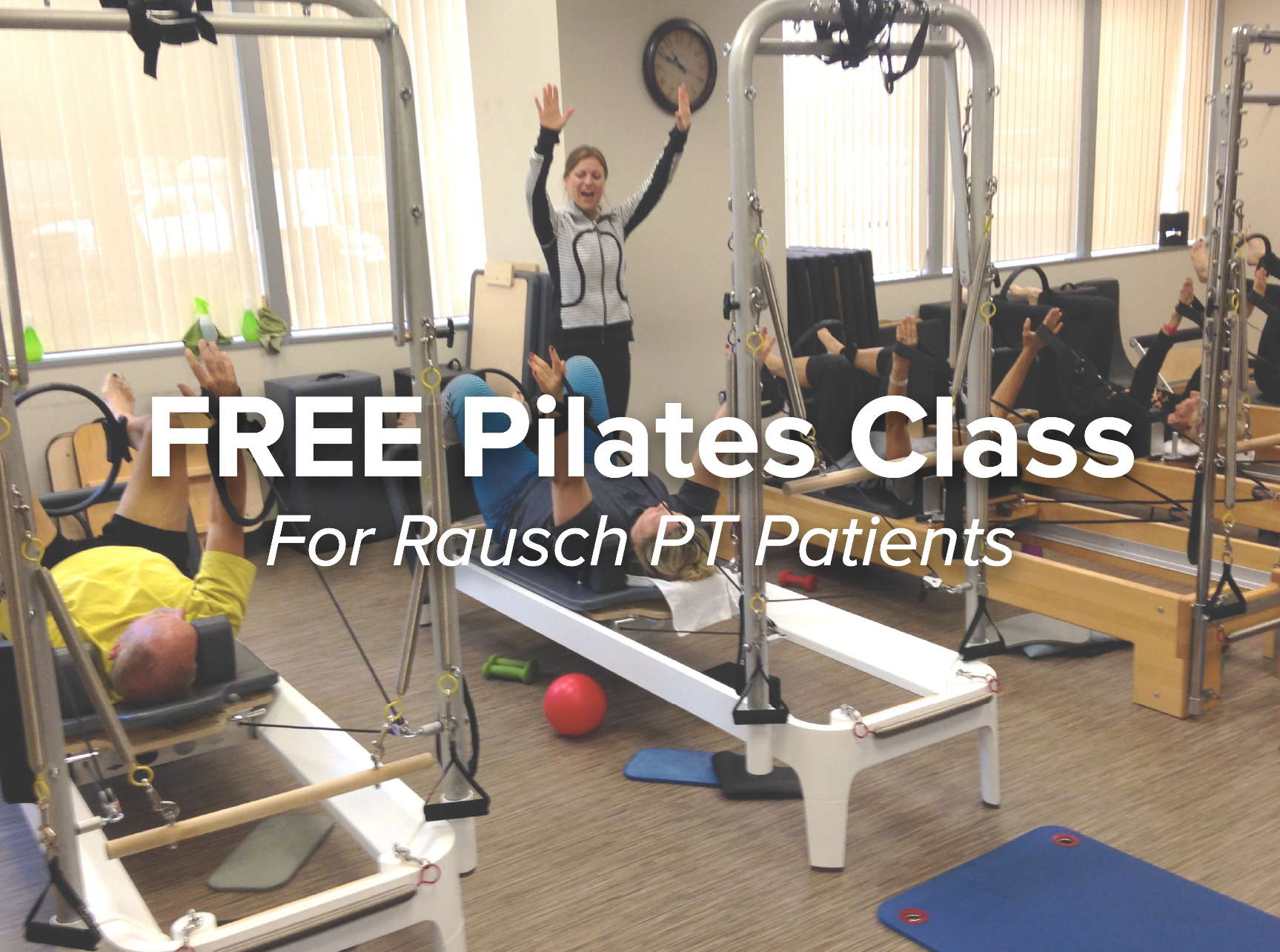
Did you know? Pilates is GREAT for rehab! Rausch PT incorporates Pilates-based exercises into almost every patient’s therapy, so our staff takes monthly classes at ABC Pilates to learn correct form and new moves.

ABC Pilates is a friendly, full-service Pilates studio located inside the same suite as Rausch PT. Our physical therapists have a direct line of communication with all ABC Instructors, so whether you’re looking for continued care to keep you healthy and strong, or you want to supplement your rehab with some Restorative Pilates or Yoga, you can rest assured you’re in good hands.

Rausch PT patients get one FREE, 30-minute class at ABC Pilates!


First Tuesday (12-12:30 PM) & Saturday (11:30 AM – 12 PM) of the month

    • Learn the basic Pilates principles and key starter exercises
    • Learn how to safely use the equipment (Reformer, Chair, Tower, etc.)
    • Tour the studio and learn more about all ABC Pilates has to offer


Having trouble with our form? You can also sign up for class by calling us at (949) 305-3310 or emailing julianne@abcpilates.com.


Why Early Sport Specialization is Unhealthy and Ineffective


Is early sport specialization actually hurting your child’s chances at a college scholarship?

Early sport specialization continues to be a troubling trend in youth sports, despite research and studies showing it is actually more detrimental to a young athlete’s elite athletic goals than it is helpful. Ashley Heller, PT, MPT unpacks the numerous problems associated with early sport specialization and provides solutions for how to set your child up for success in high school and college athletics.

Blog-Ash
BY ASHLEY, PT, MPT, RAUSCH PHYSICAL THERAPY

Originally published: 4/25/17

We all know top universities want students who have the best grades, best athletic ability, and who are well-rounded with extracurricular activities. Even if you do get an acceptance letter, tuition hikes have students and parents concerned about how to pay for higher education. To ease the burden of student loans, a popular strategy is to get an athletic scholarship.

The pressure on young student-athletes to be the absolute best in their sport to increase their chances of getting into and paying for college is astounding, to the level that it has actually changed the way our society approaches youth athletics. Instead of having our kids play multiple sports in seasons and involving them in a variety of extracurricular activities, parents are encouraging their children to focus on only one sport year-round–all in hope they’ll become good enough to earn athletic scholarships.

However, this alarming trend of “early sport specialization” can actually have more drawbacks than benefits, and it’s happening at a younger and younger age as college competition continues to rise.

Cons of early sport specialization

Negative effects on grades, socialization–and your bank account

When a child “specializes” in one sport, their life (and their parents’ lives) revolves around it. Between club practice, high school practice, individual coaching and training sessions, etc., kids have little time for other things. This can have a detrimental effect on their academic performance, as well as limit their involvement in social or extracurricular activities. This often leads to burnout before they even reach high school.

Not to mention the cost of early sport specialization! All those private lessons, club teams, tournaments, travel costs, and specialized coaching adds up quick. Realistically, parents may spend more money on early sport specialization than what can even be awarded in scholarships.

The cold truth is that studies show that only 0.2% to 0.5% of U.S. high school athletes make it to the professional level. Ultimately, pressuring kids to specialize and overtrain at an early age will not make up for innate athletic talent.

Increased risk of injury

In addition to academic, social and financial issues, early sport specialization is also associated with increased risk of injury. Flexibility, mobility and coordination are all affected during and after growth spurts. Trying to specialize a child while they are still growing can lead to strength imbalances and movement pattern deficits, which can result in breaks, tears and sprains.

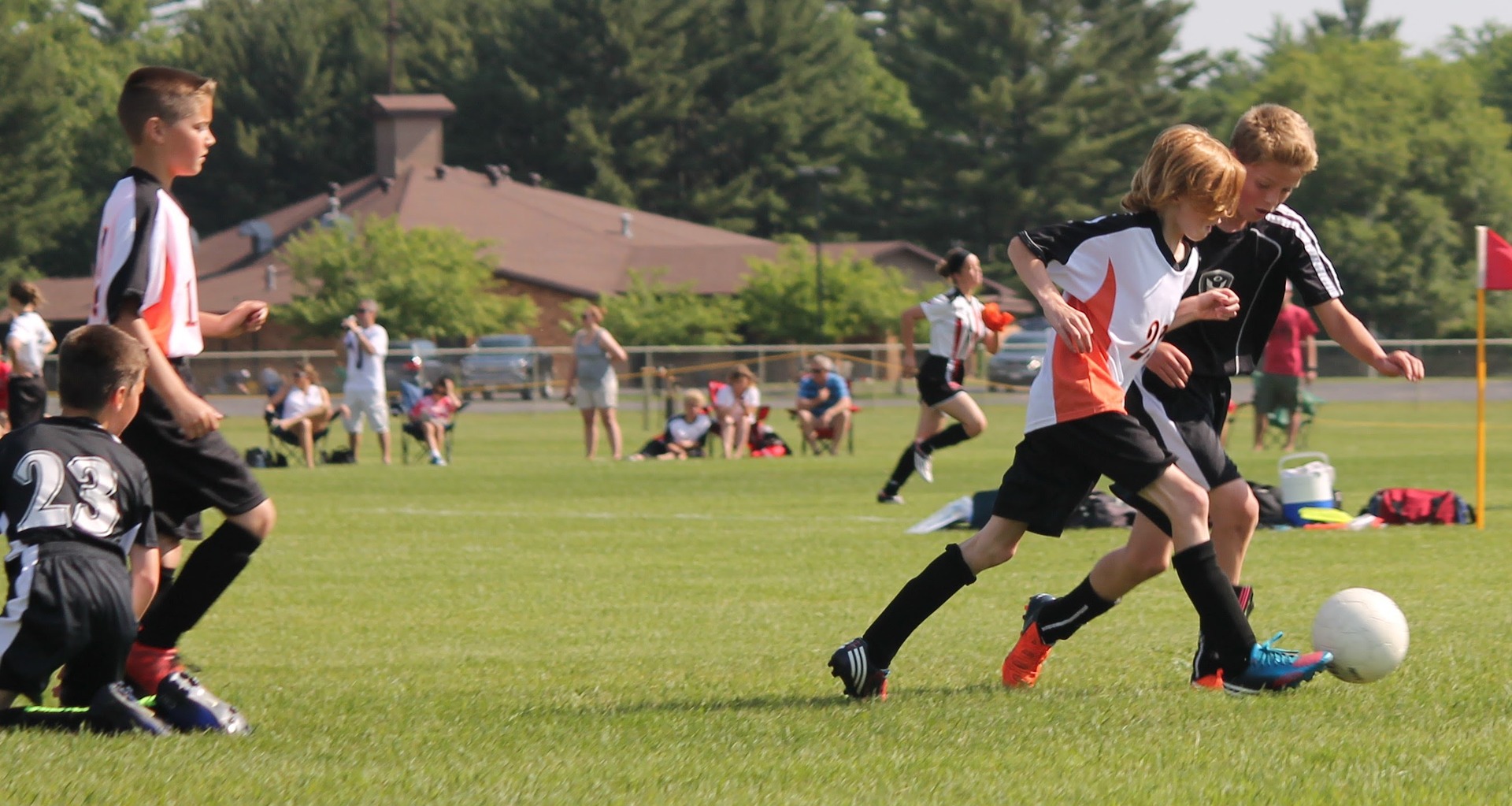
Year-round practices and games lead to overloading joints and the creation of repetitive, faulty movement patterns, which can result in overuse injuries. Studies indicate that risk of overuse injuries increases significantly when the number of hours spent training weekly exceeds the child’s age. Unfortunately, its the common and avoidable overuse injuries that plague youth sports–“little league elbow” in pitchers, shoulder instability in swimmers, and Osgood-Schlatter’s or Sever’s Disease in soccer players–that often stop collegiate or professional athletic dreams in their tracks.

Pros of sport and activity diversity

Early multisport participation has many benefits for youth athletes.

  • It creates a solid motor skill foundation–coordination, balance, proprioception, motor planning and strength–which translates to athletic success and overall good health later in life
  • It helps prevent burnout if the athlete plans to compete at a higher level
  • It will promote motor skill development and improve their overall athletic skill when they reach the appropriate age (typically late-adolescence, around 16 years old) to specialize in one sport

Sports diversification is even more important now in our tech-driven society. Kids are spending more time in front of screens and less time playing outside. Outdoor “free play” is critical for young motor skill development, which is the foundation for building athletic skill. So, if you want your kids to be great at sports, get them outside early and often! They’ll develop a variety of movement patterns that will help reduce the risk of overuse injuries and improve their overall athletic ability.

The importance of cross training for one-sport athletes

If your child is at the appropriate age and specializing in a specific sport, please consider adding cross training to their training regimen. Cross training helps:

  • Prevent overuse injuries by providing rest to heavily trained muscle groups, which is extremely important for muscle rejuvenation and tissue health, and encouraging different movement patterns
  • Complement strength training to reduce strength imbalances and improves overall core stability and power
  • Minimize fatigue, enhance flexibility, and build endurance


Final Thoughts

If your goal is to be a collegiate or even professional athlete, this article is not meant to discourage you! I want to give you insight into what it takes to achieve this level of athletic ability while avoiding injury.

Here are some final thoughts to take away:

  • The appropriate age for sports specialization is around 15 to 16 years old for most sports
  • Not all high school athletes will be college or professional athletes, so manage your expectations
  • Sports are supposed to be fun! If your child is getting tired of their sport, let them try something new
  • Youth athletes should be encouraged to participate in a variety of sports to develop a good foundation of motor skills
  • Cross-train to become a well-rounded athlete and to avoid overuse/overtraining injuries

And if this article still hasn’t convinced you, the NCAA website includes in its NCAA Sport Science Institute resources and materials section Consensus Statement by the American Orthopaedic Society for Sports Medicine which states:

Background: “Early sport specialization is not a requirement for success at the highest levels of competition and is believed to be unhealthy physically and mentally for young athletes. It also discourages unstructured free play, which has many benefits.”

Results: “The primary outcome of this think tank was that there is no evidence that young children will benefit from early sport specialization in the majority of sports. They are subject to overuse injury and burnout from concentrated activity. Early multisport participation will not deter young athletes from long-term competitive athletic success.”

Conclusion: “Youth advocates, parents, clinicians, and coaches need to work together with the sport governing bodies to ensure healthy environments for play and competition that do not create long-term health issues yet support athletic competition at the highest level desired.”

So, let’s shift our approach to youth sports and be smarter when it comes to our children’s health and well-being. By encouraging your child to play multiple sports, managing your and their expectations, and incorporating cross training, you can set them up for success to achieve their athletic and academic goals and thrive both on and off the playing field.

[framedbox]

References & Additional Reading:

[/framedbox]


StaffHeadshot-Ashley2Ashley Heller, PT, MPT is a licensed physical therapist at Rausch Physical Therapy & Sports Performance. She received her Masters of Physical Therapy degree at California State University, Long Beach and is passionate about working with patients with shoulder, knee and ankle injuries. With background in orthopedic-related injuries and post-operative rehabilitation, Ashley believes that the combination of manual therapy and personalized therapeutic exercise program is vital to recovery. Known as the Water Sports PT, Ashley says her goal is to help her patients better understand their injuries and the plan for their road to recovery.

Click to learn more about Ashley and our other physical therapists »


Your Prescription to Wellness in 2017


In the past, physical therapy has primarily been a field of reactive treatment for an issue, a way to get you back to good health. But is that really the best way to take care of your well-being? Kevin Rausch, President and Owner of Rausch Physical Therapy & Sports Performance, shares his new vision for the future of PT to better serve YOUR health and wellness.

KR-BLOG
BY KEVIN RAUSCH, PT, PRESIDENT OF RAUSCH PHYSICAL THERAPY

During Christmas dinner this year, I overheard my son ask his uncle (my baby brother, the L.A. firefighter,) “How do you put out a fire?” My brother quipped back, “You just put the wet stuff on the red stuff!” Being eight, my son smiled and ran off, satisfied with his uncle’s answer—but I wasn’t.

In my humble opinion, the best way to stop a fire is to never let it start in the first place.

The Past

From IT band syndrome to shoulder surgeries and all sorts of aches, pains and strains in between, our physical therapists have been successfully “putting out fires” that threaten our patients’ well-being for the past 10 years now. Our clinic’s focus on manual therapy combined with the latest-and-greatest rehabilitation technology has been the key to helping thousands of people recover from traumatic and chronic injuries. We’ve helped IRONMAN athletes rehab after muscle tears, fixed marathon runners’ form to combat knee pain, and corrected “armchair athletes” posture to beat the 9-to-5 grind. Whoever you are, our mission has always been to get you better, faster, so you can get back to doing what you love.

But with the passing of Rausch PT’s 10th anniversary this year, I’ve been thinking about our next 10 years and how we can continue to revolutionize the field of physical therapy to better care for our patients’ health and wellness. No doubt, we’re very good at getting you better after an injury, but considering the current state of our healthcare system, I’ve come to believe that this traditional way of dealing with injuries is outdated. We’ve just been putting wet stuff on the red stuff.

Prevention, Not Reaction

To better illustrate my point, let’s compare the different approaches of these two athletes:
[one_half][framedbox]John is getting ready to race his first triathlon, so he puts all his time and energy into his strenuous training schedule. But after a month of tough training, he suffers a fracture. So, he hobbles into urgent care to be seen by a doctor who has never run a mile in his life. He takes one look at John and sends him off to get an X-Ray. After the results get back, he’s off to see an orthopedic surgeon, who also has never raced in her life, to schedule his surgery. Finally, six weeks after John’s injury, he finds himself in physical therapy. SIX WEEKS LATER, and it’s the first time someone’s put their hands on him to work out the tissue injuries, stretch out the tightness, and strengthen the weakness so he can begin to heal. If John works hard in PT (and if his health insurance company doesn’t limit his visits—which is a big “if”) he’ll make a full recovery in a few months. But, unfortunately for John, race day has long come and gone.[/framedbox][/one_half]
[one_half_last][framedbox]Jane is also getting ready to race her first triathlon, but her first step is to go get a run form analysis done by her physical therapist, an expert in biomechanics. He fixes a few issues with her gait, then clears her to start her training program. Jane schedules in physical therapy every other week for muscle maintenance and recovery, and when she starts to feel a slight pain in her foot she immediately makes a PT appointment. Her physical therapist spends a little more hands-on time with Jane and has her train on the AlterG® Anti-Gravity Treadmill® for a week until she’s back to 100 percent. Jane’s race ready on the day of her triathlon and is all smiles across the finish line.[/framedbox][/one_half_last]

Now, wouldn’t you agree that the more effective way of dealing with the “fire” (in this case, an overuse injury) is Jane’s approach: preventing it? I think so, professional athletes think so, and I believe that YOU should, too.

It’s time to stop settling for less because healthcare companies have made you think there’s no other way. Instead, surround yourself with a team that’s always in your corner, that works hard for you, cares about and improves your wellness, builds your fitness, and supports your goals, whatever they may be.

Our Future

I am proud to say that for the past year, our team here at Rausch PT has been hard at work figuring out better ways to face fires before they can flare out of control; something that gives you a chance to act before it’s too late; a way to take care of yourself, better than ever before.

In 2017, you’ll see the launch of our Rx Wellness Membership Program, and like it’s name suggests, it’s been carefully designed with your overall wellness and health in mind. From physical therapy and massage to fitness, nutrition, and so much more, this membership is a holistic option to not only help you get healthy, but stay healthy. It’s your prescription for wellness.

Of course, Rausch PT will always be here for you on your road to recovery after unavoidable injuries and surgery; it’s what we do best. We’re just ready to take our role as care provider one step further to wellness coordinator. After all, YOU is what it’s all about, and if we can keep you healthy, then you can battle everything life throws your way, in 2017 and beyond.

We’ve already built a specialized team for you here at Rausch PT, all you have to do is join us.

To Your Health,


Kevin RauschAs the president and founder of Rausch Physical Therapy & Sports Performance, Kevin Rausch, PT, MPT takes great pride in the care of every single patient he treats. Kevin specializes in sacroiliac joint dysfunctions, running and cycling injuries, and return-to-sport planning for athletes. Since the first day he opened his clinic in 2006, Kevin has strived to provide the best in care, service and technology so as to strengthen his patients’ total body health and get them back to doing what they love.

Find Kevin on Google+

Should I Exercise While I’m Sick?


Feeling under the weather but still itching to hit the gym? Jonathan Meltzer, DPT explains how to know when you should just stay in bed and shares tips for how to modify your workout routine if you’re up for it.

JM-BLOG
BY JONATHAN MELTZER, DPT, RAUSCH PHYSICAL THERAPY

Winter always seems to bring on the flu and many other illnesses, whether it be the change in weather, traveling, or other end-of-year stressors. At the same time, there’s also plenty of holiday dinners and parties to enjoy, which means a ton of decadent food and drinks to gorge on for two months straight. So, come New Year’s Eve (or maybe the morning after a particularly indulgent party) we vow to start an exercise routine to combat the holiday weight gain.

But what happens if/when that nasty cold or flu hits? Should we stay inside and let it pass, or get to the gym and work it off?

How to Know When You Should and Should NOT Exercise When Sick

Exercising when you’re sick usually depends on if you have a cold or a fever, since the two have different symptoms that can affect your body differently during a workout. In general, if you have a cold it’s usually considered okay to exercise. In fact, it may even make you feel better to get out of your stuffy house, work up a sweat, and increase your endorphins with some exercise. Personally I know that when I have a cold, I feel better having done some light exercise because it makes me feel like I’m getting back to normal. Of course, the level of activity will depend on how sick you are feeling and how much you think you can handle that day.

On the other hand, if you have the flu or a fever you should put your workout plans on hold until the fever passes. When you exercise, your internal body temperature increases, which can make you sicker if you have the flu. If your fever is about 101 degrees, it is highly recommended that you do NOT exercise due to the risk of heat stroke.

Here’s what Neil Schachter, MD, medical director of respiratory care at Mount Sinai Medical Center in New York has to say in The Good Doctor’s Guide to Colds and Flu:

A neck check is a way to determine your level of activity during a respiratory illness. If your symptoms are above the neck, including a sore throat, nasal congestion, sneezing, and tearing eyes, then it’s OK to exercise. If your symptoms are below the neck, such as coughing, body aches, fever, and fatigue, then it’s time to hang up the running shoes until these symptoms subside.


Tips for Exercising When You’re Sick

If you’re managing your symptoms with medication and feel up for a workout, I’d recommend you consider these tips for exercising when sick:

  • Follow a workout video at home to avoid spreading germs.
  • If you do hit the gym–wash, wash, wash your hands!
  • Reduce the intensity and duration of your workout (e.g. Go for a walk instead of a run.)
  • Do a light elliptical workout for 20-30 minutes.
  • Try light circuit weight training, with more repetitions and less weight.
  • IMPORTANT! You absolutely must hydrate to compensate for sweat loss and sickness.


What to avoid while sick:


  • Vigorous intense workouts
  • Working out for longer duration than your normal routine
  • Exercising with a fever


The Best Workout Plan to Boost Immunity

Of course, the best solution to this whole dilemma is to avoid getting sick at all. According to Schachter, thirty minutes of regular exercise three to four times a week has been shown to raise immunity, so why not give that exact plan a try? Not only will you feel and look good from keeping a consistent exercise routine, but you’ll also steer clear of those annoying winter illnesses.

This holiday season, give yourself the gift of getting healthy before you get sick, and you’ll stay on track with all your fitness goals in 2017 and for many years to come.


StaffHeadshot-JonJonathan Meltzer graduated from the University of Redlands with a bachelor of arts in biology and a minor in physical education. Following graduation, Jonathan discovered his passion for physical therapy while working as a Physical Therapy Aide. After graduating top of his class from Loma Linda University in 2012 with a Doctorate in Physical Therapy, Jonathan began his career at Rausch Physical Therapy and Sports Performance. Jonathan’s goals are to identify limitations and treat his patients with the most recent and innovative techniques in order to maximize functional independence and obtain his patients’ individual goals.

Click to learn more about Jonathan and our other physical therapists »


The Myth of the “Ergonomic Workplace”


BY KEVIN CAPATA, DPT, RAUSCH PHYSICAL THERAPY

Should I get a standing desk? Do I need a chair with a lumbar-support cushion? Is it okay to cross my legs? How can I keep correct posture for eight hours at work!?

As a physical therapist, my patients ask me these types of questions far too often. I can understand why; we’ve heard that sitting at a desk all day is (literally) killing us, we can feel the aches and pains of the 40-hour work week, and we want a quick fix. Enter: “The Ergonomic Workstation”—the latest “solution” to the daily grind.

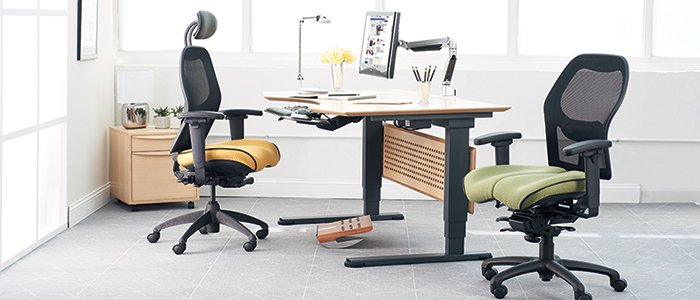
We’ve all heard or read about the ideal “ergonomic” setup for your office, and people will spend hundreds of dollars on products to achieve it. Try a treadmill desk. Swap out your chair for a stability ball. Get an ergonomic keyboard. Sit up straight… no, lean back… NO, stand up! From desk accessories to office furniture, my patients are buying anything that promises to alleviate their poor posture and the pain that comes with it—but is this money well spent?

The Myth of the “Ergonomic Workplace”

Now, I believe that ergonomic products are great in theory, and yes an “ergonomic” set up at your office may help correct some “poor” posture during your workday. But as a physical therapist, I’m here to let you in on a secret: it doesn’t really matter what kind of chair you use or how you sit at your desk; what matters is YOU.

Yep, when it comes down to it, the ergonomic workstation is a myth. The truth is, being desk-bound and sedentary is what’s killing us.

When you’re at your desk for hours, it doesn’t matter how you’re sitting, or if you’re standing, or even if you’re walking on a treadmill—if you do the same movement or hold the same position for a prolonged period, it’s unhealthy. You can be sitting in the most ergonomic chair money can buy, but if you sit in it for hours at a time, your body will adapt and struggle to function when you’re no longer in that position, which is why you feel that soreness, stiffness and pain.

So yes, always sitting hunched forward at your computer is bad, BUT always sitting stick straight is not great either. Maintaining ANY position all day, every day is not good for you! As biomechanist Katy Bowman puts it in one of my favorite books, “It’s not the load that breaks you down, it’s the way you carry it.”

DID YOU KNOW? The Average American is Sedentary for 21 Hours Per Day

In fact, sitting has joined smoking and obesity as a top risk factor for chronic disease. Recent studies show that too much sitting contributes to a host of diseases—from obesity and diabetes to cancer and depression—and literally shortens your life.

Right down to the cellular level, our bodies crave frequent and varied movement. Yet I bet you can count the number of positions you are in throughout the day on one hand:

  1. Walk to your car
  2. Sit while you drive, at work, for meals, while watching TV…
  3. Lie down to sleep

In total, Americans are sitting an average of 13 hours a day and sleeping an average of eight hours, resulting in a sedentary lifestyle of around 21 hours per day. Sure, maybe you squeeze in a trip to the gym, but when you think about it, a sedentary lifestyle plus an hour of “exercise” is like eating candy and junk food all day, then deciding to have an apple for dinner!

The British Medical Journal claims that reducing the average time you spend sitting to less than three hours per day could increase your life expectancy by two years, but that’s definitely easier said than done considering that 13-hour average. So, what can we do to get—and stay—moving?

Stay Moving, Stay Healthy

It’s time to forget this notion that there’s one “best” work setup or posture; instead realize that the best position is your next position. Get up. MOVE. Change positions. Get into a new posture that you haven’t tried in a while. You don’t have to allow your environment to determine how you interact with it.
[framedbox]
[styled_title size=”2″]Kevin’s Three Rules for Avoiding Sitting[/styled_title]
Bound to your desk? Here are three rules to remember throughout your workday to help restore proper function to your tissues and muscles and combat sitting at work:

  1. For every 30 to 45 minutes of sitting, you should do five minutes of stretching or mobilization exercises
  2. Set an alarm for every 20 to 30 minutes to remind you to change positions. We all have smart phones, so no excuses!
  3. Find alternative positions to work in (e.g. kneel/stretch in front of your desk, use a headset and pace while on the phone, etc.)

EXAMPLES OF ALTERNATIVE WORKING POSITIONS:>

[one_fourth]

KNEELING

Place a towel under your knee, and alternate every few minutes.[/one_fourth][one_fourth]

<

HIGH/LOW CHAIR

Stand, then sit and hang one leg off at a time, switching sides every few minutes[/one_fourth][one_fourth]


STANDING

Try putting one leg on a small stool or box, and alternate every few minutes.[/one_fourth][one_fourth_last]


STRETCHING

Stretching while working is a great way to maintain productivity.[/one_fourth_last]

[/framedbox]

Apply this mantra to everything you do throughout your day. Been standing up for a while? Sit down. Sitting down? Stand up! Lay on your stomach while you’re watching TV, sit cross-legged while you read, stand on one foot while you brush your teeth. If you have kids, just watch how they move and how often they move, then imitate them for once.

To borrow again from Katy Bowman: “Exercise is movement, but movement is not always exercise.” Let’s change that! Make the decision to consciously create more movement in your daily life and you can exercise all day long. Instead of thinking of a 30-minute gym workout as your “exercise” for the day, recognize the fact that taking out the trash, choosing stairs over elevators, or jogging down the hall to talk to a colleague are all forms of daily “movement,” and movement is what your body truly needs to function properly.

By transforming your “exercise routine” into a daily “movement practice,” you can drastically decrease those creaks and pains that supposedly show up one morning out of nowhere. Don’t get me wrong, we are human and our bodies will breakdown. Still, I can tell you that by focusing on a daily movement practice, you’ll lower your risk of throwing out your back while doing a mundane task like taking out the trash.

Conclusion

Healing our country’s addiction to a sedentary lifestyle starts with a culture shift within the workplace. We need stop fearing that it’s taboo or unacceptable to leave our desks and move around. We shouldn’t feel weird doing exercises at our desk or standing during a long meeting. And if you are struggling to conjure up ways to get out of your chair and still maintain productivity, ask your PT for help! As movement experts, physical therapists can assess your work/home-life setup and create a personalized movement practice to help alleviate aches and “chronic” pain, and ultimately extend your life.


K2Kevin Capata, PT, DPT, CSCS is a licensed physical therapist at Rausch Physical Therapy & Sports Performance. After receiving his Doctor of Physical Therapy degree at Columbia University, Kevin started his career at Rausch PT, where he used to work as a physical therapy aide. Now, Kevin enjoys helping his patients recognize and fix movement faults to help them overcome their injury or pain, as well as empowering them with the knowledge and tools to prevent re-injury or potential new injuries.

Click to learn more about Kevin and our other physical therapists »



How to Stay Mentally Healthy While Recovering From Physical Injury

Blog-Ash
BY ASHLEY, MPT, RAUSCH PHYSICAL THERAPY

We all have our own ways of coping with grief, especially when it comes to injury. Attitude can have a huge effect on your perception, your outlook and your overall motivation to get better. Most of us are familiar with Kübler-Ross’s Five Stages of Grief, however many people don’t realize how applicable it is to the injury, rehabilitation and recovery process.

While not everyone experiences all of these stages, each patient certainly goes through denial, anger, bargaining, depression and/or acceptance at some point when recovering from a big injury. As a physical therapist, I’ve seen firsthand how injury rehab can be just as tough mentally as it is physically, and sometimes even more so. By recognizing and understanding how the stages of grief manifest during your recovery after an injury or surgery, you can take control of your mental well-being and make physical therapy less stressful and more successful.

Stage 1: DenialDenial


What it looks like:
  • You deny the severity of your injury by telling yourself, “It’s not that bad.”
  • You try to seek out the “quick fix” to get back to what you love doing as soon as possible.
  • You avoid going to the doctor because you don’t want to hear bad news, or you seek second and third opinions because the doctors are telling you something you don’t want to hear.
  • You assure yourself you can fix the pain on your own, saying, “I got this, I don’t need any help, just have to rest for a few days…”


What you can do:

Stop wasting time and get a diagnosis. If an injury does not get better in one month, stop putting off your recovery and go get it checked out by your physician or physical therapist. Getting a diagnosis is the first crucial step in moving forward with your recovery and feeling better, so why wait?

Stage 2: Angeranger


What it looks like:
  • You’re angry that you can’t play your sport or do your normal activities because of pain.
  • You may need help doing everyday tasks, and you’re upset that you’ve lost your independence.
  • You’re a frustrated athlete and you think, “This is taking too long, I have a big game next week!”


What you can do:

Stay positive. Lean on your support system—between your family and friends, your doctor, your physical therapist and your physical therapy aides, you are not alone. I constantly remind my patients, “I know this is difficult, but I’m in this with you. We are here to help, we are here to listen, and we are here to get you there.” When you’re angry and frustrated, avoid being impulsive, giving up on the rehab process, or comparing yourself to other patients who may be progressing quicker than you. Trust the process, and trust your physical therapist.

Stage 3: Bargainingbargaining

Typically, athletes are not the most patient patients, as they often experience pressure from coaches, parents, teammates, and themselves to return to playing as quickly as possible.

What it looks like:
  • Obsessively asking, “When can I go back to playing?”
  • Looking for the quick fix, cutting corners, or simply pushing through pain
  • Asking “What else can I do to recover faster?” instead of taking the time to focus on a full, complete recovery

Getting stuck in the bargaining stage can be detrimental to a successful recovery because you will either prolong or cut the process short, ultimately resulting in re-injury, chronic pain, or even bigger issues in the future.

What you can do:

Be patient! Establish a cohesive plan with your physical therapist that consists of smaller, achievable goals as steps towards your ultimate goal. It’s also important to be consistent with your physical therapy program and at-home exercises to continue progressing forward.

Stage 4: Depressiondepression

While recovering from an injury or surgery, patients may fall into some level of depression as they face new challenges, such as losing your independence after surgery or losing your sense of self if you’re an athlete.

What it looks like:
  • Feeling helpless.
  • Feeling hopeless or doubtful; thoughts of, “Will this ever get better?”
  • Fear of letting your parents, coaches, or team down.
  • Experiencing post-traumatic stress disorder (PTSD), or being afraid of re-injury.


What you can do:
  • Ask questions. Be an active participant in your recovery by educating yourself to better understand your injury and the specific recovery process for that injury. This will empower you, as well as help you be patient and trust in the process. Understanding the “What, Why, and How”s is key to compliance and success.
  • Ask for help. It’s imperative to recognize these thoughts or feelings of depressoin, and to address them with your physical therapist and/or someone you trust.


Stage 5: Acceptanceacceptance


What it looks like:

No two injuries or recoveries are identical, as every person is different and there are many factors that influence recovery process. Taking responsibility of your recovery is empowering and motivating.

  • Coming to terms with where your body is currently during your recovery.
  • No longer comparing yourself to others.
  • Accepting of where you are at in your own process and focused on moving forward.


What you can do:

Take charge of your recovery. Consistency is the key to success; progress in injury rehabilitation requires consistency with regular physical therapy sessions in addition to doing your exercises independently at home. Take advantage of the tools available to you to manage your recovery daily, and you’ll be back to your regular activity before you know it.

Staying Healthy Mentally While Recovering Physically

Suffering from an injury can have a negative impact on your attitude and mental health, which left unchecked can effect your performance and success when trying to heal. Being honest with yourself and maintaining a positive attitude after any injury or surgery will greatly increase your chance of a full, successful recovery and ultimately help you grow as an individual.

Images designed by Freepik


StaffHeadshot-Ashley2Ashley Heller, MPT is a licensed physical therapist at Rausch Physical Therapy & Sports Performance. She received her Masters of Physical Therapy degree at California State University, Long Beach and is passionate about working with patients with shoulder, knee and ankle injuries. With background in orthopedic-related injuries and post-operative rehabilitation, Ashley believes that the combination of manual therapy and personalized therapeutic exercise program is vital to recovery. Known as the Water Sports PT, Ashley says her goal is to help her patients better understand their injuries and the plan for their road to recovery.

Click to learn more about Ashley and our other physical therapists »


Health Care Companies Don’t Care About Your Health

You are wasting your money, and you’ve been at it for a while now.

I’m talking about health insurance. Legally everyone has to have it, but really, what has your health insurance done for you lately? Odds are: not much.

The Issue with Insurance

Most people won’t get through their deductible this year, and a large population won’t even see a specialist at all. So, if you paid your $1000 monthly premium (the average family price) and were relatively healthy this year, you’ll have paid your insurance company more than $12,000 with little-to-no benefit in return (And remember, health insurance is not like cell phone minutesthere are no roll-over programs for unused premiums.) This scenario is exactly what your health insurance company hopes will happen.

Every day you are inundated with television commercials, social media ads and mailers sent to your home from big health insurance companies, such as UnitedHealthcare, Kaiser and Blue Cross. They want your premium, and it must be pretty big business since these companies spend hundreds of millions of dollars just to get little ‘ol you as their client. Obviously you’re valuable to them, and they clearly want you as a member, so why do they make it so difficult for you to actually use your benefits once you are a member?

The Cyclist and the Insurance Company

Quick story. Most of you know that Rausch Physical Therapy is the premiere place to rehab injured cyclists in Orange County. Well, we recently had a patient fresh off knee surgery (Let’s call him Joe.) Joe’s a young guy, great cyclist, and he was more than eager to get on the road to recovery so he could get back on the road—an ideal physical therapy patient. There was just one issue: Joe’s insurance. UnitedHealthcare only allotted Joe six PT visits post-surgery. That’s it! Six visits gets him three weeks of therapy; that’s barely enough time to get Joe to bend his knee all the way, let alone get him back on the bike.

Now, here’s the kicker: his insurance company, UnitedHealthcare, has its own professional men’s and women’s cycling teams. That’s right, UnitedHealthcare pays $10 million every year to put its name on a blue cycling kit, but refuses to pay for the PT Joe the Cyclist needs to get back to cycling. Joe’s monthly premiums help UnitedHealthcare pay for its sponsorship costs, and in return UnitedHealthcare limits Joe’s coverage. How is UnitedHealthcare taking care of Joe’s health at all in this situation?

How Insurance Companies “Manage” Your Care

To be fair, UnitedHealthcare is not the only offender in this insurance game. Recently Anthem Blue Cross (BC) sent out letters to its constituents notifying them that it had hired a company called OrthoNet to help manage their physical therapy benefits. Reading between the lines, “help manage” really meant “to help limit your right to direct access to PT and the benefits you pay for each month.” Luckily for BC members, this plot never had the chance to come to fruition because OrthoNet has been sued and brought up on charges in other states for arbitrarily limiting benefits to the members it had been hired to “help manage.”

So, why would BC hire such a bad egg? What was in it for them? Combine the OrthoNet debacle with Joe’s story, and it suggests that it turns out your health insurance company is not really interested in your wellness, but rather in its bottom line. Health insurance should not be this way! The people whose hands you put your life (and money) in should be about supporting and restoring your health, plain and simple.

Okay, Quick Recap…

  • You have to have health insurance.
  • Companies spend millions of dollars made up of your paychecks to try to get new clients instead of to pay for your care.
  • They don’t want/plan to actually pay for your health care, and they will try whatever it takes to not pay the providers that do care for you.


How to Beat the Insurance Game

Now I know this sounds like a lot of negativity, and sometimes it’s overwhelming to think about the frustrating state our health care system is in. However, there are a few things you can do to fight for your health and improve your well-being.

  1. Think ‘prevention’ and avoid unnecessary copays. Exercise every day, do yoga every week, get a massage every month, and eat well at every meal.
  2. Never let your insurance limitations limit your care. Most providers genuinely care about their patients’ well-being, and they will try to come up with a way to work around your insurance issues, such as a cash pay discount.
  3. Get the care you need, then demand payment from your insurance. While your provider will do its best to help, ultimately it’s up to YOU to get payment from your insurance company. As their client you’ll have a lot more pull in that conversation.
  4. Report any insurance issues to the California Department of Managed Health Care. Don’t be shy; these guys are here to help, and it’s the only way your insurance company will ever be held accountable. Click here for the forms you need to file a complaint.

So be proactive. Nurture your wellness daily, and demand access to the care you pay for and deserve. Don’t be intimidated by your insurance company; we’re here to help.

All the best to you and your family this holiday season and upcoming year.

Stay healthy and run faster,

Inbox-35061-messages-1987-unread


StaffBioPage-KevinAs the president and founder of Rausch Physical Therapy & Sports Performance, Kevin Rausch, PT, MPT takes great pride in the care of every single patient he treats. Kevin specializes in sacroiliac joint dysfunctions, running and cycling injuries, and return-to-sport planning for athletes. Since the first day he opened his clinic in 2006, Kevin has strived to provide the best in care, service and technology so as to strengthen his patients’ total body health and get them back to doing what they love.

Find Kevin on Google+


Lessons From Hiking Whitney

Mount Whitney is the highest peak in the lower 48  boasting nearly 15,000 feet in elevation, and second only to Mount McKinley in Alaska. Starting from the Whitney Portal, the hike is 10.7 miles to the summit. I recently had the opportunity to hike Mount Whitney, and it was an amazing experience. If you ever get the chance, do it! The beauty of the mountain is unreal, and the physical and mental challenges are unlike anything I have ever experienced.

Here are four tried and true tips for my fellow adventurers who are interested in hiking Mount Whitney:

    1. Get an early start. It’s recommended that hikers reach the summit by noon, so we started at 3 a.m. Early, I know, but I’d suggest the same start time to other hikers; it gives you time for rest breaks, puts you ahead of the crowds (trail congestion increases as the time gets later), helps you avoid bad weather on the summit, and gets you back down the mountain before nightfall.
    1. Bring water. 4-5 liters should be plenty, but water-needs depend on body size and fitness level.
    1. Find the right equipment. Hiking poles: absolute must. Hiking boots? A bit too much; a good pair of trail shoes did the trick for me. Also, I did this hike in July, so while I wore hiking pants, next time I’d just wear running tights. Layers are the key to comfort—tank top, long-sleeve shirt, jacket. Weather conditions vary depending on the time of year, which will effect your footwear and clothing choices. Ultimately, wear what you’re accustomed to hiking in.
      *I suggest doing a few training hikes in the gear you’re planning on wearing; that’s how I discovered the boots I’d planned on wearing were actually a horrible choice and avoided sore toes and blisters.*
  1. Last and most importantly: altitude sickness is REAL. Unfortunately, I wasn’t able to go as far as I wanted to  because I started experiencing symptoms of altitude sickness—a very real and dangerous thing when hiking at high-altitude.

The Deadly Truth About Altitude Sickness

There are two primary forms of altitude sickness: high-altitude pulmonary edema (HAPE) and high-altitude cerebral edema (HACE). HAPE is fluid accumulation in the lungs, while HACE is fluid accumulation in the brain; both can lead to a coma or death.

HAPE causes the obvious symptom of breathlessness (both with exercise and when at rest.) It can be deadly, especially when the breathlessness progresses to include elevated body temperature and coughing. HAPE has a high mortality rate in the absence of adequate emergency treatment.

HACE causes headache, dizziness, confusion and clumsiness. Drowsiness and loss of consciousness are major indications that HACE has reached a deadly level.

Often, these two conditions occur simultaneously, and again, this is very serious. Once symptoms start, they will progressively worsen and eventually lead to a coma or death. Immediate descent is the first course of action. Supplemental oxygen can be helpful in relieving symptoms and will essentially buy time.

How to Prevent Altitude Sickness

A prescription drug for altitude sickness does exist Acetazolamide (brand name Diamox.) The active ingredient is Dexamethasone, which prevents swelling in the brain and subsequently reduces symptoms. It is recommended that Diamox be taken several days prior to being at altitude as the side effects can be equally as bad and as deadly as the altitude sickness itself.

HACE occurs when your body fails to acclimatize while ascending to a high altitude; to prevent this, ascend slowly to allow the body more time to get used to the altitude. On the other hand, HAPE is difficult to prevent, as we don’t really know what makes some people more susceptible to it than others. Those with sleep apnea should be cautious, as should people who have experienced HAPE before.

Acute altitude sickness and all, it was an amazing trip. I would have saved myself the altitude sickness by training on Hypoxico Altitude Simulation System at the Performance Lab, which is something I will definitely do next time because we are already planning on going back.

[framedbox]Additional Links:


StaffHeadshot-Jessica copyJessica Snyder (PT, DPT, ATC, CSCS) received her Doctor of Physical Therapy degree at the University of St Augustine for Health Sciences – with an emphasis on orthopedics, movement science, and manual therapy. Jessica started her career as a Certified Athletic Trainer working with high school, college and professional athletes. She is also a Certified Strength and Conditioning Specialist (enhancing her ability to build custom strength, stability and performance-centered rehabilitation and return-to-sport programs) and Certified Natural Running Coach. Being a runner herself, Jessica specializes in running-related injuries, including the entire lower extremity. She is also passionate about treating headaches and neck/shoulder pain.