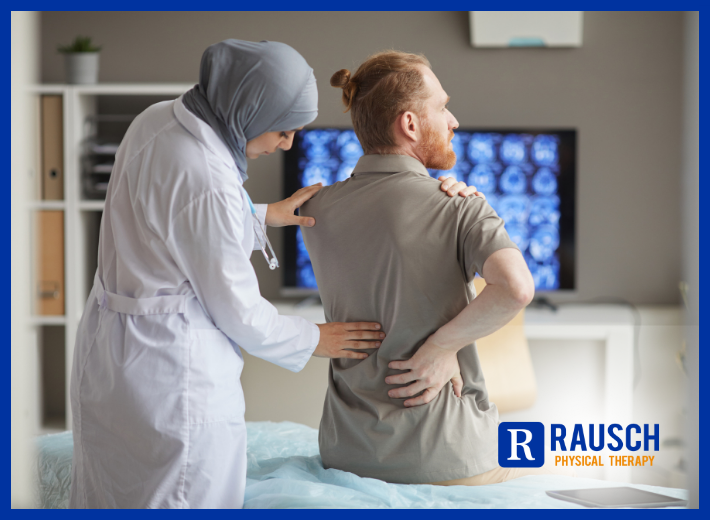
Exploring the Cold Plunge Workout Recovery

Sore muscles after a tough workout? Pushing your limits can leave you feeling achy, but what if there was a way to accelerate recovery? Here we’ll uncover the cold plunge growing trend, examining the potential benefits of taking an icy dip after you hit the gym.  

From ice bucket challenges to polar plunges, people have embraced being doused with or dunked in icy water to raise money for their favorite causes. But can cold water immersion have benefits beyond fundraising?

Research indicates that icy water may have a positive effect on recovery after exercise by reducing inflammation and soreness. It also may help build resiliency, restore balance to the nervous system and improve cognitive function and mood.

What are the basics of cold-water immersion?

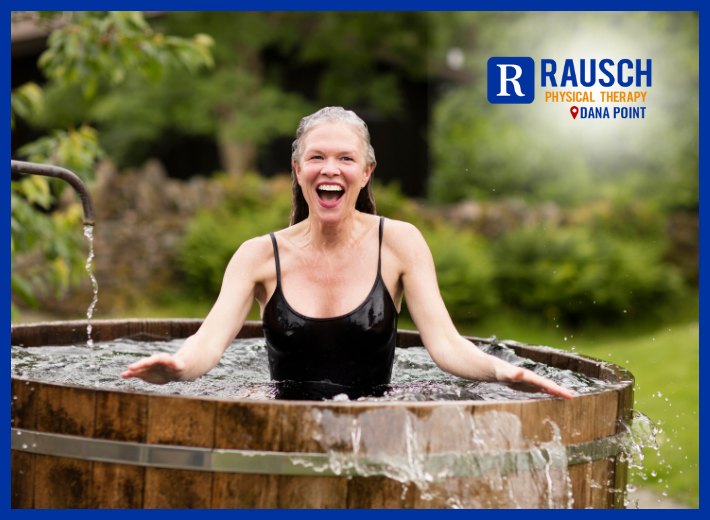
A cold plunge or cold-water immersion involves partially or totally submerging yourself in cold water for a few minutes at a time. It can be as simple as sitting in a bathtub filled with cold water and ice cubes or jumping into a cold lake or the ocean. You also can go to a cold-plunge center or create or buy your own cold-plunge tank, which, if it has all the options, can cost up to $20,000.

Be sure not to plunge into icy waters that have a current, such as a river, to avoid being swept downstream or trapped under ice.

Water should be 50 F or colder. Keep in mind that the water in a frozen lake will be much colder. That’s why it’s a good idea to measure the temperature before you jump in. The plunge can be done as one continuous session or multiple sessions with breaks between the sessions. Typically, cold-water plungers start with 30 seconds to a minute and work up to five to 10 minutes at a time.

Researchers are still determining the optimum process and timing for cold-water immersion sessions.

You can do cold plunging every day. However, if you’re doing it after training, daily plunges could compromise the potential for long-term performance improvements.

What are the benefits for workout recovery or athletic performance?

Research on cold-water immersion has found evidence that it helps reduce the degree of exercise-induced muscle damage that can occur after physically challenging activities. Less damage leads to less inflammation, which in turn reduces soreness and helps restore physical performance the next day.

These benefits may be the result of rapid constriction of the blood vessels due to the cold water. The cold can trigger responses in your body, such as decreased metabolic activity, alterations in hormone production and blood flow, and activation of the immune system.

What are the drawbacks of cold plunges?

The most obvious drawback is the cold and discomfort, although frequent plungers report becoming more comfortable and tolerant of the cold with regular exposure. Depending on the environment, such as plunging into an ice- and snow-covered lake, you also may be at risk for frostbite. Too-long exposure also can lead to hypothermia, so make sure you have towels and warm clothing close at hand if you’re doing cold plunges outdoors.

For athletes, cold-water immersion may affect different types of training in different ways. For those engaged in resistance training, cold water may turn down the molecular signaling pathways that are normally activated after exercise. This may hinder long-term improvements in strength, muscle growth and performance. However, cold-water immersion doesn’t appear to negatively affect endurance training in the same way.

If you want to give cold-water immersion a try, start by consulting an expert, such as a sports medicine specialist, to ensure you’re plunging appropriately and following the right protocol. If you have risk factors associated with cardiovascular disease, such as high blood pressure, check with your primary care provider or cardiologist so you know it’s safe for you to cold plunge.

Ready to optimize your workout recovery? Explore the cold plunge trend and discover a personalized PT program to maximize your results! Remember, we also offer RxMassage support if you need it for recovery and healing. Contact us today at 949-276-5401. You can follow us on TikTok and Instagram for more tips.


Reference: [https://www.mayoclinichealthsystem.org/hometown-health/speaking-of-health/cold-plunge-after-workouts]

Stronger Bones: How PT Can Help Prevent Fractures

Weaker bones shouldn’t hold you back from an active life! Regular physical therapy can strengthen your bones, improve your balance, and reduce your risk of fractures if you suffer from osteoporosis. Read more and unlock the power of movement for a stronger, more confident you!

Osteoporosis is a condition that develops from decreased bone mineral density that causes bones to become thin, brittle, and more susceptible to fractures.

While people with osteoporosis should be cautious with everyday activities to avoid breaking a bone, exercising regularly is crucial for increasing bone and muscle strength.

This article will discuss the benefits of physical therapy for osteoporosis, beneficial exercises, what exercises to avoid and finding treatment.

Does Exercise Impact Bone Density?

Bone cells get thicker and stronger in response to beneficial stress from exercise. This response in bone cells is stimulated by:

  • Joint reaction forces: Forces from contracting muscles that pull on the bones they are attached to
  • Ground reaction forces: Forces through bones (primarily the leg bones) from contact with the ground when standing and moving on your feet, and also in response to completing pushups (for arm bones)

Physical therapy for osteoporosis will involve a selection of therapeutic exercises tailored to your individual needs. These exercises are designed to strengthen key muscle groups that support and stabilize areas of weakness. These exercises protect your bones and improve your balance to decrease your risk of falls.

Misconceptions Regarding Exercise 

Pain, fear of falling, and lack of interest are some of the main reasons that prevent people with osteoporosis from exercising but avoiding exercise and physical activity can worsen osteoporosis and increase your risk of breaking bones.

Not being active causes muscle stiffness and atrophy (breakdown), resulting in muscle weakness. This also leads to poor balance and bone weakness, which accelerates bone mineral density loss. Exercise and physical activity are crucial to rebuilding muscles and maintaining adequate bone health.

Who Can Benefit from Physical Therapy?

Bone density naturally decreases over time with aging, especially in people over the age of 65, increasing the risk of developing osteoporosis. Because the female hormone estrogen protects bone cells, the natural decline in estrogen levels that occurs in postmenopausal women also significantly increases osteoporosis risk.

Other risk factors for osteoporosis include:

  • Low body mass
  • Certain medications, especially prolonged use of corticosteroids
  • Low testosterone in males
  • Smoking
  • Malnutrition
  • Vitamin D deficiency or insufficiency
  • Excessive alcohol use
  • Family history of osteoporosis

People with the lowest bone mass and the lowest level of previous exercise are likely to benefit the most from increased exercise loading (the amount of exercise you’re doing) to strengthen bones.

Physical Therapy Exercises for Osteoporosis 

A physical therapist will be able to provide you with an individualized exercise plan tailored to your specific needs following a physical examination.

Although there are no definitive guidelines for the exact amount, intensity, and duration of exercises to increase bone strength, weight-bearing exercises that work multiple muscle groups are generally the most beneficial. Setting goals and choosing exercises you like will help you stick with your workouts over the long term.

Weight-Bearing Exercises

Weight-bearing exercises are important for slowing bone loss and improving bone mineral density. Weight-bearing exercises also significantly strengthen muscles to work together to stabilize and support joints.

Specific weight-bearing exercises that can increase muscle and bone strength include squats, step-ups, lunges, and jumping rope. Other weight-bearing activities include jogging, hiking, and stair climbing. Note that if you have osteoporosis, you will need to work up to higher-level exercises, such as plyometrics, jogging, and jumping rope.

Participate in any weight-bearing activity you can tolerate, even if you aren’t able to progress to high levels like jogging.

Because bone cells adapt to repeated patterns of loading, such as the force from running, changing your movements and exercises is beneficial. Doing exercises like squats and lunges, changing the weight and angles, can help build bone mass density.

Non-Weight-Bearing Exercises

Non-weight-bearing exercises are those in which your limbs can move freely without being in contact with the ground. Non-weight-bearing exercises isolate specific muscle groups to help improve balance and stability.

Specific non-weight-bearing exercises that can help strengthen the muscles of the legs and arms include:

  • Legs: Multidirectional leg lifts and clam shells
  • Arms: Bicep curls, tricep pushdowns, shoulder press, lateral raises, and rows

While non-weight-bearing activities like swimming and cycling are good for improving cardiovascular fitness and general health, these types of activities are not specifically recommended for patients with osteoporosis since they don’t do much to improve bone mineral density.

Balance and Flexibility 

Good balance is crucial for people with osteoporosis to prevent falls and subsequent risk of fractures. Balance exercises include:

  • Standing on one foot
  • Standing on an unstable surface
  • Sidestepping
  • Backward walking
  • Forward and lateral step-ups
  • Weight shifting in different directions

Flexibility is also important to allow muscles to contract properly within their range of motion, improved range of motion, and joint health. Key muscles to stretch to prevent imbalances and improve strength include hip flexors, hamstrings, quadriceps, and calf muscles.

Movements to Avoid 

Avoid exercises that involve repetitive bending and twisting, especially when carrying an object, such as sit-ups and crunches, lifting with a bent spine, certain yoga poses and dance movements, and strenuous house and yard work.

These positions increase pressure and friction within the spine, which can cause a fracture. Compression fractures of the spine are also more likely to occur when your abdominal muscles are weak and cannot properly stabilize your spine. High-impact exercises like golfing and tennis, which require forceful twisting motions, are also best avoided.

Where to Find a Physical Therapist 

While you may be able to get direct access to physical therapy services without a prescription from a referring doctor, some facilities, especially hospitals, still require a prescription from a healthcare provider to treat you at their facility.

Outpatient physical therapy, which is carried out in private clinics, hospitals, and healthcare providers’ offices, is generally appropriate for most people with osteoporosis, especially for fall prevention or following a bone fracture.

Outpatient centers typically see a high volume of patients, so you must be able to have some level of independence to complete exercises and activities with supervision. If you have difficulty and limitations with mobility preventing you from going to an outpatient center safely, home care services may be a better option for you.

Financial Costs

Physical therapy costs will vary depending on your insurance coverage. The sessions generally are two to three times a week for four weeks. After one month of physical therapy, you will be reevaluated to determine if you need more treatment. Coverage for physical therapy services is typically based on medical necessity.

Additional Support 

Having a sedentary (inactive) lifestyle involving sitting or lying down for long periods of time leads to weakness and muscle atrophy, poor balance, decreased bone mineral density, and increased risk of falls. It is important to do something physical every day, even if it is just a light activity like walking around your home, cooking, or cleaning.

Relying on friends and family for social support can keep you motivated to stick to an exercise routine. Starting your exercise routine with the help of a physical therapist can give you encouragement.

Don’t let osteoporosis limit your life. Take control of your health and embrace an active future with physical therapy. Remember, we also offer Rx Massage support if you need it for recovery and healing. Call us today at 949-276-5401. For more tips, follow us on Instagram.


Reference: [https://www.verywellhealth.com/physical-therapy-for-osteoporosis-5215657]

Common Physical Therapy Treatments

Aches, pains, and injuries can sideline you from the activities you love. But physical therapy offers a path back to movement and well-being. Here, we present you with a range of techniques, from hands-on therapy and therapeutic exercises to modalities like heat and electrical stimulation. By understanding these treatments, you can approach your physical therapy journey with confidence.

Physical therapists have a range of modalities, or treatment methods, they can choose from to help reduce pain and inflammation, as well as improve your endurance, strength, and range of motion as you rehab from a musculoskeletal injury or movement dysfunction.

Heat application, electrical stimulation, traction, and massage are just a few of the physical therapy modalities that may be used at different stages of your recovery. While some modalities may only be able to be used during a treatment session, others can also be done at home.

This article explores 12 common physical therapy modalities, including how and why they are used. If your therapist recommends one for you, they should be prepared to explain the reason for using the modality and what to expect from treatment.


Exercise

Exercise is a controlled physical stress applied to the body to help improve strength, range of motion, or flexibility.

Exercise can be passive or active.

  • Passive exercise is one that requires you to simply relax while another person, like a physical therapist, applies the stress. One example of this is a hamstring stretch where a person lifts your leg to elongate the hamstring muscle on the back of your thigh.
  • Active exercise is exercise that you perform under your own power. Walking on a treadmill, hip strengthening exercises, or straight leg raising exercises are all active exercises.

If you attend physical therapy in a clinic, at home, or while in the hospital, you will likely be engaged in some form of exercise to help improve your mobility. Home exercises are often also prescribed.

The home program is a group of exercises that you perform on your own. They can be very important to helping you return to normal function.


Ultrasound

Ultrasound is a deep heating treatment used to treat many musculoskeletal conditions like sprains, strains, or tendonitis.

Ultrasound is administered by your physical therapist using an ultrasound machine. A wand called a sound head is pressed gently against your skin and moved in small circular sweeps near the site of injury. A small amount of gel is used so the ultrasound waves are absorbed into the skin and muscles.


Electrical Stimulation and TENS

Electrical stimulation is occasionally used in physical therapy to help decrease pain around injured tissue.2 Transcutaneous electrical neuromuscular stimulation (TENS) is one well-known form.

There are two theories about how the stimulation works: the gate theory and the opiate theory.

Other forms of electrical stimulation may be used to contract muscles. This is called neuromuscular electrical stimulation (NMES) and is used to help your injured muscles “relearn” how to function properly.


Traction

Traction is used in the treatment of low back pain and neck pain to help decrease pain and improve mobility in the spine.

To use lumbar traction, you must be strapped into a mechanical machine. There is a vest that helps support your ribs and another device that wraps around your pelvis. The vest and pelvic device are stabilized with straps, and a mechanical force is applied with a machine.

Cervical traction is applied in either the sitting or lying position. If sitting, a harness is attached to the head and a pulley system is used with a small weight attached. The weight provides the traction force while you sit comfortably in a chair.

In lying, or supine, traction, a specific device is used. You must lie down on your back and strap your forehead into the device. Then, a pneumatic pump is used to help provide the traction force to your neck.

Theoretically, traction helps to separate the joints and disc spaces in the low back or neck, which in turn helps to decrease pressure on spinal nerves.


Joint Mobilization

Joint mobilization occurs when your physical therapist passively moves the joints of your body in specific directions. This can help to decrease pain and improve mobility.

While you may think of your joints moving as hinges, there is a gliding motion that also occurs between the joints of the body. This gliding motion is increased during joint mobilizations. The degree to which your therapist moves each joint depends on the amount of pressure and the direction of force applied to the joint.

While joint mobilization is a passive treatment, your physical therapist can teach you self-mobilization techniques so you can manage your problem independently. This can help you return to normal function quickly and offer you a strategy to prevent future problems.


Massage

Massage is using the hands to knead the injured tissues of your body to help decrease pain, improve circulation, and decrease muscle tension.

There are many massage techniques, including effleurage, petrissage, and trigger point massage.


Heat

Moist heat, or hot packs, may be applied to your body if you have an injury or after physical therapy exercises. The heat helps to increase circulation to the injured tissues, relax the muscles, and provide pain relief.

In a physical therapy clinic, hot packs are kept in a device called a hydrocollator. This is a large tank of hot water. The hot packs are cloth packs filled with a sand, clay and silica mixture. They absorb the hot water and are wrapped in terry cloth covers and towels before being applied to your body.

The hot pack is usually kept on the injured body part for 15 to 20 minutes.

Caution must be used when using hot packs as the skin may suffer burns if insufficient toweling is used during the application of the heat.


Ice

If you have an injury, cold packs or ice may be applied to your body to help decrease pain and control inflammation. Ice is usually used during the acute or initial phase of injury to limit localized swelling around tissues.

Cold packs are usually applied for 15 to 20 minutes. Like hot packs, care must be used to prevent skin damage from getting too cold.


Iontophoresis

Iontophoresis is a form of electrical stimulation that is used to deliver medication across the skin to inflamed or injured tissues.

Most often, a steroid like dexamethasone is used in the treatment of inflammation. This steroid can help decrease pain and swelling of tissues that occurs when they are inflamed.

Iontophoresis can be used in the treatment of other conditions as well, depending upon the medication that is used during treatment. It is not a replacement for active physical therapy, but can be added as part of an overall plan.


Laser or Light Therapy

Light therapy involves using light at a specific wavelength to help improve the healing process of injured tissues.8 The treatment is painless and usually lasts for approximately one to three minutes.

To apply light therapy, your physical therapist will hold the light-emitting wand directly over your injured body part and press a button to activate the light.

Light therapy can be used in the treatment of chronic pain, inflammation, or wound healing.

The theory behind light therapy is that photons of light carry energy, and this energy applied to injured tissues can help improve cellular processes and speed healing or decrease pain.


Kinesiology Taping

Kinesiology taping, or K-tape, is often used by physical therapists to augment your rehab program. The tape is made of a flexible fabric that stretches and pulls as you move.

Kinesiology tape is applied to the skin, and it can be kept in place for a few days.

It may be used for various purposes, including:

  • Muscle inhibition
  • Muscle facilitation
  • Bruising and swelling management
  • Pain relief

Since K-tape is a newer treatment modality, it has yet to be fully tested, and gains made with it may be due to the placebo effect.


Whirlpool

Whirlpools are a form of hydrotherapy and are used to help improve circulation, maintain clean wounds, or control inflammation.

Whirlpools can be hot or cold. The usual temperature for a hot whirlpool is between 98 and 110 degrees Fahrenheit. A cold whirlpool bath is typically 50 to 60 degrees Fahrenheit.

Whirlpool baths have a motor or agitator that helps move the water around the body part that is being treated. This motion can have a soothing effect, and can also be used in the treatment of wound debridement.

A typical whirlpool session involves placing your body part to be treated into the water and relaxing while the water swirls around it. Gentle exercises can be performed to help improve motion around the body part while it is in the whirlpool.

Care must be taken to ensure that the whirlpool bath is not too cold or hot, as temperature extremes can damage your skin during treatment.

Understanding your treatment options is key to a successful recovery. Our experts are here to offer you a personalized plan to address your specific pain. Call us today at 949-276-5401. For more tips, follow us on Instagram.


Reference: [https://www.verywellhealth.com/physical-therapy-treatments-and-modalities-2696683]

Boost your fitness with 3 beginner-friendly plyometric moves!

These dynamic exercises harness the power of explosive jumps and bodyweight movements to skyrocket your fitness in no time. But hold on, don’t let the word “explosive” intimidate you! This post is your beginner-friendly guide to unlocking the benefits of plyometrics with 3 easy-to-learn moves.

What are plyometrics?

Plyometric training involves short, intense bursts of activity that target fast-twitch muscle fibers in the lower body. These fibers help generate explosive power that increases speed and jumping height.

“Plyometrics are used by competitive athletes who rely on quick, powerful movements, like those in basketball, volleyball, baseball, tennis, and track and field,” says Thomas Newman, lead performance specialist with Harvard-affiliated Mass General Brigham Center for Sports Performance and Research. Plyometrics also can help improve coordination, agility, and flexibility, and offer an excellent heart-pumping workout.

Who can safely try plyometrics?

There are many kinds of plyometric exercises. Most people are familiar with gym plyometrics where people jump onto the top of boxes or over hurdles.

But these are advanced moves and should only be attempted with the assistance of a trainer once you have developed some skills and muscle strength.

Keep in mind that even the beginner plyometrics described in this post can be challenging. If you have had any joint issues, especially in your knees, back, or hips, or any trouble with balance, check with your doctor before doing any plyometric training.

How to maximize effort while minimizing the risk of injury

  • Choose a surface with some give. A thick, firm mat (not a thin yoga mat); a well-padded, carpeted wood floor; or grass or dirt outside are good choices that absorb some of the impact as you land. Do not jump on tile, concrete, or asphalt surfaces.
  • Aim for just a few inches off the floor to start. The higher you jump, the greater your impact on landing.
  • Bend your legs when you land. Don’t lock your knees.
  • Land softly, and avoid landing only on your heels or the balls of your feet.

Three simple plyometric exercises

Here are three beginner-level exercises to jump-start your plyometric training. (Humming the bionic man sound is optional.)

Side jumps

Stand tall with your feet together. Shift your weight onto your right foot and leap as far as possible to your left, landing with your left foot followed by your right one. Repeat, hopping to your right. That’s one rep.

  • You can hold your arms in front of you or let them swing naturally.
  • Try not to hunch or round your shoulders forward as you jump.
  • To make this exercise easier, hop a shorter distance to the side and stay closer to the floor.

Do five to 15 reps to complete one set. Do one to three sets, resting between each set.

Jump rope

Jumping rope is an effective plyometric exercise because it emphasizes short, quick ground contact time. It also measures the coordination and repeated jump height as you clear the rope.

  • Begin with two minutes of jumping rope, then increase the time or add extra sets.
  • Break it up into 10- to 30-second segments if two minutes is too difficult.
  • If your feet get tangled, pause until you regain your balance, and then continue.

An easier option is to go through the motions of jumping rope but without the rope.

Forward hops

Stand tall with your feet together. Bend your knees and jump forward one to two feet. Turn your body around and jump back to the starting position to complete one rep.

  • Let your arms swing naturally during the hop.
  • To make this exercise easier, hop a shorter distance and stay closer to the floor.
  • If you want more of a challenge, hop farther and higher. As this becomes easier to do, try hopping over small hurdles. Begin with something like a stick and then increase the height, such as with books of various thicknesses.

Do five to 10 hops to complete one set. Do one to three sets, resting between each set.

Unlock the benefits of plyometrics safely and effectively with expert physical therapy designed for athletes! Contact us today at 949-276-5401. You can follow us on TikTok and Instagram for more inspiration and tips.


Reference: [https://www.health.harvard.edu/blog/plyometrics-three-explosive-exercises-even-beginners-can-try-202308022960]

Common Workout Mistakes (and How to Fix Them!)

We’ve all been there: feeling defeated after a workout, wondering why the results aren’t matching the effort. Maybe you’re pushing too hard, neglecting certain muscle groups, or even falling victim to some fitness myths. The good news? You’re not alone! Here’s the thing: even the most dedicated gym rats make mistakes. Together, we can unpack the “why” behind these mistakes and, most importantly, share tips on how to fix them.

Exercising is one of the best things you can do for your health, and you deserve an enthusiastic pat on the back for any amount of physical activity you’re doing. But if you’re performing your exercises the wrong way, you could be hurting, not helping your body.

One of the biggest exercise errors is using improper technique. You risk back injury if you arch your back while doing planks or push-ups, and knee injury if you bend too deeply in a lunge or squat (see “Move of the month”).

Another mistake is doing the wrong exercise. For instance, running when you have severe back or knee arthritis puts too much pressure on the joint.

But those are just a few exercise no-nos. Consider the following, and see if you need to take steps to fix them.

Skipping the warm-up

You need to warm up your muscles so they’re more flexible before you put them to work, especially when you get older. “An older person has less flexible muscles and tendons. Muscles can tear easily because they have less water content, and they’re brittle and less elastic,” says Clare Safran-Norton, clinical supervisor of rehabilitation services at Harvard-affiliated Brigham and Women’s Hospital.

Fix it: Warm up your muscles before exercising with a few minutes of repetitive motion such as marching in place or doing arm circles. That gets blood, heat, and oxygen to the muscles and makes them amenable to change.

Being inconsistent

An occasional or weekend workout is less effective than more frequent activity, and cramming a week’s exercise into a single session increases the risk for injury.

Fix it: For most people, the weekly goal should be 150 minutes of moderate-intensity exercise (that gets your heart and lungs pumping) and strength training at least twice per week. That could consist of shorter aerobic workouts (at least 20 minutes) each day or longer workouts (at least 50 minutes) three times per week.

Lifting too much weight

Lifting too much weight — especially lifting too much too soon, if you’re just starting to get back into a routine — can lead to muscle tears.

Fix it: Use lighter weights and lift them more times. “Do two or three sets of 20 lifts using 2-pound weights instead of one set of five or 10 with a 5-pound weight,” Safran-Norton says.

Not resting muscle groups

Working the same muscle groups every day can cause injury. Muscles need at least 48 hours after a strength workout to recover and rebuild.

Fix it: Alternate which muscle groups you work from day to day, such as arms and shoulders on Tuesdays and Thursdays, but not Mondays or Wednesdays.

Improper hydration

Fluids help cushion your joints and stabilize blood pressure and heart rate. Exercising causes you to lose water and electrolytes (sodium, potassium) when you sweat, and it also causes lactic acid to build up in your muscles (which can lead to muscle cramps).

Fix it: Healthy people need six to eight cups of fluid per day, and more if they’re exercising. “Some people do well with water; others do well with a sports drink to replace electrolytes,” Safran-Norton says.

Poor posture

Exercising with slouched posture and rounded shoulders puts you at risk for back and shoulder injury (such as a rotator cuff tear).

Fix it: Keep your shoulders down and back, keep your back straight, and work with a physical therapist to correct poor posture.

Struggling with form and avoiding injuries? Let’s fix those pesky workout mistakes for good! Learn from them and work smarter with our expert PT guidance. Contact us today at 949-276-5401. For more tips, follow us on Instagram.


Reference: [https://www.health.harvard.edu/staying-healthy/stop-making-these-common-workout-mistakes]

10 Workout Misconceptions for Effective Fitness

As January unfolds and resolutions take center stage. The pursuit of a healthier, fitter self often leads us down the path of exercise. Here we’re embracing the January vibes with a mission — create the habit of exercising. Join us in unlocking the secrets to initiating a fitness journey with care, setting the tone for a healthier year ahead.

Need to get moving? Start slowly.

If you haven’t been active or are recovering from an illness or injury, the temptation is to do nothing. But that’s probably just what you need to increase your energy, and overall physical and mental health.

However, when you exercise, you feel less tired and stressed, and more upbeat. Even taking a 10-minute walk is a good start. You don’t have to run a marathon to reap the benefits of exercise.

How much exercise do you need? According to the Centers for Disease Control and Prevention, adults should aim for at least 150 minutes a week of moderate-intensity activity, such as walking, swimming or mowing the lawn, or 75 minutes a week of vigorous-intensity activity, such as jogging, running, high-intensity interval training or fast bicycling. The CDC recommends you also add two or three weekly strength training sessions.

While 150 minutes of physical activity each week sounds like a lot, you don’t have to do it all at once. Spread your activity out during the week, and break those minutes into small chunks of time; for example, 30 minutes a day, five days a week.

While it’s safe for most people to begin an exercise program, if you have a chronic medical condition, such as high blood pressure, you should consult with your primary care provider before beginning to work out.

Low-cost workouts

You don’t have to join a gym to work out. Low- or no-cost options include:

  • Walking
    Stroll around your neighborhood or through the mall. Park at the back of the parking lot rather than by the door. Choose the stairs.
  • Clean sweep
    Housework can do double duty if you can get your heart rate up. Mowing, shoveling and gardening count too.
  • Child’s play
    Engage your kids in a game of tag, a bike ride or an after-dinner dance party. Moving with your kids sets a good example for a lifetime of healthy activity.

Bring the gym home

It may be difficult to find time to exercise regularly with busy lives. Gym membership costs also may be a drawback.

The good news is these five inexpensive workout items can be used at home to get you started:

1. Jump rope

Jumping rope gets your heart pumping and offers a great cardiovascular workout. When the weather is not the best for an outdoor walk or jog, a jump rope can be a great indoor option. Jumping rope can be performed by people at any fitness level.

2. Mat

Mats can protect your back and joints from hard surfaces during your workout. Mats provide a layer of cushion for floor-based exercises, such as yoga, core strengthening or a stretching cooldown after your workout.

3. Dumbbells

Dumbbells come in various weights and designs. Choose weights that offer a little challenge, and keep them handy. You could curl your way through a commercial break while watching TV or use them first thing in the morning.

4. Resistance bands

Using resistance bands can improve your strength and muscle tone. They’re lightweight, take up little space and can easily travel with you for work or vacation.

5. Stability ball

This piece of equipment will strengthen your core, which is important for the health of your lower back. Stronger back and abdominal muscles also will improve your balance and stability to help you continue moving safely and confidently as you age.

No matter what form of exercise you choose, the most important thing is to get started. Remember to focus on the process, not just the results, and be patient with yourself as you get moving.

Demystifying Back Pain

As we step into a new year filled with resolutions and aspirations, prioritizing our health is more crucial than ever. And few things are as fundamental as maintaining a healthy back. Join us at Rausch PT as we kick off the year by debunking eight myths about back pain. We can offer you solutions to alleviate and prevent back pain, with targeted exercises, therapeutic techniques, and expert guidance to restore mobility, strengthen muscles, and promote a pain-free, active lifestyle. All supported with Rx Massage, should you so desire!

8 common myths about back pain

Shoulder Bursitis Demystified

Shoulder bursitis, a condition that affects the small, fluid-filled sacs called bursae in the shoulder joint, can be a painful and limiting experience. These sacs, which serve as cushions between bones, tendons, and muscles, can become inflamed or irritated, leading to discomfort and restricted movement. However, with the right knowledge and proactive care, managing shoulder bursitis is not only possible, but can also lead to a pain-free and active life. Check out how with our tips below:

What is bursitis?

Bursitis is an inflammation of a bursa. It is a condition usually characterized by pain and sometimes by redness and swelling. A bursa is a very thin (i.e., a few cells thick), sac-like structure that is located wherever there might be friction, such as between skin and bones, between tendons and bones or between ligaments and bones. In other words, they serve to decrease the friction that occurs between hard bone and softer tissues. A good analogy is rubbing leather over the corner of a table — over time, you would rub a hole in the leather. Skin, tendons, and ligaments would likewise wear out if there were no bursa between them and bony surfaces. As a result, there are over 150 bursae in the body, wherever there is the possibility of rubbing.

A bursa is normally very thin and does its job without notice. However, if there is too much friction, it reacts by getting inflamed or irritated. When this happens the bursa gets thicker and sometimes produces fluid to create more cushion. It goes from being very thin (like tissue paper) to thick and lumpy (like corrugated cardboard). The bursa can be very large if a lot of fluid is produced inside. Sometimes it can be colonized by bacteria, and in this case, becomes an infected bursa. It can be difficult to distinguish an inflamed bursa (irritated with no infection) and an infected bursa (irritated with infection or bacteria present).

While bursae are present all over the body, the most common areas where inflammation or irritation occurs are at the elbow, knee, and shoulder (see below). The terms “housemaid’s knee” (i.e., bursitis following domestic work done on the hands and knees), “miner’s elbow” (bursitis following work in mines performed on the hands and knees) or “student’s elbow” (bursitis following hours of studying with the elbows pressed against a table) are sometimes used to refer to bursitis in a specific group of patients due to repetitive friction.

What causes bursitis?

There are several ways to get bursitis, but the condition is usually caused by too much stress on the bursa. In general, however, bursal irritation can be roughly divided into three groups. The first type, known as chronic bursitis, may be due to a variety of factors. This type is the most common and develops over time due to repetitive irritation of the bursa. Most people who get this type have no predisposing problems, and the inflammation occurs for no apparent reason. It occasionally can occur in people who have a preexisting medical condition that causes the bursa to swell. While not the most usual cause of this type of bursal swelling, it can be seen in people who have gout, pseudogout, diabetes, rheumatoid arthritis, uremia, and other conditions.

The second type is called infected bursitis and is more serious. In this type, the bursa becomes infected with bacteria. If the infection spreads, it can cause serious problems.

The last type, typically seen in athletes, is called traumatic bursitis (or acute traumatic bursitis). Of the three types, it is the least common. It is due either to repetitive rubbing of an extremity against a hard surface or from too much bending of the joint.

What are the symptoms of bursitis?

The symptoms of bursitis depend on the severity of the inflammation and the type of bursitis present. In chronic bursitis, swelling is the most obvious symptom. Patients with this type often seek medical attention because they notice swelling that has gone on for some time and does not improve. It is rarely painful and usually not reddened. However, this type of bursal swelling can get warm and painful without being infected.

In infected bursitis patients usually experience excessive warmth at the site of the inflamed bursa. They often complain of a great deal of tenderness, pain, and fever. The swelling and redness may spread away from the affected site and go up or down the arm. Also, an infected bursa can make you feel very sick, feverish and tired. If you have any of these symptoms, it is very important to seek immediate medical attention.

Traumatic bursitis presents with the rapid onset of swelling. These cases usually occur after a specific event, such as when a lacrosse or football player hits his or her elbow on hard artificial turf, or when a wrestler hits his elbow on a mat. The affected area may be somewhat tender and warm but not to an excessive degree. The swelling may also be accompanied by bruising.

How can I tell which type of bursitis I have?

The symptoms sometimes point to one type of bursitis over another, but the distinction is often hard to make. This is especially the case when trying to differentiate chronic bursitis from an infected bursa. Chronic bursitis presents with swelling but lacks the other more serious signs of an infected bursa. They include redness, inflammation, fever, and pain. Medical attention should be sought when these symptoms appear.

What is the treatment for bursitis?

The treatment depends on the type of bursitis you have. Chronic bursitis is treated by a reduction in the activities that cause swelling. In some cases, it may even be necessary to immobilize the affected extremity with a splint. In addition, treatment of this type includes padding (i.e., knee or elbow pads) and the use of anti-inflammatory medications (i.e., ibuprofen, Naprosyn, Celebrex, etc.) for a few weeks. We recommend icing two or three times per day for 20 to 30 minutes each time until the swelling is gone. Swelling may not disappear for several weeks. Heat should not be used since it will increase the inflammation. Injection of steroids into the bursa may decrease the swelling and inflammation but can be associated with unwanted side effects (infection, skin atrophy, chronic pain). Injection of cortisone is best reserved for those bursae that do not get better with the treatment above. In addition, any bursa that might be infected should not be injected with cortisone.

Infected bursitis requires immediate evaluation by your doctor. The physician may want to aspirate the bursa (i.e., take fluid out with a syringe) to reduce its size and to collect fluid needed to diagnose an infection. Antibiotics are needed to kill bacteria. The true danger with this type of bursitis is the risk that bacteria can spread to the blood. As with the other types of bursal inflammation, ice, rest, and anti-inflammatory medications improve swelling and inflammation.

Traumatic bursitis is normally treated by aspirating the bursa (i.e., using a small needle to draw fluid/blood from the affected bursa). Icing and NSAIDs (anti-inflammatory medications) help to reduce swelling. It is also important to compress the bursa with an elastic bandage and use padding upon returning to the activity that initially caused the problem. The use of protection is particularly important in football players (playing on artificial turf), wrestlers and basketball players. Also, gardeners, roofers, and carpet layers should take special precautions to prevent irritation to the knee area.

What can I do if the symptoms of bursitis do not improve?

Symptoms should improve if treated as described above. If you do not see an improvement, you may want to talk to your doctor. It is especially important to seek medical care if you think you may have an infection. You should also seek attention if you notice swelling in more than one area or if the swelling increases despite the treatment above.

When is surgery indicated for bursitis?

Surgery is rarely needed to treat bursitis and is usually done only in the chronic cases that have not improved with traditional therapy. The most common surgical treatment, if needed, is an incision and drainage (called an I and D) and is used only in cases of infected bursa. The surgeon first numbs the skin with an anesthetic and then opens the bursa with a scalpel. Finally, he or she drains the fluid present in the inflamed bursa. Sometimes it is necessary to excise the entire bursa surgically. This is indicated only if the bursal swelling causes problems.

Can bursitis be a sports-related injury?

Bursitis is quite uncommon in sports. Most cases fall under the acute traumatic type. As mentioned above, activities in which an athlete repeatedly rubs an extremity on a hard surface predispose him or her to bursitis (i.e., football, wrestling, and basketball). It is important to use knee or elbow pads to prevent the bursa from swelling.

What about bursitis in the shoulder?

Bursitis can also occur in the shoulder and is part of a process doctors use different names to describe: impingement, bursitis, rotator cuff tendinitis or biceps tendinitis. In this case, the bursa is usually inflamed but not swollen. The treatment is similar to chronic bursitis: ice, NSAIDs and range-of-motion exercises. If these do not work, then further treatment may be necessary.

Ready to find relief from shoulder bursitis and regain your active lifestyle? With our experienced team of PT professionals, you can have a personalized assessment and start your journey toward a pain-free shoulder. Contact us today at 949-597-0007. For more comfort and mobility tips, follow us on Instagram.


Reference: [https://www.hopkinsmedicine.org/health/conditions-and-diseases/shoulder-bursitis]

Preventing Dance-Related Injuries

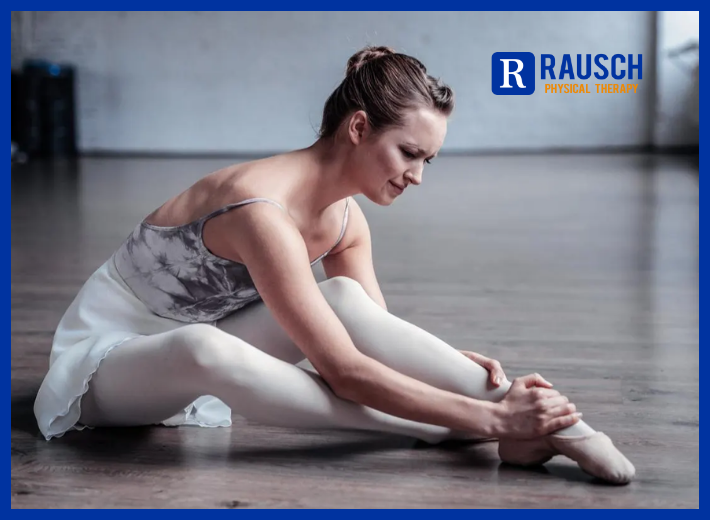
Dancers put their bodies through incredible feats of strength, agility, and flexibility. However, these demanding movements can also lead to a variety of injuries. As PTs, we understand the importance of maintaining peak performance while staying injury-free. Take a look at our valuable insights into prevention strategies and techniques to help dancers recover and thrive. 

Dance may look effortless, but it requires a lot of strength, flexibility and stamina. It also comes with a high risk of injuries. Whether you are a dancer, the parent of a dancer or a dance teacher, you should be aware of the most common dance injuries and learn how to avoid them.

Johns Hopkins performing arts physical therapists Andrea Lasner and Amanda Greene share valuable information about dance injury treatments and prevention tips. Lasner and Greene, both dancers, have turned their love for the art into a means of helping injured dancers.

What are some common dance injuries?

A few studies that looked into dance injuries found that injuries from using your joints and muscles too much (overuse injuries) are the most common in dancers. The majority of these overuse injuries involve an ankle, leg, foot or lower back. Some common dance injuries are:

  • Hip injuries: snapping hip syndrome, hip impingement, labral tears, hip flexor tendonitis, hip bursitis and sacroiliac joint dysfunction
  • Foot and ankle injuries: Achilles tendonitis, trigger toe and ankle impingement
  • Knee injuries: patellofemoral pain syndrome
  • Stress fractures: metatarsals, tibia, sesamoids and lumbar spine
  • Dancers are also likely to develop arthritis in the knee, hip, ankle and foot

Generally, dancers have a much lower rate of anterior cruciate ligament (ACL) injuries than other athletes. One explanation could be that dance training involves much more intense jumping from an earlier age than other sports, which helps improve muscle control.

How do I know if the pain is from an injury?

In most cases, the pain you experience after dancing is muscle soreness that usually subsides within 24 to 48 hours. Sometimes, it takes a few days for muscles to get sore, which is also normal. However, if you experience the following types of pain, you may have suffered an injury:

  • Pain that wakes you up at night
  • Pain that is present at the start of an activity
  • Pain that increases with an activity
  • Pain that makes you shift your weight or otherwise compensate your movements

If you experience such pain, consult with a medical specialist — preferably a physical therapist or physician with experience in treating dancers. They will be able to determine whether additional testing is needed and will formulate an appropriate treatment plan.

Why do dance injuries happen?

Dance is a physically demanding activity. Dancers perform repetitive movements for several hours a day. Studies have shown that dancing five hours a day or longer leads to an increased risk of stress fractures and other injuries.

On top of the intensive training, many dancers get little time to recover between the sessions and have no “offseason.” Restrictive diets and unhealthy body weights may also contribute to dance injuries. Proper nutrition is important for dancers of all ages.

How do dancers get ankle sprains?

Ankle sprains are the number one traumatic injury in dancers. Traumatic injuries are different from overuse injuries as they happen unexpectedly. When an ankle is sprained, ligaments on the inside or outside of your foot get twisted or overstretched and may experience tears. Ankle sprains often happen due to improper landing from a jump, misaligned ankles (when they roll in or out) or poorly fitted shoes. Torn ligaments never heal to their preinjury condition. Once you’ve sprained your ankle, you are at risk of doing it again. It’s important to build muscle strength to prevent further injuries.

Dance Injury Prevention

How can dance injuries be prevented?

The majority of overuse injuries and even some traumatic dance injuries can be prevented. Follow these guidelines to reduce your risk of injury:

  • Eat well and stay hydrated before, during and after class.
  • Get enough rest and avoid overtraining.
  • Do cross-training exercises to build strength and endurance in all parts of your body.
  • Always wear proper shoes and attire.
  • Always warm-up before training or performances.
  • Lead a healthy lifestyle and get to know your body.

When injuries happen, address them immediately and get advice from a doctor or physical therapist.

What are good cross-training exercises for dancers?

Core and hip strengthening exercises like Pilates and stability-based yoga are great for dancers. And so are aerobic and cardiovascular activities, such as running, swimming or biking. They get your heart rate up and help build stamina for long performances.

Many dancers don’t do enough cardio during their regular training. Just 30 minutes three to four times a week is usually enough to improve your endurance. As always, do this in moderation and in short intervals to avoid stressing your joints. Being screened by a physical therapist with experience treating dancers will help you identify individual areas of weakness to address with specific exercises.

How much rest should a dancer get?

While many experts stress the importance of proper rest, there are no specific guidelines on the frequency and amount of rest. However, we know that dancing five hours a day or longer is linked to an increased risk of injury. It is also known that intense activity leads to microdamage, which peaks in recovery 12 to 14 hours after a workout. So it would make sense to take the next day off after a high-intensity activity. Dancers should work at their highest intensity a couple of times per week and then take at least two days off, preferably in a row. Also, a three- to four-week period of rest after the season is ideal for recovery.

Dance Injury Treatment

Should I ice or heat after a dance injury?

If it’s a sudden injury, it’s best to apply ice first to reduce swelling and inflammation. RICE treatment is a common approach that involves rest, ice, compression and elevation. After a few days, you can switch to heat to increase blood flow to the area and promote healing. However, every person is different. If you feel that ice helps you better than heat, then there is nothing wrong with continuing to ice. But be careful not to ice before dancing or stretching, because you want those muscles to be warmed up to prevent re-injury.

What are my treatment options for a dance injury?

It depends on the type of injury, your level as a dancer and many other factors. For example, for traumatic injuries like ankle sprains, your doctor may recommend RICE, joint protection and physical therapy. For stress fractures you may need to limit weight on your foot by using crutches, wearing a leg brace or walking boots. Surgery is typically used as the last resort. It is best to discuss your treatment options with a doctor who specializes in dance injuries. And if you are working with a physical therapist, make sure he or she is experienced in treating dancers. A big part of physical therapy is correcting the training technique that led to the injury. Otherwise, you risk hurting yourself again by making the same mistake.

What should be in the first aid kit for dance injuries?

Your regular first aid kit might already have many of the essentials for handling a medical emergency. However, when it comes to common dance injuries, you may want to include a few additional items, such as:

  • Instant cold pack
  • Pre-wrap and athletic tape (if qualified providers are available to apply)
  • Elastic bandages (to be used only for compression, not support while dancing)
  • Crutches
  • Topical pain reliever

Rausch PT is here to help you achieve your best performance. Our personalized PT programs can keep you moving with grace and confidence. Don’t let injuries steal the spotlight. Contact us today at 949-597-0007. You can follow us on TikTok and Instagram for more inspiration and tips.


Reference: [https://www.hopkinsmedicine.org/health/conditions-and-diseases/sports-injuries/common-dance-injuries-and-prevention-tips]