
Staff Spotlight: Lawrence Van Lingen


Lawrence Van Lingen is the ART specialist at Rausch Physical Therapy & Sport Performance. He’s worked with Red Bull athletes, IRONMAN champions, and he can work with you, too.
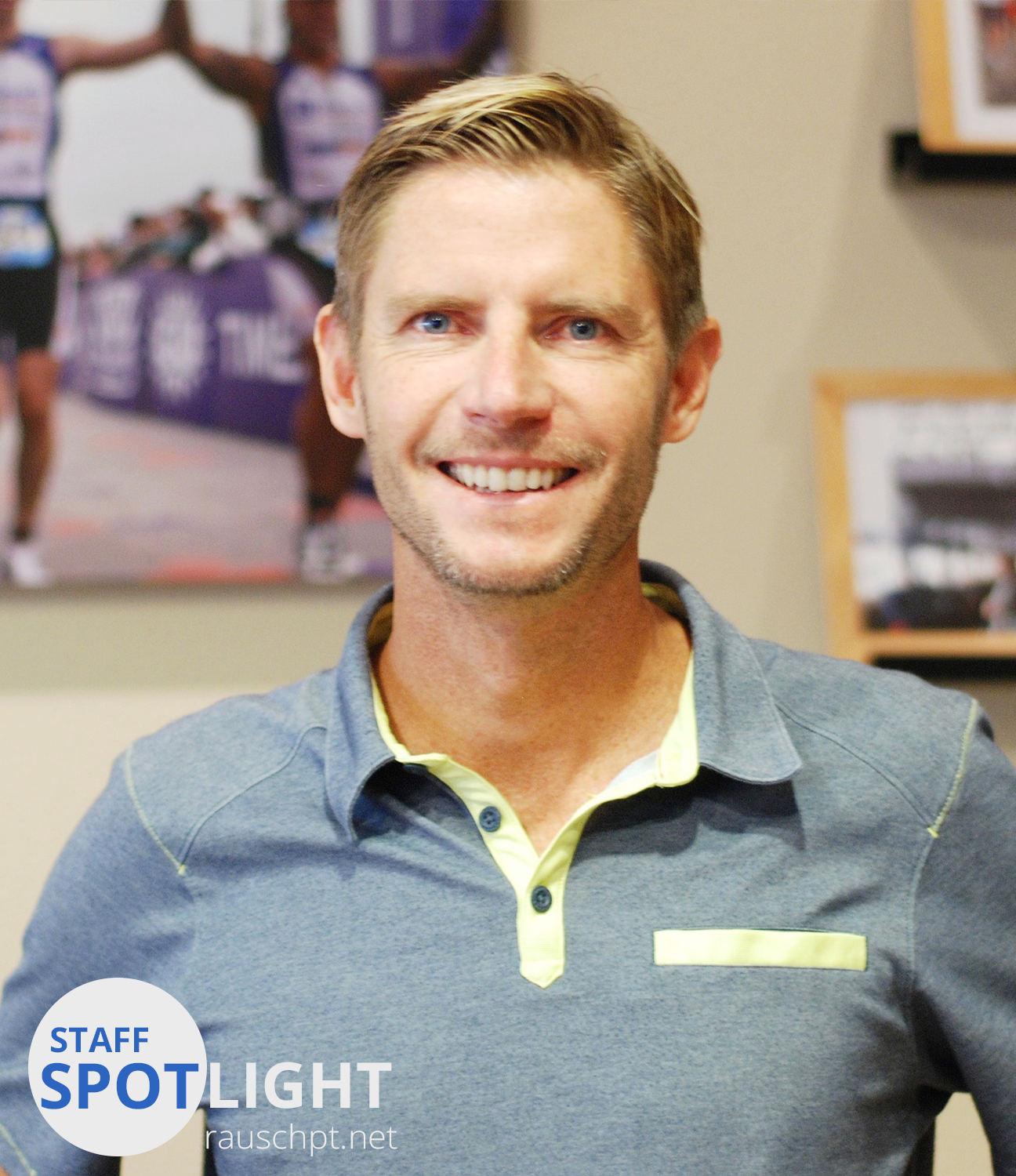
Lawrence Van Lingen, ART Specialist for the Pros... and you, too!
Lawrence Van Lingen, ART Specialist for the Pros… and you, too!

When you first walk into Rausch Physical Therapy & Sports Performance you’ll notice a wall of glass to your right. Behind the very last door, emblazoned with the words “Clinical ART,” is where Lawrence Van Lingen works.

The room is small with bare walls, save for a few pieces of art, and it only contains a small desk and treatment table. It is… remarkably unremarkable. In fact, if it weren’t for the familiar face of a pro athlete popping in and out of that room every once in a while, you’d never suspect that the man inside of it was anything other than your average massage therapist.

The truth is, Lawrence is far from average; he’s a well-respected, highly sought after soft tissue therapist and performance consultant. His elite clients travel across the country—some even across the world—to visit his humble office hidden in the corner of Rausch PT.

So who exactly is Lawrence Van Lingen, why are professional athletes traveling from the other side of the globe to come see him, and most importantly, how can you get on his schedule, too?

Lawrence’s Past Life
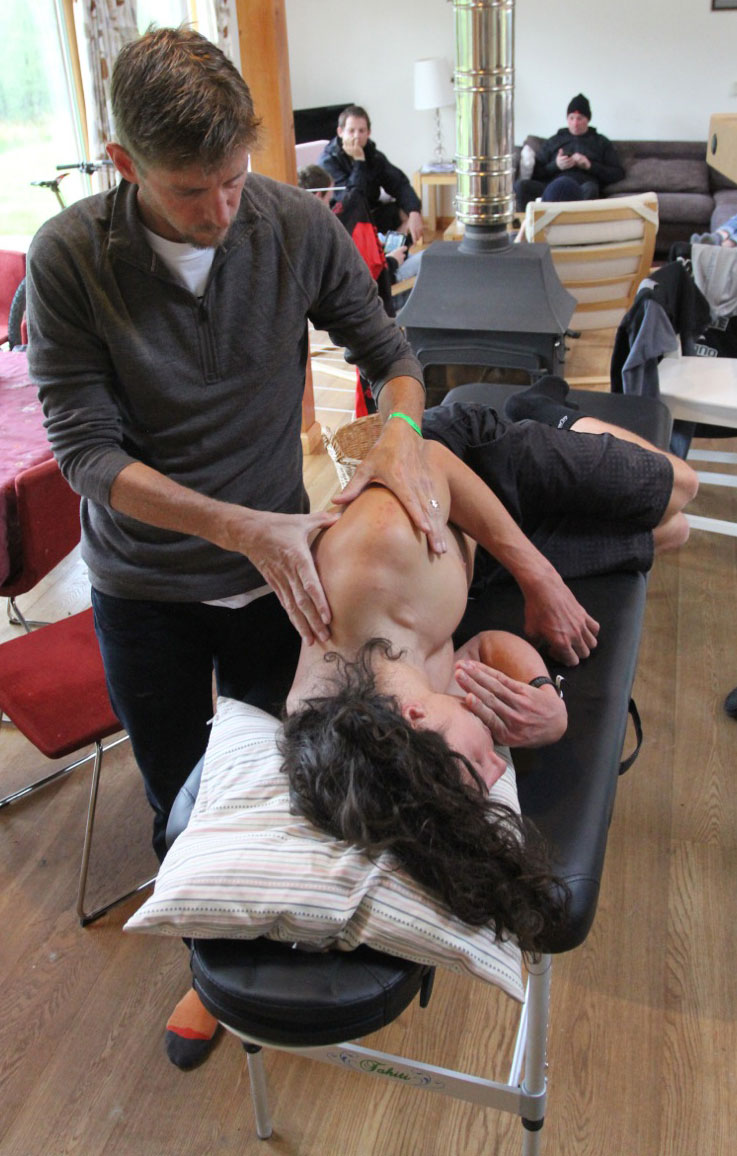
Lawrence working on Josh Bryceland, professional downhill mountain biker and Santa Cruz Syndicate Team Racer, at the World Cup in Scotland this past summer.

More than 20 years ago in his home-country of South Africa, Lawrence was highly involved in triathlon when he decided to become a sports chiropractor. His first clients were triathletes and his wife Gwen, an Olympic runner. Soon, word began to spread about the man with the magic touch, and Lawrence became the team chiropractor for a number of professional lifesaving, running, swim and triathlon teams.

It wasn’t until Lawrence himself competed as a professional IRONMAN for two years that his personal interest in sports performance began to creep into his chiropractic career. In 2013 Lawrence became High Performance Manager of Red Bull South Africa, working closely with the best professional endurance, adventure extreme sport athletes around.

“Those pro athletes hold you to a very high standard,” Lawrence said. “As soon as you don’t know what you’re doing, they’re gone.”

In this case, it was Lawrence who was gone; at the end of 2013 his wife took a job in the U.S., and Lawrence started his professional life over again as an ART specialist at Rausch Physical Therapy & Sports Performance. Lawrence says the team atmosphere and holistic approach Rausch PT offers its patients is what drew him in.

“I did my homework and knew I wanted to work at Rausch PT, as it’s the premier place for triathletes,” Lawrence said. “Clients can cohesively move from physical therapy to ART to Performance Lab services;  it’s ideal for me. I can’t work in isolation. I need that support.”

Lawrence at Rausch PT
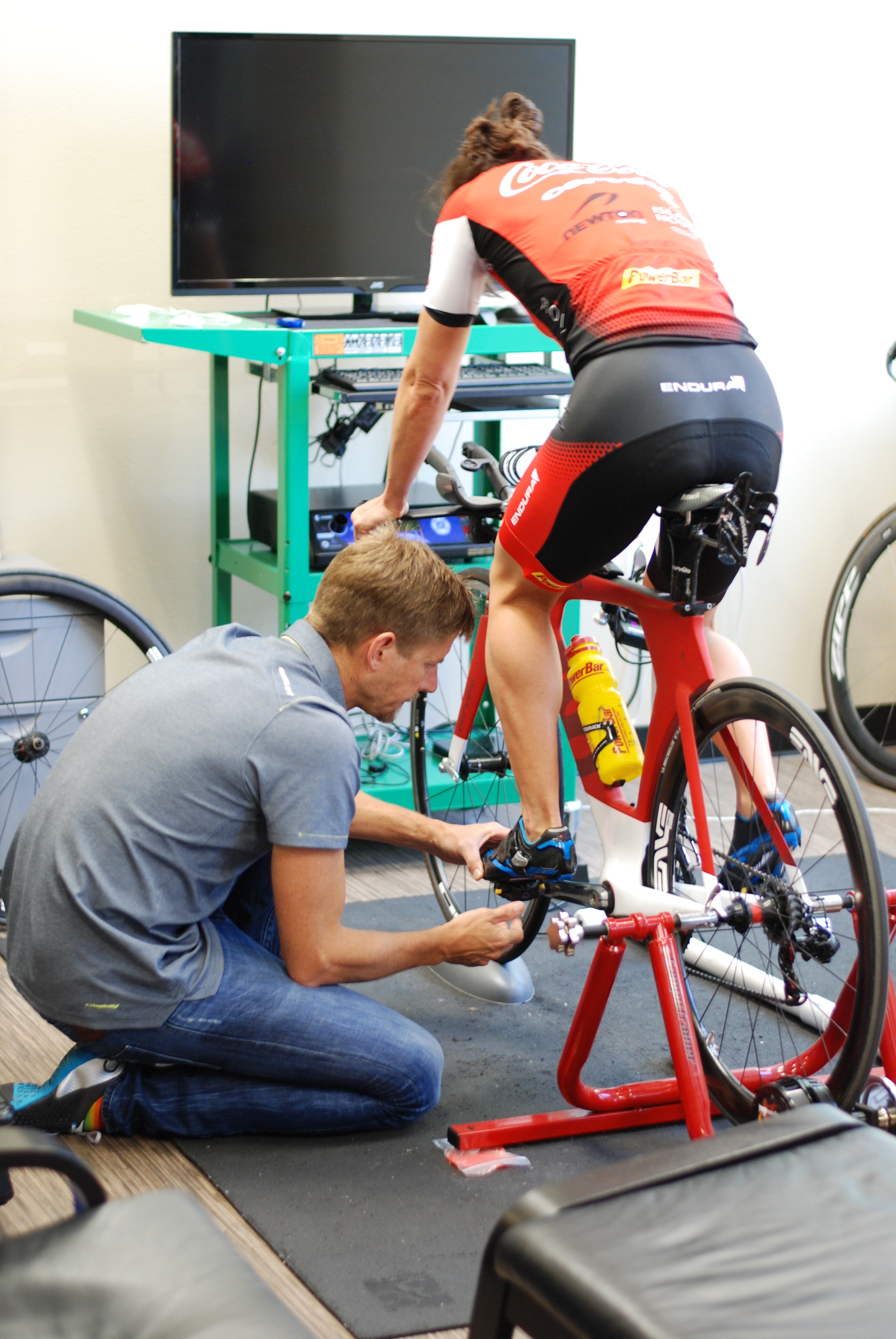
Lawrence performing a bike fit consultation with professional triathlete Rachel Joyce in May. Rachel came for ART with Lawrence after a serious foot injury; just last week she placed second at IRONMAN World Championship.

Lawrence still treats professional athletes these days. He works with the Santa Cruz Syndicate, one of the most well known professional downhill mountain bike racing teams, and endurance athletes travel from far and wide to get treatment from and consult with him.

“The pros who come see me now aren’t usually in pain, they’re just tired of being injured,” Lawrence said. “They want me to free up whatever’s been restricting their movement with ART not necessarily to relieve pain, but to enhance performance. Once you take away that looming fear of getting injured, they’re free to focus solely on how to use their bodies to go quicker.”

However, Lawrence says that ART isn’t just for elite athletes. In fact, you don’t have to be an athlete at all to hop on his schedule and feel the amazing benefits of soft tissue release.

“People underestimate how powerful ART can be,” he said. “Tissue adhesions are a silent bully; often you don’t feel it, but they can significantly influence your posture and patterns. Releasing those adhesions will literally change the way you move.”

Rausch PT physical therapists will often refer their patients to Lawrence if they have restrictions or soft tissue adhesions that need some extra special attention, and thanks to Rausch PT’s holistic care, Lawrence can refer patients back to physical therapy for continual care. Our athletic patients can take advantage of having access to the pros’ “secret weapon” and call in to get on his schedule for performance-enhancement purposes.

No matter who you are, how old you are, or what level of activity you’re at, Lawrence Van Lingen is waiting in that little corner office to help you get some release.

“Having someone like Lawrence on staff just elevates us to a whole other level,” Kevin Rausch, MPT and owner of Rausch Physical Therapy & Sports Performance, said. “To have access to someone with his background and expertise, it’s an incredible opportunity for our amateur triathletes and cyclists.”

Click here to learn more about ART

To schedule your own ART Session with Lawrence, call us at
(949) 276-5401

 

Understanding Frozen Shoulder and How to Fix It

A question that I commonly hear from patients with shoulder pain (and access to Google) is, “What is frozen shoulder?” The truth is, “frozen shoulder” is a common term that’s thrown around, but few people understand the condition or its causes.

What is “Frozen Shoulder?”

The medical term for frozen shoulder is “Adhesive Capsulitis,” and it effects the joint capsule of the shoulder. Every joint within the body contains a capsule surrounding it to provide structural stability; the shoulder joint is special in that it’s one of the most mobile joints in the body, which consequently requires a great deal of ligamentous (capsule) and muscular support to stabilize it.

Like all tissues within the body, the shoulder capsule will attempt to repair itself if damaged, going through the three phases of tissue regeneration: inflammation (swelling), proliferation (scar-tissue), and remodeling.

However, Adhesive Capsulitis is an abnormal inflammatory response; basically, the shoulder thinks it’s damaged, so it sends an unnecessary amount of new collagen (i.e. scar tissue) to the joint. This transforms the typically-mobile shoulder joint into a thick and adhesive one, which ultimately leads to pain and loss of mobility.

Signs You May Have Frozen Shoulder

While a stiff, painful shoulder could be caused by a number of things, many patients or their doctors will incorrectly diagnose it as frozen shoulder. However, the number one indicator that you truly have a frozen shoulder is if there’s a significant decrease in external rotation, especially compared to your other arm. Some other common symptoms include:

  • Significant decrease in range of motion, especially loss of external rotation (ability to life your arm overhead)
  • Gradual onset of pain lasting at least one month
  • Progressive pain in the shoulder that worsens and is not relieved at rest
  • Pain that interrupts sleep and/or makes it impossible to sleep on affected side

Again, it’s important to note that these symptoms can also be indicative of other shoulder issues, so you should have your physician or physical therapist do an evaluation to find out the true cause to ensure you get the proper treatment.

Causes of Frozen Shoulder

There are currently two categories of Adhesive Capsulitis, Primary Adhesive Capsulitis and Secondary Adhesive Capsulitis. Primary affects between 2% to 5.3% of the general population and has no known cause; it’s only characterized by a subtle and gradual onset that worsen over time and then resolves, usually within one to three years.

Secondary Adhesive Capsulitis is more common, affecting between 4.3% to 38% of the general population. It occurs in people who have incurred trauma or impingement to the shoulder, or who have had to immobilize their shoulder for a long period, such as after surgery or injury. People who have systemic complications, such as Thyroid Disease or Diabetes Mellitus, are also at risk.

While doctors aren’t sure why this happens to some people, it is more common to occur in:

  • People 40 and older, particularly women
  • People who have had a previous episode of Adhesive Capsulitis in the opposite shoulder
  • People who have concurrent systemic complications (i.e. Thyroid Disease, Diabetes Mellitus, Parkinson’s Disease, etc.)


Stages of Frozen Shoulder and Their Symptoms

Due to the naturally-occurring inflammatory condition of Adhesive Capsulitis, it’s important to understand which stage of “Frozen Shoulder” you’re in so you can make sure you get the appropriate treatment.

[one_third]

Stage 1: Freezing

Key indicator is pain with movement and at rest

Usually lasts for three to nine months

Gradual loss of motion in all directions

[/one_third]

[one_third]

Stage 2: Frozen

Characterized by pain with movement

Usually lasts for nine to 15 months

Inflammation of the joint capsule begins to lessen

[/one_third]

[one_third_last]

Stage 3: Thawing

Characterized by resolution of pain with residual stiffness

Usually lasts 15 to 24 months after onset

[/one_third_last]

Top Three Ways to Treat Frozen Shoulder

Depending on which stage you are in, the treatment for Adhesive Capsulitis can vary. Here are three of the most common and effective treatments for regaining a full, pain-free range of motion.

1. Take Anti-Inflammatory Medication

Because of this condition’s correlation with join inflammation, coupled with its gradual progressiveness, inflammatory medication (such as Advil, Motrin IB, etc.) can help relieve pain. For more severe cases, a cortisone injection (a localized injection of an anti-inflammatory medication) is available; consult with your primary care physician or physical therapists about this option.

2. If You’re in Pain: Modify Your Activity

During the painful freezing stage, you should modify the way you move throughout your day to help reduce the amount of irritation and inflammation to the joint. If a certain movement, such as reaching to grab a dish or swinging a tennis racket, causes a significant increase in pain, avoid it.

3. If You’re Just Stiff: Stretch It Out!

Once you’ve progressed into the thawing stage and can lift your arm without pain, then it’s time to start aggressively stretching out that shoulder! Since the shoulder capsule is comprised of dense connective tissue, it requires a prolonged stretch (five to 10 minutes) to create a lasting change in tissue length. As long as you are just feeling tightness/stiffness, NOT pain, then keep stretching. Research has shown that improving external rotation can improve motion in all directions and help get you pain free.

If you’re unsure, come visit us here at Rausch Physical Therapy; we can evaluate your particular and come up with a great home exercise program to get you back to pain-free movement.


StaffHeadshot-Sean2Sean Swopes graduated from CSU Fullerton with a bachelor of science in kinesiology. He went on to receive his doctorate in physical therapy in 2015 from University of St. Augustine, and began his career here at Rausch Physical Therapy and Sports Performance. Sean is also a certified Strength and Conditioning Specialist. As a physical therapist, Sean’s goal is to help his patients understand their musculoskeletal impairments and work together to improve them.
Click to learn more about Sean and our other physical therapists >>


October 21 – Natural Running Clinic


Great for runners and triathletes of all levels

Natural Running Clinics will help you discover the better way to run. Our running experts will give you the information and tools you need to decrease injuries, increase efficiency, and experience more enjoyable running. The clinic will focus on the key principles of posture, position, and cadence.

Group & individual coaching will be provided throughout the clinic with form cues to improve running. Come join us in your running gear and get on the road to better running!

[framedbox][one_third]

When

Wednesday, October 21
6:30 – 8 PM

[/one_third]
[one_third]

Where

RauschPT-Logo-2015

28202 Cabot Rd. Suite 150
Laguna Niguel, CA 92677

[/one_third]
[one_third_last]

Cost

SBRlogo

SBR Team Members
$15 per person

Non-Team Members
$20 per person

[button link=”https://clients.mindbodyonline.com/classic/ws?studioid=18756&stype=-106&sTG=25&sView=day&date=10/21/15″ size=”small” color=”blue” align=”center” target=”_blank” ]SIGN UP NOW[/button]

[/one_third_last][/framedbox]

jack

About the Instructor

Jack McPheron is an IRONMAN, marathoner, and Certified Natural Running Coach. Jack is passionate about helping other athletes discover the better way to run so they can decrease injury, increase efficiency, and enjoy the sport.

Lessons From Hiking Whitney

Mount Whitney is the highest peak in the lower 48  boasting nearly 15,000 feet in elevation, and second only to Mount McKinley in Alaska. Starting from the Whitney Portal, the hike is 10.7 miles to the summit. I recently had the opportunity to hike Mount Whitney, and it was an amazing experience. If you ever get the chance, do it! The beauty of the mountain is unreal, and the physical and mental challenges are unlike anything I have ever experienced.

Here are four tried and true tips for my fellow adventurers who are interested in hiking Mount Whitney:

    1. Get an early start. It’s recommended that hikers reach the summit by noon, so we started at 3 a.m. Early, I know, but I’d suggest the same start time to other hikers; it gives you time for rest breaks, puts you ahead of the crowds (trail congestion increases as the time gets later), helps you avoid bad weather on the summit, and gets you back down the mountain before nightfall.
    1. Bring water. 4-5 liters should be plenty, but water-needs depend on body size and fitness level.
    1. Find the right equipment. Hiking poles: absolute must. Hiking boots? A bit too much; a good pair of trail shoes did the trick for me. Also, I did this hike in July, so while I wore hiking pants, next time I’d just wear running tights. Layers are the key to comfort—tank top, long-sleeve shirt, jacket. Weather conditions vary depending on the time of year, which will effect your footwear and clothing choices. Ultimately, wear what you’re accustomed to hiking in.
      *I suggest doing a few training hikes in the gear you’re planning on wearing; that’s how I discovered the boots I’d planned on wearing were actually a horrible choice and avoided sore toes and blisters.*
  1. Last and most importantly: altitude sickness is REAL. Unfortunately, I wasn’t able to go as far as I wanted to  because I started experiencing symptoms of altitude sickness—a very real and dangerous thing when hiking at high-altitude.

The Deadly Truth About Altitude Sickness

There are two primary forms of altitude sickness: high-altitude pulmonary edema (HAPE) and high-altitude cerebral edema (HACE). HAPE is fluid accumulation in the lungs, while HACE is fluid accumulation in the brain; both can lead to a coma or death.

HAPE causes the obvious symptom of breathlessness (both with exercise and when at rest.) It can be deadly, especially when the breathlessness progresses to include elevated body temperature and coughing. HAPE has a high mortality rate in the absence of adequate emergency treatment.

HACE causes headache, dizziness, confusion and clumsiness. Drowsiness and loss of consciousness are major indications that HACE has reached a deadly level.

Often, these two conditions occur simultaneously, and again, this is very serious. Once symptoms start, they will progressively worsen and eventually lead to a coma or death. Immediate descent is the first course of action. Supplemental oxygen can be helpful in relieving symptoms and will essentially buy time.

How to Prevent Altitude Sickness

A prescription drug for altitude sickness does exist Acetazolamide (brand name Diamox.) The active ingredient is Dexamethasone, which prevents swelling in the brain and subsequently reduces symptoms. It is recommended that Diamox be taken several days prior to being at altitude as the side effects can be equally as bad and as deadly as the altitude sickness itself.

HACE occurs when your body fails to acclimatize while ascending to a high altitude; to prevent this, ascend slowly to allow the body more time to get used to the altitude. On the other hand, HAPE is difficult to prevent, as we don’t really know what makes some people more susceptible to it than others. Those with sleep apnea should be cautious, as should people who have experienced HAPE before.

Acute altitude sickness and all, it was an amazing trip. I would have saved myself the altitude sickness by training on Hypoxico Altitude Simulation System at the Performance Lab, which is something I will definitely do next time because we are already planning on going back.

[framedbox]Additional Links:


StaffHeadshot-Jessica copyJessica Snyder (PT, DPT, ATC, CSCS) received her Doctor of Physical Therapy degree at the University of St Augustine for Health Sciences – with an emphasis on orthopedics, movement science, and manual therapy. Jessica started her career as a Certified Athletic Trainer working with high school, college and professional athletes. She is also a Certified Strength and Conditioning Specialist (enhancing her ability to build custom strength, stability and performance-centered rehabilitation and return-to-sport programs) and Certified Natural Running Coach. Being a runner herself, Jessica specializes in running-related injuries, including the entire lower extremity. She is also passionate about treating headaches and neck/shoulder pain.