Now Hiring: Physical Therapist

Are you a California-licensed physical therapist who likes to work hard, play hard? Looking for an innovative physical therapy clinic in Orange County, CA to growth with? Then let us introduce ourselves. We are Rausch Physical Therapy, but we are NOT your average physical therapy practice.

Rausch PT is a progressive, physical therapist-owned rehab and wellness center in Laguna Niguel that’s changing the way people think about physical therapy (and healthcare in general!) Our passionate and FUN team of young professionals help active people from 8 to 80 years old get back to doing what they love post-op or injury. More importantly, we help keep people healthy for life with our focus on holistic treatment programs, training and preventative care.

We’ve assembled a team of the best and brightest individuals possible, and we are currently looking for a full-time physical therapist to add to that team.

Why you should work for us

  • 24-week Mentorship Program
  • Medical & 401k benefits; Paid Time-Off
  • Amazing, close-knit culture; youthful, team-oriented environment; casual atmosphere (Yes, the boss wears Hawaiian shirts every Friday)
  • Awesome Perks (Race fee reimbursement; Free massages/fitness opportunities; Company beach days)


Responsibilities & Duties:

  • Full-Time Physical Therapist
  • Focus: Manual Therapy; Soft Tissue Mobilization; Sport-Specific Rehab
  • Clientele: Highly-active; Mix of post-surgical, sports and orthopedic patients; Mainly “Direct Access” patients
  • Exceptional Manual Therapy and Soft Tissue Mobilization skills
  • Solid examination and assessment skills for a “Direct Access” setting
  • Ability to create specific therapeutic exercise programs for each and every patients


Qualifications and Skills

We are looking for a caring, enthusiastic applicant who wants to be a game changer in the field of physical therapy, wants to learn, and LOVES to interact with and help people.

Candidate MUST haves:
  • CA-Licensed Physical Therapist
  • New grads welcome! (New Hire Mentorship Program sets you up for success)
  • Excellent communication skills; Confidence is key
  • Self-starter with a desire to grow your own schedule
  • Ability to work well with a close-knit team
  • Active in sports/outdoor lifestyle a plus


Interested? Send your cover letter and CV to meghanb@rauschpt.net


About Rausch Physical Therapy & Sports Performance

At Rausch Physical Therapy, we strive to be innovators in the fields of physical therapy, healthcare and wellness. We are in our 11th year of practice and currently treat 18,000+ patients a year. Our 9,000 sq. ft. facility also houses six PTs, three massage therapy suites, sports Performance Lab (AlterG® Anti-Gravity Treadmill®, Hypoxico Altitude Simulation System, advanced gait/cycling video analysis software, etc.), and Pilates/Fitness studio. We truly are the community’s one-stop shop for rehab and wellness. Click here to learn more.

We’ve Moved! Rausch PT & ABC Now Located in Laguna Niguel Town Center

<id=”Top”>
[framedbox]

Read Official Announcement

[/framedbox]

Moving Day Success!

Updated: December 8, 2017

The whole community came together to get Rausch PT and ABC Fitness Studio moved in and ready for opening day. Thank you to B&C Moving Incorporated Aliso Viejo for making moving 9,000 sq ft of PT & Pilates equipment seem easy, and also HUGE thanks to Bow and crew at Estate Services for going above and beyond to get our amazing A/V system up and running.

[button link=”https://www.facebook.com/permalink.php?story_fbid=1650397418316034&id=208958309126626″ size=”medium” color=”blue” align=”center” target=”_blank” ]View Moving Day Photos[/button]

^ Back to Top


Photo Progress Update

Updated: December 4, 2017

Click on an image to expand

[one_fourth]

The view of the PT treatment table area from the open exercise area. Perfect for your PT to keep an eye on you while giving patients MUCH more space to move through their therapeutic exercise programs.

[/one_fourth][one_fourth]

With concrete floors in the lobby and an aluminum-wrapped front desk, you’ll know that you’re not at your average physical therapy office when you walk in to the new and improved Rausch PT.

[/one_fourth][one_fourth]

ABC Fitness Studio has gotten quite the makeover with a cool brick accent Reformer room and a bright and inviting reception area.

[/one_fourth][one_fourth_last]

With a full-length mirror, built-in TRX® system, and nearly triple the space, ABC’s Specialty Class room will be a huge upgrade for more Yoga, TRX®, Run Fusion, Barre and more!

[/one_fourth_last]

^ Back to Top


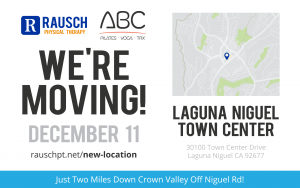
Moving Date Announced: December 11

Updated: November 17, 2017

Click to enlarge

We have an official move-in date: December 11! Rausch Physical Therapy will close on Friday, December 8 and re-open at our NEW and IMPROVED location at Laguna Niguel Town Center on Monday, December 11! ABC will close Thursday, December 8 and also re-open on December 11. So, if you have an appointment scheduled on or after December 11, make a note in your calendar that it will be at our new location so you don’t forget and show up at our old office.

While we will do our best to answer all phone calls and return messages, it’s best to follow-up with an email to info@rauschpt.net if you do not hear from us within 2 hours during our normal business hours. Thank you for your patience and understanding during our exciting moving-in week and weekend!

^ Back to Top


Photo Progress Updates

Updated: November 16, 2017

Click on an image to expand

[one_fourth]

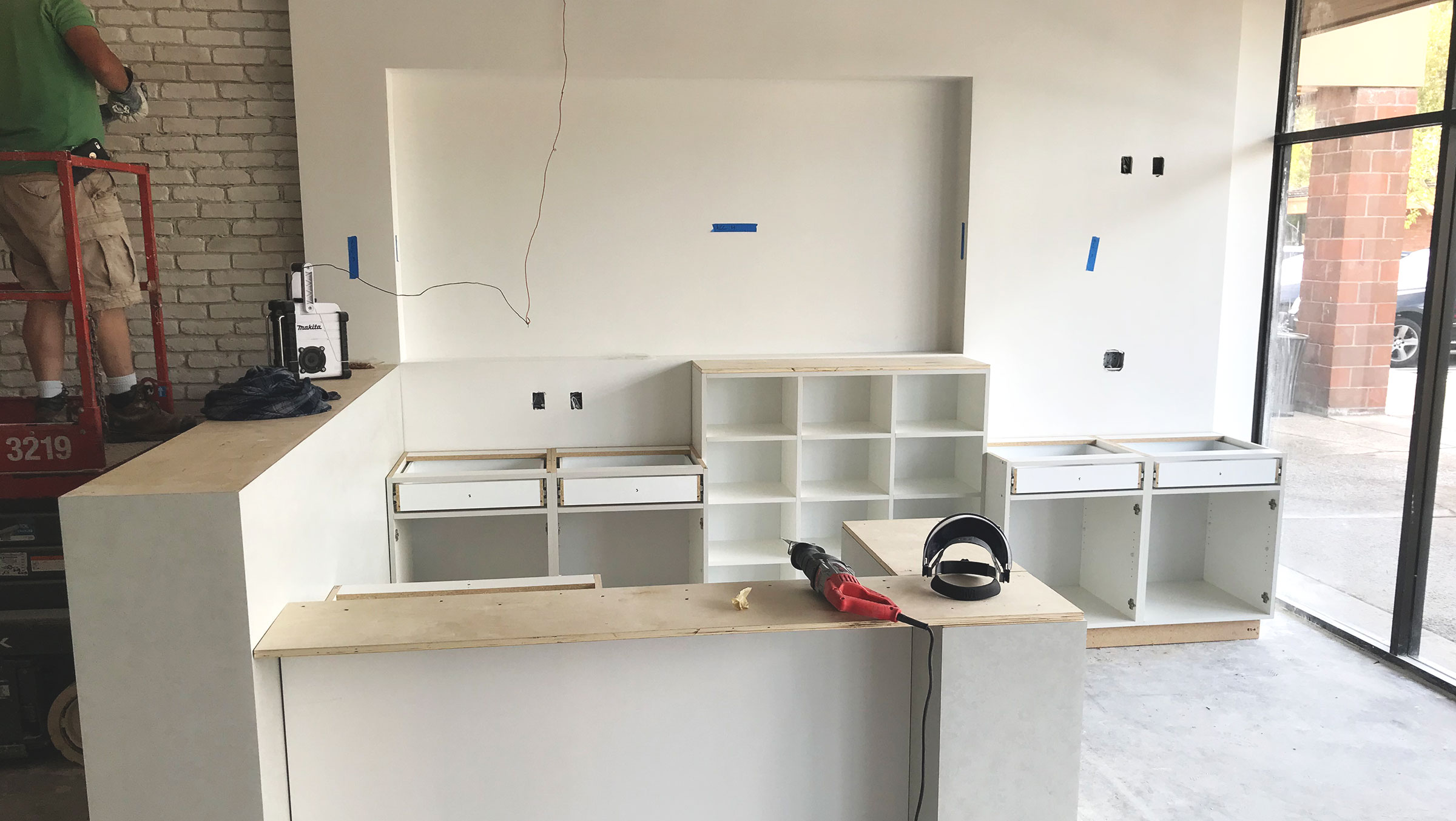
The clinic treatment area will be light and bright thanks to a wall of oversized windows.

[/one_fourth][one_fourth]

Our HUGE front desk and friendly front office staff will be the first to greet you as you walk into our brand new clinic.

[/one_fourth][one_fourth]

The bright and inviting front desk, lobby and coffee station area at ABC Pilates.

[/one_fourth][one_fourth_last]

A fantastic white brick accent wall will be the perfect backdrop for our new individual Reformer mirrors, great for checking your form.

[/one_fourth_last]

^ Back to Top


Nov. 8 Video: Behind-The-Scenes Tour

Updated: November 8, 2017

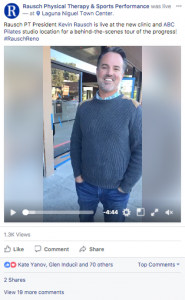
On November 8, Rausch PT president Kevin Rausch went LIVE from the new location to give a behind-the-scene sneak peek at the interior progress of the clinic and Pilates studio. Click to watch now!

^ Back to Top


Official Announcement

LAGUNA NIGUEL, CA (October 26, 2017) – Rausch Physical Therapy & Sports Performance (Rausch PT), a staple within the Laguna Niguel sports and wellness community, today announced that it will be moving to its new location at Laguna Niguel Town Center this December.

Since opening its doors in 2006, Rausch PT has successfully undergone several expansions. The practice went from one physical therapist seeing 2,500 annual visits to six physical therapists seeing more than 18,000. To accommodate its growing patient population, Rausch PT has moved into three increasingly large suites within the Crown Cabot Financial Building. The current 9,000 sq. ft. suite allowed the company to not only expand its physical therapy practice, but also to add an on-site Pilates studio, massage therapy wing, and sports performance lab. This time, when the clinic started experiencing growing pains again toward the end of 2016, president Kevin Rausch, PT says he knew that to realize his ultimate dream for Rausch PT, he had to find a location with greater potential for both the clinic and Pilates studio.

Laguna Niguel Town Center, located on Town Center Dr just off Crown Valley Pkwy and Niguel Rd [get directions], is a well-known neighborhood spot in the heart of Laguna Niguel. According to Rausch, it’s a dream location for his practice, which over the years has earned a reputation as the “go-to” clinic for the local community’s triathletes, runners, swimmers and cyclists.

“Laguna Niguel Town Center has always been a place I’ve felt that Rausch PT and ABC Pilates belong, because to us, we are the town’s center for rehab, fitness and wellness,” Rausch said. “This move allows us to expand our treatment area, grow our Pilates studio, and open up more massage and wellness rooms.”

Construction at both the clinic and fitness studio is scheduled to be completed in early December, with a move-in date for both Rausch PT and ABC that same month. You can receive updates on the progress by following Rausch PT’s Facebook, Instagram and Twitter accounts using hashtag #RauschReno.

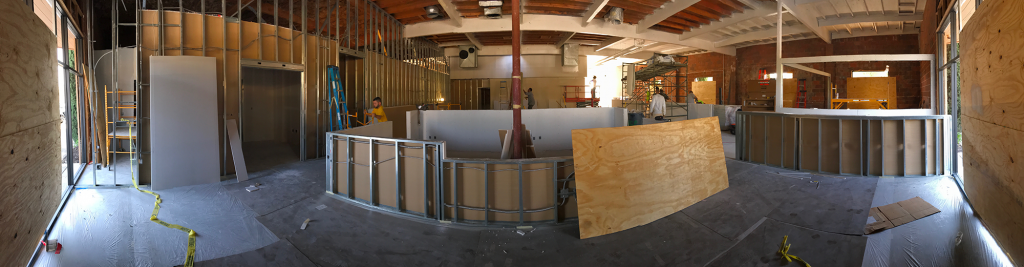
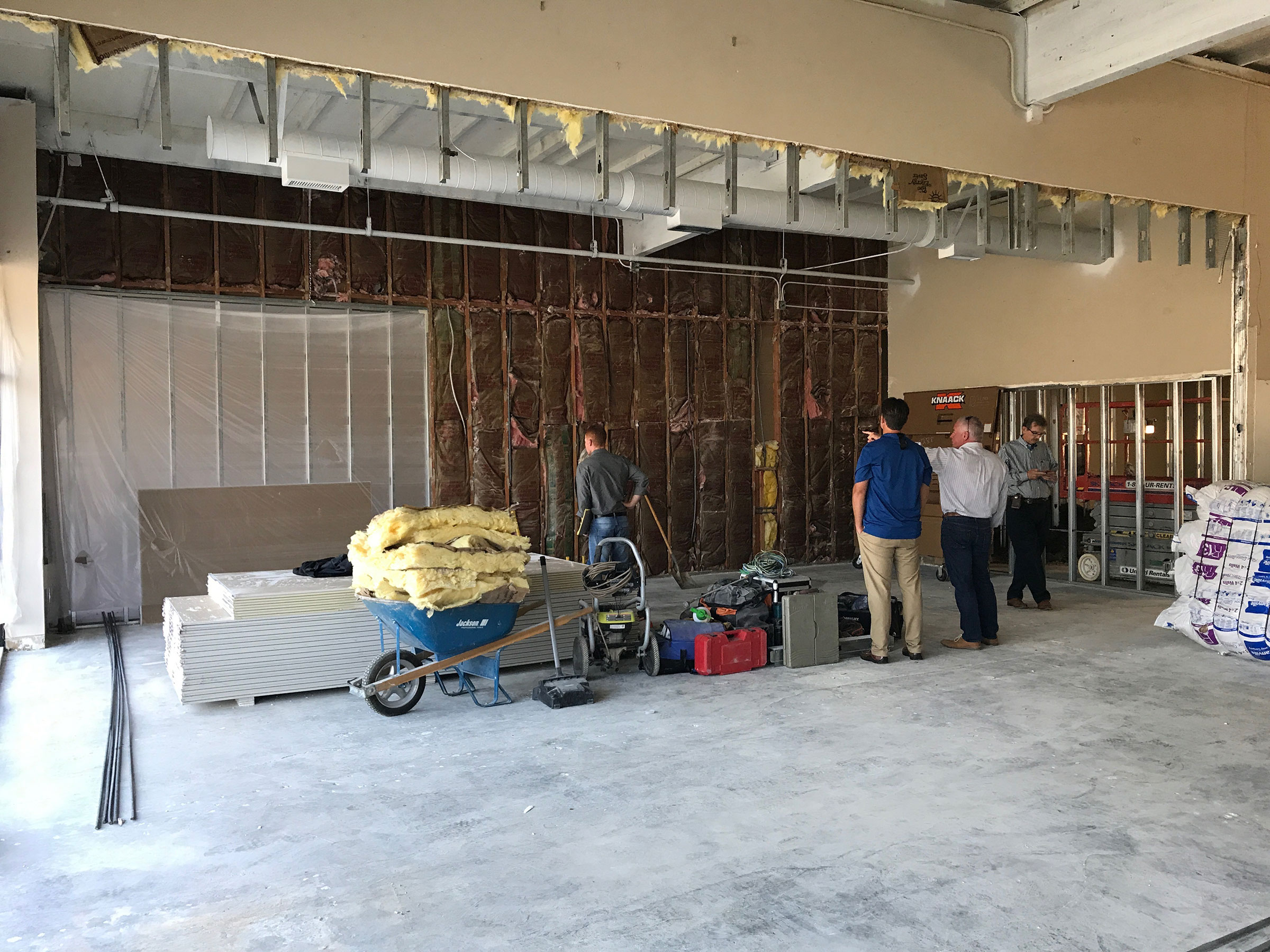
The new physical therapy and wellness center, currently undergoing construction, will allow for more open area for treatment and exercises, additional massage suites, and a larger, brighter sports Performance Lab to house all the innovative technology Rausch PT is known for.
The new bright and spacious suite for ABC will give the studio a fresh, modern look while allowing it to greatly expand its Yoga, TRX and other specialty fitness classes. The suite also offers more space for private training and Group Reformer classes.


About Rausch Physical Therapy

RauschPT-LogoFounded in 2006, Rausch Physical Therapy & Sports Performance in Laguna Niguel, Calif. specializes in taking patients from injury, to recovery, to peak performance. Its sport-specific, licensed physical therapists combine their expertise in human mechanics with the clinic’s innovative rehabilitation and performance technologies to help its patients stay healthy and reach their goals.

rauschpt.net


About ABC Pilates

ABC prides itself on being a friendly, non-competitive place for people of all fitness levels to enjoy the amazing benefits of practicing Pilates, Yoga, TRX and all classes ABC has to offer. As a Rausch PT partner, ABC is the perfect fitness choice for those who appreciate extra care and focus on their health, wellness and rehab.

abcpilates.com


For questions or more information, contact casey@rauschpt.net.

^ Back to Top

How to Spot Health and Exercise “Fake News”


When searching online for health-related articles, do you investigate or accept? PT Jonathan Meltzer explains how you can best weed through the flood of information on the internet and why it’s important for your health to do so.

JM-BLOG
BY JONATHAN MELTZER, DPT, RAUSCH PHYSICAL THERAPY

This past June marked my five year anniversary of being a licensed physical therapist, and just in this short time I’ve seen so much growth and change in my profession. I’ve noticed varying trends in treatment style and the changes in the business of physical therapy itself, but the one thing that’s changed our field the most in recent years? TMI: too much information!

There is a seemingly infinite amount of PT or exercise-related information and advice out there—from WebMD and web-archived research articles, to YouTube and educational blogs/social media accounts. While this has helped my profession evolve (peers can connect to share opinions and research, and people everywhere are now empowered to take control of their health) you should always ask yourself this question when searching for answers online: Do I choose to investigate it, or do I just accept it?

Personally, I’m always searching for articles to read to continue learning and push myself to be a better PT, but I also always make sure that the information I’m reading is legitimate, true and helpful. So, if you’re reading this, I’m challenging YOU to push yourself to learn one new thing every day! But wait, how do you know what’s good material and what’s useless?

Here are the simple steps and rules that I follow when I come across new information online:

    1. Consider your search phrase. When searching for advice or info, you can (inadvertently or not) bias your search to get the results you “want” to see, but they may not necessarily be accurate. For instance, instead of typing in, “Are push ups the best exercise to improve chest strength?” a more neutral search would be something like, “What are the best exercises for chest?”


    1. Challenge your source. Next, look to see if the source is credible. YouTube is an excellent resource for information on new treatment ideas, stretching or exercises, but make sure it’s coming from a medical professional or someone with experience in the field of physical therapy. While they can be great, easy resources, I’ve seen too many patients get injured from following inexperienced people on YouTube or Instagram.


    1. Watch out for paid advertising and product promotion. How many times have you been reading an informative blog post about a problem you have, only to get to a paragraph promoting a product/person as the solution to said problem? This is a HUGE red flag for me. Granted, the “why” information here can still be good, but just be aware that if the “how” is biased, the author may only be providing the information that plays into their narrative.


    1. Examine the research groups and studies. If an article cites a research study, but the amount of people studied was small, then the data will be skewed. Also, consider the test population, as product companies will often conduct “research” in a setting that will guarantee good results. For example, applying a TENS unit to a very acute back patient will almost always decrease their pain, but was it really the unit that “solved” their pain, or, was the test subject simply flared up and their body just naturally recovered quickly? Always challenge the population being tested.


* Bonus tip for professionals! Don’t waste time; make sure the information you’re reading is actually applicable to your job or clientele. This seems obvious but must be considered. Is the information you are looking up actually useful or realistic? Try focusing on information that can immediately have a positive impact on your business and that can add value to you as a physical therapist, coach or trainer.

Hopefully these guidelines can help you navigate the vast sea of information available on the internet. By being smart about your research, you can easily sort out information and articles for your and your client’s benefit, which will ultimately help grow your profession and the field of physical therapy. Again, strive to learn something new everyday and never settle for mediocrity!


StaffHeadshot-JonJonathan Meltzer graduated from the University of Redlands with a bachelor of arts in biology and a minor in physical education. Following graduation, Jonathan discovered his passion for physical therapy while working as a Physical Therapy Aide. After graduating top of his class from Loma Linda University in 2012 with a Doctorate in Physical Therapy, Jonathan began his career at Rausch Physical Therapy and Sports Performance. Jonathan’s goals are to identify limitations and treat his patients with the most recent and innovative techniques in order to maximize functional independence and obtain his patients’ individual goals.

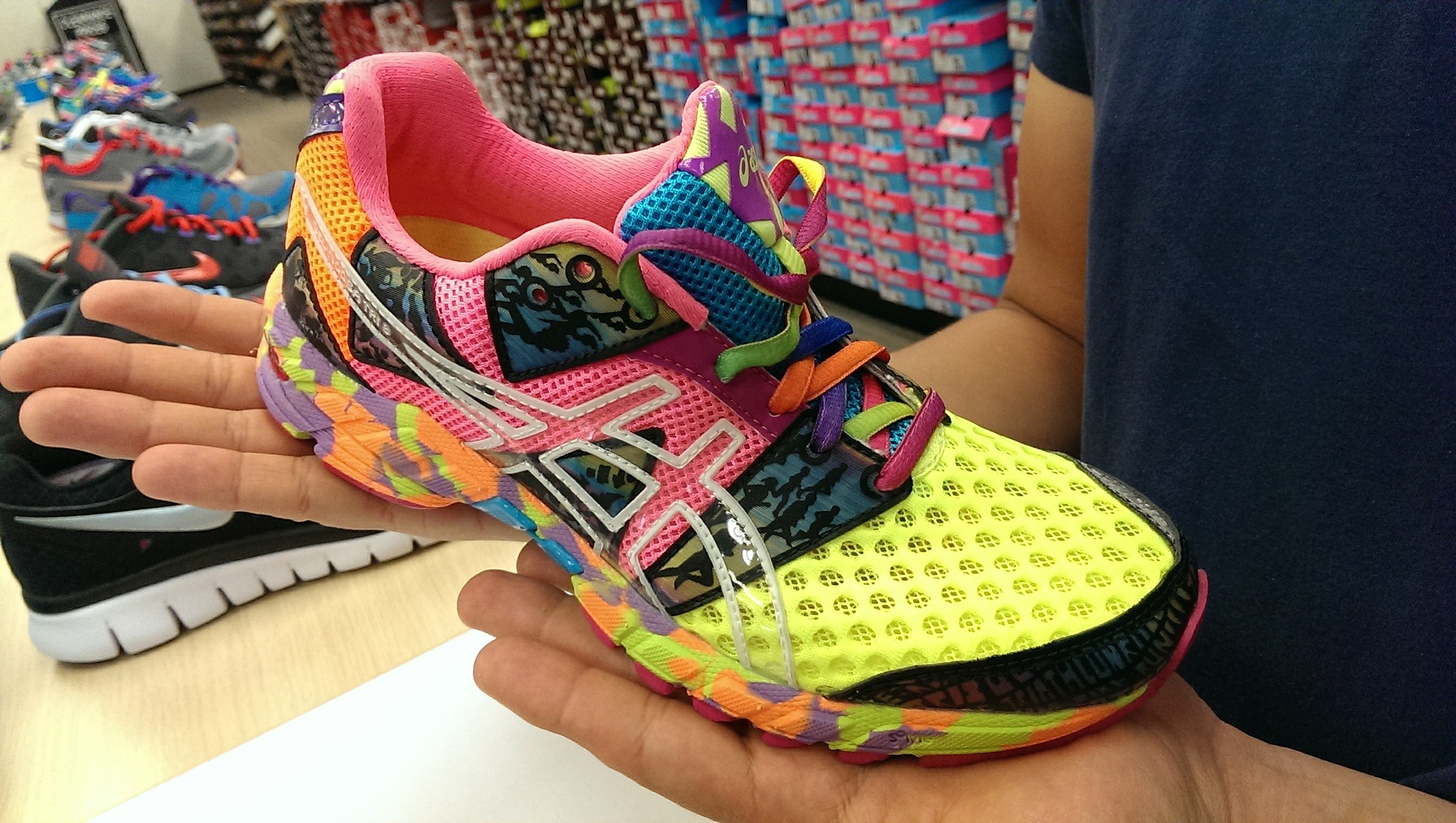
Five Myths You Should Disregard When Buying Running Shoes


Getting ready to shop for a new pair of running shoes? DPT Max Biessmann debunks five common myths you encounter when talking shoes and explains what you should pay attention to when shopping for running shoes.

BY MAX BIESSMANN, DPT, RAUSCH PHYSICAL THERAPY
USAT LEVEL I COACH, ASCA LEVEL I COACH, USA SWIMMING COACH


How often have you been to a 5k race or local weekly run and heard different runners comparing and talking about their shoes? There are many things avid runners can and will say about shoes, such as why they run in a certain pair and why that pair is better than any other, but with so many types of running shoes out there to choose from (and just as many opinions) how do you separate fact from fiction?

As a professional triathlete and doctor of physical therapy, I’m going to discuss some common myths I hear about running shoes to help you make a better decision when buying or trying out your next pair.

MYTH #1: Brand “X” is Better than Brand “Y”

I often hear people say they will only run in [insert name of major running shoe brand here] and that [insert name of competitor running shoe brand here] is not as good because of [insert sales pitch here.] Well, this is not entirely true.

Every major brand offers a wide variety of types of shoe to address the multitude of needs of all runners, from beginner to advanced marathoner. With this in mind, it’s not necessarily a specific brand of shoe that will work best for you, but a specific type of shoe. Do you need a lot of motion control? More cushioning? Do you want more road feel? There are types of shoes that can help each of these aspects.

That being said, there are three main features that can really change the shoe and therefore should take precedence in your decision making process: the amount of pronation control, the stack height or cushioning, and the heel toe drop/ramp. Pronation control refers to the amount of support along the inside aspect of your foot/arch and is designed to prevent your foot from collapsing inward into the dreaded over-pronation range. Stack height is the amount of material in between the sole of the shoe and your foot and is often thought of as padding or cushion. Heel toe drop or ramp is the difference in stack height from the heel of the shoe to the toe of the shoe.

If you’re lost as to what type of shoe is best for you, keep these three features in mind and ask an expert. Many running shoe stores will allow you to run in shoes at the store in order to recommend a type of shoe to help get you started in the right direction.

MYTH #2: There’s an Ideal Heel Ramp/Drop for Running Shoes

As mentioned above, the drop or ramp of a shoe is the difference between the stack height of the heel and the toe. The current standard is 10mm, or a heel that is 10mm higher than the toe of the shoe. However, some companies have started advertising a “zero drop shoe” (same height at heel and toe) because higher heel ramps have been blamed for an increase in heel striking and over-striding in runners, leading to an increased injury rate. However, there is currently no sound scientific research to prove that theory. In fact, it can also be argued that since the sole of a shoe compresses under a load, then a zero drop could become a negative drop (basically the heel becomes lower than the toe.)

The truth is that there is no specific standard drop that works best for everyone; the only way to determine the best drop for YOU is to have your gait analyzed by a trained professional. So check the drop of the shoe and find one that works for you; many companies offer ranges of drop from 0mm to 10mm. If you have good success in a specific drop of shoe, be careful not to make a large, sudden change when it’s time to replace that pair.

MYTH #3: There’s a Pair of Running Shoes That Will Make You Faster Although everyone is looking for that one pair of shoes that will magically make them faster, the reality is that the shoes on your feet won’t greatly slow you down or speed you up because they are not performance enhancing in and of themselves. Shoes are a tool that help you complete the necessary training without injury. For example a recent study discovered that adding 100 g (3.5 oz) to shoe weight affected well-trained runners by 1% over a 3k time trial. At 4 min/k (6:25 min/mile) this equates to approximately 7 seconds per 3k. So unless you are looking for those few seconds to win an Olympic gold medal, shoes are not going to make a huge difference overall, and you’re best off in the shoes that are the most comfortable and allow you to train the best without injury or discomfort.

MYTH #4: Shoes With More Padding Prevent Injury

The current trend in running shoes is shifting away from the minimalist movement of a few years ago toward increased padding or stack height. Many people are embracing the increased padding trend, claiming that it will help reduce the load on the joints and, thus, injury rates.

The concept behind this is sound, but good running form and mechanics revolve around being able to absorb and reuse the load to propel the runner forward. Good running form will put about 2.5x your bodyweight of force through your legs; as this force is applied, your legs and entire body must make very quick alterations in muscle activation patterns in order to maintain proper alignment and distribute the loads correctly across the various joints. However, when you run in maximal shoes, or shoes with a lot of padding/stack height, the padding will reduce some of the sensory input from your foot that is required for your brain to maintain the proper alignment. This doesn’t mean that shoes with increased padding are necessarily bad, but they do not prevent injury as some would claim.

MYTH #5: Shoes Change the Way You Run

Shoes can have minor effects on the mechanics within your foot and up through your leg, but the most important part of running form is the way YOU move and your own mobility, strength and motor control. Certain types of shoes or designs can be beneficial in helping you achieve the proper mechanics, but they will not fix anything.

Final Tips

In the end, the selection of a running shoe is a very personal decision and depends on many factors; I hate to be cliche, but there’s really no “one-size-fits-all” answer to running shoes. Here are my final tips and things to remember when purchasing your running shoes:

  • Just because your friend swears by a certain brand or model does not mean it will be the best for you.
  • When looking at running shoes, always take into account your running history, your body type, and your average running surface.
  • It’s important to test any shoe you buy—most running shoe stores will have a treadmill or will let you try the shoes out in front of the store.
  • If you ever see a demo night for a specific brand of shoes, try them out! One of the best things you can do for your running is to play the field with running shoes and try out different designs and models.
  • It is usually best to have several pairs of shoes in your stable to use for different types of runs. Changes in shoe dynamics will change the forces relayed into your foot and body during runs and can reduce overuse injuries.


StaffHeadshot-MaxMax Biessmann, DPT is a licensed physical therapist at Rausch Physical Therapy & Sports Performance. He received his Doctorate of Physical Therapy degree at the University of St. Augustine, San Marcos in 2016 and started his career at Rausch PT. Max is passionate about helping people achieve their goals through physical therapy and innovative rehab technologies. As the Endurance Sports PT, Max says he’s lucky to be able to combine his professional coaching experience and PT knowledge to help his patients achieve their personal bests in sports and daily life.

Learn more about Max and our other physical therapists »


Why Rest Isn’t Always Best After an Injury


While rest does help inflammation go down after injury, too much rest can actually slow down or inhibit the healing process. Ashley Heller, PT explains how resting after an injury is not the solution to healing.

Blog-Ash
BY ASHLEY, MPT, RAUSCH PHYSICAL THERAPY

Patients will often come in for physical therapy only after resting their injury for weeks; these are the same people who then ask me, “Why am I still injured and in pain? I took a whole month off!” It’s a common belief that staying off of and resting an injury will help it heal back to normal. In reality, when you rest an injury for a month, all you accomplish is four weeks of weakening the surrounding muscles.

While it does play an important role, rest is typically not the full solution for an injury.

What about R.I.C.E?

Rest does allow for inflammation to go down. In fact, R.I.C.E (rest, ice, compression and elevation) is key during the acute inflammation phase (first 24 to 48 hours after injury.) However, as the complete inflammatory process begins to calm down (between two to three weeks after initial injury) it’s important to return to modified activity to avoid tissue irritation and to prevent chronic swelling.

So yes, rest is good, but like most things in life, too much of a good thing can be bad! With rest comes de-conditioned muscles, which can then potentially lead to muscle imbalances or muscle atrophy. Returning to previous activities with these types of strength deficits after a month of rest can result in rapid re-injury and chronic pain. Remember, Resting → De-conditioning → Atrophy → Muscle imbalances → Increased risk of re-injury.

As illustrated in the following infographic, the person who begins to stretch and strengthen after the acute inflammation ends is able to make a quick, full recovery, while the person who instead chooses to rest their injury for a month as his rehab method has only put himself at risk for re-injury when attempting to return to normal activity.


Use it or Lose it

During the muscle strengthening process, strength gains made in the first two weeks can be attributed to “neuromuscular strengthening,” which refers to muscle memory and the brain’s ability to “turn on” a muscle. After those first couple weeks, true muscle strength gains begin to occur between four and six weeks.

In comparison, muscle atrophy happens much quicker than muscle strengthening. The early stages of muscle atrophy can occur as soon as one to two weeks. The extent of muscle atrophy directly relates to the injury severity and amount of time immobilized, meaning the longer you don’t “use it” the more you “lose it” and the longer it will take you to regain full, true strength back.

When to Start Stretching and Strengthening

Think of scar tissue like a scab that lays down in a randomized fashion over the injured tissue during the healing process. Although trying to stretch the scar tissue too soon will damage the adhesions that are trying to form, stretching scar tissue at the appropriate* time will allow the tissue to lay down in a more organized fashion and promote flexibility. Likewise, soft-tissue work during this time is essential to promote better flexibility.

*The appropriate time to start stretching scar tissue is when it can be done without localized pain at the site of the injury (this can vary from patient to patient and the severity of the injury.

Forget ‘No Pain, No Gain’

Just remember, there is a significant difference between “good” pain and “bad” pain. You should leave PT feeling less restricted and able to move more freely; subsequently that newfound mobility or strength may be accompanied by treatment or exercise soreness, which I refer to as “good pain.” Good pain is that feeling after a good deep-tissue massage, muscle soreness from a great workout, or a specific stretch that is making change. “Bad pain” refers to pain as a likely result of treatment or exercise that is too long, too hard, or too intense, which can cause tissue irritation and pain. Finding just the right amount of exercise and activity is crucial to finding balance between recovery and progression rather than taking steps back.

Conclusion

Ultimately, your physical therapist is there to help guide your recovery during the healing process. PTs are your best resource for advising you what you should be doing and what you should be avoiding at your current stage during the recovery process. People re-injure themselves when they do too much too soon after an injury. This can happen when the weakened tissue is put under too much stress too soon. PTs are experts when it comes to progressing you to the right exercises at the right time, with the right amount of intensity or resistance. Although physical therapy cannot necessarily “speed up” the body’s inflammatory response and healing process, it can enhance tissue recovery, joint restrictions, muscle function, and address potential movement pattern dysfunctions that could lead to the initial injury. Your PT can help advise you of the appropriate amount of activity during the recovery process so you can get back to doing what you love quickly, healthier and stronger than before.


StaffHeadshot-Ashley2Ashley Heller, MPT is a licensed physical therapist at Rausch Physical Therapy & Sports Performance. She received her Masters of Physical Therapy degree at California State University, Long Beach and is passionate about working with patients with shoulder, knee and ankle injuries. With background in orthopedic-related injuries and post-operative rehabilitation, Ashley believes that the combination of manual therapy and personalized therapeutic exercise program is vital to recovery. Known as the Water Sports PT, Ashley says her goal is to help her patients better understand their injuries and the plan for their road to recovery.

Click to learn more about Ashley and our other physical therapists »


Client Spotlight: Arland Van Horn

Arland Van Horn is a real-life Superwoman. When she’s not at her day job at Disney, or at her after-hours job as co-founder of STRIVE Omni Sport, Arland is busy training for her next race. She did triathlon back in college, took a break, but started racing again in her 40’s. Most recently, Arland completed a full IRONMAN in Canada back in July, but a back injury almost derailed her journey to completing her second IRONMAN before it could even start.

“I was having a lot of lower back pain on the bike,” Arland said. “I was already committed to IM Canada and I was worried I wouldn’t finish the bike if I didn’t address whatever was causing the back pain. 112 miles of really hilly biking was looking almost impossible.”

Yep, even superhero bodies break down sometimes. Arland has been a patient at Rausch Physical Therapy & Sports Performance for many years now for a myriad of injuries. As a passionate believer in STRIVE’s mission to “to reach limits we thought unachievable” and “STRIVE to be the best that we can be,” Arland says she appreciates Rausch PT’s focus on goals, not just fixing an injury.

“I hate being injured, but I actually really enjoy going to the clinic, even though that’s weird,” she said. “It’s a fun, supportive, goal-oriented environment. No one tells me “no” or “you can’t” (at least that I’ve listened to.) The focus is always on understanding my goals and helping me overcome whatever physical obstacle may be in my way.”

Arland says her PT Ashley not only helped her make it to the start line in Whistler, but her advice also really helped her push through to finish the bike.

“I finished!” Arland said. “That’s always the main goal in an IRONMAN. I had a PR swim, a rough bike and a decent run. I still had back pain (I probably started working on it a little too late to completely correct the issue,) but I was able to get through it through a lot of strategies Ashley helped me create. Did you know you can do “Cat/Cows” on the bike? It helps!”

Arland’s next triathlon is Oceanside 70.3 in April, and her goal is to be healthy and have a pain free race with the help of PT.

“I think triathletes in particular need to remember to take time to rehab and recover more. We are collectively terrible at it, especially me. I’m grateful to all the folks at Rausch for always being there for me when I need help.”

Listen to Jonathan on Angels Baseball Radio


If you’re a parent of a young ball player, you need to hear this.

Baseball PT Jonathan Meltzer joined Dr. Alan Beyer on Doctor in the Dugout Angels Radio AM830 to talk about injury prevention for players of all levels, as well as his views on the controversial issue of youth baseball injuries on the rise in Orange County.


JMAbout Jonathan Meltzer, PT, DPT

Doctor of Physical Therapy Jonathan Meltzer is a licensed orthopedic physical therapist at Rausch Physical Therapy & Sports Performance in Laguna Niguel, Calif. Known as “The Baseball PT,” Jonathan not only specializes in baseball-specific rehab and helping players get back onto the field faster and healthier, but he also advocates for injury prevention and is passionate about combating avoidable overuse injuries plaguing youth baseball athletes. Jonathan’s goals are to identify limitations and treat his patients with the most recent and innovative techniques in order to maximize functional independence and obtain his patients’ individual goals.


Are You Falling for These Four Common Running Form Myths?


Don’t let common running myths hold you back from reaching your full potential, or worse, put you at risk for injury. PT Kevin Capata puts these misconceptions to rest in hopes of changing the way we all think about “perfect” run form.


BY KEVIN CAPATA, DPT, RAUSCH PHYSICAL THERAPY
If you are a runner, treat runners, or even just know someone that runs, you have most likely been involved in the never-ending debate on what is the “correct” way to run. Well, I hate to burst everyone’s bubble, but the truth is this: There is no “one size fits all” answer!

These days, runners come in all shapes and sizes, and they run at various fitness and experience levels; this is why people often come up short on their search for THE best way to run—it really does depend on each individual person. However, that doesn’t mean you can’t figure out a better, more economical, and more efficient way to run depending on your individual body structure and function.

So, to finally abandon this one-size-fits-all approach to “perfect” running form and shift the way the world thinks about running, let’s examine a few common myths and misconceptions that may be holding you back from reaching your full potential, or even causing injuries.

NOTE: All these recommendations are assuming you are healthy with no current injuries. If you are unsure, first make an appointment with your physical therapist to identify and resolve any chronic injury or pain.


Myth #1: Running is a Hobby

First things first, it’s important to understand that running is a sport—not a hobby—which means running requires specific athleticism in terms of strength, balance, range of motion, stability, mobility, etc. As with any sport, developing fundamentals is the key to success. Once you have the fundamentals down pat, variability/adaptability become king!

Take a look at the top 10 jump shooters in the NBA. Each athlete exhibits similar and consistent fundamental motor patterns, form, and mechanics that are essential to being a good basketball player, however each individual also displays slight differences that they’ve found have made them successful. It’s these small variations built on top of the sports’ fundamentals that has set these athletes apart and elevated them to the elite level.

While it may seem totally unrelated, by treating running as a sport and applying this similar concept of developing fundamentally “good” running form, then building on it, you can get faster and prevent running-related injuries. Here are some of the fundamentals you should carry with you on every run:

  1. Maintain an upright posture with slight forward lean from your ankles, NOT from your hips or trunk. Avoid the dreaded “toilet bowl of doom” or “backseat” running postures, especially when fatigue sets in. (Fun tip: if you’re having trouble with this, go for a run where you’re sure to be seen—researchers have found that the majority of runners will straighten up when a runner of the opposite sex is coming towards them ☺)
  2. Land with your foot just in front of your Center of Mass (COM). If you land with your foot directly underneath you, you’re going to fall over, and if you overstride you’ll lose energy, endurance, go slower, and risk multiple lower extremity injuries.
  3. Focus on pushing off from your posterior chain. Yes, those infamous glutes, core and hips. Get your foot off the ground as quick as possible, working on elastic recoil and spring. Think plyometrics and quick, powerful movements. Just like you compress a slinky down and then let it go, this is how we want to think about our legs as we run.
  4. Use your arms. Reciprocal arm swing will help generate power and momentum, as well as maintain your balance and rhythm. Keep a rhythmical arm swing with your shoulders relaxed and elbows brushing up against your hips, not crossing in front of your midline.


Myth #2: Anyone Can/Should Run

Like I mentioned above, running is a sport—not a hobby—meaning not everyone can/should just “hit the ground running.” Now don’t get me wrong, I love running as a way to get in shape, but IF and ONLY IF it’s something that’s gradually (very gradually!) built up to. We live in a time of instant gratification, however the truth is that developing the skill of running, improving strength, and changing motor patterns are habits that take time and hard work. Read any book about building habits or becoming proficient at a skill and I bet it mentions something about “10,000 hours” or “6,000 repetitions” of focused practice to master a specific skill; running is no different.

So listen up! If you a) have never ran competitively before (e.g. high school or college cross-country, track, or other running team), b) have a BMI in the “overweight” category, or c) haven’t been doing cardiovascular fitness training at least three to four times per week for the past two to three months, then you should NOT start running on a consistent basis without first getting individual instruction, coaching, and/or gait analysis. You need to learn how to build your endurance, volume, and intensity overtime, and you should have an expert analyze your current gait and running patterns.

Why is this so important? It’s no coincidence that “running-related” injuries have become so prevalent over the past three decades. Runners used to be predominantly male athletes who ran for competition—skinny guys who were dedicated to the sport and coming in first place. Nowadays, there are more recreational runners who run a marathon just to finish; some are overweight and most are involved in cross-training activities; not to mention that females now make up the slight majority (54%) of runners.

So please, do your body a favor and be patient, take the time to make sure you “get fit to run” before signing up for that first half or full marathon. It will be more fun and rewarding and much less painful if you do.

Myth #3: You Should Run the Same Way Every Time

Efficiency and variability—develop these two attributes as a runner and the rest will take care of itself. The human body is an amazing specimen that adapts to the loads that you place on it, so use that to your advantage! Stand on one leg all day long, and I guarantee you that leg will get stronger and your balance will improve. Change the way in which your foot strikes the ground, and you will be prepared for any surface, incline, decline, or obstacle thrown your way. Again, this takes time! For instance, run some days slow, some days fast, other days both; throw in some hill repeats, some short speed sessions, increase your cadence when you’re feeling good, and slow it down when you’re fatigued.

Myth #4: Cadence is Key

According to numerous studies, the fastest runners take about 90 steps per leg each minute. However, this should not be taken as a stand alone statistic because cadence (or turnover, stride rate, etc.) is a function of an individual’s speed and stride length, as well as physical and cardiovascular capacity. Basically, each person will feel most comfortable and perform optimally at different step rates.

However, it is true that by increasing your cadence you can dampen ground reaction forces, decrease joint loading and impact forces, as well as improve your economy and speed. Therefore, the best thing to do is to either count (or download one of several apps that counts) your average cadence during your run. Play around with going fast, slow, up/down hill, fatigued and energetic, and get an average number. You should be between 160 to 190 steps per minute. If you’re within this range, you can then experiment with increasing and decreasing throughout a run and keep track of what feels most comfortable, what’s less physically taxing over longer distances, and what yields the quickest results. That is the range that your body prefers—assuming all fundamentals listed above are also abided to!

Conclusion

While running mechanics and form can become a complex and heated subject, we have to first and foremost acknowledge the fact that running is a sport and skill that requires time, dedication, and focused practice to achieve results. My main hope is that by taking this approach, we can start to limit the amount of injuries, pain, and suffering that a majority of recreational runners are experiencing on a daily basis.

If you’re still lost and want to take the first steps to becoming a better, faster, and more efficient runner, come in and schedule a Run Right with us at Rausch Physical Therapy & Sports Performance and not just PR your next race, but have fun and be injury free after.


K2Kevin Capata, PT, DPT, CSCS is a licensed physical therapist at Rausch Physical Therapy & Sports Performance. After receiving his Doctor of Physical Therapy degree at Columbia University, Kevin started his career at Rausch PT, where he used to work as a physical therapy aide. Now, Kevin enjoys helping his patients recognize and fix movement faults to help them overcome their injury or pain, as well as empowering them with the knowledge and tools to prevent re-injury or potential new injuries.

Click to learn more about Kevin and our other physical therapists »



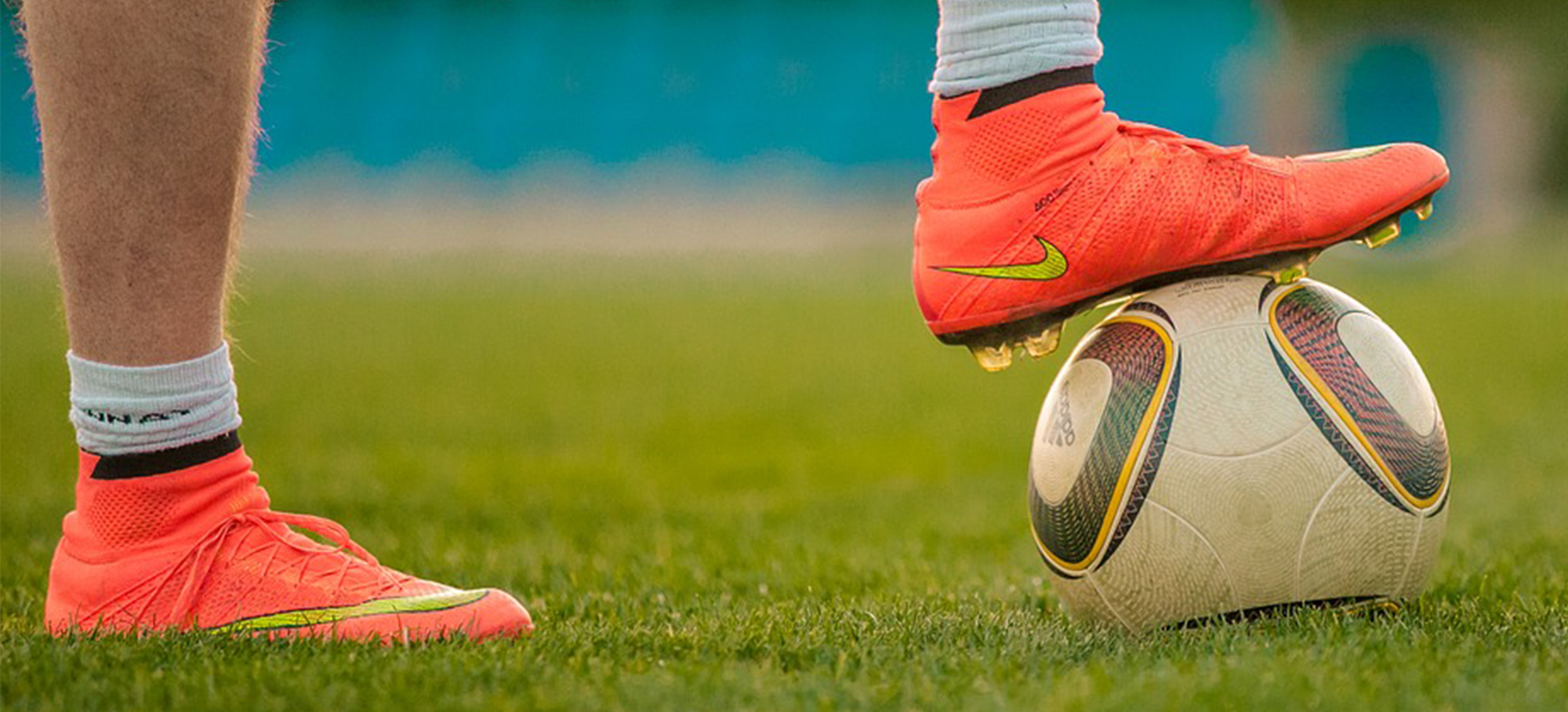
Finding the Best Soccer Cleats for Your Feet


Are your soccer cleats putting you at risk for injury? PT Lyndsay explains how to find the perfect fit for your feet and shares tips on how to make sure your feet stay healthy and happy all season long.

LF-BLOG
BY LYNDSAY DEFILIPPO, DPT, RAUSCH PHYSICAL THERAPY
If you read my previous article, Tackling Common Soccer Injuries, you already know that the most common injuries sustained on the soccer field involve the ankle and foot complex. One of the risk factors I mention gets very little attention from a health and wellness perspective, but it may just be one of the simplest ways to avoid easily-preventable injuries—your footwear!

With so many brands out there (and superstar athletes to back the sales,) finding your cleat of choice can sometimes be a stressful and expensive task; it’s also one that puts you at risk for injury if the fashion is right but the fit is not. Now, having a tight fit (often a size too small) has always been the go-to for most athletes, as they feel it allows for a heightened control of the ball and better feedback; with that being said, most soccer players are wearing the wrong size shoe.

Finding the Perfect Footwear Fit for You

What Are Your Feet Telling You?

As a physical therapist, I work with and see a lot of feet. Not only do I treat the specific injury my patient presents with, but I also observe all other aspects of their foot/ankle complex to get a complete view of what needs to be done to counteract the damage occurring at the affected body part (and potentially up the chain.) To list a few, I’m looking for blisters, calluses, hammertoes, bunions, ingrown toenails, and wear patterns. Why do I focus on these aspects of the foot? The skin is the largest organ in the body, and it can often give us information regarding one’s health, such as the areas of abuse the foot suffers during sport.

Stiff vs. Flexible Sole

One thing that separates a soccer cleat from your average running shoe is its hard sole. In many cases (not all, as some cleats offer more flexible soles) this key factor can either make or break one’s performance, or send them running to the doc with foot problems.

Some people may enjoy the stiffer sole to allow for greater push-off force and responsiveness to quick movements, while others may like a more natural, softer sole so they can feel the touch of the ball on their feet better. However, the real reason that most soccer cleats have a harder sole may surprise you. A harder sole helps distribute weight and pressure throughout the foot so that the areas directly above the “spikes” don’t receive too many forces when hitting the ground; it offers a greater surface area to distribute the weight equally versus all of the weight through one small area. Think of one person standing on 100 evenly distributed nails and another on only six… who do you think will be rushing to the ER to get a nail removed from their foot first?

Whether you purchase a harder or more flexible sole depends on your own personal preference, however I would caution against investing in a stiff cleat with little-to-no flexibility, as normal foot mechanics have to have some motion to perform their job correctly.

Get the Right Size for Right Now

Another important factor to observe is the width and length of the shoe. First things first, you should wear a cleat that is your normal size (avoid sizing down.) I also recommend having your foot measured by a professional at a soccer specialty or running store; this person can help you figure out whether your foot is wide, medium or narrow so you can be as comfortable as possible in your cleats.

Parents, listen up! While buying a shoe that is too small is not good (it can literally change the structure of your foot over time,) more importantly I will ask that you do not (and I can’t stress this enough) DO NOT buy your kid cleats that s/he can “grow into.” A shoe that is too big, too long, or too wide will be problematic and may lead to injuries. A proper perfect fit is truly the only way to go.

Pay Attention to Expiration Date

While most running shoes have an expiration date tracked in miles, soccer cleats often do not. This becomes problematic because athletes continue to play on cleats that are worn out, which inevitably leads to more injuries. The cleats may have lost their traction, or holes within the cleats open up the body to outside elements; worn in cleats also offer little support and make one more susceptible to ankle sprains, foot sprains and other lower extremity injuries.

Because of their ever-growing price tag, most athletes tend to utilize their cleats way past their expiration strictly for financial matters, instead of putting their body first. So, be mindful of when your cleats begin to feel too loose or start to break down to indicate you’ve used them past their prime.

Six Tips for Happy Feet

Here are my tips and tricks for finding a good fit and making sure your feet stay healthy and happy:

#1 – Find your perfect fit

Have your foot measured by a professional prior to buying your next set of cleats. This is especially important for young athletes whose feet are still growing. Make sure the boot doesn’t feel too big or too small, also noting if your toes feel cramped at the toe box or if there is extra pressure pushing on your big and little toe.

#2 – Hold footwear tryouts

Try a variety of styles and brands to find what fits your foot best (not what your favorite soccer star wears.) When you find a good fit, practice a few soccer-specific drills while in store (e.g. quick taps, side shuffle, toe and heel walks, jog in place.) Heck, even take a soccer ball with you and try a few passes and juggle drills. If you wear orthotics in your cleats, take those with you as well.

#3 – Break in those boots

Every soccer player knows the discomfort of breaking in new cleats. Depending on the material of the cleat (kangaroo leather, vinyl, regular leather, etc.) there are various ways to assist with getting a good fit. Some prefer standing in warm water with cleats on to allow the leather to soften and mold to your foot, while others prefer the old ziploc ice bag in the toebox trick. Whichever method you prefer, make sure that the material the cleats are made from can withstand those methods, as damaging a new set of boots is a costly mistake.

#4 – Consider pitch surface

Pretty simple stuff here: turf shoes are made for turf, indoor shoes are made for hard/court surfaces, cleats are made for outdoor grass/dirt fields.

#5 – Keep your cleats clean

This is not necessarily aimed at the appearance of the cleat as it is more a hygiene concern. Your feet sweat—A LOT—so the potential for foot fungus to develop from your cleats is high. Make sure to air out your boots after use, stuff them with newspaper, or even invest in a cheap shoe dryer (An antifungal spray here and there is also helpful.) And FYI, sweat normally doesn’t make for smelly shoes… it’s the moisture mixing with bacteria or fungus on our bodies or from outside factors being trapped in a warm, dark and wet environment (i.e. your shoes!)

#6 – Create your own foot care regimen:
    • Keep your toenails trimmed.
    • Do a foot check after each practice/game for blisters, callouses, etc.
    • If your feet hurt, try an Epsom salt bath or ice bath.
    • Keep your feet dry to avoid skin breakdown.
    • If you think you have an injury, seek attention immediately. Do not play through pain!


StaffHeadshot-LyndsLyndsay DeFilippo PT, DPT, CKTP received her Doctorate of Physical Therapy from New York University in 2010. She’s a Graston Practitioner and a Certified Kinesiotaping Practitioner. Lyndsay looks at each injury as a constantly changing puzzle, which is only solved when her patient returns to what s/he loves doing. She enjoys helping with the full recovery process, which includes providing the education, tools and fundamentals to prevent re-injury and the potential for new injuries.

Click to learn more about Lyndsay and our other physical therapists »
Free Class at ABC Pilates

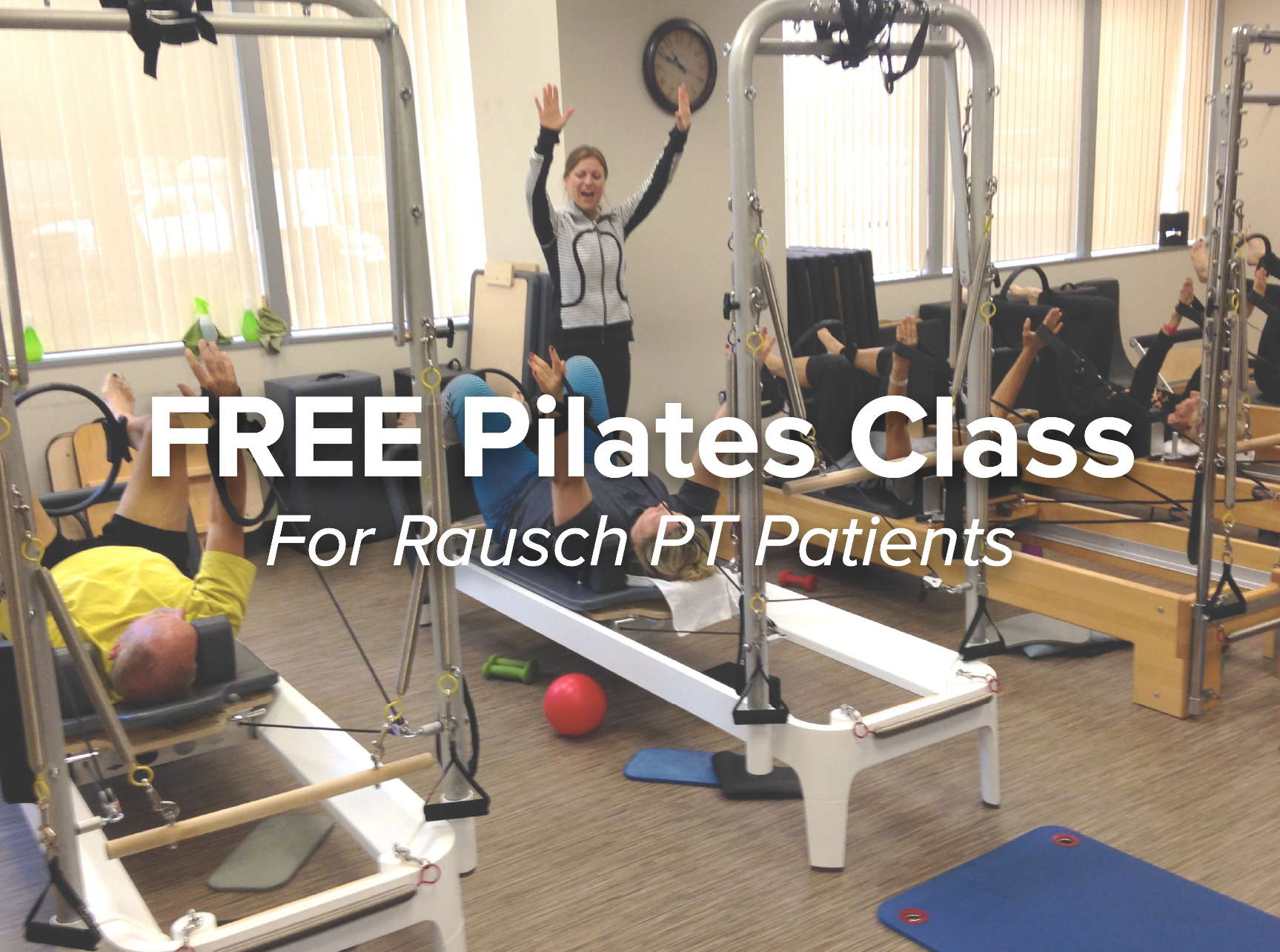
Did you know? Pilates is GREAT for rehab! Rausch PT incorporates Pilates-based exercises into almost every patient’s therapy, so our staff takes monthly classes at ABC Pilates to learn correct form and new moves.

ABC Pilates is a friendly, full-service Pilates studio located inside the same suite as Rausch PT. Our physical therapists have a direct line of communication with all ABC Instructors, so whether you’re looking for continued care to keep you healthy and strong, or you want to supplement your rehab with some Restorative Pilates or Yoga, you can rest assured you’re in good hands.

Rausch PT patients get one FREE, 30-minute class at ABC Pilates!


First Tuesday (12-12:30 PM) & Saturday (11:30 AM – 12 PM) of the month

    • Learn the basic Pilates principles and key starter exercises
    • Learn how to safely use the equipment (Reformer, Chair, Tower, etc.)
    • Tour the studio and learn more about all ABC Pilates has to offer


Having trouble with our form? You can also sign up for class by calling us at (949) 305-3310 or emailing julianne@abcpilates.com.


Why Early Sport Specialization is Unhealthy and Ineffective


Is early sport specialization actually hurting your child’s chances at a college scholarship?

Early sport specialization continues to be a troubling trend in youth sports, despite research and studies showing it is actually more detrimental to a young athlete’s elite athletic goals than it is helpful. Ashley Heller, PT, MPT unpacks the numerous problems associated with early sport specialization and provides solutions for how to set your child up for success in high school and college athletics.

Blog-Ash
BY ASHLEY, PT, MPT, RAUSCH PHYSICAL THERAPY

Originally published: 4/25/17

We all know top universities want students who have the best grades, best athletic ability, and who are well-rounded with extracurricular activities. Even if you do get an acceptance letter, tuition hikes have students and parents concerned about how to pay for higher education. To ease the burden of student loans, a popular strategy is to get an athletic scholarship.

The pressure on young student-athletes to be the absolute best in their sport to increase their chances of getting into and paying for college is astounding, to the level that it has actually changed the way our society approaches youth athletics. Instead of having our kids play multiple sports in seasons and involving them in a variety of extracurricular activities, parents are encouraging their children to focus on only one sport year-round–all in hope they’ll become good enough to earn athletic scholarships.

However, this alarming trend of “early sport specialization” can actually have more drawbacks than benefits, and it’s happening at a younger and younger age as college competition continues to rise.

Cons of early sport specialization

Negative effects on grades, socialization–and your bank account

When a child “specializes” in one sport, their life (and their parents’ lives) revolves around it. Between club practice, high school practice, individual coaching and training sessions, etc., kids have little time for other things. This can have a detrimental effect on their academic performance, as well as limit their involvement in social or extracurricular activities. This often leads to burnout before they even reach high school.

Not to mention the cost of early sport specialization! All those private lessons, club teams, tournaments, travel costs, and specialized coaching adds up quick. Realistically, parents may spend more money on early sport specialization than what can even be awarded in scholarships.

The cold truth is that studies show that only 0.2% to 0.5% of U.S. high school athletes make it to the professional level. Ultimately, pressuring kids to specialize and overtrain at an early age will not make up for innate athletic talent.

Increased risk of injury

In addition to academic, social and financial issues, early sport specialization is also associated with increased risk of injury. Flexibility, mobility and coordination are all affected during and after growth spurts. Trying to specialize a child while they are still growing can lead to strength imbalances and movement pattern deficits, which can result in breaks, tears and sprains.

Year-round practices and games lead to overloading joints and the creation of repetitive, faulty movement patterns, which can result in overuse injuries. Studies indicate that risk of overuse injuries increases significantly when the number of hours spent training weekly exceeds the child’s age. Unfortunately, its the common and avoidable overuse injuries that plague youth sports–“little league elbow” in pitchers, shoulder instability in swimmers, and Osgood-Schlatter’s or Sever’s Disease in soccer players–that often stop collegiate or professional athletic dreams in their tracks.

Pros of sport and activity diversity

Early multisport participation has many benefits for youth athletes.

  • It creates a solid motor skill foundation–coordination, balance, proprioception, motor planning and strength–which translates to athletic success and overall good health later in life
  • It helps prevent burnout if the athlete plans to compete at a higher level
  • It will promote motor skill development and improve their overall athletic skill when they reach the appropriate age (typically late-adolescence, around 16 years old) to specialize in one sport

Sports diversification is even more important now in our tech-driven society. Kids are spending more time in front of screens and less time playing outside. Outdoor “free play” is critical for young motor skill development, which is the foundation for building athletic skill. So, if you want your kids to be great at sports, get them outside early and often! They’ll develop a variety of movement patterns that will help reduce the risk of overuse injuries and improve their overall athletic ability.

The importance of cross training for one-sport athletes

If your child is at the appropriate age and specializing in a specific sport, please consider adding cross training to their training regimen. Cross training helps:

  • Prevent overuse injuries by providing rest to heavily trained muscle groups, which is extremely important for muscle rejuvenation and tissue health, and encouraging different movement patterns
  • Complement strength training to reduce strength imbalances and improves overall core stability and power
  • Minimize fatigue, enhance flexibility, and build endurance


Final Thoughts

If your goal is to be a collegiate or even professional athlete, this article is not meant to discourage you! I want to give you insight into what it takes to achieve this level of athletic ability while avoiding injury.

Here are some final thoughts to take away:

  • The appropriate age for sports specialization is around 15 to 16 years old for most sports
  • Not all high school athletes will be college or professional athletes, so manage your expectations
  • Sports are supposed to be fun! If your child is getting tired of their sport, let them try something new
  • Youth athletes should be encouraged to participate in a variety of sports to develop a good foundation of motor skills
  • Cross-train to become a well-rounded athlete and to avoid overuse/overtraining injuries

And if this article still hasn’t convinced you, the NCAA website includes in its NCAA Sport Science Institute resources and materials section Consensus Statement by the American Orthopaedic Society for Sports Medicine which states:

Background: “Early sport specialization is not a requirement for success at the highest levels of competition and is believed to be unhealthy physically and mentally for young athletes. It also discourages unstructured free play, which has many benefits.”

Results: “The primary outcome of this think tank was that there is no evidence that young children will benefit from early sport specialization in the majority of sports. They are subject to overuse injury and burnout from concentrated activity. Early multisport participation will not deter young athletes from long-term competitive athletic success.”

Conclusion: “Youth advocates, parents, clinicians, and coaches need to work together with the sport governing bodies to ensure healthy environments for play and competition that do not create long-term health issues yet support athletic competition at the highest level desired.”

So, let’s shift our approach to youth sports and be smarter when it comes to our children’s health and well-being. By encouraging your child to play multiple sports, managing your and their expectations, and incorporating cross training, you can set them up for success to achieve their athletic and academic goals and thrive both on and off the playing field.

[framedbox]

References & Additional Reading:

[/framedbox]


StaffHeadshot-Ashley2Ashley Heller, PT, MPT is a licensed physical therapist at Rausch Physical Therapy & Sports Performance. She received her Masters of Physical Therapy degree at California State University, Long Beach and is passionate about working with patients with shoulder, knee and ankle injuries. With background in orthopedic-related injuries and post-operative rehabilitation, Ashley believes that the combination of manual therapy and personalized therapeutic exercise program is vital to recovery. Known as the Water Sports PT, Ashley says her goal is to help her patients better understand their injuries and the plan for their road to recovery.

Click to learn more about Ashley and our other physical therapists »
 

Client Spotlight: Samantha Gugliuzza


At just 12 years old, Samantha Gugliuzza is our youngest Client Spotlight to date. Sam is a serious soccer player with some big dreams, and Rausch PT will help get her there.

At Rausch Physical Therapy & Sports Performance, our goal is to not only help our patients get back to doing what they love, but to also help educate them on how to avoid future injuries so they can continue to do what they love for many years to come. Samantha Gugliuzza is the perfect example of this. Sam has been playing soccer since she was three, and she is currently in her seventh season playing with the acclaimed So Cal Blues Soccer Club. However, after developing Osgood-Schlatter disease, a childhood overuse injury that causes a painful lump below the kneecap, 12-year-old Sam was in dire need of physical therapy in order to continue playing the sport she loves.

Sam has been a patient at Rausch PT for more than a year now, and she says PT has not only helped her control the pain, but it has also taught her how to avoid future potentially-sidelining injuries.

“I believe that more young soccer players should come to physical therapy,” Sam said. “The physical therapists at Rausch PT can help you with any pain you may be having, but more importantly they help you to prevent future injuries by learning the proper way to warm up, cool down, stretch and work on your form to help you train and play smarter.”

Sam was paired up with DPT Lyndsay DeFilippo, “the Soccer PT” and a former soccer player herself. Together, Sam and Lyndsay have been working to gain strength and stability so Sam can continue to work toward her athletic goals while dealing with Osgood-Schlatter’s.

“As Lyndsay is a former soccer player, she understands the challenges and physical demands of the sport,” Sam said. “She has helped me physically and mentally by structuring a program to build strength in the areas of my body where I need it the most. My strength and stability have definitely increased (for example arch strength, hip strength.) Lyndsay’s words are always in my head reminding me to do a proper warm-up, to have proper form when striking a ball, and most importantly stretching after practice and games.”

It was actually Sam’s mom, Alex, who first discovered Rausch PT. Upon a friend’s recommendation, Alex came to PT while training for her first marathon. Alex says she went from not being able to run four miles without knee pain to running 26.2 pain-free.

“With the help of everyone at Rausch PT I was able to accomplish a goal I did not think was possible (running my first marathon in under four hours,) Alex said. “So I love that I can drop Sam off for physical therapy knowing she is in very capable hands. Over the years I have come to know almost all of the physical therapists and aides there, and it is such an energetic and inviting place to come. I trust them with not only myself, but my daughter as well.”

With the continued support of her family (and Rausch PT-family,) we know anything is possible for this soon-to-be teenage soccer star! Now that Sam is managing her knee pain and has incorporated a recovery program into her training, she is set up for soccer success in the future.

“My goal for soccer is to continue to play at a very high-level and intensity. My team will be playing in the Elite Clubs National League (ECNL) this year, which we are excited about. I also hope to play in high school (while achieving a high level of academics at the same time,) and I hope to eventually play at the college level.”

Good luck to Sam, and remember Rausch PT will always be here to help Get You There!