
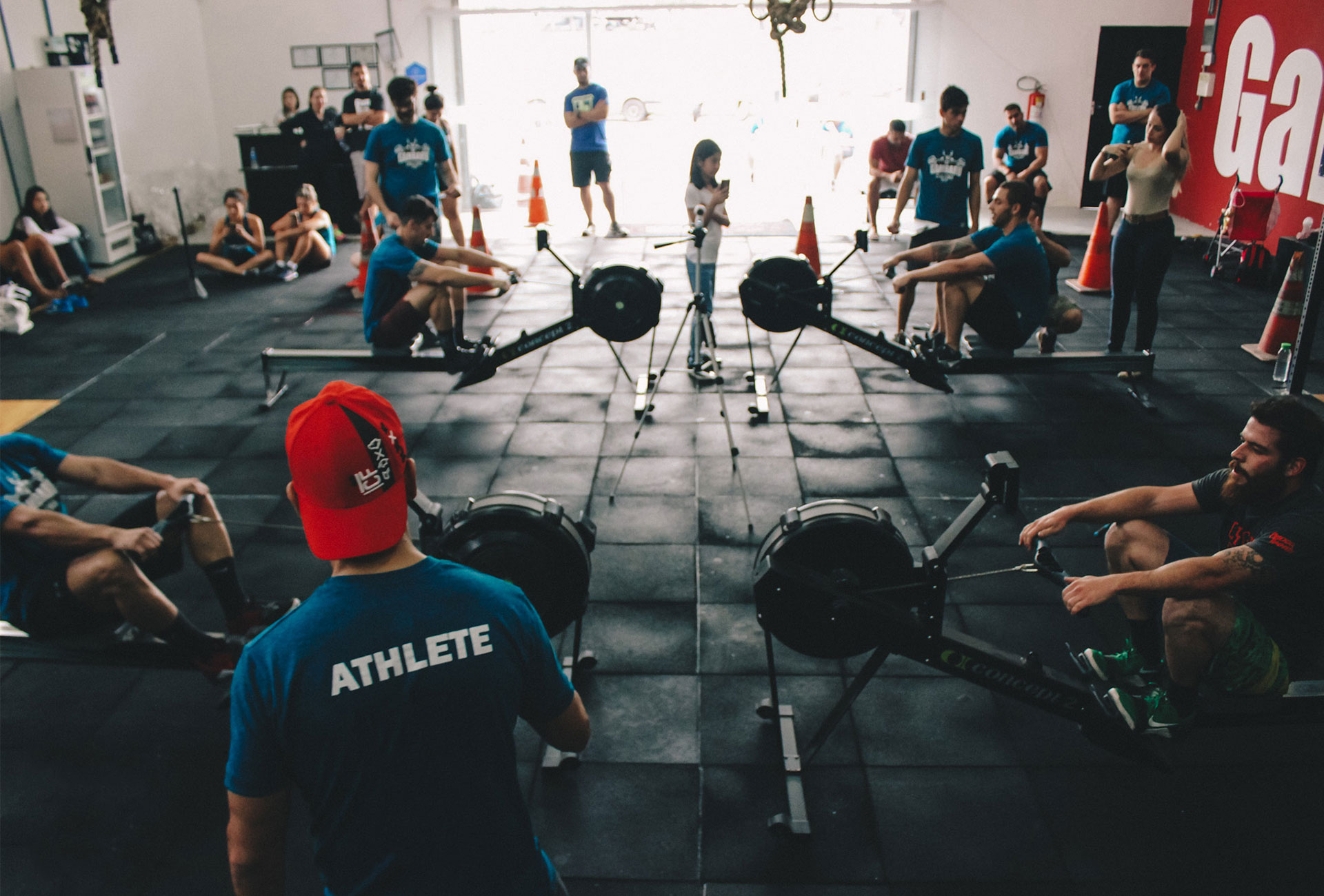
How to Avoid Common Injuries From Doing HIIT Workouts


HIIT, or High Intensity Interval Training, is a popular workout philosophy that promises big results in a short amount of time. However, it also puts its participants at a higher risk for injury. PT Jonathan Meltzer explains how taking a few precautionary steps will allow you to enjoy HIIT workouts safely and effectively.

JM-BLOG
BY JONATHAN MELTZER, DPT, RAUSCH PHYSICAL THERAPY

In recent years, bootcamps, training groups, and other fast-paced workout classes have become increasingly popular, especially in areas like Orange County where we’re all busy, active people (willing to spend on beauty, health and wellness.) Rather than hitting the gym solo, people have started HIIT—High Intensity Interval Training.

Instead of spending hours at the gym, people are flocking to small, local fitness studios or clubs that offer 30 to 60 minutes HIIT workouts, which is various exercises at short intervals. When you add in the bonus of having a coach or instructor leading you through every session, it’s easy to understand why these independent facilities are so popular amongst people looking to transition off the couch.

In fact, the theory of HIIT is brilliant; it gets the heart rate up, combines cardio and strength into one session, and provides variation to avoid workout boredom. For a society that craves immediate gratification, HIIT is great. I myself was a member of a club for more than two years, and it got me in the best shape of my life.

However, as a doctor of physical therapy, I know how to prepare and protect my body for HIIT workouts, and unfortunately I’ve seen too many patients on my table who don’t.

Understanding the Risks of HIIT Workouts

With the increase in popularity of CrossFit, boot camps, etc. came an increase in the number of HIIT-related injuries I saw pop up on my schedule. HIIT has an increased risk of injury compared to lower-intensity workouts, especially for people who have been living a underactive lifestyle prior to jumping into it.

As a shoulder injury specialist, I see patients with rotator cuff sprains, pinching impingement pain and full blown labral tears because their coach put them through 20 minutes of various shoulder exercises, or had them pressing dumbbells into the air over and over just jamming the joint. Others are suffering pain in their knees, lower back stiffness and pain or stiffness in their hips from doing squat/lunge/burpee-type exercises without having first developed proper hip stability to support their body through these intense workouts.

HIIT workouts focus on global stabilization, which means that bigger muscles (those “show me” muscles) get worked a tremendous amount, but too often it’s without proper local stabilization. Just think, it doesn’t make sense to have a nice big house on the beach if the foundation is made of sand—it’ll be washed away in the first storm. However, if you put in the effort and take the time to build up a strong, stable foundation, your beautiful beach house is going to be able to withstand a whole lot more—and look good doing it!

Prepare Your Body to Take the HIIT

While the risks associated with HIIT workout regimens are higher than low-intensity ones, for some people the results are worth it. Like I said earlier, I was in the best shape of my life when I was doing HIIT, but I remember I had the awareness and knowledge to ensure I was doing it safely. Now I make it a point to educate my HIIT-loving patients to keep them healthy and off my table.

Here are the four things I tell anyone who’s thinking about starting or currently doing HIIT workouts:

  1. Get a screen by your physical therapist. Before starting any new exercise routine, you should first get checked by a musculoskeletal professional to ensure your body isn’t vulnerable in areas that are commonly injured during these types of workouts. Not only can your physical therapist identify any impairments of flexibility or strength, s/he can help you address it before diving into a new workout regimen and educate you on how to protect your body once you get going (which will keep you off their table in the long run!)
  2. Listen to your body. Are areas in your body starting to become more sore, tender or not firing the way they should? Usually the body starts to feels slightly different as a warning sign that an injury is about to occur. Being in tune with what you feel in your body will go along way to prevention.
  3. Avoid repetitive movements for the same body part. Performing similar types of exercises repeatedly will continue to wear out the body because you are creating the same movement patterns over and over. Make sure your workout is never hyper-focused on just one muscle group—opt for a total body workout!
  4. Workout with an experienced, certified trainer who knows their stuff. I cannot stress this enough! If you are not evaluated or looked at before you start at a new fitness place, you are setting yourself up for failure. Your trainer or coach needs to be detailed, specific and have a keen eye to watch for over-recruitment and poor form at ALL times.


Conclusion

As a results-driven guy, I’m a big fan of high-intensity interval training, but as a physical therapist I also want people to understand the importance of protecting yourself with the necessary awareness and tools to avoid the alarmingly common traumatic and chronic injuries associated with this type of exercise. Luckily, by being aware of your body and taking a few precautionary steps, you can enjoy HIIT workouts safely and effectively and ultimately get in the best shape of your life.



StaffHeadshot-JonJonathan Meltzer graduated from the University of Redlands with a bachelor of arts in biology and a minor in physical education. Following graduation, Jonathan discovered his passion for physical therapy while working as a Physical Therapy Aide. After graduating top of his class from Loma Linda University in 2012 with a Doctorate in Physical Therapy, Jonathan began his career at Rausch Physical Therapy and Sports Performance. Jonathan’s goals are to identify limitations and treat his patients with the most recent and innovative techniques in order to maximize functional independence and obtain his patients’ individual goals.

The Three Keys to Maintaining an Active Lifestyle as You Age


Just because you’re going to age doesn’t mean you have to be okay with aches, pains and giving up the activities you love! PT Kevin Capata shares how you can stay active and keep doing what you love as you grow older.


BY KEVIN CAPATA, DPT, RAUSCH PHYSICAL THERAPY

Every time I hear, “Don’t ever get old! It’s terrible!” I can’t help but think, “That’s a mindset problem.” Granted, I’m only 28 years old, but I compete in IRONMAN events and I can guarantee that the 75-year-old finisher would agree with me.

The truth is we are all human beings, which means we are ALL going to age, get weaker, have more aches and pains, and just generally slow down. It is hard to accept, but once you do you set yourself up for success to keep doing what you love as you age.

I can’t count the number of times I have heard a patient say their doctor has told them to stop running or doing stair repeats at their favorite beach, but that it is exactly those things that keep them motivated through their day with a smile on their face. In these cases, I say, “Forget what the Doc said! Let’s figure out a way to manage whatever your limiting factor may be so you can keep at it!”

Whatever your age, here are three ways you can manage your aches, pains, dysfunctions or diagnoses better so you can maintain or improve your quality of life for years to come.

#1 – Develop a Movement Practice

To be able to continue enjoying your favorite activities, such as running, surfing, hiking, Yoga, etc., STOP DOING NOTHING when you are not participating in those activities!

It has become all too common to sit on our butts all day long, often behind some sort of screen. Most people sit in front of their computer at work for eight hours, then they go home and sit on their butt to eat dinner, only to then go sit on their butt to watch TV while scrolling mindlessly away on their phone (that’s TWO screens at the same time!) I have now addressed this problem in nearly every article I have written, and the solution comes down to the same two answers every time: effort and good habits.

Start to become aware of how often you maintain one position throughout the day, and change it as often as possible. There are so many easy ways you can do this, such as:

  • Setting an alarm every 10 minutes at work to get up or just change your position
  • Taking the cushions off your couch and putting them on the ground to remind you to lay on the floor and stretch or use your foam roller
  • Requesting a high-top table at your favorite restaurant so you’re not sitting in the exact same type of chair as you did at work all day

They seem so simple, but these small changes can have drastic long-term effects in the way you move and feel. Stay dedicated to your movement practice, and one day YOU can be that badass 80 year old you see every weekend charging up the local trails while smiling ear to ear.

#2 – Go to Sleep!

We all know how important it is for our health and well-being to get enough sleep on a regular basis—so why don’t people do it? It even seems to be a common theme amongst my patients (who are already in pain to begin with) to sacrifice sleep for almost anything and everything else.

It blows my mind that people can view the fact that they only get four to five hours of sleep per night as a sign that they are extra productive or working harder than everyone else. If this sounds like you, read 10 Reasons Why Good Sleep is Important, then try to still justify your lack of sleep as anything positive.

To start making some positive changes towards the quality of sleep you are getting, try these suggestions:

  1. Stop using/looking at electronic devices at least 30 minutes before bed. Yes, it is possible! Instead, read a book, listen to relaxing music while you stretch or foam roll, or even try out that lost art form of talking to your loved ones.
  2. No bright lights at least 30 minutes before bed.
  3. Take the TV out of the bedroom! It does NOT belong in there (for more than one reason…)
  4. Go to bed/wake up around the same time every night/morning. Our bodies adapt to a specific circadian rhythm—use this to your advantage!
  5. Get at least seven hours each night… MINIMUM!

Just as developing a movement practice requires a change in mindset, so does making sure you get adequate sleep. It might be hard when you start off (especially that whole no-phone-before-bed thing) but future-you will thank you.

#3 – Reduce Your Daily Stressors

Let’s say you have had nagging neck pain ever since you strained it while playing a game of pickup basketball with your coworkers, but it has been two weeks, and it seems like it is finally starting to feel better. Then, all in one week, your boss drops three huge deadlines on you, you get a speeding ticket rushing to pick up the kids from school, and, oh yeah, your mother-in-law is in town staying at your house. All of a sudden, your neck pain has come roaring back with a vengeance! You have not done anything from a musculoskeletal perspective to cause an increase in dysfunction or strain, but nevertheless the pain is as worse than ever. Why?

It has been proven that excessive stress can have serious short and long-term effects on both your mental and physical health. Health magazine lists 25 Surprising Ways Stress Affects Your Health and states about 70% of doctor visits and 80% of serious illnesses may be exacerbated or linked to stress.

Just like all human beings age, all human beings stress. Stress can be beneficial, such as when it activates your “fight or flight” response say if for some reason you are getting chased down by a mountain lion on a trail run. However, daily psychological stress can hurt your health. Once again, it is your mindset that can really make a big difference in how you manage and reduce the impact of daily stressors on your life. One of my favorite quotes is by Marcus Aurelius, “You have power over your mind, not outside events. Realize this and you will find strength.”

Here are two quick ways you can rest your mindset to reduce stress on a daily basis:

  1. Start some sort of mindfulness or meditation practice. This can be as easy as setting aside five minutes of your day to find a quiet environment, close your eyes, and take in some full and deep belly breaths.
  2. STOP and check your stress. When feeling overwhelmed, anxious or worried about a task, STOP and ask yourself, “Will stressing about this help me get things done better, quicker, more efficiently or effectively?” If the answer is no, reset your mindset and make a plan to just get it done.

Following my advice above (develop a movement practice and get adequate sleep) will also help reduce stress, all of which will help you remain active and lively til the end!

Conclusion

By following these three simple guidelines, you can get on track towards developing the habits, tools, and mindset necessary to enjoy an active, fun, and healthy lifestyle at every age. Honestly, with the way our nation’s healthcare has been going these days, it is now more important than ever that you take full control of your own health and well-being to ensure you’re not just living, but living well.

If you need help getting started, come in to Rausch Physical Therapy and meet with me or one of our other physical therapists. We are one of the few people whose entire job is to be your wellness coordinator and keep you on track to not only help you get healthy, but stay healthy—for life!


K2Kevin Capata, PT, DPT, CSCS is a licensed physical therapist at Rausch Physical Therapy & Sports Performance. After receiving his Doctor of Physical Therapy degree at Columbia University, Kevin started his career at Rausch PT, where he used to work as a physical therapy aide. Now, Kevin enjoys helping his patients recognize and fix movement faults to help them overcome their injury or pain, as well as empowering them with the knowledge and tools to prevent re-injury or potential new injuries.

Click to learn more about Kevin and our other physical therapists »


Is Your Weight Impeding Your Recovery Efforts?


Carrying excessive weight can also affect your ability to recover post-op or injury. DPT Rodney Alford shares his tips to take-charge of your weight and set yourself up for success in physical therapy.

BY RODNEY ALFORD, DPT, RAUSCH PHYSICAL THERAPY

Starting off the new year, many people have set resolutions that they would like to accomplish, whether it be speaking to loved ones more, being kinder to others, or living a healthier lifestyle. I am here to talk about the latter, specifically about its effect on your success in physical therapy.

Obesity is now considered a pandemic disease, and it is only trending upward and affecting our children younger and younger. Not only can being overweight cause you to be lethargic or hinder your ability to complete tasks, it can also lead to a number of physical ailments, such as joint pain, arthritis, decreased mobility, decreased cardiovascular function, and cause muscle imbalances. Carrying excessive weight can also affect your ability to recover post-op or injury.

How Excessive Body Weight Affects a Recovering Body

After an injury or surgery, it is very easy to get complacent and neglect your health, especially if you cannot exercise normally or cook for yourself. Still, the fact remains that recent studies have shown being overweight has negative ramifications on recovering bodies.

For instance, having excessive weight around the abdomen can change your center of gravity and alter your natural biokinematics, which is your body’s natural way of moving and getting around. Carrying excessive weight around the area of the body that is injured creates added stress on your recovering tissues and joints. Having excessive body weight in general means you are overworking globally strong muscles (e.g. large back extensors, quadriceps, hamstrings, pectorals, deltoids, upper trapezius) and overshadowing the supportive and stabilizing muscles (e.g. glutes, small back extensors, rotator cuff) needed for proper posture and alignment. This type of muscle imbalance can lead to overuse of large muscles and degradation of smaller muscles, which in turn can lead to arthritic conditions and long-term disability post rehab.

Ways to Manage Your Weight Before and After Injury

If you are currently in physical therapy or have an upcoming surgery scheduled and you know you are carrying excessive weight, now is the time to start being proactive with your health. The first step to making a change is understanding and accepting that it is truly time for one—and how it could affect your rehab if you do not.

Here are some easy ways to take-charge of your weight and set yourself up for success:

  • Start good habits before surgery. If you have a surgery scheduled, start an exercise and nutrition program beforehand to help reduce your weight so that you can start the rehab process at a healthier size.
  • Talk to a health and nutrition specialist along with your physical therapist to find fun ways to maintain your weight or reduce body fat after surgery.
  • Find safe ways to shed some calories. During recovery, find low-impact activities like walking the dog, taking a restorative Pilates class, or even attending a free nutrition class in your community.

These are great, simple ways to start making healthier choices before and during your rehab process to set yourself up for a successful recovery. The recovery process is hard enough; the last thing you need is your weight getting in the way and causing unwanted setbacks. Trust me, your joints will thank you.


Rodney Alford Rausch PTRodney Alford, DPT is a physical therapist at Rausch Physical Therapy & Sports Performance in Laguna Niguel, Calif. He received his Doctorate of Physical Therapy degree at Northern Illinois University in 2017 and started his career at Rausch PT.

Learn more about Rodney and our other physical therapists »