Exercises You Should Always Do After Age 50


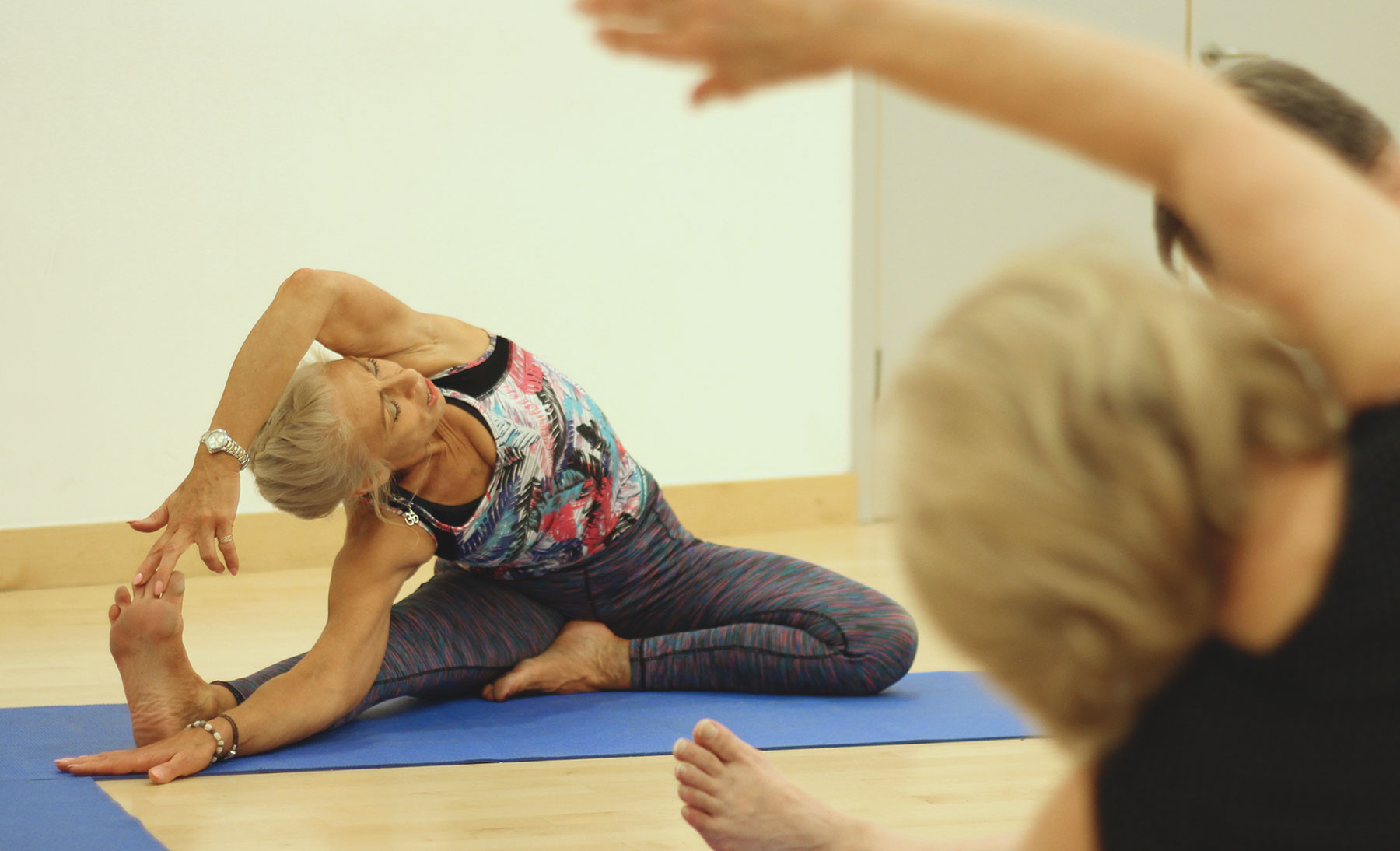
You may have seen a social media post sharing an article, “14 Exercises to Never Do After Age 50.” While the article has since been removed, it caused a huge uproar from physical therapists and other professionals in the sports medicine community. Diana Wang, PT, DPT, ATC breaks down why this article is total fake news and shares what people 50 and older should really be doing to live longer and better.


BY DIANA WANG, PT, DPT, ATC, RAUSCH PHYSICAL THERAPY

IG @combatphysiodocs

If you’re on Facebook, you may have seen a post in September by CBS, sharing an article published by Reader’s Digest, “14 Exercises to Never Do After Age 50.”

14 Exercises to Never Do After Age 50
Some of the exercises listed in the article included:

  • Push-ups
  • Squats with weights
  • Bench press
  • Pull-ups
  • Deadlifts

While the article has since been removed, it caused a HUGE uproar from physical therapists (including me!), as well as athletic trainers, strength and conditioning coaches, and other professionals and experts in the sports medicine community.

If it’s not clear yet, let me tell you in no uncertain terms that the information in those articles/posts is absolutely FALSE. If this author’s logic were true, then after we turn 50 we must avoid ALL of these daily activities:

  • Picking up your grandkids or pets
  • Lifting grocery bags off the floor
  • Holding onto anything while you sit to stand

Honestly, when you put it into an average, daily perspective, all I can say is… unbelievable. The fact is, people 50 and older should be doing these strength training exercises even MORE!

If you don’t use it, you lose it

It’s no secret that as we get older our bodies break down, but many research studies have actually shown a correlation between muscle loss and weakness to a shorter life span. Therefore, it’s important as you age to engage in MORE strength training to not only improve bone density, independence, and stability, but also to reduce your risk of osteoporosis and chronic diseases such as heart disease and diabetes.

Basically, strength training is not just a choice for a better life, but rather a NECESSITY for a better life.

Our bodies are much more resilient than some people might try to make them out to be. With the proper direction, programming and loading, our bodies can do ANYTHING, at any age. Spreading correct information about how strong our bodies actually are is the first step in changing perspectives in the U.S. healthcare system. And if a healthcare practitioner ever tells you to NEVER do something, do yourself a favor and look for treatment someplace else—you deserve better.

Conclusion

So whether you’re 50 or 80 years old, NOW is the time to get strong and start living better. If you’re not sure where to start, get on my schedule at Rausch Physical Therapy or make an appointment with your local physical therapist for a baseline assessment and screen; your PT can develop a strengthening program tailored to your own personal needs and goals to keep you living well for longer.

[framedbox]References:

[/framedbox]


Diana Wang graduated from the University of the Pacific with a bachelor’s degree in Athletic Training. Following graduation, she knew she wanted to pursue her love for sports rehab further and received her Doctor of Physical Therapy degree in 2017 and began her career at Rausch Physical Therapy & Sports Performance. With her extensive sports background, Diana’s goal is to provide the best, most innovative care to get athletes back in the game faster and stronger than ever.

Learn more about Diana and our other physical therapists »


Let’s talk! We are here to help. Give us a call for an initial evaluation and assessment. We would love to meet you.

Did you know there’s no prescription needed from a doctor to see us – but we will communicate your progress and treatment to your doctor if you’d like us too!

(949) 276-5401

RauschPT

Disclaimer — All the information that you find on our blogs and social media pages are for informational purposes only and are not intended to be used as your personal professional diagnosis, or treatment. Come and see us for your excellent, personalized care! https://staging.rauschpt.net/

Five Easy-to-Remember Run Cues to Help You Stay Injury-Free


Ever feel overwhelmed by all the running advice out there? PT Max Biessmann shares his five key things to focus on to improve your run form and help stave off injuries (and hopefully become a little faster along the way!)

BY MAX BIESSMANN, PT, DPT, RAUSCH PHYSICAL THERAPY
USAT LEVEL I COACH, ASCA LEVEL I COACH, USA SWIMMING COACH

IG @shiftendurancecoach

Despite what some may think, there’s much more to running than simply throwing on your shoes and heading out the door. To run at your most efficient and remain injury-free, there are so many factors runners try to keep in mind while running, it can easily become overwhelming and too complicated to do correctly.

To keep things simple and effective, here are my five key things to focus on to improve your run form and help stave off injuries.

#1 – Keep your head up and chin tucked

The posture of your head can have a huge impact on your run form. Your head weighs about 10 lbs, and if that weight is not centered and stacked, it can throw off your entire posture and balance. Focus on keeping your chin slightly tucked and stay tall through the top of your head in order to maintain proper posture.

Tip: Be very aware of what you prefer to do once you get tired as that is when the posture will begin to fall apart


#2 – Shoulder blades back and down

Similar to head position your upper back and arms have a big impact on where your head and neck are. Keep your shoulder blades down to avoid strain/stress through your upper shoulders and neck.

Tip: Think of tucking your shoulder blades into your opposite back pocket


#3 – Ribs and hips connected

Many people forget the true purpose of your core: to help transmit strength and movement from upper limbs to lower limbs and visa versa. Don’t forget to keep your core engaged in order to help the cross body extension of opposite arm and leg.

#4 – Quiet feet

When running, especially when fatigued, make sure to try to land softly. Don’t be over concerned with what part of your foot is hitting the ground, just that your foot is soft and supple as it lands. Use the sound of impact to help guide you to find the right spot to land.

Tip: The other marker you can use to monitor this is your cadence, increasing cadence has been shown to reduce strain through the joints while running.


#5 – Cross-body extension

Your body works in spirals. As you run, your right arm extends, elbow back, as your leg extends. This cross body extension is a key component to good run form. As you fatigue, focus on maintaining your shoulder extension by pushing your elbow back; this will help maintain your hip extension as you run.

Conclusion

Master these five cues and you can continue enjoying running for a long time (and hopefully become a little faster along the way!) Ultimately, bad running form causes improper stress on tissue, joints and muscle, which can lead to an otherwise avoidable injury. So if you need some extra help with your run form, come in for a Run Right Gait Analysis with me at Rausch Physical Therapy.


PT-Headshots-MaxMax Biessmann, DPT is a licensed physical therapist at Rausch Physical Therapy & Sports Performance. He received his Doctorate of Physical Therapy degree at the University of St. Augustine, San Marcos in 2016 and started his career at Rausch PT. Max is passionate about helping people achieve their goals through physical therapy and innovative rehab technologies. As the Endurance Sports PT, Max says he’s lucky to be able to combine his professional coaching experience and PT knowledge to help his patients achieve their personal bests in sports and daily life.

Learn more about Max and our other physical therapists »

Understanding Chronic Pain and How to Avoid It


If injury equals pain, you’d think that once an injury is healed, the pain would go away. So what about pain that lasts longer than the initial injury itself? PT Chris Scott explains how to keep acute injury from turning into chronic, debilitating pain.

Chris-Blog
BY CHRIS SCOTT, PT, DPT, RAUSCH PHYSICAL THERAPY

Just about everyone has felt pain at some point in their life. Whether it be a stubbed toe, a papercut or a sprained ankle, pain is the sensation that your body feels to alert you that something is wrong. If injury equals pain, you’d think that once the injury is healed, the pain would go away. So what about the pain that lasts longer than the initial injury itself?

Chronic pain is any pain lasting more than 10 weeks. Chronic pain may arise from an initial injury, or there may be an ongoing cause, such as dysfunctional movement patterns. Other times, there may also be no clear cause. Other variables, such as fatigue, sleep disturbance, decreased appetite, and mood changes, often accompany and can add to an individual’s chronic pain feeling.

Recurring injuries that become chronic conditions, such as chronic low back pain, can be a challenge for many reasons. Often times chronic pain limits a person’s movements, which can reduce flexibility, strength and stamina. This can then lead to someone avoiding important occupational or enjoyable activities, and some people can even adopt the mentality of disability and despair secondary to their fear avoidance behaviors.

How Fear Factors into Pain

Kinesiophobia, or fear avoidance beliefs, is defined as excessive, irrational and debilitating fear of physical movement and activity resulting from a feeling of vulnerability to painful injury or re-injury.

Broken down, kinesiophobia can be split into two factors:

  1. Harmful factors which reflect the patient’s belief that something is seriously wrong with their body
  2. Activity avoidance factors which represent the belief that avoiding exercise/activity will prevent an increase in pain

For example, if Patient A first sustained back pain when bending over to garden, he is more likely to avoid that activity because he believes pain will occur. In combination, that feeling catastrophizes as patient will in turn believe that they are in more pain secondary to the inability to participate in that activity. This newly adopted mindset leads to a vicious cycle. Over time, the inactivity that stems from this fear leads to physical and psychological consequences.

Your body does an amazing job of adapting to whatever stimulus it’s provided; with a constant feeling of pain or a continuous internal message of harm/danger, the body’s response is molded to fit accordingly. A person with kinesiophobia experiences physical changes, their sensory neurons become more sensitive, their pain sensors stay open longer, and eventually more sensors are produced. The area of your brain that is devoted to sensation actually becomes larger, and begins to overlap with surrounding areas of the cortex. That simple back strain has now transformed into a much more serious condition, all because of fear avoidance belief.

How to Combat Chronic Pain

While this all might sound like a scary, snowballing issue impossible to overcome, chronic pain is reversible—when approached properly. A great physical therapist can help their patient conquer the physical and psychological hurdles. At its core, physical therapy does an exceptional job of empowering patients to make physiological changes to eliminate physical pain. However, if you do not address the mental aspect of it, you will find yourself running into a wall.

The first step on the road to a successful rehabilitation journey is re-introducing movement patterns without pain or limitations. To achieve this, your physical therapist will design a treatment plan that combats the body’s newfound hypersensitivity using appropriate pacing and graded exposure. While you’ll most likely struggle shifting to a painless paradigm, it is essential to develop a new baseline tolerance for tasks you can perform without a flare up. Carefully increasing your threshold for discomfort will help reverse those changes so you can resume a normal activity and a pain-free life as soon as possible.

Don’t let acute injury turn into chronic, debilitating pain. Make an appointment with your physical therapist today, they’re the movement experts. Not sure where to start? Stop living in fear and come in to Rausch Physical Therapy, you can call (949) 276-5401 to get on my schedule for an evaluation today.


Chris-ScottChris Scott, PT, DPT is a licensed physical therapist at Rausch Physical Therapy & Sports Performance. He received his Doctor of Physical Therapy degree at University of Texas – Southwestern in 2017 where he worked in a variety of outpatient settings. Chris has the experience and foundational knowledge base to tackle any patient case thrown his way, from teaching patients with neurological disorders how to walk again to returning professional athletes to the field or court. Chris says his ultimate goal is to arm his patients with the knowledge and tools to correct dysfunction and prevent re-injury or new injuries, leaving you feeling better than ever before.

Click to learn more about Chris and our other physical therapists »