Minimizing Discomfort Through Myofascial Therapy

Our bodies ache. Whether it is from age, repetitive stress or recovering from a surgery or an injury, there are times when our bodies could use a little assistance in feeling better. One of the most spectacular ways in which your body can heal the strains, tensions, and restrictions that are preventing you from performing your best is through massage therapy or other forms of muscular or skeletal manipulation. Massage therapy is your non-surgical prescription to getting back on the golf course, back in the gym, or back at your desk working a shift without the nagging aches and discomfort that come from lower back or shoulder issues. Through a variety of techniques, we can offer you a pain-reduced or pain-free life without medication or surgery! One of the ways we can do that is through myofascial therapy, which just might be a great option for you.

Fascia is the thin, elastic, connective tissue that wraps most structures in the human body, including muscles. The practice of myofascial therapy works to relax contracted muscles, thereby improving blood and lymphatic flow. When the soft tissue becomes constricted due to injury, overuse, or inactivity, then pain, tension, and diminished blood flow is the result. Over time, this can contribute to pain and discomfort throughout your body, not just at the trigger point for your pain.

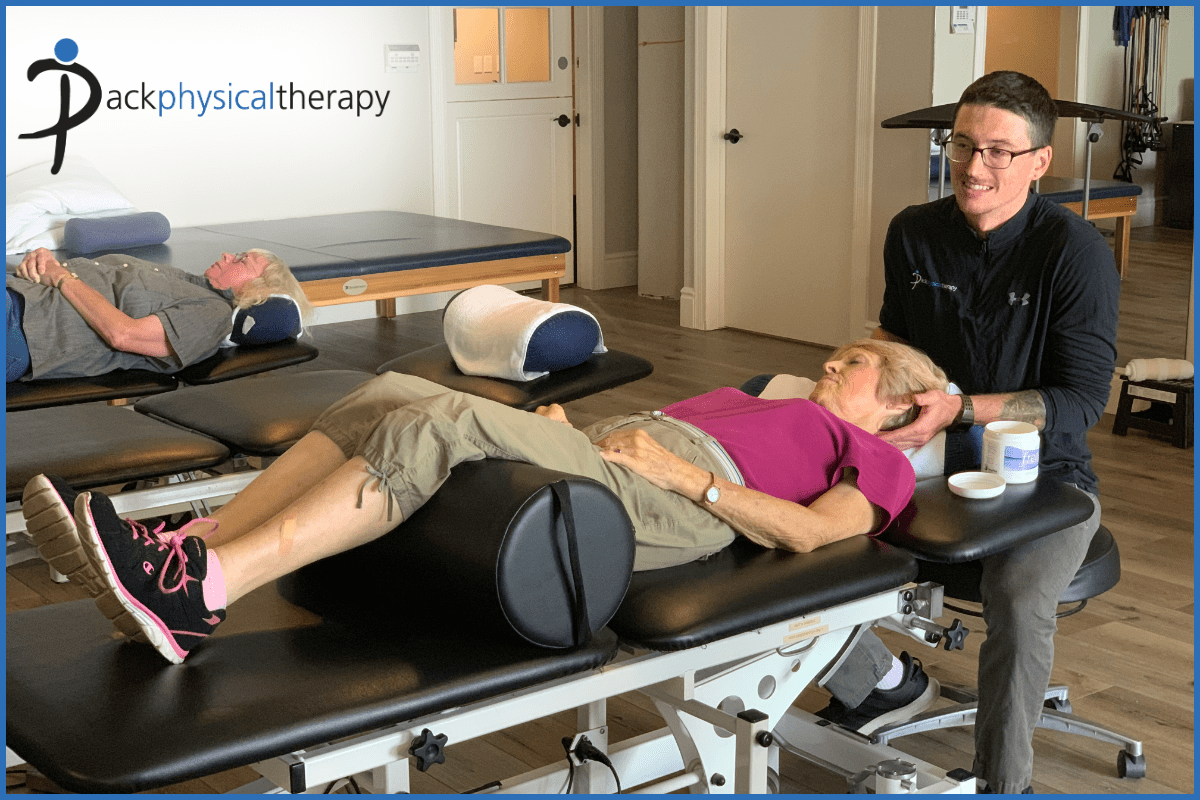
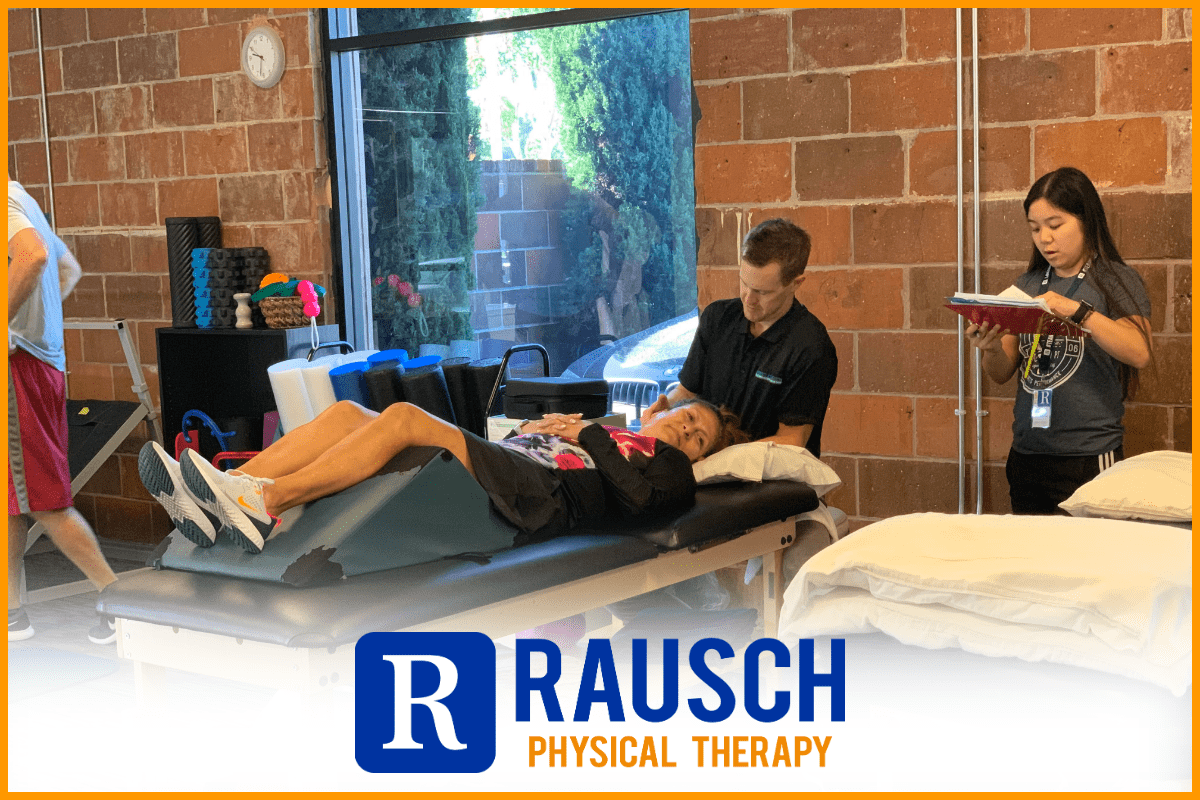
Myofascial therapy takes place during a massage treatment. Typically, your fascia is pliable and elastic; during your session, your practitioner will feel for tightness and stiffness around the fascia, this will indicate areas that need to be worked on. By applying light, manual pressure, your therapist will begin to manipulate and release the tension in the area. While the actual work that is being done may not be at the trigger point that is causing the pain and discomfort, myofascial release works the broader network of muscles that may be causing you pain. With the aid of the massage therapist, your muscles will go through this process repeatedly until the release is felt in the fascia and the muscles.

Myofascial therapy may also benefit those living with headaches, in addition to those with chronic pain or myofascial pain syndrome. The reduction of pain is available to you and does not require medication or surgery! Our clinic has been helping those with lower back pain for years and our services do not just stop at traditional massage! To see how we can help you manage your pain, visit our Facebook page at www.facebook.com/RxMassageTherapy or give us a call at (949) 276-5401.

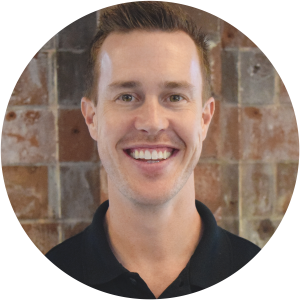
Melissa-Bruketta-Massage-Therapist

Melissa Bruketta

Let’s talk! We are here to help. Give us a call for a complimentary consultation. We would love to meet you.

Did you know there’s no prescription needed from a doctor to see us – but we will communicate your progress and treatment to your doctor if you’d like us too!
(949) 276-5401

RxMassage

Disclaimer — All the information that you find on our blogs and social media pages are for informational purposes only and are not intended to be used as your personal professional diagnosis, or treatment. Come and see us for your excellent, personalized care! https://staging.rauschpt.net/

An Overview of Physical Therapy Exercises

If you have been referred to physical therapy after an injury or an illness, then you may have questions about what will happen. Most people visit a physical therapist because they are experiencing pain or difficulty with normal functional mobility. Your physical therapist may prescribe treatments and exercises to help you move better and feel better. One of the best ways to improve your overall mobility is with physical therapy exercises.

Therapeutic exercise should be one of the main treatments you receive from your physical therapist. It doesn’t matter if you are in a hospital, nursing home, school, or an outpatient orthopedic clinic. Physical therapists are movement experts, and exercise should be the primary tool your PT uses to get you moving better and feeling better.

When your physical therapist prescribes exercises for you to do, they should be considered as specific movement strategies to help your body change and grow in a positive way. The exercises you do in physical therapy are designed for your specific condition and are an integral part of your rehab program.

Should exercise be the only treatment you receive in physical therapy? Not necessarily. Some physical therapists use other techniques like massage, joint mobilizations, or modalities—like ultrasound or electrical stimulation—to help their patients move better and feel better. While passive treatments may feel good, they should not be the only treatment you get in physical therapy. There should always be an active component to your rehab program which includes various types of therapeutic physical therapy exercises.

Types of Physical Therapy Exercises

There are different types of physical therapy exercises that may be prescribed for you depending on your specific condition. These exercises may include:

  • exercises to improve strength
  • exercises to improve range of motion
  • flexibility exercises
  • balance and proprioception exercises
  • functional mobility exercises
  • cardiorespiratory exercises
  • exercises for vertigo and dizziness

A physical therapy exercise program should be tailored for your specific needs. For example, if you are having difficulty walking after a total knee replacement surgery, your physical therapist may assess your quadriceps function and prescribe specific exercises to help improve the strength of this muscle group.

The type of equipment you use depends upon the specific exercises you are doing and the goals of each exercise. Sometimes, no special equipment is necessary for your PT exercise.

Exercises are typically done in the physical therapy clinic, but they can also be done in the hospital while you are lying in bed or sitting up in a chair. Your physical therapist may visit you in the hospital and work on improving functional mobility—like moving in bed or climbing stairs—so you can safely go home. One component of this in-hospital rehab program may be to complete physical therapy exercises.

Your physical therapist may also prescribe exercises for you to do as part of a home exercise program. This program can help you improve your condition while you are not in the PT clinic, giving you control over your injury or illness. Your PT can also show you exercises that can be used to prevent future problems from occurring.

Choosing the Best Exercises for You

So how do you know which physical therapy exercises are best for your specific condition? The best way to know that you are doing the right exercise for you is to visit with your physical therapist for a few sessions. Your PT can assess your condition and prescribe the correct exercises for you to be doing.

Naturally, you can expect a little soreness from doing new exercises that your body may not be accustomed to. Delayed onset muscle soreness, or DOMS, typically lasts a few days after starting exercise. But the exercises your PT prescribes should not make your condition significantly worse. If exercising causes your condition to worsen, stop the exercises and check in with your physical therapist. You may be doing your exercise improperly, or you may simply need to find an alternative exercise to do for your condition.

Many exercises that are prescribed by your physical therapist are designed to help you feel better. When performing your physical therapy exercises, you should feel like your pain is improving or changing in a positive way.

Getting Started With Your Physical Therapy Exercises

Getting started on physical therapy exercises is easy. If you have an injury or an illness that causes pain or prevents you from moving normally, visit your doctor and ask to be referred to a physical therapist. Choosing physical therapy first—before medication or surgery—is a good idea, as PT tends to be a safe and value-packed model of care for many conditions.Many states in the US allow you to visit a physical therapist via direct access, and no doctor’s referral is needed.

When you first meet your physical therapist, ask about different exercises that you can do to help your condition. Your PT should be a wealth of knowledge on proper exercise technique, and he or she can prescribe exercises that can help you improve your mobility and decrease your pain. Think of your physical therapist as an expert guide who can teach you the proper exercises for your specific condition. He or she can help you, but it’s up to you to take the first step and commit to performing your PT exercises.

Final Word

Most people show up to the physical therapy clinic and say, “I hurt, and I can’t.” They are in pain and are not able to do the things that they normally do. You may feel anxious about going to physical therapy. This anxiety is normal, and your PT can help put your mind at ease as you learn exercises and movement strategies to help you move better and feel better.

If you find yourself in discomfort or think you could benefit from a personalized exercise plan, talk to a
Physical Therapist.

Let’s talk! We are here to help. Give us a call for a complimentary assessment.
Did you know there’s no prescription needed from a doctor to see us?
(949) 443-0713

logo-top

{Reference: https://www.verywellhealth.com/physical-therapy-exercises-4013311}

Pack PT Employee – Bryce Parrish Spotlight

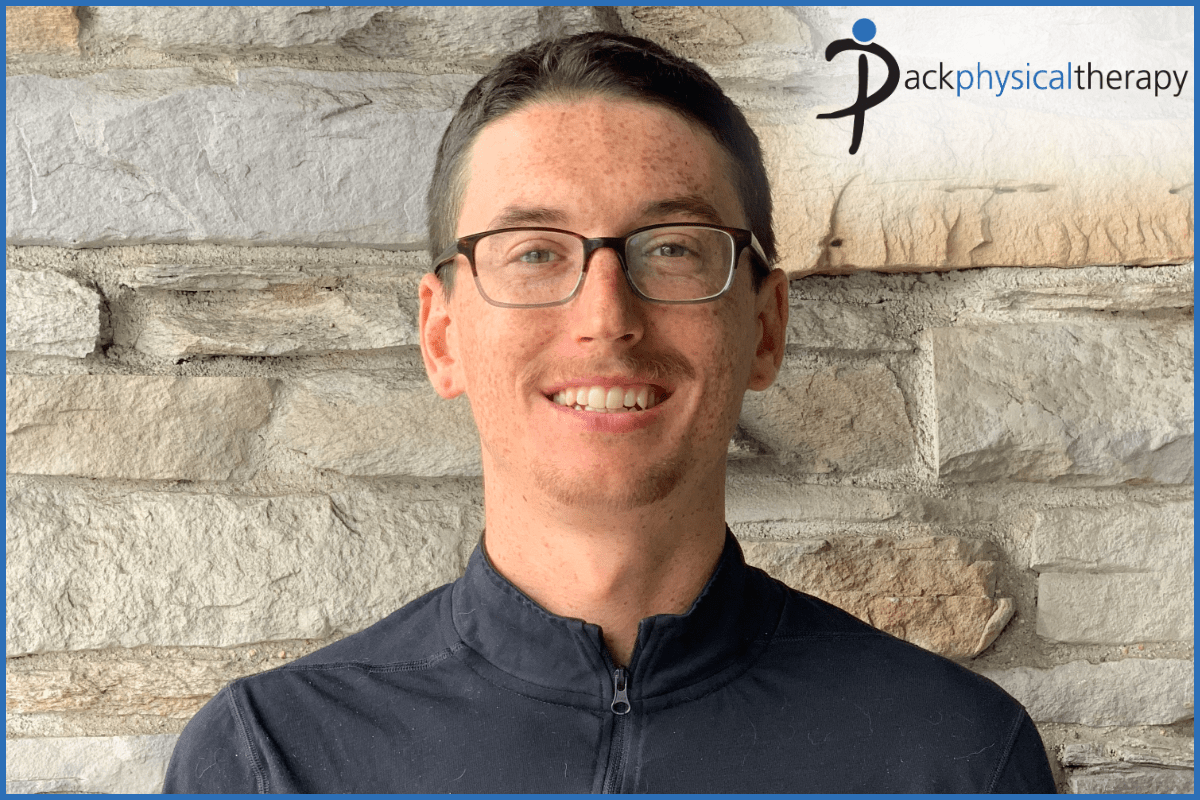
Meet Bryce Parrish on of our star Physical Therapists at Pack PT. Bryce primarily treats orthopedic patients with a special interest in vestibular and balance conditions. He always utilizes the training harness as it allows for increased safety above standard practice and enables him to challenge patients beyond what they feel safe doing otherwise. One of his favorite success stories was a patient that came to him utilizing a cane after a long hospitalization. This patient could barely walk from his car into Pack PT’s office safely. Over the course of his treatment, he was able to safely progress to stop utilizing his cane, start walking from his house to his appointments at Pack PT’s office and go on a trip to Ireland!

The reason I got into this industry is…

I got into the physical therapy industry to help people return to the activities they love to do.

One thing no one would guess about me is:

I have a first-degree black belt in Tae Kwon Do.

Before working at Rausch, what was the most unusual or interesting job you’ve ever had?

The most unusual job was in high school. I was a graveyard attendant.


Employee Spotlight – Dr. Sean Swopes, PT, DPT, CSCS

What would you say is your specific niche when it comes to your PT treatments?

I believe in informing the patient about what their underlying impairments are that contribute to the current problem. I find that most patients I encounter have dealt with health care providers that don’t take the time to figure out what the problem is or how it came to be. I believe the perfect treatment strategies incorporate both therapeutic exercise and manual therapy. The goal is to get the body to move more efficiently. The goal of manual therapy is to remove any underlying restriction that prevents the body from moving freely. The patient must always encourage
and maintain any changes through exercise.

Types of the issue you treat?

I treat all musculoskeletal conditions. If it affects how the body moves, I can treat it. Typically the most commonly injured area is the knee, followed by the back and shoulder. The key is finding out how the patient’s pain is limiting their movement.

rausch1

Type of clients you treat?

I treat all patients that want to improve their function and decrease their pain. I enjoy treating all people that are motivated to move more and get better. I believe that once you move better, then the pain begins to subside.
Additionally, I am very involved in the mountain bike community. I love to treat and interact with those individuals because they are usually not afraid to push the limits and work hard. They usually fall into the category of traumatic injury or repetitive stress injuries.

What is your favorite body part to treat?

My favorite body part would be the knee or the hip.

rausch2

Why are you the expert within your specific niche?

I think that being an expert is about having a passion for knowing your field, and the desire to continually search for knowledge and truth. With my niche of mountain biking and physical therapy, I am always trying to learn as much as possible through continued learning, researching and reading. My desire to search for truth within research and information is what helps me to determine what is the most appropriate course of action when treating patients.
When it comes to the mountain bike community, I am always involving myself in local events or races which keeps me entangled with the current trends and events.


Dr. Sean Swopes, Sean SwopesPT, DPT, CSCS

Let’s talk! We are here to help. Give us a call for a complimentary consultation. We would love to meet you.

Did you know there’s no prescription needed from a doctor to see us – but we will communicate your progress and treatment to your doctor if you’d like us too!
(949) 276-5401


RauschPT

Disclaimer — All the information that you find on our blogs and social media pages is for informational purposes only and is not intended to be used as your personal professional diagnosis or treatment. Come and see us for your excellent, personalized care! https://staging.rauschpt.net/