Blog

Pack PT Employee – Bryce Parrish Spotlight

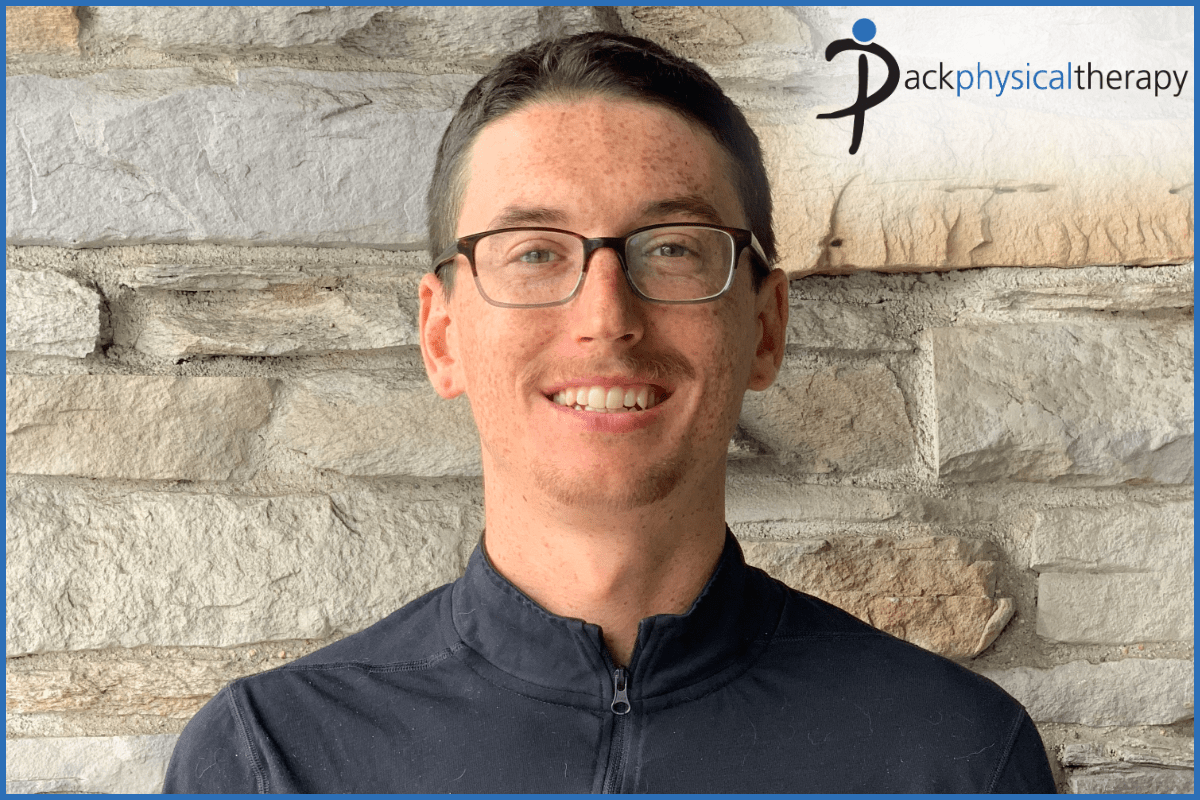
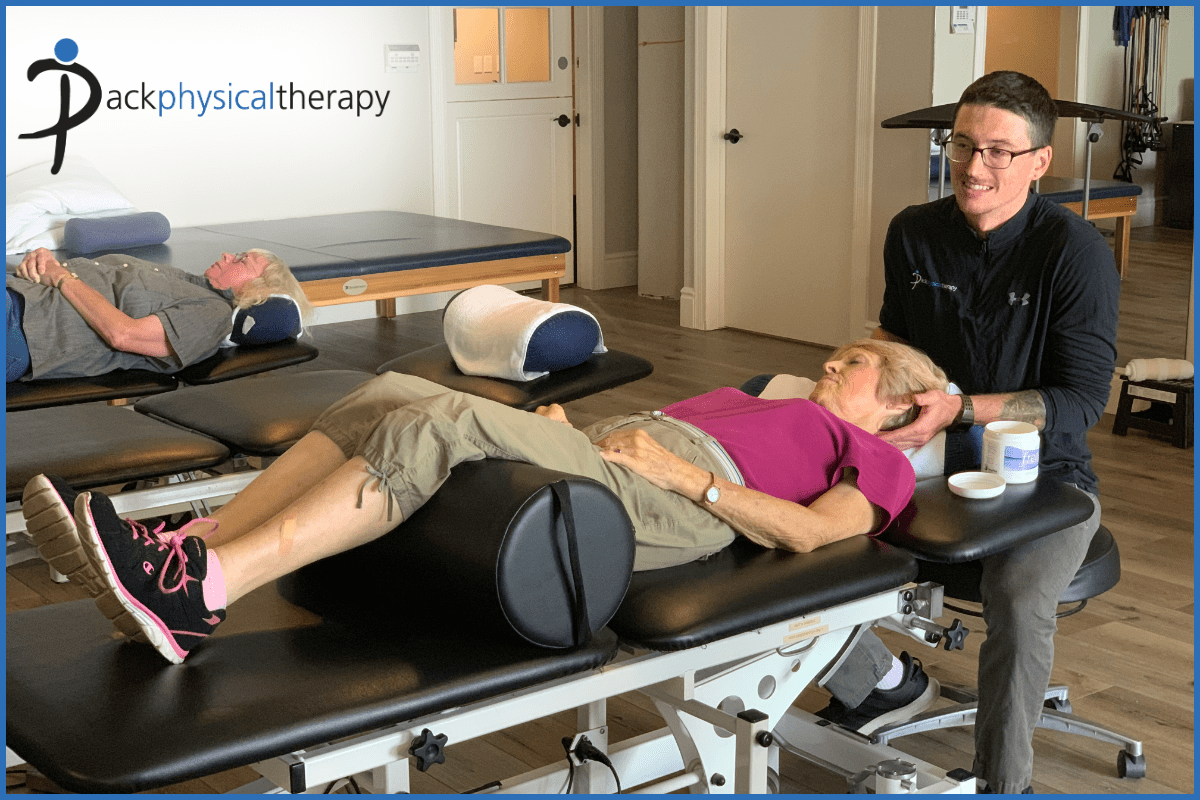
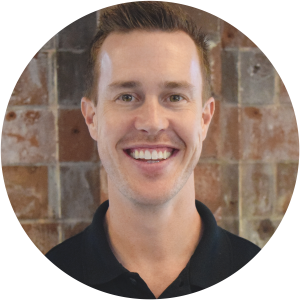
Meet Bryce Parrish on of our star Physical Therapists at Pack PT. Bryce primarily treats orthopedic patients with a special interest in vestibular and balance conditions. He always utilizes the training harness as it allows for increased safety above standard practice and enables him to challenge patients beyond what they feel safe doing otherwise. One of his favorite success stories was a patient that came to him utilizing a cane after a long hospitalization. This patient could barely walk from his car into Pack PT’s office safely. Over the course of his treatment, he was able to safely progress to stop utilizing his cane, start walking from his house to his appointments at Pack PT’s office and go on a trip to Ireland!

The reason I got into this industry is…

I got into the physical therapy industry to help people return to the activities they love to do.

One thing no one would guess about me is:

I have a first-degree black belt in Tae Kwon Do.

Before working at Rausch, what was the most unusual or interesting job you’ve ever had?

The most unusual job was in high school. I was a graveyard attendant.


Employee Spotlight – Dr. Sean Swopes, PT, DPT, CSCS

What would you say is your specific niche when it comes to your PT treatments?

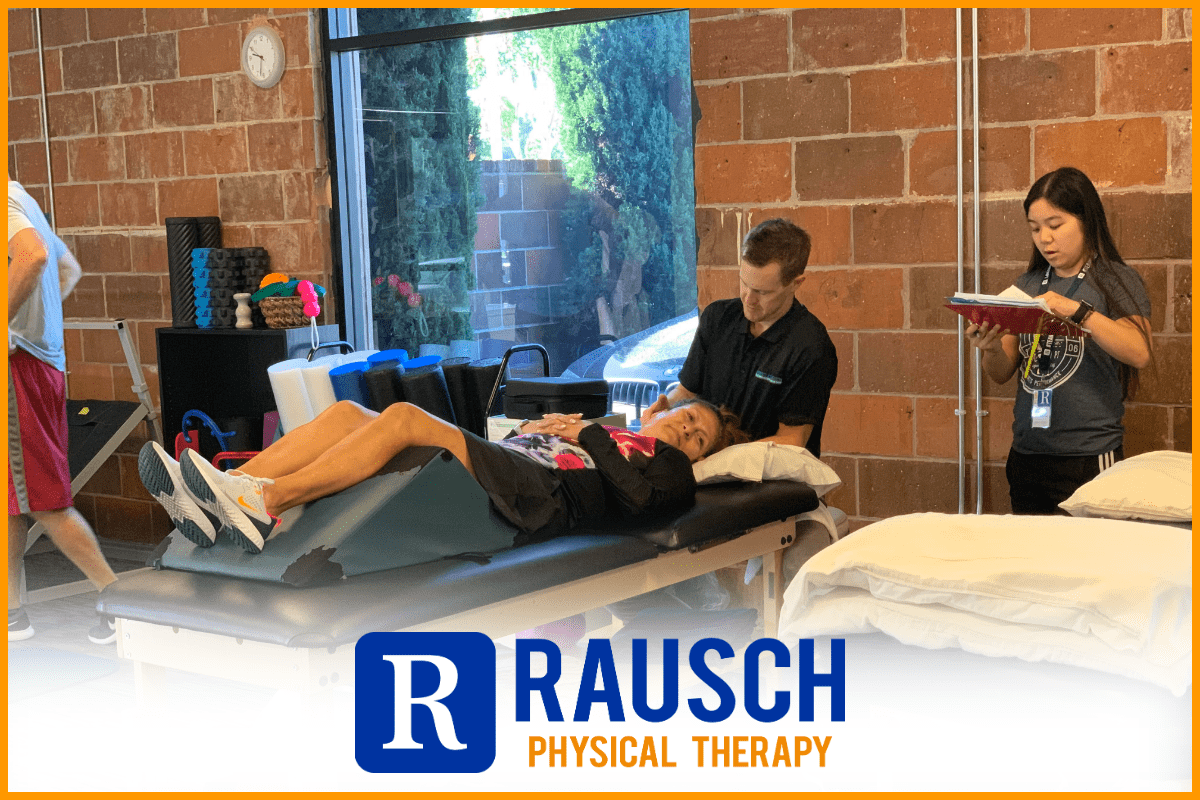
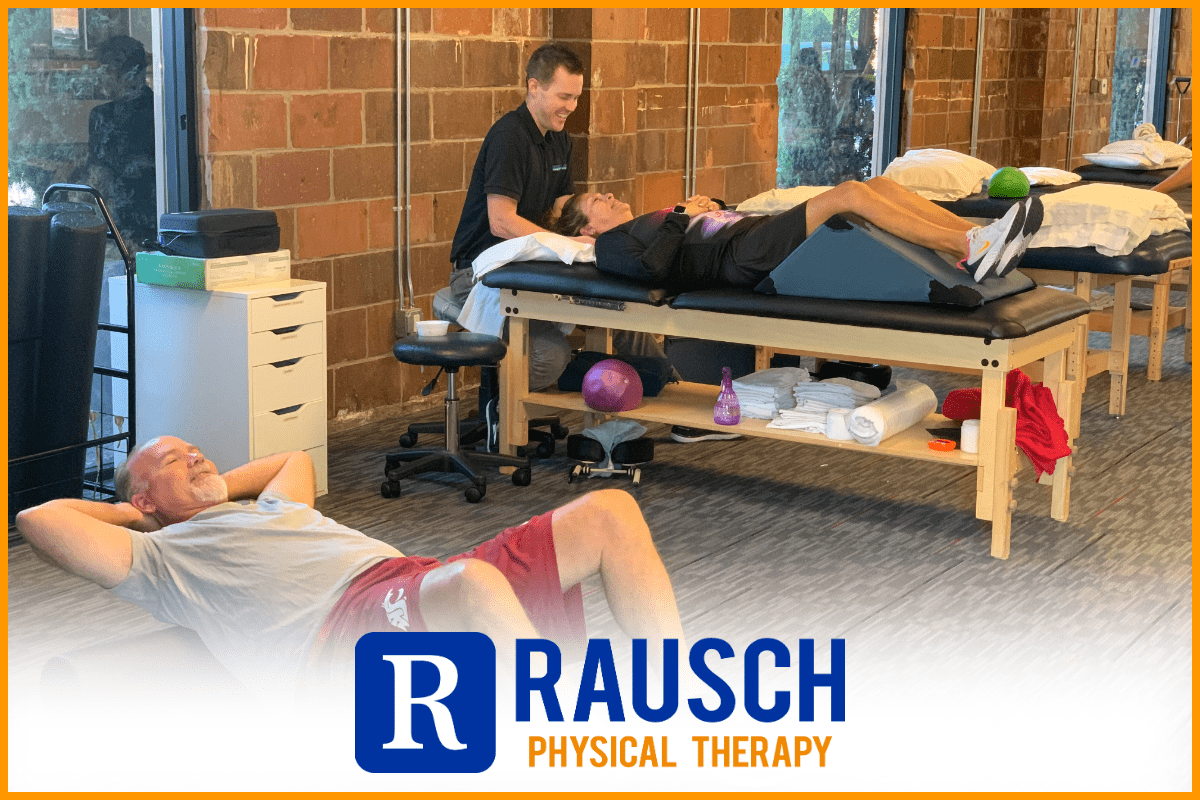
I believe in informing the patient about what their underlying impairments are that contribute to the current problem. I find that most patients I encounter have dealt with health care providers that don’t take the time to figure out what the problem is or how it came to be. I believe the perfect treatment strategies incorporate both therapeutic exercise and manual therapy. The goal is to get the body to move more efficiently. The goal of manual therapy is to remove any underlying restriction that prevents the body from moving freely. The patient must always encourage
and maintain any changes through exercise.

Types of the issue you treat?

I treat all musculoskeletal conditions. If it affects how the body moves, I can treat it. Typically the most commonly injured area is the knee, followed by the back and shoulder. The key is finding out how the patient’s pain is limiting their movement.

rausch1

Type of clients you treat?

I treat all patients that want to improve their function and decrease their pain. I enjoy treating all people that are motivated to move more and get better. I believe that once you move better, then the pain begins to subside.
Additionally, I am very involved in the mountain bike community. I love to treat and interact with those individuals because they are usually not afraid to push the limits and work hard. They usually fall into the category of traumatic injury or repetitive stress injuries.

What is your favorite body part to treat?

My favorite body part would be the knee or the hip.

rausch2

Why are you the expert within your specific niche?

I think that being an expert is about having a passion for knowing your field, and the desire to continually search for knowledge and truth. With my niche of mountain biking and physical therapy, I am always trying to learn as much as possible through continued learning, researching and reading. My desire to search for truth within research and information is what helps me to determine what is the most appropriate course of action when treating patients.
When it comes to the mountain bike community, I am always involving myself in local events or races which keeps me entangled with the current trends and events.


Dr. Sean Swopes, Sean SwopesPT, DPT, CSCS

Let’s talk! We are here to help. Give us a call for a complimentary consultation. We would love to meet you.

Did you know there’s no prescription needed from a doctor to see us – but we will communicate your progress and treatment to your doctor if you’d like us too!
(949) 276-5401


RauschPT

Disclaimer — All the information that you find on our blogs and social media pages is for informational purposes only and is not intended to be used as your personal professional diagnosis or treatment. Come and see us for your excellent, personalized care! https://staging.rauschpt.net/

Physical Therapy After Fracture

If you have suffered a broken bone, also known as a fracture, then you may benefit from the skilled services of a physical therapist. Your physical therapist can help you regain normal range of motion, strength, and functional mobility after a fracture. So what does physical therapy and rehab entail after a fracture?

If you have had the unfortunate injury of a fracture or broken bone, then you may understand how painful this can be. A broken bone requires swift medical attention to ensure proper healing and alignment of the bone.

After a fracture, your bone will be set, or reduced, by a doctor. Reduction of the bone can be done manually. For more serious fractures, a surgical procedure called an open reduction internal fixation (ORIF) may be necessary to make sure that all the bone pieces are in the correct place and healing can occur.

Often after fracture, the bone needs to be stabilized or immobilized to ensure proper healing. This is usually accomplished using a cast. For simple fractures, your doctor may elect to apply a removable cast so that gentle motion can occur around the injury site. After complex fractures or an ORIF procedure, you may be required to wear a cast that is not to be removed. If you fracture your shoulder or arm, you may be required to wear a sling to keep the arm immobilized. Check with your doctor to ensure that you understand what is expected of you in regard to immobilization.

Starting Physical Therapy after Fracture

After a fracture, physical therapy may be ordered to help ensure you return to optimum function as quickly as possible. You may encounter a physical therapist at different times in the continuum of care after suffering a fracture.

In the Hospital

After you fracture a bone, a physical therapist may visit you in the hospital. If you break your leg or ankle, a physical therapist may instruct you in how to walk with an assistive device, like a cane or crutches. This includes how to use the device to walk up and down stairs or to get into and out of a car. Be sure to ask questions if you have any.

After a lower extremity fracture, your doctor may limit the amount of weight you can put on your leg. Your PT can help you understand weight bearing restrictions and can teach you how to move about while still maintaining these restrictions.

If you fracture your arm, you may be required to keep your arm in a sling to help with healing. In the hospital, your physical therapist may teach you how to apply and remove the sling.

At Home

When you return home from the hospital after a fracture, your doctor may order physical therapy at home. Home care physical therapy usually is reserved for people who are unable to leave the house as a result of their injury.

Your physical therapist can help you master using your assistive device in your home environment. You may also engage in exercises to help improve your overall endurance or to strengthen the muscles around the fracture site.

If you break your leg or ankle, your doctor may have specific weight-bearing restrictions that you must follow. Your physical therapist can help you maintain these restrictions to ensure that you do not put too much stress on the healing bone. Lifting restrictions may be in place after an arm or shoulder fracture. At your house, your physical therapist can also assess your home environment. He or she can make recommendations to make minor adjustments to allow you to move safely around your home.

If surgery was required to set your fracture, your PT may assess your surgical scar to ensure that things are healing properly.

In the Clinic

When you have recovered enough to travel from your home, your doctor may refer you to a physical therapy clinic to help with restoring normal function after your fracture. Usually, this occurs after the cast has been removed and you can start mobilizing the area around the fracture. You may still have to follow weight-bearing precautions or lifting restrictions at this point, so be sure to consult with your doctor so you understand what your limitations are.

Your first visit with your physical therapist will usually involve an evaluation and assessment. Your therapist will likely take measurements of body parts around the fracture site. This might include measurements of:

  • Range of motion
  • Strength
  • Pain
  • Flexibility
  • Girth or swelling
  • Gait (for lower extremity fractures)
  • Overall function and mobility

After the initial evaluation, your physical therapist can work with you to devise a treatment strategy to help you recover fully. Physical therapy after a fracture often focuses on overcoming the negative effects of being immobilized by a cast or sling. Immobilization may cause loss of motion and strength and decreased functional mobility.

Physical therapy after fracture can also help you improve your functional mobility. If you have fractured your leg, your physical therapist can help you improve walking and help decide if you should walk with a walker, crutches, quad cane, or standard cane. If you have fractured an arm or shoulder, functional activities that focus on reaching and grasping may be included.

Physical agents or modalities may be used to help with pain and swelling. Electrical stimulation may also be used to help improve muscle recruitment. You should remember that while passive treatments like electrical stimulation or ultrasound may be used, you should also be engaged in active activities in your physical therapy.

If you have had surgery to reduce the fractured bone, you may have surgical scar tissue. Scar massage and mobilization can help reduce scar adhesions and improve mobility around the scar.

Exercises to improve range of motion and strength may also be started. Particular focus should be placed on the fractured area and the joints around the fracture. If you broke a bone near your elbow, mobility exercises should be included for your elbow, wrist, and shoulder. Likewise, a fracture of the tibia (shin) should include exercises for the knee, ankle, and hip.

How Long Should PT Last?

Everyone’s fracture is different, and everyone heals at different rates. In general, a fracture should be healed by about eight weeks, and you should be back to normal within 12 weeks of a fracture. Your rehab should normally take about six to eight weeks, but your program may be slightly shorter or longer. Your physical therapist should be able to give you an idea of how long your rehab program is expected to last.

If you find yourself in discomfort or think you could benefit from a personalized exercise plan, talk to a
Physical Therapist.

Let’s talk! We are here to help. Give us a call for a complimentary assessment.
Did you know there’s no prescription needed from a doctor to see us?
(949) 443-0713

logo-top

{Reference: https://www.verywellhealth.com/physical-therapy-after-fracture-2696424}

If you snooze, you don’t always lose.

The saying “you snooze, you lose” is not necessarily true. Millions of adults lack a quality night’s sleep for several reasons. Some bring their worries from the day into bed with them, making it difficult to fall asleep and stay asleep throughout the night. Others go to bed too late in order to finish the tasks of the day or wake up too early to begin the tasks of the day ahead. It has even gotten to the point where some people feel guilty for sleeping more than a few hours at night. Although it may feel like sleeping can be a waste of precious time when the waking hours are too sparse to finish what needs to get done during the day, this is actually far from the truth. In fact, sleep is probably one of the best investments of your time.

The Benefits of Sleep

Do you know that sleep plays a significant role in your physical and mental wellbeing? Sleep is needed to support your immune system, tissue healing, pain regulation, and brain functioning.  For example, research shows that those getting 7-8 hours of sleep heal faster than those getting only a few hours of sleep at night. In other words, sleep helps your body heal and reduces your pain. Getting a good night’s sleep is also shown to lower your risk for heart disease, diabetes, and depression. Bottom line: without a good night’s sleep, you may suffer from increased pain, delayed healing, decreased quality of life, depression, anxiety, and much more.

Improving Sleep

Now that we know how beneficial sleep can be, how do we ensure a good night’s sleep? Here are 10 tips you should try to improve your sleep.

  • Exercise regularly during the day – exercise shortens the time it takes to fall asleep, and is proven to be more effective than most sleep aid drugs.
  • Get outside more during the day – exposure to daylight helps to keep your body’s natural time clock healthy, so it knows when it should be awake and it should be asleep.
  • Reduce your screen time two hours before bed – the blue light from your screen (computer, TV, phone) tricks your body into thinking it’s daytime, so your body isn’t ready to go to bed when you turn the TV off at night.
  • Set up a good sleeping environment – get a comfortable bed and pillow, install some black-out blinds(or get an eye mask), set the room temperature to ~67 degrees F, and get to sleep! 
  • Set a sleeping schedule – try to go to bed and get up at the same time everyday to help your body find it’s natural inner clock.
  • Avoid late night snacking – food provides your body with energy, so eating at night will give you energy and make it hard to fall asleep.
  • Avoid caffeine late in the day – the effect of caffeine can last 6-8 hours, so it is recommended to avoid consuming caffeine past 3pm.
  • Avoid drinking any fluids before bed – people often wake up with the urge to urinate from drinking too much fluids prior to bed. 
  • Avoid taking long naps throughout the day – this will help your body stay on it’s natural sleeping rhythm.
  • Relax and reduce stress before bed – put away your work, take a shower, clear your mind, meditate and breathe. 

Bottom Line

Sleep is a necessity to lead a healthy and happy life. There are several scientifically proven tricks to improve your sleep and thus, the overall quality of life.

Michelle

Michelle Zens PT, DPT.

Let’s talk! We are here to help. Give us a call for a complimentary consultation. We would love to meet you.

Did you know there’s no prescription needed from a doctor to see us – but we will communicate your progress and treatment to your doctor if you’d like us too!
(949) 276-5401

RauschPT

Disclaimer — All the information that you find on our blogs and social media pages are for informational purposes only and are not intended to be used as your personal professional diagnosis, or treatment. Come and see us for your excellent, personalized care! https://staging.rauschpt.net/

References:

Catherine F. Siengsukon, Mayis Al-dughmi, Suzanne Stevens. Sleep Health Promotion: Practical Information for Physical Therapists, Physical Therapy, Volume 97, Issue 8, August 2017, Pages 826–836, https://doi.org/10.1093/ptj/pzx057
Rudy Mawer. 17 Proven Tips to Sleep Better at Night, Healthline, November 2018. https://www.healthline.com/nutrition/17-tips-to-sleep-better#section3

Exercises for Easing and Preventing Upper Back Pain

Upper back pain and tension are common complaints, particularly when people feel stressed or spend a lot of time hunched over desks or computers. Exercises that stretch the neck, shoulders, and upper back can help relieve pain and loosen tight muscles.

Muscles tension in the shoulders can also lead to neck stiffness and headaches, so it is important not to ignore upper back pain. Regular stretching can relieve current back pain and help prevent it from returning.

In this article, we describe several exercises and stretches for easing upper back pain. For some of these exercises, it may be a good idea to use a yoga or exercise mat, rather than performing them on hard flooring.

We also cover when to see a doctor for upper back pain.

Cat-Cow Pose

To perform the Cat-Cow Pose:

  1. Begin on all fours. The hands should be underneath the shoulders and the knees directly beneath the hips. This is the Table Pose.
  2. Slowly arch the back upward, pushing down through the shoulders and dropping the head to the chest. This is the Cat Pose.
  3. Hold it for a few seconds, then release it.
  4. Return to the starting position but continue to drop the lower back toward the floor. Gently move the head back so that the chin and nose are pointing upward. This is the Cow Pose.
  5. Hold it for a few seconds, then release it.
  6. Return to the Table Pose and repeat the whole sequence several times.

Wall Stretch

To perform the wall stretch:

  1. Stand with the right side of the body facing a wall.
  2. Bend the right arm at the elbow and place the forearm against the wall. The upper arm should be completely straight so that the elbow forms a 90-degree angle.
  3. Gently take a step forward with the right foot and twist to the left, allowing the right shoulder and upper back to stretch.
  4. Hold the stretch for a few seconds, then return to the starting position.
  5. Repeat the stretch several times on both sides.

Child’s Pose

To perform the Child’s Pose:

  1. Begin in the Table Pose but bring the big toes together.
  2. Slower lower the hips toward the floor, placing the buttocks on top of the feet. While doing this, bring the chest down to rest on the thighs and the forehead down to touch the floor.
  3. Stretch the arms out in front, with the palms touching the floor.
  4. Remain in this position for several breaths or as long as feels comfortable.
  5. Pushing through the arms, slowly return to a sitting position.


Instead of extending the arms forward, a person can also try placing the arms backward beside their thighs. The palms should be facing upward.

Another variation is to stretch the right arm forward while threading the left arm under the right arm and out to the side, rotating the head to face it.

A person then repeats the stretch on the other side. This variation creates a gentle rotation and twist motion in the back and shoulders.

Trunk rotation

To perform the trunk rotation:

  1. Lie on the back with the knees bent and the feet flat.
  2. Gently rotate the knees to the right, keeping them bent.
  3. Hold this position for a few seconds.
  4. Return the knees to the center.
  5. Repeat the stretch several times on both sides.

Neck flexion

To perform the neck flexion:

  1. Sit or stand up straight.
  2. Gently drop the chin to the chest, making sure to stop if there is any pain or discomfort.
  3. Roll the head so that the right ear is down toward the right shoulder. Hold this position for a few seconds.
  4. Keeping the chin down, slowly rotate the head back, continuing until the left ear is near the left shoulder. Hold this position for a few seconds.
  5. Continue this gentle rotation of the head from shoulder to shoulder several times. Pause and deepen the stretch whenever there is muscle tension.

Shoulder roll

To perform the shoulder roll:

  1. Stand or sit up straight, keeping the arms down by the sides.
  2. Gently roll the shoulders forward, lifting them up and down in a continuous circular motion. Try to keep the arms relaxed.
  3. Do this for around 30 seconds, then repeat it in the opposite direction.

Overhead arm reach

To perform the overhead arm reach:

  1. Begin in a sitting or standing position.
  2. Stretch the arms above the head.
  3. Lean to the right, keeping both arms stretched upward. To deepen the stretch, use the right hand to gently pull the left arm to the right.
  4. Return to the starting position.
  5. Repeat the stretch several times on both sides.

Knee-to-chest

To perform the knee-to-chest stretch:

  1. Begin by lying on the back.
  2. Gently lift the legs and bend the knees, bringing them to the chest.
  3. Hug the knees to the chest for a breath, then relax, allowing the feet to return to the floor.
  4. Repeat a few times, as needed.

Thoracic extension

To perform the thoracic extension:

  1. Sit on the floor.
  2. Place the block or roller on the floor behind the body. Slowly lie back so that it supports the upper back area — the thoracic spine. The buttocks should be on the floor and the hands behind the head, supporting the head and neck.
  3. For a deeper stretch, extend the arms above the head while bending the body backward.
  4. Take a few deep breaths and let the back and shoulder muscles relax.
  5. Repeat this several times.

When to see a doctor of PT

Upper back pain often gets better on its own, particularly with rest and gentle stretching.

However, see a doctor if the pain is severe or does not go away. The PT can help determine whether there is a more serious cause for the pain and can recommend treatment options.

Summary

Upper back pain is common and usually not a cause for concern. Rest, over-the-counter medications, and gentle stretches and exercises can often help relieve the pain.

See a doctor of PT for an evaluation if the pain is severe, if it does not get better, or if there are any other symptoms or concerns.


4 ways you make running harder than it should be — and How to Fix Them

We are always looking for ways to get faster while running, but instead of looking at the things to make you faster let’s focus on the things that are slowing you down and work to minimize their effects.

Sit too much

We spend a lot of time sitting: sitting in the car, sitting at work, sitting at school, and sitting in front of the TV the list goes on and on. Sitting may be comfortable and a useful low energy position but it can be killing your running ability. By sitting on your gluts you are deactivating the most powerful and important muscle for running. You are putting your hip flexors in a shortened position which will reduce your ability to extend your hips, another key part of running.

The Fix

Get up and move!! This is one of the easiest ways to combat too much sitting. Get up and move around every 20 min or so add some deep squats, lunges anything to get you out of that seated position for a little. This is where a sit to stand desk can come in handy to allow you to spend time in alternate positions. Also, shoot for a minimum of 5000 steps a day, these can add up quickly just walk to places you would otherwise drive to, park a little farther away or go for a short walk during your lunch break.

Slump while sitting

As if sitting by itself isn’t bad enough we tend to sit in a slumped posture with our heads jutted forward to try and be closer to the computer screen or looking down at a desk all day. This will make everything from above worse plus have an effect on your upper body posture. Your head will move forward which will place more strain on your low back as you try to hold your “bowling ball” with outstretched arms instead of close and stacked over your pelvis. Your shoulders rounded which will reduce your ability to complete a natural arm swing motion while both running and walking.

The Fix

Again get up and move around is the most important aspect to help correct this. No posture is truly bad, the only bad part is how long you stay in any given posture. Check the ergonomics of your desk, make sure you bring your computer screen towards your face not your face towards the screen. Stretch your pecks in the doorway or while lying on a foam roll to balance out the rounded posture.

Bad footwear

Many people spend a lot of time discussing the importance of X or Y type of running shoe and why each one is special or “faster”. But no one really puts much focus on the shoes they wear most of the day. You can wreak havoc on your feet by wearing hard, stiff, lifted heel shoes all day that stiffen up and weakened joints and muscles of your foot making it hard for your foot to complete its job as your initial contact to the ground while running.

The Fix

Try and get shoes with thin and flexible soles that allow your foot to move freely on the ground and adjust to variances in terrain and make the muscles of your footwork. Or even better try to fit in some barefoot time every day. You can add a little bit of barefoot running in grass or sand to the end your runs to help your feet remain strong and flexible allowing you to run better.

Just run to run

Running is a great way to exercise and improve your overall fitness but there are many things outside of running you can and should do to prepare yourself to run further, better and faster. Ideally you get into running with some level of fitness behind you or you build your way into slowly and with the proper progressions. Run the same speed, distance, and/or route over and over.

The Fix

Get your running form looked at by a professional in order to optimize your stride and become more aware of how you’re running. It’s also to mix up the distances and paces at which you run in order to create varying stresses that your body must adapt to in order to make you a stronger and more resilient runner. There are also plenty of great strengthening and alternative aerobic training activities that may not be running but can greatly help your running.

Sincerely,

Dr. Max Biessmann
PT, DPT


Physical Therapy

Graduated from the University of St Augustine with a bachelor in Microbiology from the University of California, Davis. Max began swimming competitively at the age of five and swam through college. Max also ran cross country in high school, so he naturally gravitated toward triathlon. Max has completed 10 IRONMAN races, including the IRONMAN World Championships in Kona twice, and he has a decade of swim and triathlon coaching experience. He is excited to have a career that allows me to combine the biology and scientific research-based approach with his passion for coaching and sports.

Max is excited to be the newest member of the Rausch PT team, and looking forward to helping people achieve their goals through physical therapy and all the unique opportunities available here at Rausch PT.

Click to learn more about Sean and our other physical therapists »

Let’s talk! We are here to help. Give us a call for a complimentary consultation. We would love to meet you.

Did you know there’s no prescription needed from a doctor to see us – but we will communicate your progress and treatment to your doctor if you’d like us too!

(949) 276-5401

RauschPT

Disclaimer — All the information that you find on our blogs and social media pages are for informational purposes only and are not intended to be used as your personal professional diagnosis, or treatment. Come and see us for your excellent, personalized care! https://staging.rauschpt.net/

Your Bad Habit: Sitting

There is one more thing to add to the list of things that can kill you: sitting. As you’re reading this, you’re probably sitting. Ironic, isn’t it? But you may be surprised to learn that research has shown that a sedentary lifestyle, or sitting too long every day consistently, can not only increase blood pressure, blood sugar, cholesterol, and weight, but it can put you at greater risk for cancer, heart disease, diabetes, and even an early death.

How long is too long?

Over half of the average person’s day is spent sitting. If you sit all day for your job, sit while driving or riding the bus to and from work, and then sit watching TV for the rest of the night, you are doing way more harm than you may realize.

A recent study has revealed that regularly sitting for over 12.5 hours a day, in durations of over 30 minutes, can have such harmful effects on the body that it can even shorten your life. With the typical office worker spending up to 15 hours a day sitting, that’s more than a little scary.

Isn’t it natural to sit?

Sitting is definitely a natural posture, and something we need to do to rest – just not as often. Think of it like eating – necessary, yet harmful if you do it too much.

Sitting too much can also cause poor circulation, inflammation and contribute to osteoporosis. We often don’t have the best posture when we sit either, tending to slouch, which puts extra stress on our back and neck, leading to aches and pains.

Does exercise help?

Some studies have shown that exercise can offset the negative effects of sitting, while others are inconclusive. However, most experts agree that we would need to exercise for at least an hour a day to counter sitting’s destructive effects. The Canadian Society for Exercise Physiology (CSEP) recommends adults exercise for 20-30 minutes a day. 2.5 hours a week is much more doable for most of us than 7, and if we combine the recommended amount of exercise with sitting less during the day overall, we’ll be well on our way. However, if we sit for the rest of the day, we’ll undo the benefits of all that exercise.

But I have to sit for my job – what do I do?

What if you have a desk job or have a career in which you have to drive for long periods of time, like a bus driver, taxi driver or transport truck driver?

Standing isn’t necessarily the answer. People who are on their feet all day for their jobs – like construction workers and nurses – have their own discomforts. However, standing up rather than sitting when you have the chance will help offset the damaging effects of all that sitting. Here are some other things you can do at home or work:


  • Stand up and stretch your legs or take a quick walk every 30 minutes – even if it’s just for a minute or two
  • Use a sit-stand desk at work
  • Use an ergonomic chair
  • Have a walking meeting – it boosts creativity!
  • Always take the stairs
  • Stand or walk while talking on the phone
  • Get up during every commercial break, or watch TV while using a treadmill or elliptical
  • Make sure to exercise for at least 30 minutes every day
  • Whatever you do, keep moving as much as possible throughout the day.


Take a stand

Obviously, we still need to sit down, and that’s fine. But since limiting sedentary time is just as important to overall health as eating healthy and exercising, we should be more conscious about breaking up how long we sit, and our total sitting time each day.

If you find yourself in discomfort or think you could benefit from a personalized exercise plan, talk to a
Physical Therapist.

Let’s talk! We are here to help. Give us a call for a complimentary assessment.
Did you know there’s no prescription needed from a doctor to see us?
(949) 443-0713

logo-top

{Reference: https://www.pthealth.ca/blog/your-bad-habit-sitting/}

5 Reasons (You May Not Have Thought of) to See a Physical Therapist

Physical therapy might not be your first thought when it comes to nagging back pain, pesky headaches or even helping to control diabetes. But maybe it should be. Physical therapy (or PT as it’s commonly called) isn’t just for severe pain or after an accident or injury. PT encourages movement across all healthcare practices, from a fall to joint replacement to chronic shoulder pain. PT can be used to improve your ability to enjoy the activities that you love to do.

Here are five things that PT can help you manage:

Improve mobility, balance, and strength. Physical therapists are movement advocates. Part of their job is to teach you about cause and effect in the human body. Knee pain could be the result of needing to strengthen your hips, while carpal tunnel and neck pain could be the result of typing and texting too much. Physical therapy can help you adjust how you move in everyday activities as well as improve your form when you exercise. It’s important to be proactive about physical therapy and taking care of your body mechanics. A good PT will help explain why your body is reacting in a certain way and work with you to address and correct it.
Avoid surgery. While surgery is sometimes unavoidable, pre-surgical PT (sometimes referred to as “pre-hab”) can help ease recovery time and may provide a better outcome post-surgery. Some patients have seen such an increase in motion and a reduction in pain after going to PT that they’ve opted out of surgery altogether.

Prevent injury. There’s a good chance you’ve never seen a physical therapist unless you were injured, but it’s a good idea to treat PT as a form of preventative care. Maybe you want to have a competitive sports advantage or work on your posture. A good PT will learn about your activity level and teach you about what can be done to prevent injury — including how to be more aware when it comes to movement.
Manage aging. As we age we are at risk to lose muscle mass and strength, making it harder to balance our own body weight. PT can help address joint pain, arthritic pain, and osteoarthritis issues. It’s also important for aging adults to learn to make modifications and adjustments for everyday activities (like getting up out of a chair or walking up and down steps). PT can help you move with confidence and decrease the risk of falls and injury as you get older.

Help control diseases or condition. Physical therapy extends well beyond rehabilitation centers. Some physical therapists are trained to help people with conditions involving their heart, lung or weight — or specialize in treating pelvic floor pain and dysfunction. People with type 2 diabetes, for example, can benefit from physical therapy as physical conditioning assists with weight loss through movement potentially reducing the need for medications and reducing the risk for heart disease and stroke. Another area of focus in PT is helping to manage neurological conditions such as Parkinson’s disease and multiple sclerosis. When it comes to physical therapy, movement is medicine — and sometimes the worst medication prescribed after being diagnosed with an illness is “bed rest.”

Let’s talk! We are here to help. Give us a call for a complimentary consultation. We would love to meet you.

Did you know there’s no prescription needed from a doctor to see us – but we will communicate your progress and treatment to your doctor if you’d like us too!

(949) 276-5401

RauschPT

Disclaimer — All the information that you find on our blogs and social media pages are for informational purposes only and are not intended to be used as your personal professional diagnosis, or treatment. Come and see us for your excellent, personalized care! https://staging.rauschpt.net/

{Source: https://health.clevelandclinic.org/5-reasons-you-may-not-have-thought-of-to-see-a-physical-therapist}

How to Prevent Anterior Cruciate Ligament (ACL) and Other Major Knee Injuries in 30 minutes or Less

It is no surprise that knee injuries account for 60% of all high school sport-related injuries, and more specifically ACL injuries are the most common and account for 50% of knee injuries. The most vulnerable population(s) being at risk for these injuries are those 12-25 years old, female, and play high-risk sports
(i.e. soccer, basketball, volleyball, skiing). You always hear about “so and so just blew their ACL and now they are out for the rest of the season,” or maybe that so and so was you and it ended your glory days prematurely. There is usually a long and extensive rehab process and you can’t help but compare notes to your friends. But why is it that no one ever explicitly talks about how to prevent these injuries in the first place? Sure, you’ve done your pre-game warm-up or post-game cool-down, but how effective is it really?

The good news is, there are exercise-based knee injury prevention programs that ARE super effective in decreasing the risk of a major knee injury (i.e. ACL, MCL, LCL, PCL, meniscus tears, and patellofemoral disorders). In September 2018, the Journal of Orthopaedic & Sports Physical Therapy (JOSPT) released a brand-spankin’ new set of clinical practice guidelines highlighting recommendations for the use of such programs. For your reference, clinical practice guidelines are recommendations intended to optimize patient care that are informed by a systematic review of evidence. A systematic review is basically the highest quality of scientific research out there that you can trust.

Please reach out to Rebecca Gasca, PT, DPT at Rausch PT and Sports Performance if you’d like help implementing a program individually or for your team!

JOSPT Clinical Practice Guidelines

Click Here To Learn More

HarmoKnee

Click Here To Learn More

Knäkontroll  

Click Here To Learn More

Let’s talk! We are here to help. Give us a call for an initial evaluation and assessment. We would love to meet you.

Did you know there’s no prescription needed from a doctor to see us – but we will communicate your progress and treatment to your doctor if you’d like us too!

(949) 276-5401

RauschPT

Disclaimer — All the information that you find on our blogs and social media pages are for informational purposes only and are not intended to be used as your personal professional diagnosis, or treatment. Come and see us for your excellent, personalized care! https://staging.rauschpt.net/

References

https://www.ncbi.nlm.nih.gov/pmc/articles/PMC3867093/

https://www.jospt.org/doi/full/10.2519/jospt.2018.0303

Five Reasons to See a Physical Therapist in 2019

Are you 50, nearing 50, or older? Did you know orthopedic pain is the leading cause of disability for this age group in the United States and around the world? (“Orthopedic” means a part of the body that moves is not working correctly or is painful, and “disability” means that someone cannot live their fullest life, like work normally, spend time with their family normally, or easily play with their grandchildren.) All of these issues are treatable and even preventable with the help of a qualified physical therapist.

Here are Five Reasons to See a Physical Therapist in 2019

1. You want to age greatly, not just gracefully.

Not every 70-year-old patient I see looks and acts the same. The ones that exercise regularly and include exercise as a lifelong habit look and act about 10-15 years younger than their peers. In the game of life, from a physical therapist’s standpoint, those who are able to move, walk and live freely without disability wins!

A physical therapist’s goal is to keep you moving until the very end with good power, good motion, good balance and a high quality of life. Good physical therapy is the key to your overall good health. Please refer to an earlier blog about How to Find a Good PT.

2. You want relief from orthopedic pain.

In a study published at Life’s Work Physical Therapy, physical therapy was found to be effective in treating all types of pain in all body parts for both new and older injuries. In fact, the patients in the study had more relief from physical therapy than from pain medications! And the best part is physical therapy is not addictive and you can’t overdose on it.

3. You want to get stronger, improve your balance or sports performance as you age.

Physical therapists know how to detect injury, and how normal aging is associated with typical orthopedic problems. Time and “miles” on the body create typical “wear and tear” issues related to aging. Starting in the third decade of life, people lose 5% of their muscle mass per decade if they don’t lift weights to counteract this aging effect. By age 50, we lose 10% of our muscle power if we do not lift weights or do resistance training to maintain our strength!

Physical therapists are specially trained to diagnose injury and prescribe exercises appropriate for your age, injury, and lifestyle. A physical therapist can assist with strengthening and flexibility to combat the effects of aging.

4. You want to treat or avoid orthopedic injuries.

When it comes to detecting small injuries in the orthopedic system, physical therapists are pros! Those wear and tear injuries like small rotator cuff tears or gluteal weakness are easily found during a thorough physical therapy examination. Identifying orthopedic weaknesses and issues before they become painful is key to injury prevention. In addition, physical therapy helps to not only strengthen or stretch trouble areas but prevent future injuries. Don’t wait until it’s painful, get ahead of your injury.

5. You want to invest in your long-term health.

What’s a healthy, working body worth to you? These days, with increasing insurance costs and more out-of-pocket expenses for patients, we hear patients make poor decisions about spending money on themselves when it comes to physical therapy. If it costs you $500 to $1000 to see a physical therapist who can help prevent or treat a rotator cuff tear, treat early arthritis of the knee to avoid joint replacement, help you run with no pain (or better yet, run faster), or help relieve back pain so you can pick up your grandchild, then it’s worth it! Skip the daily Starbucks, pack your lunches and invest in your health!

An excellent physical therapist makes all the difference in how you age. Find one that works well with you and keep them on your team. You can usually access a physical therapist directly without going to your doctor first. Research physical therapists in your area or ask a trusted friend/family member for a recommendation. At Life’s Work Physical Therapy, we often see patients referred to us from other patients. Because we take care of very complex and stubborn injuries and have an Annual Physical program, patients who have failed to improve with other treatments or who want preventative care seek us out. Most physical therapists accept insurance but be prepared to pay some out-of-pocket expenses. Remember, you get out of it what you put into it. Physical therapists partner with you to get the results you desire. Your effort is essential in recovery and prevention! Physical therapists love helping people get well, and it only works if you follow the instructions and advice provided by your physical therapist.

Let’s talk! We are here to help. Give us a call for a complimentary assessment.
Did you know there’s no prescription needed from a doctor to see us?
(949) 443-0713

logo-top

{Source: https://lifesworkpt.com/2019/02/five-reasons-to-see-a-physical-therapist-in-2019}

Solo Step Overhead Track and Harness System: Your Partner in Recovery

The road to recovery can be a daunting road for clients as they navigate the sometimes challenging demands of physical therapy. However, PT need not be accompanied by apprehension or anxiety about falling down or losing your balance during treatment. We use the Solo Step Overhead Track and Harness System to supports individuals as they work on their mobility and range of motion. Ideal for clients overcoming a variety of ailments, from Parkinson’s to amputations, the suspension system comfortably and safely supports PT clients as they work through their therapy without risk of falling down or injuring themselves due to losing balance. The Solo Step Overhead Track and Harness System allows you to work smarter, not harder, in your recovery.

By implementing the Solo Step Overhead Track and Harness System in your recovery, we aim to achieve the goals of not only aiding our clients on their road to recovery but also to help eliminate or reduce pain, to help restore range of motion as well as to allow clients the opportunity to work on their recovery with confidence. The clients are securely fastened within a harness, allowing them the freedom to work through their therapy without fear of slips or falls. When there is one hundred percent safety from accidents, clients can work on balance, strength, and recovery in a controlled and safe environment, thereby expediting their recovery while allowing them a space to challenge themselves and the way their body moves.

The Solo Step Overhead Track and Harness System also helps those with neurological and orthopedic disorders as well as high-performance athletes. Its benefits are limitless and it aids in the recovery of many types of patients. It’s easy to use while reducing the fear of strain or pain, which allows the physical therapist to step away from the patient and monitor full-body alignment and movement. The Solo Step Overhead Track and Harness System is another tool our PTs use to access methods of treatments that help to aid in recovery while limiting risk and strain on the individual.

Pack PT has the systems and the knowledge to aid you in a speedy recovery! Our team of experts has both the passion and the experience to provide you with the support and the programming to get you back to feeling like your strong and capable self! Visit our Facebook page at www.facebook.com/PackPhysicalTherapy or give us a call at 949.443.0713 to learn about the ways we can get you back to feeling like the best version of yourself!

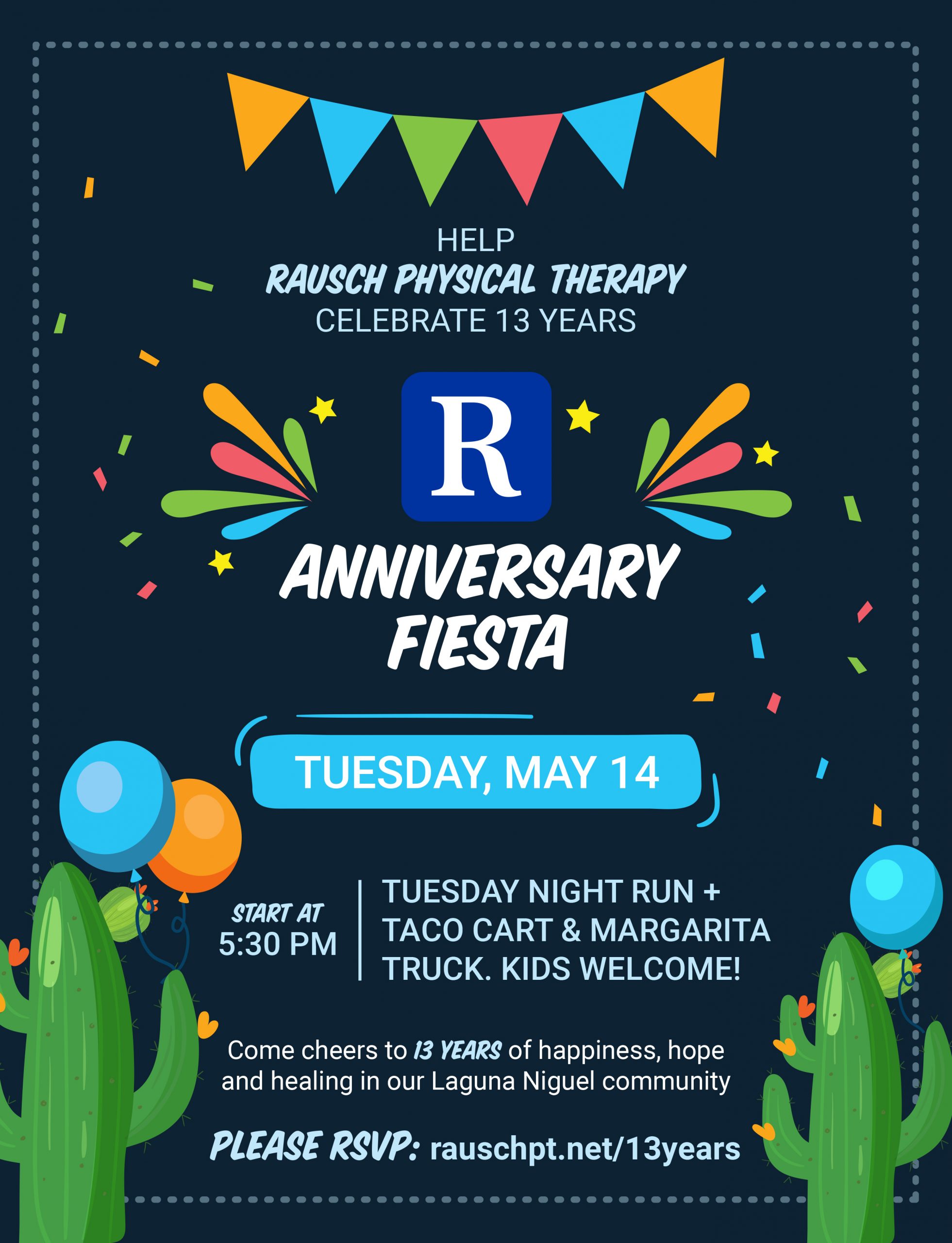
Rausch Physical Therapy’s 13th Anniversary ¡Fiesta!

Calling all current patients, past patients, friends, family and our entire community of support! Rausch PT is turning 13 🎉1️⃣3️⃣🎈 We wouldn’t be where we are today without you all, so please come celebrate another amazing year and join us at our Annual Anniversary ¡Fiesta!

We’ll have a taco cart and margarita truck (plus a few other fun surprises 😉) here at the clinic from 5:30-8:30 PM, and since it’s Tuesday night that means you can also join our Tuesday Night Run crew before stuffing your face! Families & kids welcome.

Please RSVP here to let us know you’re coming by… we’d love to see you!

[button link=”https://www.facebook.com/events/310094963223424/” size=”large” color=”blue” align=”center” target=”_blank” ]RSVP now[/button]

Rausch13Party

[button link=”https://www.facebook.com/events/310094963223424/” size=”large” color=”blue” align=”center” target=”_blank” ]RSVP now[/button]

Let’s talk! We are here to help. Give us a call for an initial evaluation and assessment. We would love to meet you.

Did you know there’s no prescription needed from a doctor to see us – but we will communicate your progress and treatment to your doctor if you’d like us too!

(949) 276-5401

RauschPT

Disclaimer — All the information that you find on our blogs and social media pages are for informational purposes only and are not intended to be used as your personal professional diagnosis, or treatment. Come and see us for your excellent, personalized care! https://staging.rauschpt.net/