Rausch PT Gets You There

[one_half]

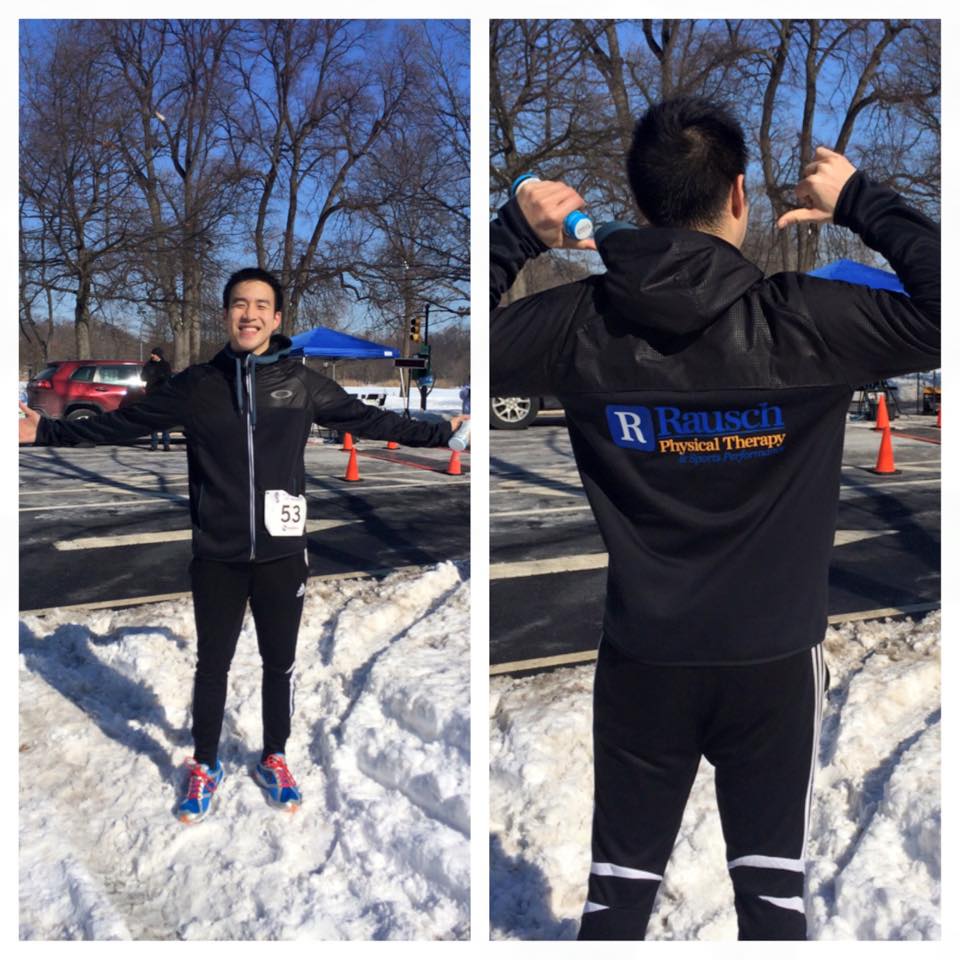
Justin: "Repping proper running mechanics and warmer weather all the way on the East Coast at the NYU Physical Therapy Annual 5k."
Justin: “Repping proper running mechanics and warmer weather all the way on the East Coast at the NYU Physical Therapy Annual 5k.”

[/one_half][one_half_last]

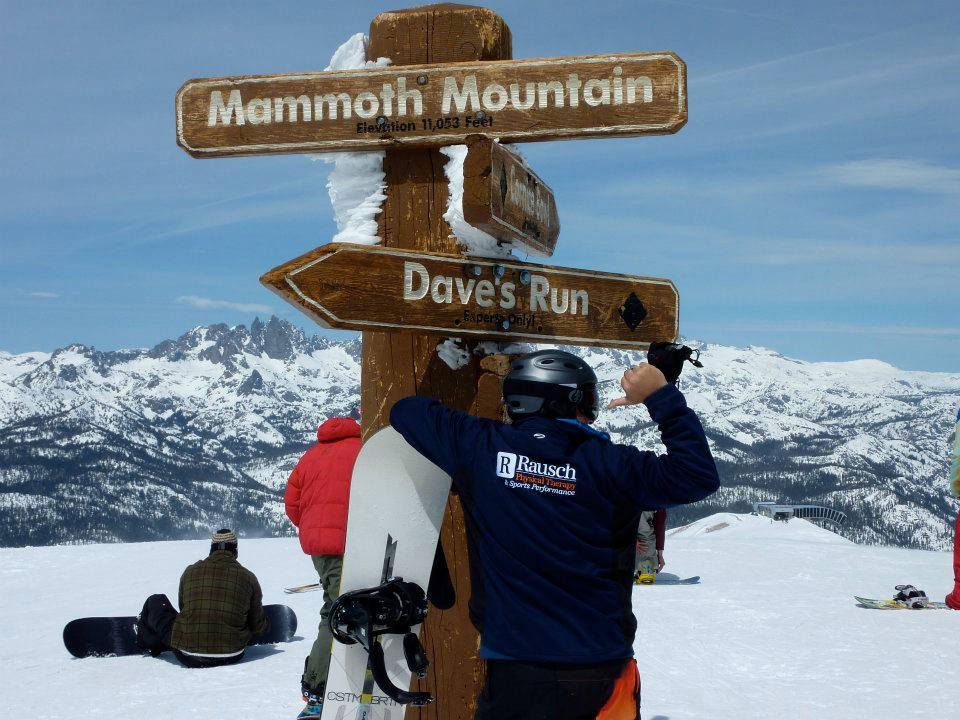
Kevin: "From the top at 11,053 ft to recovery from the surgery table... This team gets it DONE!"
Kevin: “From the top at 11,053 ft to recovery from the surgery table… This team gets it DONE!”

[/one_half_last]

As much as we love seeing our clients in the clinic, nothing brings us more joy than seeing them out and back to doing what they love. Whether your goal is returning to the golf course, racing your first 5k, or trying to qualify for Kona, we’re here to get you there!

Where has Rausch Physical Therapy & Sports Performance taken YOU? Share your Rausch PT #triumph photos on FacebookTwitter and Instagram, and you could be featured on our page!

Don’t forget to tag #RauschPT #getyouthere

HTML – Jon’s Youth Baseball Injury Guest Post

Around the office, they call me “The Baseball Guy.” My years of clinical treatment of ballplayers at Rausch Physical Therapy and Sports Performance, coupled with my interest in biomechanical research, has motivated me to find new ways to reverse the alarming increase in youth baseball arm injuries. In fact, for the past two years I have been developing injury prevention programs for southern Orange County baseball leagues to help protect our youth’s elbows and shoulders.

And it looks like I am not the only one getting on base with this initiative. Major League Baseball and USA Baseball recently teamed up to launch their Pitch Smart program, which is designed to educate parents, coaches and young athletes about how to avoid overuse injuries. It includes information on pitching guidelines, injury risk factors, Tommy John surgery and more.


Did you know:

If you pitch more than 100 innings in a year, whether little league, club or showcase, it will increase your risk of injury by 3.5 times

If you pitch greater than 8 months in a year, it will increase risk of surgery by 5 times

The number one risk factor for injury

I have found that out of all the risk factors that can cause injury, the number one is pitching too much, both in a game and in any given year. New research is coming out every month about the correlation of throwing too much and arm injuries in little league athletes.

Kids should take off about 2-3 months of competitive pitching in a year and engage in other sports or active rest where they are still using their arms, just not in a pitching motion

As a healthcare professional, I believe that change needs to occur in the traditions and schedules of little league baseball across the nation. The Pitch Smart initiative proves to me—and hopefully to parents and coaches—how crucial injury awareness and prevention is. I want to take this information and use my skill to prevent, rehabilitate and treat the youth of little league baseball.

If you have any questions about throwing injury prevention or rehabilitation, please send me an email and I will be happy to answer them. For now, take care of those elbows and shoulders!

Sincerely, The Baseball Guy

Jonathan Meltzer, D.P.T. | jonathan@rauschpt.net


About the Author
Jonathan Meltzer graduated from the University of Redlands with a bachelor of arts in biology and a minor in physical education. Following graduation, Jonathan discovered his passion for physical therapy while working as a Physical Therapy Aide. After graduating top of his class from Loma Linda University in 2012 with a Doctorate in Physical Therapy, Jonathan began his career at Rausch Physical Therapy and Sports Performance. Jonathan’s goals are to identify limitations and treat his patients with the most recent and innovative techniques in order to maximize functional independence and obtain his patients’ individual goals.

Anthem Blue Cross To Limit Members’ PT Starting November 1


Are You a Patient with Anthem Blue Cross?

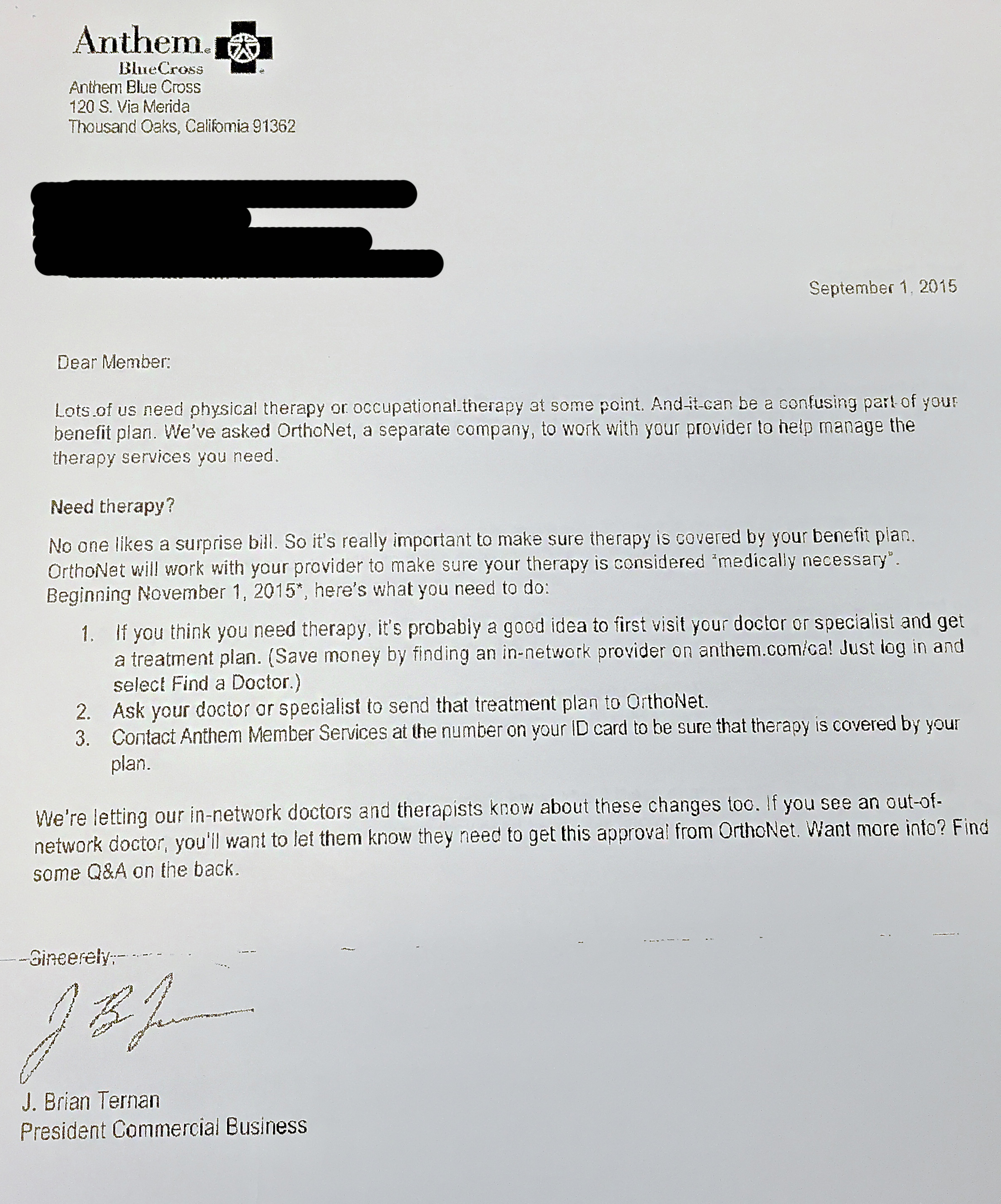
Do you use Anthem Blue Cross as your primary health insurance company? Have you received this letter in the mail?

AnthemLetter2015

Confused? Angry? You should be! Essentially, the people you pay so you can have access to medical care are telling you they’re going to start limiting your access to medical care. By hiring a third-party to decide if your physical therapy treatment is “medically necessary” (a legal term, not a medical one), Anthem Blue Cross (BC) is opening up new channels for being able to avoid paying for your medical care.

At Rausch Physical Therapy, we work hard to provide exceptional, quality care that is easily and affordably accessible, and it’s troubling that this practice of limiting your access to medical care has become the norm for medical care insurance companies.

How Rausch PT currently handles insurance companies/payment

Regardless of what that letter above implies, since the passage of the Direct Access bill in 2014 Californians have not needed a doctor’s referral/prescription before coming into a physical therapy clinic for treatment. You can come to Rausch Physical Therapy at any time for any injuries or impairments that prohibit your mobility, function, and/or quality of life. The issues only arise when it comes to figuring out who pays for this treatment.

Ever since it opened in 2006, Rausch PT has been on the leading edge of forward-thinking healthcare, and Direct Access made possible what owner Kevin Rausch had always envisioned: all people having an easy entry point onto the road to rehabilitation and recovery.

Currently, once our patients come in our door they have two options to pay for their medical treatment:

  1. Pay an out-of-pocket cash rate
  2. Have their insurance help cover the cost of their visit; once we submit their claim to and receive approval from their insurance company, the patient is only responsible for their copayment or deductible.

Whichever payment option you choose, everyone from our front office staff to your physical therapist to our billing department is dedicated to providing you with the best experience and highest quality of care possible.

How the introduction of OrthoNet affects you

Following the lead of other large health insurance companies, BC has decided to bring in a third-party management company, in this case OrthoNet, to handle the authorization of its physical therapy treatment claims. It’s OrthoNet’s job to scrutinize every claim request we submit on behalf of a patient to determine if said visit is—by OrthoNet’s definition—”medically necessary.” After we submit your claim, OrthoNet has two business days to gather all the necessary “clinical information” and either approve or deny your request. If they do approve your claim, OrthoNet will then tell you exactly how many visits it should take you to get better in and subsequently will only pay for.

Please note that this change does not affect BlueCard or Blue Cross Blue Shield members.

Why is this troublesome?

Let’s use the curious cases of Jenny and John as examples to illustrate the potential pitfalls of this increasingly-popular decision by medical care insurance companies to hire third parties to manage their physical therapy claims.

Jenny’s Case

What happens if your claim is denied?

[toggle title=”Click to read…”]Jenny loves to run, but she pushed herself a little too hard this triathlon season and now has knee pain that’s started to limit her ability to train. As an Anthem Blue Cross member, Jenny decides to take advantage of those 60 physical therapy visits she’s allotted per year and immediately makes an appointment at Rausch PT. During Jenny’s first appointment, the front desk sends a request to OrthoNet to get approval for payment for Jenny’s appointment. Jenny sees her PT, and after his initial, hands-on evaluation, he believes Jenny will be back to running pain-free after four or five visits.

Meanwhile, someone at OrthoNet is reviewing Jenny’s case and decides physical therapy treatment for her chronic knee injury is not medically necessary. She does not need surgery (yet) so they deny paying for treatment. They cover the cost of the initial visit, but Jenny now must decide if she’s going to pay cash rate to continue with her compelling treatment plan that will allow her to continue doing what she loves.[/toggle]

John’s Case

What happens if your claim is approved?

[toggle title=”Click to read…”]John is a senior in high school and has sprained his ankle playing basketball. John’s mom received the letter above, and per Anthem Blue Cross’ suggestion she makes an appointment for John to see an in-network doctor. Two days and $150 later, John comes in to Rausch PT with doctor’s approval in hand, ready to start getting better.

On his first visit, we send a request to OrthoNet to get approval for payment for John’s appointment. John sees his PT, and after her initial, hands-on evaluation, she tells John he should be 100% after four or five visits and back on the court before playoffs start in two months.

Meanwhile, someone at OrthoNet is reviewing John’s claim, and two days later they send a payment approval notification. However, OrthoNet has determined that John’s sprain isn’t that bad, so he should be able to start feeling better after a couple visits. BC will only help pay for two appointments to treat his ankle.

John and his PT work hard in those two visits, but he’s still only at about 60%. Inevitably, John is put in a difficult position: does he continue treatment by paying out of pocket so he can make it back in time for playoffs, or does he stop treatment and retire his jersey—or worse yet, try to play anyways and potentially cause lasting damage?[/toggle]

The takeaway

It’s unfortunate that even if your physical therapistor even your doctor—understands your treatment as medically necessary, an outside company can still refuse to acknowledge it as so and require you pay for treatment on your own (on top of you still paying for health insurance.) It’s even more frustrating to us as a provider that we can be limited in the amount of treatment we can give people who come to us for help.

Our patients have and always will be top priority at Rausch Physical Therapy; our sole concern is getting you feeling better so you can get back to doing what you love. Our team of licensed physical therapists spent many years in school to receive their bachelor, master and doctorate degrees and licenses so they could diagnoses and relieve chronic pain and heal injuries to give someone a better quality of life. We don’t believe you should have to live with pain for any reason, especially if that reason is because an outside management company says treatment for your pain isn’t “medically necessary.”

What Rausch Physical Therapy is doing to help

  1. During the last week of October, our front desk staff will be contacting our Anthem Blue Cross patients who are already scheduled for treatment on or after November 1. Together, we’ll work to complete the additional paperwork required to request “prior authorization” so we can continue providing you with quality treatment through the end of the year.  Again, this change is effective November 1, 2015.
  2. At Rausch Physical Therapy, we believe that everyone should have easy, direct access to PT, a physical medicine and rehabilitation specialty that we see change lives every single day. To prepare for the potential influx of BC claim denials after November 1, we are currently working on rolling out new, innovative ways to give you, our valued patient, more payment options so you will never have to rely on referrals or allow your health insurance company to limit your health.

What can you, the patient, do to help?

  1. Raise a ruckus! Be proactive. Demand access to the care you pay for and deserve. Call the Anthem Blue Cross customer service number. Then email your friends, get on Facebook, Tweet, and share this.
  2. If your claim is denied for being “medically unnecessary… Fight back and appeal. According to the U.S. Government Accountability Office, you have a 50-50 chance of getting your appeal approved if it’s an issue of medical necessity. It may take a little longer, but if the amount of money is significant or the issue important enough to you, it is worth the time you take to make it right. Get the forms you need and fill them out and send them off. Rausch PT and/or your doctor can help by providing additional medical information to the request to show exactly why it is medically necessary. Don’t be intimidated by your insurance company; we’re here to help. Click here for the forms you need to file a complaint.

If you have any questions, please feel free to call our office at (949) 276-5401 and we’ll be happy to answer any concerns you may have to make this transition as easy as possible.

DH-OTHblog-07.12.16 (SENT)

This Soft-Tissue Maintenance Routine Will Keep You On Your Bike Longer

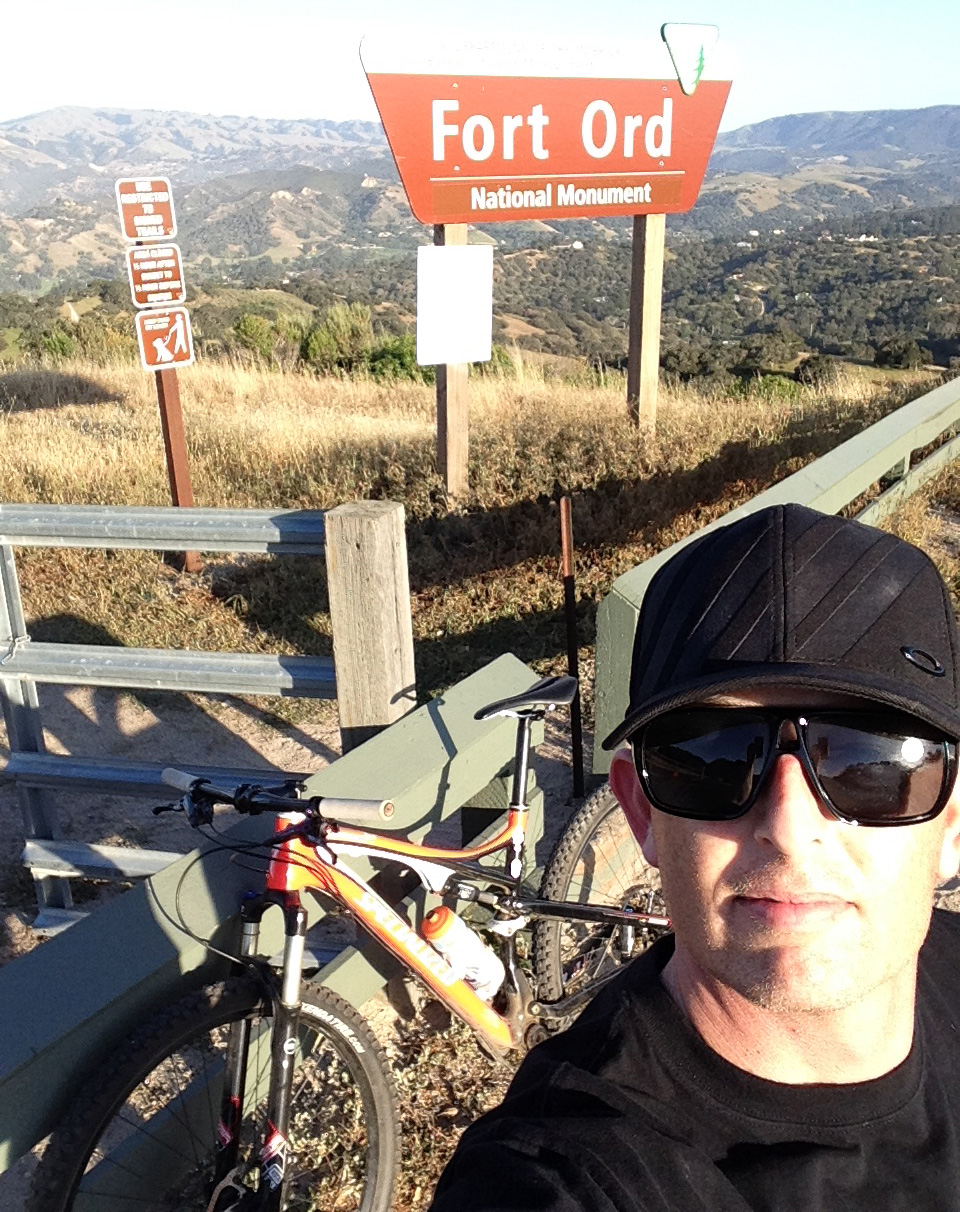
By Dustin Hancock, DPT, PT
Rausch Physical Therapy & Sports Performance

The “Mountain Bike-PT” Dustin Hancock explains how introducing a soft-tissue mobilization maintenance program can help you avoid limiting aches and pains so you can stay on the bike longer, train harder, and reduce your recovery time.

A great friend and old patient of mine recently forwarded this great quote to live by:

“Life’s journey is not to arrive at the grave safely in a well preserved body, but rather to skid in sideways, totally worn out, shouting, “Holy [bleep]! What a ride.”

While I absolutely love to live by this quote, I’ve worked as a physical therapist long enough to have seen my fair share of athletes whom lack a maintenance program and arrive in the clinic destroyed. They have neglected treating some injuries and wore out their body before its time. So the question is, how do you want to live your life? Do you want to feel stiff and old, or flexible and healthy?

Whether your goal is to avoid injury, place at Over the Hump, or just shave some seconds off your Strava time, you need to start introducing a mobility program to maintain balance, otherwise you will wear out parts on your body that can’t be replaced. Introducing soft tissue mobilization in some fashion on a regular basis will help keep you on the bike, train without the limiting aches and pains, and reduce your recovery time.

Rigid Things Break

With my patients at Rausch Physical Therapy & Sports Performance, I use an analogy between two types of bridges to explain how important the balance between flexibility and rigidity is to the body. First think of a suspension bridge, which can not only hold up to the force of thousands of cars on a daily basis, but also the power of an earthquake thanks to its mobility. Now, a rigid-frame bridge will also hold up to thousands of cars on a daily basis, but it’s less likely to tolerate the shearing forces of an earthquake due to its stiffness.

One of my favorite words is “tensegrity,” which means something has both great stability and mobility, like a suspension bridge; similar to a suspension bridge, us mountain bikers need tensegrity to stay intact. Between strength and endurance training, long rides, poor posture, old injuries, and the beautiful aging process, we put our bodies through a lot. This can cause global muscle stiffness, and remember: rigid things break. Understanding the importance of tensegrity can help you avoid body breakdown and keep you on your bike longer

Understanding Flexibility vs. Mobility

So, how do you improve your tensegrity (stability + mobility)? While most MTB riders are willing to train hard to improve their stability, many neglect mobility maintenance (and sorry, simply stretching more frequently won’t cut it.) To achieve the second half of the tensegrity equation, you first have to understand the difference between flexibility and mobility.

Flexibility refers to your muscle tissue having the appropriate length to achieve the range of motion needed for that function. If you wanted to improve your flexibility, you could do some long-duration stretching (30-second to two-minute holds with no bouncing) on a routine basis—and “routine” is the key word here.

Mobility, on the other hand, is how the tissues slide-and-glide upon the adjacent tissues, which are not only muscles, but could also be skin, fascia, bone, ligaments, nerves, etc. This distinction is why you can’t just stretch more often to improve mobility: it’s not just about your muscles. You need to add in some form of soft tissue mobilization into your recovery routine, such as professional myofascial release, specialized manual therapy joint work, active release technique (ART) and/or a home mobility program.

Three Ways to Maintain Soft Tissue Mobilization

As a physical therapist, I preach how important mobility maintenance is, however as a cyclist with a busy schedule, I sometimes struggle to add yet another item to my to-do list at the end of the day. Still, I make it a point to continually challenge myself to maintain my mobility routine to make sure my old injuries don’t start to catch up to me just yet. A good mobility maintenance routine looks a little like this:

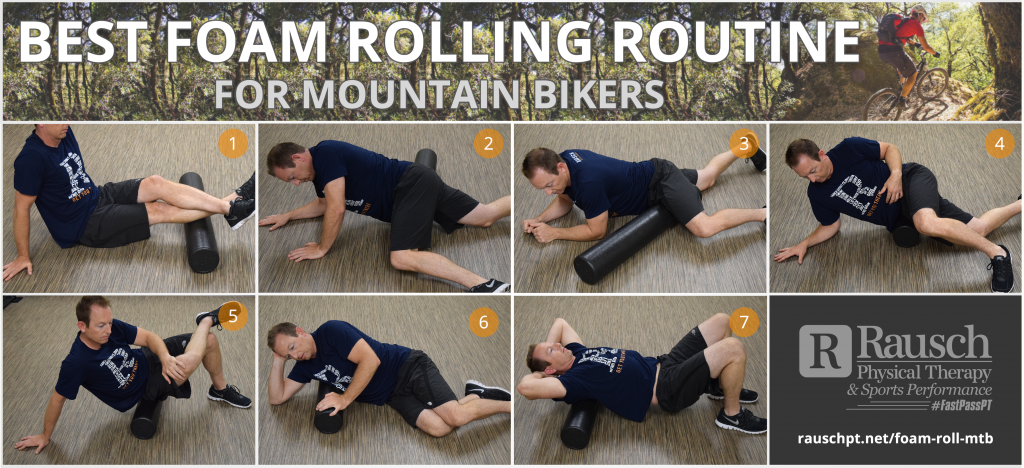
  1. Daily foam roll routine: Spend time working out the tissues that are tight for five to 10 minutes daily, or until you feel about a 50% reduction in pain. Click here to view my specific Foam Rolling Routine for Mountain Bikers.

    Click here to view
    Click here to view Best Foam Rolling Routine for Mountain Bikers
  2. Massage at least once or twice a month. I recommend a specific myofascial release from the experts at Dynamic Touch, or you can try ART with Lawrence Van Lingen at Rausch PT; he has some amazing fascially-specific techniques he’s perfected for elite cyclists across the globe.
  3. Biomechanical assessment (also known as a “tune up”) at least every six months. Make an appointment with your physical therapist at least twice a year for a tune-up, movement screen evaluation, and postural assessment. During this visit your PT can determine any new abnormal alignment patterns, soft tissue restrictions, or areas that you need to address to prevent future injuries.

Maintenance isn’t always convenient, but I personally make it a point to do it to ensure I get to join the riding group every weekend and race stronger at Over the Hump. The daily grind takes a big toll on our bodies and will cause imbalances, whether it’s from poor posture at your desk, lack of cross training or focusing too much on strength training. This is why it’s critical for all MTB riders to actively pursue some form of mobility maintenance routine to keep their bodies balanced and their seat on the trails.

Conclusion

All this talk about mobility comes down to helping us get less injuries, improve recovery time, improve your overall athleticism and generally help you feel less old. So be specific, be consistent, and respect mobility with cross friction-based foam rolling.

Feel free to stop by the Rehabulance during the second half of Over the Hump 2016, and I’ll show you some awesome foam rolling techniques to address your individual mobility issues.

Cheers, fellow riders.

-DH


Dustin-MTBDustin Hancock, DPT, PT
Rausch Physical Therapy & Sports Performance
dustin@rauschpt.net

Dustin is an adrenaline junkie with a passion for mountain biking and an outdoor-enthusiastic lifestyle. As a Doctor of Physical Therapy, his approach combines research-based knowledge and manual therapeutic treatment with Rausch PT’s cutting-edge equipment. He has experience treating extreme sport athletes of all levels, from XTERRA World Champions to challenged athletes with amputations, neuromuscular disorders, and spinal cord injuries.

Why The Doctorate Degree?

The field of physical therapy has grown considerably in the last 15 years from a bachelor’s degree to a full doctorate level education; however, in practice I have found that many individuals are either unaware or unclear what this current level of education truly is.

More than 99% of physical therapy programs in the United States are now accredited doctorate-level degrees. The programs have gone from two to three years of year round course work and internships in the clinic. We now go through course work to help prepare for the recently implemented direct access. If you have not heard of direct access or #FastPassPT as we say at Rausch PT, it means that an individual can come directly off the street to get an evaluation by one of us physical therapist without seeing your primary care physician.

Here at Rausch, we physical therapist have taken the necessary course work, studied beyond our graduation date and worked in the clinic to be able to evaluate you as a patient and determine one of two things: 1) you are fit for physical therapy and lets get you going or 2) there are some red flags here and we can refer you to a specialist or your general practitioner.

This speeds along your healing process by getting you and because of the extra education we can safely diagnosis and get you going on the right path. I did however want to clear up a common misconception we as PTs hear all the time in the clinic. We do not have our Ph.D or M.D. degree. These two degrees are research and clinically specific degrees that require more schooling and residency programs. Our doctorate level education is that of similar qualifications to a chiro, dentist, lawyer and psychologist. These separate but very important doctorate level programs allow as stated for more specific and detailed learning about one area of the medical progression. Of course we can go further and get these specialized degrees but currently our programs offer a different tear of specialization. This allows us the opportunity to learn an extreme amount about a very specific category of physical therapy.

Hopefully this definition and understanding will help to clear up some of the confusion that individuals have when learning about our degree. Knowing the background of your physical therapist will go a long way to helping you understand what this field truly is. We as therapist here at Rausch must and will continue to push the envelope on knowledge within the field of sports and orthopedics to give our patients the most updated and current methodologies of treatment. We also continue to push to the public what a great field this is and how treatment but also prevention will changes lives for the long haul and not short term.

Five Ways to Train Smarter This Offseason

Five Ways to Train Smarter This Offseason

By Sean Swopes, PT, DPT, CSCS

Rausch Physical Therapy & Sports Performance

While most people take the offseason to train for a better “next year,” Mountain Bike-PT Sean Swopes explains why you should spend some time out of the saddle and try a few other methods to improve your performance and overall health.

You survived racing through the dirt and heat, and now the Over the Hump 2016 season has come to an end. So, what next? For many of you, the end of OTH means it’s time to pump up those skinny tires and focus on road races, crits and TT’s. Before you get back to pounding those pedals, take some time away from tuning up your bike and spend some time tuning up your body.

While the subtle differences of road cycling and mountain biking offers great balance to your riding skill level, as the quickly changing terrain and variable cadence can help to enhance your riding technique, it’s also important to spend some time out of the saddle. As a physical therapist, I know that muscle imbalance/dominance are main contributors to pain and dysfunction, but as a mountain biker I also know that many of us will go to great lengths to enhance our power output, VO2 max, and velocity.

The offseason is a great time to train to improve your performance, but it’s also the perfect time to start focusing on ways to prevent the aches and pains that may be keeping you from reaching your potential. Here are five methods you can use to stay balanced this off-season.

1. Mix Things Up

A quick and easy method I like to use to offset this imbalance is to simply go for a run. Running is a great way to change the pace and the demands of those muscle that typically get overworked when cycling. Swimming also offers a great way to continue working on aerobic demand while also decreasing the load demands on your joints.

2. Get Rolling With Soft-Tissue Work

Ever feel your knees brushing the top tube during a down stroke? It’s a frequent technique used to stay in an aerodynamic position, but it can also create increased tightness of the liotibial (IT) band. In fact, it’s quite common for cyclists to develop IT Band Syndrome from repeated down stroke.

To combat this imbalance, my colleague Dustin Hancock, DPT has created a great foam rolling program to help improve flexibility and mobility of your tissues. Click here to check it out.

3. Strengthen Your Core

I went to a great workshop recently where we discussed how important it is to have core strength for successful cycling. I have been preaching this exact thing for years! We often think of our legs being our powerhouse, but how much power can you expect your legs produce without a stable base to explode from?

The primary drive for you pedal stroke is produced from the glutes, quadriceps and hamstrings. All of these muscles attach directly to the pelvis. Without good core balance and stability, your biomechanical leverage to utilize these muscle group is altered, and therefore you produce less force.

To improve your core and stability, try these exercises:

  1. Bird Dogs – Do these on a stable surface, or challenge yourself on an unstable surface. The key is to focus on your pelvis and prevent any rotation or tilting
  2. Planks – You know, that exercise we all love to do. Challenge yourself by starting with a static plank on your elbows and sides, then progress by involving leg movements.
  3. Swiss Ball Walkouts – Progress this exercise by incorporating knee tucks and pikes.

4. Work on Those Lungs

VO2 max is the maximum rate of oxygen consumption during vigorous activity. It’s often used to objectively measure an individual’s aerobic physical fitness and determine their endurance capacity during prolonged, submaximal exercise. The theory is: improve your VO2 max, improve your performance.

While the critical importance of VO2 max is debated, a 2012 article in the Journal of Strength and Conditioning Research concluded that VO2 max was a great determinant of mountain bike race performance, at least more so than for road races.

So, what can you do while training to improve your VO2 max? While research has shown that Hight Intensity Interval Training (HIIT) can lead to great benefits in cardiovascular gain, is HIIT really the only way to go? A 2010 article by International Journal of Sports Physiology and Performance reports that a 80/20 split in Low Intensity to High Intensity training program will create ideal physiological benefits, like V02 max.

And just remember, while it’s important to push you body to its limits to create physiological responses, this is often where injury occurs.

5. Go See a Physical Therapist

With weekly OTH races for the past three months, it’s likely you’ve developed a few aches and pains this summer. Unfortunately, many MTB racers (like most athletes) subscribe to the school of thought, “Just deal with the pain until the end of the season; it’ll get better when I stop racing.”

While I can’t force you to change your mindset, I can tell you that pain is often your body’s way of telling you that it’s undergoing an abnormal amount of stress. We often think that that one fall, that one crash, is what’s going to break our bodies. The truth is, most injuries are the result of overuse—repetitive stress over a prolonged period—and while our body does a great job of adapting to the stress we place on it, its ability to repair itself diminishes the more time we spend in stress/pain.

So, now that OTH 2016 season is finished, show your body you care and make an appointment with a physical therapist. At Rausch Physical Therapy & Sports Performance, your PT will perform a biomechanical assessment to determine any new abnormal alignment patterns, soft tissue restrictions, or areas that you need to address this offseason to repair your body and prevent future injuries.

Conclusion

Stop allowing pain to determine how your body moves. While you may think you can live with “a little” hip pain, you may not realize that pain in one region of your body can lead to compensatory movement in another.

Think of it this way: think of how your derailleur cable on your bike can begin to stretch. This affects how your bike can shift, but you tell yourself you can live with that. But that small sound you hear from your chain grinding against the cassette means you’re slowly wearing down your chain, until one day—it breaks.

The moral of the story here is to listen to your body’s signs that your internal drive train is breaking down, and get it fixed.
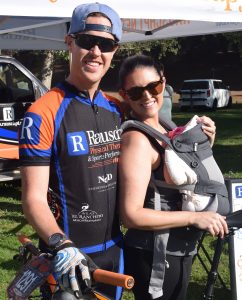

Sean Swopes | Rausch Physical TherapyAbout Sean Swopes, PT, DPT, CSCS

sean@rauschpt.net

Sean Swopes, DPT is the “Mountain Biking-PT” at Rausch Physical Therapy & Sports Performance. He is also a certified Strength and Conditioning Specialist. As a physical therapist, Sean’s goal is to help his patients understand their musculoskeletal impairments and work together to improve them.

Patient Spotlight – Mike Augustyn

Mike Augustyn had been having significant pain in his shoulder and elbow that made simple tasks like putting on a seatbelt unbearable and was causing disruption in his sleep. After a cortisone injection gave him minimal relief his doctor recommended Physical Therapy.

Mike had already had a successful experience with Rausch PT several years back when Dr. Jonathan Meltzer worked with him on a hip issue therefore it was an easy decision to return to Rausch PT for his most recent shoulder and elbow pain. This time around Mike had the pleasure of working with Dr. Sarah MacMillan.

rausch body

After his first evaluation with Sarah he was diagnosed with a rotator cuff strain and possibly a slight tear. There were several combined factors that worked to get Mike feeling better.  Sarah’s techniques and willingness to try different methods got him to the right diagnosis and optimal treatment path.  At first the focus was on range of motion and pain reduction and then Sarah added targeted strengthening and flexibility exercises – most of which he could also do at home.

raush body

After 6 weeks of treatment with Sarah, Mike was no longer awakened by shoulder pain and is now able to perform all of his everyday tasks without discomfort. It’s always great to be able to see the combined efforts of our PT’s knowledge and a patient’s determination lead to great success!


Sarah MacMillian-min

Dr. Sarah MacMillan

Let’s talk! We are here to help. Give us a call for a complimentary consultation. We would love to meet you.

Did you know there’s no prescription needed from a doctor to see us – but we will communicate your progress and treatment to your doctor if you’d like us too!
(949) 276-5401


Disclaimer
 — All the information that you find on our blogs and social media pages is for informational purposes only and is not intended to be used as your personal professional diagnosis, or treatment. Come and see us for your excellent, personalized care! https://staging.rauschpt.net/

Direct Access – Seeing your Physical Therapist without a Physician Referral

During this COVID-19 pandemic, it can be intimidating going out into public spaces, let alone medical offices. Given the current public health crisis, what if there was a way to get physical therapy without having to see your MD first? While no one could have foreseen this pandemic, one of the hidden benefits is utilizing a law that is present in most states, giving people more options to address their health concerns, and it is called direct access.

What is Direct Access?

Direct access is the ability to see a physical therapist without needing a physician’s referral. It allows you to walk straight into a physical therapy office and receive evaluation and treatment services without the need of a referral from another healthcare professional. With that said, some insurance companies may require a physician’s signature in order to cover the cost of therapy, but this can be easily solved by sending the physician the plan of care for a signature approving it. Even patients who utilize Medicare can use direct access as long as they are under the care of a physician.

How Does this Apply to Me Right Now?

Now more than ever during these unprecedented times of COVID-19, direct access can be beneficial because it gives you the option of bypassing your medical doctor’s office, decreasing the chances of being exposed to the coronavirus. Physical therapists are trained in evaluation and treatment of a variety of musculoskeletal and neurological impairments and are also trained and educated in realizing when to refer out to another medical professional if the patient is presenting with signs and symptoms outside the scope of physical therapy practice and treatment. If it turns out that your impairment needs a physician’s consultation, no need to worry. Our PT’s work with and have close relationships with the best physicians in Orange County. We will connect and refer you to the best doctors in town for your specific injury. When referring out does occur, it allows for a more interdisciplinary approach and offers you the higher possibility of a more targeted solution to optimize both your welfare and your recovery. Another benefit of utilizing direct access is cost. Going straight to physical therapy eliminates the need to pay for physician visits, which can add up. Additionally, it also allows for quicker intervention. The sooner you can address an issue, the less likely it will turn chronic. Through our physician partnerships and your utilization of direct access you can now come in and get worked on to get better quicker than ever!

Here at Rausch Physical Therapy we are taking every precaution for your health and the health of our employees. We are more vigilant now than ever when it comes to keeping surfaces clean and requiring masks to be worn when in the clinic. Our goal is to keep you safe and get you well. If you have any questions, concerns, or would like to set up an appointment, please call our office at 949-276-5401.

Reference: https://www.apta.org/advocacy/issues/direct-access-advocacy/direct-access-by-state


Sarah MacMillian-min

Dr. Sarah MacMillan

Let’s talk! We are here to help. Give us a call for a complimentary consultation. We would love to meet you.

Did you know there’s no prescription needed from a doctor to see us – but we will communicate your progress and treatment to your doctor if you’d like us too!
(949) 276-5401


Disclaimer
 — All the information that you find on our blogs and social media pages is for informational purposes only and is not intended to be used as your personal professional diagnosis, or treatment. Come and see us for your excellent, personalized care!
 https://staging.rauschpt.net/