Blog

The Fourth Trimester and Pelvic Floor PT

The fourth trimester. The first 3 months after the birth of a child. New mothers are often consumed by their new baby and nothing else matters in the world, as you would and should expect. It is vital to check in on the newborn to ensure their health and development in their first few months out of the womb. However, what also tends to happen is that health care providers, such as the OB-GYN, and even the woman herself forget to attend to the health of the postpartum body. During this time the abdomen, pelvic floor, and vaginal canal are all healing. While it is normal to experience some after-effects of labor/delivery, there are some occurrences that happen that are absolutely not normal. It is the mission of pelvic floor PT specialists, myself included, to spread the word. Let’s remove the taboo and talk openly about what really happens after childbirth and what you can do to fix it.

First, let us establish how long it typically takes to recover from pregnancy and childbirth overall. A woman who goes through an average, non-complicated pregnancy, and vaginal delivery will recover 90-100% of her functional status prepartum between 9-12 months following childbirth. Non-complicated means without physician ordered bed rest, prescription medication use, episiotomy, or epidural injection at any point throughout the pregnancy. Pregnancy and delivery with complication and/or Caesarean section (C-section) will recover 90-100% of functional status prepartum 12+ months following childbirth. Then we have to consider, what is considered “normal” for your body during those first 3 months following childbirth? Normal after-effects and changes include bleeding or discharge, perineum soreness, nipple soreness, extremity swelling, hemorrhoids, constipation, and mild leaking. However, most of these issues should be resolved before the end of the fourth trimester.

OK, got that covered. So what about all that is abnormal? Most obviously, any of those issues that continue past the fourth trimester. Red flags that warrant an urgent return to your physician include continued bleeding and/or discharge, swelling, nausea/vomiting, fever, or general feelings of malaise that are unrelenting. Then there are the misconceptions the abnormal non-urgent issues are “just the way life is going to be now,” or are missed completely. If you have any of these problems, consult your physician and/or pelvic floor PT near you. Problems that can be addressed by pelvic floor physical therapy are as follows:

● Urinary incontinence with strong urges to urinate, or with increases in intra-abdominal pressure (i.e. cough, sneeze, laugh)
● Urinary frequency/urgency
●  or painful defecation
● Pain with sexual intercourse (including sharp pain or diffuse soreness)
● Pelvic organ prolapse (symptoms include perineal discomfort and/or heaviness)
● Diastasis recti separation
● Perineal or C-section scar stiffness and/or sensitivity
● Weak pelvic floor and abdominal muscles
● Neck or back pain related to poor posturing (i.e. holding baby or breastfeeding positions)

Wow, you say. That’s quite the laundry list of problems! It is mind-boggling that so many women walk around postpartum without any form of treatment at all. We would like to think that if any of these issues were mentioned in the 6-week OB-GYN follow up appointment that they would offer or recommend hard solutions, including physical therapy. However, the role of OB-GYNs is to manage and control issues that require medical attention. They are not musculoskeletal experts, so we cannot expect them to solve those problems. In that regard, it makes sense that OB-GYNs and physical therapists should complement one another. There is also the unfortunate truth our healthcare system is not yet in a place to utilize physical therapy as the standard of care following labor and delivery. The good news is that European healthcare is already paving the way in maternal care and the United States should follow suit. We have an extensive basis of credible research demonstrating the value of pelvic PT, now all we need is to spread the word and make people aware of what is available. It is already the mission of pelvic floor therapists to provide education to those looking for it, now all we need is YOU! As the patient, you have so much power in not only talking to your family and friends but also in bringing your physician(s) this information as some have no idea that this type of PT even exists!

The last point to consider in the fourth trimester is your return to regular activity and exercise. Day one after labor and delivery the postpartum woman can begin to breathe through the diaphragm and practice gentle transverse abdominal contractions to stabilize the pelvis through transitional movements, such as rolling in bed, walking short distances, and going from sitting to standing. After the first 6 weeks, foundational exercises may begin and progress from there. I cannot stress it enough, seek advice from a pelvic PT if any of this information applies to you or someone you know. After all, happy and healthy babies begin with happy and healthy mommies!


RebeccaDr. Rebecca Gasca, PT, DPT

Let’s talk! We are here to help. Give us a call for a complimentary consultation. We would love to meet you.

Did you know there’s no prescription needed from a doctor to see us – but we will communicate your progress and treatment to your doctor if you’d like us too!
(949) 276-5401

Disclaimer — All the information that you find on our blogs and social media pages is for informational purposes only and is not intended to be used as your personal professional diagnosis, or treatment. Come and see us for your excellent, personalized care! https://staging.rauschpt.net/

RauschPT-logo

Patient Spotlight – Louis Portillo

On July 7th, 2019 Louis Portillo suddenly could not move his left arm. Being a violinist and having just had a rehearsal the day before this was very frustrating for him. Louis was taken to the ER thinking it might be a stroke — which was ruled out. He then went to an orthopedic surgeon. Real severe pain had set in and he thought it might be a torn rotator cuff, but the MRI showed no damage. Then a nerve conduction test was done. Finally, after three weeks, the doctor came up with the diagnosis: Parsonage-Turner, a rare syndrome that eventually goes away maybe in 3 years. In order to prevent atrophy of the affected areas, physical therapy was recommended to Louis by his doctor.

Louis began his physical therapy at Rausch Physical Therapy in Laguna Niguel. At first, he could barely move his left arm at all and the pain continued, but his physical therapists at Rausch, initially Sean, and now Max (and their wonderful aides) had him do various stretching movements. As time went on, strengthening movements were used also. Some physical manipulation of the affected areas was also done in each session. In addition, Louis added therapeutic massages to his recovery plan, which were done at Rx Massage with Melissa. This coordinated progressive team effort that included our PT’s at Rausch Physical Therapy and Massage Therapists at Rx Massage helped Louis get to where he needed to be.

Rausch-AUg branding

On October 30th, 2019 Louis started making attempts to play the violin again. He viewed it as a form of physical therapy. He would lay inclined in a chair with his left arm barely able to move. Although minimal, the movement still did occur, and since the fingers on his left hand were not affected this gave him some basis for hope.

The physical therapy at Rausch PT and the encouragement that he receives here have given Louis a rallying point of well-founded hope since after one year he has improved greatly. On July 15th, 2020, almost a year to date from when Louis first could not move his left arm, he had his first violin rehearsal.  This meant a lot to Louis, and he can’t say enough about how big of a role Rausch has played in it.


RauschPT-logo

Let’s talk! We are here to help. Give us a call for a complimentary consultation. We would love to meet you.

Did you know there’s no prescription needed from a doctor to see us – but we will communicate your progress and treatment to your doctor if you’d like us too!
(949) 276-5401

Disclaimer — All the information that you find on our blogs and social media pages is for informational purposes only and is not intended to be used as your personal professional diagnosis, or treatment. Come and see us for your excellent, personalized care! https://staging.rauschpt.net/
Employee Spotlight – Dr. Renee Rinard

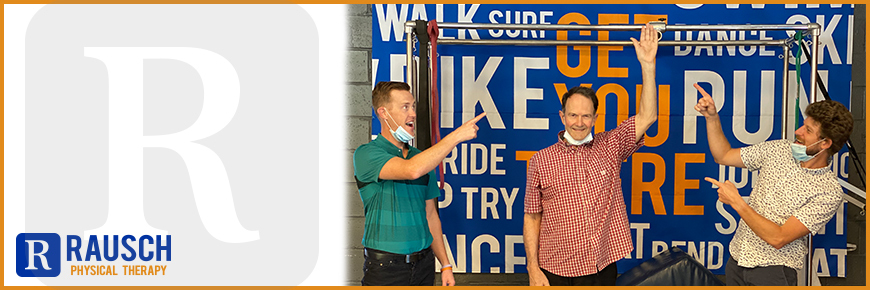
Meet our amazing PT Dr. Renee Rinard. Renee has always found the human body to be very interesting and she always knew she wanted to end up in the medical field to learn more about it. Renee landed on physical therapy as a career because she believes conservative, movement-based treatment is the best option for most cases. She has always been an active person and believes proper exercise with manual therapy can help people live a better quality of life and continue to do the things that they love to do. Renee also loves that as a physical therapist she gets to spend the most time with patients compared to other medical professions. By spending this quality time with her patients Renee actually gets to know them and can really dig deep to figure out what is going on!

Renee played soccer for 10 years at the recreational, club, and High School varsity levels so she would consider soccer-related injuries to be her specific niche. These issues are the most common ankle sprains, inner hip pain and injuries, and knee injuries including ACL and meniscus. However, these issues do not solely occur in soccer players! Renee also treats quite a bit of knee, shoulder, and post-operative patients but she loves to treat just about everything to keep her skills up!

FUN-FACTS-1-768x512

Where’s your favorite place in the world?

Italy – Renee studied abroad in Florence in college and went back in 2018 for a vacation. The best spots for her are Florence and the Amalfi Coast!

What is the first concert you attended?

Rascal Flatts when she was 14.


Renee Rinard (1)

Dr. Renee Rinard

Let’s talk! We are here to help. Give us a call for a complimentary consultation. We would love to meet you.

Did you know there’s no prescription needed from a doctor to see us – but we will communicate your progress and treatment to your doctor if you’d like us too!
(949) 276-5401

RauschPT


Disclaimer — All the information that you find on our blogs and social media pages are for informational purposes only and are not intended to be used as your personal professional diagnosis, or treatment. Come and see us for your excellent, personalized care! https://staging.rauschpt.net/
Integration of Core Stability in Promoting Functional Gains

The core is the most integral component for building full body functional movement patterns. The terms ‘core’ and ‘stability’ are tossed around in our health and fitness world and the meanings are sometimes misconstrued. For starters, you can imagine the true deep ‘core’ as four muscles forming a canister around the thorax. The core is bordered superiorly (on top) by the diaphragm, anteriorly (front) by the transverse abdominis, inferiorly (on the bottom) by the pelvic floor, and lastly posteriorly (back side) by the multifidus. Although it might sound like I completely made up a few of these muscles, that is because they are some of the deepest muscles lying in this region and sometimes go unmentioned. Regardless we must all appreciate the functions each of these muscles have and how recruiting them appropriately will improve your quality of movement while reducing the likelihood of injury. According to the Panjabi Model there are 3 contributing factors to spinal stability as shown below.

Although I will be discussing more of the active subsystem or musculature involved in this interaction, it should be noted that our passive spinal column and neuromuscular components should ultimately be addressed to optimally ensure this desired spinal stability.

Lumbar Multifidus

This muscle was originally thought to have had some function in producing lumbar extension but more recent studies have suggested a strong stabilizing role. Being composed primarily of type I or tonic muscle fibers we hypothesize that there is more of a postural role being played (Sirca & Kostevc, 1985). Aside from helping control the spine in its neutral zone, the lumbar multifidus tensions the thoracolumbar fascia further stabilizing the core and spine.

Transverse Abdominis (TrA)

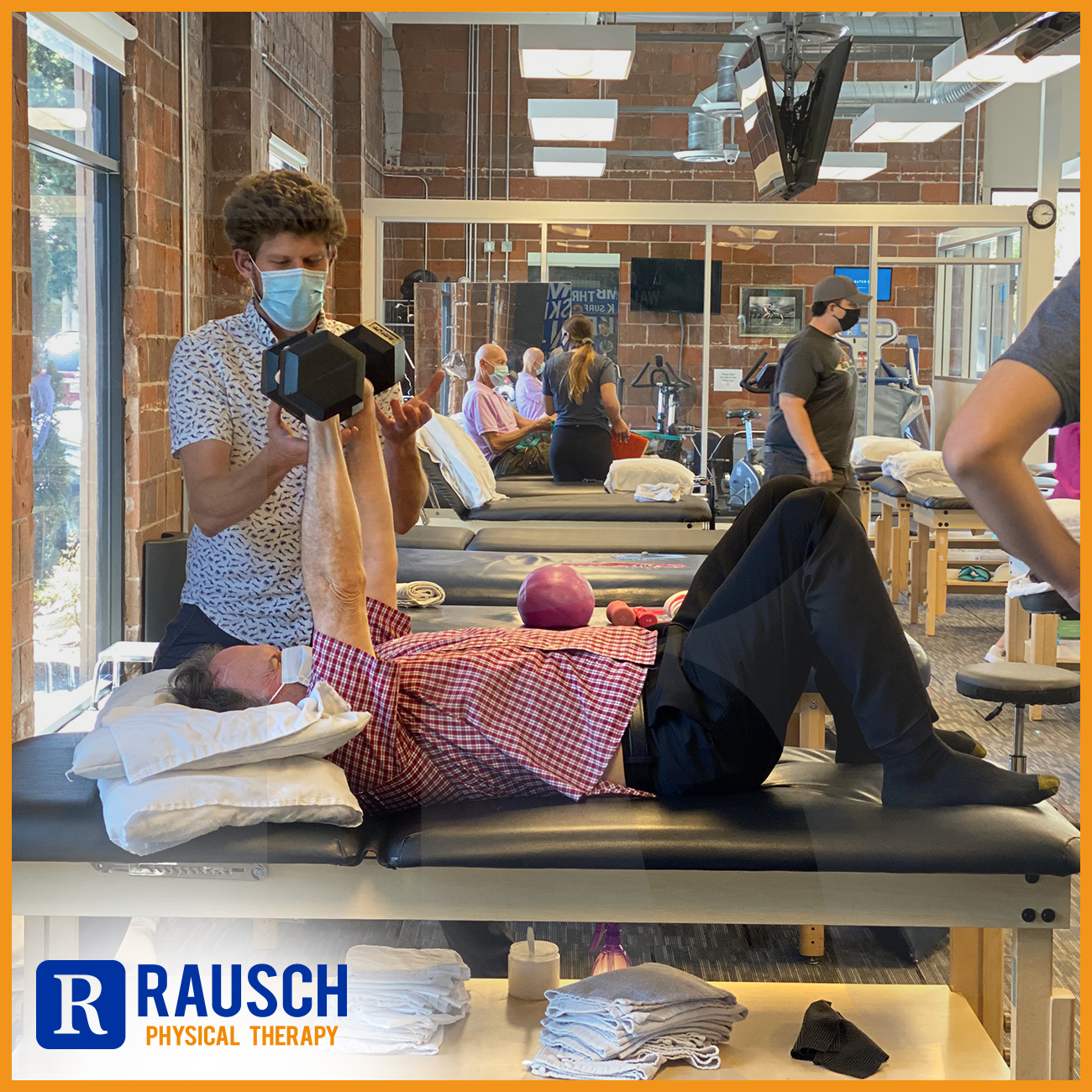
The TrA is the deepest abdominal muscle with fibers that run horizontally. This muscle is unique because it has a feed-forward loop in which it naturally fires to stabilize the spine prior to any body movement. For example every time you are bringing an arm overhead to stroke while paddling on a surfboard the TrA is firing to stabilize the spine. Over time if we practice compensatory movement patterns such as allowing our global muscles (rectus abdominis and obliques) to “over fire” we can lose the ability to recruit TrA and in turn lose some of our stability. As neuroscience research has indicated those movement patterns that we do not use, we lose (Kleim, 2008). Therefore it is crucial to re-train our TrA to function optimally to promote a healthy spine.

Pelvic Floor

Although it is an easily undermined area of focus, the pelvic floor muscles play an integral role in promoting core stability. These muscles resist increases in intra-abdominal pressure, which helps our core manage more complex movement patterns where many muscles are firing at once. Whether we recognize it or not, these muscles of the pelvic floor are contracting countless times throughout our day and when facilitated in conjugation with the TA, multifidus, and diaphragm can help keep the spine in its most stable position (neutral zone).

Diaphragm

Aside from its vital role of managing our breathing, the diaphragm is the largest contributor to our spinal stability through intra-abdominal pressure. According to Hodges et al. 1997, this muscle is needed to prevent displacement of abdominal viscera so that the TrA can increase its tension. This is important for our understanding moving forward as we should practice appropriate breathing techniques while exercising to further strengthen this muscle.

These muscular components discussed above can help improve spinal stability by incorporating simple exercises to your workouts. In most cases minor adjustments can be made to exercise technique to promote further recruitment of these local stabilizing muscles.

  • Prior to participating in sport activities, ask yourself if your body is as prepared as it should be and…
  • If you have already experienced some back discomfort consider how you can modify your training to focus on complete core stability to better prepare you to prevent injury.

Dr. Bryce Parrish

Physical Therapist

If you find yourself in discomfort or think you could benefit from a personalized exercise plan, talk to a Physical Therapist.

Let’s talk! We are here to help. Give us a call for a complimentary assessment.
Did you know there’s no prescription needed from a doctor to see us?
(949) 443-0713

logo-top

What is pelvic floor physical therapy?? By: Dr. Rebecca Gasca, PT, DPT

In order to fully answer this question that I get on a regular basis, one must understand what the pelvic floor is. The pelvic floor is a group of muscles at the bottom of your pelvis that are essentially responsible for urination, defecation, and sexual activity.

5 “S” Functions of the Pelvic Floor

  • Support of abdominal and pelvic organs
  • Sphincter control of bowel and bladder
  • Sexual function such as achieving and maintaining arousal and orgasm
  • Stability across the pelvis and hips, including transferring force appropriately through spine to lower extremities
  • Sump pump, which is a muscular action that facilitates transfer of lymph (or swelling) from lower extremities and pelvis up through the trunk to be cleaned and recycled by the circulatory system

Now that we understand what a pelvic floor is, let us get to answering the mysterious question of pelvic floor PT.

Did you know:

  • 1 out of 4 women have one or more pelvic floor disorders?
  • 17% of women with a pelvic floor disorder will have urinary incontinence?
  • Nearly 90% of men that undergo prostate surgery will have a pelvic floor disorder?

That’s a lot of people! To put it another way, consider a few of these real life scenarios to help you relate.

Imagine you are a male cyclist with a new onset of groin and buttock pain. You have been to an orthopedic PT, which has helped most of your symptoms, but pain still remains. Pelvic floor PT can help with that! After the resolution of orthopedic impairments, there is a portion of patients that continue to present with symptoms referring from the pelvic floor muscles.

Imagine you are a female who celebrated the birth of her second child 2 months ago. You are experiencing leaking with strong urges to urinate and when you cough, sneeze, and laugh. Everyone tells you this is normal, but your gut tells you something just isn’t right. Your OB-GYN just cleared you to be able to have sex with your partner, but to your dismay you have to stop because it is painful. This concerns you because you’ve never had pain before. There is good news though, pelvic floor PT can address all of these problems! And chances are, they are all related.

OK, great!

What does a pelvic floor examination and treatment plan look like?

Depending on your medical history and subjective examination, your pelvic floor PT may recommend an internal examination along with a screen of external structures. Your pelvic floor PT has additional specialty education and training on how to properly assess and treat these issues. During the examination, your pelvic floor PT will be able to fully understand your mobility and strength limitations and devise an individualized program to help you reach your goals.

Stay tuned into our blog for new information coming out about specific pelvic floor conditions that can be treated with pelvic floor PT.


Rebecca

Dr. Rebecca Gasca

Let’s talk! We are here to help. Give us a call for a complimentary consultation. We would love to meet you.

Did you know there’s no prescription needed from a doctor to see us – but we will communicate your progress and treatment to your doctor if you’d like us too!
(949) 276-5401

RauschPT


Disclaimer — All the information that you find on our blogs and social media pages are for informational purposes only and are not intended to be used as your personal professional diagnosis, or treatment. Come and see us for your excellent, personalized care! https://staging.rauschpt.net/
Ice or Heat?

One of the most common questions that patients ask their physical therapist is “so, should I ice it or heat it?”. The answer to this question differs for each injury and each patient. Icing and heating are two very useful, cost-effective, and rational ways that my patients can manage their pain when out of the clinic. Because they are key to pain management and essential to the rehabilitation process, I find myself (as the PT) explaining to each patient the difference between icing and heating. Aside from the obvious – ice being cold and heat being warm – ice and heat differ in use and therapeutic effects on the body.

When should I ice or heat?

Ice is used for any acute injury. This means that ice is best for a new injury. Think of a swollen, red, and irritated knee – this kind of injury is the perfect match for ice. Ice has been known to decrease pain while also reducing inflammation and swelling. So when my patients walk into the clinic with a swollen, inflamed, or irritated injury, I will apply ice to the injury.


Heat is for chronic injuries. Heat is most useful when the pain has been ongoing over several days/weeks/months. Think of that dull achy back pain that has been present for months. The heat has been known to decrease pain while improving blood circulation to the heated muscle. I will apply heat to my patients that walk into the clinic with muscle aches, stiffness, or those with chronic pain.

When should I avoid ice or heat?

There are specific scenarios when you should not ice or heat. You should never use ice or heat when you have impaired sensation, as you will not be able to feel if the ice or heat is burning you leading to tissue damage. Ice should also not be used if you have Raynaud’s disease, hypertension, rheumatoid arthritis, history of vascular impairments, and another medical history. Heat should not be used if you have had a recent hemorrhage, thrombophlebitis, impaired mental awareness, malignant tissue, and another medical history. Consult with your doctor if you have any past medical issues or have had any reactions to using ice or heat in the past before applying either ice or heat.

Bottom Line

Ice and heat are two simple, easy, and cost-effective ways to manage pain outside of the clinic and between your PT appointments. Ice is generally used when the tissue is irritated and swollen. Heat is generally used when the muscle is stiff or painful for several days.

CAUTION: Both ice and heat can cause burns and tissue damage so be careful and take the ice/heat off if causing more pain, too hot, or too cold.


If you find yourself in discomfort or think you could benefit from a personalized exercise plan, talk to a Physical Therapist.

Let’s talk! We are here to help. Give us a call for a complimentary assessment.
Did you know there’s no prescription needed from a doctor to see us?
(949) 443-0713

logo-top

Ice or Heat?

One of the most common questions that patients ask their physical therapist is “so, should I ice it or heat it?”. The answer to this question differs for each injury and each patient. Icing and heating are two very useful, cost-effective, and rational ways that my patients can manage their pain when out of the clinic. Because they are key to pain management and essential to the rehabilitation process, I find myself (as the PT) explaining to each patient the difference between icing and heating. Aside from the obvious – ice being cold and heat being warm – ice and heat differ in use and therapeutic effects on the body.

When should I ice or heat?

Ice is used for any acute injury. This means that ice is best for a new injury. Think of a swollen, red, and irritated knee – this kind of injury is the perfect match for ice. Ice has been known to decrease pain while also reducing inflammation and swelling. So when my patients walk into the clinic with a swollen, inflamed, or irritated injury, I will apply ice to the injury.


Heat is for chronic injuries. Heat is most useful when the pain has been ongoing over several days/weeks/months. Think of that dull achy back pain that has been present for months. The heat has been known to decrease pain while improving blood circulation to the heated muscle. I will apply heat to my patients that walk into the clinic with muscle aches, stiffness, or those with chronic pain.

When should I avoid ice or heat?

There are specific scenarios when you should not ice or heat. You should never use ice or heat when you have impaired sensation, as you will not be able to feel if the ice or heat is burning you leading to tissue damage. Ice should also not be used if you have Raynaud’s disease, hypertension, rheumatoid arthritis, history of vascular impairments, and other medical histories. Heat should not be used if you have had a recent hemorrhage, thrombophlebitis, impaired mental awareness, malignant tissue, and other medical histories. Consult with your doctor if you have any past medical issues or have had any reactions to using ice or heat in the past before applying either ice or heat.

Bottom Line

Ice and heat are two simple, easy, and cost-effective ways to manage pain outside of the clinic and between your PT appointments. Ice is generally used when the tissue is irritated and swollen. Heat is generally used when the muscle is stiff or painful for several days.

CAUTION: Both ice and heat can cause burns and tissue damage so be careful and take the ice/heat off if causing more pain, too hot, or too cold.


RauschPT-logo

Let’s talk! We are here to help. Give us a call for a complimentary consultation. We would love to meet you.

Did you know there’s no prescription needed from a doctor to see us – but we will communicate your progress and treatment to your doctor if you’d like us too!
(949) 276-5401

Disclaimer — All the information that you find on our blogs and social media pages is for informational purposes only and is not intended to be used as your personal professional diagnosis, or treatment. Come and see us for your excellent, personalized care! https://staging.rauschpt.net/

The 8 Best Massage Guns of 2020

Here at Rx Massage, we know tensions are high right now. Your body may be in need of a sports massage, however, being stuck at home has its challenges. This is why we suggest purchasing a massage gun in the meantime! Massage guns are fairly simple to use—you’ll want to aim the head about an inch away from your skin as it pulsates. Experts recommend to only use it for one to two minutes per muscle group and advise to start on the lowest intensity and work your way up. See a list of the 8 best massage guns of 2020 you should consider purchasing! We can’t wait to welcome you back and take care of you ourselves!

Our Top Picks

Best Overall: KRAFTGUN

One of the newer massage guns on the market, Kraftgun does it all. It uses a brushless motor, which helps reduce noise dramatically. It’s also powered by a Samsung battery, which keeps the device running for 3.5 hours on a single charge.

The lightweight design—just 2.2 pounds—comes equipped with two adjustable handles, making it more comfortable for people of all body shapes and sizes. The handle adjusts to point where you can reach your lower back on your own.

It can handle up to 80 pounds of force before stalling, deeming it powerful enough to provide significant therapeutic relief. Choose between three speeds for the pulsation intensity that you’re most comfortable with.

By arriving a little late to the massage gun game, Kraftgun designers were able to observe common shortcomings of other devices and focus on improvements in a device of their own.


How To Use

Massage guns are fairly simple to use—you’ll want to aim the head about an inch away from your skin as it pulsates. Experts recommend to only use it for one to two minutes per muscle group, and advise to start on the lowest intensity and work your way up.


Best Quiet: OPOVE M3 Pro Massage Gun

When searching for a massage gun, experts say noise control should be high on your priorities list—especially if you plan to use it around your neck and shoulders for stiffness and soreness.

“When you use a massage gun, noise is generated by the motor units, which is important to consider when you plan to use the device on muscles closer to the ears,” said Latoya Julce, a fitness professional and registered nurse in New York City.

The OPOVE M3 Pro is one of the quietest massage guns on the market. Its 24-volt, high-torque brushless motor keeps noise between 35 and 55 decibels. Even on the highest of its three different speed settings, it’s quieter than the lowest setting of most other massage guns.

Its battery life is also competitive, clocking in around three hours for one full charge. And at 2.5 pounds, it’s a pretty lightweight option as well. Plus, it comes with a convenient carrying case so you don’t have to worry about misplacing its various attachments.


Quick Tip

“Be careful about relying on guns as your only recovery tool. You should also stretch, rest, get massages, and try cold and heat therapies to maintain flexibility and aid muscle recovery.”—Latoya Julce, fitness professional and registered nurse in New York City


Best High-End: Theragun G3PRO

Theragun is the pioneer of massage gun products, and the G3PRO is their top-of-the-line option with a price tag to match. With that said, it definitely gets the job done.

It comes equipped with six attachments and an adjustable arm so users of all heights can target any part of their body successfully. Handling up to 60 pounds of force before stalling, it provides pretty powerful percussive therapy. While its battery life is only 75 minutes, the GP3PRO comes with two batteries both of which are rechargeable, so you can use them interchangeably.

The percussion speed of the GP3PRO makes it a louder option, which is something to be mindful of if you plan on using it in a public space like the gym. On the plus side, it comes with a nice carrying case and an interactive app.

Best Budget: Exerscribe Vybe Percussion Massage Gun

Yes, you can enjoy many of the benefits of higher-end massage guns for a fraction of the price. Weighing 2.5 pounds, the Vybe can handle up to 60 pounds of force before stalling (just like the Theragun G3PRO), providing both deep percussion and strong pressure.

You can choose from six different speed settings and feel confident that it can reach any muscle in need, thanks to its adjustable arm. It also comes with two swappable, rechargeable batteries, keeping it going for up to three hours.

This model from Exerscribe is the least expensive of the three they offer, but that doesn’t make it an inferior choice. The only real sacrifice made here is in the noise department—it’s a pretty loud device.


Expert Advice

“I would recommend trying a few massage guns before buying one. And while it’s tempting to use the gun for longer sessions, limit percussive therapy to one or two minutes per muscle targeted. Also, if you’re prone to blood clots, you may want to check with your doctor before using a massage gun.”—Cori Giuliani, ACE-certified trainer at OrangeTheory Fitness


Best Portable: Hyperice Hypervolt

The Hypervolt is a favorite among many fitness trainers (including our expert source Cori Guiliani) because it’s easy to transport from location to location and use on a variety of clients for their unique needs.

It weighs just 2.5 pounds and sports an ergonomic design that fits easily in any gym bag. It also comes with five different attachments and offers three different speed settings, making it a versatile tool.

Even better, it’s quick to recharge after a battery life of almost three hours, and it has a gauge that reveals exactly how much battery it has left when it’s turned on. The Hypervolt also delivers on the quiet front, using a proprietary silencing technology to keep the percussion noise to a minimum.

Best High-Intensity: TimTam Power Massager Pro

If you typically opt for more aggressive deep tissue massages, this device is one of your best home alternatives. The TimTam Power Massager Pro is lightweight, quieter than many other options on the market, and more powerful, so it can help relieve your muscle soreness faster (the manufacturer says in 60 seconds).

It also features a unique, auto-heating tip and a vibration attachment, providing two more soothing elements of a traditional massage in one device. The TimTam Power Massager Pro features a 175-degree rotating head and makes 50 percent less noise than the brand’s previous model. The only downside: Its battery life is pretty low, clocking in at about an hour.

Best for Beginners: MuscleGun Carbon Massage Gun

With four massage heads that are quick and easy to change and a lightweight design of 2.2 pounds that’s even easier to handle, this massage gun is ideal for those new to percussive therapy.

The MuscleGun Carbon has a stall force of 50 making it a little milder than others on this list, which is great for newbies. If you’re a beginner, it’s best not to start out with an intense massage gun that’s ready to assault your sore muscles.

It has five speed settings, four-hour battery life and comes with a compact carrying case that’s handy for travel. Newcomers will love that the massage gun comes with images detailing how long to work each body part and what head attachments to use for each.

Best Battery Life: Lnchett Massage Gun

If you’re the person who always forgets to charge your phone, this massage gun is the one for you. Our expert, Latoya Julce, says good battery life is key for massage guns, “especially for trainers on the go tending to multiple clients.”

This massager comes equipped with rechargeable lithium batteries and has a long-lasting battery life of six to eight hours. The LED touch screen will notify when battery is running low and also lets you easily control the speed of the device.

It has six massage heads for total-body relief and 20 speed levels. The brushless high-torque delivers 500 to 3500 per minute, so it’s best for those who enjoy deeper pressure massages.

What to Look for in a Massage Gun

Noise

The motors that power massage guns can be surprisingly loud, so it can be a rather unpleasant experience to use them on neck and shoulder muscles. Luckily, lots of newer models have prioritized decreasing this motor noise.

Stall Force

This term refers to the amount of pressure you can apply to the head of the massage gun before the motor stalls. Folks who want deeper, more aggressive percussive therapy typically need massage guns with higher stall force.

Weight

Because these devices are often held with one hand, weight is an important factor. You want to feel confident that you can hold the massage gun steadily and safely on the targeted muscle while it’s running at its top speed.

Customizability

Some massage guns come with a handful of head attachments, some offer an adjustable head angle on the device itself, some provide both of these features, and some neglect both. Consider customizability as you think about which muscles you typically need to target and how many different types of massage therapy you enjoy using on those muscles.

Reference: {https://www.verywellfit.com/best-massage-guns-4800201}


Let’s talk! We are here to help. Give us a call for a complimentary consultation. We would love to meet you.

Did you know massage can massively speed up your healing, from training, injury or surgery recovery? Massage has an overarching positive effect on so many aspects of your health. We have excellent memberships that make regular expert massages possible. Call us! (949) 276-5401

RxMassage


Disclaimer — All the information that you find on our blogs and social media pages is for informational purposes only and is not intended to be used as your personal professional diagnosis, or treatment. Come and see us for your excellent, personalized care! https://staging.rauschpt.net/
9 Running Dos and Don’ts During the COVID-19 Pandemic

Here at Rausch PT, we hope you are doing well and know how hard it may seem to stay in shape at the moment.

Between working from home and barely leaving the house, the current COVID-19 pandemic sure has uprooted the daily lives of many runners. Although most large races that were set to take place this spring have been postponed or canceled, many runners are still eager and willing to get outside for their daily workouts, especially if it’s the only time they go outside all day. While health officials enforcing the current guidelines have deemed exercising outdoors safe, there are certain precautions you should take to keep yourself and others safe.

Do run by yourself. Aside from weekend long runs, I’ve been doing this for years. Trust me; it’s not that bad! Taking an hour or so to clear your mind and appreciate nature will prepare you to tackle your day once you get back.

Don’t run in large groups. Health experts are advising that people avoid coming into contact with anyone they don’t live with, so you really shouldn’t be meeting up with a single running buddy, let alone a large running club.

Do try to run at “off-peak” hours. Here in Houston, our local and ever-popular Memorial Park has seen extreme crowding since the closing of most public businesses. Needless to say, there’s no “social distancing” going on when this is happening. While you might be tempted to sleep in late just because you can now that you’re home, it’s probably better to stick to traditional early morning hours for running if possible.

Don’t run if you’re sick. If you’re at risk of potentially spreading the virus, stay home! You could potentially expose someone who is at high risk, such as elderly and immunocompromised people—or even someone who is completely healthy; the coronavirus doesn’t discriminate.

Don’t touch anything on your run. Carry your own water bottle rather than relying on public fountains, and avoid touching traffic light buttons to cross the street. Use your sleeve or elbow if you have to.

Do give yourself plenty of space to distance yourself from any other runners. This one is actually pretty easy, especially if you’re running on wide streets or trails. You can still give your usual running mates a nod or a wave while passing from an appropriate distance—6 feet.

Don’t go to the gym and run on the treadmill. Chances are your gym is closed anyway. But if it’s not, know that gyms can be one of the germiest places you can visit during this time, and it’s best to steer clear. If you’re lucky enough to have a home treadmill, take advantage of it, but don’t forget to wipe it clean before and after every use

Don’t run the course anyway in place of your canceled race. If your race is offering a virtual race option, great! But complete it by yourself. When the Boston Marathon announced its postponement, many runners shared that they planned to still run the course on April 20, and race officials quickly advised against it. Not only would it be unsafe with the streets open to car traffic, but the usual medical resources dispatched on race day would not be of assistance either, especially given the current pandemic.

Do try to avoid hard workouts. While long-distance running has been tied to strong immunity, too many hard efforts could potentially have the opposite effect and leave you feeling weak and rundown later on. With the racing season virtually canceled, take this opportunity to rest your legs and recharge, nursing any potential injuries along the way.

Reference: {https://www.active.com/running/articles/9-running-dos-and-don-ts-during-the-covid-19-pandemic}


RauschPT-logo

Let’s talk! We are here to help. Give us a call for a complimentary consultation. We would love to meet you.

Did you know there’s no prescription needed from a doctor to see us – but we will communicate your progress and treatment to your doctor if you’d like us too!
(949) 276-5401

Disclaimer — All the information that you find on our blogs and social media pages is for informational purposes only and is not intended to be used as your personal professional diagnosis, or treatment. Come and see us for your excellent, personalized care! https://staging.rauschpt.net/

8 tips for staying active during the COVID-19 pandemic

In an effort to prevent the spread of the 2019 Novel Coronavirus (COVID-19), many spectator and participation sports have been postponed.

While this may be especially disappointing if you were looking forward to events – such as college basketball’s March Madness – it’s an important step in minimizing the impact of COVID-19 in our communities.

Pack PT is here to help during this unique time, which is why we’re providing you 8 tips for staying active during the COVID-19 pandemic.

The good news is there are plenty of ways we can maintain our sports connections, even within social distancing guidelines. And, staying active during the COVID-19 pandemic is important for both our physical and mental well-being.

The coronavirus is spread through respiratory droplets, such as a cough or sneeze, and can travel several feet. However, as long as you don’t have a fever and are feeling well, there’s no need to stay on the couch while you practice social distancing. As always, be sure to wash your hands with soap for 15 to 20 seconds before and after any activity with others.

Staying active during the COVID-19 pandemic

If you are healthy, try these eight tips for safely exercising while maintaining social distance during the COVID-19 pandemic.

  1. Exercise outdoors.

Most public gym facilities are likely closed but if yours is still open, we recommend avoiding it until public health officials say otherwise. Instead, take your fitness into the fresh air outside. Consider hiking a new path or trying a water-based activity like kayaking, if the weather permits.

Younger athletes can also benefit from outdoor play by themselves or in small groups. Be sure to supervise kids playing in small groups or alone, and discourage the use of sporting equipment or jungle gyms to minimize direct contact with each other and surfaces.

  1. Exercise by yourself, with a friend, or in small groups of less than 10.

If you’re heading outside, consider bringing your family or a friend to keep you company, but keep the U.S. Centers for Disease Control and Prevention (CDC) guidelines in mind. Choose activities that allow you to maintain an appropriate distance between each other, such as hiking or biking. Do your best to minimize direct contact and save your high-fives and fist bumps for another day.

If you are going to exercise with a small group of friends, plan to meet up at the destination to avoid close quarters like carpools, and consider outdoor activities rather than fitness studios.

  1. Engage in non-contact activities that allow spacing of 6 feet between participants.

Limiting physical contact is one of the best ways to prevent the spread of coronavirus—and any other virus. Social distancing guidelines recommend maintaining six feet of space between people, and there’s plenty of activities that allow for this, such as biking or tennis.

Other group activities, such as running, bodyweight workout routines, and fitness videos allow for additional spacing. If you’re using any equipment, be sure to thoroughly clean and disinfect it before and after use, even if you’re the only one using it.

  1. Rethink recess.

With children home from school and focusing on distance learning, don’t forget recess. Physical activity is an important part of the school day and helps children not only with fitness but with mental focus and concentration as well.  Be sure to include a combination of structured and unstructured physical activity into every day your child is home.

  1. Work on improving your general fitness.

Having a strong core and aerobic fitness level is necessary for good fitness. You can work on strengthening your core and cardiovascular condition without compromising the safety of those around you by using:

  • Home gyms
  • Home-based video workouts
  • Web-based exercise programs

In fact, many fitness-related instructors and organizations are currently offering free online workout classes and routines for new users as a way to encourage activity and improve morale throughout the country.

  1. Clean and disinfect any equipment you use alone or with others.

The virus may remain active on untreated surfaces for an extended period, so be sure to follow the CDC guidelines for cleaning and disinfecting surfaces and any equipment you use by yourself or with others. Using a cleaning solution that contains at least 70% alcohol is important, even if you and your family are using your own in-home facilities.

  1. Exercise using your body weight.

Using your own body weight with a circuit-type program can be an effective way to maintain strength and aerobic health in a short period of time. Bodyweight workouts can incorporate a variety of movements that don’t require equipment, including:

  • Burpees
  • Squats
  • Lunges
  • Pushups
  • Yoga


Remember that with any exercise program, you should gradually increase frequency, intensity, and duration to avoid overuse injuries. If it hurts, stop doing it.

  1. Stay in touch with your fitness community online.

Whether you’re a competitive athlete or a weekend warrior, stay in touch with your friends and teammates through appropriate social media channels. Consider sharing your thoughts about this situation and hopes for returning to normal activity as soon as safely possible. Consider on-line challenges for steps, or stationary bike rides, or even run a “virtual race” together and compare times.

What to do if you’re sick

If you or a family member has a fever, cough, or shortness of breath, stay home and avoid interacting with others. Consult with your primary care physician regarding when to resume activity and follow the CDC’s recommendations to minimize the spread of COVID-19 when you do get moving.

As you resume activity, you should:

  • Practice social distancing
  • Avoid handshakes, high-fives, and hugs
  • Maintain a distance of six feet from strangers and anyone with cold and flu symptoms
  • Avoid using public surfaces and shared equipment
  • Adhere to appropriate hand and personal hygiene

Stay active, but be safe. Stay hopeful, but be helpful. You’ll be back in action soon!

Reference: {https://www.medstarhealth.org/medstar-blog/8-tips-for-staying-active-during-the-covid-19-pandemic/}


If you find yourself in discomfort or think you could benefit from a personalized exercise plan, talk to a Physical Therapist.

Let’s talk! We are here to help. Give us a call for a complimentary assessment.
Did you know there’s no prescription needed from a doctor to see us?
(949) 443-0713

logo-top

Patient spotlight – Zetta Tsukamoto

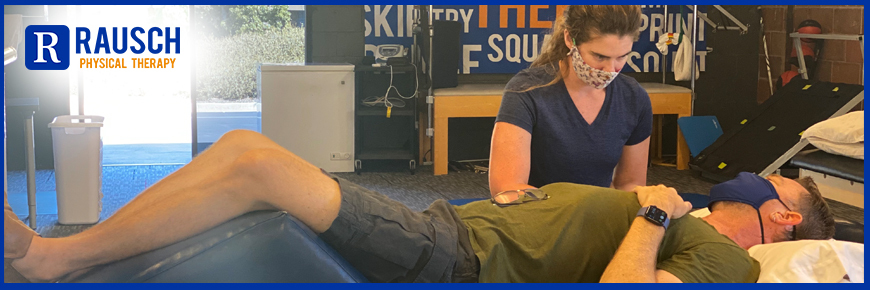
Zetta first came to me back in September of 2019. Essentially she was one of my very first patients as a new graduate physical therapist, which is very meaningful to me. She initially had a significant low back injury that resulted in drop foot of her left foot. Drop foot is a concerning dysfunction, because it means the patient cannot fully lift their toes while walking, which causes a tripping hazard. With hard work and diligence on her part and with careful consideration of my recommendations, Zetta has made incredible progress since September. As you can see in the picture, we use electrical stimulation as a treatment approach to activate the nerve to muscle connection. With that among other treatments such as manual therapy, therapeutic exercise, and the laser modality, Zetta now has a functional left foot. I am very pleased with her recovery because although the nerve can regenerate, it doesn’t always. It is also a very slow going rehabilitation process so I give credit to Zetta for her determination and patience with her recovery. She is an excellent patient spotlight because of her positive outlook and should serve as an inspiration to other patients.

When asked about her experience at Rausch Dana Point, here is what she wrote. “I’m very fortunate to be working with Sarah Troicky. Sarah’s passion, knowledge, and patience is evident in her approach and treatment of patients she works with. Together we are a team and work toward the same goal. I’ve made tremendous progress and I owe that to Sarah and the staff of professionals at Rausch who have assisted in my recovery.” -Zetta Tsukamoto


logo-top

Let’s talk! We are here to help. Give us a call for a complimentary assessment.
Did you know there’s no prescription needed from a doctor to see us?
(949) 443-0713

Pack Physical Therapy is closed to due county-wide business closures to assist in preventing the spread of COVID-19 until March 31st

🔴 Please be advised that Pack Physical Therapy will be closed, effective immediately.

➡️We will be closed until March 31st and re-evaluate. If we can help with at-home care or exercises, or answer any questions, please call us at (949) 443-0713. If you need to see us, let us know and the moment we open we will get you on the schedule and ready to go!

📉📉📉 We urge everyone to continue taking all recommended precautions in their personal lives to safeguard their health and that of others. This pandemic will call on each of us to do our part to contain its reach.

These are historic times, and we feel profound gratitude for this community and what it represents. Follow us here for news and updates. We look forward to welcoming you all back soon!


If you find yourself in discomfort or think you could benefit from a personalized exercise plan, talk to a Physical Therapist.

Let’s talk! We are here to help. Give us a call for a complimentary assessment.
Did you know there’s no prescription needed from a doctor to see us?
(949) 443-0713

logo-top