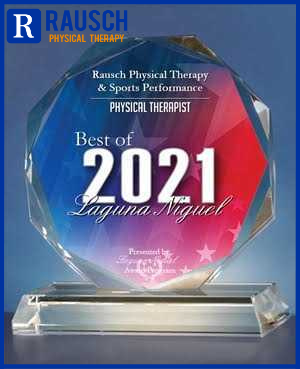
Receives 2021 Best of Laguna Niguel Award

Hard work pays off. Since 2006, Rausch Physical Therapy has offered superior care that has always included current treatment models and accelerated protocols. Rausch PT has always emphasized the value of community service and engagement, continued education, inspiration, and health and safety for all. And they have done it with unparalleled passion and care. They have led by example with their hard work, and — as with the people they treat — their hard work has paid off. Rausch PT is thrilled and honored to receive the 2021 Best of Laguna Niguel Award. Read on to learn more about this prestigious recognition. 

Laguna Niguel Award Program Honors the Achievement

LAGUNA NIGUEL December 1, 2021 — Rausch Physical Therapy & Sports Performance has been selected for the 2021 Best of Laguna Niguel Award in the Physical Therapist category by the Laguna Niguel Award Program.

Each year, the Laguna Niguel Award Program identifies companies that we believe have achieved exceptional marketing success in their local community and business category. These are local companies that enhance the positive image of small business through service to their customers and our community. These exceptional companies help make the Laguna Niguel area a great place to live, work and play.

Various sources of information were gathered and analyzed to choose the winners in each category. The 2021 Laguna Niguel Award Program focuses on quality, not quantity. Winners are determined based on the information gathered both internally by the Laguna Niguel Award Program and data provided by third parties.

About Laguna Niguel Award Program

The Laguna Niguel Award Program is an annual awards program honoring the achievements and accomplishments of local businesses throughout the Laguna Niguel area. Recognition is given to those companies that have shown the ability to use their best practices and implemented programs to generate competitive advantages and long-term value.

The Laguna Niguel Award Program was established to recognize the best of local businesses in our community. Our organization works exclusively with local business owners, trade groups, professional associations and other business advertising and marketing groups. Our mission is to recognize the small business community’s contributions to the U.S. economy.

CONTACT: Laguna Niguel Award Program
SOURCE: Laguna Niguel Award Program
Email: PublicRelations@bizawardnotifier.com
URL: http://www.bizawardnotifier.com

Physical Therapy is the best way to work through or mitigate injuries, stay active, get rid of pain, and improve performance. Rausch Physical Therapy has experts who care about your goals and customize programs specific to your needs. Call today (949) 276-5401 or get in touch with the team on their Facebook page.

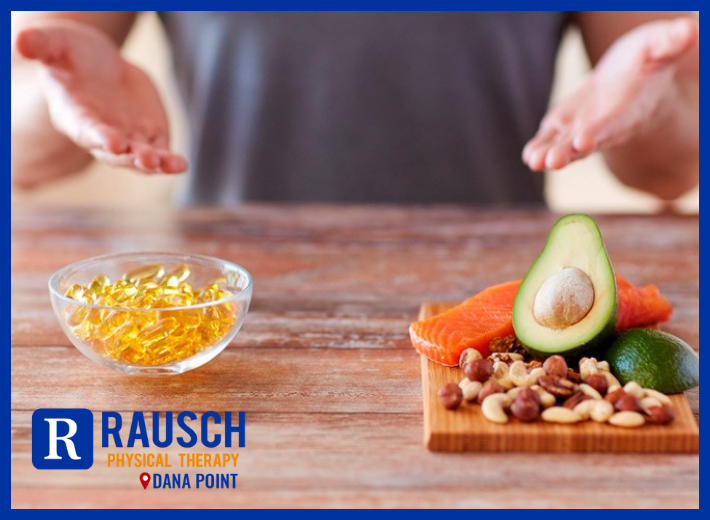
The Top 14 Foods and Supplements for Sports Injuries

When it comes to recovering from a sports injury, many elements come into play: from PT sessions to straight rest. Your eating habits can also play a significant role during this period. The healing process demands fuel — and the right kind! Reach for these healthy options to bounce back ASAP.

When it comes to sports and athletics, injuries are an unfortunate part of the game.

However, no one likes to be sidelined for longer than necessary.

Fortunately, certain foods and supplements may help reduce the amount of time your body needs to recover from a sports injury.

This article lists 14 foods and supplements you should consider adding to your diet to help recover from an injury more quickly.

1. Protein-Rich Foods

Protein is an important building block for many tissues in your body, including muscle.

After a sports injury, the injured body part is often immobilized. This generally leads to a decline in strength and muscle mass.

However, getting enough protein can help minimize this loss. Furthermore, a protein-rich diet may help prevent inflammation from getting too bad and slowing down your recovery.

Moreover, slightly increasing your protein intake once you start training the injured body part again helps you rebuild any lost muscle.

For all these reasons, make sure to include protein-rich foods like meat, fish, poultry, tofu, beans, peas, nuts or seeds in your daily menu.

How you distribute these foods throughout the day also seems to matter.

Research shows that spreading your protein intake equally over four meals may stimulate muscle growth more than an uneven distribution.

Experts also suggest that eating a protein-rich snack before bed may help enhance your body’s muscle-building process while you sleep.

2. Fiber-Rich Foods

Recovery from injury often involves immobilization or limited use of the injured body part.

To prevent this from resulting in unwanted body fat, it’s important to compensate by eating slightly less.

One way to reduce your calorie intake is to consume a diet rich in fiber. This, along with consuming the protein-rich foods mentioned above, will help you eat less without feeling hungry.

That’s because fiber-rich foods such as fruits, vegetables, legumes and whole grains help promote feelings of fullness after meals.

As an added bonus, fiber-rich foods tend to be high in several other nutrients essential for your recovery, including vitamin C, magnesium and zinc.

However, note that restricting calories too severely can reduce wound healing and promote muscle loss, both of which negatively affect recovery.

Therefore, individuals who were attempting to lose body fat before the injury should consider postponing their weight loss efforts. Instead, focus on maintaining your body weight until recovery is complete.

3. Fruits and Vegetables Rich in Vitamin C

Vitamin C helps your body make collagen, which helps maintain the integrity of your bones, muscles, skin and tendons.

Therefore, getting enough vitamin C from your diet is a great way to help your body rebuild tissue after an injury.

Moreover, vitamin C has antioxidant and anti-inflammatory properties, which may help speed up your recovery by preventing excessive levels of inflammation.

Luckily, vitamin C is one of the easiest vitamins to get enough of through your diet.

Foods with the highest amounts of it include citrus fruits, red and yellow bell peppers, dark leafy greens, kiwi, broccoli, berries, tomatoes, mango and papaya.

However, it’s currently unclear whether supplements provide any benefits for those already getting enough vitamin C from their diet.

Nevertheless, the small number of people who can’t consume enough vitamin C-rich foods may want to consider taking supplements.

4. Omega-3 Fatty Acids

After an injury, the first phase of wound healing always involves some inflammation. This inflammatory response is beneficial and needed for proper healing.

However, if this inflammation remains too high for too long, it may slow down your recovery.

One way to prevent excess inflammation from delaying your recovery is to eat enough omega-3 fats.

These fats, which are found in foods such as fish, algae, walnuts, flaxseeds and chia seeds, are known to have anti-inflammatory properties.

You can also prevent excess or prolonged inflammation by limiting omega-6 fats, which are commonly found in corn, canola, cottonseed, soy and sunflower oils.

Consuming too many omega-6 fats is known to promote inflammation, especially if your intake of omega-3 fats is also low.

In addition, some studies report that omega-3 supplements may help increase the creation of muscle protein, reduce the loss of muscle during immobilization and promote recovery from concussions.

That said, high intakes of omega-3 fats from supplements may reduce your body’s ability to regain muscle mass once you return to training. Therefore, it may be best to increase your omega-3 intake from foods rather than supplements.

5. Zinc-Rich Foods

Zinc is a component of many enzymes and proteins, including those needed for wound healing, tissue repair and growth.

In fact, studies show that not getting enough zinc from your diet can delay wound healing.

Therefore, consuming zinc-rich foods such as meat, fish, shellfish, pulses, seeds, nuts and whole grains may help you recover more effectively from an injury.

Some people may be tempted to simply take zinc supplements to ensure they meet their recommendations.

But zinc competes with copper for absorption, so receiving high doses of zinc from supplements may increase the likelihood of copper deficiency.

Overall, if your zinc status is good, additional zinc from supplements probably won’t speed up wound healing. However, getting enough from your diet is important.

6. Vitamin D and Calcium-Rich Foods

Calcium is an important component of bones and teeth. It’s also involved in muscle contractions and nerve signaling.

That’s why it’s important to ensure you always get enough calcium — not just when you’re recovering from an injury.

Calcium-rich foods include dairy products, leafy greens, sardines, broccoli, okra, almonds, seaweed and calcium-fortified tofu and plant milks.

Vitamin D also serves an equally important function because it helps your body absorb the calcium found in the foods you eat. Together with calcium, it plays an instrumental role in recovering from a bone injury.

Also, getting enough vitamin D may increase the chances of a good recovery after surgery. For instance, studies have found a good vitamin D status can enhance strength recovery following an anterior cruciate ligament (ACL) surgery.

Few foods naturally contain vitamin D, but your body has the ability to make vitamin D from exposure to the sun.

Those living in northern climates or spending a limited amount of time outdoors may require supplements to get enough vitamin D.

7. Creatine

Creatine is a substance naturally found in meat, poultry and fish.

It helps your body produce energy during heavy lifting or high-intensity exercise. The human body can also produce about 1 gram of it per day.

Creatine has become a popular supplement commonly used to increase muscle mass and improve performance in various sports.

Interestingly, it may also help you recover from an injury.

One study reported that creatine supplements enhanced the gain of muscle mass and strength lost during a two-week immobilization period more than a placebo.

Another study found that individuals supplementing with creatine lost less muscle in their upper body during a week-long period of immobilization than those given a placebo. However, not all studies found these results.

Both of the studies showing positive results provided the creatine supplement in four doses of five grams each day.

It’s important to note that there is currently no consensus about creatine and sports injury recovery. That said, no studies to date have found any negative effects.

Creatine remains one of the most-studied, safest supplements around, so it may be worth giving it a try.

8. Glucosamine

Glucosamine is a natural substance found in the fluid that surrounds your joints. It is involved in the creation of tendons, ligaments and cartilage.

Your body naturally produces glucosamine, but you can also increase your levels through supplements. Supplements are generally made either from shellfish shells or fermented corn.

Research in individuals with arthritis shows that glucosamine may be useful in decreasing joint pain.

Also, studies in healthy individuals show that supplementing with 1–3 grams of glucosamine per day may help reduce joint deterioration.

One recent animal study also showed that taking glucosamine daily after a fracture may speed up bone reformation.

Based on these findings, some people take glucosamine supplements to help reduce pain after joint and bone injuries or speed up recovery from fractures. However, more research is needed before strong conclusions can be made.

It’s worth noting that glucosamine supplements may pose a risk to those who are allergic or sensitive to shellfish or iodine, pregnant women and those with diabetes, high cholesterol, asthma or high blood pressure.

9–14. Other Foods Beneficial for Bone Fractures

In addition to getting enough calcium and vitamin D, good intakes of the following nutrients can contribute to a speedier recovery from bone fractures:

  1. Magnesium: Promotes bone strength and firmness. Found in almonds, cashews, peanuts, potato skins, brown rice, kidney beans, black-eyed peas, lentils and milk.
  2. Silicon: Plays an important role in the early stages of bone formation. Best sources include whole grains and cereals, carrots and green beans.
  3. Vitamins K1 and K2: Directs calcium toward bones and helps improve bone strength. Best sources include leafy greens, Brussels sprouts, prunes, sauerkraut, natto, miso, organ meats, egg yolks and dairy products from grass-fed cows.
  4. Boron: Promotes bone health by increasing calcium and magnesium retention and enhancing vitamin D’s effect. Prunes are the best dietary source.
  5. Inositol: Helps improve calcium absorption in bones. Found in cantaloupe, grapefruit, oranges and prunes.
  6. Arginine: This amino acid is needed to produce nitric oxide, a compound necessary for fracture healing. The best sources include meat, dairy, poultry, seafood, nuts and oatmeal.

Those recovering from bone fractures should consume foods rich in these nutrients daily.

Take Home Message

When it comes to recovering from a sports injury, many elements come into play.

While not all of them are under your influence, one factor you can control is the nutrients you provide your body.

Therefore, regularly consuming the foods and supplements mentioned in this article is one way you can speed up your recovery.

Physical therapy is a natural and healthier solution to many pain problems – and to get rid of them at their root cause, for good. Our team can teach you proper techniques to reduce your chances of recurrence. If you’re facing an injury, try a PT session. Find our team at (949) 276-5401 or meet us on our Facebook page.


Reference: [https://www.healthline.com/nutrition/foods-supplements-for-sports-injury#TOC_TITLE_HDR_4]

6 Things That Can Cause Pain Between Your Shoulder Blades

It is very common for a person to experience discomfort between their shoulder blades. You know it — we’ve all been there. Overuse, strains, sleeping awkwardly, and rotator cuff issues all fall into this category. These problems are often related to pain in the muscle groups surrounding the shoulders, including some of the arm muscles. Here’s why you may feel pain between your shoulder blades—and how to find relief from the discomfort. If you want assistance to get to the root cause of your issues  — we are here! 

Pain between shoulder blades

Whether it’s a dull ache or sharp spasm, pain between the shoulder blades can be a caused by a variety of things. It can be due to bad posture while staring at a computer screen all day, an exercise mishap, or an overuse injury.

Sometimes referred to as scapular pain—scapula is another name for your shoulder blade—it’s a common problem. According to a paper published in the Journal of the American Academy of Orthopaedic Surgeons, chronic shoulder pain affects about 8 percent of adults in the United States, and about 4.5 million Americans visit doctors about the condition every year.

Anatomy of the shoulder blade

Your shoulder blade, or scapula, connects to the clavicle (collar bone) and to the humerus (or upper arm bone).

This triangular-shaped bone also attaches to several muscles, including those of the rotator cuff. The rotator cuff muscles include four muscles—the teres minor, subscapularis, supraspinatus, and infraspinatus.

These are the muscles that help your shoulder abduct, like when you lift your arm, and internally and externally rotate the shoulder.

Also, around the shoulder blade, you’ll find muscles that support shoulder stability, including the levator scapulae, trapezius, rhomboids, and serratus anterior (which lies on the front of the body).

When to see a doctor

If you have tried improving your posture and you regularly strengthen and stretch the muscles of the upper body, yet you still have pain, it’s probably time to seek medical attention.

“Pain is meant to protect—it’s an output from the brain, based on the perception of threat,” explains physical therapist Colleen Louw, spokesperson for the American Physical Therapy Association and co-owner and lead physical therapist at Ortho Spine and Pain Clinic in Story City, Iowa.

If the brain senses something is off, it will alert you via pain to make a change. When that change doesn’t work, it’s time to get medical help.

A few other factors signal it’s time to talk to someone like pain at night that wakes you up or unexplained weight loss, says Louw.

Naimish Baxi, MD, assistant attending physiatrist at the Hospital for Special Surgery in New York City, says you want to see someone sooner rather than later if pain persists between the shoulder blades. A medical professional can help you avoid long-term problems. If the issue is musculoskeletal, they can give you a program for strengthening and stretching, too.

Common causes of pain between the shoulder blades

Your posture

“Posture is probably the biggest contributing factor to scapular pain,” Dr. Baxi says. How you sit and stand all day can definitely lead to discomfort between the shoulder blades and around the scapula, particularly if you’re in a forward-leaning position for hours.

Here are the particular issues that can arise from poor posture and how to both prevent and treat those issues.

What bad posture looks like

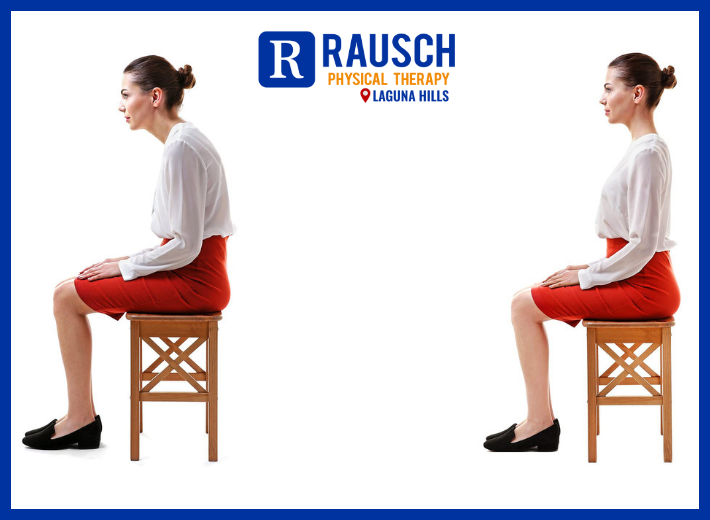
This condition stems from rounded shoulders and a C-curve in the upper spine. It includes a protracted, rather than retracted scapula, which means your shoulders round forward, instead of down your back and away from your ears. The neck also flexes forward and the shoulders internally rotate, Dr. Baxi explains.

“Sitting in this posture for hours a day and weeks on end can cause muscle imbalances,” Dr. Baxi says.

For example, the muscles on the front of the body (like the pecs or chest) get tight or overworked, and the muscles on the back of the body (like the rhomboids, mid traps, or the muscles of the rotator cuff) become weak or overstretched. This leads to discomfort and potentially more serious injury.

A typical seated position, especially when you’re looking at your phone or laptop, also causes the head to come forward, stressing the neck and upper traps. Because of this, the upper traps (which sit at the base of the neck and top of the shoulder) must stabilize the head—not their main job. Their primary role is to elevate or shrug the shoulders, Louw explains. This can lead to aches.

How to adjust your posture

For starters, sit actively, not passively, says Louw. By sitting forward on your seat and staying upright, you’ll avoid relaxing into a poor posture. Make sure you’re sitting on your two butt bones and are actively using your core to sit up straight, chest tall, with shoulders rolled down and back, away from your ears. Also, keep your head over your shoulders, not in front of them, Louw says.

Improving your work setup to make it more ergonomic will also help adjust your posture. According to Dr. Baxi, your computer screen should be at eye level and your keyboard close enough that you don’t have to reach for it. Your elbows should flex about 120 degrees.

Strengthening and stretching to avoid posture-related pain

You want to balance stretching the front of the body with strengthening the back of the body, says Dr. Baxi. “It’s even more important to strengthen than stretch,” he says. “You can stretch all day, but you won’t improve posture if you can’t get your muscles to activate on their own.”

For strengthening moves, focus on pulling exercises. A rowing machine can help you do this. Or try a reverse fly exercise, which stabilizes the muscles of the shoulders and strengthens the back. You want to perform moves that pull your shoulder blades together, as if you’re trying to hold a ball between them, Dr. Baxi says.

Other good-posture moves: chest openers and neck stretches to help offset muscle imbalances. To lengthen the neck muscles, take one hand on the opposite side of your head and gently pull toward the shoulder, Dr. Baxi suggests.

Nerve compression or damage
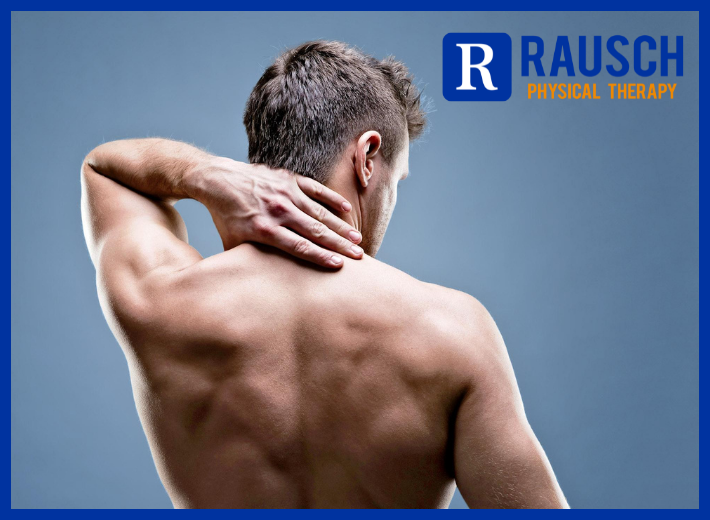
A seated, rounded posture can also lead to compression of the cervical spine (the neck region), leading to pain between the shoulder blades, Louw says.

Louw mentions that  another possible cause of shoulder blade pain is thoracic outlet syndrome. This group of conditions results from compression on the blood vessels and nerves in the lower neck and upper chest. It can cause pain and weakness in the shoulder and tingling or pain in the fingers. There’s debate about what exactly causes this syndrome, which can be misdiagnosed because the symptoms look similar to rotator cuff injuries or other conditions.

Physical therapy can help treat the issue by guiding you in strengthening your chest and improving your posture.

Another nerve-related issue that can lead to pain is scapular winging, a condition in which one or more of the shoulder blades sticks out rather than laying flat against the body. But Dr. Baxi notes that it’s not very common.

Rotator cuff injuries

As previously mentioned, the rotator cuff is a group of muscles and tendons that surround the shoulder joint. The older you get, the more prone you become to rotator cuff tears, according to the Journal of the American Academy of Orthopaedic Surgeons paper, with people over 40 at greater risk.

These tears can come from overuse—think lifting or doing an activity that requires an overhead motion, such as painting. Tennis players and baseball pitchers, who constantly repeat the hitting and throwing motion, are also at higher risk of rotator cuff injuries.

If you suspect a rotator cuff injury, a doctor or physical therapist will give you a full assessment and treatment plan. Some of these injuries require surgery.

Herniated disc

Another condition that might cause pain between the shoulder blades is a herniated disc, Louw says. That’s particularly true of herniated discs that happen at the cervical spine (neck), which can lead to pain at the scapula.

Discs are soft, rubbery pads found between your vertebrae. They help make up the spine and work as shock absorbers. Age increases your chance of getting a herniated disc—a condition where the softer material inside the disc slips through it’s tough outer layer, sometimes compressing nerves and causing pain. Repetitive and intense exercise, or poor form while lifting weights, can also increase the risk of a herniated disc.

With a herniated disc, you might also experience weakness in the arm, tingling, or burning pain. And while occasionally it requires surgery, nonsurgical treatments like rest, over-the-counter pain relievers and anti-inflammatories, muscle relaxers, and ice may also help.

Scapulothoracic bursitis

Bursitis is a general term for conditions that cause swelling and pain around muscles and bones. A bursa is a small sac filled with fluid that cushions bones, muscles, tendons, and skin.

Repetitive movements (like overhead lifts or throws) can lead to bursitis, and the older you get, the more you’re at risk. Scapulothoracic bursitis refers to bursitis that affects the shoulder area.

Your doctor will do a full exam to look for bursitis. According to a 2010 research article, published in the journal Sports Health, addressing shoulder bursitis comes down to strengthening the scapula, fixing posture, and building core strength and endurance. Anti-inflammatory drugs may also help.

Gallbladder issues

The gallbladder is a tiny sac located under the liver that stores fat-digesting bile. Problems with your gallbladder can actually lead to shoulder or back pain. A study published in 2018 in the European Journal of Translational Myology found that about 37 percent of patients with gallstone disease complained of shoulder or back pain, though the most common complaint was abdominal pain.

Gallstones—or hard pieces of material often made up of cholesterol or bilirubin (a pigment made from the breakdown of red blood cells)—can develop in the gallbladder and block the bile ducts. This leads to sudden pain and requires immediate medical attention. The treatment for gallstones is most often surgery.

Push your limits and elevate your performance  — and eliminate pain while increasing mobility — with a customized physical therapy program.  Let us help you perfect your form and increase performance. Contact our experts today at (949) 276-5401 and join our Facebook community here. Remember, we also offer Rx Massage to enhance your PT treatments — and also to help when you get sore and to increase recovery from hearty exercise or race events.


Reference: [https://www.thehealthy.com/pain/pain-between-shoulder-blades/]

Why Ideal Posture May Help Relieve Your Back Pain

We usually underestimate how the physical demands from our daily life can affect our posture. Lifting, carrying, and sitting poorly can cause repetitive stress injuries and affect our back health. By becoming aware of how you’re moving and adopting some good habits, you can start to promote better posture and overall health. Learn more about how your ideal posture might help relieve your back pain. Need help? We are here to help you solve your back issues once and for all — not a mere band-aid! 

If it seems like the perfect, ideal posture, where the upper back is straight and not rounded, and the lower back has a gentle sweeping curve that neither slouches nor over arches, is more the exception than the rule, you may not be too far off from the truth. Most people don’t know that getting good posture takes work. Without making daily efforts towards an ideal posture, you may over time find that moving around without pain requires even more work than would a preventative program.

What Ideal Posture and Good Body Alignment Have in Common

Ideal posture is really about body alignment; in other words, the way your structural parts such as head, trunk, hips, knees, etc., relate to your form as a whole.

Whether you’re standing, sitting, lying down or moving, the body parts need to be balanced in order for ideal posture to take place.

Types of Posture

When you’re sitting or standing still, posture is considered to be static, and when you’re moving, it’s considered dynamic. Both static and dynamic postures are categorized as active postures.
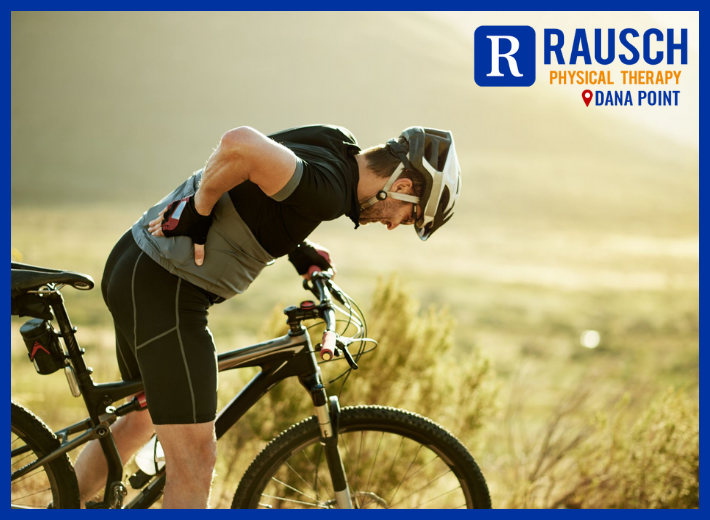
If you’re lying down and doing nothing, this is known as inactive posture.

Proper Alignment Underlies Ideal Posture

You’re probably pretty close to ideal posture when you can get your head, shoulders, spine, hips, knees, and ankles to all line up well with one another. Also called proper alignment, this state of body balance underlies everything from a good workstation and industrial ergonomics to successful back surgery. In general, though, establishing and maintaining good body alignment may be one way you can reduce, or even eliminate, undue stress on your spine.

Any of the above types of posture may be ideal or non-ideal. This where body alignment comes in.

Ideal alignment is a standard and (mostly theoretical) position in which all joints of the body are centered and balanced. Ideal alignment is the most mechanically efficient position for any given activity, whether static or dynamic.

Why is this important? Because mechanical efficiency enables the muscles that surround your joints to work in balance, which in turn, may help reduce strain, tension, and injury. Balanced muscles conserve energy, too.

Instead, most of us are “creatures of habit”—meaning over time, we’ve developed certain habits in our joint positioning that may lead to imbalanced muscles. When this is the case, some muscles become chronically stretched while others become chronically tight—all in an effort to hold you up or move you around. Imbalanced muscles often lead to pain or movement limitation.

Have You Had a Posture Assessment?

According to physical therapists Kendall and Kendall, in their landmark reference book, Muscles: Testing and Function (with Posture and Pain) the best way to determine if one’s posture is ideal or less than ideal is by looking at joint positions and gathering visual information about the planes into which parts of each joint move, as well as the axes around which those movements occur. This is called a posture assessment.

In a posture assessment, your body alignment is compared with the ideal standard, which is in the form of a plumb line. The plumb line is usually a string with a small weight attached to the bottom to help keep it straight. The other end of the string is affixed to the ceiling so that it can be used as an accurate reference for ideal alignment.

During a posture assessment, you stand next to the plumb line while your evaluator compares the relative positions of the following parts to it:

  • ears
  • shoulder joint
  • spine
  • hip joint
  • knee joint
  • ankle joint
  • feet

If any of the parts don’t line up with the reference, this may signify misalignments in one or more areas.

The good news is that body misalignments such as these can quite often be addressed by stretching, strengthening, and developing core strength, along with developing good sitting, standing and resting posture habits. That said, it’s important to work with a qualified, licensed physical therapist in order to use exercise to achieve ideal posture.

Rausch PT Laguna Hills professionals have the skill and expertise you need to correct your posture. We provide treatments that help improve and restore function and reduce pain – with no prescription from a doctor required. Call our experts today at (949) 597-0007 and make an appointment. We would also love to have you join our Facebook community where you can get health and wellness updates and learn about what we have to offer ongoing!


Reference: [https://www.verywellhealth.com/ideal-alignment-296929]

Patient Spotlight – Dr. Kristen & Emily

During Emily’s annual OBGYN exam she mentioned the pain she was feeling during intercourse to her gynecologist. When her gynecologist examined her she asked Emily to relax while doing so and that is when Emily realized she had no idea how to relax her pelvic floor muscles. Her gynecologist informed her that her pelvic muscles were tighter than normal! That is when she was referred to Physical Therapy. Emily’s gynecologist assured her that she wasn’t alone and that pain during sex was NOT normal. She told her that she would benefit from Pelvic Floor Physical Therapy and Emily was willing to do anything that might help!

After Emily’s first visit at Rausch Physical Therapy, her pelvic floor therapist, Dr. Kristen, diagnosed her with vaginismus. Dr. Kristen made it very clear that visits with her were not scary, she was there to help her physically and mentally. Through Pelvic Floor Physical Therapy, Emily learned reverse kegle exercises that helped her relax before and during sex. Through these exercises and realizing that she shouldn’t try intercourse without being aroused, she believes that she is starting to heal! Emily’s life has changed astronomically through pelvic floor therapy. She no longer endures pain during sex, allows herself to be fully aroused before sex and she believes her sex drive is slowly coming back due to no longer associating pain with sex!

4 Most Common Cycling Injuries – and How to Avoid Them

Cycling improves overall function in your lower body and strengthens your leg muscles without overstressing them. It targets your quads, glutes, hamstrings, and calves. Although it’s inherently a low-impact exercise on your joints, there are some precautions people should take. Check out the four most common cycling injuries – and, most importantly, how to avoid them! Need our guidance and support? We are here!

Cycling – whether indoor or outdoor – gets a reputation as a pretty “easy on the body” venture.

After all, while cycling is a great way to strengthen your heart and lungs, it’s inherently low-impact on your joints.

It’s also scalable, making it an excellent workout for cardio newbies and endurance veterans alike.

That said, just like with any exercise, if your technique isn’t on point, cycling injuries are more likely to hit your body.

We’re not just talking about traumatic injuries like a pulled muscle or broken bone from falling off of your bike.

Incorrect set-up and riding mechanics can lead to overuse (aka wear-and-tear) injuries that can very quickly drain the fun from your workouts — or halt them altogether.

Here, experts share the four most common cycling injuries, along with the best ways to prevent aches and pains while cycling.

1. Saddle Sores

Every cyclist knows the literal pain in the butt that starting a biking routine can be.

But sometimes, it’s not just general groin soreness that’s a problem.

Many riders can develop straight-up saddle sores when cycling.

What are saddle sores?

They are patches of skin on the buttocks or groin that, due to friction against the bike seat, get irritated, inflamed, and if they open, can even get infected, explains professional cycling coach Garret Seacat, CSCS.

How to Avoid Them

As common as saddle sores are, they are not OK, or something to just accept will happen.

When getting started with a new bike – or if you have any discomfort – Seacat recommends going to a specialty bike shop to get fitted for a bike seat.

“There is often a device you can sit on that will measure where your sitz bones are,” he says.

When riding, you should be perched on top of these sitz bones (aka the ischial tuberosities) and not scoot back and forth.

Seacat says that when people have rear-end pain, they often look for a wider seat, but a narrower one may actually be what enables you to get into a correct, more comfortable position.

And while you’re at it, buy special cycling shorts.

“When you’re cycling, without a doubt, the best investment you can make is the bike itself, but close behind are cycling shorts,” Seacat says.

Look for a pair ergonomically cut for your biological sex, he says.

Resist the urge to wear underwear with them; doing so increases your risk of chafing.

2. Knee Pain

There’s a reason that patellofemoral syndrome – pain at the front of the knee, around the kneecap – is sometimes called “cyclist’s knee.”

“People who cycle tend to get a lot of knee injuries due to muscular imbalances,” says kinesiologist Jake Harcoff, C.S.C.S.

One primary reason: Cycling develops the quads and hip flexors while keeping them in a shortened, flexed position.

“The quads can get so tight they pull on the tendon that goes over the top of the kneecap,” he explains.

It’s also common for cyclists to have their seats incorrectly positioned, which can dump more stress into overly tight, overworked tendons and ligaments, he says.

How to Avoid It

For immediate relief, check your bike seat’s height. When you stand next to the bike, it should be at hip height.

And when you’re cycling, your knee should never completely straighten, Seacat explains.

(Remember, you should pedal through the balls of your feet, not your heels.)

Over the long-term, focus on integrating posterior-chain-strengthening exercises like deadlifts, hip thrusts, and reverse lunges into your workout routine.

Doing this will strengthen the muscles that connect to the back of your knee, helping to balance out your leg musculature and reduce your risk of cycling injuries, according to Harcoff.

3. Lower Back Pain

Tight hip flexors can make more than your knees ache. They can also throw your lower back out of whack, Harcoff says.

He explains that it’s common to see cyclists have what’s called an anterior pelvic tilt.

With such a tilt, the hip flexors pull the front of the pelvis toward the floor, angling the buttocks upward and making the lower back arch excessively.

That can stress both the spine and the muscles and tissues that help support it.

How to Avoid It

Cycling tightens the hip flexors, so you need to perform stretches dedicated to relaxing them.

Harcoff says one of the best stretches you can do to relieve tension in the front of your hips is the couch stretch.

To perform the couch stretch:

  • Get on one knee facing away from a couch.
  • Raise your back foot until your foot is directly above your back knee, then scoot back to brace your shin against the couch.
  • With your opposite foot on the floor in front of you, squeeze your glutes and breathe. You should feel a deep stretch in your back leg’s hip and thigh.
  • Work up to holding the stretch for 90 seconds or longer, and never push through the pain.

4. Elbow and Wrist Pain

While anyone who keeps their arms locked out or leans forward when cycling is likely to experience some upper-body joint pain, these cycling injuries are most common among people who take indoor cycling classes, Harcoff says.

Because indoor cycling classes typically involve a lot of upper-body movements that use the handlebars, many class-goers (and instructors) lean forward excessively when riding.

As a result, they can stress out their elbows and wrists.

How to Avoid It

You shouldn’t need to put a ton of pressure on your arms to keep from falling forward on your bike whether you’re sitting or standing.

If you’re unable to perform upper-body moves or hold onto the handles without dumping your weight into your hands or locking out your elbows, you likely need to spend the bulk of your time riding upright.

Then, between classes, you can work on developing the core strength necessary to take a more forward posture without potentially irritating your arms.

Focus on stability and anti-rotation exercises like the planks, dead bug, and Pallof press.

Regain strength and reclaim your mobility with Rausch PT. Your physical therapist will create a customized program just for you and your needs. Start your journey to recovery today — (949) 276-5401. Don’t forget to join us on our Facebook page.


You can contact  from https://www.trainabsolute.com to learn more about cycling and endurance training!

Reference: [https://www.beachbodyondemand.com/blog/cycling-injuries]

Why Do I Feel Pain After Exercise?

Mild soreness after a workout can cause discomfort but it is generally not a bad thing. It’s just a sign that the muscle has been taxed. The stress on the muscle causes a microscopic breakdown of muscle fibers, which in turn causes discomfort. The muscle breakdown serves a purpose: when those fibers rebuild, the muscle is stronger. This leads us to this funny fact: it’s not working out that makes you stronger, it’s the rest between the workouts. For more information about the pain that you feel after working out, read below.

Have you ever felt sore after starting a new activity or pushing yourself harder than usual during a workout?

Muscle pain that shows up a day or two after exercising can affect anyone, regardless of your fitness level.

But don’t be put off. This type of muscle stiffness or achiness is normal, doesn’t last long, and is actually a sign of your improving fitness.

Why do my muscles feel sore after exercising?

Sore muscles after physical activity, known as delayed onset muscle soreness (DOMS), can occur when you start a new exercise program, change your exercise routine, or increase the duration or intensity of your regular workout.
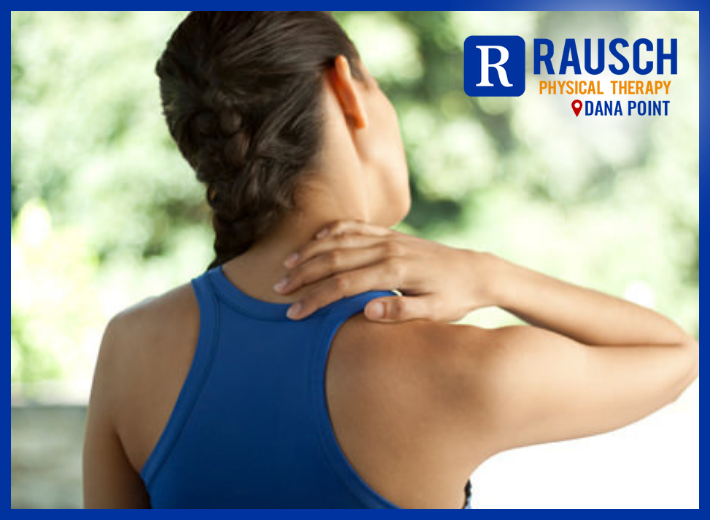
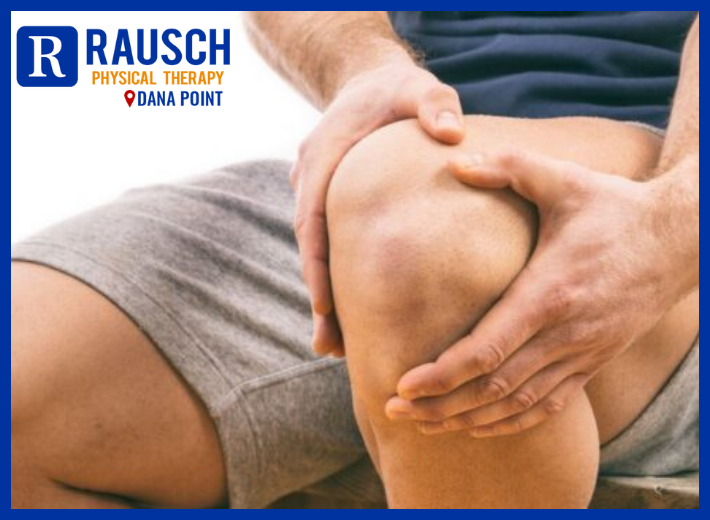
When muscles are required to work harder than they’re used to, or in a different way, it’s believed to cause microscopic damage to the muscle fibers, resulting in muscle soreness or stiffness.

DOMS is often mistakenly believed to be caused by lactic acid build up, but lactic acid isn’t involved in this process.

Who can DOMS affect?

Anyone can develop DOMS, even those who have been exercising for years, including elite athletes.

It can be alarming for people who are new to exercise, and it may dent their initial enthusiasm to get fit. The good news is that the pain will decrease as your muscles get used to the new physical demands being placed upon them.

The soreness is part of an adaptation process that leads to greater stamina and strength as the muscles recover and build. Unless you push yourself hard, you’re unlikely to develop DOMS after your next exercise session.

What type of activities can cause DOMS?

Any movement you’re not used to can cause DOMS – in particular, movements that cause the muscle to contract while it lengthens, called eccentric muscle contractions.

Examples of eccentric muscle contractions include going down stairs, jogging or running downhill, lowering weights (such as the lowering phase of a bicep curl), and the downward motion of squats and push-ups.

How long does DOMS last for?

DOMS typically lasts between three and five days. The pain, which can range from mild to severe, usually occurs one or two days after the exercise.

This sort of muscle pain shouldn’t be confused with any kind of pain you might experience during exercise, such as the acute, sudden and sharp pain of an injury, such as muscle strains or sprains.

How can I treat DOMS?

There’s no one simple way to treat DOMS. Nothing is proven to be 100% effective. Treatments such as ice packs, massage, tender-point acupressure, anti-inflammatory drugs (such as aspirin or ibuprofen), and rest may help ease some of the symptoms.

DOMS doesn’t generally require medical intervention. However, seek medical advice if the pain becomes debilitating, you experience heavy swelling, or your urine becomes dark.

How can I prevent DOMS?

One of the best ways to prevent DOMS is to start any new activity program gently and gradually. Allowing the muscle time to adapt to new movements should help minimize soreness.

There’s little evidence that warming-up will be effective in preventing DOMS. But exercising with warmed-up muscles will reduce your chance of injury and improve your performance.

While stretching has many benefits, there’s currently no evidence stretching before or after exercise helps reduce or prevent DOMS.

Can I continue exercising with DOMS?

You can exercise with DOMS, although it may feel uncomfortable, especially during the warm-up phase. You may find the pain goes away during the session, but returns after exercising once your muscles have cooled down.

If the pain makes it hard to exercise, it’s advisable to refrain from the activity for a few days until the pain eases. Alternatively, you could focus on exercises targeting less affected muscles to allow the most affected muscle groups time to recover.

Will I keep getting DOMS?

DOMS is a type of muscle conditioning, which means your muscles are adapting to the new activity. The next time you perform the same activity, or exercise at the same intensity, there’ll be less muscle tissue damage, less soreness, and a faster recovery.

Just one bout of DOMS actually develops a partially protective effect that reduces the chances of developing soreness in that same activity for the following weeks or months.

Looking for personalized treatment and professionals who care? At Rausch Physical Therapy, we will help you recover, improve mobility, and make sure you’re ready for the next adventure you plan – or life throws your way. Contact us today at (949) 276-5401 and join our Facebook community.


Reference: [https://www.livehealthily.com/sports-injuries/why-do-i-feel-pain-after-exercise]

What to Know About Muscle Soreness

Whether you’ve recently engaged in a particularly intense workout or just a walk around the park, many people believe that muscle soreness after such activities is simply a body’s way of complaining as it gets stronger. Though the sensation is typically nothing to worry about, it’s necessary to know why muscle soreness occurs. In some cases, watch out for the pain that might be indicating a problem to be checked out and come see us if you are concerned. 

Any physical activity that places too much or unusual strain on the muscles can lead to soreness. Everyone can experience muscle soreness, even people who exercise regularly and have good physical fitness.

Muscle soreness can be uncomfortable and disruptive. However, the pain typically disappears within a few days.

This article outlines the causes of muscle soreness and the typical duration of symptoms. We also list the treatments that may help to relieve muscle soreness, along with research into their effectiveness.

Causes

During physical activity, the body’s muscles extend and contract to support movement. Prolonged or repetitive physical activity can overexert the muscles. This activity can lead to muscle soreness.

Overexertion and muscle soreness are more likely to occur after physical activity that differs from normal. This could be due to:

  • exercising more often than usual
  • doing higher intensity workouts
  • performing longer workouts
  • introducing new exercises to a routine

Muscle soreness usually occurs several hours after physical activity. For this reason, doctors refer to the condition as delayed onset muscle soreness (DOMS). Most people experience DOMS at some point, regardless of their physical fitness.

The exact cause of DOMS is still unclear. Some experts believe it may be due to microscopic tears in the muscle fibers, which can develop during exercise. They believe that muscle soreness is the result of the body healing these tears. DOMS is not due to a buildup of lactic acid in the muscles.

How long does it last?

According to the American College of Sports Medicine (ACSM), muscle soreness usually begins 12–24 hours following exercise. The muscle soreness then tends to peak around 24–72 hours after the exercise. After this time, the pain should start to go away.

The level of soreness a person feels during DOMS depends on the type, duration, and frequency of the activity that caused the pain.

It is possible to continue exercising with muscle soreness, but it can be uncomfortable.

Sharp pains that occur immediately after activity could be a sign of injuries, such as strains or sprains. These injuries are the result of a muscle, tendon, or ligament becoming stretched or torn and are more severe than DOMS, possibly requiring medical attention.

Relieving muscle soreness

Muscle soreness is normal and rarely requires medical attention. In most cases, symptoms go away on their own within a few days. In the meantime, it is best to avoid putting too much strain on the injured muscles.

People sometimes recommend the following treatments to alleviate muscle soreness following exercise:

Massage: A qualified sports massage therapist or physiotherapist can provide massages for alleviating muscle soreness. Massages increase blood flow to the injured area, which may promote healing and help to relieve the pain.

Heat therapy: Taking a warm bath or applying heat pads can also stimulate blood flow to the injured muscles. Heat therapy tends to offer only temporary symptom relief.

Cold therapy: Cold packs or immersion in cold water can reduce inflammation and swelling in the muscles. Cold therapy is, therefore, useful as a longer-term treatment for muscle injuries.

Light exercise: Keeping the muscles active may help to reduce pain. It is important to keep the intensity light and avoid movements that put too much strain on injured muscles. Examples of light exercises include walking and gentle stretching.

Pain medication: Over-the-counter nonsteroidal anti-inflammatory drugs (NSAIDs) can help to reduce muscle inflammation and associated pain.

What the research says

A 2012 meta-analysis investigated the effectiveness of four popular DOMS treatments. The meta-analysis included 35 studies, each of which investigated one of the following treatments:

  • massage
  • cold therapy, or “cryotherapy“
  • stretching
  • light exercise

The meta-analysis revealed that massage was effective in treating the signs and symptoms of DOMS in some people. However, the effect was small and was not significant across the group as a whole. There was no evidence to support the use of cryotherapy, stretching, or light exercise in treating DOMS.

A 2011 meta-analysisTrusted Source also found that stretching before or after exercise does not lead to a noticeable reduction in DOMS.

A 2016 meta-analysis investigated whether a type of cryotherapy called cold water immersion (CWI) helps to alleviate muscle soreness. The results showed that CWI was slightly more effective than no treatment. Bathing in water temperatures between 11°C–15°C for 11–15 minutes provided the best results.

Overall, these studies indicate that there are few scientifically proven treatments for DOMS. Those that are effective appear to provide only a slight benefit. Nonetheless, some people may find the treatments helpful.

Importantly, while a treatment may help to alleviate pain, it will not undo the underlying muscle damage or improve muscle function.

Rausch PT wants to help you feel good and pain-free. We prepare your body for whatever it is you want to try next. Keep moving and living life to the fullest. Schedule your appointment today at (949) 276-5401 or visit our Facebook page. Remember, we also offer Rx Massage to enhance your PT treatments — and also to help when you get sore and to increase recovery from hearty exercise or race events.


Reference: [https://www.medicalnewstoday.com/articles/327138#how-long-does-it-last]

5 Warm-Up Mistakes That Can Ruin Your Workout and Leave You Injured

Injuries can happen for many different reasons, but a common one is related to skipping your warm-up before exercising. Not properly preparing for a workout can lead to creaky joints and achy muscles – or worse. Before hitting the weights or heading out for a long run, start with a good warm-up. Here are some tips for warming up the right way and to avoid injuries.

Warm-ups and cool downs are essential to your workouts. Done correctly, warming up may help reduce the risk of injury and improve your athletic performance and results, according to the American Heart Association.

Even though it only takes a few extra minutes, it’s easy to fall into the habit of skipping this essential step before your workout. So before your next sweat session, try a three- to 10-minute warm-up (depending on the length and intensity of your main workout) that includes light cardio to increase your heart rate and dynamic stretches that get your muscles ready to move.

Keep these five tips in mind, and you’ll give your body the best chance to stay healthy and free of injury.

1. Skipping Your Warm-Up Entirely

Avoiding a warm-up may be tempting, especially if you’re pressed for time, but it can do more harm than good.

“The main purpose of the warm-up is to raise the body temperature via increases in your heart rate and blood pressure and loosen tissues to perform work, as well as release hormones associated with exercise,” says Geoff Tripp, CSCS, head of fitness science at Trainiac.

With that in mind, Tripp says the warm-up should closely mimic the types of movements and intensities that you’ll be performing during your workout to prepare the body and brain for what’s to come.

“A short warm-up is better than nothing, but it should be specific, with some intensity to prepare your body for work,” he says.

2. Starting Off With Too Much Intensity

Slow and steady wins the race! A solid warm-up should mimic what you plan on doing in your workout but at a much lighter and gentler pace. Think of it as your workout in slow motion or at a lower intensity.

“We call this style of warm-up dynamic,” says Kelsey Decker, certified personal trainer and Education Coordinator for Stretch Lab. “You are preparing your body for an activity with movement that mimics what you will do in your workout or fitness activity but not at full capacity.”

When you do dynamic movements prior to a workout, Decker says you’re increasing oxygen consumption, blood flow and body temperature before diving straight into full activity.

“When the body is not properly warmed up, you have a higher chance of an injury happening, Decker says.” But if you spend time performing a good warm-up, your body will be ready for more intense activity, according to the American Academy of Orthopedic Surgeons.

3. Doing Static Stretches First

Stretching is vital to your fitness, but only when it’s the right kind of stretching. Decker says there’s a lot of misinformation about stretching and flexibility training, and most of it stems from confusion around the idea of stretching before exercise.

Static stretching (holding a stretch for 30 seconds or more) improves flexibility, increases range of motion and can help increase blood flow and oxygen distribution throughout the body, but it isn’t recommended for warm-ups, Decker says.

In fact, it might even hinder your workout performance. An April 2013 review published in the Scandinavian Journal of Medicine & Science in Sports found that static stretches can reduce muscle strength by nearly 5.5 percent (or more when a stretch is held longer!), cut muscle power by 2 percent and reduce power by nearly 3 percent.

4. Not Warming Up Long Enough

Most of us have been guilty of it at some point: Two minutes on the treadmill, and we’re done with our warm-up!

But the National Strength and Conditioning Association says that an effective warm-up should last between five and 10 minutes and consist of low-to-moderate intensity cardiorespiratory exercise, followed by less intense movements similar to the sport or activity about to be performed.

More specifically, Tripp says that the length of your warm-up is usually determined by a few factors such as the duration and intensity of the activity.

“We usually see that as exercise length increases, intensity lowers, so a less intense warm-up is needed. But as exercise length decreases, and intensity increases, a longer warm-up is beneficial,” he says.

5. Performing the Same Warm-Up for Every Workout

You generally wouldn’t do the exact same workout each day, and Tripp says we should approach the warm-up in a similar fashion. “A warm-up specific to your activity will better prepare your body for the work you need to perform,” he says.

Tripp looks at a warm-up as a very condensed version of the workout, since it prepares the mind and body for what is to come. An easy way to think about this, says Tripp, is that your warm-up is key for optimal performance, injury prevention and reductions in muscle soreness post-exercise.

Push your limits and elevate your performance with a customized physical therapy program.  Let us help you perfect your form and increase performance. Contact our experts today at (949) 276-5401 and join our Facebook community here. Remember, we also offer Rx Massage to enhance your PT treatments — and also to help when you get sore and to increase recovery from hearty exercise or race events.


Reference: [https://www.livestrong.com/article/13728066-warm-up-mistakes/]

Patient Spotlight- Dr. Renee & Brooke

Initially, Brooke came to Rausch PT in January of 2021 with left hamstring pain.

Brooke plays basketball on her High School Varsity team as well as on a club team. Up until she began her rehab at Rausch PT with Dr. Renee, Brooke was playing through this hamstring pain until it got to the point where playing basketball was unbearable. Brooke initially started her treatment for this hamstring strain but as the pain didn’t subside, it was recommended to see a doctor and he highly suggested an MRI. The results came back showing that she had a herniated disc in her back (L5S1) that was pressing down on the nerve running down her left leg, which was causing the hamstring pain. When she returned to physical therapy with Dr. Renee, they started with a new set of exercises to try to push the disc back in place and alleviate her nerve pain. Even with extensive physical therapy and a steroid shot as well, Brooke still continued to have pain in her leg. After talking with Dr. Renee and her parents, it was decided that surgery was the best option at that point.

At the end of April 2021, Brooke got a microdiscectomy, and the doctors were able to successfully remove part of the disc that was pressing on her nerve.  She returned back to Rausch PT after the surgery and continued to work with Dr. Renee throughout her recovery and she remains pain-free to this day. With a combination of her surgery and dedication to her PT, Brooke was able to fully recover and get back to the same level of basketball that she was at pre-surgery and is now happily back to playing basketball with her teams!

Brooke’s life has improved tremendously as a whole through physical therapy. Throughout her pre and post-surgery physical therapy treatments, she was able to learn more about her body and how she could manage injuries in the future. Brooke now has a better understanding of what she can do and when she needs to stop pushing herself as an athlete. She contributes a lot of the mobility exercises that helped her move better and ultimately lead to her successful recovery. It was important for her to address the tightness in her hips, so Dr. Renee had her work through different exercises to open them up. Along with some exercises such as “open books” and nerve glides, she also contributes the additional deep tissue massage and cupping at Rx Massage that she added to her rehab in order to reach her ultimate successful recovery.


RauschPT-logo

Let’s talk! We are here to help. Give us a call for a complimentary consultation. We would love to meet you.

Did you know there’s no prescription needed from a doctor to see us – but we will communicate your progress and treatment to your doctor if you’d like us to! (949) 276-5401
    

Disclaimer — All the information that you find on our blogs and social media pages is for informational purposes only and is not intended to be used as your personal professional diagnosis, or treatment. Come and see us for your excellent, personalized care! https://staging.rauschpt.net/

Learn How to Improve Your Running Speed With These Simple Tips

Running is a great and motivating exercise. Many new runners, however, struggle to keep challenging their bodies and increase their speed and performance. If that is your goal, this article brings interesting insights on how to improve running, highlighting the role of muscle memories and muscle groups to improve speed.  

For the art of running, endurance is the basic building block. But to push yourself to excel, it’s important to have a decent amount of speed in your stride.
It’s important to understand, however, that increasing speed is not just about pushing yourself in every run. There is a systematic approach that involves strengthening specific muscles, adjusting your form and even training your muscles to retain data, or muscle memory.
Here are tips from Adidas Runners’ coaches from Bengaluru, Anil Mahoba and Rashmi Gupta, on how to improve running speed.


How does muscle memory come into play?

While working on speed interval training, the muscles start to get used to working at a specific pace for a specific amount of time. Accordingly you can understand how much your body can be pushed for greater speed.
For example, if you constantly cover five kilometres in 30 minutes, your body gets used burning a certain amount of energy to maintain a steady pace to complete the course in that time.
“When you do your normal run, your legs have muscle memory. Once you do speed workouts, and later go for your normal run, with the muscle memory you realise you did a run at a faster pace than normal,” says Gupta.
“Once you start enjoying your speed interval training, the muscles build up memory and just move along.”

Which muscle groups have to be worked on to increase speed?

The main muscle groups responsible for speed are the quadriceps, hamstrings and glutes.
“Glutes are the biggest muscles in your body, they hold your body erect,” Gupta adds.

Which workouts can help increase speed?

Planks are a good way to increase strength in the core. For seasoned runners, either increasing the duration of a plank or adding weights on your back is a good way to increase core strength.
“Squats, weighted squats, lunges and weighted lunges are very handy,” says Bengaluru-based Adidas runners coach Anil Mahoba.
“Then you can use the bouncing ball to help balance, because running is all about balancing on one leg as you stride. You can also work with resistance bands.”
Weight exercises do have merit, for both the upper and lower body. But it’s advised not to use heavy weights.
“Go for lighter weights, but more reps and functional exercises. Around 5kg or 7.5kg weights are adequate. Anything heavier means you’re starting to bulk up (which reduces flexibility),” Mahoba says.
“If you do use heavier weights, then reduce repetitions.”

Does form make a difference?

Yes, and it is very important for speed.
The arms play a big role, but they only activate if they’re swinging straight front and back, and not sideways. The movement helps the forward drive, and just tweaking a possible side-to-side movement to front-back movement tends to bring about significant improvement.
Then there’s the head positioning.

“Looking down is not good,” explains Gupta. “When you look down and run, the oxygen intake capacity decreases. You should always look forward, keep your chin parallel to the ground and run.”


In terms of the lower body, the push should be forward rather than the legs pushing into the ground.
The posture needs to be nice and straight without a slouch, which can be improved with strength training.
“The core of our body, neck to pelvis, that region has to be very stable when we run. Even though it’s an activity that focuses mainly on your lower body, if the upper body is not straight, the lower body will not be able to manage it,” she adds.
It’s also important to understand that ‘form’ does not just pertain to running, but also in the gym during training.
“[For running,] form is very important when you do any kind of workout – not the number of reps – which people tend to forget. When the adrenaline kicks in and you are pumped up, you forget what your body is doing,” Gupta says.

Is there an element of natural running form that does not need to be tinkered with?

Yes. Gupta encourages the natural landing stride – which is what area of the foot lands first – should not be changed.
“We have something called heel-striker, mid-foot striker, fore-foot striker. About 95% of runners all over the world are heel-strikers. I was a heel-striker. When I tried to change it to mid or fore-foot strike, I started developing pain in my arches. That’s the point I realized that when your body is used to a certain running form for a long amount of time and it’s not giving you problems, don’t change it,” she concludes.


Physical therapy prepares your body for whatever it is you want to try next. Let us help you boost your performance while preventing injury.  Come meet our team! (949) 276-5401. Check out our Facebook page here.

Don’t forget to mark your calendars for Tuesday’s TNR! You don’t want to miss it — fun and unexpected things always happen. Literally 𝙚𝙫𝙚𝙧𝙮𝙤𝙣𝙚 is welcome to join — from runners to walkers, strollers, and dogs, all ages and fitness levels.

➡️ EVERY Tuesday at 6 pm — we meet at Rausch Physical Therapy & Sports Performance — 30100 Town Center Dr # Y/Z, Laguna Niguel, CA 92677).📱 Call us at 949.276.5401 today to learn more.

Reference: [https://www.redbull.com/in-en/how-to-improve-running-speed]

MUSCLE SPASMS: HOW TO PREVENT LEG CRAMPS

Muscle spasms – What are they anyway? Muscle spasms occur when your muscle involuntarily and forcibly contracts uncontrollably and can’t relax. And they can be mad painful! They can happen during or after exercise (and often at night) and with no warning whatsoever! Read on to find out the factors which cause muscle spasms and ways to prevent them from happening.

Muscle spasms like calf cramps can be a painful companion on the path to your fitness goal. Muscle fibers contract unexpectedly and sometimes without warning, causing pain. This can happen during or after exercise (and often at night).

The most commonly affected areas are the calves, feet, and thighs. A muscle cramp can sneak up on anyone – from beginners to professionals.

WHAT CAUSES LEG CRAMPS

For a long time it was believed that fluid or mineral imbalances were the main cause of muscle cramps. However, to date there is no evidence on what really causes muscle cramps. What we know is that the cramps are connected to how the motor neurons function.

Still, different factors might be contributing to cramps:

  • heavy training loads
  • high temperatures
  • ageing
  • diabetes
  • lack of sleep
  • as well as the fluid and mineral imbalances (magnesium, potassium etc.)

Most likely a combination of these will lead to chaotic electrical impulses in the muscles, which then cause a painful cramp.

A lot of people suffer from muscle spasms and are woken up in the middle of the night by the sharp pain of calf cramps. One reason for this may be that the level of magnesium in the body drops while we’re sleeping. If it gets too low, it can result in painful leg cramps. We can take action to prevent this and stretch during the day when we notice the first signs. Unfortunately, it’s usually too late when we notice muscle contractions at night, and the pain wakes us up.

Good to know:

Cramps can be experienced in different forms. Generally, if a cramp is caused by fatigue, most likely during exercise, it is usually localized in one muscle (like calf cramps) and happens suddenly. However, cramps might also develop over time, be felt on both sides, and be accompanied by lots of sweating and other signs of dehydration.

WHAT TO DO IF YOU GET A MUSCLE CRAMP

If you experience a muscle spasm while you are working out, take a short break from your activity. There is still no evidence-based treatment, but the following approaches seem to be helpful for many cases of muscle cramps:

  • Hydrate: Replacing water and electrolytes lost during exercise is advised. Even if this won’t be a remedy for everyone, avid exercisers who are more prone to cramps are likely to benefit from this approach.
  • Stretch: If the cramp is caused by fatigue due to excessive training load, you will probably find relief through light stretching and massage. Stretch the affected muscle gently while you have the cramp to help release some tension.
  • HeatHeat relaxes your muscles. Try a warm compress on your calves or a relaxing bath to prevent muscle contractions.
  • Massage: Massage stimulates your circulation, which helps loosen your muscles.

But the best thing is not to let it get this far.

HOW TO PREVENT MUSCLE CRAMPS

Here are a few tips for preventing muscle cramps:

  • Keep your muscles loose. Incorporate stretching and relaxation exercises into your training plan and massage your legs (or better – get a massage).
  • Eat a balanced diet and include minerals. Magnesium comes in different forms, one of which is effervescent tablets. It is also found in whole-grain products, green vegetables, and bananas. Good sources of calcium, which is essential for muscle contraction, are dairy products, spinach, and egg yolks.
  • Give yourself time and increase the workout intensity graduallyYour body first needs to get used to the new training sessions.
  • Even if dehydration is not the main cause of cramps, drinking enough fluids during sports is importantespecially on hot days (or if you sweat a lot during your workout).

Do you have problems with any kind of pain or injury? Do you have questions on how to improve your PR’s  – or just recover from a nagging injury? Let us help you get back into action and boost your performance — all while preventing further injury. Get in touch with our team today at (949) 276-5401 or on our Facebook page.


Reference: [https://www.runtastic.com/blog/en/muscle-cramps/]