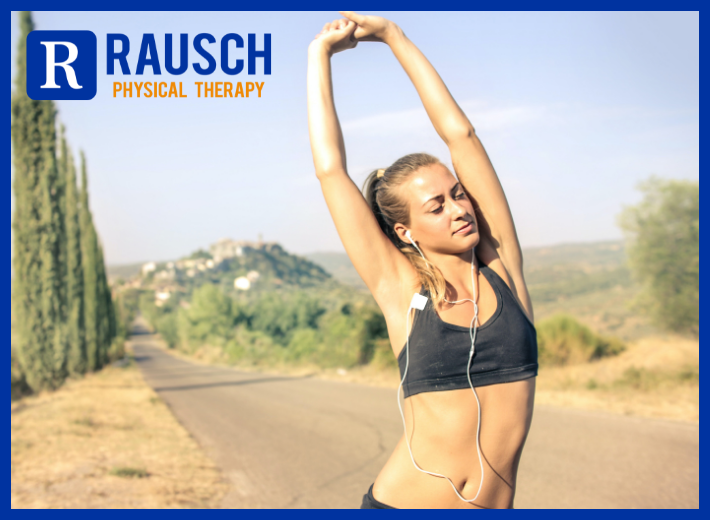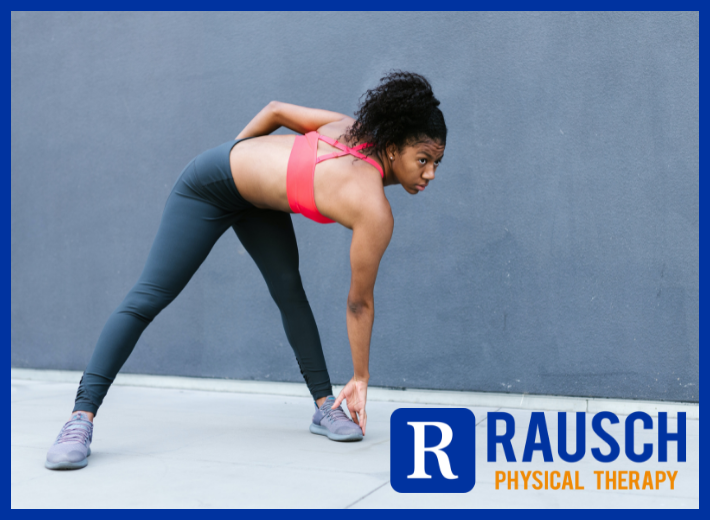

Whether you’ve recently engaged in a particularly intense workout or just a walk around the park, many people believe that muscle soreness after such activities is simply a body’s way of complaining as it gets stronger. Though the sensation is typically nothing to worry about, it’s necessary to know why muscle soreness occurs. In some cases, watch out for the pain that might be indicating a problem to be checked out and come see us if you are concerned.
Any physical activity that places too much or unusual strain on the muscles can lead to soreness. Everyone can experience muscle soreness, even people who exercise regularly and have good physical fitness.
Muscle soreness can be uncomfortable and disruptive. However, the pain typically disappears within a few days.
This article outlines the causes of muscle soreness and the typical duration of symptoms. We also list the treatments that may help to relieve muscle soreness, along with research into their effectiveness.
Causes
During physical activity, the body’s muscles extend and contract to support movement. Prolonged or repetitive physical activity can overexert the muscles. This activity can lead to muscle soreness.
Overexertion and muscle soreness are more likely to occur after physical activity that differs from normal. This could be due to:
- exercising more often than usual
- doing higher intensity workouts
- performing longer workouts
- introducing new exercises to a routine
Muscle soreness usually occurs several hours after physical activity. For this reason, doctors refer to the condition as delayed onset muscle soreness (DOMS). Most people experience DOMS at some point, regardless of their physical fitness.
The exact cause of DOMS is still unclear. Some experts believe it may be due to microscopic tears in the muscle fibers, which can develop during exercise. They believe that muscle soreness is the result of the body healing these tears. DOMS is not due to a buildup of lactic acid in the muscles.
How long does it last?
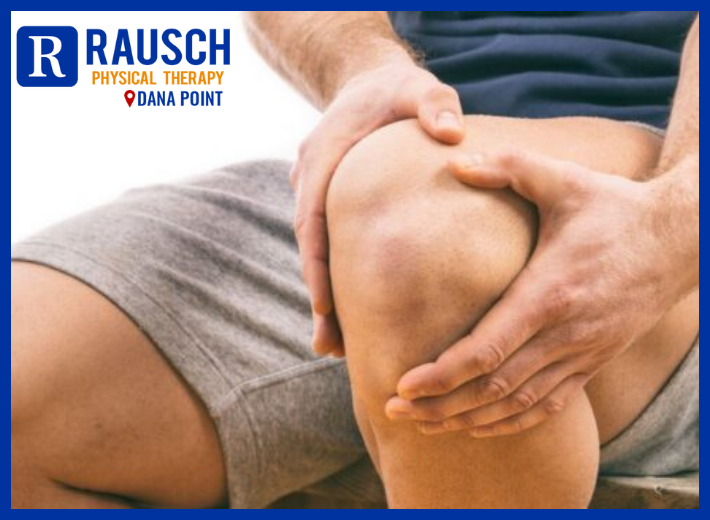
According to the American College of Sports Medicine (ACSM), muscle soreness usually begins 12–24 hours following exercise. The muscle soreness then tends to peak around 24–72 hours after the exercise. After this time, the pain should start to go away.
The level of soreness a person feels during DOMS depends on the type, duration, and frequency of the activity that caused the pain.
It is possible to continue exercising with muscle soreness, but it can be uncomfortable.
Sharp pains that occur immediately after activity could be a sign of injuries, such as strains or sprains. These injuries are the result of a muscle, tendon, or ligament becoming stretched or torn and are more severe than DOMS, possibly requiring medical attention.
Relieving muscle soreness
Muscle soreness is normal and rarely requires medical attention. In most cases, symptoms go away on their own within a few days. In the meantime, it is best to avoid putting too much strain on the injured muscles.
People sometimes recommend the following treatments to alleviate muscle soreness following exercise:
Massage: A qualified sports massage therapist or physiotherapist can provide massages for alleviating muscle soreness. Massages increase blood flow to the injured area, which may promote healing and help to relieve the pain.
Heat therapy: Taking a warm bath or applying heat pads can also stimulate blood flow to the injured muscles. Heat therapy tends to offer only temporary symptom relief.
Cold therapy: Cold packs or immersion in cold water can reduce inflammation and swelling in the muscles. Cold therapy is, therefore, useful as a longer-term treatment for muscle injuries.
Light exercise: Keeping the muscles active may help to reduce pain. It is important to keep the intensity light and avoid movements that put too much strain on injured muscles. Examples of light exercises include walking and gentle stretching.
Pain medication: Over-the-counter nonsteroidal anti-inflammatory drugs (NSAIDs) can help to reduce muscle inflammation and associated pain.
What the research says
A 2012 meta-analysis investigated the effectiveness of four popular DOMS treatments. The meta-analysis included 35 studies, each of which investigated one of the following treatments:
- massage
- cold therapy, or “cryotherapy“
- stretching
- light exercise
The meta-analysis revealed that massage was effective in treating the signs and symptoms of DOMS in some people. However, the effect was small and was not significant across the group as a whole. There was no evidence to support the use of cryotherapy, stretching, or light exercise in treating DOMS.
A 2011 meta-analysisTrusted Source also found that stretching before or after exercise does not lead to a noticeable reduction in DOMS.
A 2016 meta-analysis investigated whether a type of cryotherapy called cold water immersion (CWI) helps to alleviate muscle soreness. The results showed that CWI was slightly more effective than no treatment. Bathing in water temperatures between 11°C–15°C for 11–15 minutes provided the best results.
Overall, these studies indicate that there are few scientifically proven treatments for DOMS. Those that are effective appear to provide only a slight benefit. Nonetheless, some people may find the treatments helpful.
Importantly, while a treatment may help to alleviate pain, it will not undo the underlying muscle damage or improve muscle function.
Rausch PT wants to help you feel good and pain-free. We prepare your body for whatever it is you want to try next. Keep moving and living life to the fullest. Schedule your appointment today at (949) 276-5401 or visit our Facebook page. Remember, we also offer Rx Massage to enhance your PT treatments — and also to help when you get sore and to increase recovery from hearty exercise or race events.
Reference: [https://www.medicalnewstoday.com/articles/327138#how-long-does-it-last]