Stay Cool with Hydrating Foods

Hydration is essential to keep the body functioning properly. Through it, we maintain balanced body temperature, protect organs from diseases, eliminate toxins, and help lubricate the mucous membranes. We bring you some of the best hydrating foods to eat during summer — or anytime, really. Read along to get some ideas for your next pre-workout snack.

Summertime is here! It’s time to get out your flip flops, sunscreen, beach towel, and…cucumbers? As much as we love sunbathing, the warmer weather can increase the risk of dehydration. Being out in the heat can lead to excessive sweating as your body tries to cool itself down, and if you are not properly replenishing these fluids, you may become dehydrated.

In fact, did you know that roughly 60% of the human body is made of water? So you can guess water is pretty important for overall health. Still, it is estimated that 75% of the U.S. population is chronically dehydrated. Dehydration can negatively affect health, causing headaches, fatigue, muscle cramps, and low blood pressure. It can also impair athletic physical performance, which can be an issue for athletes and boxers alike. If not addressed, prolonged dehydration can lead to serious complications such as increased heart rate and organ failure.

To meet your hydration needs, health professionals recommend drinking a minimum of 64 to 96 fluid ounces – eight to twelve cups – of water daily, which works for most people. However, if you are a boxer who is sweating excessively from your workouts, or someone who spends a lot of time out in the heat, you may need to consume more. Beyond drinking more fluids, a way to increase your fluid intake is to “eat your water” with these water-rich foods.

BEST HYDRATING FOODS TO EAT THIS SUMMER

Fruits

  • Watermelon: One of the most hydrating fruits, watermelon is also a rich source of vitamin C and potassium.

  • Strawberries: An antioxidant food, strawberries are an excellent source of vitamin C and fiber.

  • Cantaloupe: An excellent source of vitamin C, cantaloupe also provides beta-carotene, which the body converts into vitamin A.

  • Peaches: Rich in fiber, peaches are also a good source of vitamin C, which acts as an antioxidant.

  • Oranges: An excellent source of vitamin C, oranges also provide fiber and folate.

  • Grapefruit: Rich in water and vitamin C, grapefruit contains great amounts of vitamin A.

  • Pineapple: A nutrient powerhouse, pineapple is an excellent source of vitamin C, fiber, manganese, and B vitamins.

Vegetables

  • Cucumber: A water-rich food, cucumber is known for its high vitamin K content.

  • Lettuce: This low-calorie leafy green is an excellent source of vitamin K.

  • Spinach: A nutrient powerhouse, spinach contains large amounts of vitamins A, C, and K, as well as iron, folate, and fiber.

  • Celery: Beyond providing a high content of water, celery is a great source of fiber and potassium.

  • Zucchini: Rich in many nutrients, zucchini is an excellent source of vitamin A.

  • Tomatoes: Known for their antioxidant benefits, tomatoes are also a good source of vitamin C and potassium.

  • Bell peppers: An excellent source of vitamin C, bell peppers also contain fiber and vitamin A.

  • Cabbage: Rich in vitamin C and vitamin K, cabbage contains powerful antioxidants.

HOW TO INCORPORATE THESE FOODS INTO YOUR DIET

Breakfast

  • Top your yogurt bowl with strawberries

  • Add tomatoes to your omelet or avocado toast

  • Pair your meal with a grapefruit or an orange

Lunch

  • Try grilling zucchini at your next barbecue

  • Saute spinach with garlic and lemon as a side dish

  • Add lettuce to your sandwich or wrap

Snacks

  • Pack watermelon slices and pineapple for a beach day

  • Add cucumber to your water or enjoy it in a green juice

  • Dip celery into hummus or peanut butter

Dinner

  • Add bell peppers or cabbage into a stir-fry

  • Try a new stuffed bell pepper recipe

  • Swap pasta for spiralized zucchini for a healthier noodle option

Dessert

  • Enjoy a juicy peach for a healthier sweet treat

  • Top your favorite ice cream with fresh berries

  • Try watermelon with a squeeze of lime and a pinch of chili powder

HYDRATION IS KEY

Staying hydrated is extremely important for human health. If you’re a boxer, you need to ensure you properly hydrate before, during, and after a workout. In the summertime, there is a higher risk for dehydration, especially for active individuals. While drinking plenty of water is essential for good health, boxers should also consume water-rich foods such as fruits and vegetables to prevent dehydration. These foods also happen to be extremely nutritious and beneficial for health. During the summer months, it’s a good idea to make your reusable water bottle your travel buddy, and to stock up on healthy, water-rich foods to keep you nourished and hydrated.

Physical therapy is a great addition to your workout regimen. Schedule your appointment with one of our sports PT specialists today! Let us help you perfect your form and increase your performance. Contact our experts today at 949-597-0007 and join our Facebook community here.


Reference: [https://blog.joinfightcamp.com/wellness/best-hydrating-foods/]

How to Treat Shoulder Pain from Sleeping

If you’re noticing that your shoulder hurts after sleeping, or that sleep makes a preexisting shoulder pain worse, something is not right. Shoulder pain from sleeping can have several causes. Here, you can learn some of the possible reasons and how to prevent it. With the help of one of our PT experts, soon you’ll be able to learn more about your pain and recover from it. 

Sleep helps the body repair itself. However, some people may notice that their shoulder hurts after sleeping, or that sleep makes their preexisting shoulder pain worse.

Shoulder pain from sleeping has several causes. There are also a number of effective remedies.

This article discusses those causes, how to treat shoulder pain from sleeping, and how to prevent it.

Causes

Sleeping position

In some cases, shoulder pain from sleeping occurs due to a person’s sleeping position.

A small 2017 study found that people who sleep with their dominant hand on their forehead while lying on their back were most likely to experience shoulder pain.

This position puts more stress on the neck and shoulder muscles than others. It also puts more stress on the spine through a muscle called the scalene. This muscle is attached to both the shoulder and the spine through the ribs.

The stress on these muscles can cause several types of pain. Tightness of the neck and shoulder muscles can cause a tension headache, whereas tightness of the scalene muscle can cause tingling, pain, and weakness of the arms.

However, it is worth noting that this was a small study. Scientists will need to carry out more research to verify these results.

Frozen shoulder

Frozen shoulder is a very painful condition that causes inflammation in the shoulder. This can lead to stiffness and difficulty moving the affected joint.

This condition develops over time, but pain and stiffness may occur very suddenly. Recovery can take 2–3 years.

Doctors do not know why frozen shoulder happens. However, there are a number of risk factors that make it more likely to develop. These include:

  • diabetes
  • stroke
  • thyroid disorders
  • shoulder injuries
  • Parkinson’s disease
  • cancer

The symptoms of frozen shoulder are:

  • pain in one shoulder
  • difficulty rotating and moving the shoulder
  • neck pain

Osteoarthritis

Osteoarthritis is the most common joint disorder in the United States. Estimates suggest that 30.8 million people in the U.S. have this condition.

Osteoarthritis occurs when the cartilage at the end of a joint wears down over time.

There are several risk factors that may make osteoarthritis more likely. These include:

  • being older
  • being female
  • having a family history of osteoarthritis

The symptoms of osteoarthritis include:

  • pain
  • aching
  • stiffness

Osteoarthritis can affect any joint, but it is more common in the hands, hips, and knees.

Rotator cuff injury

The rotator cuff comprises four muscles that start on the shoulder blade and go into the shoulder joint. These muscles improve stability in the arm.

Sometimes, however, people injure this set of muscles, either through overuse or as a result of osteoarthritis.

Rotator cuff injuries (RCIs) range from inflammation of the tendons around the area to partial or complete tearing of the muscles.

Symptoms of an RCI include pain that may start off mild but gradually gets worse and difficulty moving the affected arm.

People are most at risk of an RCI when they are over 80 years old. There is also an increased risk of injuring one rotator cuff if the other is already injured.

Shoulder impingement

Shoulder impingement occurs when the shoulder joint traps some surrounding soft tissue. This can happen due to:

  • inflammation around the joint
  • muscular imbalance in the shoulder
  • RCIs

Symptoms of shoulder impingement include:

  • persistent pain that is not the result of an injury
  • difficulty and pain raising the arm above the head
  • pain when sleeping on the affected side

There are a range of treatment options available for shoulder pain due to sleeping. The best option will depend on the specific cause.

The sections below will outline some treatment options in more detail.

Reducing pain and inflammation

The first line of treatment for most types of shoulder pain is over-the-counter pain medication, such as acetaminophen (Tylenol) or nonsteroidal anti-inflammatory drugs (NSAIDs).

People with arthritis, shoulder impingement, or inflammation in the shoulder may also find that resting the joint helps reduce pain.

Shockwave therapy may help reduce pain in some cases, but this therapy does not heal shoulder injuries.

Physical therapy

Physical therapy and home exercises are very effective treatments for RCIs and shoulder impingement. When it comes to shoulder injuries, the aim of physical therapy is to gradually increase a person’s strength and range of mobility.

Doing physical therapy in a swimming pool can help reduce the burden of gravity on the joints and make it easier for a person to build up their mobility.

The type of physical therapy and exercise a person needs for their shoulder pain will depend on the underlying cause. A physical therapist will be able to advise people on which exercises are safe and which activities to avoid.

Corticosteroids

Corticosteroids are drugs that can reduce inflammation. They can provide short-term pain relief for some shoulder conditions.

For osteoarthritis, corticosteroid injections provide 1–2 weeks of pain relief. However, they can result in cartilage and joint damage if doctors inject them too often.

Similarly, for frozen shoulder, oral corticosteroids can improve symptoms within the first 6 weeks. However, the symptoms may come back after this time, even if people continue taking the treatment.

Steroid injections may be more effective for frozen shoulder when a person combines them with another treatment, such as physical therapy.

For RCIs, there is some evidence to suggest that corticosteroid injections are more successful if doctors use ultrasound to identify the best place to inject the medication.

Surgery

If a person does not find relief from pain medication, steroid treatments, or physical therapy, a doctor may refer them to surgery.

For people with osteoarthritis, this may involve joint replacement surgery. This procedure requires a surgeon to replace the joint with an artificial implant.

For RCIs, a person may need to undergo rotator cuff repair surgery. Depending on the severity of the injury, the surgeon may either smooth the tendon or reattach the tendon where it broke.

A doctor treating someone with frozen shoulder may recommend hydrodilation or arthroscopic capsular release surgery.

During hydrodilation, a doctor will inject anesthetic into the arm at a pressure high enough to stretch the joint. However, this treatment can be very painful.

Arthroscopic capsular release surgery involves a surgeon cutting out the inflamed muscle that is making the shoulder freeze. This is the most invasive form of treatment for frozen shoulder.

Around 30% of shoulder impingement cases do not respond to nonsurgical treatment and will require surgery.

There are several different surgeries for shoulder impingement, including:

  • Subacromial decompression: During this operation, a surgeon will either remove the deltoid muscle that is causing the impingement entirely from the bone or separate some of the deltoid fibers, leaving the muscle attached.
  • Bursectomy: Inflammation of a tissue called the bursa can cause shoulder impingement. During this operation, a surgeon will remove the bursa.
  • RCI surgery: If the shoulder impingement is the result of an RCI, a doctor may refer a person for RCI surgery.

Prevention

To prevent shoulder pain from sleeping, a person can:

Change sleeping position

A 2018 study found that some sleeping positions may help reduce or protect against shoulder pain.

For example, positions that the researchers named “freefaller” and “starfish” — wherein a person lies with their arms extended above their head, either on their front or their back — were less associated with shoulder pain.

However, this study did not take into account other factors that could affect the amount of pain a person experiences after sleep.

Researchers should continue to study the effects of specific sleeping positions on pain to better understand the relationship.

Change the mattress

A 2015 study found that a medium-firm mattress helped reduce musculoskeletal pain in older adults.

Using medium-firm mattresses led to less pain than very firm mattresses, which suggests that having a mattress that is either too hard or too soft could make body aches worse.

Having the right pillow is also important. Different pillows can help reduce pain, depending on a person’s typical sleeping position.

  • For back sleepers, choose a thinner pillow that is thicker at the bottom and cradles the neck.
  • For stomach sleepers, choose a very thin pillow or no pillow at all.
  • For side sleepers, choose a firm, thick pillow that keeps the head level with the shoulders.

It is important to replace pillows every 18 months. Once a pillow loses its shape, it does not support the head and body as it should.

Improve sleep hygiene

For some people, not getting enough sleep may lead to increased pain. One study found that people who got less sleep were two to three times more likely to develop a pain condition.

Poor quality sleep leads to an increase in two different kinds of protein in the body. High levels of these proteins, called interleukin-6 and C-reactive protein, can cause the body to feel more pain.

Sleep hygiene is a series of practices that help regulate a person’s circadian rhythm and promote a good night’s sleep.

Habits that help with sleep hygiene include:

  • getting exposure to natural light in the daytime and darkness at night
  • creating a relaxing bedtime routine and sleep environment
  • avoiding stimulants such as caffeine or nicotine in the evening
  • avoiding naps of longer than 30 minutes during the daytime

Although alcohol consumption may help a person feel drowsy enough to sleep, it also reduces sleep quality later in the sleep cycle. The Sleep Foundation recommend drinking in moderation and away from bedtime.

Home remedies

There are ways to treat temporary shoulder pain at home. For a shoulder injury, the National Institute of Arthritis and Musculoskeletal and Skin Diseases recommend the RICE approach:

  • Rest the shoulder for 48 hours.
  • Ice the shoulder for 20 minutes four to eight times per day.
  • Compress the shoulder using a wrap or a bandage.
  • Elevate the shoulder above the chest.

NSAIDs such as ibuprofen may also help reduce shoulder pain in the short term. People should not use NSAIDs for more than 1–2 weeks, as they can cause side effects such as stomach bleeding when a person uses them for long periods of time.

Curcumin, a component of the spice turmeric, may also reduce joint pain. A review of three studies found that curcumin made a significant difference to people with arthritis in all three.

A 2010 study suggests that curcumin combined with frankincense may work more effectively than diclofenac (Voltarol).

When to see a doctor

It is important to see a doctor if shoulder pain does not go away despite making improvements to sleeping positions, sleep hygiene, and the mattress.

It is possible that the shoulder pain is a symptom of an underlying condition that may need medical attention.

Make sure what you’re feeling isn’t an aggravated injury or underlying chronic condition. We provide treatments that help improve and restore function and get you pain-free — with no prescription from a doctor required. Call our experts today at (949) 276-5401 and make an appointment. We would also love to have you join our Facebook community where you can get health and wellness updates and learn about what we have to offer ongoing!


Reference: [https://www.medicalnewstoday.com/articles/shoulder-pain-from-sleeping#outlook]

Get Your Legs in Shape for Summer Activities

Summer is the perfect time for exercising outdoors: biking, hiking, swimming, and more. But they all require intense use of leg muscle groups. Are you ready for that? To help lengthen your leg muscles and increase flexibility, check out our tips and exercises below.

My favorite summer activities officially kick in when the calendar flips to May. It’s prime time for open water swimming, running, cycling, hiking, and anything else that gets me outside and moving. Yet, my first step is to get my legs in shape.

“Legs are the foundation for most activities,” says Vijay Daryanani, a physical therapist at Harvard-affiliated Spaulding Rehabilitation Hospital. “They’re home to some of the body’s largest muscles, and building healthy legs can improve one’s performance, reduce injury, and increase endurance.”

Four leg muscle groups to build for summer activities

Four muscles do the most leg work: quadriceps, gluteus maximus (glutes), hamstrings, and calves. Here is a look at each.

Quadriceps (quads). Also known as the thigh muscles, the quads are a group of four muscles (hence the prefix “quad’). They extend your leg at the knee and power every leg action: stand, walk, run, kick, and climb.

Glutes. The body’s largest muscles, the glutes (your buttock muscles) keep you upright and help the hips and thighs propel your body forward.

Hamstrings. The hamstrings are a group of three muscles that run along the back of your thighs from the hip to just below the knee. They allow you to extend your leg straight behind your body and support hip and knee movements.

Calves. Three muscles make up the calf, which sits in the back of the lower leg, beginning below the knee and extending to the ankle. They work together to move your foot and lower leg and push you forward when you walk or run.

Spotlight muscle strength and length

Strength and length are the most important focus for building summer-ready legs, says Daryanani. “Strengthening leg muscles increases power and endurance, and lengthening them improves flexibility to protect against injury.”

If you are new to exercise or returning to it after time off, first get your legs accustomed to daily movement. “Start simply by walking around your home nonstop for several minutes each day, or climbing up and down stairs,” says Daryanani.

After that, adopt a walking routine. Every day, walk at a moderate pace for 20 to 30 minutes. You can focus on covering a specific distance (like one or two miles) or taking a certain number of steps by tracking them on your smartphone or fitness tracker. You won’t just build leg strength — you’ll reap a wide range of health benefits.

There are many different leg muscle-building exercises, some focused on specific activities or sports. Below is a three-move routine that targets the four key leg muscles. Add them to your regular workout or do them as a leg-only routine several times a week. (If you have any mobility issues, especially knee or ankle problems, check with your doctor before starting.)

To help lengthen your leg muscles and increase flexibility, try this daily stretching routine that includes several lower-body stretches.

Dumbbell squats

Reps: 8-12

Sets: 1-2

Rest: 30-90 seconds between sets

Starting position: Stand with your feet apart. Hold a weight in each hand with your arms at your sides and palms facing inward.

Movement: Slowly bend your hips and knees, leaning forward no more than 45 degrees and lowering your buttocks down and back about eight inches. Pause. Slowly rise to an upright position.

Tips and techniques: Don’t round or excessively arch your back

Make it easier: Do the move without holding weights.

Make it harder: Lower yourself at a normal pace. Hold briefly. Stand up quickly.

Reverse lunge

Muscles worked: quads, glutes, hamstrings

Reps: 8-12

Sets: 1-3

Rest: 30-90 seconds between sets

Starting position: Stand straight with your feet together and your arms at your sides, holding dumbbells.

Movement: Step back onto the ball of your left foot, bend your knees, and lower into a lunge. Your right knee should align over your right ankle, and your left knee should point toward (but not touch) the floor. Push off your left foot to stand and return to the starting position. Repeat, stepping back with your right foot to do the lunge on the opposite side. This is one rep.

Tips and techniques:

  • Keep your spine neutral when lowering into the lunge.
  • Don’t lean forward or back.
  • As you bend your knees, lower the back knee directly down toward the floor with the thigh perpendicular to the floor.

Make it easier: Do lunges without weights.

Make it harder: Step forward into the lunges, or use heavier weights.

Calf raises

Muscles worked: calves

Reps: 8-12

Sets: 1-2

Rest: 30 seconds between sets

Starting position: Stand with your feet flat on the floor. Hold on to the back of a chair for balance.

Movement: Raise yourself up on the balls of your feet as high as possible. Hold briefly, then lower yourself.

Make it easier: Lift your heels less high off the floor.

Make it harder: Do one-leg calf raises. Tuck one foot behind the other calf before rising on the ball of your foot; do sets for each leg. Or try doing calf raises without holding on to a chair.

Rausch PT professionals have the skills and expertise you need to improve and restore your muscle to enjoy summer to the fullest. Book your appointment today at 949-276-5401 and meet our experts. To get health and wellness updates and learn about what we have to offer ongoing, join our Facebook community.


Reference: [https://www.health.harvard.edu/blog/strong-legs-help-power-summer-activities-hiking-biking-swimming-and-more-202205122743]

Concussion Rehab

Girls’ Soccer Holds Highest Concussion Rate Among High School Girls’ Sports

Even with increasing protocols in place, concussion rates continue to be at the forefront of sports injuries — with soccer presenting the highest occurrence among girls high school sports and #2 overall just behind boys’ football. Concussions are very often not taken as seriously as, say, a broken bone or a torn ACL. But, a concussion is a form of traumatic brain injury (TBI) and requires proper treatment/rehabilitation to avoid lasting impairments, including memory issues, headaches, difficulty concentrating, vision impairments, increased visual strain with screens, and sleeping impairments.

Signs and Symptoms of a Concussion:

  • Lasting headache
  • Nausea or vomiting
  • Emotional inconsistencies: irritability, laughing while crying, etc
  • Sleepiness
  • Disoriented or confused
  • Excessive Fatigue
  • Poor balance
  • Blackout
  • Sensitivity to light
  • Ringing in ears
  • Nystagmus upon examination – “jumping” of eyes while tracking side to side without head movement

One may present with only a couple of these symptoms in mild cases and up to all of them in very severe cases. Upon the suspicion of a concussion, an exam by a medical professional should be performed, and treatment supervised by a medical doctor specializing in concussions.

Contrary to common thought, complete rest is typically NOT the ideal prescription for recovering from a concussion in mild-moderate cases. Mild to moderate cases should have a specific plan prescribed and supervised by a concussion-trained physical therapist to improve symptoms appropriately and safely. And for the athletes, a supervised return to sports programs can ensure that the athletes can return safely without creating too much strain on their brain while they are playing. Complete rest/return to activities too early can prolong symptoms and create long-lasting impairments, some of which were listed above. This is especially true for those that have suffered multiple concussions in their life.

Would you try to brush off symptoms or rush back to your activities after a broken bone, sprained ankle, or surgery? I hope the answer is no, and I hope you do the same for a concussion or a suspected concussion. Your brain requires healing and proper recovery after a trauma too!

Did you know there’s no prescription needed from a doctor to see us – but we will communicate your progress and treatment to your doctor if you’d like us too! Find us on our Facebook page and share your experiences and join our community! 

What the Cup?

What is Myofascial Decompression (MFD) and why is it beneficial for you? 

Dr. Camery Cano-RPT-Laguna Niguel

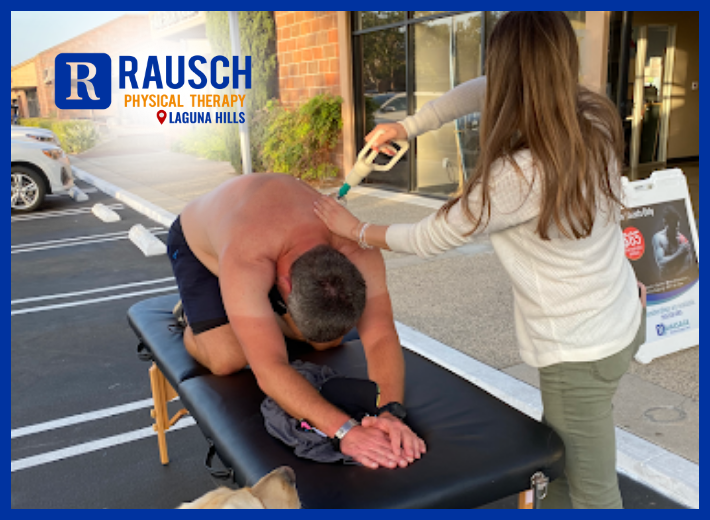
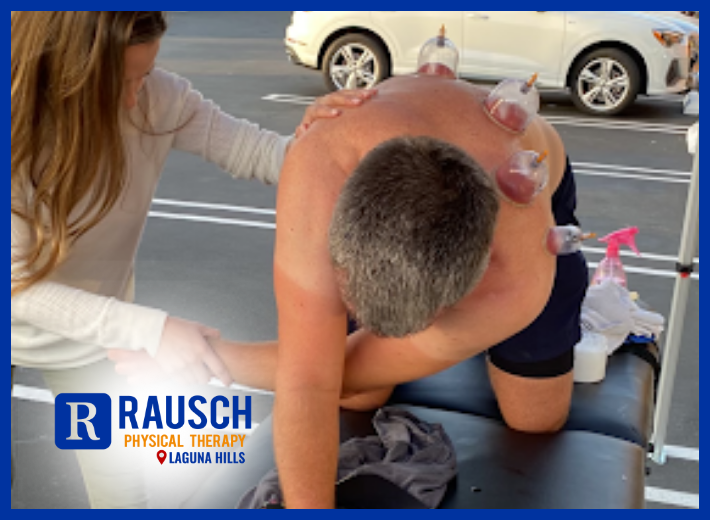
You may have seen cup therapy performed within PT clinics or on Olympic athletes and asked yourself, what is that torture device? That “torture device” known as cup therapy can quickly improve acute or chronic pain and mobility — but what is the actual mechanism, and is it appropriate for all patient demographics?

Around 1400 AD, ancient Egyptians created traditional cupping using heated glasses to remove blood from purge bites, skin lesions, and infections. For many years, cupping has been an alternative practice within eastern medicine to help heal the human body. Although removing blood from the tissues is not practiced within physical therapy, the same healing principles have been applied and modified to heal fascia tissues and improve movement.  

We have a thin layer of connective tissue called fascia throughout our entire bodies and between our muscles. Fascia gives support and attachment to our tissues and muscles; when stress or injuries occur, it can create additional collagen scarring, making the fascia more dense and thick. This densification adheres to muscles and causes restrictions that impact how your body moves and how you activate your muscles. If muscles become too restricted, they cannot fire and contract properly, potentially inhibiting surrounding tissues and increasing compensatory movements and dysfunction. 

MFD, or cup therapy, decompresses and lifts that dense fascial layer and offloads the muscles. Having the cups suctioned on your body creates a negative pressure force — providing more space within your musculoskeletal system and allowing increased mobility within your tissues. Research shows that cup therapy, in conjunction with active movements, can improve tissue mobility and quality of movement. Decreasing fascial restrictions can let each tissue layer glide with each other with less viscosity and increase efficiency in movement.

Once tissues have gained more mobility and range of motion, it is vital to provide stability exercises and re-educate the neurons within the new range of motion to maintain the effects of cup therapy. 

How long are the cups on your body?

3-5 minutes while applying active-assisted or active movements

Who is not a candidate for cup therapy?

Cup therapy is not for patients with comorbidities of acute or severe cardiac diseases, uncontrolled hypertension, severe bruising, unhealed tissues or fractures, loss of sensation, cancer, high-risk pregnancy, and severe diabetes. 

Precautions for postoperative use:

Post-surgical patients can have cup therapy performed on their operative body part; however, within modifications. Cup therapy can be applied post-op: 

1-2 weeks around the surgical site but not directly over the incision.

3-4 weeks directly over the incision site and ports

5-6 weeks directly over open procedure sites

What should you expect after cup therapy?

Decreased severity of pain, increased muscle soreness and increased range of motion. Don’t forget to drink plenty of water for 24 hours following cup therapy!!

Dr. Camery Cano-RPT-Laguna Niguel


5 Ways to Keep Your Shoulders Healthy While Swimming

Dr. Clay Simons – Dana Point

For those of us who enjoy circling the black line for several hours a day, the chances of getting pain or discomfort in your shoulder increase. People do many things once they have the pain, such as ice, PT, and/or rest — but here are a couple of things you can do to help prevent the pain in the first place.

1. Posture

We spend a lot of time slouched forward with rounded mid/upper back and forward head postures, sitting at our desks, staring at our phones, Netflix binging, etc. If you spend a lot of time in these postures most of the day, it does not magically go away once you hop in the pool, where you have to be tall, straight, and long to perform your best. Make sure when you are sitting that you are not slouching all the time — even breaking it up a few minutes per hour will help. Try to keep your spine straight and your ears aligned with the tops of your shoulders. Be aware and fix it when you think of it. Slouching for short periods is not bad, but be aware of it and don’t “live” in that position.

2. T/S mobility

For the shoulder joint to work properly you need to be able to move your spine, specifically your mid-back, with rotation and extension. Going back to posture: When you slouch much of that forward bend comes from the thoracic spine. To help counter the forward bend: spend some time doing T/S extensions on a foam roller; place the roller across your back, cradle your head with your hands, and arch backward. Keep your stomach tight to minimize the arch in your low back, and keep the focus on your mid-back. You can work several spots throughout your mid-back, starting a little below your shoulder blades and working up to just above your shoulder blades. You can also work the rotation component by doing rotations. Start on all fours, and with your R arm, reach down and under your chest as far as you can to the L, hold for a few seconds, then bring your R arm back and reach up to the sky on your R, repeat several times, and then switch sides.

3. Rotator Cuff strength

Everyone has seen the classic internal/external rotation with bands — these are great and have their place but are not always the answer. Expand this by adding wall ball stabilizations by holding a ball against the wall and making small movements in multiple directions from the shoulder. I like doing star shapes or the alphabet to train your rotator cuff to work as one functioning unit to stabilize your shoulder joint in all plains. You can also do your internal-external rotations in different positions. The classic one is what we call a 90/90 where your arm is out to your side, elbow even to shoulder, and elbow bent to 90 degrees — now stabilize and rotate forward and backward here. I recommend starting this one lying down with the band around your opposite foot, staying within the range that your shoulder stays back on the table without rolling forward.

4. Scapular stability

“You can’t fire a cannon out of a canoe” is my favorite quote when it comes to rotator cuff strength. You can strengthen your rotator cuff all day long, but all 4 of the rotator cuff muscles attach to the scapula, so if that scapula is not stable, all your rotator cuff strengthening is useless. Do variations of rows, weight-bearing through your arms, and I’s/T’s to help stabilize your scapula in multiple planes.

Weight Bearing: this is where the classic push-up comes in but don’t be afraid to branch out, do different hand positions, wide, narrow, staggered, or try walking on your arms like a classic wheelbarrow from elementary school. Planks can also be great for this.

I’s/T’s: Lie on your stomach and put your hands down at your side, palms facing down and now squeeze your shoulder blades together and use your shoulder blades to lift your arms, holding for 2-3 secs. For T’s, do the same thing except bring your arms straight out to either side with your thumbs up and lift your arms from the shoulder blades.

5. Swim with good form

This one should be the most obvious, but many people tend to track the number of yards they swim when in reality, you should be looking at how well those yards swam. Make sure you are swimming with the best form possible to minimize stress/strain on structures not designed to take that load. Swimming with good form will also allow you to swim faster, which is everyone’s goal anyway.

Also, remember that physical therapy can also be a preventative approach! A licensed physical therapist can help evaluate and assess you for any mobility restrictions or muscular imbalances and recommend a proper program!

fjK_4mIJDBco-kg28nLDzXh1BH-GL6_m0llL3mUAFRVgs_jqMftR-r4SKjCTpya1I76Bxo0q6IUo0oP7xxM3BbuIcJlYbTtwQwrEUxxFcv6QBU2bFiXj8svnjEElo7vBqP1uiHeEymg8zHZKZQ

Clay Simons

clays@rauschpt.net

Did you know there’s no prescription needed from a doctor to see us – but we will communicate your progress and treatment to your doctor if you’d like us too! 

(949) 276-5401

RauschPT

Disclaimer — All the information that you find on our blogs and social media pages is for informational purposes only and is not intended to be used as your personal professional diagnosis, or treatment. Come and see us for your excellent, personalized care! https://staging.rauschpt.net/

Physical Therapy for Migraine

Migraine is a medical condition that involves severe, recurring headaches and other symptoms. There is no cure for a migraine, but some exercises and medications can make it easier for you. Learn more about this condition and how physical therapy can help.

Migraine is a medical condition that involves severe, recurring headaches and other symptoms.

A migraine episode is a type of headache. An episode usually occurs in stages and can last for several days. Severe cases can affect a person’s daily life, including their ability to work or study.

Migraine can affect people in different ways, and the triggers, severity, symptoms, and frequency can vary. Some people have more than one episode each week, while others have them only occasionally.

In 2018, researchers found that more than 15% of adults in the United States had experienced a migraine episode or a severe headache within the last 3 months.

Research from 2015 found that migraine affects just over 19% of females and 9% of males. Episodes often occur in people aged 18–44 years, but they can happen at any time, including during childhood.

Symptoms

Symptoms of migraine tend to occur in stages:

Before the headache: According to research from 2008, 20–60% of people with migraine experience symptoms that start hours or days before the headache.

At this stage, a person might experience a “prodrome,” which may involve emotional changes, specifically depression and irritability. A prodrome can also include yawning, dizziness, thirst, frequent urination, and sensitivity to light and sound.

Sometimes an aura can occur. This involves physical or sensory symptoms, such as flashing lights in the field of vision.

During the headache: Alongside a mild to severe, throbbing or pulsing headache, symptoms may include nausea, vomiting, neck pain, dizziness, and nasal congestion.

Resolution: After the headache, tiredness and irritability may last another 2 days. This is sometimes called the “migraine hangover.”

Other common features of migraine are:

  • head pain that worsens during physical activity or straining
  • an inability to perform regular activities due to the pain
  • increased sensitivity to light and sound that can sometimes be relived by lying quietly in a darkened room

Other symptoms may include sweating, feeling unusually hot or cold, a stomachache, and diarrhea.

Migraine vs. headache

A migraine episode is different from a typical headache. The experience is different, and they can have different causes.

Writing down the symptoms and when they occur can help a person and their healthcare professional identify migraine episodes. Keep this journal for at least 8 weeks, and take note of the following:

  • the time that symptoms start
  • possible triggers, such as stress or menstruation
  • the nature of the headache
  • any other symptoms
  • how long the symptoms last
  • any noticeable indicators of migraine, such as an aura
  • any medications and their effects

Causes and triggers

Experts think that migraine episodes may stem from changes in the brain that affect the:

  • way nerves communicate
  • balance of chemicals
  • blood vessels

Genetic features may also play a role — having a family history of migraine is a common risk factor.

Migraine triggers vary from person to person. They commonly include:

  • hormonal changes, such as those related to menstruation
  • emotional triggers, such as stress, depression, anxiety, and excitement
  • dietary factors, including alcohol, caffeine, chocolate, nuts, cheese, citrus fruits, and foods containing the additives tyramine and monosodium glutamate (MSG)
  • medications, such as sleeping pills, hormone replacement therapy (HRT), and some birth control pills
  • environmental factors, including flickering screens, strong smells, secondhand smoke, loud noises, humidity, stuffy rooms, temperature changes, and bright lights

Some other possible triggers include:

  • tiredness
  • a lack of sleep
  • shoulder and neck tension
  • poor posture
  • physical overexertion
  • low blood sugar
  • jet lag
  • irregular mealtimes
  • dehydration

Avoiding triggers, when possible, may help reduce the frequency of migraine episodes.

Research data on race and ethnicity

Migraine can be a debilitating condition that is under diagnosed and challenging to treat. This can be seen especially in BIPOC (Black, Indigenous, and People of Color) populations. People of Color are less likely to receive the diagnosis of migraine and the treatment than white people.

In fact, only 47% of African Americans have an official migraine diagnosis, compared with 70% of white people in the country. And other research found that Latino people are 50% less likely to receive a formal migraine diagnosis than white people. These disparities can impact treatment and therapies.

While these figures could lead to the conclusion that white people experience more migraine episodes than other groups, an analysis of nine studies looking at the average prevalence of severe headache or migraine from 2005 to 2012 in the U.S. found that the prevalence rates of episodes across all groups were similar:

  • 17.7% of Native American people
  • 15.5% of White people
  • 14.5% of Hispanic people
  • 14.45% of Black people
  • 9.2% of Asian people

Furthermore, females in all groups were approximately twice as likely to experience migraine episodes than males.

Overall, studies that discuss migraine and use racial and ethnic differences for clarity often do not consider contributing factors. Further research is warranted, and this should consider behavioral, environmental, genetic, and socioeconomic factors, as well as access to healthcare.

Risk factors

Anyone can develop migraine, and there is a slightly higher risk for people with:

  • depression
  • bipolar disorder
  • fibromyalgia
  • irritable bowel syndrome
  • overactive bladder
  • sleep disorders
  • obsessive-compulsive disorder
  • anxiety

Treatment

There is no cure for migraine. However, medications can treat the symptoms when they arise, and people can take steps to reduce the frequency and severity of episodes. But keep in mind that these medications can have side effects.

Medications

Pain relief and other types of medication can often help. Taking medication as soon as symptoms start may keep them from becoming severe.

Some over-the-counter pain relief medications that may benefit people with migraine include:

  • naproxen (Aleve)
  • ibuprofen (Advil)
  • acetaminophen (Tylenol)

Other options include:

  • triptans, such as sumatriptan (Imitrex), to help reverse the brain changes that occur during an episode
  • antiemetics to manage any nausea and vomiting
  • gepants to block a protein involved in inflammation and pain, called calcitonin gene-related peptide (CGRP)
  • ditans, which interact with 5-HT1F receptors on the sensory nerves and blood vessels

It is important to avoid overusing medication because overuse can cause a rebound headache. A healthcare professional can help a person decide how much of each medication is safe and effective.

Home and natural remedies

Some home care strategies that can help relieve migraine symptoms include:

  • using flexible cold packs or masks
  • staying in a quiet, darkened room
  • sleeping, when necessary

The following supplements might help prevent migraine. However, there is limited evidence that they work, and not much is known about their side effects:

  • herbal extracts, such as feverfew
  • magnesium
  • coenzyme 10
  • butterbur
  • riboflavin

Other nondrug approaches may include acupuncture and neck exercises or physical therapy.

Before trying any of these, speak with a healthcare professional. Research has not shown that these approaches work.

Various products that claim to help relieve migraine are available for purchase online.

Anyone looking for an alternative therapy, such as acupuncture, should go to a qualified and experienced professional.

What are some natural remedies for a headache?

How to prevent migraine episodes

While it is not always possible to prevent migraine episodes, there are ways to reduce their frequency and severity.

Medications

The following prescription drugs may help reduce the number of episodes that a person with severe migraine experiences:

  • topiramate (Trokendi XR), an anti-seizure drug
  • propranolol (Inderal), for treating high blood pressure
  • antidepressant medications
  • Botox
  • gepants and CGRP inhibitors

It may take several weeks to see an improvement.

The best treatment in children or adolescents may be different from that in adults. A healthcare professional can help recommend the most effective approach.

Identifying and avoiding triggers

A migraine episode sometimes happens in response to a trigger. To identify a trigger, a person might keep a diary and record how they felt and what they did, ate, and drank before the symptoms appeared.

It may be particularly helpful to avoid:

  • low blood sugar
  • physical overexertion
  • stress
  • certain foods, such as chocolate and any that contain tyramine or MSG
  • certain medications, including HRT and some birth control pills
  • bright lights and flickering screens

The following strategies may help reduce the frequency of migraine episodes:

  • getting enough sleep
  • reducing stress
  • drinking plenty of water
  • having healthy posture
  • avoiding known dietary triggers, such as caffeine, alcohol, and cheese
  • getting regular physical exercise

If making these changes does not ease the severity and frequency of migraine episodes, a doctor may suggest medication or other options.

Types

There are various types of migraine. A major distinguishing factor is whether they involve aura — sensory changes.

Migraine with aura

Aura is a disturbance of the senses in the early stages of a migraine episode.

Aura can involve:

  • having confusing thoughts or experiences
  • seeing strange, sparkling, or flashing lights that are not there
  • seeing zig-zagging lines of light
  • having blind spots or blank patches in the field of vision
  • having a pins and needles sensation in an arm or leg
  • having difficulty speaking
  • having weakness in the shoulders, neck, or limbs
  • seeing things that are not there out of one eye, such as transparent strings of objects
  • not being able to see part of something clearly
  • having part of the field of vision disappear, then reappear

A visual aura may feel like the aftermath of a very bright camera flash, but the visual changes may last for several minutes or up to 1 hour.

Migraine without aura

More commonly, a person experiences no sensory disturbances before an episode. According to the Migraine Trust, 70–90% of episodes occur without aura.

Other types

Some other types of migraine include:

  • Chronic migraine: This involves having an episode on more than 15 days per month.
  • Menstrual migraine: This occurs in a pattern that follows the menstrual cycle.
  • Hemiplegic migraine: This causes temporary weakness on one side of the body, and it is very rare.
  • Abdominal migraine: This involves migraine episodes with irregular function in the gut and abdomen, often with nausea or vomiting. It mainly affects children under 14 years of age.
  • Vestibular migraine: Severe vertigo is a symptom of this type.
  • Basilar migraine: This rare type is also called “migraine with brainstem aura,” and it can affect neurological functions, such as speech.

Anyone who may be experiencing any neurological symptoms should get medical attention. And people who need treatment for migraine should consult a healthcare professional.

Diagnosis

The International Headache Society recommends the “5, 4, 3, 2, 1” criteria to diagnose migraine without aura. These numbers stand for:

  • having 5 or more episodes, each lasting 4 hours to 3 days
  • having a headache with at least 2 of the following qualities:
    – occurring on one side
    – pulsating
    – causing moderate-to-severe pain aggravated by activity
  • having at least 1 additional symptom, such as:
    – nausea
    – vomiting
    – sensitivity to light
    – sensitivity to sound

The doctor may recommend imaging or other tests to exclude other causes of the symptoms, such as a tumor, meningitis, or a stroke.

When to see a doctor

A person should consult a healthcare professional if they experience:

  • what seems like a first migraine episode
  • worsening or unusual migraine symptoms
  • severe symptoms

If any of the following occur, seek immediate medical help:

  • an unusually severe headache
  • visual disturbances
  • a loss of sensation
  • difficulty speaking

These could indicate another condition that may need urgent attention, such as a stroke.

Summary

Migraine is a medical condition that involves a headache and other symptoms. It is not just a bad headache, and it can have a significant impact on daily life, making it difficult to work and do everyday activities.

Identifying and avoiding triggers can often help reduce the frequency or severity of episodes, though it is not always possible to prevent them.

Medication and other treatments can help manage migraine symptoms. Anyone who has concerns should contact a healthcare professional.

Rausch PT professionals have the skill and expertise you need to improve and restore function and get you pain-free — with no prescription from a doctor required. Push your limits and elevate your performance  — and eliminate pain while increasing mobility with a customized physical therapy program.  Let us help you perfect your form and increase your performance. Contact our experts today at 949-276-5401 and join our Facebook community here. 


Reference: [https://www.medicalnewstoday.com/articles/148373]

5 Stretches to Prevent Low Back Pain in Mountain Bikers

Dr. Cheryl Moore- Dana Point

As mountain bikers, we put our bodies through a lot of abuse with grueling pedals uphill to hard-hitting descents, but that does not mean that we should deal with low back pain every time we go riding. Research shows that 30-70% of bike riders have back pain. Staying faithful to maintenance and prevention programs can be challenging, but incorporating stretching exercises into your pre-ride routine can help you bike longer and train harder for races such as the upcoming Over the Hump series. 

The most common causes of low back pain in bikers are poor posture and muscle imbalance. While riding, it is crucial to find a neutral pelvis, meaning that the back is not arching too much or too rounded. If you never had a bike fit to set up your bike’s geometry, I recommend checking out your local bike shop or come in for a Bike Right, where we will assess your riding biomechanics and make suggestions to set up your bike. That way, you can get the most out of riding your bike.

Muscle imbalances occur when one muscle that crosses the joint is tighter or stronger than the opposing muscle, causing an imbalance in posture. Spending too much time sitting at a desk or on a bike leads to tightness in the hip flexors, quads, hips, and chest. A hunched or rounded shoulder posture results, putting more stress on the back and making it more difficult to maintain a neutral pelvis. Poor posture over time can cause more significant back injuries such as disc herniation, muscle strains, and decreased joint mobility.

Cheryl’s Mountain Bike Low Back Pain Prevention Program: 

These five pre-ride stretches will improve hip mobility, decrease tension in the low back, decrease muscle imbalance and ensure that your back is warmed up and ready to ride after a long day at the office.

  1. Child’s pose: 

This stretch will help improve the mobility of both hips and open up/decrease stiffness in the lumbar spine on the bike.

  1. Hand up stretch: 

This hip flexor stretch will improve hip mobility and sitting posture on a biking

  1. Seated Hands on Knees Cat/Cow: 

More functional to biking than quad ped cat/cow, this stretch will improve pelvic and lumbar spine mobility

  1. Cobra:

Lumbar spine extension relieves the pressure on the intervertebral discs and improves lumbar spine mobility

  1. T/S extensions over the foam roll: 

Improving mobility of the chest /upper back and decrease stress on the lumbar spine

It is critical NOT to push through the tightness when focusing on stretching. Stretching should be gentle and easy. Perform this stretching routine before every ride. Perform stretches 2x and hold each for 30 seconds. When foam rolling, roll for 1 min.

Conclusion: 

Don’t let the struggle or fear of low back pain keep you off the bike. By maintaining a pre-ride stretching routine, the only thing that you should be worrying about is what trail to shred next. If we can help – we are here!

What Is Pelvic Organ Prolapse (POP) and How It Happens

Dr. Marena Boctor Nakhla – Laguna Hills

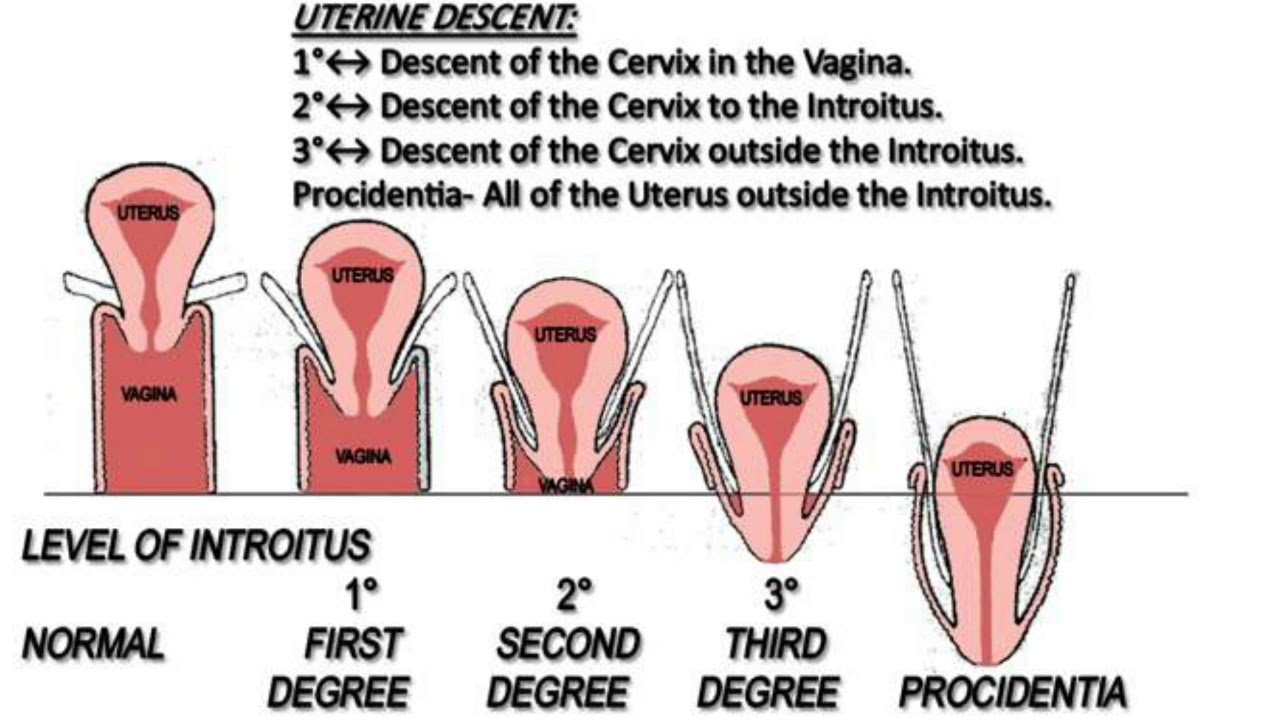
Pelvic organ prolapse (POP) is the descent of one or more organs such as the uterus, bladder, or rectum into the vaginal wall. It is most commonly referred to as herniation. 

Pelvic organ prolapse happens when the pelvic floor muscles are no longer able to support pelvic organs, resulting in a drop of the organs.

Types of prolapse: 

  1. Cystocele is when the bladder bulges into the vaginal space. It can also be called anterior wall prolapse.
  2. Recotcele happens when the rectum prolapse or herniates into the vaginal space. It can also be known as posterior vaginal prolapse.
  3. Uterine prolapse is when the uterus bulges into the vaginal space and can be called anterior wall prolapse.

Now let’s talk about causes for prolapse.

Pelvic Organ Prolapse is mainly caused by pregnancy and vaginal childbirth. Pelvic organ prolapse happens when pelvic floor muscles (PFM) are weak and unable to support the organ. Pelvic floor muscles need to be strong to be able to support the weight of the fetus. After childbirth, pelvic floor muscle starts to fatigue and dysfunction starts to occur.

Prolapse risk factors include:

Laceration, tearing, or stretching can affect the integrity and function of the pelvic floor. Forcep or vacuum-assisted delivery increases the risk of pelvic floor injury.

Grades of pelvic organ prolapse:

Pelvic organ prolapse is rated on a scale of 0-4. Each grade specifies the intensity of the prolapse.

  1. Stage 0 is absent or non
  2. Stage 1: > 1 cm above hymen
  3. Stage 2: 1 cm above or beyond the hymen
  4. Stage 3: > 1 cm beyond hymen
  5. Stage 4: complete eversion

Symptoms of pelvic organ prolapse 

DwfsicoyzIpoSmjLaaVdEFbgDHCMPCH1HM4m1CjCE8IOxyM-6WdQdyJH__2ZwjVTjq1Ve77f8I8x47jDOXuSe-PR8mJOy2u8nwIt16csHo4MOTVejZpLTuueHs700kX8x4ReRpGw

The most common symptom of all types of vaginal prolapse is the sensation that tissues or structures in the vagina are out of place or feeling that something is coming down. You might also feel pressure or pain in the perineum. Some patients may also feel pelvic or abdominal pain.

Symptoms may be exacerbated with standing or bearing down with bowel movements.

Management of pelvic organ prolapse: 

  1. Pelvic floor physical therapy to assess and treat pelvic floor muscle, core strengthening, stabilization exercises, and hip strengthening.
  2. Avoid intra-abdominal pressure by managing constipation. Avoid bearing down.
  3. Proper lifting mechanics. Always exhale while lifting heavy items.
  4. Weight loss. Increased intra-abdominal pressure can increase prolapse.
  5. Use of pessary. A pessary is a removable device placed into the vagina to aid in supporting pelvic organs.
  6. Loose clothing and supportive garments. Avoid tight and fitted pants as they can increase intra-abdominal pressure.

Keep Calm and Breathe On: The importance of not holding your breath

Dr. Ruth Meltzer – Dana Point

5K788i6SCZ9TmbNgBm14mkTPIAKjO45ZIz-SgwcuhiDVwcpKtDl7IU4d3PwqgGNZrpoto1I_V8bnsfFj4xoHkd5pJ-mXVThxOi-DCZ1xe9-iUljhQoC6HRjNUVkddB-1PtOej1QZ

What

As you breathe out, your pelvic floor muscles activate and help support your internal organs.  It is vital to keep your breathing relaxed and rhythmic while working out in the gym, weight lifting, or engaging in gymnastics or sport. Holding your breath can be very detrimental to your internal abdominal pressure, thus putting more pressure on your pelvic floor muscles.

Who

People who experience pelvic pain, incontinence, or accidentally urinate when they laugh or jump on the trampoline are all examples of people who would need pelvic physical therapy. The first step in treatment is improving your breathing. Pelvic physical therapy can evaluate tightness in muscles, weak muscles, and retrain muscles just like any other muscle group in the body.

So if you or someone you know experiences these symptoms, bring them by, and we can take a look at their breathing and muscle control and set them on the right path to recovery. Who knew something as simple as breathing could be a culprit in their pelvic floor muscles?

The Importance of Breathing

Dr. Kristen Nelson — Laguna Niguel

Breathing is something we do every day without even thinking about it. It allows our bodies to replenish with oxygen, which is very important for every system. Breathing is also beneficial for mental clarity, better sleep, and reduces stress levels. However, we need to know if we are breathing properly and efficiently. Without proper breathing, we could potentially cause harm to our bodies. 

Proper Breathing Technique 

Fy-5m28fVEbOmrkQYZ1Q-FgoyVOE1PqG66A4vhBWHCaCkcLT06XrQnmi6adyZSS5bdkVNvRLbfvnZX6-wmlytImrkWnxk6BC0C_oufuIILb0ZWddrdmzxJrQDCv3a1V5i9awCZzd

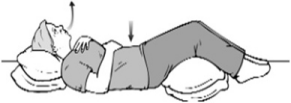
Even though it seems breathing should be a “no-brainer,” there is a proper way to breathe — called diaphragmatic breathing. Imagine that our bodies are like a balloon. As we inhale, our bellies should be expanding like a balloon, which causes our diaphragm to contract. As we exhale, our bodies should deflate like a balloon when our diaphragm relaxes. If we breathe from our chests, we are not breathing as efficiently and need to recruit our intercostal muscles (the muscles between our ribs) to assist us in breathing. One way to find out if we breathe from our chest or diaphragm is to lie on our back with one hand on our chest and the other on our stomach. Perform your regular breathing pattern and see which hand moves more; this can also be an exercise to teach ourselves how to breathe from our diaphragm.

Breathing and Exercise

When exercising, we sometimes forget to breathe and instead hold our breath. It is important to remember to breathe properly during exercise, especially when performing stressful movements, such as heavy weight lifting. When performing exercises with heavy resistance, individuals might tend to hold their breath which is called the Valsalva maneuver. If you have ever seen YouTube videos of individuals fainting after lifting heavy weights, it is most likely they were holding their breath to be able to perform the lift. Weightlifters faint because of a drop in blood pressure and a lack of oxygen to the brain. Breathing properly will allow for more oxygen and blood flow to our muscles and brain and avoid a drop in blood pressure when performing high resistance activities, which can help mitigate injury (i.e. fainting due to dizziness from holding your breath).

Another Type of Breathing Exercise

noceL-3V3-Romv3GBzj8oxwn6nNOxiI8J0kaIU6J_FYO--Mo_GWI7OyHZJomSR4Uviml-thWD3NpSijCTr7WoIOrkzPeiqhgxpokFdgvdwaF8hDnFG_kVHf1PKB98Fc0oYDkrCHS

Not only is there diaphragmatic breathing, but there are other types of breathing techniques that are beneficial for individuals. One that I find to be helpful is “pursed-lip breathing.” This type of breathing can assist with activities such as lifting and bending. It is a technique to control and slow down our breathing patterns. Start in a relaxed position, such as sitting down in a comfortable chair. Next, start breathing slowly through your nose for a count of two. Then you want to purse your lips like you are blowing out through straw or trying to blow out a candle slowly. This slow exhalation should occur for a count of four. Perform this for a cycle of 5 breaths.

Take Away 

As we go about our daily lives, it is good to stop and check ourselves to see how we are doing with our breathing. Even though many of us have difficulty finding the time to check on our breathing, it only takes a minute to sit in a comfortable spot and focus on our breathing. Our physical and mental health will thank us for taking the time to check in with ourselves.

Understanding Turnout and Importance of Avoiding Forcing More


Kathryn Totheroh – Dana Point

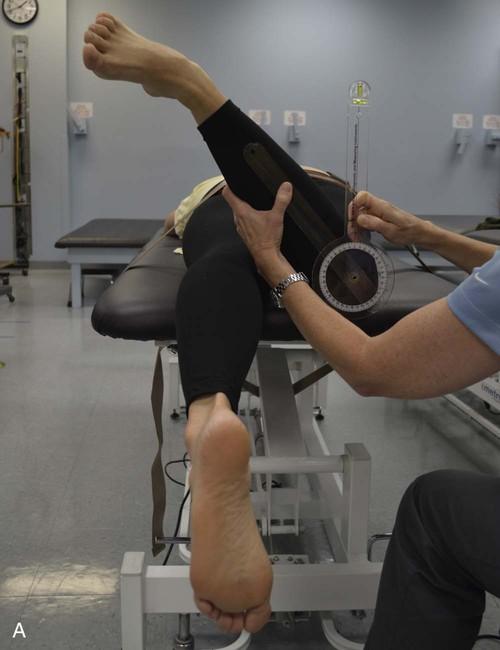
Every joint in the human body has a “normal” range of motion. For the hip in external rotation or turnout, that range is about 45 degrees. For dancers, especially ballet, we always aim for 90 degrees in each hip to reach that elusive 180 first position. Some lucky individuals will be born with the potential for extra range of motion in the hips, and the very rare few (less than 2% of professional ballet dancers) may naturally reach that 180. However, for the rest of us, it is critical to understand where our natural limitations are so that we can safely and effectively use the turnout each of us have. 

First, you must understand that this is a boney limitation; therefore, stretching will not work. Many teachers learned that stretching the hips while children are young (pre-puberty) can increase this natural range. While it may be possible to slightly increase mobility through the front of the hip joint leading to a marginal increase in turnout, several studies show that whatever a person’s turnout is going to be was predetermined before they were born.

It is simple for a physical therapist or athletic trainer to assess someone’s natural range of motion; this can give you/your students a clear understanding of what they should be aiming for in their standing leg. If someone is measured at 50 degrees at each hip, they are looking at a 100-degree first position. Anything more than their anatomical range is coming as compensation of the knee, ankle, and/or pelvis.

qZjZJP7qB9hKQeOkJs7JetuK2Kz1lDIjvoeDs0icKaOnOJ62QJ1pTb_mXnlDepxnGrz_-j7t-LWDVRllx3lObmqRydAs-tSBcvjntotpH2Jc_rucHxEV9WLiVzaab5gfgLIRulNb

These compensations will show up as ankle-foot pronation or collapsing arch, knees not tracking over the midline of the foot in plie, anterior pelvic tilt/ tail out, or any combination of the three. Over time these compensations can lead to serious injuries such as torn ligaments, torn muscles or tendons, joint instability, or impingement. These injuries can easily lead to the end of someone’s dance career, along with chronic pain. Therefore, it is critical to work within a natural range of motion, avoid compensation techniques, and the forcing of excessive turnout.

If you have any questions or have been dancing with pain, get to your favorite physical therapist. We can assess your specific range of motion and how you are moving, and get you back to dancing pain-free.

Rausch Physical Therapy remains your caring team and can accommodate you with a specific, personalized plan that suits your needs and goals. Visit our Facebook page or call us at (949) 276-5401. 

8fFDsBLJCHCRyAjGWU0hJqIY2aWetWOvEXJynW0paNkM9UbM2R6rSdIYyYzlMQy-zZ-UResDFVn6SaGihNZUsFYdg1Ivq_YWz3KJukpxXZg102tvh1XR7hVv1XO2_EouVFlbn-e1