Blog

Physical Therapy ISN’T…

Jennifer Carman – Laguna Hills

In my 20+ years as a Physical Therapist, I have come across individuals who were displeased with their previous physical therapy experiences. They reported that physical therapy did not work for them, and they did not see any functional improvement. When I inquired about the details of their experience, I realized that although the service they received was called “physical therapy,” it was, in fact, not skilled rehabilitative physical therapy. I responded with, “That was NOT Physical Therapy!”

Physical Therapy ISN’T…

The following is what Physical Therapy IS NOT:

  • A quick patient assessment based solely on the treating diagnosis — followed by a cookie-cutter treatment plan for that diagnosis.
  • Seeing the treating physical therapist only on the initial evaluation day and never seeing them again during any follow-up visits.
  • The only hands-on treatment is placing a pre-treatment hot pack followed by a general massage.
  • Unsupervised exercises in the corner table.
  • Leaving the PT clinic with more pain and having made no progress.

Physical Therapy produces results when skilled, knowledgeable, individualized evaluation and hands-on treatment occur. We are proud to provide integrative, personalized, excellent, caring physical therapy.

Physical Therapy IS…

The following is what Physical Therapy IS:

  • 60-minute evaluation and patient assessment including thorough patient history; evaluating patient posture, strength, range of motion, flexibility, nerve function, gait mechanics, mobility, stability; observation of performance, movement. and specific recreational/vocational activities. The Physical Therapist creates a plan of care, and treatment plan, for each individual to address their specific impairments, dysfunction, and goals — based on what they find.
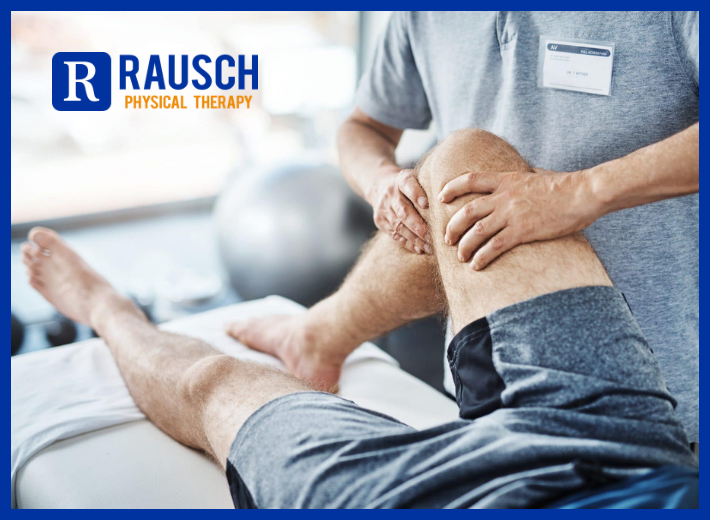
  • Every treatment visit following the initial evaluation consists of one-on-one time with the Physical Therapist, whereby the PT reassesses progress and goals. Treatment includes hands-on manual techniques, passive range of motion, joint mobilization, myofascial release, pain modalities, muscle reeducation and stabilization, balance/ posture/ gait training, movement analysis as needed, and relevant to patient diagnosis and presentation.
  • Treatment continues with therapeutic exercises chosen by the PT specifically for the individual patient, based on their goals and presentation. A physical therapy aide trained to instruct and observe proper exercise techniques supervises each exercise session.
  • PT treatment frequency and duration vary based on progress; usually, the patient will attend PT 1-3 treatments per week, times 4-8 weeks; as needed and medically necessary.
  • Each patient receives an individualized home exercise program to promote healing and functional progress.

Your Physical Therapy experience is our utmost priority. We are committed to your success. If you think you have had a previous unsuccessful Physical Therapy experience and are currently in pain or limited by pain or dysfunction, consider Physical Therapy with us. We accept Direct Access, which means a doctor referral or prescription is not required. 

We hope to see you soon so you can get back to your best life!

Start your journey to recovery today — (949) 597-0007. Don’t forget to join us on our Facebook page.
Scrumptious Smoothie Recipes

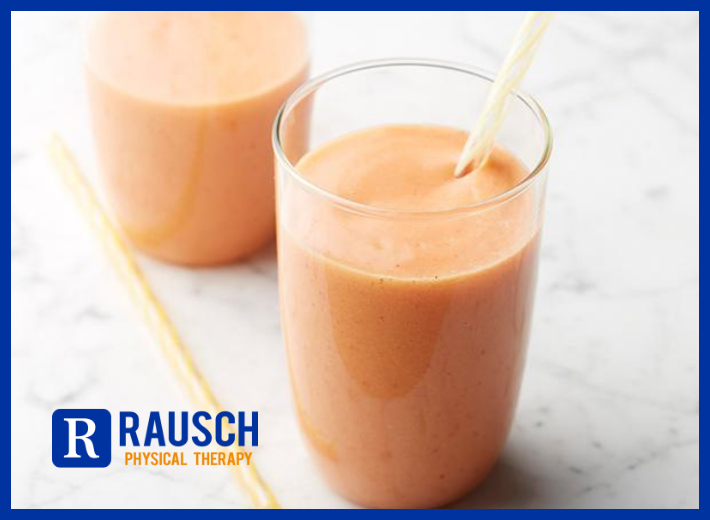
What comes to your mind when you think of a healthy snack? You probably thought of fruits, yogurt, and cereal bars, right? So it’s time for you to try something new. Smoothies are refreshing, easy to prepare, versatile, and nutritious. Check out Dr. Danielle’s secret smoothie recipes to inspire your next break.

By: Dr. Danielle Fleming

In my opinion, any time is a perfect time to whip up some smoothies (or bowls) for a cooling delicious meal, snack, or dessert.

Smoothies are great in many ways. Yes, they can be cool and refreshing (although I’ve been known to eat them in winter months, too), and they are extremely versatile. You can throw whatever you want in a blender, really! Smoothies can also be helpful for sneaking in plenty of fruits and vegetables and protein, and for gaining or losing weight depending on how you prepare them! They are also easy to meal prep, they’re portable, and they may be easier on your digestive system vs. solid foods. Frozen fruits and veggies are great, and affordable options for your smoothies!

As I mentioned, feel free to experiment with your smoothie recipes! The ones I have here are just some frameworks for ones I like! I also like to add protein powder to my smoothies (some of my favorites are Nuzest. Truvani, and Orgain).

Keep in mind, to keep the sugars (carbs) from fruits in check, balance with veggies! You can of course do all veggie smoothies, too!

  • Acerola Cherry & Peach

    1. 1 frozen acerola cherry puree packet (can be found at grocery stores like Trader Joe’s)
    2. 1 cup frozen peaches
    3. ½ frozen banana (frozen into coins is easier to blend, or fresh + ice cubes)
    4. 1 cup frozen riced cauliflower
    5. 1 scoop protein powder (I like vanilla)
    6. 1 tablespoon flaxseed
    7. Liquid (plant milk, water, etc.) as needed for consistency
  • Berry Berry Green

    1. 1 cup frozen blueberries
    2. 1 frozen acai puree packet (or sub with 1 cup frozen raspberries)
    3. ½ cup frozen blackberries
    4. Big handful(s) of dark greens like kale or spinach
    5. 1 scoop of protein powder
    6. 1 tablespoon chia seeds
    7. Liquid as needed for consistency
  • Sunny Orange

    1. 1 frozen orange (peel, dice, freeze)
    2. 1 cup frozen papaya (peel, dice, freeze)
    3. ½ cup frozen pineapple
    4. 1-2 cups frozen riced cauliflower
    5. ½ cup frozen sweet potato (steamed, diced, frozen)
    6. 1 tablespoon hemp seeds
    7. Liquid as needed for consistency
  • Veg’d Out

    1. Handful spinach (can be chopped, frozen, or fresh)
    2. Handful kale (can be chopped, frozen, or fresh)
    3. 1 teaspoon green spirulina
    4. 1 cup frozen cucumber
    5. 1 cup frozen cauliflower
    6. A scoop of protein powder
    7. 1 tablespoon nut butter (choose raw versions — I like almond butter or Sunbutter)
    8. Liquid as needed for consistency
    9. *If you want some fruit, green apple, banana, or pineapple would go well!

For all of these, just throw in a blender and blast until smooth! 

Comment on some of your favorite smoothie experiments!

Disclaimer — All the information that you find on our blogs and social media pages is for informational purposes only and is not intended to be used as your personal professional diagnosis, or treatment. Come and see us for your excellent, personalized care! https://staging.rauschpt.net/


Dr. Danielle Fleming, PT, DPT, CSCS, Pn1

daniellef@rauschpt.net 

Dr. Danielle, our “Wellness PT” is a certified nutrition and wellness coach, and promotes a holistic approach to health. Let’s talk! We are here to help. Give us a call at (949) 276-5401 for a complimentary consultation. We would love to meet you.

There’s no prescription needed from a doctor to see us, but we will communicate your progress and treatment to your doctor — if you’d like us too! 

Blue Zones

If living a happier and healthier life in 2022 was one of your New Year’s resolutions, this article is for you! Dr. Danielle Fleming has gathered life-hacks shared by the people from the healthiest areas of the world.

By: Dr. Danielle Fleming

History of Blue Zones – Blue Zones

Have you heard people talk about Blue Zone populations? Wondering what and where they are, and what makes them so special?! I have answers!

Blue Zones is a trademarked term – dubbed by Dan Buettner – identifying world regions with the longest-living, healthiest populations. These are the populations with the most centenarians. People here tend to live happier, more fulfilled lives, too. Yay! 

There are five Blue Zones around the world: Okinawa, Japan; Loma Linda, California, USA; Sardinia, Italy; Icaria, Greece; and Nicoya, Costa Rica. Dan and his team found that people in these areas share several common lifestyle factors that contribute to their longevity and health. 

These 9 common factors are:

  1. Moving naturally and often 
  2. Knowing their purpose in life
  3. “Down shifting” i.e. de-stressing activities 
  4. 80% rule (stop eating at 80% full and don’t eat late at night)
  5. Plant-based diets with minimal meat
  6. Light-moderate wine drinking frequently (but not heavy binging)
  7. Belonging to any kind of faith-based community
  8. Prioritizing family ties
  9. Being surrounded by the right people that promote healthy lifestyles

I’m sure many of us want to live long, thriving lives in every aspect (thriving vs surviving). Drawing inspiration from the Blue Zone populations could help us do that, so knowing and implementing these factors is a first step! 

Think about which ones you need more of in your life, and actions to take based on that.

Like for me, I am working on surrounding myself (and BEING ONE) with people that promote the lifestyle and goals I am looking for (#9) so I can #levelup and continue to grow.

Additionally, The Blue Zones organization has lead to further research and movements related to promoting health and longevity. For example, my friends gifted me The Blue Zones Kitchen cookbook (I need to utilize it more!), which contains all kinds of healthy recipes based off of the research around what people in the Blue Zones typically eat. My friends made me the Minestrone Soup from Sardinia (enjoyed with red wine) and…BAM!

Let’s point out some of these recipes – you may find some new faves or get the book yourself for more!

Sardinia:

  • Minestrone 3 Ways – Minestrone with Fennel and Wild Garlic
    Beans, chickpeas, fava beans, lentils, potatoes, onion, celery, garlic, fennel, pasta, chard, squash, tomatoes
  • Cabbage and Sun-Dried Tomato Saute
    Sun-dried tomatoes, cabbage, green onions, sweet onion, EVOO
  • Spaghetti with Walnut Pesto
    Walnuts, spaghetti, garlic, parsley, EVOO, salt
  • Sardinian-Style Pizza
    Garlic, EVOO, tomatoes, basil, veggie broth, pane carasau bread (or pitas), optional pecorino cheese

Okinawa: 

  • Sweet and Spicy Carrot Medley
    Carrots, onion, sesame oil, dashi or veggie broth, chili paste or red pepper flakes, mirin
  • Sweet Potato and Onion Hash
    White sweet potatoes, onion, carrots, oil, dashi broth, scallions, soy sauce
  • Iced Banapple Tumeric Smoothie
    Banana, apple, turmeric, soy milk, ice
  • Savory Rice Porridge
    White rice, miso, dark green leafy greens, dashi broth

Nicoya:

  • Veggie Hash with Corn and Onions
    Chayote squash, corn, red or yellow peppers, onion, cilantro, celery, garlic, cilantro coyote, achiote paste
  • Fried Green Plantains
    Plantains, veggie oil
  • Bean Soup Three Ways – Black Bean and Potato Soup
    Chayote squash, carrot, potatoes, culantro coyote, onion, garlic, veggie stock, black beans
  • Horchata:
    Rice, water, cinnamon, nutmeg, sugar

Icaria:

  • Winter Potato Salad
    Potatoes, dill, EVOO, red wine vinegar, arugula, spinach, onion, romaine, radish
  • Hummus With Parsley
    Chickpeas, garlic, EVOO, red wine vinegar, parsley
  • Honey Cookies
    Orange juice, honey, lemon, vanilla, cognac/rum, EVOO, flour, cloves, cinnamon, nutmeg
  • Tomato Pasta Soup
    Veggie broth, tomato, tomato sauce, EVOO, orzo/pasta

Loma Linda:

  • Longevity Smoothie Bowl
    Almond milk, banana, blue/blackberries, kale, spinach, almond butter, flax, turmeric, cinnamon – toppings!
  • Quick Cornbread
    Flax, cornmeal, flour, soy milk, applesauce, oil, maple syrup, vanilla, corn
  • Veggie No-Meat Balls
    Chickpeas, garlic, bread crumbs, oregano, basil, spices
  • Coconut Chia Pudding
    Coconut cream, coconut milk, agave, lemon zest, chia seeds

Which ones sound good to you?! I know healthy cookies, pizza, and horchata sound YUMMY to me! Share with your buddies and get cooking!

Disclaimer — All the information that you find on our blogs and social media pages is for informational purposes only and is not intended to be used as your personal professional diagnosis, or treatment. Come and see us for your excellent, personalized care! https://staging.rauschpt.net/


Reference:

History of Blue Zones – Blue Zones

The Blue Zones Kitchen: 100 Recipes to Live to 100 – Dan Buettner 

Dr. Danielle Fleming, PT, DPT, CSCS, Pn1

daniellef@rauschpt.net 

Dr. Danielle, our “Wellness PT” is a certified nutrition and wellness coach, and promotes a holistic approach to health. Let’s talk! We are here to help. Give us a call for a complimentary consultation. We would love to meet you.

Did you know there’s no prescription needed from a doctor to see us – but we will communicate your progress and treatment to your doctor if you’d like us too! 

(949) 276-5401

A Deeper Look into The Effects of Body Tempering

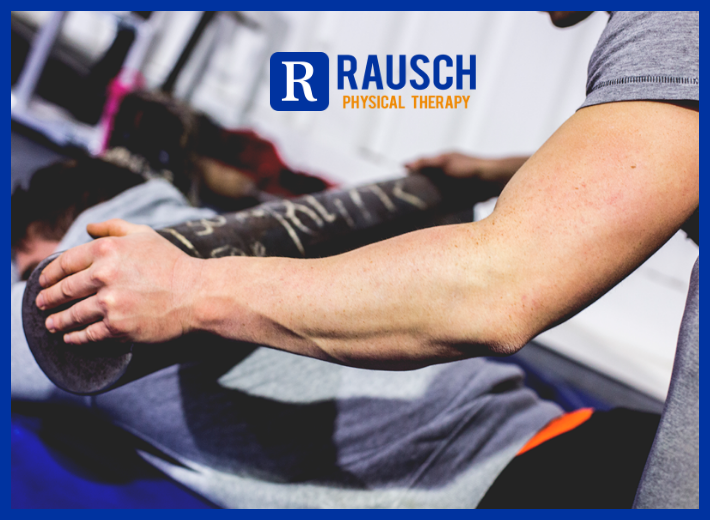
Body tempering is an emerging method of myofascial treatment that involves applying a weighted steel cylinder to a muscle group to manipulate the tissue passively under the device. Unlike foam rolling, which is an active process, body tempering is passive, allowing the client to relax and, by knowing the mass of the device in use, the pressure can be controlled and consistent. 

Laguna Niguel PT Dr. Patrick conducted a comprehensive study to scientifically explore the additional benefits of body tempering on soreness, range of motion (ROM), vertical jump performance, and maximal strength in D1 football players — and his efforts, process, and data are recently published!

The premise of the study:

There has been limited research to explore the use of body tempering and when the use of this modality would be most appropriate. This study aimed to determine if a body tempering intervention would be appropriate pre-exercise by examining its effects on perceived soreness, range of motion (ROM), and force production compared to an intervention of traditional stretching.

The subjects for this study were ten Division 1 (D1) football linemen from Sacred Heart University (Age: 19.9 ± 1.5 years, body mass: 130.9 ± 12.0 kg, height: 188.4 ± 5.1 cm, training age: 8.0 ± 3.5 years). Subjects participated in three sessions with the first session being baseline testing. The second and third sessions involved the participants being randomized to receive either the body tempering or stretching intervention for the second session and then receiving the other intervention the final week. Soreness using a visual analog scale (VAS), ROM, counter movement jump (CMJ) peak force and jump height, static jump (SJ) peak force and jump height, and isometric mid-thigh pull max force production were assessed.

The results of the study concluded that body tempering does not have a negative effect on muscle performance but did practically reduce perceived muscle soreness. Since body tempering is effective at reducing soreness in athletes, it can be recommended for athletes as part of their pre-exercise warmup without negatively affecting isometric or dynamic force production.

Have a further look at this fantastic accomplishment and valuable information here: https://www.mdpi.com/2411-5142/7/1/9/htm

The entire team at Rausch Physical Therapy is committed to providing the best patient care, and we will explore the most effective methods of treatment ourselves to ensure we deliver! Come and see us for outstanding personalized care to improve your health and well-being! Call us today at (949) 276-5401 or visit our Facebook page here.

Power Training for Older Adults

One of the main issues facing older adults is balance. Falling — or fear of falling — can lead to activity avoidance, ultimately resulting in a loss of function and independence. Power training is an indispensable and often underutilized training method for older adults.

Power is strength multiplied by speed. Strength is an important focus, though if your foot is not fast enough to get into position to maintain your balance, then it doesn’t matter how strong you are. The opposite is also true; if you can move your foot fast enough to increase your base of support, but do not have the strength to keep yourself up, then a fall is likely.

A combination of strength and speed training is vital for staying upright and remaining functional. Talk to a physical therapist today if you feel unsteady or are fearful of falling.

Rausch Physical Therapy remains your caring team and can accommodate you with a specific, personalized plan that suits your needs and goals. Visit our Facebook page or call us at (949) 276-5401. 

Riding is a Pain in the Neck

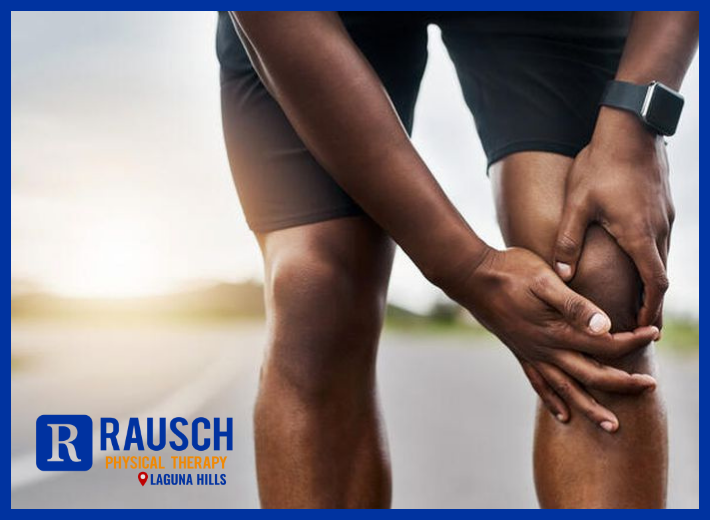
Do you have neck pain while riding your bike? You are not alone. Neck pain has plagued many bike riders.

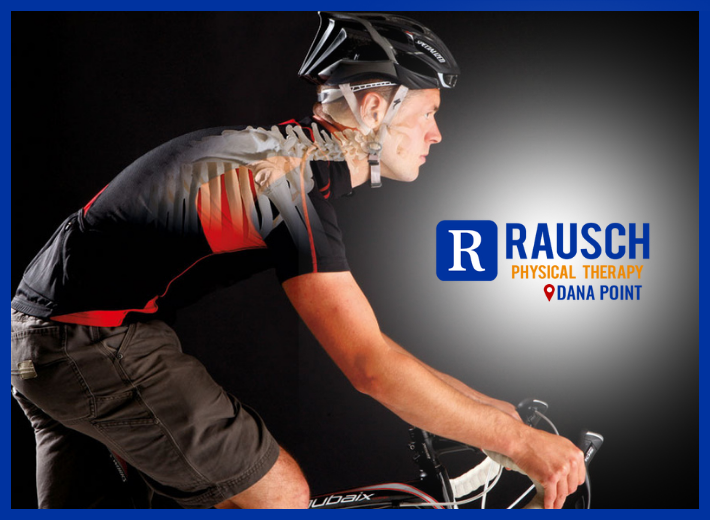
While you are sitting in a chair and reading this blog article (with what I assume is good posture: sitting tall, shoulders back and head up), all the weight from your head, which is about as much as a bowling ball, is being translated down and balancing on the bones in your cervical spine. The muscles are just chilling, and there is no significant muscle contraction going on. Now imagine sitting on a bike. You lean forward to the reach for the handlebars. Your thoracic and lumbar spine round, and your shoulders flex and internally rotate. As you lean forward, so does the weight of your head, putting your neck in a more diagonal position which means that the weight of your head is no longer providing a direct axial or downward load through your cervical spine. Instead, the muscles in the back of your mid and lower neck are supporting your head. The upper part of your neck is responsible for holding your head up to see the road. These are suboccipital muscles, and they attach from the base of your skull to the top of your neck. The more your thoracic and lumbar spine round or lean forward, the more your neck must extend to lift your head. So, the lower or more drop arm the handlebars are the neck must compensate. For example, a tri or road bike will need more neck extension than a mountain bike or townie bike due to handlebar position.

When discussing the different subtypes of riding, there is also a component of time that needs addressing. A roadie or triathlete will be in a long-duration forward head posture while riding, whereas mountain biking is more dynamic and is only in the forward head posture for climbs. No matter which bike or bike activity you choose, forward head posture is a disadvantageous position of the muscles; the longer they hold, the more fatigued and overworked the muscles will become, leading to a greater chance of developing neck pain.

To increase your time on the bike with less neck pain, here are some exercises to help strengthen and improve your neck mobility and endurance.

  1. Suboccipital release: tape two tennis balls or lacrosse balls together and roll out your suboccipitals for about 2 min. Avoid the spine!
  2. Neck stretches: it is vital to maintain the mobility of the neck.
  3. Chin tucks: laying on your back with a pillow under the back of your head. Imagine a string from the top of the head pulling up, causing your chin to nod (think of making a double chin). Hold for 5-10 seconds and then repeat ten times. Once you have mastered the chin tuck, you can perform it in sitting, standing, or quadruped to make it more challenging and sports-specific.
  4. Chin tuck with rotation: perform a basic chin tuck and then slowly rotate the head to look over one shoulder and then the other. Keep that chin tucked the whole time — this will open up the joints in the neck and improve mobility.
  5. T/S extensions and doorway pec stretch: due to the flexed or rounded posture of the bike, t/s openers and chest openers are clutch. These all-around exercises will help your posture and keep you balanced.

Rausch PT professionals have the skill and expertise you need to improve and restore function and get you pain-free — with no prescription from a doctor required. Call our experts today at (949) 276-5401 and make an appointment. We would also love to have you join our Facebook community where you can get health and wellness updates and learn about what we have to offer ongoing!

7 Easy Ways Runners Actually Make Their Morning Workouts Happen

When it comes to exercise, the best time of day to get in a workout session is one time when you can get it done with any kind of consistency. The “right” time depends on factors like your preference, lifestyle, and body (and kids and work — they fall into that ‘lifestyle’ category, but they really could have their own!!). While there isn’t a one-size-fits-all answer, an early morning workout offers numerous benefits, both to your health and to your daily schedule. Let’s look at the potential perks of an early sweat session.

Runners who regularly log their miles before the sun rises may seem super motivated, super disciplined, and super human.

In reality though, most of the time they’ve just found that special sauce that makes morning workouts doable. But how? According to the a.m. runners below, there are a few things you can do to up your odds of making those sunrise sweat sessions happen.

Read on for 7 tips to motivate your own morning runs.

1. Get seriously psyched

“Get excited for life! Leap out of bed! The world is waiting! I find that if you approach your day with open energy, you’ll see how the day meets you back,” says Olivia Young, owner of Box+Flow fitness studio in New York City. “I prefer lacing up my sneakers and taking on the world while everyone else is sleeping. I get a head-start on my day, and I feel free. Remember, the only thing stopping you is you. So change that, and go.”

2. Stop telling yourself you’re too tired

“When my alarm goes off, all I can think about is resetting [it] to sleep just a little more before I go to work—which would cause me to either significantly shorten or entirely skip an early morning run,” says Emily Saul, co-leader of the November Project Boston. “So I remind myself that that small amount of sleep is not going to make me bright-eyed and refreshed! But I know for certain that starting my day with a run will make me feel more alive, awake, and ready to take on my day.”

3. Consider how the rest of your day will go

“Getting up and out of my nice, warm bed each morning to run is definitely hard,” admits Janae Baron, AKA Hungry Runner Girl. “So I remind myself that by going out for a run and doing the hard thing, my entire day will actually be a lot easier. I’m more patient with my kids, I have more energy, I feel happier, and I get in some much-needed alone time. Just knowing I’ll feel better the entire day if I get up and work out motivates me to get out there and work hard toward my goals.”

4. Change “have to” to “get to”

“Watching the day come to life is a moment most people don’t get to experience when they’re cozy in their beds,” says Saul. “And yeah, sometimes I just don’t want to. I don’t pretend I do want to—I remind myself that wanting to and choosing to are independent experiences. On the days I’ve planned to run and my alarm goes off and I just don’t want to run, I acknowledge the statement, let go of the judgment that creeps in, and shift my perspective. I don’t have to go running, and I may not want to, but I can. I get to. Running is a privilege not to take for granted.”

5. Plan, plan, plan

“I plan everything the night before,” explains Bianna Golodryga, CBS News correspondent and CNN contributor. “I check the weather forecast and I lay out my clothes accordingly so they’re easily accessible and my charged, wireless headphones out so they, too, are quick to find and put on. I’m a huge fan of podcasts, so I mentally pick the ones I plan on listening to, depending on the distance I’m running that morning. Finally, I set my alarm 10 to 15 minutes early so I can afford myself a few minutes of snooze time before I get up.”

6. Remember your why

“It’s important for me to think about why I run, and when I don’t feel like getting out there, my why helps to motivate me,” Baron says. “I also love having a coach that sends me my workouts each week. Knowing that I have somebody to report back to about getting out there and running each morning makes jumping out of bed a lot easier.” 

7. Buddy up

“I never skip the workouts I’ve agreed to do with someone,” says Saul. “When I know my friend is getting up, too, I find it easier to just commit to getting up and showing up. At November Project, we call these people our ‘accountabilibuddies’—and they work!”

Push your limits and elevate your performance  — and eliminate pain while increasing mobility — with a customized physical therapy program.  Let us help you perfect your form and increase your performance. Contact our experts today at (949) 597-0007 and join our Facebook community here. Remember — you don’t need a doctor’s prescription to see us!


Reference: [https://www.wellandgood.com/breakfast-on-the-go-walmart/]

How To Avoid Exercise Injuries

If you’re one of the many who have made a goal to live life with less pain (aka — all of us!), we’re here to encourage you to choose physical therapy! PT can get you on the path to functioning better and to a higher quality of life while helping you reach some important goals. Here, we bring you some tips on how to avoid exercise injuries. With a little planning, you can stay safe during your activities and start the new year pain-free. Come and see us to learn first-hand how to avoid repetition injuries and maintain excellent form. No prescription is needed — AND we are a super fun group to get healthy with!

Regular exercise is good for your body and safe for most everyone. However, with any type of activity, there is a chance you can get hurt. Exercise injuries can range from strains and sprains to back pain.

With a little planning, you can prevent injury and stay safe during exercise.

What Causes Exercise Injuries?

Some of the most common causes of exercise injuries include:

  • Exercising before your body has warmed up
  • Repeating the same motion over and over again
  • Not having proper form for your exercise
  • Not resting in between workouts
  • Pushing your body too hard or too quickly
  • Doing an exercise that is too strenuous for your level of fitness
  • Not using proper equipment

Warm up and Cool Down

Warming up before exercise gets your blood flowing, warms up your muscles, and helps you avoid injury. The easiest way to warm up is to exercise slowly for the first few minutes, then pick up the pace. For example, before running, walk briskly for 5 to 10 minutes.

You should also cool down after exercise to bring your heart rate and body temperature back to normal. Cool down by ending your routine at a slower pace for the last 5 to 10 minutes.

To Stretch or not to Stretch

To stay flexible, you should stretch at least 2 times a week. But it is unclear whether stretching really helps reduce injury.

You can stretch either after you have warmed up or after you exercise.

  • Do not stretch cold muscles.
  • Hold stretches for no longer than 15 to 30 seconds.
  • Do not bounce.

Choose Your Exercise Wisely


If you have not been active, or have a health condition, talk with your health care provider to make sure you are healthy enough for exercise. Ask what types of exercise might be best for you.

If you are new to exercise, you may want to start with low-intensity options such as:

  • Walking
  • Swimming
  • Riding a stationary bike
  • Golf

These types of exercise are less likely to cause injury than higher-impact activities like running or aerobics. Contact sports like soccer or basketball are also more likely to cause injury.

Use the Right Equipment

Using safety equipment can greatly reduce your risk of injury.

Safety equipment for your sport may include:

  • Footwear
  • Helmets
  • Mouth guards
  • Goggles
  • Shin guards or other protective guards
  • Kneepads

Be sure you use the right type of equipment for your sport. For example, do not play tennis in running shoes. Wear a ski helmet, not a bike helmet, when downhill skiing.

Make sure your exercise equipment:

  • Fits you properly
  • Is the right design for your sport or activity
  • Is in good working condition
  • Is used correctly and consistently

Learn Good Form

If you are new to an exercise or sport, consider taking lessons to learn the basics. Learning the right way to do an exercise or sport can help prevent injury. Look for lessons in your community or through sports or outdoors organizations. You can also consider hiring a personal trainer.

Cross Train

To help prevent overuse injuries, vary your workouts. For example, instead of running 3 days a week, cycle 1 day and run 2. You will use a different set of muscles, and still get a good workout.

Listen to Your Body

Forget the old saying “no pain, no gain.” Of course, to build strength and stamina, you will need to push your body. The key is to push slowly and gradually. You can expect sore muscles after your workout. But you should never feel pain when exercising. If you feel pain, stop right away.

Being tired all the time can also be a sign that you may be overdoing it. In general, avoid increasing these 3 things all at the same time:

  • Number of days you exercise
  • Length of time you exercise
  • How hard you work out

If you do have an injury, you can try to treat strains and sprains at home.

When to Call the Doctor

Call your provider for any muscle or joint pain that does not go away after self-care.

Go to the hospital right away or call 911 or the local emergency number if:

  • You have chest pain during or after exercise.
  • You think you have a broken bone.
  • The joint appears out of position.
  • You have a serious injury or severe pain or bleeding.
  • You hear a popping sound and have immediate problems using the joint.

2022 is the year to push your limits and elevate your performance with a customized physical therapy program. Let us help you perfect your form and increase performance. Contact our experts today at (949) 597-0007 and join our Facebook community here.


Reference:[https://medlineplus.gov/ency/patientinstructions/000859.htm]

New Year’s Resolutions for Runners

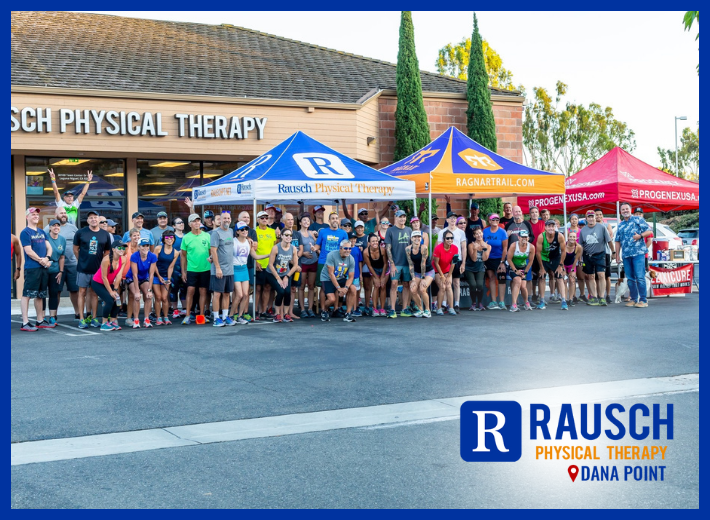
Want to become a better runner in the new year? Of course you do—and we could all use a refresh after a tough 2021. Tens of millions of people made resolutions this year, many of them centered around health and well-being. Let’s use some of the tactics below to help you stick to your resolutions to run more. And when you’re ready, if you’re in OC we offer the BEST running group in OC! 🏃🏃‍♀️ We sure hope you can come out and join us any Tuesday. On every last Tuesday of the month, we offer free pizza and beer! All paces, all abilities are welcome. Let’s gooooo!!! 

We meet every Tuesday, at 6 pm, at 30100 Town Center Dr, Y/Z,  Laguna Niguel, CA 92677.

Now — back to those tips…..

1. Enter a Race

This is an obvious one but there’s nothing like a date in your diary and a bit of money forked out on entry fee/travel arrangements to keep you committed to your training. It could be your first race or an attempt to get faster over a distance you’ve raced many times before.

2. Set a Target

Maybe you ran a marathon in 4:10 last year, now you can start planning for the sub-4. Maybe you just want to make the club’s A-team for a relay. Giving yourself a target to aim for can give a little extra motivation in training, and produce an even bigger smile at the finish line knowing all of your hard training paid off!

3. Try Something New


It’s good to have something challenging but also fun. If a road 10k or marathon doesn’t appeal to you, look for something different: a triathlon, a hill race or an ultra-marathon. These are all gaining in popularity and cater for all levels of abilities. If you don’t enjoy running races, then try some new running routes and terrains for variety.

4. Think Laterally

Your goal could simply be to add new elements into your training. All runners can benefit from core stability or other strengthening work. If you’re curious about barefoot or minimalist running, maybe now is a good time to start incorporating a barefoot session into your training program. For more tips on this, see our section on barefoot running.

5. Work On Your Weaknesses

Do you always struggle on hills, get overtaken in a sprint finish, or struggle to maintain your pace over the second half of a race? Identify your weak point and work on it in training.

6. It’s Not All About You!

Make it your project to encourage someone else to run this year. Running is such an accessible way of keeping fit that excuses soon run out! Some people just need a little gentle encouragement, and it can be just as fulfilling to see a friend run their first 5k as it was to run your own first race.

7. Be Realistic

When setting running goals, consider what else is going on in your life in terms of work, family and other commitments. Assess how much time you have available for training and set your goals accordingly. Equally, be prepared to re-adjust your goals if things aren’t going to plan.

8. Dare to Dream

This might slightly contradict the previous point, but sometimes you just have to think BIG. We all need challenges and there’s nothing wrong with setting yourself an ambitious target. It will give you an extra incentive to push harder in training and get the most out of yourself.

Ready to get to your best performance in 2022? Physical therapy prepares your body for whatever it is you want to try next. Let us help you boost your performance while preventing injury.  Come meet our team! (949) 276-5401. Check out our Facebook page here. But also come join our Tuesday Night Run group here!


Reference: [https://www.runandbecome.com/running-training-advice/new-years-resolutions-for-runners]

What To Know About Exercise And How To Start

January is a great month to start exercising and sticking to it. This is the year, darn it! Figuring out how to start a workout regime, however, can be a challenge. A significant part of staying healthy and strong is keeping physically active. An exercise program should be a regular activity when it comes to maintaining your general health. Learn more about exercising and how to get started. Remember; we are here to help and support — especially as it relates to making sure your exercise journey is pain-free! 

Exercise involves engaging in physical activity and increasing the heart rate beyond resting levels. It is an important part of preserving physical and mental health.

Whether people engage in light exercise, such as going for a walk, or high intensity activities, for example, uphill cycling or weight training, regular exercise provides a huge range of benefits for the body and mind.

Taking part in exercise of any intensity every day is essential for preventing a range of diseases and other health issues.

In this article, we explain the different types of exercise and their benefits, as well as the considerations for designing a fitness regime.

Types and benefits

People divide exercise into three broad categories:

  • aerobic
  • anaerobic
  • agility training

We describe each of these categories below.

Aerobic exercise


Aerobic exercise aims to improve how the body uses oxygen. Most aerobic exercise takes place at average levels of intensity over longer periods.

An aerobic exercise session involves warming up, exercising for at least 20 minutes, and then cooling down. Aerobic exercise mostly uses large muscle groups.

Aerobic exercise provides the following benefits:

  • improves muscle strength in the lungs, heart, and whole body
  • lowers blood pressure
  • improves circulation and blood flow in the muscles
  • increases the red blood cell count to enhance oxygen transportation
  • reduces the risk of diabetes, stroke, and cardiovascular disease (CVD)
  • improves life expectancy and symptoms for people with coronary artery diseases
  • stimulates bone growth and reduces the risk of osteoporosis when at high intensity
  • improves sleep hygiene
  • enhances stamina by increasing the body’s ability to store energy molecules, such as fats and carbohydrates, within muscle

Anaerobic exercise

Anaerobic exercise does not use oxygen for energy. People use this type of exercise to build power, strength, and muscle mass.

These exercises are high-intensity activities that should last no longer than around 2 minutes. Anaerobic exercises include:

  • weightlifting
  • sprinting
  • intensive and fast skipping with a rope
  • interval training
  • isometrics
  • any rapid burst of intense activity

While all exercise benefits the heart and lungs, anaerobic exercise provides fewer benefits for cardiovascular health than aerobic exercise and uses fewer calories. However, it is more effective than aerobic exercise for building muscle and improving strength.

Increasing muscle mass causes the body to burn more fat, even when resting. Muscle is the most efficient tissue for burning fat in the body.

Agility training

Agility training aims to improve a person’s ability to maintain control while speeding up, slowing down, and changing direction.

In tennis, for example, agility training helps a player maintain control over their court positioning through good recovery after each shot.

People who take part in sports that heavily rely on positioning, coordination, speed, and balance need to engage in agility training regularly.

The following sports are examples of ones that require agility:

  • tennis
  • American football
  • hockey
  • badminton
  • volleyball
  • basketball
  • soccer
  • martial arts
  • boxing
  • wrestling

Stretching and flexibility


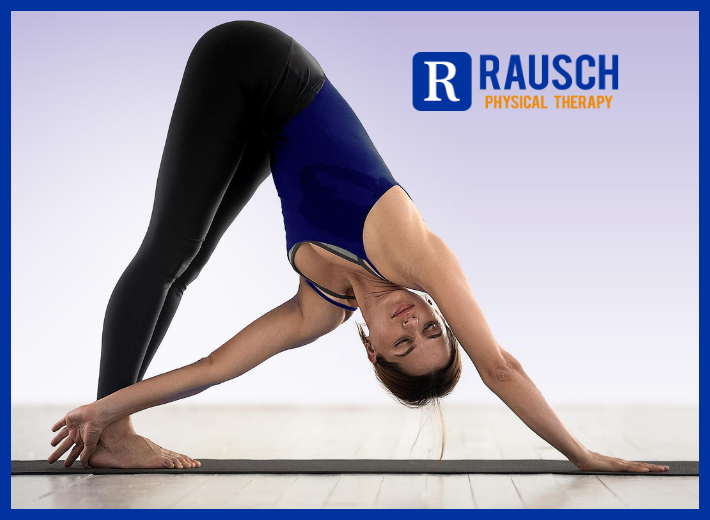
Some exercises combine stretching, muscle conditioning, and balance training. A popular and effective example is yoga.

Yoga movements improve balance, flexibility, posture, and circulation.

The practice originated in India thousands of years ago and aims to unify the mind, body, and spirit. Modern yoga uses a combination of meditation, posture, and breathing exercises to achieve the same goals.

A yoga practitioner can tailor a course for individual needs.

A person looking to manage arthritis might need gentle stretches to improve mobility and function. Someone with depression, on the other hand, may need more emphasis on the relaxation and deep breathing elements of yoga.

Pilates is another stretching option that promotes flexibility and core strength. Tai chi is also an effective option for exercise that promotes calm stretching rather than intensity.

Rausch PT professionals have the skill and expertise you need to correct your posture, decrease pain, and increase mobility. We provide treatments that help improve and restore function and get you pain-free — with no prescription from a doctor required. Call our experts today at (949) 276-5401 and make an appointment. We would also love to have you join our Facebook community where you can get health and wellness updates and learn about what we have to offer ongoing!


Reference: [https://www.medicalnewstoday.com/articles/153390]