

Recovering from an Achilles injury is no walk in the park. The Achilles is the largest tendon in your body. It helps you walk, run, jump, and move your foot in every direction. So if you injure or tear it, you won’t be able to do much of anything for a while. But Rausch PT is ready to help! With our tips below and a special program to get you moving again as soon as possible! We can also support your recovery with Rx Massage!
Achilles tendon injuries may not be very common in the general population, but if you frequently engage in sports and other recreational activities, the risk of rupturing your Achilles tendon is very real.
In fact, research suggests that more than 80% of Achilles tendon ruptures happen in people who engage in sports or active hobbies.
But what exactly is the role of your Achilles tendon, and what happens when you tear or rupture it? Here, we share what you need to know about this sports-related injury, including symptoms, diagnosis, and treatment.
Why is the Achilles tendon important?
A tendon is a type of connective tissue that attaches muscles to bones (or sometimes to other organs or structures). When you contract your muscles, your tendons transfer this mechanical force to your bones, allowing them to move. Tendons are a key part of the complex system that allows your body to move.
So, what kind of movement does your Achilles tendon help you do? Well, it attaches your lower calf muscle to your heel bone, which allows for plantar flexion — downward movement of your foot. Your Achilles tendon is why you can do things like stand on your toes, walk, jump, and run.
Common causes of a ruptured Achilles tendon
A 2018 study published in the Orthopedic Journal of Sports Medicine found that almost 82% of Achilles tendon ruptures resulted from sports or recreational activities. While the researchers attributed most of these injuries — more than 42% — to playing basketball, other common causes of a ruptured Achilles tendon included:
- football
- soccer
- tennis
- running
- hiking
- stretching
As you can see, many of the sports and activities commonly associated with Achilles tendon injuries involve a lot of lower leg involvement, such as running, jumping, and kicking.
However, other activities can also cause this type of injury. The same study found that common daily activities involving stairs, doors, and even sinks could cause Achilles tendon ruptures in older adults.
Symptoms of a ruptured Achilles tendon
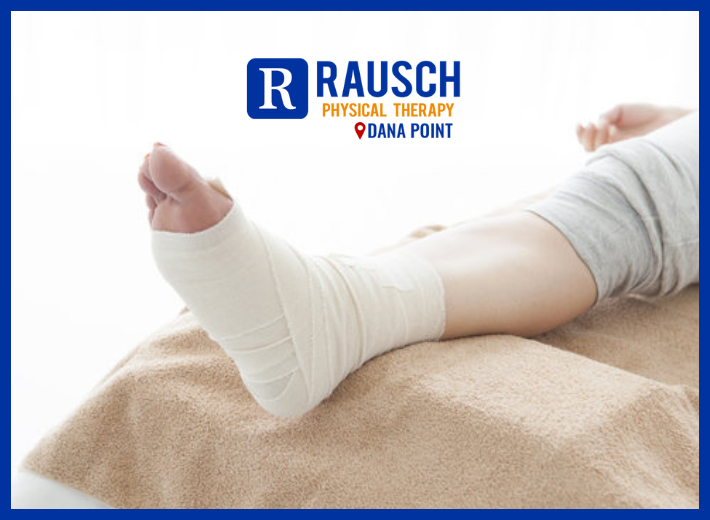
A torn Achilles tendon can cause a handful of symptoms, depending on the extent of the injury. In some people, one of the first symptoms is a “pop” at the back of the ankle, usually accompanied by a sudden sharp pain.
A ruptured Achilles tendon can also cause:
- bruising
- swelling
- changes in the surrounding skin
- difficulty walking
- trouble flexing the toes, especially downward
It’s also possible to have a partial rupture, which is when the Achilles tendon tears only partially. This type of injury may sometimes cause pain but will not necessarily result in significant changes to the movement of the foot or leg.
Treatment options for a ruptured Achilles tendon
Generally, the recommended treatment for a ruptured Achilles tendon depends on the extent of the injury, the risk of complications, and the desired recovery time.
For minor or partial tears, the first approach is usually to apply functional bracing or casting to help reduce the movement in the ankle and allow the tear to heal.
For a fully ruptured Achilles tendon, the initial approach is usually surgery to reconnect the torn tendon, followed by bracing to allow for healing.
The choice of whether to undergo surgery is complex. While bracing alone has a higher rate of re-rupture than surgery, surgery carries a higher risk of infection or skin-related complications. Older adults and people who are less active may opt for immobilization and physical therapy only.
With or without surgery, it’s important to rest your foot and keep your leg elevated during the initial healing process — which means minimal movement or weight-bearing for several weeks. You may be able to use crutches to move around when bed rest is not possible.
Nonsteroidal anti-inflammatory drugs can be helpful for reducing pain while your tendon heals.
As the healing process continues, you will have physical therapy to help restrengthen your muscles and allow them to adjust to movement again.
Recovery timeline for a ruptured Achilles tendon
Everyone’s recovery timeline looks different, but it usually takes 6 to 12 weeks or longer to recover from an initial Achilles tendon rupture. Beyond this, research suggests that it can take up to a year to regain full functionality in the affected tendon.
A small 2018 study explored the potential differences between early and late weight-bearing on recovery in 75 people who had surgery for a ruptured Achilles tendon. The researchers found that the tendon continued to repair itself for up to 6 months after surgery, and full functional recovery occurred almost 12 months after surgery.
Can a ruptured Achilles tendon heal itself?
When you have an Achilles tendon injury, there are generally two options for treatment: immobilization, which involves resting your leg and foot, or surgery with immobilization.
It’s possible to treat minor Achilles tendon ruptures with rest, elevation, and physical therapy, but there are some caveats — the biggest one being that, without surgery, the tendon is more likely to rupture again.
Plus, most people who rupture their Achilles tendon are athletes, and choosing to skip the surgery can mean taking longer to return to sports.
Older adults and less active individuals may be better served by casting or other immobilization techniques, but again, skipping surgery comes with a higher rate of re-rupture. If you’re not sure whether surgery is the right step for you, talk with your doctor about your concerns.
Are treatments for a ruptured Achilles tendon covered by insurance or Medicare?
Most insurance plans, including Medicare, will cover almost all the necessary treatments for a ruptured Achilles tendon.
One recent study found that the average cost of ruptured Achilles tendon treatment consisted of:
- $3,000 to $4,000 for hospitalization
- $300 to $800 for surgeon visits
- upwards of $850 for 24 physical therapy sessions
If you have private insurance, depending on your plan, most of these treatment options should be covered, aside from standard out-of-pocket costs such as deductibles.
If you have Medicare, your plan should cover these treatments, but you may be responsible for more than $800 in out-of-pocket costs, as well as copays, depending on where you choose to get treated.
Frequently asked questions
If you’ve recently ruptured your Achilles tendon, here’s what you may need to know about what to do and what not to do during your recovery.
Can you walk with a ruptured Achilles tendon?
Even if you can still walk with a torn Achilles tendon, you probably should not, at least not at first. In fact, your doctor will likely recommend that you keep all weight off the affected foot and leg for at least the first 1 to 2 weeks — which means absolutely no walking on the injured foot.
How does a ruptured Achilles tendon heal?
A ruptured tendon can heal in one of two ways: with rest (in the case of minor tears) or with the help of surgery. Surgery reconnects the tendon, which then allows the connective tissue to regrow — the same process that happens to the tissue naturally in minor tears.
Does a ruptured Achilles tendon always require surgery?
While a ruptured Achilles tendon doesn’t always require surgery to repair, surgery has some advantages to nonsurgical treatment. Research has shown that surgery can potentially speed up recovery time, shorten needed time off from work, and reduce the risk of re-rupturing the tendon in the future.
Is a ruptured Achilles tendon an emergency?
If you believe you’ve ruptured your Achilles tendon, schedule a visit with a doctor as soon as possible.
If you’re in severe pain or are having trouble walking, consider heading to a hospital emergency department or urgent care center, as they can provide immediate relief and a quick referral to a specialist.
What happens if you don’t repair a torn Achilles tendon?
Without the right treatment, a torn Achilles tendon can heal improperly and cause a number of potential complications, including re-rupture, blood clots, chronic nerve issues, and ongoing pain.
While you may not need surgery, it’s important to consult a healthcare professional to find out the best way to help your body recover.
Regain strength. Reclaim your mobility. Keep doing what you love. Our physical therapy experts will evaluate your injury and customize a treatment plan that fits your needs. Find our team at 949-597-0007 and join our Facebook community here.
Reference: [https://www.healthline.com/health/sports-injuries/ruptured-achilles-tendon]