
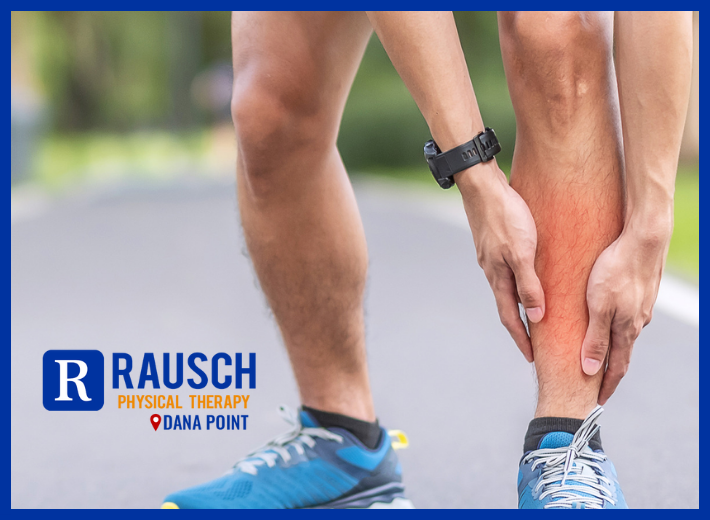
Step Ahead of Shin Splints

Are you an avid runner, dancer, or sports enthusiast who’s been dealing with the frustrating discomfort of shin splints? Don’t worry, you’re not alone. These pesky pains can put a real damper on your active lifestyle. But fear not – we’re here to offer some friendly guidance on how to tackle those shin splints head-on and get back to doing what you love. 

What are shin splints?

Shin splints refer to pain and tenderness along or just behind the large bone in the lower leg (the tibia).

What causes shin splints?

Shin splints most often happen after hard exercise, sports, or repetitive activity. This repetitive action can lead to inflammation of the muscles, tendons, and thin layer of tissue covering the shin bones, causing pain.

What are the symptoms of shin splints?

These are the most common symptoms of shin splints:

  • Pain felt on the front and outside of the shin. It’s first felt when the heel touches the ground during running. In time, pain becomes constant and the shin is painful to the touch.
  • Pain that starts on the inside of the lower leg above the ankle. Pain gets worse when standing on the toes or rolling the ankle inward. As the shin splint progresses, the pain will increase.

The symptoms of shin splints may look like other conditions or medical problems. Always talk with your healthcare provider for a diagnosis.

How are shin splints diagnosed?

Your healthcare provider can most often diagnose shin splints by reviewing your medical history and doing a physical exam. X-rays are often needed.

How are shin splints treated?
Your healthcare provider will figure out the best treatment based on:

  • How old you are
  • Your overall health and medical history
  • How sick you are
  • How well you can handle specific medicines, procedures, or therapies
  • How long the condition is expected to last
  • Your opinion or preference

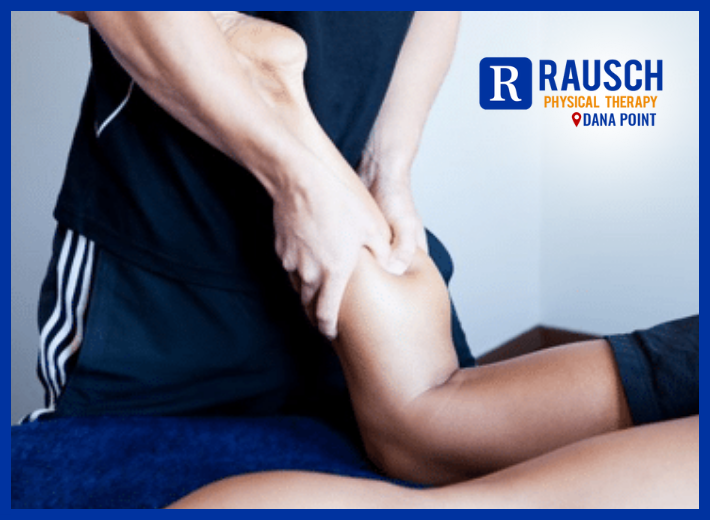
The best course of treatment for shin splints is to stop any activity that’s causing the pain until the injury is healed. Other treatment may include:

  • Stretching exercises
  • Strengthening exercises
  • Cold packs
  • Medicine, such as ibuprofen
  • Running shoes with a stiff heel and special arch support

Can shin splints be prevented?

You may be able to prevent shin splints by wearing good fitting athletic shoes. Also, gradually increase the intensity, duration, and frequency of a new exercise routine. It may also help to switch between high impact activities and low impact activities such as swimming or cycling.

Say goodbye to those bothersome shin splints and welcome pain-free activities! Our team of skilled physical therapists is here to help you regain your stride. Contact us today at 949-597-0007 to schedule your consultation. For more helpful tips and information, follow us on Instagram.


Reference: [https://www.hopkinsmedicine.org/health/conditions-and-diseases/shin-splints]

Jumpstart Your Fitness

Embracing a fitness journey is all about taking steps towards a healthier and more active lifestyle. Plyometric exercises can invigorate your routine and enhance your overall fitness experience. These explosive movements, known for their dynamic and impactful nature, offer various benefits, from increased strength to improved agility. Learn all about this trend.

As a kid, I spent many Saturdays romping around my Florida neighborhood imitating Colonel Steve Austin, better known as The Six Million Dollar Man to avid TV watchers in the 1970s.

The popular show featured a bionic man — half human and half machine — who could jump from three-story buildings, leap over six-foot-high walls, and bolt into a full 60-mile-per-hour sprint. Naturally, these actions occurred in slow motion with an iconic vibrating electronic sound effect.

My own bionic moves involved jumping to pluck oranges from tree branches, hopping over anthills, and leaping across narrow ditches while humming that distinctive sound. I didn’t realize it, but this imitation game taught me the foundations of plyometrics — the popular training routine now used by top athletes to boost strength, power, and agility.

What are plyometrics?

Plyometric training involves short, intense bursts of activity that target fast-twitch muscle fibers in the lower body. These fibers help generate explosive power that increases speed and jumping height.

“Plyometrics are used by competitive athletes who rely on quick, powerful movements, like those in basketball, volleyball, baseball, tennis, and track and field,” says Thomas Newman, lead performance specialist with Harvard-affiliated Mass General Brigham Center for Sports Performance and Research. Plyometrics also can help improve coordination, agility, and flexibility, and offer an excellent heart-pumping workout.

Who can safely try plyometrics?

There are many kinds of plyometric exercises. Most people are familiar with gym plyometrics where people jump onto the top of boxes or over hurdles.

But these are advanced moves and should only be attempted with the assistance of a trainer once you have developed some skills and muscle strength.

Keep in mind that even the beginner plyometrics described in this post can be challenging. If you have had any joint issues, especially in your knees, back, or hips, or any trouble with balance, check with your doctor before doing any plyometric training.

How to maximize effort while minimizing risk of injury

  • Choose a surface with some give. A thick, firm mat (not a thin yoga mat); well-padded, carpeted wood floor; or grass or dirt outside are good choices that absorb some of the impact as you land. Do not jump on tile, concrete, or asphalt surfaces.
  • Aim for just a few inches off the floor to start. The higher you jump, the greater your impact on landing.
  • Bend your legs when you land. Don’t lock your knees.
  • Land softly, and avoid landing only on your heels or the balls of your feet.

Three simple plyometric exercises

Here are three beginner-level exercises to jump-start your plyometric training. (Humming the bionic man sound is optional.)

Side jumps

Stand tall with your feet together. Shift your weight onto your right foot and leap as far as possible to your left, landing with your left foot followed by your right one. Repeat, hopping to your right. That’s one rep.

  • You can hold your arms in front of you or let them swing naturally.
  • Try not to hunch or round your shoulders forward as you jump.
  • To make this exercise easier, hop a shorter distance to the side and stay closer to the floor.

Do five to 15 reps to complete one set. Do one to three sets, resting between each set.

Jump rope

Jumping rope is an effective plyometric exercise because it emphasizes short, quick ground contact time. It also measures the coordination and repeated jump height as you clear the rope.

  • Begin with two minutes of jumping rope, then increase the time or add extra sets.
  • Break it up into 10- to 30-second segments if two minutes is too difficult.
  • If your feet get tangled, pause until you regain your balance and then continue.

An easier option is to go through the motions of jumping rope but without the rope.

Forward hops

Stand tall with your feet together. Bend your knees and jump forward one to two feet. Turn your body around and jump back to the starting position to complete one rep.

  • Let your arms swing naturally during the hop.
  • To make this exercise easier, hop a shorter distance and stay closer to the floor.
  • If you want more of a challenge, hop farther and higher. As this becomes easier to do, try hopping over small hurdles. Begin with something like a stick and then increase the height, such as with books of various thicknesses.

Do five to 10 hops to complete one set. Do one to three sets, resting between each set.

Discover the transformative benefits of plyometric exercises and count on our expert physical therapy team to guide you on a journey of strength, agility, and explosive movement tailored to your unique needs and goals. Schedule your appointment today at 949-597-0007 and start your path to a stronger you. You can follow us on TikTok and Instagram for more inspiration and tips.


Reference: [https://www.health.harvard.edu/blog/plyometrics-three-explosive-exercises-even-beginners-can-try-202308022960]

How to Alleviate Morning Joint Stiffness

Are you tired of waking up feeling like a creaky robot? We’ve all been there! The struggle of dealing with morning stiffness is real, and it can seriously put a damper on your day. But we’ve got your back (and your knees, and your hips!) with some tips to help you say goodbye to those stiff joints and welcome a more vibrant morning routine. 

Rusty old hinges tend to get locked in place if they sit unused for an extended period of time. The same concept applies to your joints.

That’s why your first steps in the morning after hours in bed might seem a bit awkward. The same sensation hits after binge-watching TV shows from the couch or sitting in the car during a long road trip.

So, why do your joints stiffen up like the Tin Man after he’s caught in a downpour? And is there a point when that feeling is a sign of a bigger concern? Rheumatologist Ahmed Elghawy, DO, has your answers.

What causes morning stiffness?

Joints need lubrication to operate smoothly. That’s why you oil or grease a squeaky door hinge.

Your joints come with a natural lubricant known as synovial fluid. This viscous fluid fills the meeting space between bones. The slippery substance allows for smooth movement within your knees, elbows, and other joints.

The more you move around, the more this fluid circulates in your joints to keep everything gliding, says Dr. Elghawy.

But when you rest, that lubricant sits and thickens.

The next time you move around … well, let’s just say that those joints don’t immediately operate quite as efficiently as they did earlier. That resulting “stiff” feeling remains until the fluid thins and starts recirculating.

This phenomenon is sometimes called “morning gel” in reference to how synovial fluid stiffens like gelatin when allowed to rest.

Can ‘morning gel’ signal a joint issue?

Experiencing some joint stiffness after inactivity is natural at any age. But as you get older, the feeling may become more common and linger a little longer given decreases in your synovial fluid.

Still, that creakiness should disappear relatively quickly after you start moving around.

But if that joint stiffness is prolonged, it may signal:

  • Osteoarthritis is the common arthritis people may experience with age. “It tends to become more problematic as people get older,” notes Dr. Elghawy. “The effects can also be accelerated by injuries, too, such as from years of playing sports.”
  • Inflammatory arthritic conditions such as rheumatoid arthritis, psoriatic arthritis, and ankylosing spondylitis involve an overactive immune system.

Determining the cause of longer-lasting stiffness is important — particularly when it comes to autoimmune conditions, which require more specialized care and treatment.

“When joint stiffness lasts for an hour or more, we often suspect an autoimmune disorder,” says Dr. Elghawy. “When we’re talking about a younger person with long-lasting stiffness, that’s another signal that it’s potentially an autoimmune disorder that needs attention.”

If your morning gel is severe and there’s a question about whether it’s rooted in an autoimmune issue, healthcare providers may run blood tests or remove and examine joint fluid to check for inflammatory cells.

How to prevent stiff joints

The best advice here fits just about every health issue. “It’s so important to adopt a healthy lifestyle,” advises Dr. Elghawy. “You can ease many issues with your joints if you watch your weight, exercise regularly, eat a healthy diet, reduce stress and get proper rest.”

Motion is lotion, too, so staying active will help keep your joints lubricated and working efficiently. Physical therapy and targeted exercises can sometimes be used to reduce joint pain and stiffness.

Over-the-counter pain relievers can also sometimes help ease symptoms connected to osteoarthritis. For autoimmune disorders, prescription medications can be used to calm down inflammation.

“But lifestyle changes often make the biggest difference,” says Dr. Elghawy. “Start small and slowly build up to create good habits.”

Let’s reclaim your mobility together! Our expert team of physical therapists is here to help! Whether it’s targeted exercises, manual therapy, or personalized treatment plans, we’ve got the tools to get you moving with ease. Schedule your appointment today at 949-597-0007. For more inspiration and tips, you can follow us on TikTok and Instagram.


Reference: [https://health.clevelandclinic.org/waking-up-stiff-how-morning-gel-can-affect-your-joints-tips-for-relief/]