

Moving from the Couch to Completing a 5K

Are you dreaming of conquering a 5K but the couch seems more inviting? The good news is anyone can bridge the gap from screen time to stride time. With a smart training plan and a little dedication, that 5K finish line can be yours. Have an injury slowing you down or need help with your training? That’s where we come in!

Need a little motivation and structure to ramp up your walking routine? Want to wake up your workouts but not quite ready for a mud run? Consider trying a couch-to-5K program.

Dr. Adam Tenforde, medical director of the Spaulding National Running Center at Harvard-affiliated Spaulding Rehabilitation Network and a sports medicine physician at Mass General Brigham Sports Medicine, shares tips on what to know and do before lacing up your sneakers.

What is a couch-to-5K program?

These free or low-cost coaching plans are designed to help would-be runners train for a 5-kilometer race, which is about 3.1 miles. The programs are available online, or as apps or podcasts. They typically feature timed walking and running intervals that gradually phase out the walking over a period of about nine weeks.

Why try a couch-to-5K program?

“One purpose of a couch-to-5K program is to give you time to acclimate and start to enjoy the benefits of running and the sense of accomplishment of completing a distance safely,” says Dr. Tenforde. Running provides many cardiovascular benefits, such as lower blood pressure and a reduced cholesterol level, as well as an enhanced sense of well-being, he adds.

What’s more, adding even short bursts of running or other vigorous physical activity to a workout — a practice known as high-intensity interval training or HIIT — appears to help improve mental health, according to a study that pooled findings from 58 randomized trials of HIIT.
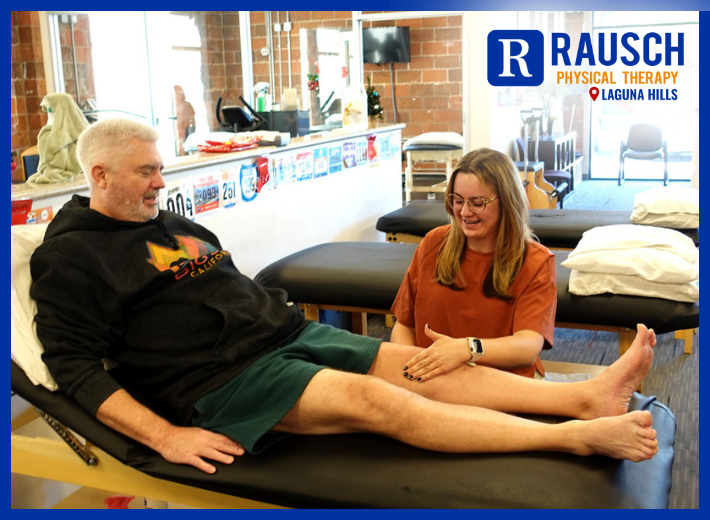
Are you ready to tackle a couch-to-5K?

Even though the couch-to-5K programs sound as though they’re geared for completely sedentary couch potatoes, that’s not necessarily true, Dr. Tenforde cautions. These programs often assume you can walk continuously for 30 minutes, which doesn’t apply to everyone.

For some people, an even easier, more gradual training regimen may be more appropriate. Also, keep in mind that you don’t have to run to do a 5K. Many of these races also encourage walkers to participate as well. You’ll still reap the other rewards from committing to a race, such as being more challenged and motivated — and possibly more connected to your community. Many charitable “fun runs” benefit local schools or needy families. Some are in memory of people affected by illness or tragedy. Visit Running in the USA to find 5K races near you.

What to do before you start

If you’re planning to walk or run your first 5K, get your doctor’s approval before you start training. That’s especially important if you have heart disease or are at risk for it.

Comfortable walking or running shoes are a wise investment. Shoes that are too old or too tight in the toe box can cause or aggravate a bunion, a bony bump at the outer base of the big toe. Despite suggestions that people with flat feet or high arches need specific types of shoes, studies have found that neutral shoes (designed for average feet) work well for almost everyone. Walk or jog around the store when you try them on to make sure they feel good and fit properly.

You don’t need to buy special clothes; regular sweat pants or comfortable shorts and a t-shirt will suffice. Women should consider getting a supportive sports bra, however.

Go slow and steady when training

  • Always include a warm-up and cool-down — a few minutes of slow walking or jogging — with every exercise session.
  • If you haven’t been exercising regularly, start by walking just five or 10 minutes a day, three days a week. Or, if you’re already a regular walker, add some short stints of jogging to each walking session.
  • Gradually add minutes and days over the following four to six weeks.
  • Once you’re up to 30 minutes a day, check how far you’re traveling. Keep increasing your distance every week until you reach 5 kilometers. Then slowly phase in more jogging and less walking over your route if you like.

Remember that you can always repeat a week. You’re less likely to sustain an injury if you make slow, steady progress. Pay close attention to your body and don’t push yourself too much, Dr. Tenforde advises. Former athletes who haven’t run in years may think they can pick up where they left off, but that’s not a smart move — they should also start low and go slow.

For a good couch-to-5K guide, try this beginner’s program from the United Kingdom’s National Health Service.
Train smarter, not harder! Schedule a PT consultation to prevent injuries and reach your running goals. Call us today at 949-276-5401. For more tips, follow us on Instagram.


Reference: [https://www.health.harvard.edu/blog/spring-training-moving-from-couch-to-5k-2019043016504]

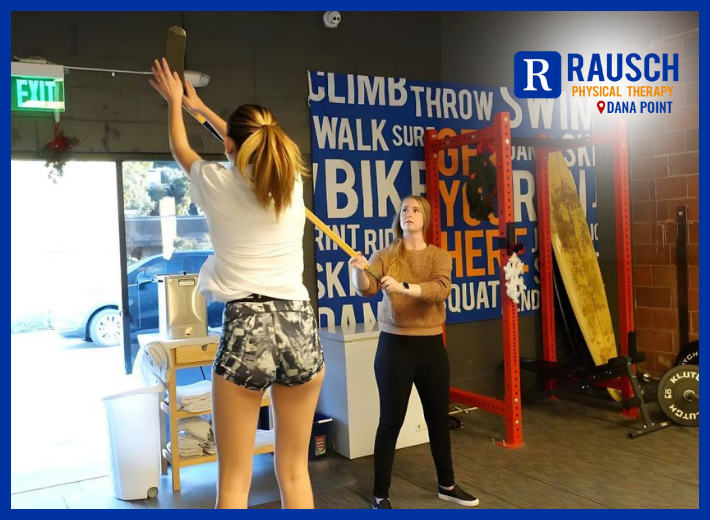
Managing Joint Pain

Feeling a little creaky lately? Don’t let joint discomfort steal your joy of movement! With the help of a skilled physical therapist and some smart strategies, you can keep your body active and feeling fantastic. Let’s explore some positive approaches to staying active and feeling your best, so you can live life to the fullest! Remember that we also offer you the support of StretchFix and RxMassage to help support your best life with enhanced mobility and reduced pain. 

When you’re active or upping your exercise goals, the last thing you want is to be sidelined with joint pain. Joint pain affects people at all stages of life from student athletes to seniors. Pain can be a big barrier to not only maintaining a regular exercise program, but also getting started. These strategies can help keep you active.

Assess where you’re at

A good first step if you want to start a regular routine or up your exercise goals is to check with your primary care provider or see a sports medicine specialist who can assess your overall fitness level, general mobility and if you have current injuries or pain.

They also may conduct a functional movement screening to evaluate how you move and pinpoint specific issues. For example, you may have decreased range of motion in a hip or shoulder, or are stronger on one side than the other. This screening can identify specific rehabilitative exercises that can be done along with your regular exercise program. These exercises help your body move safely, perform exercises correctly, and reduce the risk for injury or make symptoms worse.

These findings will help build a program that’s going to be safe and effective for you and let you exercise as pain-free as possible.

Build a successful exercise routine

Whatever your level of fitness, a good exercise routine should be sustainable. Regular exercise provides a host of health-related benefits, including reducing risk of cardiovascular disease, managing weight, maintaining strength and flexibility, and supporting bone health.

It also should encompass a combination of activities:
  • Cardio, which increases heart rate and improves your overall cardiovascular fitness. This includes vigorous walking, swimming, biking, playing pickleball, or taking a dance or water fitness class.
  • Strength, which builds and strengthen muscles, improves overall function and improves performance in the gym, as well as activities of daily living. Strength activities include weight training, working with resistance bands, climbing stairs and exercises such as pushups, situps and squats.
  • Flexibility, which stretches muscles and ligaments and promotes range of motion. Stretching, yoga, tai chi and Pilates all focus on flexibility.

And finally, regular exercise doesn’t mean just going to the gym, taking a class or following an online exercise program. It also means moving throughout the day, especially to break up periods of sitting. This unstructured exercise may be sweeping the floor, walking in place by your desk or doing some simple stretches when you first get up or before you go to bed.

Customize exercise to you

Sore muscles after exercising, especially if people are new to exercise and working on increasing their activity level, are normal. But sharp or ongoing pain may indicate an injury or chronic problem.

Some points to keep in mind are:

  • Ease your way into a new exercise program. Try not to go from 0 to 100 overnight, since that may increase your risk of injury.
  • Listen to your body. Don’t overdo it. Take a break or tone down your activity for the rest of the day.
  • Keep a small problem small. If you’re feeling recurring pain, get it checked out.
  • Build in time to recover between activity sessions. Our bodies need this time to rebuild and repair.

Another strategy is to work with a physical therapist, sports medicine specialist or trainer to determine the right and wrong way to do an exercise, or strengthen muscles to support a particular movement or joint. For example:

  • If you suffer from low-back pain and are not able to perform a traditional barbell back squat exercise, you could do a modified version: either a split squat (one leg at a time) or rear-foot-elevated squat. These variations target the same muscle groups, but apply external resistance in the form of dumbbells or kettlebells at your side instead of on your back.
  • If you have knee pain, using a reverse lunge or hex-bar squat helps reduces stress on your knees and allows you to target the same muscle groups.
  • If you aren’t able to perform pushups or variations of the bench press without pain in your upper body, switching to a neutral grip position can reduce stress on the shoulder. Make sure to align the arms in a 45-degree angle with your torso to reduce stress on the shoulder and minimize pain.

Working with an exercise specialist can help you develop a plan that is specific to you and your abilities.

When joint pain begins to restrict the activities you love, it’s time to consult with an orthopedic specialist. Together, you’ll map out a plan for treatment to keep you moving and enjoying life. Orthopedic providers have a wide variety of options in their treatment toolbox. These options range from least invasive, such as physical therapy or medications, to more invasive, including injections or surgery. Their goal is to get patients back to the lives they want to lead.

Break down barriers

Joint pain is just one barrier to regular exercise. Others include:

  • Time
    To start and maintain regular exercise, people need to carve time out of their schedules. Recent research shows that even short 5- to 15-minute workouts throughout the day can provide health and fitness benefits. Finding these little pockets of time and a consistent workout can go a long way.
  • Knowing where to start
    Doing an online search for workout programs can yield overwhelming results. Once again, sports medicine specialists can provide guidance toward a program that best fits your goals. The choice of workouts should be ones you enjoy and can stick with.
  • Motivation
    Whether it’s getting started or keeping going, lack of motivation can sink workout resolutions. One successful strategy is to review goals as a reminder of why you want to exercise, whether it’s to keep up with the grandkids, feel better or lose weight.
  • Being realistic
    Build a foundation by setting goals that can be accomplished in small segments, with each building on the next. For example, if you’re just starting, a walk around the block might be a first step, not signing up for a 5K.

The benefits of regular exercise are both physical and mental. Make sure you play the long game when it comes to your exercise program. Find a style of exercise that works for you long-term and that you can incorporate into your daily life.

Don’t let joint pain limit you! Our expert physical therapists can help! Get a customized plan to manage joint pain and stay active. Contact us today at 949-276-5401. You can follow us on TikTok and Instagram for more tips.


Reference: [https://www.mayoclinichealthsystem.org/hometown-health/speaking-of-health/staying-active-with-joint-pain]