Conquer Those Cramps: A PT’s Guide to Relief

Muscle cramps can strike at any time, causing sudden, sharp pain and discomfort. Whether you’re an athlete pushing your limits or simply going about your day, these involuntary contractions can be frustrating. Our PT experts offer prevention strategies, and targeted treatments to help you find relief and regain comfort. Read on to learn more.

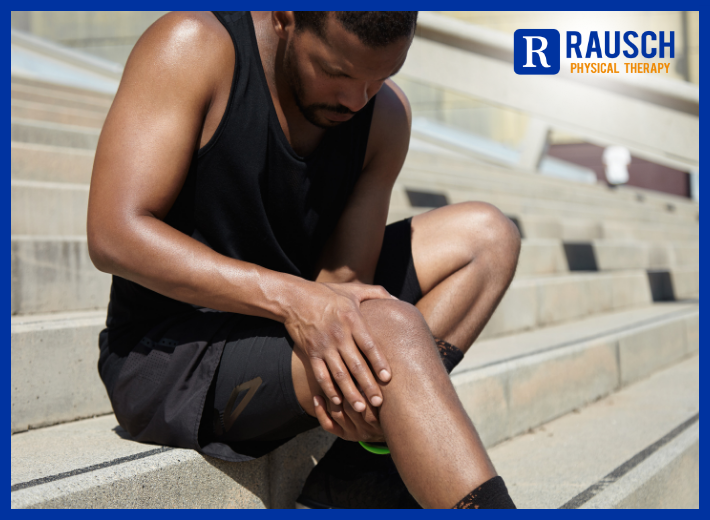
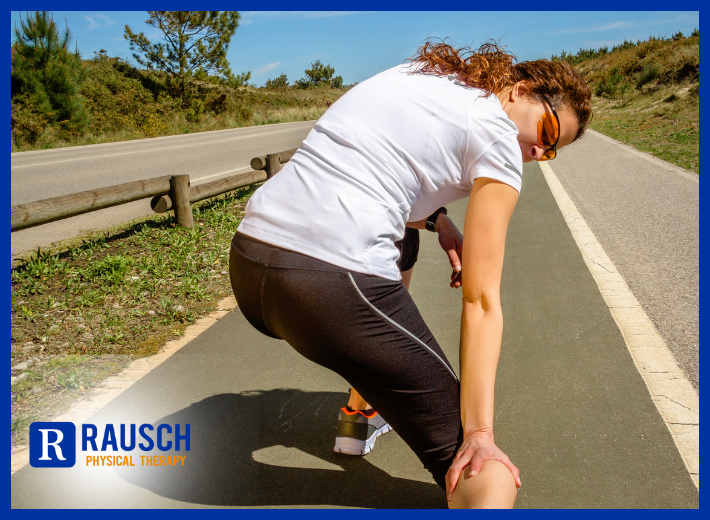
A muscle cramp is a sudden, unexpected tightening of one or more muscles. Sometimes called a charley horse, a muscle cramp can be very painful. Exercising or working hard, especially in heat, can lead to muscle cramps. Some medicines and illnesses also might cause muscle cramps.

Muscle cramps aren’t usually harmful. Self-care measures can treat most muscle cramps.

Symptoms

Muscle cramps occur mostly in leg muscles, most often in the calf. Cramps usually last for seconds to minutes. After the cramp eases, the area might be sore for hours or days.

When to see a doctor

Muscle cramps usually go away on their own. They don’t usually need medical care. However, see a health care provider for cramps that:

  • Cause severe discomfort.
  • Have leg swelling, redness or skin changes.
  • Come with muscle weakness.
  • Happen often.
  • Don’t get better with self-care.

Causes

A muscle cramp can happen after working a muscle too hard or straining it, losing body fluids through sweat or simply holding a position for a long time. Often, however, the cause isn’t known.

Most muscle cramps are harmless. But some might be related to a medical concern, such as:

  • Not enough blood flow. A narrowing of the arteries that bring blood to the legs can cause a cramping pain in the legs and feet during exercise. These cramps usually go away soon after exercise stops.
  • Nerve compression. Pressure on the nerves in the spine also can cause cramping pain in the legs. The pain usually gets worse with walking. Walking bent slightly forward, such as when pushing a shopping cart, might ease cramping.
  • Not enough minerals. Too little potassium, calcium or magnesium in the diet can cause leg cramps. Medicines often prescribed for high blood pressure can cause increased urination, which may drain the body of these minerals.

Risk factors

Factors that might increase the risk of muscle cramps include:

  • Age. Older people lose muscle mass. Then the muscles can’t work as hard and can get stressed more easily.
  • Poor conditioning. Not being in shape for an activity causes muscles to tire more easily.
  • Extreme sweating. Athletes who get tired and sweat a lot while playing sports in warm weather often get muscle cramps.
  • Pregnancy. Muscle cramps are common during pregnancy.
  • Medical issues. Having diabetes or illnesses that involve nerves, liver or thyroid can increase the risk of muscle cramps.
  • Weight. Being overweight can increase the risk of muscle cramps.

Prevention

These steps might help prevent cramps:

  • Drink plenty of liquids every day. Muscles need fluids to work well. During activity, drink liquids regularly. Keep drinking water or other liquids without caffeine or alcohol after the activity.
  • Stretch your muscles. Stretch gently before and after using any muscle for a time. To avoid getting leg cramps at night, stretch before bedtime. Light exercise, such as riding a stationary bicycle for a few minutes before bedtime, also may help prevent cramps while you sleep.

Don’t let muscle cramps interfere with your life. Our physical therapists are experts in identifying and treating the root causes of your pain. We also offer Rx Massage support! Contact us today at 949-276-5401. You can follow us on TikTok and Instagram for more tips and inspo.


Reference: [https://www.mayoclinic.org/diseases-conditions/muscle-cramp/symptoms-causes/syc-20350820]


Benefits of Physical Therapy for Older Adults

As we age, maintaining physical function and independence becomes increasingly important. Physical therapy offers a powerful tool as we age to improve mobility, manage pain, and enhance overall quality of life. Let’s explore how physical therapy can empower older adults to live life to the fullest. Age is just a number, and we’re here to help you keep moving, traveling, working, and playing—enjoying life with enhanced mobility and freedom from pain.

Donna Rice had a nagging pain in her hamstring. At 65, Rice, who lives in Scottsdale, Arizona, had been a runner for more than 40 years. Even when in pain, she didn’t like to stop running. It was key to her social life, sense of well-being, and overall quality of life.She rested, stretched, and got massages – things she thought she was supposed to do. Maybe, she thought, it would get better on its own.

But it didn’t. Even after 5 months, things hadn’t improved. Rice knew it was time to see a physical therapist. It’s something she has noticed more with age.

“Sometimes you can get away with ignoring things, but less so as you get older,” she says.

Her therapist prescribed a progressive exercise program that was specially designed for her injury. She gradually built strength without overloading her body. After a few months of consistent work, Rice was back to running.

Without it her recovery would have been far harder and may not have happened at all. That’s because physical therapists provide “fitness with clinical precision,” says physical therapist Gene Shirokobrod, DPT, of Elliott City, Maryland.

A good physical therapist doesn’t just ask where it hurts and give you some exercises, says Shirokobrod. They take the time to assess your particular movement patterns and create an individualized plan to help you increase strength and move better and without pain.In older adults, this may be especially helpful because physical therapists can catch problems that might not seem like a big deal, but could lead to bigger issues down the line.

As you age, your body changes. You start to lose more muscle and bone mass and may have trouble with formerly easy tasks like walking up stairs or standing up from your seat. Your sense of balance can start to get worse and you may feel more tired, weak, and achy.

“If you help people deal with aches and pains earlier, they’re less likely to lose strength and mobility. If they keep their strength and mobility, they can keep moving and active. You can help keep them safe and independent in their home,” says physical therapist Abby Bales, DPT, of Reform Physical Therapy in New York.

For example, Rice, the runner in Arizona, sought treatment for her hamstring injury. But she soon discovered a bonus effect of her regular physical therapy sessions: Her balance improved. And with better balance and strength, Rice is less likely to fall.

That’s more important than you might think. One in four older adults fall each year, according to the CDC. And every year falls cause broken bones, head injuries, and other problems, especially in older people. This can make it much harder to get around by yourself and live independently, especially as you age.

“Physical therapy can make a huge difference from a daily life perspective,” Rice says. “Your whole quality of life revolves around your ability to move around your house and do daily activities. It’s huge.”

You may think physical therapy is necessary only after an injury or surgery, like a fall or knee replacement. However, physical therapy can assist with a wide variety of conditions.

  • Osteoporosis (brittle bones). More than half of people over the age of 50 have osteoporosis. Regular physical therapy can improve bone health and decrease bone loss.
  • Osteoarthritis. Your physical therapist can prescribe exercises and treatment that can lessen pain and increase your range of motion so you can do more things.
  • Vertigo (dizziness). A specially trained “vestibular physical therapist” can help you when you have problems with balance and dizziness such as vertigo, a problem in the inner ear.
  • Neurological conditions. These include conditions like Parkinson’s disease, Alzheimer’s disease, and multiple sclerosis. Physical therapy can help improve your ability to perform daily tasks and stay safe. “By working the musculoskeletal and neurological system together, you can improve function across the board,” says Bales.
  • Cancer. For some types of cancer pain, a PT program can lessen pain and keep you strong enough to continue in your home and work life. Physical therapist Cynthia Gormezano Suissa, a survivor of Hodgkin’s lymphoma (a type of cancer), is waiting for a double lung transplant. In her weak state, she says, it’s even more important for her to do her PT exercises so she can continue to take care of herself for as long as possible.
  • Incontinence. As people age, it’s more common to leak urine or always feel the urge to go. It can be embarrassing, unpleasant, and inconvenient, leading you to socialize and exercise less, which could worsen both your physical and mental health. Physical therapists with specialized training can teach you to contract, relax, and coordinate the muscles of the pelvic floor so that you can keep this problem to a minimum.

It can be tricky to navigate a new PT program for an older loved one. Start by being as supportive as you can, but try not to intrude more than necessary.

If need be, help them choose a physical therapist who understands their goals and physical needs, Bales says. You can also help guide them through Medicare or other payment options.Offer, but don’t insist, on going to the first appointment together, she says. If you do go, you can help keep track of their questions and write down information the therapist provides.

Beyond that, you can try gentle reminders to help loved ones stay accountable and consistent with their PT appointments and exercises. It’s fine to ask if they need help with their exercises. If a walk is part of the prescribed program, you could offer to join them. And if transportation is a problem, you can offer to drive them.

But, experts say, there’s a fine line between helping and pushing. Try not to nag or coddle them because that can sometimes backfire and have the opposite effect.

If you think you or a loved one might benefit from physical therapy, talk to your doctor. They can suggest some clinicians who are able to treat your specific needs. Ask a friend or colleague, too, if they have recommendations. The American Physical Therapy Association (APTA) has an online tool to find a physical therapist near you. In some states, you can see a physical therapist without a referral from your doctor.

Ready to help your loved ones live a more active and independent life? Our physical therapy programs can be designed to empower older adults and improve strength, balance, and mobility. Call us today at 949-276-5401. For more tips, follow us on Instagram.


Reference: [https://www.webmd.com/healthy-aging/features/physical-therapy-benefits-for-seniors]