

Carpal tunnel syndrome is a condition that can cause pain, numbness, and tingling in the hand and wrist. It occurs when the median nerve, which runs through a narrow passage in the wrist called the carpal tunnel, becomes compressed. While often associated with repetitive motions, carpal tunnel syndrome can also be caused by underlying health conditions or anatomical factors. Let’s learn more about it here.
Carpal tunnel syndrome is one of the most common hand conditions. It is caused by pressure on the median nerve in the carpal tunnel of the wrist. The carpal tunnel is a narrow passageway surrounded by bones and ligaments on the palm side of the hand. When the median nerve is compressed, symptoms can include numbness, tingling and weakness in the thumb and fingers.
Wrist anatomy, health conditions and possibly repetitive hand motions can contribute to carpal tunnel syndrome.
Proper treatment usually relieves the tingling and numbness and restores hand function.
Symptoms
Symptoms of carpal tunnel syndrome usually start gradually and include:
- Tingling and numbness. Tingling and numbness may occur in the fingers or hand. Usually the thumb, index, middle and ring fingers are affected, but not the little finger. You might have a feeling like an electric shock in these fingers. These symptoms often occur while holding a steering wheel, phone or newspaper, or they may wake you from sleep.The sensation also can travel from the wrist up the arm.Many people “shake out” their hands to try to relieve their symptoms. The numb feeling may become constant over time.
- Weakness. People with carpal tunnel syndrome may experience weakness in the hand and drop objects. This may be due to numbness or to weakness of the thumb’s pinching muscles, which also are controlled by the median nerve.
When to see a doctor
See your healthcare professional if you have symptoms of carpal tunnel syndrome that interfere with your usual activities and sleep patterns. Permanent nerve and muscle damage can occur without treatment.
Causes
Carpal tunnel syndrome is caused by pressure on the median nerve.
The median nerve runs from the forearm through a passageway in the wrist to the hand, known as the carpal tunnel. The median nerve provides sensation to the palm side of the thumb and all of the fingers except the little finger. This nerve also provides signals to move the muscles around the base of the thumb. This movement is known as motor function.
Anything that squeezes or irritates the median nerve in the carpal tunnel space may lead to carpal tunnel syndrome. A wrist fracture can narrow the carpal tunnel and irritate the nerve. This also may occur due to swelling and inflammation caused by rheumatoid arthritis or other diseases.
Many times, there is no single cause of carpal tunnel syndrome. Or the cause may not be known. It may be that a combination of risk factors contributes to the development of the condition.
Risk factors
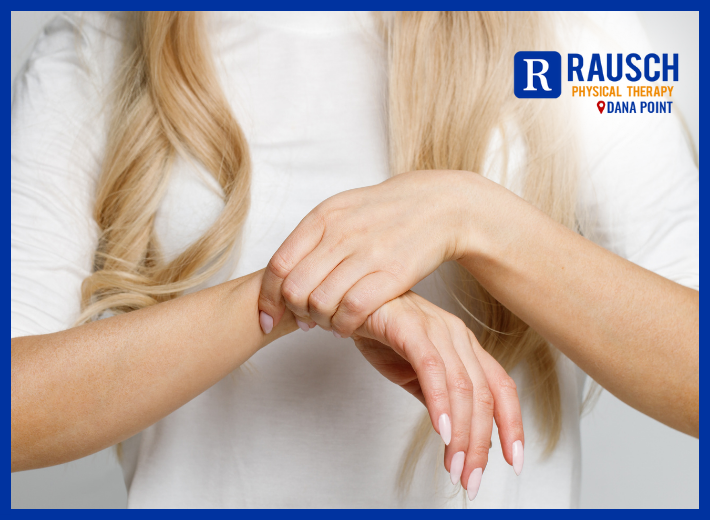 Several factors have been linked with carpal tunnel syndrome. Although they may not directly cause carpal tunnel syndrome, they may increase the risk of irritation or damage to the median nerve. These include:
- Anatomical factors. A wrist fracture or dislocation can alter the space within the carpal tunnel. Arthritis that causes changes to the small bones in the wrist can affect the carpal tunnel. These changes can put pressure on the median nerve.People who have smaller carpal tunnels may be more likely to have carpal tunnel syndrome.
- Sex assigned at birth. Carpal tunnel syndrome is generally more common in women. This may be because the carpal tunnel area is relatively smaller in women than in men. Or it may be due to the effect of hormones on the lining of the tendons in the carpal tunnel.Women who have carpal tunnel syndrome also may have smaller carpal tunnels than do women who don’t have the condition.
- Nerve-damaging conditions. Some chronic illnesses, such as diabetes, increase the risk of nerve damage, including damage to the median nerve.
- Inflammatory conditions. Rheumatoid arthritis, gout and other conditions that cause swelling, known as inflammation, can affect the lining around the tendons in the wrist. This can put pressure on the median nerve.
- Medicines. Some studies have shown a link between carpal tunnel syndrome and anastrozole (Arimidex), a medicine used to treat breast cancer.
- Obesity. Being obese is a risk factor for carpal tunnel syndrome.
- Body fluid changes. Fluid retention may increase the pressure within the carpal tunnel, irritating the median nerve. This is common during pregnancy and menopause. Carpal tunnel syndrome that happens with pregnancy generally gets better on its own after pregnancy.
- Other medical conditions. Certain conditions, such as thyroid disorders, kidney failure and lymphedema, may increase the chances of getting carpal tunnel syndrome.
- Workplace factors. Working with vibrating tools or on an assembly line that requires repeated movements that flex the wrist may create pressure on the median nerve. Such work also may worsen existing nerve damage. Pressure on the nerve can be worse if the work is done in a cold environment.However, the scientific evidence is conflicting and these factors haven’t been established as direct causes of carpal tunnel syndrome.Several studies have evaluated whether there is a link between computer use and carpal tunnel syndrome. Some evidence suggests that mouse use, but not the use of a keyboard, may be related to carpal tunnel syndrome. There has not been enough quality and consistent evidence to support extensive computer use as a risk factor for carpal tunnel syndrome. However, computer use may cause a different form of hand pain.
There are no proven strategies to prevent carpal tunnel syndrome, but you can lessen stress on the hands and wrists with these methods:
- Reduce your force and relax your grip. If your work involves a cash register or keyboard, for instance, hit the keys softly.
- Take short, frequent breaks. Gently stretch and bend your hands and wrists periodically. Alternate tasks when possible. This is especially important if you use equipment that vibrates or that requires you to exert a great amount of force. Taking a break for even a few minutes each hour can make a difference.
- Watch your form. Do not bend your wrist all the way up or down when using a keyboard. A relaxed middle position with the wrists parallel to the floor is best. Keep your keyboard at elbow height or slightly lower.
- Improve your posture. The wrong posture can occur when you adjust your body to view a computer screen rather than adjusting the screen height and distance to a correct posture. The wrong posture rolls shoulders forward, shortens the neck and shoulder muscles, and compresses nerves in the neck. This can cause neck pain and also may bother the hands and arms.
- Change your computer mouse. Make sure that your computer mouse is comfortable to use and doesn’t strain your wrist.
- Keep your hands warm. You’re more likely to develop hand pain and stiffness if you work in a cold environment. If you can’t control the temperature at work, put on fingerless gloves that keep the hands and wrists warm.

Alleviate pain, improve function, and get back to doing what you love. Our experienced physical therapists can help you regain control of your hand and wrist. Remember: We offer RxMassage and StretchFix support for your maximum healing, recovery, and best health. Contact us today at 949-276-5401. You can follow us on TikTok and Instagram for more tips.
Reference:[https://www.mayoclinic.org/diseases-conditions/carpal-tunnel-syndrome/symptoms-causes/syc-20355603]

 You’ll start to work on making your leg muscles stronger, which takes some of the stress off your knee and cut your pain. Your therapist will give you exercises to do at home and show you how to practice them safely.
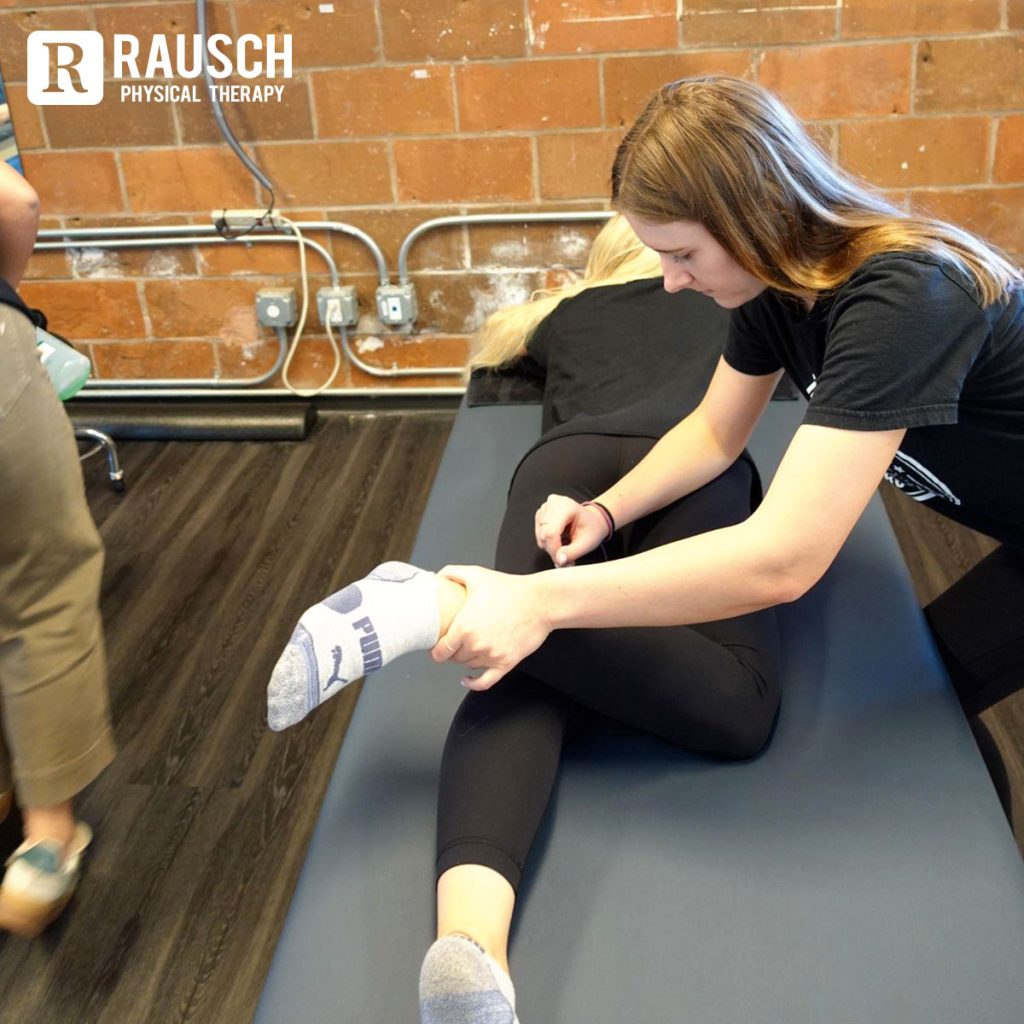 Regain your mobility and rediscover the joy of movement. Our personalized physical therapy programs can help you overcome knee pain and live life to the fullest. Call us today at 949-276-5401. For more tips, follow us on