Why Mobility Matters More Than You Think (And How to Protect Yours in 2026)

A new year isn’t just about new goals—it’s about building a body that supports the life you want to live.

Mobility is one of the most overlooked foundations of health, yet it affects everything: how you move, how you feel, how long you stay independent, and how confidently you show up for the things you love. At Rausch Physical Therapy, we believe mobility isn’t just about avoiding pain—it’s about protecting your freedom.

As we move into 2026, now is the perfect time to shift your focus from “pushing through” discomfort to moving with strength, control, and confidence.

What Is Mobility—Really?

Mobility is your body’s ability to move intentionally and efficiently through everyday life. It’s not just flexibility—it’s the combination of:

  • Strength
  • Balance
  • Coordination
  • Endurance
  • Joint range of motion

Mobility is what allows you to get out of bed without stiffness, climb stairs without hesitation, lift groceries without pain, travel without fear, and stay active without setbacks. When mobility declines, even simple tasks start to feel exhausting or risky.

The truth? Most people don’t think about mobility until they start losing it.

Why Mobility Declines (And Why It’s Not Just About Age)

While aging plays a role, loss of mobility is often accelerated by:

  • Sedentary routines
  • Repetitive movement patterns
  • Old injuries that never fully healed
  • Poor posture or movement mechanics
  • Stress and muscle tension
  • Ignoring pain instead of addressing it

In fact, nearly 14% of U.S. adults experience mobility limitations, and that number increases rapidly when pain and injury go untreated. The good news? Mobility loss is not inevitable.

We have many tools to support your mobility, like stretching with StretchFix assisted stretching. Our unique program, crafted by Doctors of Physical Therapy, is designed to enhance your well-being and mobility through expert-assisted stretching

The “Use It or Lose It” Rule Applies—At Any Age

Mobility thrives on movement. The more consistently you move your body with intention, the longer you preserve your independence and reduce your risk of injury.

The most effective mobility strategies include:

  • Strength training to support joints
  • Cardiovascular movement to build endurance
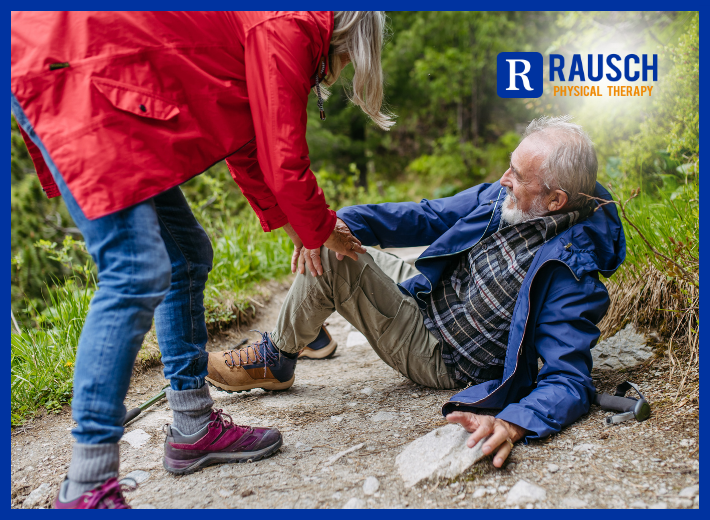
  • Balance and coordination work to prevent falls
  • Stretching and assisted mobility to maintain range of motion

Activities like walking, swimming, cycling, yoga, pickleball, and resistance training all play a role—but the key is doing the right movements for your body.

That’s where professional guidance matters.

Mobility vs. Flexibility: What’s the Difference?

Flexibility is the ability of muscles and joints to move through a range of motion.
Mobility is your ability to control that movement without pain.

You can be flexible and still lack mobility. True mobility means your body is strong, stable, and resilient through motion—not just able to stretch.

How Rausch PT Helps You Move Better—For the Long Run

At Rausch Physical Therapy, we don’t just treat symptoms—we build durable bodies.

Our approach includes:

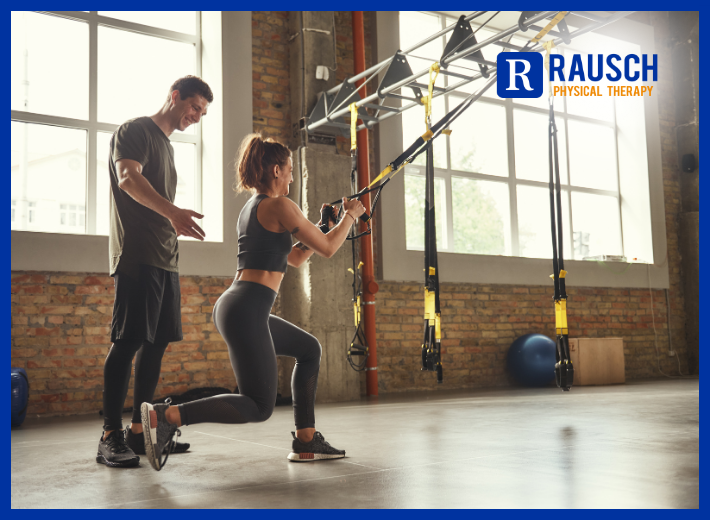
  • One-on-one physical therapy sessions
  • Personalized movement and strength programs
  • Assisted stretching through StretchFix
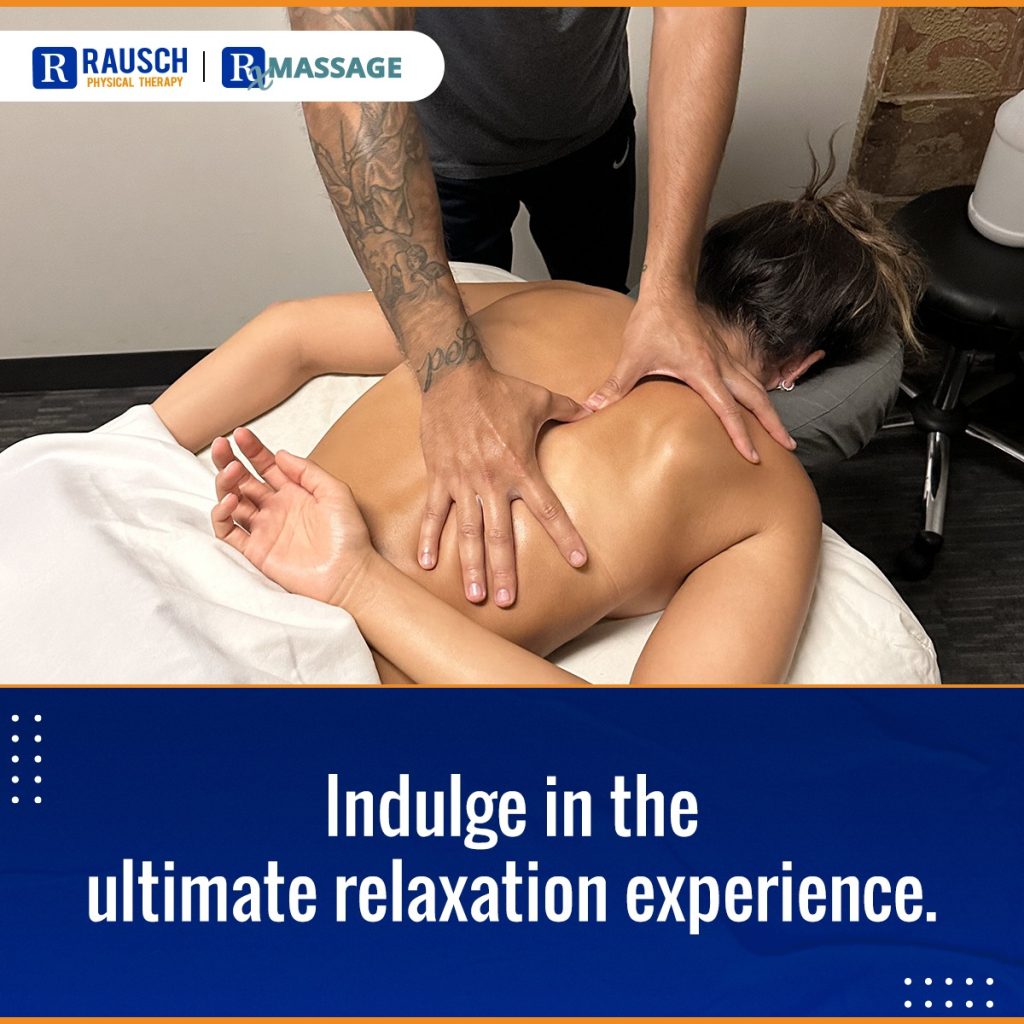
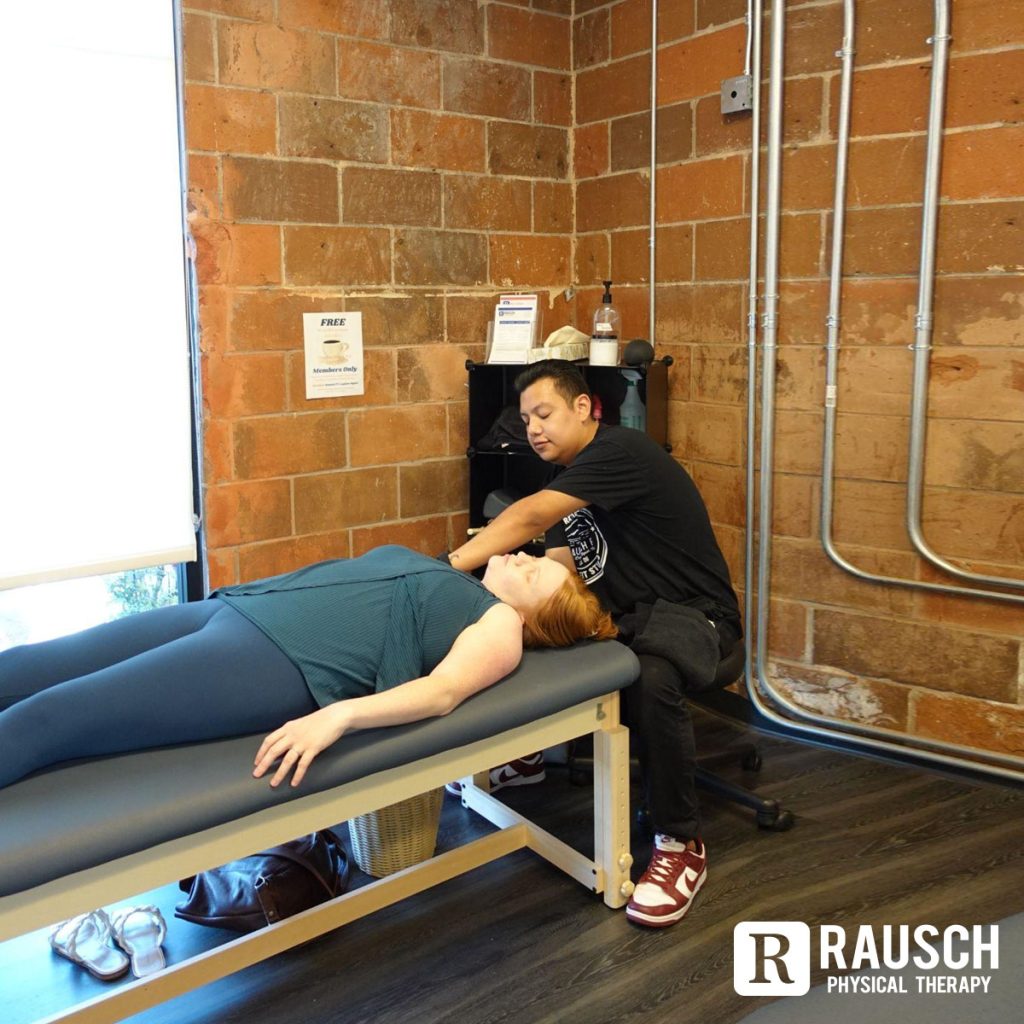
  • Rx Massage to reduce tension and improve recovery
  • Specialized pelvic health and post-injury care
  • At-home exercise video programs you can access anytime

Whether you’re managing pain, recovering from injury, or simply want to move better than you did last year, our team meets you where you are—and helps you go further.

Come in and meet with us — each one of us would so love to help you in 2026 achieve your goals in mobility and wellness.

Make 2026 the Year You Move With Confidence

Improving mobility doesn’t require drastic changes—just consistent, guided action. The earlier you invest in how your body moves, the longer it will support your lifestyle.

Ready to feel stronger, move better, and protect your independence?

👉 Book a one-on-one evaluation with a Rausch Physical Therapist today
📞 Call us at 949-276-5401
📍 Or Book Online Now

For daily movement tips, recovery insights, and behind-the-scenes care, follow us on Instagram:
👉 @rauschpt

Your body was built to move. Let’s keep it that way.

5 Steps to Fuel Your Fitness

Balancing a healthy diet and a consistent exercise routine can often feel like a complicated equation, but successful healthy living is truly about synergy, not sacrifice. The key to long-term vitality isn’t about rigid, temporary rules; it’s about making small, strategic, and sustainable adjustments to both your plate and your workout schedule so they perfectly complement each other. Read on for five essential tips that will help you seamlessly blend healthy eating and exercise into your daily life.

With the year wrapping up, there is no better time to put the building blocks in place for a strong, energized start to 2026. Our Rausch PT experts can help you create a personalized plan to not only end the year on a high note but also ensure your body is perfectly fueled and ready to tackle all your ambitious health resolutions in the new year. Remember – we have the ability to support your health, healing, and mobility with Rx Massage as well! 

Eating and exercise go together. When and what you eat can be important to how you feel when you exercise. And it’s important to think about what you eat when you exercise, whether you’re doing a casual workout or training for a competition. Think about trying these eating and exercise tips.

1. Eat a healthy breakfast

If you exercise in the morning, get up early enough to finish breakfast at least one hour before your workout. Be well fueled going into a workout.

Studies suggest that eating or drinking carbohydrates before exercise can help you do better during your workout. And the carbohydrates may allow you to work out for a longer time or at a higher intensity. If you don’t eat, you might feel slow-moving or lightheaded when you exercise.

If you plan to exercise within an hour after breakfast, eat a light meal. Or have a sports drink. Focus on carbohydrates for the most energy.

Good breakfast choices include:

  • Whole-grain cereals or bread.
  • Low-fat milk.
  • Juice.
  • A banana.
  • Yogurt.

And remember, if you usually have coffee in the morning, it’s probably OK to have a cup before your workout. Also know that anytime you try a food or drink for the first time before a workout, you risk an upset stomach.

2. Watch the portion size

Be careful not to overdo it when it comes to how much you eat before exercise. General guidelines suggest:

  • Large meals. Eat these at least 3 to 4 hours before exercising.
  • Small meals or snacks. Eat these about 1 to 3 hours before exercising.

Eating too much before you exercise can leave you feeling slow-moving. Eating too little might not give you the energy you need to keep feeling strong during your workout.

3. Snack well

Most people can eat small snacks right before and during exercise. The key is how you feel. Do what works best for you. Snacks eaten soon before exercise probably won’t give you added energy if your workout lasts less than 60 minutes. But they may keep you from feeling hungry.

If your workout is longer than 60 minutes, it may help to have a carbohydrate-rich food or drink during the workout. Good snack choices include:

  • An energy bar.
  • A banana, an apple or other fresh fruit.
  • Yogurt.
  • A fruit smoothie.
  • A whole-grain bagel or crackers.
  • A low-fat granola bar.
  • A peanut butter sandwich.
  • Sports drink or diluted juice.

A healthy snack is especially important if you plan to work out many hours after a meal.

4. Eat after you exercise

Eat a meal that has both carbohydrates and protein in it within two hours of your workout if possible. Eating after you work out can help muscles recover and replace their glycogen stores. Think about having a snack if your meal is more than two hours away. Good post-workout food choices include:

  • Yogurt and fruit.
  • Peanut butter sandwich.
  • Low-fat chocolate milk and pretzels.
  • Post-workout recovery smoothie.
  • Turkey on whole-grain bread with vegetables.

5. Drink up

Don’t forget to drink fluids. You need to have enough fluids before, during and after exercise to help prevent dehydration.

To stay well hydrated for exercise, the American College of Sports Medicine recommends that you:

  • Drink roughly 2 to 3 cups (473 to 710 milliliters) of water during the 2 to 3 hours before your workout.
  • Drink about 1/2 to 1 cup (118 to 237 milliliters) of water every 15 to 20 minutes during your workout. Change amounts related to your body size and the weather.
  • Drink roughly 2 to 3 cups (473 to 710 milliliters) of water after your workout for every pound (0.5 kilogram) of weight lost during it.

Water is generally the best way to replace lost fluids. But if you’re exercising for more than 60 minutes, try a sports drink. Sports drinks can help keep your body’s electrolyte balance. And they can give you a bit more energy because they have carbohydrates in them.

Let experience be your guide

Remember that the length and intensity of your activity can help you decide how often and what you should eat and drink. For example, you’ll need more energy from food to run a marathon than to run or walk a few miles. And try not to add any new products in your diet before a sports event that lasts a long time. It’s best to have tried the products before the event to see how your system handles the food.

When it comes to eating and exercise, everyone is different. So notice how you feel during your workout and how your overall performance is affected by what you eat. Let your experience guide you on which pre- and post-exercise eating habits work best for you. Think about keeping a journal to see how your body reacts to meals and snacks so that you can change your diet for your best performance.

Don’t let poor form or improper recovery derail your 2026 fitness resolutions. Our Rausch PT experts will identify your biomechanical limitations and recovery gaps, ensuring you start the new year injury-free and fueled for success! Call our physical therapy center today at 949-276-5401. For more tips, you can also follow us on Instagram.


Reference: [https://www.mayoclinic.org/healthy-lifestyle/fitness/in-depth/exercise/art-20045506]

How Can I Prevent a Sports Injury?

When it comes to sports, staying healthy is just as important as playing hard. A serious injury can knock you out of the game for weeks—or even months—whether you’re a pro athlete or simply enjoying weekend competition. The good news is that many common injuries can be prevented with a few smart adjustments to your training and lifestyle.

Exercise is good for the body and with the proper precautions, sports injuries can often be prevented. The quality of protective equipment – padding, helmets, shoes, mouth guards – has helped to improve safety in sports. But, you can still be susceptible to injury. Always contact your healthcare provider before starting any type of physical activity, especially vigorous types of exercises or sports.

Causes of sports injuries may include:

  • Improper or poor training practices
  • Wearing improper sporting gear
  • Being in poor health condition
  • Improper warm-up or stretching practices before a sporting event or exercise

Common sports injuries include:

  • Sprains and strains
  • Joint injuries (knee)
  • Muscle injuries
  • Dislocations
  • Fractures
  • Achilles tendon injuries
  • Pain along the shin bone

How can I prevent a sports injury?

The following are some basic steps to prevent a sports injury:

  • Develop a fitness plan that includes cardiovascular exercise, strength training, and flexibility. This will help decrease your chance of injury.
  • Alternate exercising different muscle groups and exercise every other day.
  • Cooldown properly after exercise or sports. It should take 2 times as long as your warm-ups.
  • Stay hydrated. Drink water to prevent dehydration, heat exhaustion, and heatstroke.
  • Stretching exercises can improve the ability of muscles to contract and perform, reducing the risk of injury. Each stretch should start slowly until you reach a point of muscle tension. Stretching should not be painful. Aim to hold each stretch for up to 20 seconds.
  • Use the right equipment or gear and wear shoes that provide support and that may correct certain foot problems that can lead to injury.
  • Learn the right techniques to play your sport.
  • Rest when tired, Avoid exercise when you are tired or in pain.
  • Always take your time during strength training and go through the full range of motion with each repetition.
  • If you do sustain a sports injury, make sure you participate in adequate rehabilitation before resuming strenuous activity.

At Rausch Physical Therapy, we go beyond treating injuries—we help athletes of every level stay in peak condition so they can keep doing what they love. Our team develops personalized prevention plans that focus on strengthening weak points, improving flexibility, correcting movement patterns, and reducing risk factors unique to your sport. This proactive approach keeps you on the field, the court, or the track longer and performing at your best.

👉 Don’t wait until an injury sidelines you. Call us today at 949-276-5401 to schedule your sports injury prevention session. And don’t forget we have RX Massage and Stretch Fix to support your best health! For daily insights and performance tips, follow us on Instagram @rauschpt.


Reference: [Read more here about prevention strategies from Johns Hopkins Medicine.]

The Female Athlete Triad & How Physical Therapy Helps Girls Grow Strong

As girls grow and step into competitive sports, their bodies go through a lot of changes. For young female athletes, balancing the demands of school, practice, competition, and growing bodies isn’t always easy. One challenge that often goes unnoticed is the Female Athlete Triad—a condition that can affect health, performance, and long-term well-being.

At Rausch PT, we’re passionate about helping athletes of all ages move better, recover faster, and build lifelong healthy habits. That’s why early awareness and support around this issue are so important.

1. What Is the Female Athlete Triad?

The Female Athlete Triad is a combination of three interconnected concerns:

  • Energy Deficiency: Not getting enough calories or nutrients to fuel both growth and training.
  • Menstrual Dysfunction: Irregular or absent menstrual cycles due to energy imbalance.
  • Low Bone Density: Higher risk of stress fractures and weaker bones over time.

Even if only one piece of this triad is present, it can impact an athlete’s overall health and performance.

2. How Physical Therapy Supports Young Athletes

Physical therapy is about more than just recovering from injury—it’s about prevention, performance, and confidence. Here’s how we help:

  • Early Recognition: PTs spot movement issues, fatigue, or recurring injuries that could point to energy imbalance or bone stress.
  • Strength & Movement Training: We guide athletes through safe strength programs to protect joints and build stronger bones.
  • Education & Collaboration: Our therapists partner with parents, coaches, and nutrition experts to make sure athletes are fueling and training the right way.
  • Healthy Habits: We help athletes learn body awareness, balance training loads, and build sustainable routines—skills that carry into adulthood.

3. Why Mental Health Matters Too

Sports aren’t just physically demanding—they’re mentally challenging as well. Confidence, mindset, and resilience all play a role in how young athletes perform and recover.

For parents looking to support both the body and mind, we recommend these great podcast episodes from The Elite Competitor:

Pairing physical support with mental strategies helps girls grow not just as athletes—but as strong, confident young women.

4. Takeaway: Strong Bodies, Strong Futures

The Female Athlete Triad can be serious, but with the right guidance and care, young athletes can thrive. Physical therapy gives girls the tools to stay healthy, prevent injury, and build confidence as they grow.

At Rausch PT & Wellness, we’re here to support your athlete’s journey every step of the way—whether it’s injury prevention, recovery, or building a strong foundation for future success.

📞 Want to learn more about supporting your young athlete? Call us at (949) 276-5401 or stop by Rausch PT to talk with our team.

👉 Check out The Elite Competitor’s free training on how to best support your girl athlete with confidence, encouragement, and the tools she needs to thrive.

The Essential Guide to Bursitis Treatment

Bursitis, a painful inflammation of the fluid-filled sacs cushioning our joints, can impact mobility. This common condition often affects major joints like the shoulders, elbows, and knees, making daily tasks a challenge for many people. This guide will help you manage and overcome bursitis, allowing you to regain comfort and return to your routine.

While rest and over-the-counter remedies can help ease flare-ups, true recovery often requires a tailored approach that addresses the root cause. Physical therapy is one of the most effective treatments, helping to strengthen surrounding muscles, improve joint flexibility, and prevent future inflammation. By learning the right movements and exercises under professional guidance, patients not only find relief but also regain the confidence to return to their daily activities without fear of recurring pain.

Bursitis is inflammation or irritation of a bursa sac. You have these sacs all over your body. They’re filled with fluid that eases rubbing and friction between tissues such as bones, muscles, tendons, and skin. Bursitis is common around major joints such as your shoulder, elbow, hip, or knee.

Bursitis is common in adults, especially after age 40.

It’s usually caused by repeated pressure on an area or by using a joint too much. High-risk activities include gardening, raking, carpentry, shoveling, painting, scrubbing, playing tennis, golf, skiing, and throwing. You can also get bursitis by sitting or standing the wrong way for a long time at work or home, or by not stretching enough before you exercise. Sudden injury can sometimes cause bursitis.

As you age, your tendons aren’t able to handle stress as well. They’re less elastic and easier to tear.

If there’s a problem with the structure of a bone or joint (such as legs that are different lengths or arthritis in a joint), it can put more stress on a bursa, causing bursitis. Reactions to medications and stress or inflammation from other conditions, such as rheumatoid arthritis, gout, psoriatic arthritis, or thyroid disorders, may also raise your risk.

An infection, especially with Staphylococcus aureus bacteria, can sometimes cause bursitis.

Bursas are small sacs filled with fluid that help cushion your joints, bones, and muscles. Any bursa can become inflamed, but the most common places to have bursitis are in your shoulder, elbow, knee, hip, or foot.

Bursitis can happen suddenly, or it can be ongoing (chronic). When it comes on suddenly, it usually hurts to move your affected joint. With chronic bursitis, a bursa swells slowly, and you may or may not feel pain.

Sometimes, bursitis is caused by an infection. This is called septic bursitis, and it’s not as common. Your doctor will check to make sure you don’t have an infection.

Shoulder bursitis

Shoulder bursitis causes painful swelling in your shoulder that gets worse when you move it. This can be caused by an injury or bump. Some people’s shoulder bones are naturally shaped in a way that puts more pressure on the bursa. If your bones are shaped like this, you’re more likely to get shoulder bursitis.

Depending on how bad the swelling is, you might not be able to move your shoulder, a condition called frozen shoulder. If it hurts too much to move your shoulder, you should see your doctor. They can do tests to find out if it’s bursitis or a different problem. They might recommend physical therapy for your shoulder or other treatments.

Elbow bursitis

One of the most common places to get bursitis is the pointy part of your elbow. If you have elbow bursitis, the bottom of your elbow will be swollen, red, and painful, with pain that gets worse when you bend it. Because of the swelling, it can look like there’s a small ball under your skin. If the ball gets bigger, it can make it harder to move your elbow.

Leaning on your elbows a lot can lead to elbow bursitis. Plumbers, electricians, HVAC technicians, and other people who have to crawl into tight spaces for work are more likely to put pressure on their elbows as they do their jobs. This kind of bursitis is also called “students’ elbow” because many people lean on their elbows when they sit at a desk to write or use a computer.

Injuries or bumps can also cause elbow bursitis. You might not remember the injury because it can take at least a week for bursitis to start. Doctors don’t understand why, but people who get dialysis for kidney problems are more likely to get elbow bursitis.

You can wrap an elastic bandage around your elbow or wear elbow pads to help ease your pain. If you do work that puts pressure on your elbows, wearing elbow pads or using a padded mat can help you avoid bursitis.

Knee bursitis

There are many different parts of your knee that can get bursitis, including near your kneecap or on the inside of your knee. If your bursitis is in your kneecap, it’s more likely to be caused by an infection.

When you have bursitis, it often hurts to move or put pressure on your knee, and it can hurt if someone else touches it. Your knee might also feel warmer than the rest of your body, and it sometimes looks swollen or red.

Sometimes, knee bursitis comes on suddenly after an injury or bump to your knee. More often, it’s caused by pressure on your knee joints over time, and the pain comes on slowly. Runners and people who kneel on the ground for work, such as landscapers, gardeners, and plumbers, are more likely to get knee bursitis.

If you do these kinds of work, you should wear knee pads or use a padded cushion or board under your knees and take as many breaks as you can. Try not to squat or bend your knees for too long. Stretching your hamstrings and other muscles before you exercise can help prevent knee bursitis.

People who fall a lot, such as wrestlers and people who play sports like football, are also more likely to get knee bursitis because they are more likely to bump or land on their knees.

Your doctor will look at both your knees, even if only one knee hurts, to compare them to each other and figure out what’s wrong. They might tell you to wear a knee brace or wrap to help you heal and protect your knees in the future. Putting your knee up on a pillow can help the swelling go down.

Hip bursitis

You can get bursitis in the bony part of your hip that sticks out near your waist. If you have this kind of bursitis, you might feel pain in your hip or outer thigh. You can also get bursitis on the inside of your hip, which causes pain in your hip, crotch, or groin.

You might not see any swelling if you have bursitis in your hip, but it can be painful. At first, the pain often feels sharp, and then turns into an ache that spreads out across your hip. It might hurt more when you lay on your hip, walk up the stairs, squat, or stand up from sitting down.

You are more likely to get this kind of bursitis if you have problems with your back or hips, if you’ve had hip replacement surgery, or if you were born with one leg that’s a little shorter than the other. Exercises such as running, riding a bike, or climbing up stairs can irritate it. You have a bigger risk of getting hip bursitis if you have a job where you have to move heavy things or stand up for long periods (for example if you’re a cashier, warehouse worker, or server).

If you have hip bursitis, your doctor might tell you to walk with a cane or use crutches while it heals. They might watch you walk, sit, and stand, or even videotape you. This will help them teach you less painful ways of moving around or standing.

Foot bursitis

There are 33 joints in your feet, and many of these joints have bursa sacs to protect them. You can get bursitis in your feet if any of these bursa sacs get irritated. You might have bursitis around your Achilles tendon in the back of your foot, near your heel, in the ball of your foot, at the base of your toes, or in between the outside of your little toe and your ankle.

If you have foot bursitis, your foot might feel swollen, stiff, or painful. The pain might get worse when you walk, run, or stand on your tip-toes.

High heels and shoes that squish your feet or don’t fit you well can lead to bursitis. Athletes, dancers, and runners are more likely to get foot bursitis.

Wearing supportive shoes that fit you well and stretching your feet and legs before you exercise can help prevent bursitis.

If you have foot bursitis, your doctor might tell you to go to a podiatrist. A podiatrist is a doctor who takes care of feet and ankles. They might give you a piece of foam or plastic called an orthotic to put in your shoe to cushion your foot.

Other types of bursitis

You have about 150 bursas throughout your body. It’s not as common, but you can get bursitis in any of these bursas. Some other types of bursitis are:

  • Buttocks bursitisThis is when a bursa near the main muscle of your buttocks becomes inflamed. This type of bursitis is sometimes called “weaver’s bottom” or “tailor’s bottom” because it’s more common in people who often sit on hard surfaces, such as the floor or chairs that are not padded.This kind of bursitis can cause pain and aching in your buttocks and upper thighs. The pain is usually worse after you sit for a long time, stretch, or exercise. It might also hurt when you flex, extend, or move your hips.

    You can use a donut-shaped pillow to make sitting more comfortable. A cold compress on the area can help you feel better.

Pain is the most common symptom of bursitis. It might build up slowly or be sudden and severe, especially if you have calcium deposits in the area. You’ll probably feel it when you stretch or extend the joint, and you may have a limited range of motion even without pain.

Your joint might also be:

  • Stiff
  • Swollen
  • Red

Call your doctor if you have:

  • Fever (over 102 F or 38.89 C)
  • Swelling, redness, and warmth in the area
  • General illness or more than one area that hurts
  • Trouble moving the joint
  • Pain that lasts longer than 2 weeks

These could be signs of an infection or another problem that needs medical care right away.

You can’t always prevent bursitis, but some steps can lower your risk.

  • Use cushions or pads when you’re resting a joint on a hard surface (for example, if you’re kneeling or sitting).
  • If you play sports, mix things up so you don’t make the same motions all the time. Warm up and stretch before you play, and always use proper form.
  • Start slowly and easily when you’re trying a new exercise or sport. As you build strength, you can use more force and do the motion more often.
  • Don’t sit still for a long time.
  • Take breaks often when you’re making the same motions over and over again.
  • Maintain good posture all day.
  • Hip bursitis can come from having one leg longer than the other. An orthotic shoe insert can help.
  • Keep a healthy body weight.
  • If something hurts, stop doing it and check with your doctor.

Your doctor will ask about your symptoms and do a physical exam to see if the joint is swollen. You might also have tests including:

  • Imaging tests. X-rays can rule out other problems that might be causing pain. MRI and ultrasound give your doctor an image of your joint.
  • Lab tests. Your doctor might use a needle to take a bit of fluid from your bursa and test it for signs of infection.

Bursitis usually gets better on its own after a few weeks of resting the affected area. Try not to put pressure on it, and avoid activities that make the pain worse.

You can take medicine such as ibuprofen or naproxen sodium to lower the swelling and help with pain. Your doctor might give you this medicine in cream or lotion form.

See your doctor if you don’t feel better after resting the affected area. Call your doctor right away if you can’t move the joint at all or the area around it is very swollen or red. If you have a fever or there’s a rash or bruise on the area, you should see a doctor—these are signs that your bursitis might be caused by an infection.

Your doctor will do an exam to make sure it’s bursitis and not something else. They might have you bend or move the affected joint, or ask you to move around or walk. This helps them figure out which bursa is inflamed, and suggest exercises to help you heal. They might also do blood tests or imaging, such as an ultrasound or MRI, to get more information.

If your doctor thinks an infection could be causing your bursitis, they might take some fluid out using a small needle, and then test the fluid for bacteria. Your doctor will give you antibiotics to take at home if you have an infection. It’s rare, but you might need to stay in the hospital and get antibiotics through an IV, especially if you have immune system problems or if the infection is very bad.

Your doctor might give you steroids, a medicine that works quickly to lower inflammation and pain. They might prescribe steroid pills to take at home or use a small needle to inject steroids or pain medicine into the irritated area. Doctors disagree about whether steroid shots are helpful.

Depending on where your bursitis is, your doctor might tell you to use a cane, crutches or a brace, elastic bandage, or split.

Physical therapy can help you strengthen muscles and increase your joint’s range of motion. Your physical therapist might also teach you exercises for your core (the muscles in your back and belly that hold you up). A doctor or physical therapist can show you ways of sitting, standing, and moving that help bursitis get better or stop it from happening again.

It’s rare, but you might need surgery if other treatments aren’t helping.

Here are some things you can do to help your bursitis get better:

  • Rest. Rest the area as much as you can, and avoid doing anything that makes the pain worse.
  • Ice. Put an ice pack or cold compress on the area to help the swelling go down. After the first 2 days of icing it, you can also use a heating pad, hot water bottle, or heat pack, or take a hot bath or shower.
  • Support the joint. Use a brace, ace bandage/elastic band, or splint to cushion the joint.
  • Elevate it. Put the affected joint up on pillows.
  • Cushioning. Pad the affected area and avoid hard surfaces. For example, use knee pads or a padded mat if you need to kneel down for work, or sit on a donut-shaped pillow or padded cushion instead of on the floor.
  • Stretching and exercise. Stretch before exercising. Doing exercises that strengthen your core muscles and make you more flexible can help some kinds of bursitis.
  • Posture. Use good posture and body mechanics. A doctor or physical therapist can help you learn ways to move, sit, and lift that are easy on your body and won’t irritate your joints.
  • Massage. Massaging the area can help, but you should check with your doctor to make sure your bursitis isn’t caused by an infection before you massage it.
  • Avoid repetitive movements, pressure, and heavy lifting. If possible, avoid putting pressure on the area, don’t lift heavy things, and try not to do the same motions over and over. If you can’t avoid this, take as many breaks as you can. Ask your doctor for a note if you need to miss work or make changes to the kind of work you do—for example, sitting on a padded chair instead of standing.
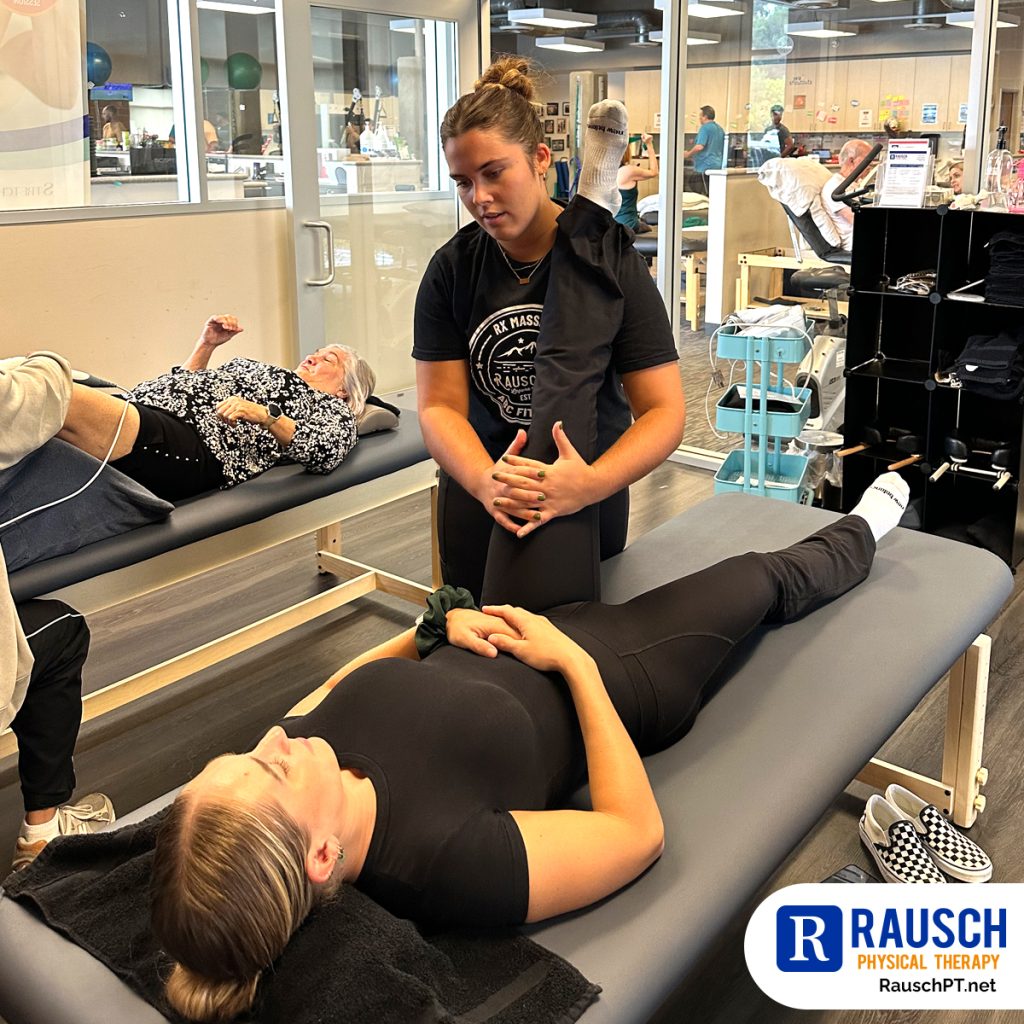
Don’t let bursitis continue to sideline you. At Rausch Physical Therapy, our expert team specializes in personalized bursitis care designed to restore strength, reduce inflammation, and get you back to doing what you love. Call us today at 949-276-5401 to schedule your appointment, and follow us on Instagram @rauschpt for more tips, insights, and recovery inspiration.


Reference: [https://www.webmd.com/pain-management/arthritis-bursitis]

How to Tackle Trapezius Muscle Knots

Tightness and discomfort in your upper back and shoulders often present as muscle knots in the trapezius. These areas of tension, or trigger points, can result from prolonged sitting, poor posture, stress, or repetitive movements. They commonly cause headaches, neck pain, and restricted movement. Read on to learn practical techniques for managing trapezius muscle knots …. and then connect with us and allow us to get you better, faster, so you can get back to doing what you love.

If you’ve got a lump on top of your shoulder muscle, there’s a good chance it’s a trapezius knot. In fact, according to a study published in June 2017 by ‌Medicine‌, these lumps in the trapezius muscle — called myofascial trigger points — are among the most common causes of musculoskeletal shoulder pain.

Anyone familiar with this particular tension and pain is probably wondering how to release trapezius knots. Luckily, home remedies can help.

What Are Muscle Knots?

Myofascial trigger points or muscle knots are tight balls of clenched muscle fibers under the skin in areas we typically stress and strain a lot during the day, like our neck, shoulders and back, according to the Cleveland Clinic.

Causes of Muscle Knots in Your Traps

Your trapezius muscle spans from the back of your neck to your lower back, according to a February 2015 article in ‌BioMed Research International‌. Because it attaches to your vertebrae and shoulder blades, it has many functions: shrugging your shoulders, rotating your shoulder blades to allow you arms to move overhead and pulling your shoulder blades down and together.

Knots most often occur in the upper trapezius, or the part that runs on either side of your neck and along the tops of your shoulders. These swollen trapezius lumps are typically painful to the touch and can cause pain to spread to other areas in your shoulder and back.

Common causes of upper trapezius muscle knots include poor posture and psychological factors that increase stressors, such as high pressure at work and low job satisfaction, according to the ‌Medicine‌ study.

You could also develop tension in your trapezius muscle, knots or even spasms if other surrounding muscles are weak or fatigued, causing the upper trap to work overtime to help support your arm.

Trapezius Knot Release Techniques

There are a number of different approaches that deliver trapezius muscle tension relief, either at home or under the guidance of a physical therapist.

Even if the muscle knot on top of your shoulder isn’t particularly painful, it indicates that your muscle is inflamed. Trigger points in the upper trapezius muscle can negatively affect movement of your shoulder, increasing risk of injury. This is especially true if you perform a lot of overhead activity.

According to a very small September 2018 study in the ‌Journal of Human Kinetics,‌ stiffness in the upper trap can decrease shoulder range of motion, increasing the risk of rotator cuff injuries. However, this study also showed ischemic compression — trigger point release — was effective in treating muscle knots on the top of the shoulder for 12 professional basketball players.

1. Release Your Trigger Point

While trigger point release is often performed by physical therapists and massage therapists, you can try this technique on yourself with a massage ball, tennis ball or lacrosse ball. Try it both standing and while lying on your back.

  1. Stand with your back against a wall.
  2. Place a ball behind your upper trap directly on the lump, and lean against the ball. Press hard enough to cause tolerable pain.
  3. Hold until the pain subsides by 50 percent, then press harder.
  4. Continue to hold this pressure until the pain subsides, typically between 30 seconds and several minutes.

2. Stretch It Out

Stretching for trapezius knots can reduce tightness on top of your shoulders. Hold each stretch for 20 to 30 seconds, and repeat three times on both sides.

  1. Sit up straight and tip your ear toward your shoulder on the unaffected side.
  2. Rest your hand on top of your head to gently increase the amount of stretch.
  3. Rotate your head slightly and repeat to target different fibers in your trapezius muscle.

3. Apply Cold or Heat

Trapezius pain that occurs immediately after activity or pain that is sharp is a sign of inflammation, according to Summit Orthopedics. For this type of pain, apply ice to your affected muscle for 10 to 15 minutes to decrease blood flow and inflammation.

If you have a knot in your trapezius that just won’t go away, and it is achy and annoying, apply heat for 15 to 20 minutes to increase blood flow and help the muscle relax.

4. Squeeze Your Scapula

Strengthening a muscle that has a trigger point puts more strain on the already aggravated muscle, potentially making it worse, according to the National Association of Myofascial Trigger Point Therapists.

But you don’t have to avoid exercise altogether. Strengthening exercises for your upper back can help improve posture and reduce risk of overuse of your upper trapezius muscle. You can perform scapular squeezes without even leaving your desk.

  1. Sit up straight on a firm surface.
  2. With your arms relaxed by your sides, squeeze your shoulder blades together as if you are trying to hold a pencil between them.
  3. Hold for two to three seconds, then relax.
  4. Repeat 10 times, working up to three sets in a row.

Be sure your upper trap muscles are relaxed during this exercise. Try it in front of a mirror to help keep your shoulders from shrugging.

5. Get a Massage

If self-myofascial release don’t help, you could enlist the help of a professional massage therapist for muscle relaxation (or even try a massage gun), according to the Cleveland Clinic. They’ll use a variety of massage techniques to help break up the knotty ball of muscle fibers.

6. Perfect Your Posture

Poor posture, especially while sitting at a desk, can contribute to trapezius trigger points, per the Cleveland Clinic. Make sure you’re set up properly by following these tips from the Mayo Clinic:

    • Adjust your chair so your feet can rest flat on the floor (use a footrest if needed) and your thighs are parallel to the floor.
    • Position your keyboard and mouse so your wrists and forearms are aligned and your shoulders are relaxed.
    • Place your computer monitor about an arm’s length away from your face, at eye level.

When to See a Doctor

While most lumps on the top of the shoulder muscles are likely to be trigger points, there are other medical conditions — such as cancer — that can cause lumps. Cancerous lumps often appear out of nowhere and grow steadily in size. See a doctor for an accurate diagnosis if you have any concerns about a lump in your trap muscle (or anywhere else, for that matter).

You should also talk to a doctor about trap pressure points if the lump gets red, feels hot to the touch or is draining any fluid or blood, per the Cleveland Clinic.

Experiencing stubborn muscle knots in your traps that just won’t go away? Our expert physical therapists can help! Discover effective, personalized strategies to release tension, reduce pain, and improve your mobility. At Rausch PT, everyone from our friendly front office staff to our dedicated aides is here to cheer you on and help you achieve your goals. We strive to give you the best experience possible every time you come see us, which is why your personal Rausch physical therapists will be by your side throughout your entire treatment. Call our physical therapy center today at 949-276-5401. For more tips, you can also connect to our IG.


Reference: [https://www.livestrong.com/article/354329-lump-in-the-trapezius-muscle/]

Signs of Tight Hips and How They Impact You

Tight hips can subtly impact your daily life and activities, causing discomfort or limiting your movement. Recognizing the signs of restricted hip mobility is key to preventing issues and improving your overall physical well-being. Read on to identify when tight hips might be hindering you and discover ways to address them.

At Rausch Physical Therapy, our mission is simple: to provide you with the best care possible, helping you return to what you love as quickly as possible. We provide personalized one-on-one care to help you reach your wellness goals. Unlike other PT clinics, your personal Rausch physical therapist will be by your side throughout your entire treatment; we don’t just treat the injury—we condition the body as a whole to get you feeling better, faster. Let’s talk! 

YOU WANT BIGGER arms and a chiseled chest. Oh, and don’t forget stronger legs—super important. Oh, and a resilient core, too! So the last thing you want to do is train your hips—we get it. But here’s the thing: Your lack of hip TLC just may be holding you back.

Yes, really. Sure, there was a time when hip mobility mattered only if you were doing Jean-Claude Van Damme splits on Volvo trucks. But these days, more and more trainers are recognizing that tight hips can stealthily wreck nearly every part of your life. New hip stretches and exercises often flood FitTok, and a Google search for “hip mobility” turns up about 1 million results.

So whether you’re trying to slash your half-marathon time, crush a CrossFit WOD, or just keep up with your kids on the playground, buttery-loose hips can help. The best part is it doesn’t take much to train your hips. All you need to do to start: understand the answers to these five questions.

When Are My Tight Hips Hindering Me the Most?

EVERY SINGLE TIME you stand up after a few hours of sitting. When you’re sitting, whether you’re at your desk for the whole morning, on a long roadtrip in a car, or stuck on a ten-hour flight to Europe, your hip flexors, the muscles that help bring your thigh to your chest, wind up trapped in a shortened position, unable to stretch out. Your glutes, meanwhile, are in an ultra-relaxed, stretched position. When you stand, you’re often left with a nagging tightness in the front of your hips.

What’s So Bad About That Tightness in My Hips?

WHEN YOUR HIP flexors are tight and your glutes aren’t strong, you may struggle to position your pelvis to support your spine. Your pelvis shifts into something called anterior pelvic tilt, the top of the pelvis tipping forward just slightly, butt sticking out a bit, Instagram-model style. This causes your lower back to arch in places it shouldn’t, and that can create serious issues, compressing the discs in your lower back, says Boyce. It also prevents you from being powerful during exercises like deadlifts and squats, as well as other activities, like running and jumping.

How Exactly Do Tight Hips Effect My Running and Jumping?

QUICK, STAND UP. Place your hands on your hip bones. Now squeeze your glutes as hard as possible. See how your hips shift forward ever so slightly? This position is called hip extension, and this motion helps propel you forward (if you’re running) or upward (if you’re jumping). If your hip flexors are tight, your glutes can’t “contract the way that they’re supposed to when they’re supposed to,” says Boyce—and that limits your speed and vertical leap.

Should I Stretch My Hip Flexors to Loosen Them?

AND STRENGTHEN THEM! Weak hip flexors cause other problems. Try this: While standing straight, lift your right knee as high as you can. Can you get your knee higher than your hip? If you can’t, you’re hurting your running ability by limiting the length of your stride. “The stronger your hip flexors are, then the more powerful and efficient your knee drive is going to be,” says Faris Khan, C.S.C.S., the creator of the Men’s Health Summer Strength Challenge. To compensate, you may also round your back more than you should need to during everyday tasks.

What Else Does Poor Hip Mobility Hurt?

YOUR ABILITY TO change direction. Ideally, you’re able to turn your hips one way and your shoulders another, a key trait that defines agility. And even if you’re not an NFL cornerback, lacking that movement can cost you, making it harder to move quickly if you’re dodging somebody while rushing to catch your train—and harder to run down your daughter in a game of tag, too. The bright side: Just a few simple drills can ensure you’re preserving you hip mobility—although we should all leave the splits to Van Damme.

How to Stay Hip

AIM TO DO at least 1 of these 3 drills in your workout warmups every day to make sure you’re giving your hips plenty of TLC. Do 2 or 3 sets.

Hip Circles

Take your hips through their greatest range of motion. Start on all fours, knees beneath hips. Keeping your knee bent, lift your right leg outward to the right, then rotate it in a wide arc so that your right foot points toward the ceil-ing. Reverse the movement back to the start. Repeat 6 to 8 times per side.

Seated Hip Lift

Build hip flexor strength. Sit on the floor, chest up, legs straight, a kettle-bell or another object just outside your right ankle. Keeping your legs straight, lift your right leg over the object and touch your heel to the floor; return to the start. Do 8 to 10 reps per side.

Crescent Lunge

To loosen tight hip flexors, set up in a half-kneeling stance, right knee on the floor. Squeeze your right glute and push both hips forward; as you do this, reach your hands overhead. Hold for 2to 3 seconds, then return to the start. Do 3 to 5 reps per side.

Struggling with discomfort or limited movement due to tight hips? Don’t let it hold you back! Call our physical therapy center today at 949-276-5401 and take the first step towards a more comfortable, active life. Our comprehensive approach helps you heal faster, move better, and stay stronger for the long run. For more tips, you can also connect to our IG.

Reference: [https://www.menshealth.com/fitness/a64578236/hip-mobility-plan/]

Why Staying Active Matters More as We Age: 4 Key Reasons (+ Tips to Get Moving)

At Rausch Physical Therapy and Wellness, we believe that movement is medicine—at every age and every stage of life. That’s why we’re excited to announce our new partnership with Fort Fitness in Laguna Hills, where we now have a dedicated Rausch PT clinic inside the gym. This collaboration brings world-class physical therapy, fitness education, and hands-on wellness care directly into a state-of-the-art environment—making it easier than ever for you to stay mobile, strong, and vibrant.

While aging is inevitable, slowing down doesn’t have to be. In fact, staying physically active is one of the most powerful things you can do to maintain your independence, confidence, and quality of life as you grow older. The Physical Activity Guidelines for Americans recommend at least 150 minutes of moderate-intensity activity per week—and for good reason. Regular movement can slash your risk of chronic illness by up to 50%, according to the U.S. Department of Health and Human Services.

So why exactly is staying active so important—and how can you make it work for your lifestyle? Here are four big reasons (plus tips!) to keep moving:


1. Lower Risk of Age-Related Conditions

Exercise is the closest thing we have to a fountain of youth. Regular movement helps preserve muscle mass, protect bone density, and improve joint flexibility—making it a powerful defense against falls, fractures, arthritis, and osteoporosis. But it’s not just your body that benefits—exercise also protects your brain, reducing the risk of cognitive decline, memory loss, and conditions like dementia or Alzheimer’s.

Tip: Include resistance training 2x per week to maintain strength, and add in low-impact cardio like brisk walking or swimming to support heart health. Don’t forget simple balance exercises (like standing on one leg or heel-to-toe walking) to reduce fall risk. Come into see us at our Fort Fitness location and talk to one of the trainers on great classes you can work around your PT!


2. Mental Health and Social Connection

Physical activity doesn’t just strengthen your muscles—it boosts your mood. Endorphins released during exercise act as natural antidepressants, which is especially important for older adults who may feel isolated. Group fitness classes, walking clubs, or sports leagues are excellent ways to stay active and socially connected.

Tip: Try pairing movement with community—sign up for a group class with us here, join a pickleball league, or go on weekly walks with friends. Even 15 minutes a day makes a difference. Don’t let any mobility restrictions or injuries slow you down: That’s where we come in!


3. Improved Daily Function and Energy

The more you move, the more energy you have to enjoy life. Regular activity enhances balance, coordination, and flexibility—making everyday tasks like grocery shopping, gardening, and playing with grandkids easier and safer. Better sleep, digestion, and circulation are just a few more benefits you’ll feel almost immediately.

Tip: Think “movement snacks”—brief sessions throughout the day like walking while on the phone, stretching during TV commercials, or taking the stairs. Functional fitness (exercises that mimic daily movements) can also be incredibly effective for real-life strength and stability. We can help you with a routine here if you’re looking for some good ideas to implement at home — or even on vacation if you have travel lined up.


4. A Sense of Purpose and Personal Growth

Setting physical goals—like completing a charity walk, mastering a yoga pose, or just sticking to a weekly class—can reignite a sense of accomplishment. Movement offers more than physical perks; it gives structure, purpose, and motivation that uplifts your whole mindset.

Tip: Choose something you enjoy. Whether it’s dancing, cycling, tai chi, or light weightlifting, consistency is easier when it’s fun. Set a small weekly goal and celebrate your wins.


At Rausch Physical Therapy and Wellness, we’re here to support your health at every age and ability. Our new Fort Fitness location makes integrating expert care and physical activity part of your everyday life. Whether you’re recovering from an injury, looking to prevent one, or simply want to move with more freedom and joy, we’re here to help.

📍 Visit Us: 25252 McIntyre St, Ste A, Laguna Hills, CA
🌐 Fort Fitness: FortFitnessUSA.com
📅 Book with Rausch PT: (949)-276-5401

Movement is medicine—and it’s never too late to start.

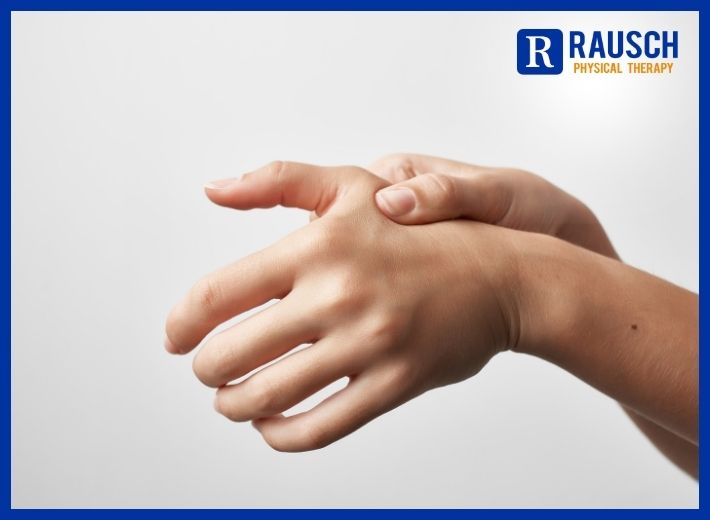
What Causes Hand Pain?

Hand pain can stem from various causes, from everyday overuse to chronic conditions like arthritis or carpal tunnel syndrome. Stiffness, swelling, or sharp discomfort can mean repetitive strain injuries, nerve compression, joint inflammation, or even poor ergonomics at work. Let’s explore the most frequent causes of hand pain and how to identify them. At Rausch PT, our sport-specific, licensed physical therapists combine their expertise in human mechanics with the clinic’s innovative rehab and performance technologies to help patients get healthy, stay healthy, and reach their goals. Come on in and meet with us!

Hand pain can happen for many reasons. An injury or disease of the muscles, nerves, or tendons in your hand can cause pain. Arthritis, tendonitis, and carpal tunnel syndrome are common causes of hand pain.

Hand pain can often be cured or the symptoms can be managed with treatment. Your doctor can suggest treatments depending on the cause.

This is also called de Quervain tendinosis. It causes pain and swelling in the tendons on the thumb side of your wrist.

Symptoms include:

  • Pain and/or swelling close to the base of your thumb
  • Trouble moving your wrist when you’re pinching or grabbing something
  • A feeling like your thumb is “sticking” when moving it

Pain can also travel the length of your thumb and up your forearm.

If you have de Quervain tenosynovitis, it can be painful to:

  • Make a fist
  • Grasp or hold objects
  • Turn your wrist

Repetitive activities and overuse are often the cause of de Quervain tenosynovitis. It can also be caused by:

  • Arthritis
  • Wrist or tendon injury that causes scar tissue to form
  • A buildup of fluid, possibly due to hormonal changes in pregnancy

Pain relief treatments include:

  • A splint to rest the thumb and wrist
  • Anti-inflammatory medications
  • Cortisone shots

Surgery may be an option if symptoms remain severe after you have tried other treatments.

Skier’s thumb is an injury to a ligament (a thick band of tissue that connects bones) inside your thumb. Skiers sometimes get this injury when they fall with a ski pole in their hand. The fall tears or stretches the ligament. Any accident that pulls your thumb out farther than it’s meant to go can cause skier’s thumb.

The inside of your thumb will feel tender. It may also be:

  • Bruised
  • Red
  • Swollen

If you have skier’s thumb, your thumb may bend to the side more easily than usual. It may be hard for you to hold things or turn knobs.

Ways to treat the pain include:

  • Anti-inflammatory pills, gel, cream, or patch
  • Ice
  • Physical therapy

If your ligament is partially torn, you may need to wear a cast for 4 weeks to hold your thumb still. Then you wear a splint for 2 weeks. You can take the splint off to do exercises to increase movement in your injured thumb.

Surgery is the only way to treat a complete tear. After a surgeon fixes the torn ligament, you’ll wear a cast on the hand for 4 weeks. Then you’ll wear a splint for 2 weeks, and do exercises to regain movement in your hand.

This is one of the most common nerve disorders of the hand. It causes pain in the:

  • Palm and some fingers of your hand
  • Wrist
  • Forearm

Often the pain is worse at night than during the day. Carpal tunnel syndrome can also cause:

  • Weakness
  • Tingling
  • Numbness

You may especially feel it in your thumb, index finger, and middle finger. This can make it hard to grip objects.

The discomfort happens when swelling constricts the median nerve. The median nerve controls sensation and muscle impulses in your thumb and most of the fingers (except for your pinkie finger and the half of your ring finger that’s closest to your pinkie finger).

The median nerve passes through the carpal tunnel. The carpal tunnel is a structure made up of bones and connective tissues that is located at the base of your hand. In this narrow space the median nerve can get pinched by inflamed or irritated tendons or other swelling.Common treatments include:

  • Resting the hand and wrist
  • Anti-inflammatory or analgesic painkillers
  • Wrist splints
  • Steroid shots
  • Physical therapy

Your doctor may suggest surgery if your symptoms don’t get better with treatment.

A fracture, or a break in a bone, can cause a lot of hand pain. Besides pain, after a fracture you may have:

  • Stiffness
  • Swelling
  • Loss of movement
  • Unstable joint
  • Overlapping fingers
  • Numbness in your fingers

If you have fractured a finger, for example, you may not be able to move it fully. Your injured finger might be slightly shorter than usual.

Some fractures can be treated without surgery. Your doctor may be able to line up the pieces of bone and then put a cast or splint on to keep them in place. You might need to wear this for up to 6 weeks.If you need surgery, your doctor will make an incision. They might use pins, wires, or plates to hold the bones together while they heal. It’s possible that you could lose some function in your finger.

This is a common cause of hand pain. The tough tissue on the ends of your bones called cartilage that allows them to move smoothly against each other starts to break down. As this happens, the bones rub against each other and can cause swelling, irritation, and pain.

In the hand, the areas where this most often occurs are the:

  • Base of your thumb
  • Middle joint of one or more fingers
  • End joint, which is closest to your finger tip

Osteoarthritis is the most common type of arthritis. It can happen with aging or following an injury, such as a fracture or dislocation. When it affects your hand, it causes:

  • Pain
  • Swelling
  • Stiffness

Bony nodules may also form at the middle or end joints of your fingers. Osteoarthritis can also cause deep, aching pain at the base of the thumb. The hand may also become weaker, making everyday activities difficult.

Treatment depends on how bad your pain and loss of function is. It might include:

  • Anti-inflammatory or analgesic painkillers
  • Splints for the fingers or wrist
  • Heat and cold therapy
  • Corticosteroids
  • Physical therapy
  • Acupuncture

If these treatments do not provide relief, your doctor might recommend surgery.

Doctors call this stenosing tenosynovitis. It causes your fingers or thumb to lock in a bent position. It can be painful, especially when you bend or straighten the affected finger or thumb.

The condition develops when the flexor tendons, which control the movements of your fingers and thumb, become irritated. This can make them thicken within the tendon sheath that surrounds the flexor tendons. Nodules may also form on the affected tendons. The sheath itself may thicken, too.

All of this prevents the smooth movement of the tendons. Eventually, the tendon may become stuck when you try to straighten a bent finger or thumb. You may also feel a catching sensation when the finger or thumb locks in place, and then a pop as the tendon is released.Doctors don’t know what causes trigger finger. You’re more likely to get it if you have:

  • Rheumatoid arthritis
  • Gout
  • Diabetes

Trigger finger is more common in adults between ages 40 and 60.

Rest, sometimes while wearing a splint, may fix the problem. Over-the-counter pain medications can ease the pain. Corticosteroid injections (steroid shots) often can help relieve symptoms. Your doctor may recommend surgery if other treatments fail.

A ganglion cyst is a fluid-filled lump in your hand. It grows from joints and tendons in your fingers and wrists. It’s the most common type of lump in the hand.

Doctors don’t know what causes ganglion cysts. You’re more likely to get them if you are:

  • Assigned female at birth
  • Between ages 15 and 40
  • A gymnast and put a lot of stress on your wrists
People assigned female at birth who have arthritis are more likely to get a ganglion cyst at the end joint on the back of the finger.

If the cyst presses on a nerve, it can cause pain, tingling, and weakness.

You don’t have to treat a cyst if it doesn’t cause symptoms. Wearing a wrist brace or splint can shrink the cyst. Your doctor can drain the fluid out of the cyst if it hurts, but the cyst could grow back.

Surgery may be an option if these treatments don’t work. Your doctor can remove the cyst and the stalk it grows from.

Peripheral neuropathy happens when nerves outside your brain or spinal cord are damaged. You might feel pain, weakness, and numbness in your hands and feet. Other areas of your body may also be affected, as well as body functions like digestion.

Causes of peripheral neuropathy include:

  • Autoimmune diseases like rheumatoid arthritis and lupus
  • Type 2 diabetes
  • Infections such as Lyme disease, shingles, hepatitis, and HIV
  • Low vitamin B levels
  • Chemotherapy
  • Heavy metals like lead or mercury
  • A tumor or other growth that presses on a nerve

Treatment depends on the cause.

These medications can help:

  • Pain relievers
  • Antidepressant medicines
  • Anti-seizure medicines

Other treatments include:

  • Physical therapy
  • Braces and special footwear
  • Visiting a foot doctor (podiatrist)
  • Surgery to relieve pressure on the nerve or reconnect nerves

These symptoms may come and go. Constant hand pain and numbness could be a sign of more serious nerve damage. It’s important to treat nerve injuries quickly. See a doctor if symptoms like pain, weakness, and tingling don’t go away.

If you wake up with a prickly sensation in your hands, your sleep position could be the cause. Some positions put pressure on nerves in your hand or wrist.

You’re more likely to have numbness and tingling in your hands if you sleep with your:

  • Hands under your head or pillow
  • Elbows bent more than 90 degrees
  • Fists closed

Sleep on your back with your arms at your sides or on pillows to take pressure off the nerves in your hands. Or sleep on your side with your arms on a pillow.

Hand pain holding you back? We can help. Get Rausch PT expert insights into the causes and explore personalized treatment plans. Call our physical therapy center today at 949-276-5401. For more tips, you can also connect to our IG.


Reference: [https://www.webmd.com/pain-management/hand-pain-causes]

Understanding ACL Injuries

The Anterior Cruciate Ligament (ACL) is a crucial ligament that provides stability to the knee joint. An ACL injury, often involving a tear, can result from sudden twisting or pivoting motions, common in sports like basketball, soccer, and skiing. Symptoms typically include sudden, sharp pain, swelling, instability, and difficulty bearing weight. Explore here the causes, symptoms, and treatment options for ACL injuries.

At Rausch PT, our entire team, from the friendly front office staff to our dedicated aides, is here to support and motivate you in achieving your goals. We strive to provide you with the best experience every time you visit, ensuring that your personal Rausch physical therapist is by your side throughout your entire treatment, even supported with RxMassage if you need it!

An ACL injury is a tear or sprain of the anterior cruciate (KROO-she-ate) ligament (ACL) — one of the strong bands of tissue that help connect your thigh bone (femur) to your shinbone (tibia). ACL injuries most commonly occur during sports that involve sudden stops or changes in direction, jumping and landing — such as soccer, basketball, football and downhill skiing.

Many people hear a pop or feel a “popping” sensation in the knee when an ACL injury occurs. Your knee may swell, feel unstable and become too painful to bear weight.

Depending on the severity of your ACL injury, treatment may include rest and rehabilitation exercises to help you regain strength and stability, or surgery to replace the torn ligament followed by rehabilitation. A proper training program may help reduce the risk of an ACL injury.

Symptoms

Signs and symptoms of an ACL injury usually include:

  • A loud pop or a “popping” sensation in the knee
  • Severe pain and inability to continue activity
  • Rapid swelling
  • Loss of range of motion
  • A feeling of instability or “giving way” with weight bearing

When to see a doctor

Seek immediate care if any injury to your knee causes signs or symptoms of an ACL injury. The knee joint is a complex structure of bones, ligaments, tendons and other tissues that work together. It’s important to get a prompt and accurate diagnosis to determine the severity of the injury and get proper treatment.

Causes

Ligaments are strong bands of tissue that connect one bone to another. The ACL, one of two ligaments that cross in the middle of the knee, connects your thighbone to your shinbone and helps stabilize your knee joint.

ACL injuries often happen during sports and fitness activities that can put stress on the knee:

  • Suddenly slowing down and changing direction (cutting)
  • Pivoting with your foot firmly planted
  • Landing awkwardly from a jump
  • Stopping suddenly
  • Receiving a direct blow to the knee or having a collision, such as a football tackle

When the ligament is damaged, there is usually a partial or complete tear of the tissue. A mild injury may stretch the ligament but leave it intact.

Risk factors

There are a number of factors that increase your risk of an ACL injury, including:

  • Being female — possibly due to differences in anatomy, muscle strength and hormonal influences
  • Participating in certain sports, such as soccer, football, basketball, gymnastics and downhill skiing
  • Poor conditioning
  • Using faulty movement patterns, such as moving the knees inward during a squat
  • Wearing footwear that doesn’t fit properly
  • Using poorly maintained sports equipment, such as ski bindings that aren’t adjusted properly
  • Playing on artificial turf

Complications

People who experience an ACL injury have a higher risk of developing osteoarthritis in the knee. Arthritis may occur even if you have surgery to reconstruct the ligament.

Multiple factors likely influence the risk of arthritis, such as the severity of the original injury, the presence of related injuries in the knee joint or the level of activity after treatment.

Prevention

Proper training and exercise can help reduce the risk of ACL injury. A sports medicine physician, physical therapist, athletic trainer or other specialist in sports medicine can provide assessment, instruction and feedback that can help you reduce risks.

Programs to reduce ACL injury include:

  • Exercises to strengthen the core — including the hips, pelvis and lower abdomen — with a goal of training athletes to avoid moving the knee inward during a squat
  • Exercises that strengthen leg muscles, particularly hamstring exercises, to ensure an overall balance in leg muscle strength
  • Training and exercise emphasizing proper technique and knee position when jumping and landing from jumps
  • Training to improve technique when performing pivoting and cutting movements

Training to strengthen muscles of the legs, hips and core — as well as training to improve jumping and landing techniques and to prevent inward movement of the knee — may help to reduce the higher ACL injury risk in female athletes.

Gear

Wear footwear and padding that is appropriate for your sport to help prevent injury. If you downhill ski, make sure your ski bindings are adjusted correctly by a trained professional so that your skis will release appropriately if you fall.

Wearing a knee brace doesn’t appear to prevent ACL injury or reduce the risk of recurring injury after surgery.

The Mayo Clinic experience and patient stories

Our patients tell us that the quality of their interactions, our attention to detail and the efficiency of their visits mean health care like they’ve never experienced. See the stories of satisfied Mayo Clinic patients.

Regain strength, stability, and confidence after an ACL injury with our expert Rausch Physical Therapy. Our experienced therapists will guide you through a personalized recovery plan, helping you return to your favorite activities with renewed strength and confidence. Call us today at 949-276-5401. For more tips, you can also connect to our IG.


Reference: [https://www.mayoclinic.org/diseases-conditions/acl-injury/symptoms-causes/syc-20350738]

How to Reduce Soreness After a Workout

Experiencing muscle soreness after an intense workout is common. While it can be a sign of effective training, excessive soreness can hinder your progress and limit your ability to train consistently. Here we bring you some effective strategies to reduce muscle soreness, including our very own Rx Massage. 

The first day or two after a new strength-training class or routine can be rough. Not only are you physically tired from exercising, but you’re also feeling so sore that it’s difficult to even lift your arms or bend down to tie your shoes. This pain you’re feeling is known as ​delayed onset muscle soreness, often referred to as DOMS​, and it usually appears 24 to 48 hours after your weight-training session. Ease your muscle soreness after lifting weights with tried-and-true techniques such as foam rolling, light movement and heat therapy.

What Is DOMS?

A little bit of soreness or even mild pain during and after a bodybuilding session isn’t a bad thing; it just shows that you worked hard while lifting those weights. However, when you quickly increase the intensity or the amount of weight you’re lifting, your muscles react accordingly — and that reaction might be painful.

Researchers aren’t 100 percent sure what causes DOMS, but the pain can likely be attributed to small tears in the connective tissue around the muscles. As your muscles repair themselves, they get stronger — and that means you’re less likely to experience the same amount of soreness the next time you lift weights at that intensity level.

The pain from DOMS usually peaks around ​48 hours after heavy exercise​ and gradually fades around 72 hours after the workout. Delayed onset muscle soreness differs from acute muscle soreness, which is what you feel during and immediately after weight training.

Keep in mind, especially if you’re new to weight training, that there’s a difference between acute or delayed onset muscle soreness and other types of pain that could indicate something is seriously wrong. If you feel a sharp pain — as opposed to mild soreness — that prevents you from moving a body part, you should visit a doctor. You might have done more damage than you previously realized.


Additionally, pain in an area that’s swelling or bruising or that doesn’t get better after several days merits a visit to a health care professional. A severe case of DOMS could indicate ​rhabdomyolysis​, a rare but serious condition that’s caused by injury to your skeletal muscles. When rhabdomyolysis occurs, potentially toxic compounds are released into the bloodstream, which can lead to dangerous complications such as kidney failure.

Massage and Foam Rolling

If you can swing the cost of a professional massage or have a willing partner who will knead a sore area, ​massage therapy​ can certainly help decrease the pain brought on by DOMS. A 2017 review of studies published in Fronts in Physiology determined that massage therapy after intense exercise does wonders for getting rid of DOMS pain, as well as improving muscle performance in the future.

If an actual massage isn’t in the cards, the second-best scenario is ​self-myofascial release​, which is the fancy term for giving yourself a massage. This is most easily done by ​foam rolling​. Use the foam roller by positioning the targeted area over the roller and slowly but firmly pressing your body down, pushing on the sore spot for between 30 and 90 seconds. Release the pressure and repeat if necessary. You can also target the sore muscles, such as your calves, by rolling your body over the roller.

A study published in the Journal of Athletic Training in 2015 found that foam rolling for about 20 minutes immediately after exercise, as well as every 24 hours afterward, effectively reduces the symptoms of DOMS.

The stiff foam allows you to put a good amount of direct pressure on sore areas, which helps break down the tightness that can be causing some of the pain. If you have pain in a muscle that’s hard to get to with the long, cylindrical shape of a foam roller, use a tennis or lacrosse ball in the same manner to pinpoint the sore muscle.

Vibration Therapy

In addition to foam rolling, ​vibration​ can soothe sore muscles caused by heaving weightlifting. Apply a handheld vibration device directly on the sore muscle to increase bloodflow to the area, improve circulation and help the muscle repair itself more quickly.

A study published in 2018 in the Journal of International Medical Research that included more than 250 participants concluded that vibration is a useful form of physiotherapy to reduce the effects of DOMS, though the study authors noted that the effects need more research before it can be definitively stated that vibration wards off muscle soreness.

Food and Beverages

In case you need any more proof that food is integral to athletic performance, consider its effect on DOMS, advises 2014 research published in the Journal of Exercise Rehabilitation:

  • Caffeine:​ The caffeine found in coffee, tea, some colas and chocolate, among other foods and beverages, blocks the adenosine receptor, which can deactivate the central nervous system and can decrease the effects of DOMS.
  • Omega-3 fatty acids:​ The omega-3 fatty acids in fatty fish, walnuts and chia seeds might decrease exercise-induced inflammation, which could reduce overall DOMS symptoms.
  • Taurine:​ A number of animal products, such as meat, fish and dairy, contain taurine, and this organic acid that’s found in skeletal muscle could have an effect on pain relief when it comes to sore muscles from DOMS, though it’s not fully understood how the compound works to lessen the pain.
  • Polyphenols:​ A component of plant-based phytochemicals, polyphenols — specifically, in cherry juice — could reduce inflammation that is related to DOMS pain. Beet juice also contains polyphenols.

Old-fashioned water can help decrease the severity of DOMS too, so drink up to make sure you ​stay hydrated​ during and after a heavy workout.

Light Exercise

When your body aches from bodybuilding muscle pain, it’s tempting to take the day off to recover. Rest days are an important part of a weightlifting routine, allowing those muscles to repair themselves and grow even stronger.

However, a little bit of light exercise, such as taking a walk or hopping on the recumbent bike or elliptical machine, can help decrease the pain from DOMS. If you’re really sore, try a swimming workout — the buoyancy of the water might feel soothing on those aching muscles.

The American Council on Exercise says it’s safe to exercise when you’re experiencing delayed onset muscle soreness, as long as you’re not at risk of overtraining or putting undue stress on ligaments or tendons.

Heat and Ice

Both ​heat and ice therapy have their purposes​ when it comes soothing muscle pain. Heat increases blood flow to the area, which can decrease pain, while ice reduces swelling and inflammation.

If you’re only going to do one, stick to applying heat for about 20 minutes every hour to decrease joint stiffness, reduce tension in the muscles and help heal soft tissue by improving blood circulation in the area. Research published in 2017 in the Clinical Journal of Sports Medicine determined that applying heat immediately after heavy exercise is effective at reducing soreness, as is applying it 24 hours later, though to a lesser extent.

To apply heat safely, wrap up a heating pad in a towel and apply it directly to the sore area. Make sure not to burn your skin when trying to reduce the pain of DOMS.

Additionally, you can alternate heat and ice after a heavy workout, in an effort to rapidly narrow and widen blood vessels. This technique isn’t meant to reduce pain necessarily, but rather reduce swelling and get your muscles back into shape if you need to use them for another workout the next day.

What Not to Do

The fitness industry is rife with myths and legends, including those surrounding how to relieve sore muscles. For example, scientists used to think sore muscles were caused by lactic acid buildup in the muscles, though that’s now been proven to be untrue. More than three-quarters of the lactic acid that builds up in your muscles during exercise dissipates within a couple of minutes of ending your workout, according to the ACE Physical Therapy & Sports Medicine Institute.

Although the placebo effect is real, meaning that if you think a pain relief method is working, you’re likely to feel that relief, there are some long-touted relief methods that aren’t likely to actually alleviate much of your soreness.

  • Reconsider taking an NSAID:​ With any type of body ache, it’s tempting to reach for the painkillers. Nonsteroidal anti-inflammatory drugs, or NSAIDs, stop the body from creating prostaglandins, which decreases pain and inflammation. However, research hasn’t supported the use of NSAIDs in reducing muscle soreness. In fact, a study published in 2012 in Sports Medicine indicated that longer-term NSAID use could be detrimental to muscle growth.
  • Hold off on the Epsom salts:​ You can add Epsom salts to your hot bath water because they feel nice, but don’t expect to get any sort of relief out of it. Transdermal magnesium, which is the scientific term for Epsom salts, doesn’t have much research backing up its use in the tub.
  • Perform dynamic stretches:​ Dynamic stretches mimic functional movements and can improve mobility and range of motion, but static stretches — the kind where you reach and hold — won’t have much of a long-term impact on DOMS.

Preventing DOMS

As the saying goes, an ounce of prevention is worth a pound of cure. To avoid the pain of DOMS, be ​consistent in your weightlifting routine​ — weekend warriors are the ones most likely to experience DOMS because their muscles aren’t adapting to the stress of weightlifting or other exercises.

When you feel yourself getting stronger, increase your weight size gradually; too big a jump is a sure way to feel the ache a day or two later. Other tried-and-true ways to prevent DOMS, rather than treat the pain after the workout, include:

  • Do a warmup first:​ Before you start lifting weights, do a five-minute warmup to decrease the chances of DOMS. A warmup, such as light jogging or dynamic stretches, gets blood flowing to the muscles and prepares them for the burden they’re about to bear.
  • Finish with a cool down:​ A cool down brings your heart rate back to its normal level and helps regulate your blood flow, helping to alleviate later muscle soreness.
  • Wear compression garments after you lift weights:​ Research published in 2014 in the British Journal of Sports Medicine determined that wearing compression garments after a workout could help reduce muscle damage and, therefore, the pain of DOMS. A meta-analysis of studies published in 2016 in Physiological Behavior on this same topic confirmed this conclusion.
  • Continue to work out:​ Once your muscles have repaired the tears that caused DOMS, they will be bigger and stronger. Next time you lift weights at the same level, you won’t feel quite so sore. If you take a break from lifting, however, and then go back to it, you might feel those sore muscles after a heavy lifting session once again.

Ease muscle tension and improve your overall well-being. Our expert physical therapists can help you alleviate pain and prevent future injuries. We can also support with Rx Massage and StretchFix. Lots that we can do to help you with your discomfort, pain, and mobility! Call us today at 949-276-5401. For more tips, you can also connect to our IG.


Reference: [https://www.livestrong.com/article/90703-eliminate-soreness-after-lifting-weights/]

New Year, New You: Reasons to Consider PT

Physical therapy isn’t just for athletes. Whether you’ve injured yourself, recovering from surgery, or dealing with chronic pain, a physical therapist can help. They can provide personalized treatment plans, teach you exercises to improve your mobility and strength, and help you manage pain. So, if you’re struggling with any physical limitations, start 2025 addressing your pain. You don’t need to live with a lack of mobility or with that discomfort! We have 101 ways to help! 

Physical therapy provides so many benefits that you may not realize all the reasons it’s worth a try.

Physical therapy is a proven treatment method that helps people heal from injuries, disabilities and health conditions. Some of its many benefits include pain management, improved mobility and muscle strengthening.

Each person’s needs and goals for physical therapy are unique. After a therapist does an evaluation of your condition and reviews your medical history, together you will establish short and long term goals. The therapist will then create a routine to help you meet those goals. Exercise is a main component of physical therapy, but recommended treatments may also include posture correction and alignment, balance and coordination training, and stress-relieving routines.

We can also support your physical therapy with massage!

Here are 7 common reasons to seek physical therapy treatment:

  • Pain management: Therapeutic exercises and manual therapy techniques can help relieve pain and restore muscle and joint function. Physical therapy can help reduce or eliminate the use of opioids for pain relief.
  • Mobility improvement: Stretching and strengthening exercises help restore your ability to move better at any age. Whether you have a chronic condition like arthritis, are recovering from an injury or are managing age-related mobility issues, physical therapy may help.
  • Surgery avoidance: If physical therapy helps you manage pain or heal from an injury, surgery may not be needed. If you do need surgery, pre-surgery therapy can help you go into surgery in better shape, which can help speed recovery.
  • Sports injury recovery: Physical therapists can design recovery or prevention exercise programs to ensure a safe return to a sport. Some injuries that can be treated during physical therapy include tennis elbow, groin pulls, shin splints, hamstring strains, shoulder injuries, sprained ankles, knee injuries and Achilles tendinitis.
  • Stroke recovery: Physical therapy helps strengthen weakened parts of the body and improve posture and balance after having a stroke. Therapists can also improve stroke patients’ ability to be more independent by helping them return to performing everyday tasks.

    We can also support your physical therapy with massage!
  • Fall prevention: Physical therapy can improve coordination and balance, which reduces the likelihood of falls. Therapists can also recommend assistive devices and provide training on the proper way to use these devices to improve safety and reduce fall risk.
  • Health condition management: In addition to treating ailments such as arthritis and sports injuries, some physical therapists offer specialized management of health conditions, such as bowel or urinary incontinence, breast cancer, fibromyalgia and lymphedema, among others.

Regardless of your reason for starting physical therapy, being patient and persistent is the best way to see lasting results and continued improvement.

We can also support your physical therapy with massage!

Start 2025 feeling your best. Our experienced Rausch physical therapists can help you take the first step toward a pain-free life. Call us today at 949-276-5401. For more tips, follow us on Instagram.


Reference: [https://www.guthrie.org/blog/7-common-reasons-go-physical-therapy]