Blog

Employee Spotlight – Ashley Heller

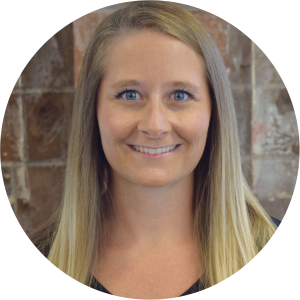
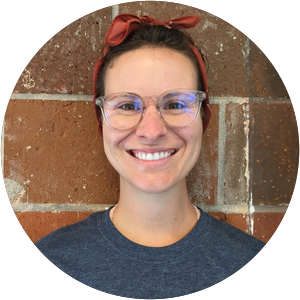
Meet Ashley our “Water Sports PT”. Ashley has been surfing locally in the area for 25 years and loves working with athletes. There are a range of injuries surfers can experience including shoulder impingement/rotator cuff tears, lower back injuries, ACL/MCL and meniscus injuries to the knee, and compression injuries to ankle or knee from more progressive surfing. Ashley’s experience as a competitor as well as experience as a manual orthopedic Physical Therapist helps her understand what specific demands surfing athletes are under and how she can help them best.

Where’s your favorite place in the world?

Fiji

If you were stuck on an island what three things would you bring?

My Family, Surfboard, a Survival Knife

Before working at Rausch, what was the most unusual or interesting job you’ve ever had?

I lifeguarded for over 10 years

The reason I got into this industry is…

To work with people in a medical setting where we actually get to know someone and help them heal and make a difference in their lives.


Ashley Heller

Let’s talk! We are here to help. Give us a call for a complimentary consultation. We would love to meet you.

Did you know there’s no prescription needed from a doctor to see us – but we will communicate your progress and treatment to your doctor if you’d like us too!
(949) 276-5401

RauschPT


Disclaimer — All the information that you find on our blogs and social media pages are for informational purposes only and are not intended to be used as your personal professional diagnosis, or treatment. Come and see us for your excellent, personalized care! https://staging.rauschpt.net/

Pack PT-Employee – Brian Frank Spotlight

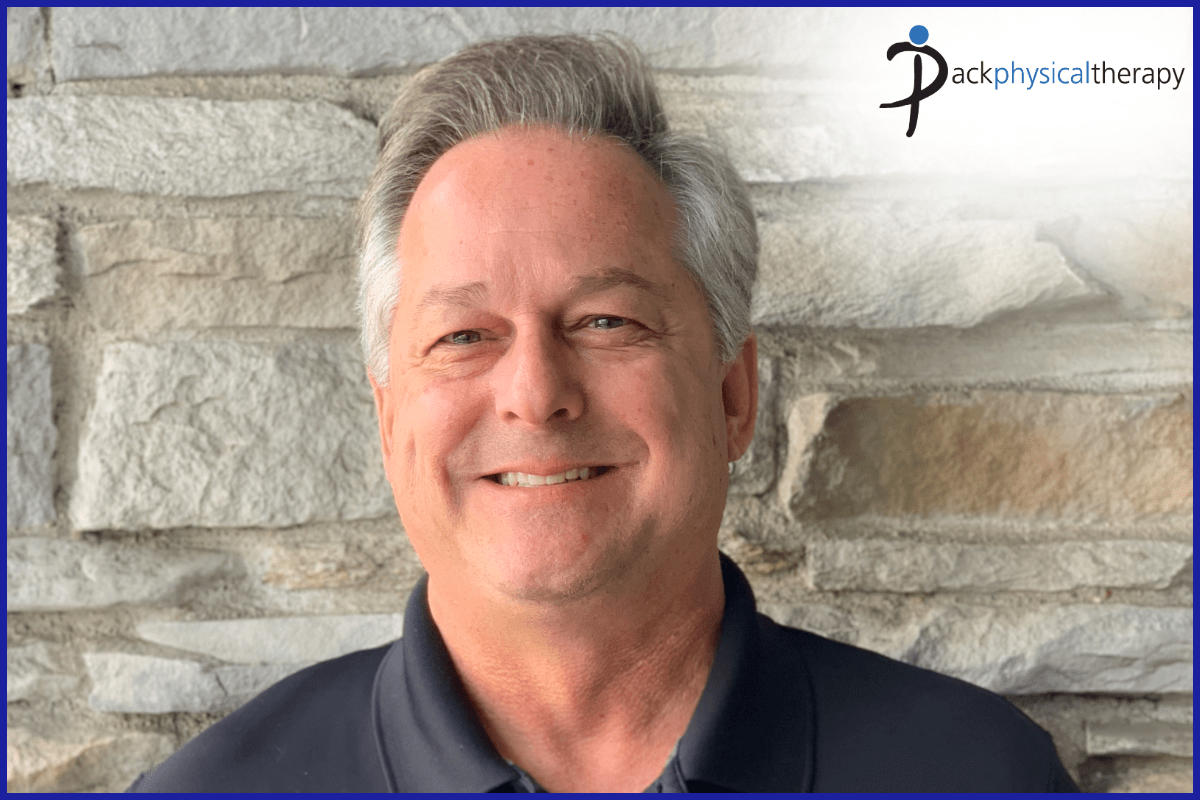
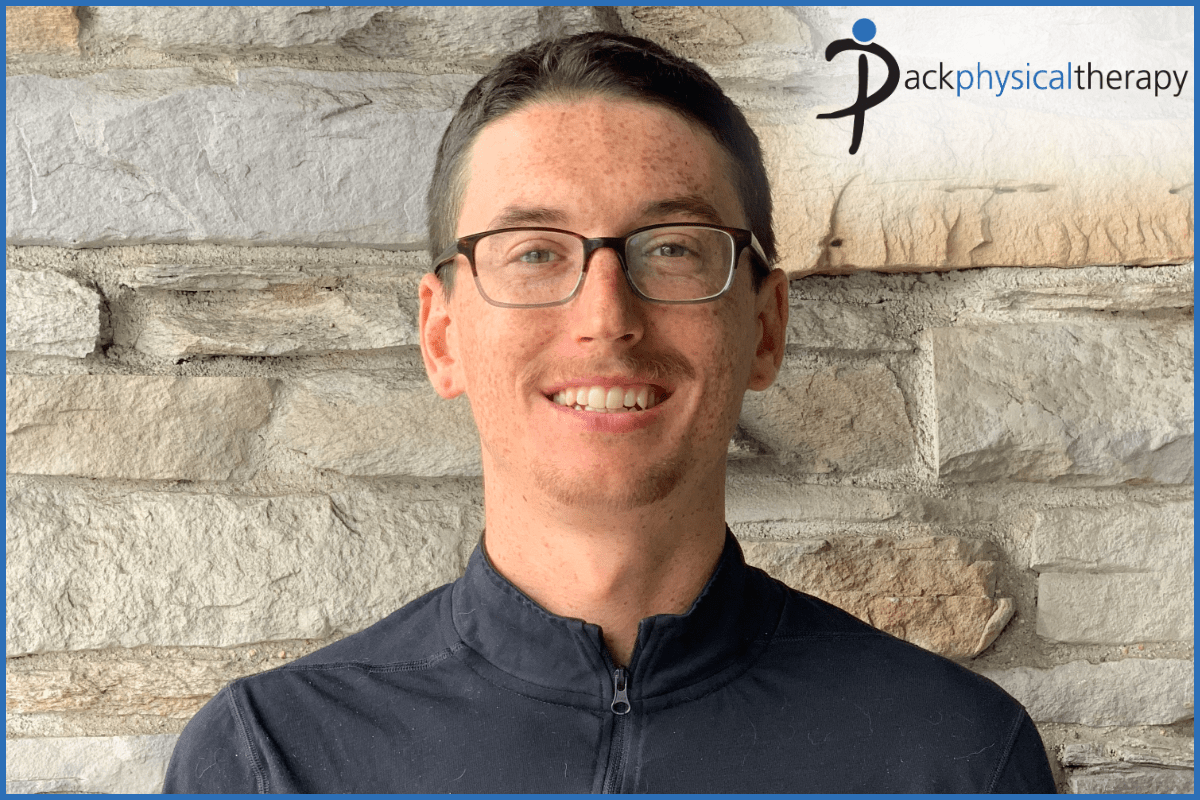
Meet our all-star PT Brian Frank. Brian is skilled in treating orthopedic and sports injuries with
youth, high school, and college-age athletes. He has always had an interest and been involved in
sports. Brian also enjoys treating ‘experienced’ patients who have had total joint replacements.
He takes pride in continuing to learn more about his craft through his own hands-on
experience and continuing education courses.

My first concert was:

Oingo Boingo


Three things I would bring if I were stuck on an island:

My guitar, my cast iron skillet, a hammock


Three words that best describe me:

Empathetic, loyal, funny


Employee Spotlight – Alfredo Valdes

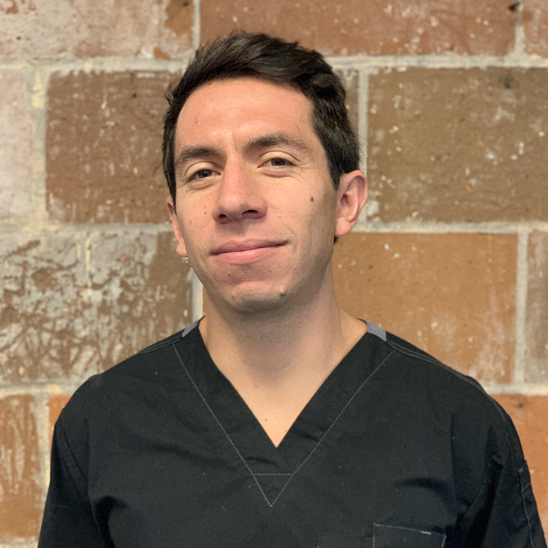
Meet Alfredo Valdes of Rx Massage. Alfredo is an endurance athlete who has played soccer his whole life. He uses his athletic expertise when working on his patients. Alfredo uses neuromuscular techniques to help with pre and post-race recovery and to help on rehab frozen shoulder type strains as well as sprains and chronic tightness on low back, hips, and legs. Along with his work on athletes, Alfredo also enjoys helping clients that come in with pain from sitting in front of computers all day.

FUN-FACTS-1-768x512

Where’s your favorite place in the world?

Mom’s place

One thing no one would guess about me is…..

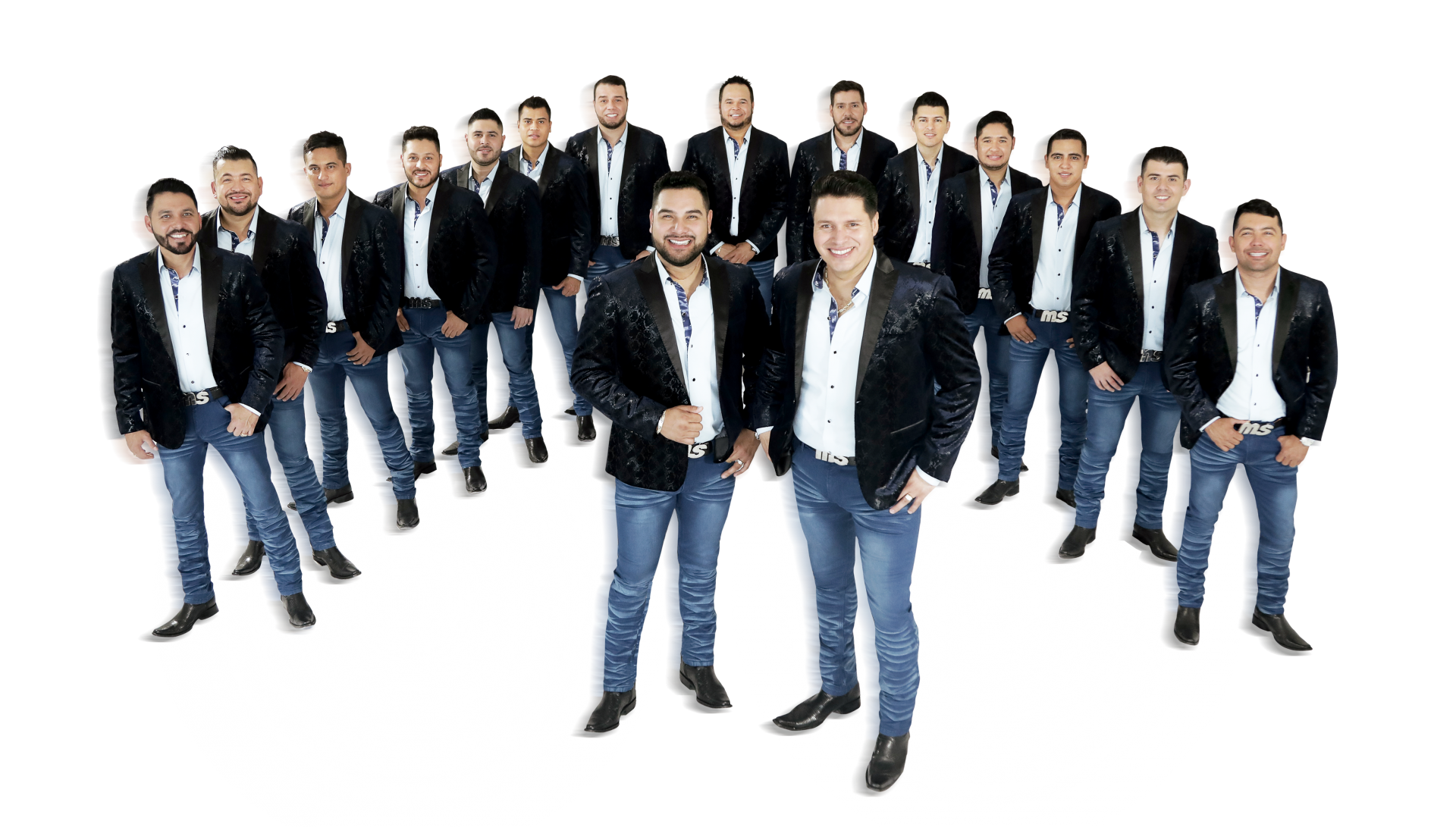
 I like Banda Music

bandamusic


alfredo2

Alfredo Valdes

Let’s talk! We are here to help. Give us a call for a complimentary consultation. We would love to meet you.

Did you know there’s no prescription needed from a doctor to see us – but we will communicate your progress and treatment to your doctor if you’d like us too!
(949) 276-5401

RxMassage


Disclaimer — All the information that you find on our blogs and social media pages is for informational purposes only and is not intended to be used as your personal professional diagnosis, or treatment. Come and see us for your excellent, personalized care! https://staging.rauschpt.net/

Why You Need a Sports Massage

Regular indulgence in spa treatments is exactly what you need to recover this offseason and ultimately improve your triathlon performance. That’s right: spa treatments. Of course, for many of you, going to a spa to relax is far from the experience you’ll receive. Those tight muscles have been screaming out for a massage for a long time.

What is a Sports Massage?

A sports massage is typically a combination of several massage techniques that are tailored to your affected muscle groups based on the activities that you do. A properly administered sports massage can help flush the lactic acid out of your body. There are two types of sports massages that can benefit triathletes depending on when you schedule your appointment and your race schedule.

If you have a race coming up you will want to receive a lighter massage. But, if you are in between events and have specific issues, your sessions can focus on deep-tissue massages in problem areas.

So, what exactly is a sports massage and what will it do for a triathlete?

Athletic Performance

Continual improvement is the reason you train in the dead of winter, hammer up the hills on the bike, do track work, and train in the pouring rain. Well, that is the same reason you should get a good sports massage. After a massage you’ll feel lighter, more powerful and more flexible, and all those nagging aches and pains can be addressed, helping to reduce the likelihood of injury.

Injury Prevention

One of the best reasons to get a sports massage is to help your muscles, tendons and joints move through their proper range of motion and stay in optimum shape. It’s just like that pre-workout warm-up you’re supposed to do. You want your muscles to be pliable and your joints warmed up before your exercise.

Many injuries are brought about by overusing certain muscles. This can result in soreness, pain and inflammation. Regularly scheduled sports massages can help reduce the likelihood of the muscles becoming overused in the first place and can also help reduce the initial inflammation that leads to injury.

It can also help reduce the chance of injury recurrence. Massage is most effective at treating soft-tissues injuries such as strains, sprains and stress injuries.


Pain Reduction

Massage has been known to reduce pain from recovering injuries or tight muscle areas. Massage promotes proper healing of scar tissues and can provide a soothing effect on injured areas.

Relaxation and Focus

Sports Massage can help decrease stress and increase focus, putting you in a good psychological state before your next race. The brisk movements of the massage can also leave you feeling invigorated.

Post-Race Recovery

Massage can help hasten the healing and recovery process after an intense race by dissolving waste fluids such as lactic acid.

How often should you get a sports massage?

On average, a triathlete should get one massage per week or a minimum of one per month. That may seem extreme, particularly if a trip to something like a spa seems more of an indulgence for you. But remember: massages go a long way to help prevent injury, and Rx Massage is so much more effective than a mere ‘spa’ treatment.

When should I get a sports massage?

People respond in different ways to a massage so if you have the luxury to try one at different times in your training then determine what is right for you. However, the majority of people will tend to favor the post-race/post-long workout time more. Both are beneficial but the pre-race massage will stimulate your muscles whereas the post-race massage is more of a cool-down/recovery massage.

Let’s talk! We are here to help. Give us a call for a complimentary consultation. We would love to meet you.

Did you know massage can massively speed up your healing, from training, injury or surgery recovery? Massage has an overarching positive effect on so many aspects of your health. We have excellent memberships that make regular expert massages possible. Call us! (949) 276-5401

RxMassage


Disclaimer — All the information that you find on our blogs and social media pages is for informational purposes only and is not intended to be used as your personal professional diagnosis, or treatment. Come and see us for your excellent, personalized care! https://staging.rauschpt.net/

Reference: {https://www.active.com/triathlon/articles/why-you-need-a-sports-massage}

Tips to Improve Posture

Posture is the positioning of the body when a person is sitting, standing, lying down, or performing different tasks. Researchers have linked bad posture with some uncomfortable health conditions and a high risk of injury, especially during exercise.

Having good posture is very important. Poor body positioning and alignment can cause various health problems, such as:

  • Back and Neck Pain
  • Poor Balance
  • Difficulty Breathing
  • Headaches
  • Incontinence
  • Constipation
  • Heartburn

Poor posture may be responsible for other conditions, as well. According to Harvard Health, researchers are investigating possible connections between bad posture and sleep disturbances, fatigue, and mood disorders.

Poor posture can be habitual, and it may also stem from poor muscle tone and low levels of strength and flexibility.

There are many ways to overcome habitual bad posture and build the right muscles.

Exercises and stretches

The most helpful exercises for improving posture affect the core — the back, buttocks, and abdomen.

Bridge


Begin by lying flat on the back with the legs shoulder-width apart, the knees bent, and the heels as close to the buttocks as possible.

With the hands at the sides, lift the buttocks and lower back off of the floor. There should be a diagonal line from the knees to the hips and down to the shoulders.

Hold this position for a few seconds, then gently lower the hips to the floor. Repeat this exercise 8 to 10 times per session.

Back extension


Lie on the stomach with the legs straight and the arms bent. Look down at the floor, keeping the neck straight and the hands-on either side of the face.

Keeping the forearms flat on the floor and keeping the head and neck straight, gently use the arms to lift the upper body, while arching the back.

Hold this position for a few seconds, then gently lower the body to the starting position. Repeat this exercise 8 to 10 times per session.

Plank


Several variations of the plank exercise can help improve posture. Below is the basic plank, but a person may find different versions more or less effective.

Begin by lying on the stomach. Shift the position so that the weight of the body rests on the forearms and toes, with the rest of the body hovering above the floor. Some people prefer to have their arms outstretched and their hands, not their forearms, touching the floor.

Stay in this position for a few breaths, focusing on keeping the core and abdominal muscles tight, before lowering the body and releasing the position.

Hip flexor stretch

Stand with the legs together. Using the right foot, take a big step forward, keeping both the feet and knees pointing forward.

Gently bend the right knee and lunge forward, until there is a stretching feeling in front of the left hip.

Hold this position for a few seconds, then return to standing. Repeat the exercise, this time using the other foot to step forward.

Standing quad stretch


From a standing position, slowly bend the right knee and bring the right foot up behind the body.

Using the right hand, grab the right foot and pull it closer to the buttocks, until there is a stretching feeling in the hip and quadriceps — a group of muscles in the front of the thigh. Make sure that the knees stay close together.

Hold the stretch for a few seconds and release it, slowly lowering the foot to the floor. Repeat the exercise on the other side.

Chest stretch


Stand straight, with the legs shoulder-width apart.

Using both hands, reach behind the body and interlace the fingers with the palms pointing upward.

Keeping the back and arms straight, gently pull back and down through the shoulders. Hold the position for a few seconds, then release it.

Other tips for improving posture

In addition to regular stretching, there are many ways to improve posture. These include:

  • Using a posture device: There are braces or shirts that gently pull back the shoulders to improve the way that the person sits and stands.
  • Staying active: Exercise can help build up the muscles necessary for maintaining good posture.
  • Being mindful of devices: Make sure that computer screens and keyboards are at a height that encourages healthful posture. Desk chairs and work surfaces should also be at an appropriate height.
  • Maintaining a healthy weight: Carrying extra weight can put extra stress on the muscles and pull the body out of alignment.
  • Getting enough support: Make sure that the buttocks, back, and thighs have enough support when sitting down. Use a small pillow behind the back if necessary, and ensure that the hips and thighs are parallel to the floor.
  • Using the imagination: When standing up, pretend that there is a string extending from the top of the head into the air. Imagine that someone is pulling on that string, keeping head up and the shoulders, hips, knees, and ankles in a straight alignment.

Summary

Good posture is important. Maintaining proper alignment of the body while sitting and standing helps prevent injury and pain and supports the functioning of the muscles and the rest of the body.

Being mindful of body positioning, stretching regularly, and employing some of the tips listed above can help improve posture.

Let’s talk! We are here to help. Give us a call for a complimentary assessment.
Did you know there’s no prescription needed from a doctor to see us?
(949) 443-0713

logo-top

{Reference: https://www.medicalnewstoday.com/articles/325365.php#summary}

Employee Spotlight – Avrie Stoker, PT, DPT

Rx Massage Therapist Avrie Stoker’s niche area of expertise is a therapeutic massage. Avrie treats all sorts of issues, from chronic problems to something new that has just emerged through overtraining, accident, aging or surgery. Avrie loves to treat all clients in need of help! She enjoys treating lower extremities but finds that she is an expert with working on hip flexors and feet.

FUN-FACTS-1-768x512

Where is your favorite place in the world:

The Sequoia National Forrest

If you were stuck on an island what one single thing would you bring with you?

A fishing pole

Three words that best describe you:

 Funny, charismatic, talkative


Avrie-Stoker-Massage-Therapist (1)

Avrie Stoker, PT, DPT

Let’s talk! We are here to help. Give us a call for a complimentary consultation. We would love to meet you.

Did you know there’s no prescription needed from a doctor to see us – but we will communicate your progress and treatment to your doctor if you’d like us too!
(949) 276-5401

RxMassage


Disclaimer — All the information that you find on our blogs and social media pages are for informational purposes only and are not intended to be used as your personal professional diagnosis, or treatment. Come and see us for your excellent, personalized care! https://staging.rauschpt.net/

Pack PT Employee – Sarah Troicky Spotlight

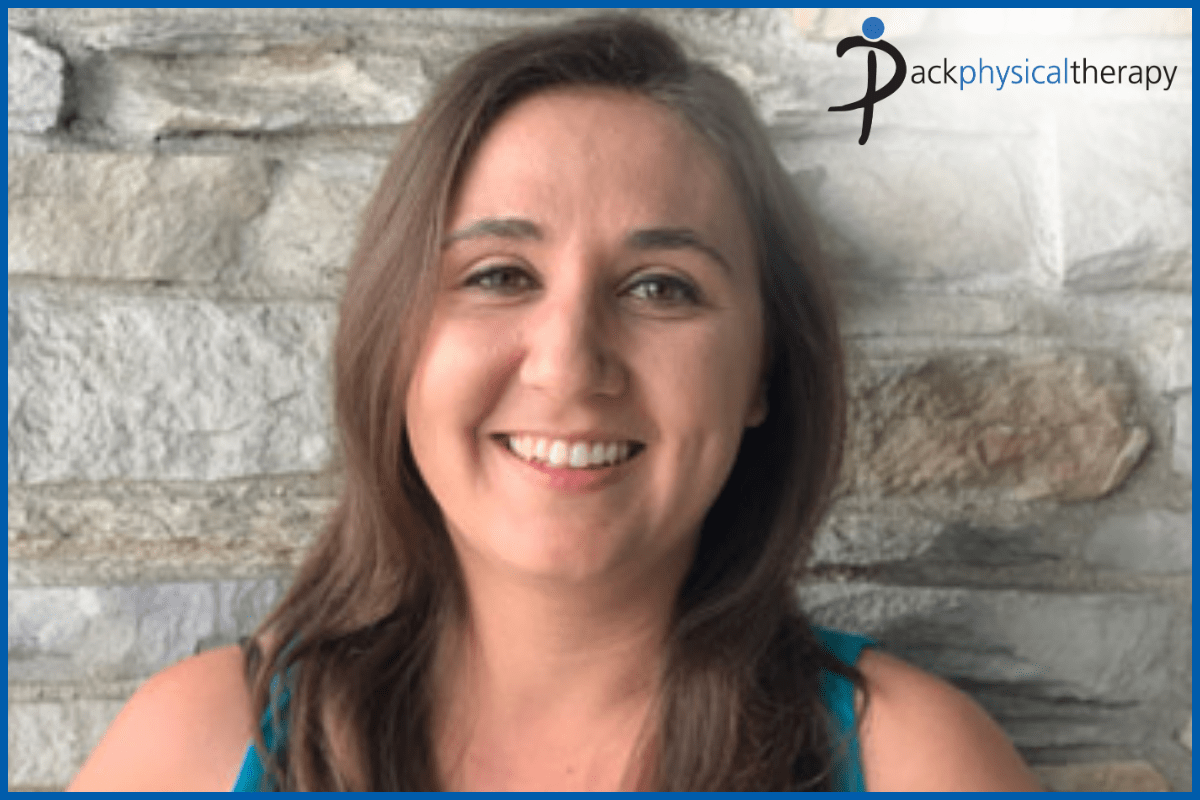
Meet Sarah Troicky, one of our amazing Physical Therapists at Pack PT. Sarah strives to get to the root of your pain. From the day you walk into the clinic she is persistent in understanding how you move and what limitations may be causing you pain. Education is a large component in the way she treats her patients, and she strives to make sure you understand your pain and how you will work together as a team to help you to overcome it. She treats a variety of injuries, with the majority of low back, hip, knee, neck, and shoulder pain. Sarah sees a large age range of patients, from those who are very active looking to get back to their physical activity to those who are in need of some encouragement to get back into a regular routine. Sarah also has a specialty of working with those involved in performing arts, specifically dancers. Sarah comes from an extensive personal background of dance which helps her to understand how the dancer’s body moves and functions. Recently a patient told her how grateful she was that she took the time to assess her dance technique and get to the root of a mechanical problem that she had been struggling with for quite a while. A true win-win for both Sarah and her patient! 

Where’s your favorite place in the world?

Kihei, Maui


What is the first concert you attended?

Justin Timberlake

Three words to best describe you:

Patient, persistent, and compassionate


Employee Spotlight – Dr. Michelle Zens, PT, DPT

Meet Michelle Zens, our “Boot Camp” PT here at Rausch. Michelle’s niche targets hardcore athletes that participate in boot camps, weight lifting, HIIT, or anything in between. She treats a vast array of issues including shoulder injuries, low back pain, knee injuries, muscle strains, ankle sprains and much more. The patients she treats are of all ages and backgrounds with the one commonality being that they want to return to their active lifestyle safely! Michelle is an expert in this niche because she loves to participate in boot camps herself, as well as HIIT and weight lifting programs. Having participated in several different programs and having been injured in a boot camp, she understands what it is like to want to get back to working out but not being able to safely. She has taken her own experience and applied what she has learned, first hand while working with her patients so that they are able to return to what they love. Michelle’s favorite body part to treat would have to be the knee. Having undergone ACL reconstructive surgery herself with several months of PT afterward, she is able to relate to her patients on a deeper level.

FUN-FACTS-1-768x512

If you were stuck on an island what three things would you bring?

My cat, a soft blanket, and a water filter.

Before working at Rausch PT, what was the most unusual or interesting job you’ve ever had?

I catered for weddings! You wouldn’t believe how fun and interesting it is to people watch at weddings.

Three words to best describe you:

Caring, Knowledgable, and Efficient


Michelle

Dr. Michelle Zens, PT, DPT

Let’s talk! We are here to help. Give us a call for a complimentary consultation. We would love to meet you.

Did you know there’s no prescription needed from a doctor to see us – but we will communicate your progress and treatment to your doctor if you’d like us too!
(949) 276-5401

RauschPT

Disclaimer — All the information that you find on our blogs and social media pages are for informational purposes only and are not intended to be used as your personal professional diagnosis, or treatment. Come and see us for your excellent, personalized care! https://staging.rauschpt.net/

Minimizing Discomfort Through Myofascial Therapy

Our bodies ache. Whether it is from age, repetitive stress or recovering from a surgery or an injury, there are times when our bodies could use a little assistance in feeling better. One of the most spectacular ways in which your body can heal the strains, tensions, and restrictions that are preventing you from performing your best is through massage therapy or other forms of muscular or skeletal manipulation. Massage therapy is your non-surgical prescription to getting back on the golf course, back in the gym, or back at your desk working a shift without the nagging aches and discomfort that come from lower back or shoulder issues. Through a variety of techniques, we can offer you a pain-reduced or pain-free life without medication or surgery! One of the ways we can do that is through myofascial therapy, which just might be a great option for you.

Fascia is the thin, elastic, connective tissue that wraps most structures in the human body, including muscles. The practice of myofascial therapy works to relax contracted muscles, thereby improving blood and lymphatic flow. When the soft tissue becomes constricted due to injury, overuse, or inactivity, then pain, tension, and diminished blood flow is the result. Over time, this can contribute to pain and discomfort throughout your body, not just at the trigger point for your pain.

Myofascial therapy takes place during a massage treatment. Typically, your fascia is pliable and elastic; during your session, your practitioner will feel for tightness and stiffness around the fascia, this will indicate areas that need to be worked on. By applying light, manual pressure, your therapist will begin to manipulate and release the tension in the area. While the actual work that is being done may not be at the trigger point that is causing the pain and discomfort, myofascial release works the broader network of muscles that may be causing you pain. With the aid of the massage therapist, your muscles will go through this process repeatedly until the release is felt in the fascia and the muscles.

Myofascial therapy may also benefit those living with headaches, in addition to those with chronic pain or myofascial pain syndrome. The reduction of pain is available to you and does not require medication or surgery! Our clinic has been helping those with lower back pain for years and our services do not just stop at traditional massage! To see how we can help you manage your pain, visit our Facebook page at www.facebook.com/RxMassageTherapy or give us a call at (949) 276-5401.

Melissa-Bruketta-Massage-Therapist

Melissa Bruketta

Let’s talk! We are here to help. Give us a call for a complimentary consultation. We would love to meet you.

Did you know there’s no prescription needed from a doctor to see us – but we will communicate your progress and treatment to your doctor if you’d like us too!
(949) 276-5401

RxMassage

Disclaimer — All the information that you find on our blogs and social media pages are for informational purposes only and are not intended to be used as your personal professional diagnosis, or treatment. Come and see us for your excellent, personalized care! https://staging.rauschpt.net/

An Overview of Physical Therapy Exercises

If you have been referred to physical therapy after an injury or an illness, then you may have questions about what will happen. Most people visit a physical therapist because they are experiencing pain or difficulty with normal functional mobility. Your physical therapist may prescribe treatments and exercises to help you move better and feel better. One of the best ways to improve your overall mobility is with physical therapy exercises.

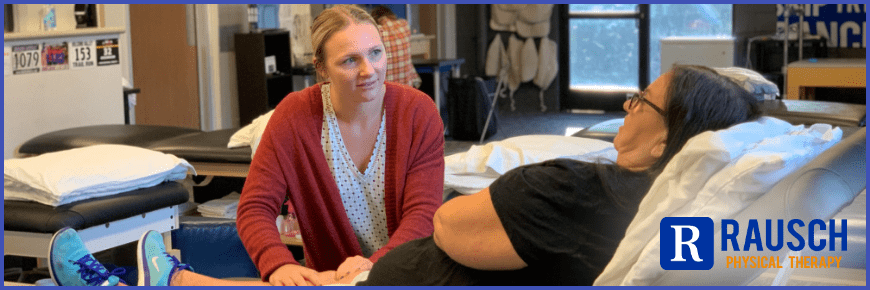
Therapeutic exercise should be one of the main treatments you receive from your physical therapist. It doesn’t matter if you are in a hospital, nursing home, school, or an outpatient orthopedic clinic. Physical therapists are movement experts, and exercise should be the primary tool your PT uses to get you moving better and feeling better.

When your physical therapist prescribes exercises for you to do, they should be considered as specific movement strategies to help your body change and grow in a positive way. The exercises you do in physical therapy are designed for your specific condition and are an integral part of your rehab program.

Should exercise be the only treatment you receive in physical therapy? Not necessarily. Some physical therapists use other techniques like massage, joint mobilizations, or modalities—like ultrasound or electrical stimulation—to help their patients move better and feel better. While passive treatments may feel good, they should not be the only treatment you get in physical therapy. There should always be an active component to your rehab program which includes various types of therapeutic physical therapy exercises.

Types of Physical Therapy Exercises

There are different types of physical therapy exercises that may be prescribed for you depending on your specific condition. These exercises may include:

  • exercises to improve strength
  • exercises to improve range of motion
  • flexibility exercises
  • balance and proprioception exercises
  • functional mobility exercises
  • cardiorespiratory exercises
  • exercises for vertigo and dizziness

A physical therapy exercise program should be tailored for your specific needs. For example, if you are having difficulty walking after a total knee replacement surgery, your physical therapist may assess your quadriceps function and prescribe specific exercises to help improve the strength of this muscle group.

The type of equipment you use depends upon the specific exercises you are doing and the goals of each exercise. Sometimes, no special equipment is necessary for your PT exercise.

Exercises are typically done in the physical therapy clinic, but they can also be done in the hospital while you are lying in bed or sitting up in a chair. Your physical therapist may visit you in the hospital and work on improving functional mobility—like moving in bed or climbing stairs—so you can safely go home. One component of this in-hospital rehab program may be to complete physical therapy exercises.

Your physical therapist may also prescribe exercises for you to do as part of a home exercise program. This program can help you improve your condition while you are not in the PT clinic, giving you control over your injury or illness. Your PT can also show you exercises that can be used to prevent future problems from occurring.

Choosing the Best Exercises for You

So how do you know which physical therapy exercises are best for your specific condition? The best way to know that you are doing the right exercise for you is to visit with your physical therapist for a few sessions. Your PT can assess your condition and prescribe the correct exercises for you to be doing.

Naturally, you can expect a little soreness from doing new exercises that your body may not be accustomed to. Delayed onset muscle soreness, or DOMS, typically lasts a few days after starting exercise. But the exercises your PT prescribes should not make your condition significantly worse. If exercising causes your condition to worsen, stop the exercises and check in with your physical therapist. You may be doing your exercise improperly, or you may simply need to find an alternative exercise to do for your condition.

Many exercises that are prescribed by your physical therapist are designed to help you feel better. When performing your physical therapy exercises, you should feel like your pain is improving or changing in a positive way.

Getting Started With Your Physical Therapy Exercises

Getting started on physical therapy exercises is easy. If you have an injury or an illness that causes pain or prevents you from moving normally, visit your doctor and ask to be referred to a physical therapist. Choosing physical therapy first—before medication or surgery—is a good idea, as PT tends to be a safe and value-packed model of care for many conditions.Many states in the US allow you to visit a physical therapist via direct access, and no doctor’s referral is needed.

When you first meet your physical therapist, ask about different exercises that you can do to help your condition. Your PT should be a wealth of knowledge on proper exercise technique, and he or she can prescribe exercises that can help you improve your mobility and decrease your pain. Think of your physical therapist as an expert guide who can teach you the proper exercises for your specific condition. He or she can help you, but it’s up to you to take the first step and commit to performing your PT exercises.

Final Word

Most people show up to the physical therapy clinic and say, “I hurt, and I can’t.” They are in pain and are not able to do the things that they normally do. You may feel anxious about going to physical therapy. This anxiety is normal, and your PT can help put your mind at ease as you learn exercises and movement strategies to help you move better and feel better.

If you find yourself in discomfort or think you could benefit from a personalized exercise plan, talk to a
Physical Therapist.

Let’s talk! We are here to help. Give us a call for a complimentary assessment.
Did you know there’s no prescription needed from a doctor to see us?
(949) 443-0713

logo-top

{Reference: https://www.verywellhealth.com/physical-therapy-exercises-4013311}

Pack PT Employee – Bryce Parrish Spotlight

Meet Bryce Parrish on of our star Physical Therapists at Pack PT. Bryce primarily treats orthopedic patients with a special interest in vestibular and balance conditions. He always utilizes the training harness as it allows for increased safety above standard practice and enables him to challenge patients beyond what they feel safe doing otherwise. One of his favorite success stories was a patient that came to him utilizing a cane after a long hospitalization. This patient could barely walk from his car into Pack PT’s office safely. Over the course of his treatment, he was able to safely progress to stop utilizing his cane, start walking from his house to his appointments at Pack PT’s office and go on a trip to Ireland!

The reason I got into this industry is…

I got into the physical therapy industry to help people return to the activities they love to do.

One thing no one would guess about me is:

I have a first-degree black belt in Tae Kwon Do.

Before working at Rausch, what was the most unusual or interesting job you’ve ever had?

The most unusual job was in high school. I was a graveyard attendant.


Employee Spotlight – Dr. Sean Swopes, PT, DPT, CSCS

What would you say is your specific niche when it comes to your PT treatments?

I believe in informing the patient about what their underlying impairments are that contribute to the current problem. I find that most patients I encounter have dealt with health care providers that don’t take the time to figure out what the problem is or how it came to be. I believe the perfect treatment strategies incorporate both therapeutic exercise and manual therapy. The goal is to get the body to move more efficiently. The goal of manual therapy is to remove any underlying restriction that prevents the body from moving freely. The patient must always encourage
and maintain any changes through exercise.

Types of the issue you treat?

I treat all musculoskeletal conditions. If it affects how the body moves, I can treat it. Typically the most commonly injured area is the knee, followed by the back and shoulder. The key is finding out how the patient’s pain is limiting their movement.

rausch1

Type of clients you treat?

I treat all patients that want to improve their function and decrease their pain. I enjoy treating all people that are motivated to move more and get better. I believe that once you move better, then the pain begins to subside.
Additionally, I am very involved in the mountain bike community. I love to treat and interact with those individuals because they are usually not afraid to push the limits and work hard. They usually fall into the category of traumatic injury or repetitive stress injuries.

What is your favorite body part to treat?

My favorite body part would be the knee or the hip.

rausch2

Why are you the expert within your specific niche?

I think that being an expert is about having a passion for knowing your field, and the desire to continually search for knowledge and truth. With my niche of mountain biking and physical therapy, I am always trying to learn as much as possible through continued learning, researching and reading. My desire to search for truth within research and information is what helps me to determine what is the most appropriate course of action when treating patients.
When it comes to the mountain bike community, I am always involving myself in local events or races which keeps me entangled with the current trends and events.


Dr. Sean Swopes, Sean SwopesPT, DPT, CSCS

Let’s talk! We are here to help. Give us a call for a complimentary consultation. We would love to meet you.

Did you know there’s no prescription needed from a doctor to see us – but we will communicate your progress and treatment to your doctor if you’d like us too!
(949) 276-5401


RauschPT

Disclaimer — All the information that you find on our blogs and social media pages is for informational purposes only and is not intended to be used as your personal professional diagnosis or treatment. Come and see us for your excellent, personalized care! https://staging.rauschpt.net/