How to Prevent and Treat Shin Splints

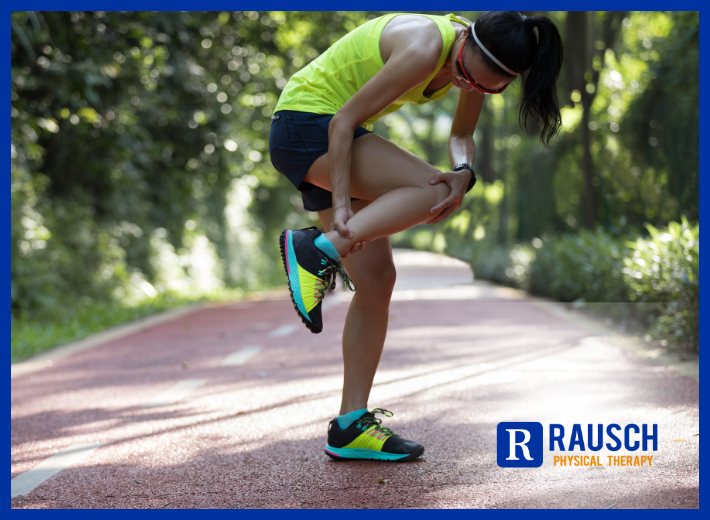
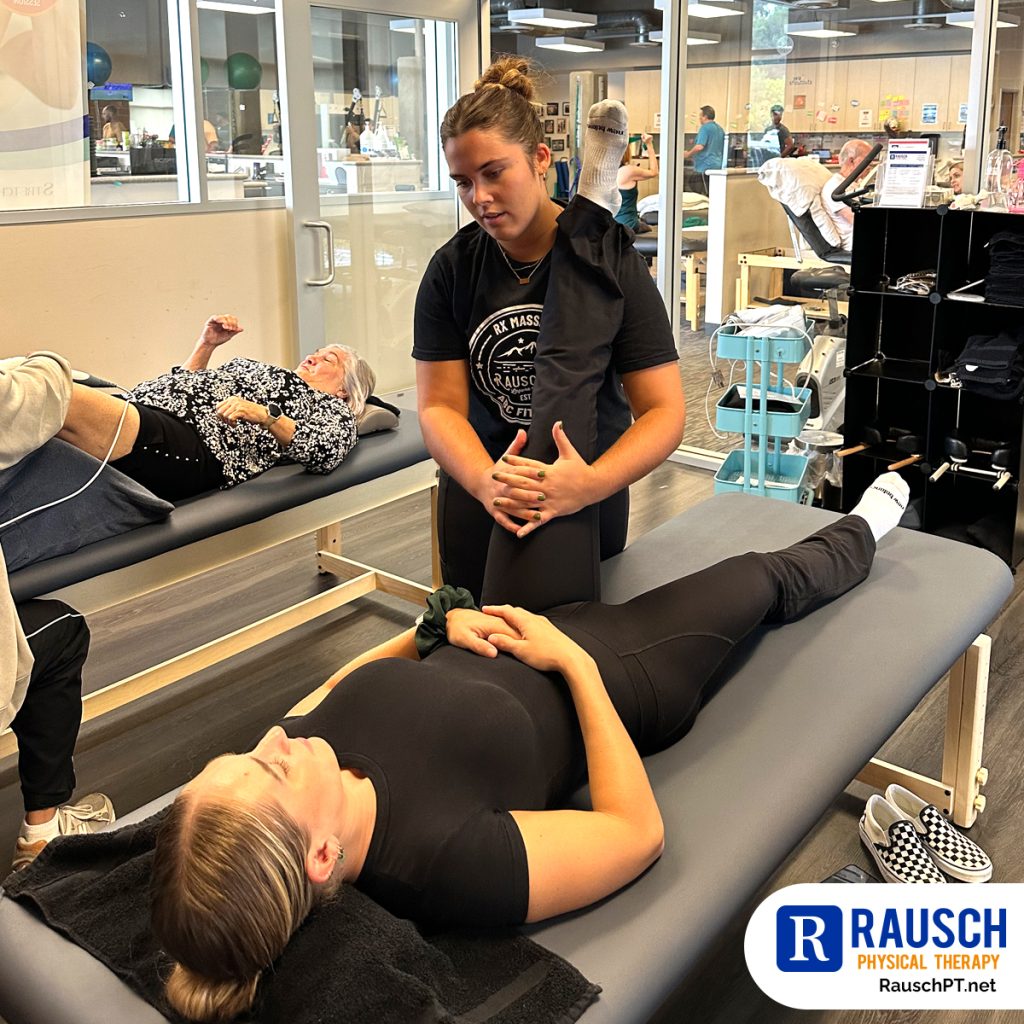
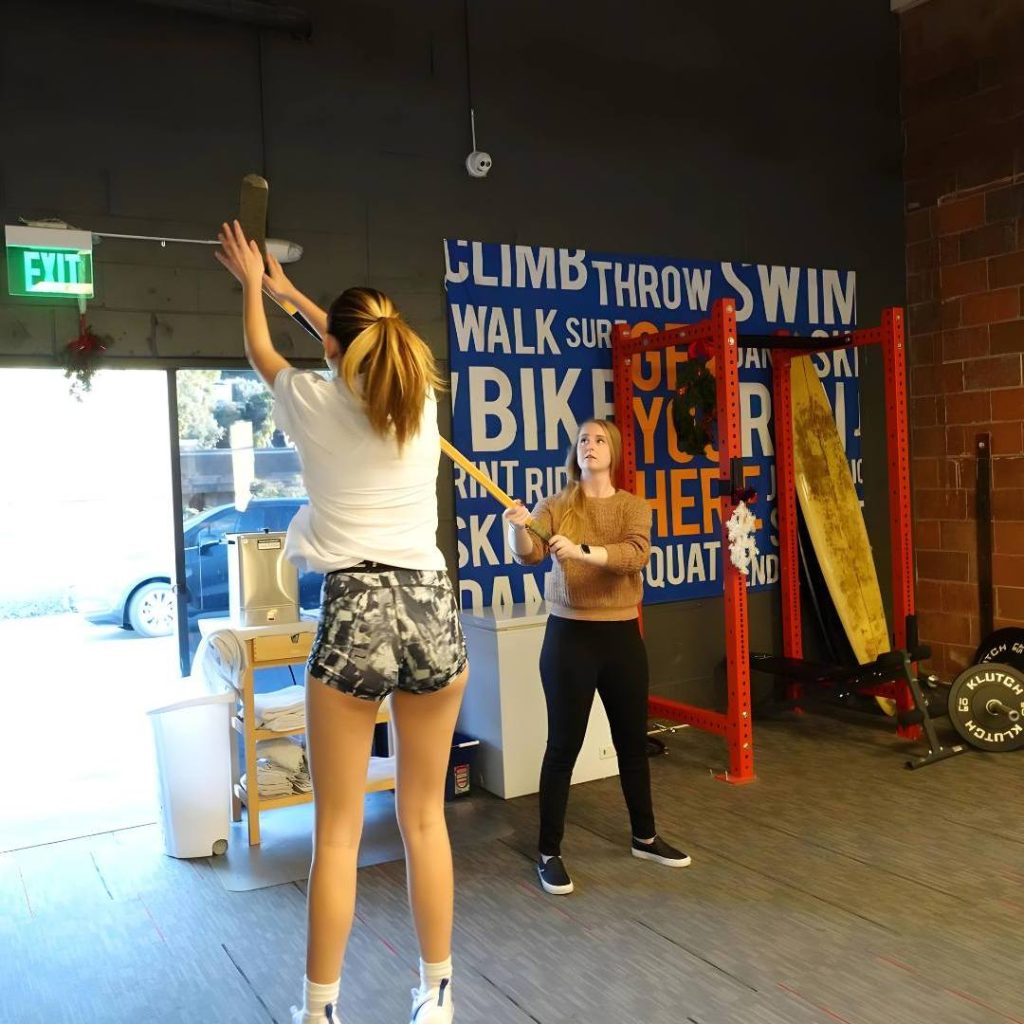
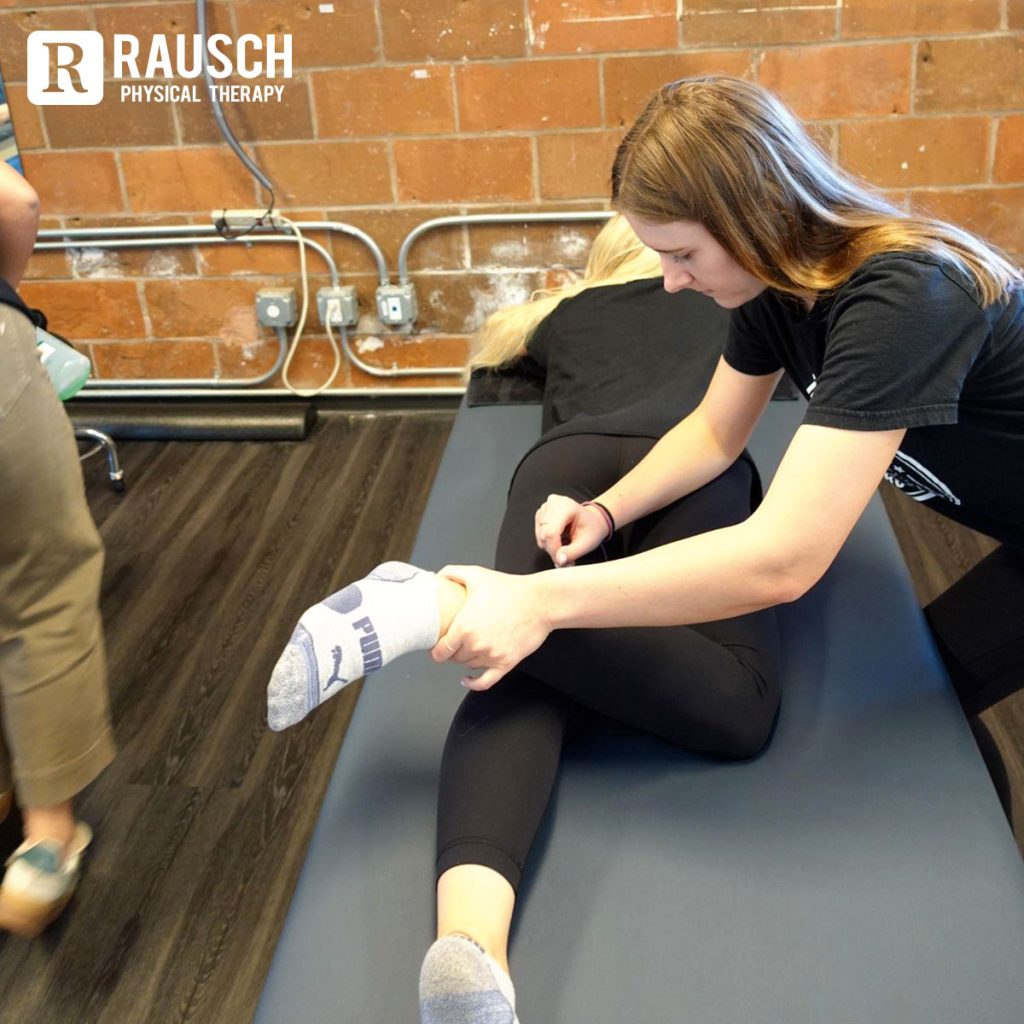
Shin splints, a common overuse injury, can cause significant pain and discomfort for athletes and active individuals. Characterized by pain along the inner edge of the shinbone, shin splints often result from repetitive stress and improper training techniques. Follow our practical tips to help you overcome shin splints and return to your favorite activities. A physical therapist (PT) can be instrumental in helping you recover and preventing future issues. Gait and biomechanics analysis, customized strengthening and stretching, manual therapy, and pain management — there are 101 tools in our toolbox to assist with your discomfort. Let’s talk!

What are shin splints?

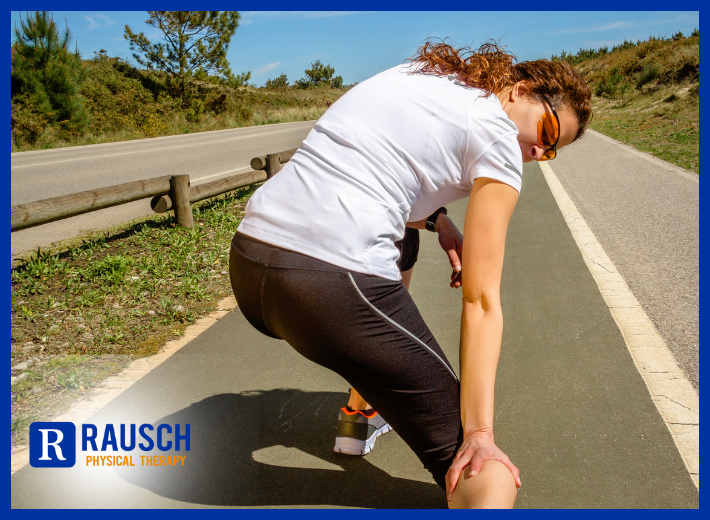
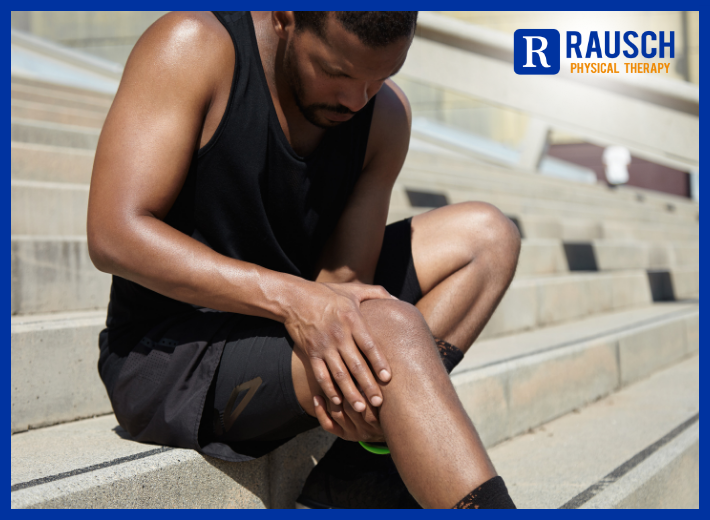
Shin splints refer to pain and tenderness along or just behind the large bone in the lower leg (the tibia).

What causes shin splints?

Shin splints most often happen after hard exercise, sports, or repetitive activity. This repetitive action can lead to inflammation of the muscles, tendons, and thin layer of tissue covering the shin bones, causing pain.

What are the symptoms of shin splints?

These are the most common symptoms of shin splints:

  • Pain felt on the front and outside of the shin. It’s first felt when the heel touches the ground during running. In time, pain becomes constant and the shin is painful to the touch.
  • Pain that starts on the inside of the lower leg above the ankle. Pain gets worse when standing on the toes or rolling the ankle inward. As the shin splint progresses, the pain will increase.

The symptoms of shin splints may look like other conditions or medical problems. Always talk with your healthcare provider for a diagnosis.

How are shin splints diagnosed?

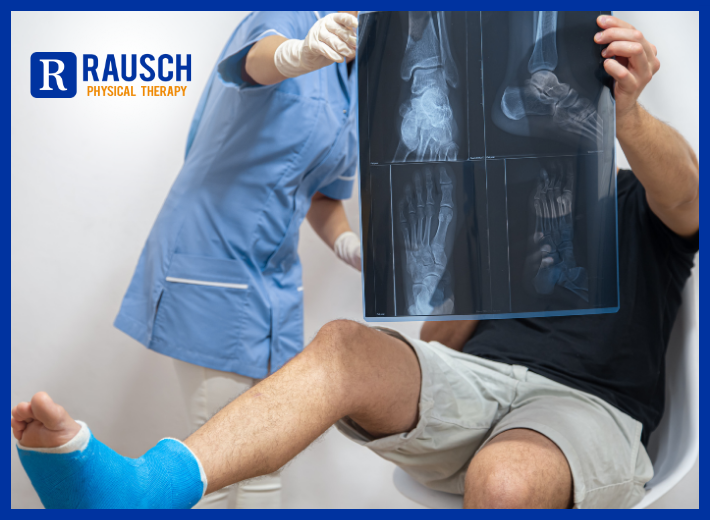
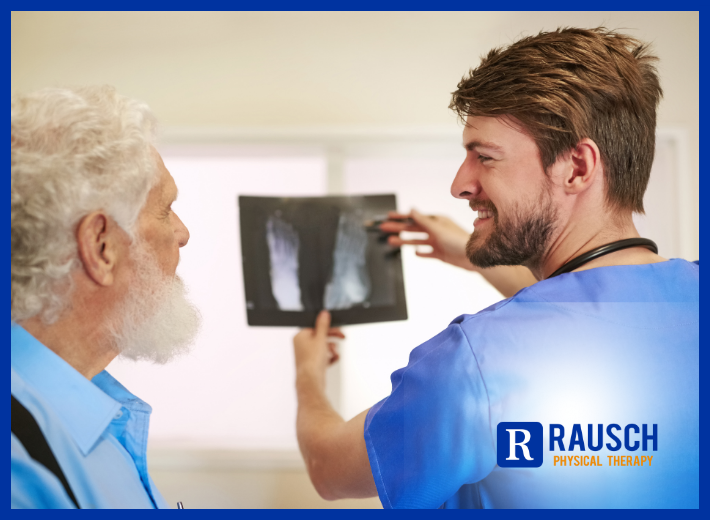
Your healthcare provider can most often diagnose shin splints by reviewing your medical history and doing a physical exam. X-rays are often needed.

How are shin splints treated?

Your healthcare provider will figure out the best treatment based on:

  • How old you are
  • Your overall health and medical history
  • How sick you are
  • How well you can handle specific medicines, procedures, or therapies
  • How long the condition is expected to last
  • Your opinion or preference

The best course of treatment for shin splints is to stop any activity that’s causing the pain until the injury is healed. Other treatment may include:

  • Stretching exercises
  • Strengthening exercises
  • Cold packs
  • Medicine, such as ibuprofen
  • Running shoes with a stiff heel and special arch support

Can shin splints be prevented?

You may be able to prevent shin splints by wearing good fitting athletic shoes. Also, gradually increase the intensity, duration, and frequency of a new exercise routine. It may also help to switch between high impact activities and low impact activities such as swimming or cycling.

Overcome shin splints and achieve your fitness goals. With a tailored plan from a Rausch Physical Therapist, you’ll not only recover more quickly but also learn strategies to prevent shin splints from recurring, so you can stay active and pain-free! Call us today at 949-276-5401. For more tips, follow us on Instagram.


Reference: [https://www.hopkinsmedicine.org/health/conditions-and-diseases/shin-splints]

Getting Back to Life After a Fracture

Recovering from a fracture doesn’t need to feel like a challenging process, especially with the guidance of Rausch PT. With proper care, patience, and a commitment to rehabilitation, it is possible to regain strength, mobility, and a sense of normalcy. We provide valuable information on the healing process and rehabilitation techniques to help you navigate your recovery journey and return to your daily activities.

If you’ve recently had a fracture, you’re probably eager to get back to your life. Osteoporosis doesn’t affect how quickly your bones heal. Most fractures are better in 6 to 12 weeks.Chances are, you’ll likely spend many of those weeks at home. Learning to get around can take time, but you can do some things to get back to your normal activities more quickly and stay healthy while you’re at it.

After a fracture, you have to learn how to move again. For example, if you had a spine fracture, you might need to bend and lift differently than you did before. Or if you broke your wrist, you may not be able to get dressed on your own right away.

No matter which bone you broke, it may take longer to do things like wash the dishes or get groceries out of your car. That’s OK. Your goal should be to do each thing safely, not quickly.

It might sound like the opposite of what you should do, but one of the best ways to get back to doing things on your own is to let other people help you. If you push yourself too hard while you’re healing, your recovery can take longer. And it can make you more likely to have other problems, like another break.

During the first few weeks at home, you might need help shopping, cooking, cleaning, or getting dressed. You may need someone else to help you do the exercises your doctor or physical therapist recommended, too. Remember that you’ll get stronger each day.

If your doctor suggests something to help you, like a cane, walker, or reaching tool, use it. While it might seem that it keeps you from moving the way you want to, it can keep you safe and help you hurt less. And it can make it easier for you to move. That’s key: The more active you are, the better it is for your bones and overall health.

You probably won’t be able to do everything you used to, even if you’re not in a cast. Some tasks — like climbing a step stool or lifting something heavy — might be too hard for now. That’s where health professionals can help.

Your doctor may already have you working with a physical therapist (PT). They can help you learn to move your body safely to ease pain and lower the chances that you’ll have another fracture.A PT can also help you build muscle, which makes you stronger and “pads” your bones to help protect you from new fractures.You may want to think about working with an occupational therapist (OT), too. An OT helps you make changes to your living or work space and come up with smart ways to do everyday tasks. To find a therapist, visit the website of the American Occupational Therapy Association.

Share your goals with your physical and occupational therapists. They should be on the same page about what you’d like to be able to do again. Make sure they’re aware of any pain you feel. Bone and tissue pain can be an issue, even after your fracture has healed.

After you’ve had a fracture, it’s normal to worry about getting another one. But fear can keep you from being active and getting back into your life.

If you’re nervous, talk to your health care team about it. And take action. For example, if you’re more likely to get a hip fracture, your doctor might recommend that you wear a hip pad. Or if you’re worried about breaking another bone, your physical therapist may come up with a strength training plan that helps build muscle and bone mass.

With smart lifestyle changes and careful planning, you can stay healthy and lower your odds of future fractures.

Chances are you will also likely need to be started in the near future on anti-osteoporosis medication to reduce future risk of fracture especially if you have sustained a hip or vertebral fracture.

You also may find it helpful to talk to other people who have osteoporosis. They’ll understand what you’re going through, and you can exchange ideas and tips, too.

Take control of your recovery and get back to doing what you love. Our personalized physical therapists can provide expert advice and practical tips to help you heal and regain your strength faster. Call us today at 949-276-5401. For more tips, follow us on Instagram.


Reference: [https://www.webmd.com/osteoporosis/life-after-osteo-fracture]

Carpal Tunnel Syndrome: What You Need to Know

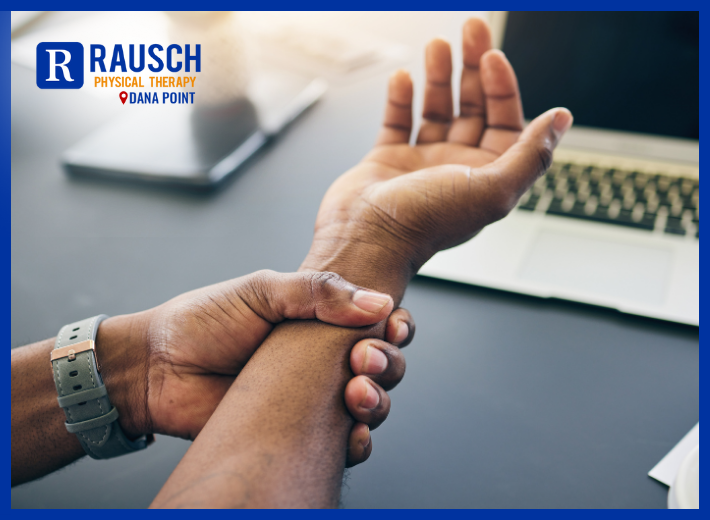
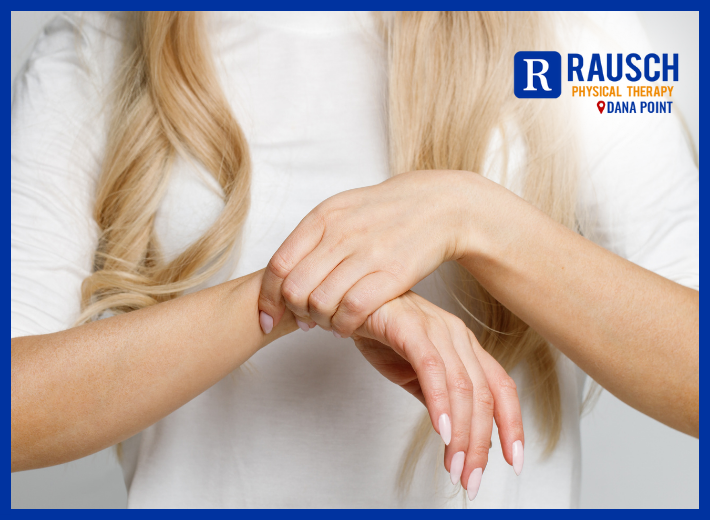
Carpal tunnel syndrome is a condition that can cause pain, numbness, and tingling in the hand and wrist. It occurs when the median nerve, which runs through a narrow passage in the wrist called the carpal tunnel, becomes compressed. While often associated with repetitive motions, carpal tunnel syndrome can also be caused by underlying health conditions or anatomical factors. Let’s learn more about it here.

Carpal tunnel syndrome is one of the most common hand conditions. It is caused by pressure on the median nerve in the carpal tunnel of the wrist. The carpal tunnel is a narrow passageway surrounded by bones and ligaments on the palm side of the hand. When the median nerve is compressed, symptoms can include numbness, tingling and weakness in the thumb and fingers.

Wrist anatomy, health conditions and possibly repetitive hand motions can contribute to carpal tunnel syndrome.

Proper treatment usually relieves the tingling and numbness and restores hand function.

Symptoms

Symptoms of carpal tunnel syndrome usually start gradually and include:

  • Tingling and numbness. Tingling and numbness may occur in the fingers or hand. Usually the thumb, index, middle and ring fingers are affected, but not the little finger. You might have a feeling like an electric shock in these fingers. These symptoms often occur while holding a steering wheel, phone or newspaper, or they may wake you from sleep.The sensation also can travel from the wrist up the arm.Many people “shake out” their hands to try to relieve their symptoms. The numb feeling may become constant over time.
  • Weakness. People with carpal tunnel syndrome may experience weakness in the hand and drop objects. This may be due to numbness or to weakness of the thumb’s pinching muscles, which also are controlled by the median nerve.

When to see a doctor

See your healthcare professional if you have symptoms of carpal tunnel syndrome that interfere with your usual activities and sleep patterns. Permanent nerve and muscle damage can occur without treatment.

Causes

Carpal tunnel syndrome is caused by pressure on the median nerve.

The median nerve runs from the forearm through a passageway in the wrist to the hand, known as the carpal tunnel. The median nerve provides sensation to the palm side of the thumb and all of the fingers except the little finger. This nerve also provides signals to move the muscles around the base of the thumb. This movement is known as motor function.

Anything that squeezes or irritates the median nerve in the carpal tunnel space may lead to carpal tunnel syndrome. A wrist fracture can narrow the carpal tunnel and irritate the nerve. This also may occur due to swelling and inflammation caused by rheumatoid arthritis or other diseases.

Many times, there is no single cause of carpal tunnel syndrome. Or the cause may not be known. It may be that a combination of risk factors contributes to the development of the condition.

Risk factors

Several factors have been linked with carpal tunnel syndrome. Although they may not directly cause carpal tunnel syndrome, they may increase the risk of irritation or damage to the median nerve. These include:

  • Anatomical factors. A wrist fracture or dislocation can alter the space within the carpal tunnel. Arthritis that causes changes to the small bones in the wrist can affect the carpal tunnel. These changes can put pressure on the median nerve.People who have smaller carpal tunnels may be more likely to have carpal tunnel syndrome.
  • Sex assigned at birth. Carpal tunnel syndrome is generally more common in women. This may be because the carpal tunnel area is relatively smaller in women than in men. Or it may be due to the effect of hormones on the lining of the tendons in the carpal tunnel.Women who have carpal tunnel syndrome also may have smaller carpal tunnels than do women who don’t have the condition.
  • Nerve-damaging conditions. Some chronic illnesses, such as diabetes, increase the risk of nerve damage, including damage to the median nerve.
  • Inflammatory conditions. Rheumatoid arthritis, gout and other conditions that cause swelling, known as inflammation, can affect the lining around the tendons in the wrist. This can put pressure on the median nerve.
  • Medicines. Some studies have shown a link between carpal tunnel syndrome and anastrozole (Arimidex), a medicine used to treat breast cancer.
  • Obesity. Being obese is a risk factor for carpal tunnel syndrome.
  • Body fluid changes. Fluid retention may increase the pressure within the carpal tunnel, irritating the median nerve. This is common during pregnancy and menopause. Carpal tunnel syndrome that happens with pregnancy generally gets better on its own after pregnancy.
  • Other medical conditions. Certain conditions, such as thyroid disorders, kidney failure and lymphedema, may increase the chances of getting carpal tunnel syndrome.
  • Workplace factors. Working with vibrating tools or on an assembly line that requires repeated movements that flex the wrist may create pressure on the median nerve. Such work also may worsen existing nerve damage. Pressure on the nerve can be worse if the work is done in a cold environment.However, the scientific evidence is conflicting and these factors haven’t been established as direct causes of carpal tunnel syndrome.Several studies have evaluated whether there is a link between computer use and carpal tunnel syndrome. Some evidence suggests that mouse use, but not the use of a keyboard, may be related to carpal tunnel syndrome. There has not been enough quality and consistent evidence to support extensive computer use as a risk factor for carpal tunnel syndrome. However, computer use may cause a different form of hand pain.

There are no proven strategies to prevent carpal tunnel syndrome, but you can lessen stress on the hands and wrists with these methods:

  • Reduce your force and relax your grip. If your work involves a cash register or keyboard, for instance, hit the keys softly.
  • Take short, frequent breaks. Gently stretch and bend your hands and wrists periodically. Alternate tasks when possible. This is especially important if you use equipment that vibrates or that requires you to exert a great amount of force. Taking a break for even a few minutes each hour can make a difference.
  • Watch your form. Do not bend your wrist all the way up or down when using a keyboard. A relaxed middle position with the wrists parallel to the floor is best. Keep your keyboard at elbow height or slightly lower.
  • Improve your posture. The wrong posture can occur when you adjust your body to view a computer screen rather than adjusting the screen height and distance to a correct posture. The wrong posture rolls shoulders forward, shortens the neck and shoulder muscles, and compresses nerves in the neck. This can cause neck pain and also may bother the hands and arms.
  • Change your computer mouse. Make sure that your computer mouse is comfortable to use and doesn’t strain your wrist.
  • Keep your hands warm. You’re more likely to develop hand pain and stiffness if you work in a cold environment. If you can’t control the temperature at work, put on fingerless gloves that keep the hands and wrists warm.

Alleviate pain, improve function, and get back to doing what you love. Our experienced physical therapists can help you regain control of your hand and wrist. Remember: We offer RxMassage and StretchFix support for your maximum healing, recovery, and best health. Contact us today at 949-276-5401. You can follow us on TikTok and Instagram for more tips. 


Reference:[https://www.mayoclinic.org/diseases-conditions/carpal-tunnel-syndrome/symptoms-causes/syc-20355603]

Physical Therapy for Stronger Knees

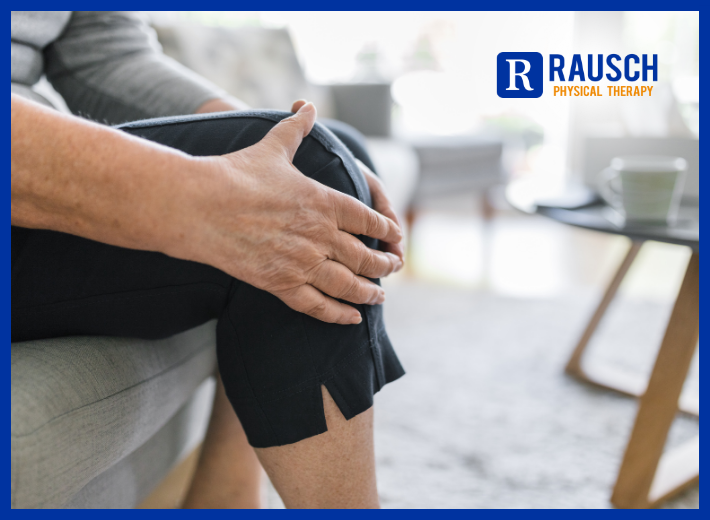
Knee pain can be debilitating, hindering your daily activities and overall quality of life. Physical therapy offers a comprehensive approach to address knee issues, from mild discomfort to chronic conditions. Physical therapists can help you regain strength, flexibility, and mobility through targeted exercises, hands-on techniques, and expert guidance. Here we explain to you how. Questions? Come on in and see us — we’re a knowledgeable and fun group to work with — and did you know we have StretchFix and RxMassage to support your healing and mobility?

Did you hurt your knee or have surgery? Or is it achy and stiff because of arthritis? Either way, you might feel like the last thing you should do is get on your feet and move your joint around. But often physical therapy (PT) is what your doctor suggests to get your strength back and put you on the road to recovery.

PT, or rehab as some people call it, can ease your muscle and joint pain. You’ll work with a physical therapist, a licensed professional who uses a variety of methods to help strengthen your muscles and make your body feel and move better.

Some things you might need are:

  • Stretches and exercises
  • Ice and heat
  • Ultrasound massage
  • Electrical nerve or muscle stimulation

When you get physical therapy depends on the cause of your pain. Sometimes it’s all you need for treatment. You might not need surgery.

If you do have an operation, your doctor will likely suggest at least a few weeks of therapy afterward to help you recover. They might recommend a specific physical therapy office, or you can find one near you by checking the American Physical Therapy Association’s website.

You’ll work one on one with your physical therapist to come up with your treatment plan. They’ll discuss ways to rebuild the strength and movement in your leg and knee, so you can feel better and go back to doing the things you love to do.

At your first visit, your therapist will look at your leg and see how well your knee bends, straightens, and moves. They’ll also see if:

  • It’s hard for you to balance
  • You have pain in your knee
  • It hurts when you move your lower leg back and forth
  • It’s hard to stand on one leg
  • You have weak muscles in the front and back of your thigh, which support the knee

To figure out your trouble spots, they may ask you to hop on one leg or take a short walk on a treadmill. They may recommend you use crutches, a walker, or wear special shoes to prevent falls at home while you recover.

You’ll start to work on making your leg muscles stronger, which takes some of the stress off your knee and cut your pain. Your therapist will give you exercises to do at home and show you how to practice them safely.

Strength training exercises are a key part of the PT workout. For instance, you may need to do some of these moves:

  • Hamstring curls
  • Single leg dips
  • Step-ups
  • Straight leg lifts
  • Wall squats
  • Balancing exercises

You usually start with just a few at a time and then do more as you get stronger. You may need to add weights to make your muscles work harder.

Tell your therapist if something hurts. You might have a little discomfort, but stop if you feel a lot of pain.

You could feel stiff or sore after your therapy, so plan ahead for some time to rest. Ask your doctor or therapist how to get relief from this achiness.Your physical therapist may also use electricity to help improve your leg muscle strength and knee movement. It’s a method called “TENS,” short for transcutaneous electrical nerve stimulation.They’ll put sticky patches called electrodes on the front of the thigh above your knee. A wire connects each one to the TENS machine. They turn it on, and when they do, tiny electrical signals tingle the nerves in your muscle. This boosts the flow of your blood and helps ease pain.

Your doctor or physical therapist will tell you how often you need to go to therapy. It might be several times a week for 6 weeks or longer. The amount depends on how much your knee hurts and whether or not you had surgery.

Your therapist will stay in touch with your doctor and discuss your progress. Together, the three of you can decide when you feel ready to scale back on sessions.

Regain your mobility and rediscover the joy of movement. Our personalized physical therapy programs can help you overcome knee pain and live life to the fullest. Call us today at 949-276-5401. For more tips, follow us on Instagram.


Reference:[https://www.webmd.com/pain-management/knee-pain/rehab-strengthen-knees]

Conquer Those Cramps: A PT’s Guide to Relief

Muscle cramps can strike at any time, causing sudden, sharp pain and discomfort. Whether you’re an athlete pushing your limits or simply going about your day, these involuntary contractions can be frustrating. Our PT experts offer prevention strategies, and targeted treatments to help you find relief and regain comfort. Read on to learn more.

A muscle cramp is a sudden, unexpected tightening of one or more muscles. Sometimes called a charley horse, a muscle cramp can be very painful. Exercising or working hard, especially in heat, can lead to muscle cramps. Some medicines and illnesses also might cause muscle cramps.

Muscle cramps aren’t usually harmful. Self-care measures can treat most muscle cramps.

Symptoms

Muscle cramps occur mostly in leg muscles, most often in the calf. Cramps usually last for seconds to minutes. After the cramp eases, the area might be sore for hours or days.

When to see a doctor

Muscle cramps usually go away on their own. They don’t usually need medical care. However, see a health care provider for cramps that:

  • Cause severe discomfort.
  • Have leg swelling, redness or skin changes.
  • Come with muscle weakness.
  • Happen often.
  • Don’t get better with self-care.

Causes

A muscle cramp can happen after working a muscle too hard or straining it, losing body fluids through sweat or simply holding a position for a long time. Often, however, the cause isn’t known.

Most muscle cramps are harmless. But some might be related to a medical concern, such as:

  • Not enough blood flow. A narrowing of the arteries that bring blood to the legs can cause a cramping pain in the legs and feet during exercise. These cramps usually go away soon after exercise stops.
  • Nerve compression. Pressure on the nerves in the spine also can cause cramping pain in the legs. The pain usually gets worse with walking. Walking bent slightly forward, such as when pushing a shopping cart, might ease cramping.
  • Not enough minerals. Too little potassium, calcium or magnesium in the diet can cause leg cramps. Medicines often prescribed for high blood pressure can cause increased urination, which may drain the body of these minerals.

Risk factors

Factors that might increase the risk of muscle cramps include:

  • Age. Older people lose muscle mass. Then the muscles can’t work as hard and can get stressed more easily.
  • Poor conditioning. Not being in shape for an activity causes muscles to tire more easily.
  • Extreme sweating. Athletes who get tired and sweat a lot while playing sports in warm weather often get muscle cramps.
  • Pregnancy. Muscle cramps are common during pregnancy.
  • Medical issues. Having diabetes or illnesses that involve nerves, liver or thyroid can increase the risk of muscle cramps.
  • Weight. Being overweight can increase the risk of muscle cramps.

Prevention

These steps might help prevent cramps:

  • Drink plenty of liquids every day. Muscles need fluids to work well. During activity, drink liquids regularly. Keep drinking water or other liquids without caffeine or alcohol after the activity.
  • Stretch your muscles. Stretch gently before and after using any muscle for a time. To avoid getting leg cramps at night, stretch before bedtime. Light exercise, such as riding a stationary bicycle for a few minutes before bedtime, also may help prevent cramps while you sleep.

Don’t let muscle cramps interfere with your life. Our physical therapists are experts in identifying and treating the root causes of your pain. We also offer Rx Massage support! Contact us today at 949-276-5401. You can follow us on TikTok and Instagram for more tips and inspo.


Reference: [https://www.mayoclinic.org/diseases-conditions/muscle-cramp/symptoms-causes/syc-20350820]

Benefits of Physical Therapy for Older Adults

As we age, maintaining physical function and independence becomes increasingly important. Physical therapy offers a powerful tool as we age to improve mobility, manage pain, and enhance overall quality of life. Let’s explore how physical therapy can empower older adults to live life to the fullest. Age is just a number, and we’re here to help you keep moving, traveling, working, and playing—enjoying life with enhanced mobility and freedom from pain.

Donna Rice had a nagging pain in her hamstring. At 65, Rice, who lives in Scottsdale, Arizona, had been a runner for more than 40 years. Even when in pain, she didn’t like to stop running. It was key to her social life, sense of well-being, and overall quality of life.She rested, stretched, and got massages – things she thought she was supposed to do. Maybe, she thought, it would get better on its own.

But it didn’t. Even after 5 months, things hadn’t improved. Rice knew it was time to see a physical therapist. It’s something she has noticed more with age.

“Sometimes you can get away with ignoring things, but less so as you get older,” she says.

Her therapist prescribed a progressive exercise program that was specially designed for her injury. She gradually built strength without overloading her body. After a few months of consistent work, Rice was back to running.

Without it her recovery would have been far harder and may not have happened at all. That’s because physical therapists provide “fitness with clinical precision,” says physical therapist Gene Shirokobrod, DPT, of Elliott City, Maryland.

A good physical therapist doesn’t just ask where it hurts and give you some exercises, says Shirokobrod. They take the time to assess your particular movement patterns and create an individualized plan to help you increase strength and move better and without pain.In older adults, this may be especially helpful because physical therapists can catch problems that might not seem like a big deal, but could lead to bigger issues down the line.

As you age, your body changes. You start to lose more muscle and bone mass and may have trouble with formerly easy tasks like walking up stairs or standing up from your seat. Your sense of balance can start to get worse and you may feel more tired, weak, and achy.

“If you help people deal with aches and pains earlier, they’re less likely to lose strength and mobility. If they keep their strength and mobility, they can keep moving and active. You can help keep them safe and independent in their home,” says physical therapist Abby Bales, DPT, of Reform Physical Therapy in New York.

For example, Rice, the runner in Arizona, sought treatment for her hamstring injury. But she soon discovered a bonus effect of her regular physical therapy sessions: Her balance improved. And with better balance and strength, Rice is less likely to fall.

That’s more important than you might think. One in four older adults fall each year, according to the CDC. And every year falls cause broken bones, head injuries, and other problems, especially in older people. This can make it much harder to get around by yourself and live independently, especially as you age.

“Physical therapy can make a huge difference from a daily life perspective,” Rice says. “Your whole quality of life revolves around your ability to move around your house and do daily activities. It’s huge.”

You may think physical therapy is necessary only after an injury or surgery, like a fall or knee replacement. However, physical therapy can assist with a wide variety of conditions.

  • Osteoporosis (brittle bones). More than half of people over the age of 50 have osteoporosis. Regular physical therapy can improve bone health and decrease bone loss.
  • Osteoarthritis. Your physical therapist can prescribe exercises and treatment that can lessen pain and increase your range of motion so you can do more things.
  • Vertigo (dizziness). A specially trained “vestibular physical therapist” can help you when you have problems with balance and dizziness such as vertigo, a problem in the inner ear.
  • Neurological conditions. These include conditions like Parkinson’s disease, Alzheimer’s disease, and multiple sclerosis. Physical therapy can help improve your ability to perform daily tasks and stay safe. “By working the musculoskeletal and neurological system together, you can improve function across the board,” says Bales.
  • Cancer. For some types of cancer pain, a PT program can lessen pain and keep you strong enough to continue in your home and work life. Physical therapist Cynthia Gormezano Suissa, a survivor of Hodgkin’s lymphoma (a type of cancer), is waiting for a double lung transplant. In her weak state, she says, it’s even more important for her to do her PT exercises so she can continue to take care of herself for as long as possible.
  • Incontinence. As people age, it’s more common to leak urine or always feel the urge to go. It can be embarrassing, unpleasant, and inconvenient, leading you to socialize and exercise less, which could worsen both your physical and mental health. Physical therapists with specialized training can teach you to contract, relax, and coordinate the muscles of the pelvic floor so that you can keep this problem to a minimum.

It can be tricky to navigate a new PT program for an older loved one. Start by being as supportive as you can, but try not to intrude more than necessary.

If need be, help them choose a physical therapist who understands their goals and physical needs, Bales says. You can also help guide them through Medicare or other payment options.Offer, but don’t insist, on going to the first appointment together, she says. If you do go, you can help keep track of their questions and write down information the therapist provides.

Beyond that, you can try gentle reminders to help loved ones stay accountable and consistent with their PT appointments and exercises. It’s fine to ask if they need help with their exercises. If a walk is part of the prescribed program, you could offer to join them. And if transportation is a problem, you can offer to drive them.

But, experts say, there’s a fine line between helping and pushing. Try not to nag or coddle them because that can sometimes backfire and have the opposite effect.

If you think you or a loved one might benefit from physical therapy, talk to your doctor. They can suggest some clinicians who are able to treat your specific needs. Ask a friend or colleague, too, if they have recommendations. The American Physical Therapy Association (APTA) has an online tool to find a physical therapist near you. In some states, you can see a physical therapist without a referral from your doctor.

Ready to help your loved ones live a more active and independent life? Our physical therapy programs can be designed to empower older adults and improve strength, balance, and mobility. Call us today at 949-276-5401. For more tips, follow us on Instagram.


Reference: [https://www.webmd.com/healthy-aging/features/physical-therapy-benefits-for-seniors]

Moving from the Couch to Completing a 5K

Are you dreaming of conquering a 5K but the couch seems more inviting? The good news is anyone can bridge the gap from screen time to stride time. With a smart training plan and a little dedication, that 5K finish line can be yours. Have an injury slowing you down or need help with your training? That’s where we come in!

Need a little motivation and structure to ramp up your walking routine? Want to wake up your workouts but not quite ready for a mud run? Consider trying a couch-to-5K program.

Dr. Adam Tenforde, medical director of the Spaulding National Running Center at Harvard-affiliated Spaulding Rehabilitation Network and a sports medicine physician at Mass General Brigham Sports Medicine, shares tips on what to know and do before lacing up your sneakers.

What is a couch-to-5K program?

These free or low-cost coaching plans are designed to help would-be runners train for a 5-kilometer race, which is about 3.1 miles. The programs are available online, or as apps or podcasts. They typically feature timed walking and running intervals that gradually phase out the walking over a period of about nine weeks.

Why try a couch-to-5K program?

“One purpose of a couch-to-5K program is to give you time to acclimate and start to enjoy the benefits of running and the sense of accomplishment of completing a distance safely,” says Dr. Tenforde. Running provides many cardiovascular benefits, such as lower blood pressure and a reduced cholesterol level, as well as an enhanced sense of well-being, he adds.

What’s more, adding even short bursts of running or other vigorous physical activity to a workout — a practice known as high-intensity interval training or HIIT — appears to help improve mental health, according to a study that pooled findings from 58 randomized trials of HIIT.

Are you ready to tackle a couch-to-5K?

Even though the couch-to-5K programs sound as though they’re geared for completely sedentary couch potatoes, that’s not necessarily true, Dr. Tenforde cautions. These programs often assume you can walk continuously for 30 minutes, which doesn’t apply to everyone.

For some people, an even easier, more gradual training regimen may be more appropriate. Also, keep in mind that you don’t have to run to do a 5K. Many of these races also encourage walkers to participate as well. You’ll still reap the other rewards from committing to a race, such as being more challenged and motivated — and possibly more connected to your community. Many charitable “fun runs” benefit local schools or needy families. Some are in memory of people affected by illness or tragedy. Visit Running in the USA to find 5K races near you.

What to do before you start

If you’re planning to walk or run your first 5K, get your doctor’s approval before you start training. That’s especially important if you have heart disease or are at risk for it.

Comfortable walking or running shoes are a wise investment. Shoes that are too old or too tight in the toe box can cause or aggravate a bunion, a bony bump at the outer base of the big toe. Despite suggestions that people with flat feet or high arches need specific types of shoes, studies have found that neutral shoes (designed for average feet) work well for almost everyone. Walk or jog around the store when you try them on to make sure they feel good and fit properly.

You don’t need to buy special clothes; regular sweat pants or comfortable shorts and a t-shirt will suffice. Women should consider getting a supportive sports bra, however.

Go slow and steady when training

  • Always include a warm-up and cool-down — a few minutes of slow walking or jogging — with every exercise session.
  • If you haven’t been exercising regularly, start by walking just five or 10 minutes a day, three days a week. Or, if you’re already a regular walker, add some short stints of jogging to each walking session.
  • Gradually add minutes and days over the following four to six weeks.
  • Once you’re up to 30 minutes a day, check how far you’re traveling. Keep increasing your distance every week until you reach 5 kilometers. Then slowly phase in more jogging and less walking over your route if you like.

Remember that you can always repeat a week. You’re less likely to sustain an injury if you make slow, steady progress. Pay close attention to your body and don’t push yourself too much, Dr. Tenforde advises. Former athletes who haven’t run in years may think they can pick up where they left off, but that’s not a smart move — they should also start low and go slow.

For a good couch-to-5K guide, try this beginner’s program from the United Kingdom’s National Health Service.

Train smarter, not harder! Schedule a PT consultation to prevent injuries and reach your running goals. Call us today at 949-276-5401. For more tips, follow us on Instagram.


Reference: [https://www.health.harvard.edu/blog/spring-training-moving-from-couch-to-5k-2019043016504]

Managing Joint Pain

Feeling a little creaky lately? Don’t let joint discomfort steal your joy of movement! With the help of a skilled physical therapist and some smart strategies, you can keep your body active and feeling fantastic. Let’s explore some positive approaches to staying active and feeling your best, so you can live life to the fullest! Remember that we also offer you the support of StretchFix and RxMassage to help support your best life with enhanced mobility and reduced pain. 

When you’re active or upping your exercise goals, the last thing you want is to be sidelined with joint pain. Joint pain affects people at all stages of life from student athletes to seniors. Pain can be a big barrier to not only maintaining a regular exercise program, but also getting started. These strategies can help keep you active.

Assess where you’re at

A good first step if you want to start a regular routine or up your exercise goals is to check with your primary care provider or see a sports medicine specialist who can assess your overall fitness level, general mobility and if you have current injuries or pain.

They also may conduct a functional movement screening to evaluate how you move and pinpoint specific issues. For example, you may have decreased range of motion in a hip or shoulder, or are stronger on one side than the other. This screening can identify specific rehabilitative exercises that can be done along with your regular exercise program. These exercises help your body move safely, perform exercises correctly, and reduce the risk for injury or make symptoms worse.

These findings will help build a program that’s going to be safe and effective for you and let you exercise as pain-free as possible.

Build a successful exercise routine

Whatever your level of fitness, a good exercise routine should be sustainable. Regular exercise provides a host of health-related benefits, including reducing risk of cardiovascular disease, managing weight, maintaining strength and flexibility, and supporting bone health.

It also should encompass a combination of activities:

  • Cardio, which increases heart rate and improves your overall cardiovascular fitness. This includes vigorous walking, swimming, biking, playing pickleball, or taking a dance or water fitness class.
  • Strength, which builds and strengthen muscles, improves overall function and improves performance in the gym, as well as activities of daily living. Strength activities include weight training, working with resistance bands, climbing stairs and exercises such as pushups, situps and squats.
  • Flexibility, which stretches muscles and ligaments and promotes range of motion. Stretching, yoga, tai chi and Pilates all focus on flexibility.

And finally, regular exercise doesn’t mean just going to the gym, taking a class or following an online exercise program. It also means moving throughout the day, especially to break up periods of sitting. This unstructured exercise may be sweeping the floor, walking in place by your desk or doing some simple stretches when you first get up or before you go to bed.

Customize exercise to you

Sore muscles after exercising, especially if people are new to exercise and working on increasing their activity level, are normal. But sharp or ongoing pain may indicate an injury or chronic problem.

Some points to keep in mind are:

  • Ease your way into a new exercise program. Try not to go from 0 to 100 overnight, since that may increase your risk of injury.
  • Listen to your body. Don’t overdo it. Take a break or tone down your activity for the rest of the day.
  • Keep a small problem small. If you’re feeling recurring pain, get it checked out.
  • Build in time to recover between activity sessions. Our bodies need this time to rebuild and repair.

Another strategy is to work with a physical therapist, sports medicine specialist or trainer to determine the right and wrong way to do an exercise, or strengthen muscles to support a particular movement or joint. For example:

  • If you suffer from low-back pain and are not able to perform a traditional barbell back squat exercise, you could do a modified version: either a split squat (one leg at a time) or rear-foot-elevated squat. These variations target the same muscle groups, but apply external resistance in the form of dumbbells or kettlebells at your side instead of on your back.
  • If you have knee pain, using a reverse lunge or hex-bar squat helps reduces stress on your knees and allows you to target the same muscle groups.
  • If you aren’t able to perform pushups or variations of the bench press without pain in your upper body, switching to a neutral grip position can reduce stress on the shoulder. Make sure to align the arms in a 45-degree angle with your torso to reduce stress on the shoulder and minimize pain.

Working with an exercise specialist can help you develop a plan that is specific to you and your abilities.

When joint pain begins to restrict the activities you love, it’s time to consult with an orthopedic specialist. Together, you’ll map out a plan for treatment to keep you moving and enjoying life. Orthopedic providers have a wide variety of options in their treatment toolbox. These options range from least invasive, such as physical therapy or medications, to more invasive, including injections or surgery. Their goal is to get patients back to the lives they want to lead.

Break down barriers

Joint pain is just one barrier to regular exercise. Others include:

  • Time
    To start and maintain regular exercise, people need to carve time out of their schedules. Recent research shows that even short 5- to 15-minute workouts throughout the day can provide health and fitness benefits. Finding these little pockets of time and a consistent workout can go a long way.
  • Knowing where to start
    Doing an online search for workout programs can yield overwhelming results. Once again, sports medicine specialists can provide guidance toward a program that best fits your goals. The choice of workouts should be ones you enjoy and can stick with.
  • Motivation
    Whether it’s getting started or keeping going, lack of motivation can sink workout resolutions. One successful strategy is to review goals as a reminder of why you want to exercise, whether it’s to keep up with the grandkids, feel better or lose weight.
  • Being realistic
    Build a foundation by setting goals that can be accomplished in small segments, with each building on the next. For example, if you’re just starting, a walk around the block might be a first step, not signing up for a 5K.

The benefits of regular exercise are both physical and mental. Make sure you play the long game when it comes to your exercise program. Find a style of exercise that works for you long-term and that you can incorporate into your daily life.

Don’t let joint pain limit you! Our expert physical therapists can help! Get a customized plan to manage joint pain and stay active. Contact us today at 949-276-5401. You can follow us on TikTok and Instagram for more tips.


Reference: [https://www.mayoclinichealthsystem.org/hometown-health/speaking-of-health/staying-active-with-joint-pain]

This Soft-Tissue Maintenance Routine Will Keep You On Your Bike Longer

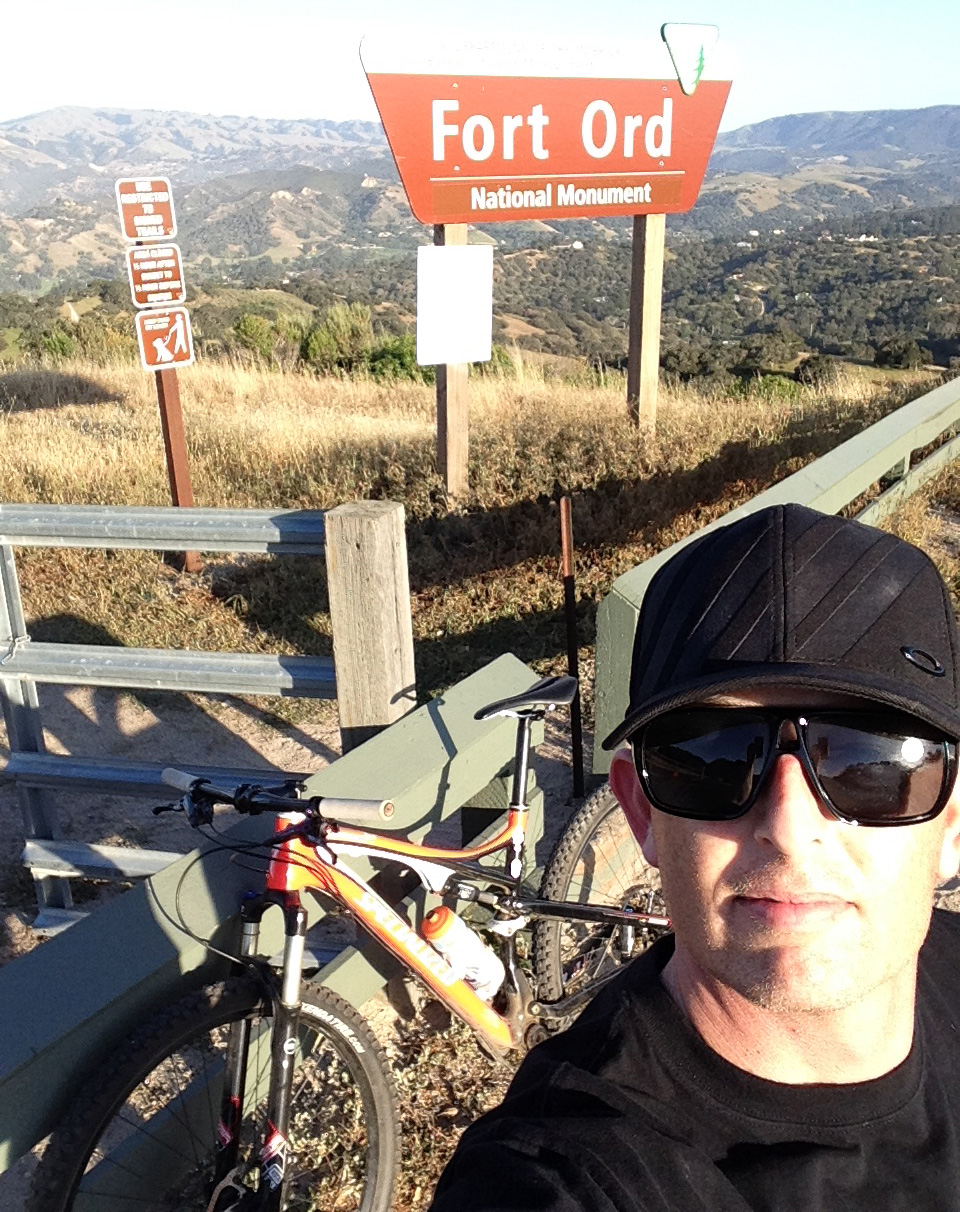
By Dustin Hancock, DPT, PT
Rausch Physical Therapy & Sports Performance

The “Mountain Bike-PT” Dustin Hancock explains how introducing a soft-tissue mobilization maintenance program can help you avoid limiting aches and pains so you can stay on the bike longer, train harder, and reduce your recovery time.

A great friend and old patient of mine recently forwarded this great quote to live by:

“Life’s journey is not to arrive at the grave safely in a well preserved body, but rather to skid in sideways, totally worn out, shouting, “Holy [bleep]! What a ride.”

While I absolutely love to live by this quote, I’ve worked as a physical therapist long enough to have seen my fair share of athletes whom lack a maintenance program and arrive in the clinic destroyed. They have neglected treating some injuries and wore out their body before its time. So the question is, how do you want to live your life? Do you want to feel stiff and old, or flexible and healthy?

Whether your goal is to avoid injury, place at Over the Hump, or just shave some seconds off your Strava time, you need to start introducing a mobility program to maintain balance, otherwise you will wear out parts on your body that can’t be replaced. Introducing soft tissue mobilization in some fashion on a regular basis will help keep you on the bike, train without the limiting aches and pains, and reduce your recovery time.

Rigid Things Break

With my patients at Rausch Physical Therapy & Sports Performance, I use an analogy between two types of bridges to explain how important the balance between flexibility and rigidity is to the body. First think of a suspension bridge, which can not only hold up to the force of thousands of cars on a daily basis, but also the power of an earthquake thanks to its mobility. Now, a rigid-frame bridge will also hold up to thousands of cars on a daily basis, but it’s less likely to tolerate the shearing forces of an earthquake due to its stiffness.

One of my favorite words is “tensegrity,” which means something has both great stability and mobility, like a suspension bridge; similar to a suspension bridge, us mountain bikers need tensegrity to stay intact. Between strength and endurance training, long rides, poor posture, old injuries, and the beautiful aging process, we put our bodies through a lot. This can cause global muscle stiffness, and remember: rigid things break. Understanding the importance of tensegrity can help you avoid body breakdown and keep you on your bike longer

Understanding Flexibility vs. Mobility

So, how do you improve your tensegrity (stability + mobility)? While most MTB riders are willing to train hard to improve their stability, many neglect mobility maintenance (and sorry, simply stretching more frequently won’t cut it.) To achieve the second half of the tensegrity equation, you first have to understand the difference between flexibility and mobility.

Flexibility refers to your muscle tissue having the appropriate length to achieve the range of motion needed for that function. If you wanted to improve your flexibility, you could do some long-duration stretching (30-second to two-minute holds with no bouncing) on a routine basis—and “routine” is the key word here.

Mobility, on the other hand, is how the tissues slide-and-glide upon the adjacent tissues, which are not only muscles, but could also be skin, fascia, bone, ligaments, nerves, etc. This distinction is why you can’t just stretch more often to improve mobility: it’s not just about your muscles. You need to add in some form of soft tissue mobilization into your recovery routine, such as professional myofascial release, specialized manual therapy joint work, active release technique (ART) and/or a home mobility program.

Three Ways to Maintain Soft Tissue Mobilization

As a physical therapist, I preach how important mobility maintenance is, however as a cyclist with a busy schedule, I sometimes struggle to add yet another item to my to-do list at the end of the day. Still, I make it a point to continually challenge myself to maintain my mobility routine to make sure my old injuries don’t start to catch up to me just yet. A good mobility maintenance routine looks a little like this:

  1. Daily foam roll routine: Spend time working out the tissues that are tight for five to 10 minutes daily, or until you feel about a 50% reduction in pain. Click here to view my specific Foam Rolling Routine for Mountain Bikers.
  2. Massage at least once or twice a month. I recommend a specific myofascial release from the experts at Dynamic Touch, or you can try ART with Lawrence Van Lingen at Rausch PT; he has some amazing fascially-specific techniques he’s perfected for elite cyclists across the globe.
  3. Biomechanical assessment (also known as a “tune up”) at least every six months. Make an appointment with your physical therapist at least twice a year for a tune-up, movement screen evaluation, and postural assessment. During this visit your PT can determine any new abnormal alignment patterns, soft tissue restrictions, or areas that you need to address to prevent future injuries.

Maintenance isn’t always convenient, but I personally make it a point to do it to ensure I get to join the riding group every weekend and race stronger at Over the Hump. The daily grind takes a big toll on our bodies and will cause imbalances, whether it’s from poor posture at your desk, lack of cross training or focusing too much on strength training. This is why it’s critical for all MTB riders to actively pursue some form of mobility maintenance routine to keep their bodies balanced and their seat on the trails.

Conclusion

All this talk about mobility comes down to helping us get less injuries, improve recovery time, improve your overall athleticism and generally help you feel less old. So be specific, be consistent, and respect mobility with cross friction-based foam rolling.

Feel free to stop by the Rehabulance during the second half of Over the Hump 2016, and I’ll show you some awesome foam rolling techniques to address your individual mobility issues.

Cheers, fellow riders.

-DH


Dustin-MTBDustin Hancock, DPT, PT
Rausch Physical Therapy & Sports Performance
dustin@rauschpt.net

Dustin is an adrenaline junkie with a passion for mountain biking and an outdoor-enthusiastic lifestyle. As a Doctor of Physical Therapy, his approach combines research-based knowledge and manual therapeutic treatment with Rausch PT’s cutting-edge equipment. He has experience treating extreme sport athletes of all levels, from XTERRA World Champions to challenged athletes with amputations, neuromuscular disorders, and spinal cord injuries.

Five Ways to Train Smarter This Offseason

Five Ways to Train Smarter This Offseason

By Sean Swopes, PT, DPT, CSCS

Rausch Physical Therapy & Sports Performance

While most people take the offseason to train for a better “next year,” Mountain Bike-PT Sean Swopes explains why you should spend some time out of the saddle and try a few other methods to improve your performance and overall health.

You survived racing through the dirt and heat, and now the Over the Hump 2016 season has come to an end. So, what next? For many of you, the end of OTH means it’s time to pump up those skinny tires and focus on road races, crits and TT’s. Before you get back to pounding those pedals, take some time away from tuning up your bike and spend some time tuning up your body.

While the subtle differences of road cycling and mountain biking offers great balance to your riding skill level, as the quickly changing terrain and variable cadence can help to enhance your riding technique, it’s also important to spend some time out of the saddle. As a physical therapist, I know that muscle imbalance/dominance are main contributors to pain and dysfunction, but as a mountain biker I also know that many of us will go to great lengths to enhance our power output, VO2 max, and velocity.

The offseason is a great time to train to improve your performance, but it’s also the perfect time to start focusing on ways to prevent the aches and pains that may be keeping you from reaching your potential. Here are five methods you can use to stay balanced this off-season.

1. Mix Things Up

A quick and easy method I like to use to offset this imbalance is to simply go for a run. Running is a great way to change the pace and the demands of those muscle that typically get overworked when cycling. Swimming also offers a great way to continue working on aerobic demand while also decreasing the load demands on your joints.

2. Get Rolling With Soft-Tissue Work

Ever feel your knees brushing the top tube during a down stroke? It’s a frequent technique used to stay in an aerodynamic position, but it can also create increased tightness of the liotibial (IT) band. In fact, it’s quite common for cyclists to develop IT Band Syndrome from repeated down stroke.

To combat this imbalance, my colleague Dustin Hancock, DPT has created a great foam rolling program to help improve flexibility and mobility of your tissues. Click here to check it out.

3. Strengthen Your Core

I went to a great workshop recently where we discussed how important it is to have core strength for successful cycling. I have been preaching this exact thing for years! We often think of our legs being our powerhouse, but how much power can you expect your legs produce without a stable base to explode from?

The primary drive for you pedal stroke is produced from the glutes, quadriceps and hamstrings. All of these muscles attach directly to the pelvis. Without good core balance and stability, your biomechanical leverage to utilize these muscle group is altered, and therefore you produce less force.

To improve your core and stability, try these exercises:

  1. Bird Dogs – Do these on a stable surface, or challenge yourself on an unstable surface. The key is to focus on your pelvis and prevent any rotation or tilting
  2. Planks – You know, that exercise we all love to do. Challenge yourself by starting with a static plank on your elbows and sides, then progress by involving leg movements.
  3. Swiss Ball Walkouts – Progress this exercise by incorporating knee tucks and pikes.

4. Work on Those Lungs

VO2 max is the maximum rate of oxygen consumption during vigorous activity. It’s often used to objectively measure an individual’s aerobic physical fitness and determine their endurance capacity during prolonged, submaximal exercise. The theory is: improve your VO2 max, improve your performance.

While the critical importance of VO2 max is debated, a 2012 article in the Journal of Strength and Conditioning Research concluded that VO2 max was a great determinant of mountain bike race performance, at least more so than for road races.

So, what can you do while training to improve your VO2 max? While research has shown that Hight Intensity Interval Training (HIIT) can lead to great benefits in cardiovascular gain, is HIIT really the only way to go? A 2010 article by International Journal of Sports Physiology and Performance reports that a 80/20 split in Low Intensity to High Intensity training program will create ideal physiological benefits, like V02 max.

And just remember, while it’s important to push you body to its limits to create physiological responses, this is often where injury occurs.

5. Go See a Physical Therapist

With weekly OTH races for the past three months, it’s likely you’ve developed a few aches and pains this summer. Unfortunately, many MTB racers (like most athletes) subscribe to the school of thought, “Just deal with the pain until the end of the season; it’ll get better when I stop racing.”

While I can’t force you to change your mindset, I can tell you that pain is often your body’s way of telling you that it’s undergoing an abnormal amount of stress. We often think that that one fall, that one crash, is what’s going to break our bodies. The truth is, most injuries are the result of overuse—repetitive stress over a prolonged period—and while our body does a great job of adapting to the stress we place on it, its ability to repair itself diminishes the more time we spend in stress/pain.

So, now that OTH 2016 season is finished, show your body you care and make an appointment with a physical therapist. At Rausch Physical Therapy & Sports Performance, your PT will perform a biomechanical assessment to determine any new abnormal alignment patterns, soft tissue restrictions, or areas that you need to address this offseason to repair your body and prevent future injuries.

Conclusion

Stop allowing pain to determine how your body moves. While you may think you can live with “a little” hip pain, you may not realize that pain in one region of your body can lead to compensatory movement in another.

Think of it this way: think of how your derailleur cable on your bike can begin to stretch. This affects how your bike can shift, but you tell yourself you can live with that. But that small sound you hear from your chain grinding against the cassette means you’re slowly wearing down your chain, until one day—it breaks.

The moral of the story here is to listen to your body’s signs that your internal drive train is breaking down, and get it fixed.
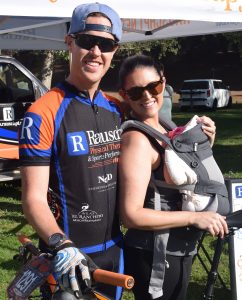

Sean Swopes | Rausch Physical TherapyAbout Sean Swopes, PT, DPT, CSCS

sean@rauschpt.net

Sean Swopes, DPT is the “Mountain Biking-PT” at Rausch Physical Therapy & Sports Performance. He is also a certified Strength and Conditioning Specialist. As a physical therapist, Sean’s goal is to help his patients understand their musculoskeletal impairments and work together to improve them.

Jon’s Youth Baseball Injury

Around the office, they call me “The Baseball Guy.” My years of clinical treatment of ballplayers at Rausch Physical Therapy and Sports Performance, coupled with my interest in biomechanical research, has motivated me to find new ways to reverse the alarming increase in youth baseball arm injuries. In fact, for the past two years I have been developing injury prevention programs for southern Orange County baseball leagues to help protect our youth’s elbows and shoulders.

And it looks like I am not the only one getting on base with this initiative. Major League Baseball and USA Baseball recently teamed up to launch their Pitch Smart program, which is designed to educate parents, coaches and young athletes about how to avoid overuse injuries. It includes information on pitching guidelines, injury risk factors, Tommy John surgery and more.


Did you know:

If you pitch more than 100 innings in a year, whether little league, club or showcase, it will increase your risk of injury by 3.5 times

If you pitch greater than 8 months in a year, it will increase risk of surgery by 5 times

The number one risk factor for injury

I have found that out of all the risk factors that can cause injury, the number one is pitching too much, both in a game and in any given year. New research is coming out every month about the correlation of throwing too much and arm injuries in little league athletes.

Kids should take off about 2-3 months of competitive pitching in a year and engage in other sports or active rest where they are still using their arms, just not in a pitching motion

As a healthcare professional, I believe that change needs to occur in the traditions and schedules of little league baseball across the nation. The Pitch Smart initiative proves to me—and hopefully to parents and coaches—how crucial injury awareness and prevention is. I want to take this information and use my skill to prevent, rehabilitate and treat the youth of little league baseball.

If you have any questions about throwing injury prevention or rehabilitation, please send me an email and I will be happy to answer them. For now, take care of those elbows and shoulders!

Sincerely, The Baseball Guy

Jonathan Meltzer, D.P.T. | jonathan@rauschpt.net


About the Author
Jonathan Meltzer graduated from the University of Redlands with a bachelor of arts in biology and a minor in physical education. Following graduation, Jonathan discovered his passion for physical therapy while working as a Physical Therapy Aide. After graduating top of his class from Loma Linda University in 2012 with a Doctorate in Physical Therapy, Jonathan began his career at Rausch Physical Therapy and Sports Performance. Jonathan’s goals are to identify limitations and treat his patients with the most recent and innovative techniques in order to maximize functional independence and obtain his patients’ individual goals.

Anthem Blue Cross To Limit Members’ PT Starting November 1


Are You a Patient with Anthem Blue Cross?

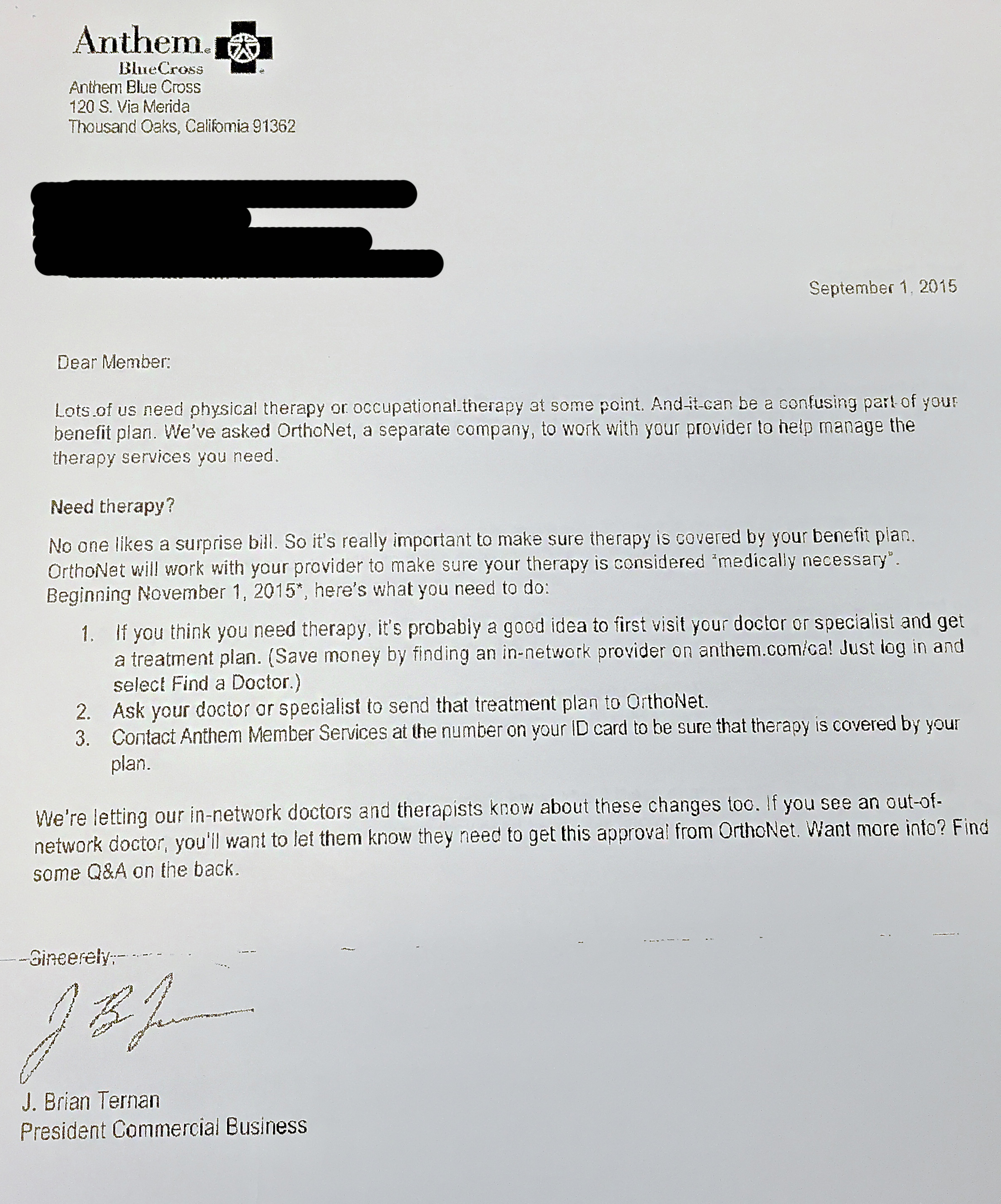
Do you use Anthem Blue Cross as your primary health insurance company? Have you received this letter in the mail?

AnthemLetter2015

Confused? Angry? You should be! Essentially, the people you pay so you can have access to medical care are telling you they’re going to start limiting your access to medical care. By hiring a third-party to decide if your physical therapy treatment is “medically necessary” (a legal term, not a medical one), Anthem Blue Cross (BC) is opening up new channels for being able to avoid paying for your medical care.

At Rausch Physical Therapy, we work hard to provide exceptional, quality care that is easily and affordably accessible, and it’s troubling that this practice of limiting your access to medical care has become the norm for medical care insurance companies.


How Rausch PT currently handles insurance companies/payment

Regardless of what that letter above implies, since the passage of the Direct Access bill in 2014 Californians have not needed a doctor’s referral/prescription before coming into a physical therapy clinic for treatment. You can come to Rausch Physical Therapy at any time for any injuries or impairments that prohibit your mobility, function, and/or quality of life. The issues only arise when it comes to figuring out who pays for this treatment.

Ever since it opened in 2006, Rausch PT has been on the leading edge of forward-thinking healthcare, and Direct Access made possible what owner Kevin Rausch had always envisioned: all people having an easy entry point onto the road to rehabilitation and recovery.

Currently, once our patients come in our door they have two options to pay for their medical treatment:

  1. Pay an out-of-pocket cash rate
  2. Have their insurance help cover the cost of their visit; once we submit their claim to and receive approval from their insurance company, the patient is only responsible for their copayment or deductible.

Whichever payment option you choose, everyone from our front office staff to your physical therapist to our billing department is dedicated to providing you with the best experience and highest quality of care possible.

How the introduction of OrthoNet affects you

Following the lead of other large health insurance companies, BC has decided to bring in a third-party management company, in this case OrthoNet, to handle the authorization of its physical therapy treatment claims. It’s OrthoNet’s job to scrutinize every claim request we submit on behalf of a patient to determine if said visit is—by OrthoNet’s definition—”medically necessary.” After we submit your claim, OrthoNet has two business days to gather all the necessary “clinical information” and either approve or deny your request. If they do approve your claim, OrthoNet will then tell you exactly how many visits it should take you to get better in and subsequently will only pay for.

Please note that this change does not affect BlueCard or Blue Cross Blue Shield members.

Why is this troublesome?

Let’s use the curious cases of Jenny and John as examples to illustrate the potential pitfalls of this increasingly-popular decision by medical care insurance companies to hire third parties to manage their physical therapy claims.

Jenny’s Case

What happens if your claim is denied?

[toggle title=”Click to read…”]Jenny loves to run, but she pushed herself a little too hard this triathlon season and now has knee pain that’s started to limit her ability to train. As an Anthem Blue Cross member, Jenny decides to take advantage of those 60 physical therapy visits she’s allotted per year and immediately makes an appointment at Rausch PT. During Jenny’s first appointment, the front desk sends a request to OrthoNet to get approval for payment for Jenny’s appointment. Jenny sees her PT, and after his initial, hands-on evaluation, he believes Jenny will be back to running pain-free after four or five visits.

Meanwhile, someone at OrthoNet is reviewing Jenny’s case and decides physical therapy treatment for her chronic knee injury is not medically necessary. She does not need surgery (yet) so they deny paying for treatment. They cover the cost of the initial visit, but Jenny now must decide if she’s going to pay cash rate to continue with her compelling treatment plan that will allow her to continue doing what she loves.[/toggle]

John’s Case

What happens if your claim is approved?

[toggle title=”Click to read…”]John is a senior in high school and has sprained his ankle playing basketball. John’s mom received the letter above, and per Anthem Blue Cross’ suggestion she makes an appointment for John to see an in-network doctor. Two days and $150 later, John comes in to Rausch PT with doctor’s approval in hand, ready to start getting better.

On his first visit, we send a request to OrthoNet to get approval for payment for John’s appointment. John sees his PT, and after her initial, hands-on evaluation, she tells John he should be 100% after four or five visits and back on the court before playoffs start in two months.

Meanwhile, someone at OrthoNet is reviewing John’s claim, and two days later they send a payment approval notification. However, OrthoNet has determined that John’s sprain isn’t that bad, so he should be able to start feeling better after a couple visits. BC will only help pay for two appointments to treat his ankle.

John and his PT work hard in those two visits, but he’s still only at about 60%. Inevitably, John is put in a difficult position: does he continue treatment by paying out of pocket so he can make it back in time for playoffs, or does he stop treatment and retire his jersey—or worse yet, try to play anyways and potentially cause lasting damage?[/toggle]

The takeaway

It’s unfortunate that even if your physical therapistor even your doctor—understands your treatment as medically necessary, an outside company can still refuse to acknowledge it as so and require you pay for treatment on your own (on top of you still paying for health insurance.) It’s even more frustrating to us as a provider that we can be limited in the amount of treatment we can give people who come to us for help.

Our patients have and always will be top priority at Rausch Physical Therapy; our sole concern is getting you feeling better so you can get back to doing what you love. Our team of licensed physical therapists spent many years in school to receive their bachelor, master and doctorate degrees and licenses so they could diagnoses and relieve chronic pain and heal injuries to give someone a better quality of life. We don’t believe you should have to live with pain for any reason, especially if that reason is because an outside management company says treatment for your pain isn’t “medically necessary.”

What Rausch Physical Therapy is doing to help

  1. During the last week of October, our front desk staff will be contacting our Anthem Blue Cross patients who are already scheduled for treatment on or after November 1. Together, we’ll work to complete the additional paperwork required to request “prior authorization” so we can continue providing you with quality treatment through the end of the year.  Again, this change is effective November 1, 2015.
  2. At Rausch Physical Therapy, we believe that everyone should have easy, direct access to PT, a physical medicine and rehabilitation specialty that we see change lives every single day. To prepare for the potential influx of BC claim denials after November 1, we are currently working on rolling out new, innovative ways to give you, our valued patient, more payment options so you will never have to rely on referrals or allow your health insurance company to limit your health.


What can you, the patient, do to help?

  1. Raise a ruckus! Be proactive. Demand access to the care you pay for and deserve. Call the Anthem Blue Cross customer service number. Then email your friends, get on Facebook, Tweet, and share this.
  2. If your claim is denied for being “medically unnecessary… Fight back and appeal. According to the U.S. Government Accountability Office, you have a 50-50 chance of getting your appeal approved if it’s an issue of medical necessity. It may take a little longer, but if the amount of money is significant or the issue important enough to you, it is worth the time you take to make it right. Get the forms you need and fill them out and send them off. Rausch PT and/or your doctor can help by providing additional medical information to the request to show exactly why it is medically necessary. Don’t be intimidated by your insurance company; we’re here to help. Click here for the forms you need to file a complaint.

If you have any questions, please feel free to call our office at (949) 276-5401 and we’ll be happy to answer any concerns you may have to make this transition as easy as possible.