Blog

Rausch PT Gets You There

[one_half]

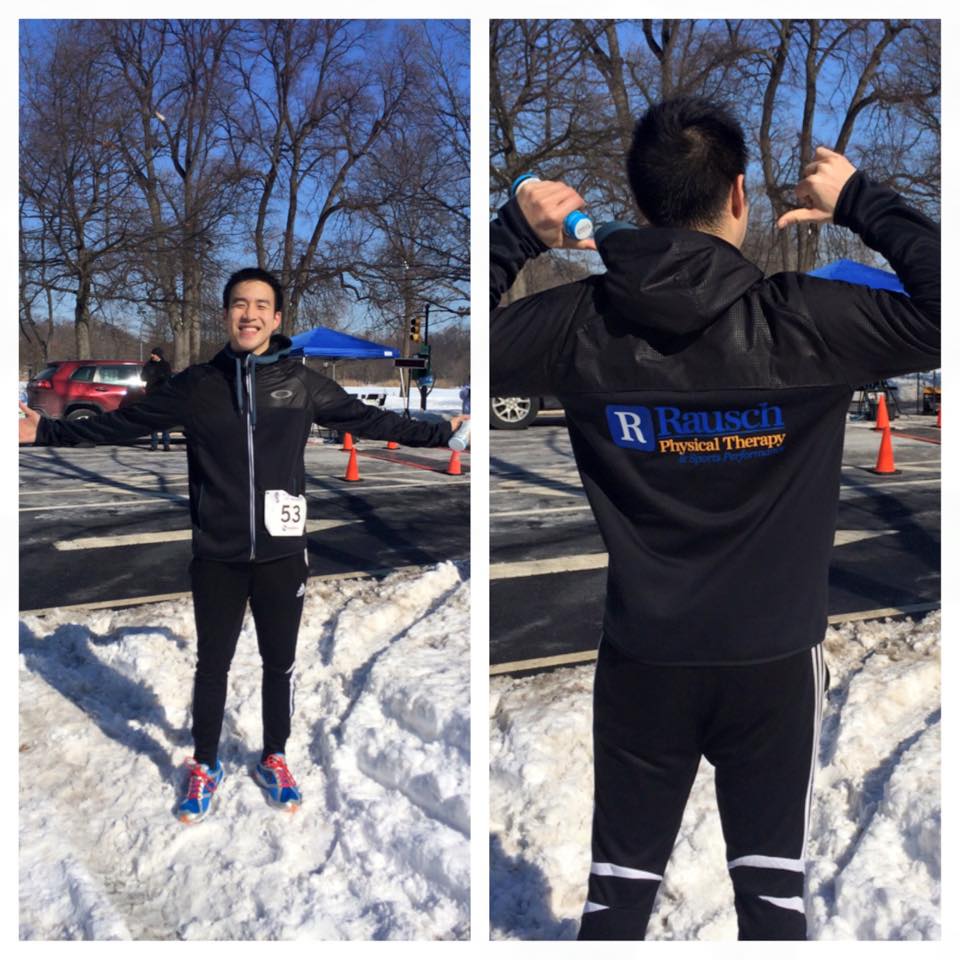
Justin: "Repping proper running mechanics and warmer weather all the way on the East Coast at the NYU Physical Therapy Annual 5k."
Justin: “Repping proper running mechanics and warmer weather all the way on the East Coast at the NYU Physical Therapy Annual 5k.”

[/one_half][one_half_last]

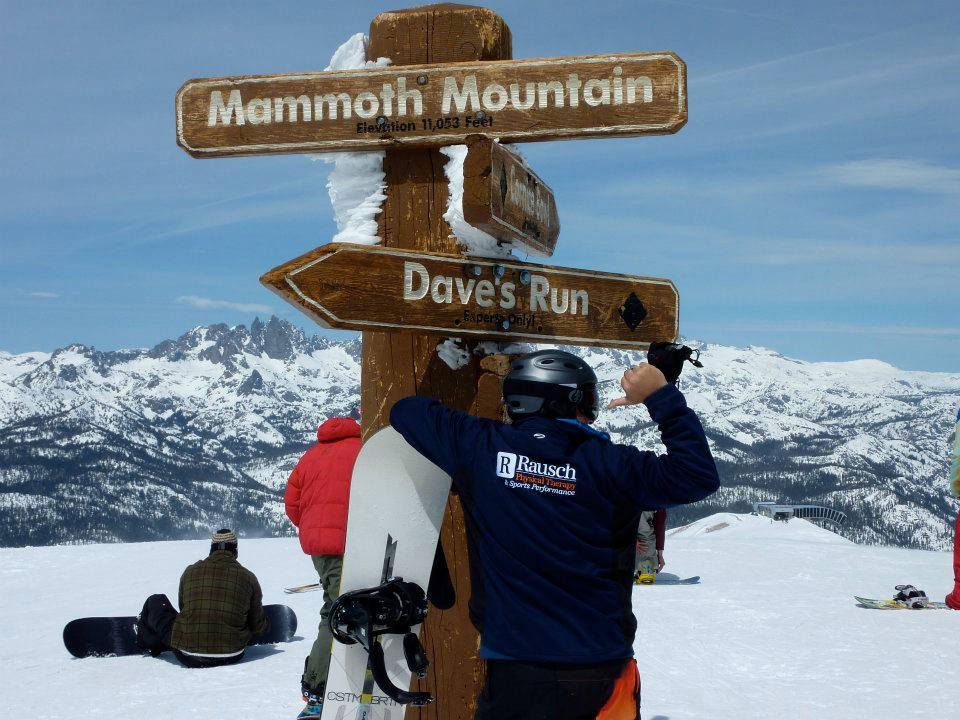
Kevin: "From the top at 11,053 ft to recovery from the surgery table... This team gets it DONE!"
Kevin: “From the top at 11,053 ft to recovery from the surgery table… This team gets it DONE!”

[/one_half_last]

As much as we love seeing our clients in the clinic, nothing brings us more joy than seeing them out and back to doing what they love. Whether your goal is returning to the golf course, racing your first 5k, or trying to qualify for Kona, we’re here to get you there!

Where has Rausch Physical Therapy & Sports Performance taken YOU? Share your Rausch PT #triumph photos on FacebookTwitter and Instagram, and you could be featured on our page!

Don’t forget to tag #RauschPT #getyouthere

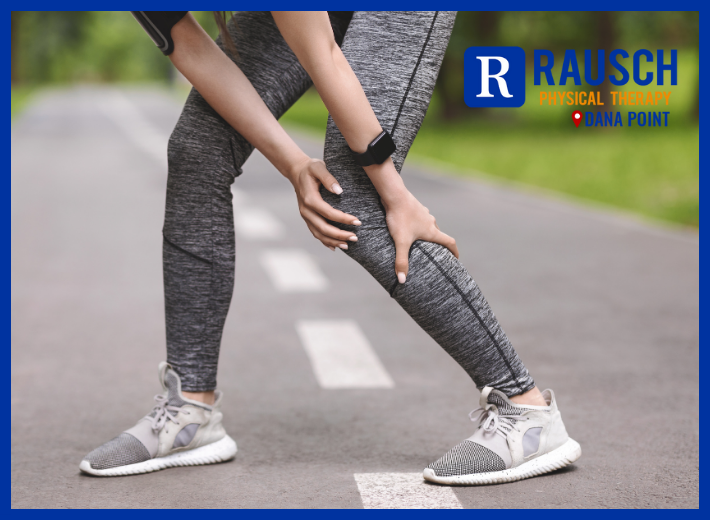
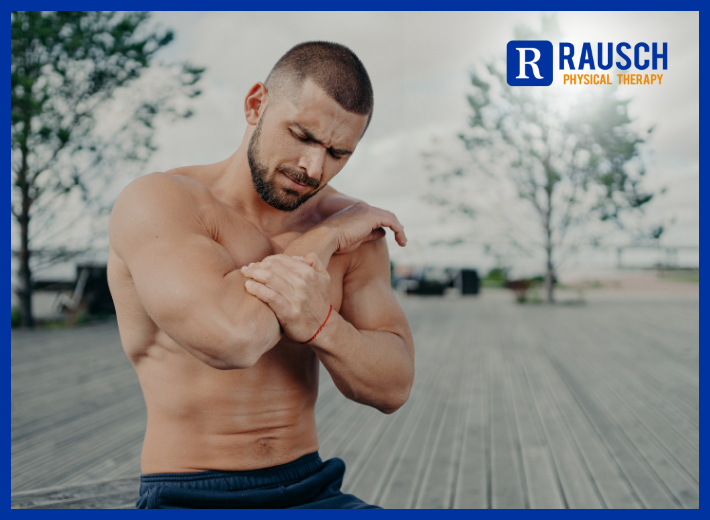
Everything About Muscle Pain

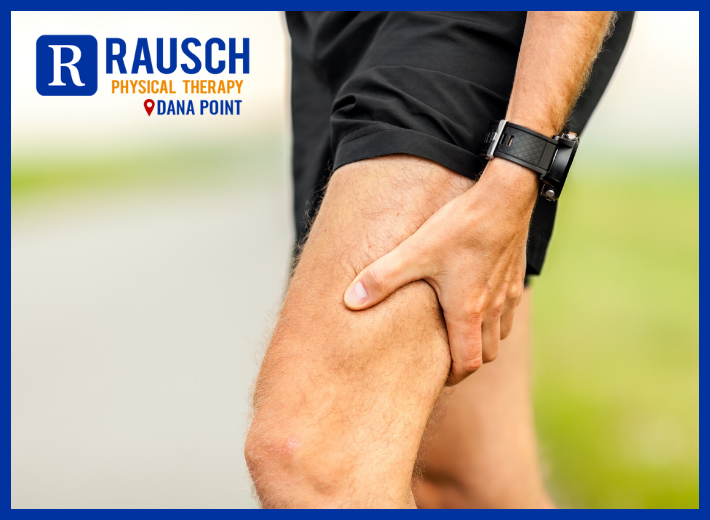
Muscle pain is extremely common and will affect nearly everyone at some point. Activities like heavy lifting workouts, lifestyle factors like excessive stress, and chronic conditions can cause or worsen it. Learn how to address this problem.

Everything You Need to Know About Muscle Pain

Don’t let muscle pain hold you back! Explore the benefits of PT and get back to enjoying your favorite activities pain-free! Contact us today at 949-276-5401. You can follow us on TikTok and Instagram for more tips.


Reference: [ https://www.health.com/muscle-pain-causes-7229891 ]

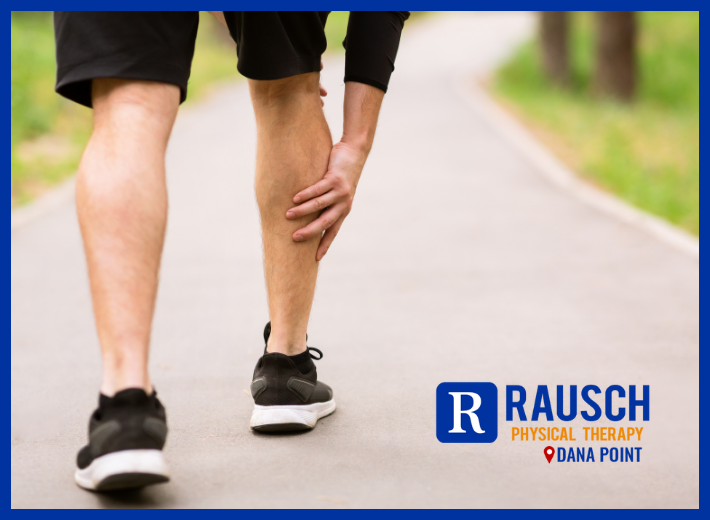
Calf Pain? Here’s What You Need to Know

Calf pain can strike suddenly, leaving you sidelined and wondering what happened. Whether it’s a sharp twinge or a dull ache, calf pain can disrupt your daily routine and leave you frustrated. Let’s turn that ouch into an “all clear” and get you moving pain-free! Questions? That’s why we are here! Give us a call and let’s get you seen. Relief is a mere phone call away!

Popped or Pulled Calf Muscles: What To Know

Say goodbye to calf pain for good! Explore the benefits of PT and get back to enjoying your favorite activities pain-free! Contact us today at 949-276-5401. You can follow us on TikTok and Instagram for more tips.


Reference: [ https://www.health.com/condition/chronic-pain/pulled-calf-muscle ]

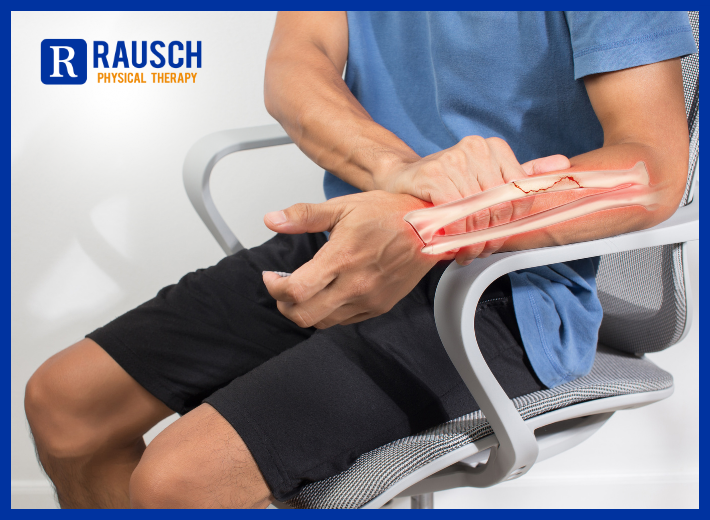
Forearm Pain Relief

Forearm pain can be a constant companion, hindering everything from work tasks to your favorite hobbies. Here is all the information you need to understand your forearm pain and take charge. If you’d like a personalized look at what’s going on with your pain — we are here for that, along with a customized solution to make it go away! Don’t forget — you don’t have to live with pain! Sometimes we get used to it and think its a normal part of aging or injury — not so!

What To Know and Do About Forearm Pain

Need a personalized plan to address your specific forearm pain? Schedule a consultation with our licensed physical therapist and get started on your path to recovery! Call us today at 949-276-5401. For more tips, follow us on Instagram.


Reference: [ https://www.health.com/forearm-pain-8584583 ]

Say Goodbye to Hip Discomfort

Hip pain can be a real drag, putting a damper on your daily activities and leaving you feeling stiff and uncomfortable. It shouldn’t be ignored. Learn the tools you need to understand the causes of your pain and explore effective relief strategies. Questions? We are always here!

What Causes Hip Pain—and How Can You Relieve It?

Take control of your hip health! Learn how to manage discomfort and prevent it from returning with our PT experts. Contact us today at 949-276-5401. You can follow us on TikTok and Instagram for more inspiration and tips.


Reference: [ https://www.health.com/hip-pain-8426031 ]

A Beginner’s Weight Training Guide

Ready to unlock your inner strength and build a healthier you? Weight training isn’t just for bodybuilders anymore! Whether you’re a complete novice or someone curious about adding weights to your routine, here is a roadmap to success. If you have a pre-existing concern or want to know how to work this into your routine, we are here to guide you through and ensure you’re at your healthiest every step of the way!

A Beginner’s Guide to Weight Training

Some exercises, including bicep curls and squats, can support weight training at home or the gym. You can use free weights or your body weight with certain exercises to provide resistance.

Whether your goal is to build muscle mass or achieve a fitter, more toned body, lifting weights can help you get there.

Weight training, also known as resistance or strength training, builds lean, stronger muscles, strengthens your bones and joints, and can help keep your metabolism in a healthy state — meaning you’ll burn more calories even when you’re resting.

And the benefits of lifting weights aren’t just for young people. Weight training as we age can help fight the loss of muscle mass and mobility, as well as improve psychological well-being.

So even if you’ve never done any kind of weight training before — it’s never too late to start!

What’s more, you don’t even need to belong to a gym. You can simply use your body weight for many exercises or use free weights, resistance bands, or other home fitness equipment to get results.

This article will walk you through how to get started with weight training and provide suggested exercises and training advice for beginners.

What do you need to start weight training?

If you’ve never lifted weights before, consider starting out with the help of a certified personal trainer. They’ll be able to teach you the proper form for specific exercises and set up a strength training program tailored to your needs.

Many gyms or fitness centers offer introductory training sessions at little or no cost, or they have trainers available if you have questions. Additionally, there are many personal trainers who train clients online, through video platforms.

While most gyms have a combination of resistance machines and free weights, such as dumbbells and barbells, you can also get a comprehensive weight training workout at home with basic equipment.

Equipment options

You don’t necessarily need weights to build lean muscle mass and tone your body. As an example, for some strength training exercises, like pushups or lunges, you only need your body weight to provide resistance.

You can expand your at-home workout options with dumbbells. A beginner’s set of adjustable weight dumbbells starts at about $50, but the price increases as you add more weight.

Kettlebells, which are weighted balls with handles, are another popular option. Many kettlebell exercises work several muscle groups at once, which makes them effective for a full-body workout, especially if you’re short on time.

Resistance bands are also a helpful addition to your workout equipment. These color-coded elastic bands provide varying levels of resistance when pulled and stretched.

A set of resistance bands can be purchased for $10 to $60. Because they’re light and portable, you can take them with you when you travel.

What to know before you begin

Once you’re ready to get started with a weight training program, keep the following tips in mind.

Weight lifting tips for beginners

  • Warm up. Some aerobic activity, such as a 5-minute jog or brisk walk, will increase blood flow to your muscles and prime them for a good workout. Skipping rope or doing jumping jacks for a few minutes are also good warmup options.
  • Start with lighter weights. You want to start with a weight that you can lift 10 to 15 times with proper form. Begin with 1 or 2 sets of 10 to 15 repetitions, and slowly progress to 3 sets or more.
  • Gradually increase the weight. When you can easily do the recommended number of sets and reps, increase the weight by 5 to 10 percent. Check to make sure this is the right weight for you before doing a full workout.
  • Rest for at least 60 seconds in between sets. This helps prevent muscle fatigue, especially as you start out.
  • Limit your workout to no longer than 45 minutes. You can get the workout you need in this time frame. Longer sessions may not lead to better results and may increase your risk of burnout and muscle fatigue.
  • Gently stretch your muscles after your workout. Stretching can help boost your flexibility, ease muscle tension, and reduce your risk of injury.
  • Rest a day or two in between workouts. Resting gives your muscles time to recover and replenish energy stores before your next workout.

Exercises for beginners

You may be especially interested in building your biceps or toning your legs, but the best resistance training program works all the major muscle groups in your body.

In fact, overworking one muscle group at the expense of another could raise your risk of injury.

For a solid all-over workout, you may want to start off with the following exercises. Including these exercises in your weight lifting routine will work most of the large muscle groups in your body.

SETS AND REPS

Start off by doing 10 to 15 reps of each exercise. Aim for 1 to 2 sets to start. As you build strength, you can add extra sets, and also increase the weight.

  • What is a rep? A repetition (rep) is one complete exercise movement.
  • What is a set? A set is a certain number of reps. For instance, 10 to 15 reps make up 1 set.

Dumbbell single-arm rows

Targeted area: Your back and upper arm muscles.

How to do this exercise:

  1. Place your left knee on the end of a sturdy bench and place your left hand palm-down on the bench for balance.
  2. With your back parallel to the ground, reach down with your right hand and grab a dumbbell with your palm facing the bench.
  3. Slowly bring the dumbbell up to your chest. Squeeze your back and shoulder muscles and slowly straighten your arm to the starting position.
  4. Finish 1 set, then switch arms and do 1 set with your right knee and right hand on the bench.

Dumbbell shoulder press

Targeted area: Your shoulder muscles.

How to do this exercise:

  1. Sit or stand with a dumbbell in each hand, your palms facing forward, and your elbows out to your side at 90-degree angles.
  2. Without leaning back or arching your back, press the dumbbells up over your head until your arms are almost straight.
  3. Slowly return them to the starting position.

Dumbbell chest press

Targeted area: Your chest muscles.

How to do this exercise:

  1. Lie flat on a bench with a dumbbell in each hand and your palms facing forward.
  2. Slowly press the dumbbells upward until your arms are directly over the shoulders. Be careful not to lock your elbows.
  3. Slowly lower the dumbbells to the starting position. Your elbows should be a little lower than your shoulders.

Bicep curls

Targeted area: Your biceps (muscles in the front of your arms).

How to do this exercise:

  1. Sit or stand with a dumbbell in each hand in front of you, your elbows at your sides, and your palms facing up.
  2. Curl the dumbbells up toward your shoulders by bending your elbows but keeping them stationary at your sides.
  3. Reverse the curl to the starting position.

Triceps extensions

Targeted area: Your triceps (muscles in the back of your arms).

How to do this exercise:

  1. You can do this exercise sitting on a bench or standing with your feet about shoulder-width apart.
  2. Place both your hands around the dumbbell handle.
  3. Lift the dumbbell up over your head so that your arms are straight.
  4. Keeping your elbows by your ears, bend them to a 90-degree angle, lowering the dumbbell behind your head.
  5. Slowly straighten your arms so that the dumbbell is above your head again.

Resistance band pull apart

Targeted area: The muscles in your back, shoulders, and arms.

How to do this exercise:

  1. Stand with your arms stretched out in front of you at chest height.
  2. Hold a resistance band parallel to the ground and grasp it tightly with both hands.
  3. Keeping your arms straight, pull the band toward your chest by moving your arms outward, away from your body. Use your mid-back to initiate this movement.
  4. Keeping your spine straight, squeeze your shoulder blades together and “downward,” and then slowly return to the starting position.

Lunge

Targeted area: Your leg muscles, including your quadriceps, hamstrings, and calves, as well as your glutes (buttocks). If you include a dumbbell, you’ll work your biceps, too.

How to do this exercise:

  1. Stand tall with your feet shoulder-width apart (a dumbbell in each hand for the more advanced).
  2. Take a big step forward with your left leg so your heel touches down first.
  3. Lower your body so your left thigh is parallel to the floor.
  4. Pause for a second (curling the dumbbells up toward your chest and lowering them again to the starting position for the more advanced).
  5. Push off your heel and return to the starting position.
  6. Repeat, but lead with your right leg.

Squats

Targeted area: Your leg muscles, including your quadriceps, hamstrings, and calves.

How to do this exercise:

  1. Squats can be done with or without weights.
  2. Stand with your feet shoulder-width apart and slowly bend your knees, so your thighs are almost parallel to the floor.
  3. Slowly rise to your starting position.
  4. To add resistance, hold a dumbbell or kettlebell close to your chest with both hands.

Calf raises

How to do this exercise:

  1. Stand on the edge of a step with your feet parallel to each other.
  2. Slowly raise your heels a few inches above the step and hold for a few seconds.
  3. Slowly lower your heels below the edge of the step and hold for a few seconds. You should feel a stretch in your calves.
  4. You can add resistance by holding a light dumbbell in each hand down by your sides.

Plank

The plank works your entire body, but specifically targets your core. It also strengthens your arms, shoulders, back, glutes, and legs.

  1. Start on all fours, with your hands below your shoulders and your knees below your hips.
  2. Straighten your legs behind you, keeping your feet hip-width apart. Tighten your core.
  3. Hold for 10 to 30 seconds.
  4. As you get stronger, increase to holding it a minute or more

To make this exercise easier, place your knees on the floor.

Weight training schedule

If your goal is to mainly build strength, three weight training workouts a week will likely provide the results you need.

According to a 2019 studyTrusted Source, doing a weight training routine 3 times a week is as effective as more frequent workouts for strength building.

However, if you want to build up muscle mass, you’ll need to do more repetitions and more frequent workouts.

You can work all your muscle groups during a workout, doing 1 or 2 sets of each exercise to start, and working your way up to more sets or heavier weights as the exercises get easier.

Or, you can focus on certain muscle groups on specific days. For example:

Weekly weight training schedule

Monday: Chest, shoulders, tricepsand core

  • dumbbell chest press
  • dumbbell shoulder press
  • dumbbell triceps extension
  • plank

Wednesday: Back, bicepsand core

  • dumbbell single-arm rows
  • bicep curl
  • resistance band pull apart
  • plank

Friday: Legsand core

  • lunges
  • squats
  • calf raises
  • plank

As you become more comfortable with weight training, you can mix up the exercises you do for each muscle group. Be sure to add weight and more sets as you build up your strength.

Safety tips

It’s important to focus on safety when you start a weight training routine. Pay close attention to your body and resist the urge to push yourself too quickly.

To stay safe while weight training, remember to:

  • Wear proper clothing for weight lifting, like closed-toe shoes and weight lifting gloves if needed.
  • Perform each exercise slowly, paying attention to proper form.
  • Use a spotter to help you with heavier lifts, especially those that go above your head.
  • Stay hydrated throughout your workout.
  • Inhale before your lift and exhale during the lift. Never hold your breath when working out weights.
  • Stop your workout if you feel sharp or stabbing pain. If the pain doesn’t go away when you stop exercising, seek medical attention.

If you have a health condition, talk with your doctor about a weight training and exercise program that’s safe for you.

The bottom line

Weight training is also known as resistance or strength training. It involves moving parts of your body against some kind of resistance, like weights, resistance bands, weight machines, or even your own body weight.

Weight training is an excellent way to build muscle mass and make your muscles stronger. It can also keep your metabolism chugging, strengthen your bones and joints, improve your muscle tone, help you burn more calories, and keep you healthier as you age.

To make the most of your weight training routine, start with lighter weights until you master the proper form. Then increase the weight or resistance slowly to avoid injury. Be sure to work all your muscle groups for optimal strength and fitness.

Not sure where to start? Explore our qualified physical therapists who can help you embark on your weight training journey safely and effectively. Contact us today at 949-276-5401. For more tips, follow us on Instagram.


Reference: [ https://www.healthline.com/health/how-to-start-lifting-weights ]

5 Stretches to Soothe Your Stiff Neck

Is your head doing the bobblehead dance on top of your shoulders? Does turning left feel like an Olympic trial in flexibility? These five stretches are ready to help you untangle knots, melt away soreness, and restore your head to its rightful, pain-free perch.

How to Stretch Your Neck

If your neck is stiff or sore, you have lots of company. Neck pain is one of the most common types of pain among Americans. But as with any other part of your body, exercises and stretches can make the muscles in your neck stronger and more limber. Try these moves to loosen a tense neck, banish pain, and gain flexibility.

Bonus: A strong neck can help prevent problems with your shoulders, upper back, and arms, too.

If you already have pain in your neck or elsewhere, talk to your doctor before you start. You will feel some tension in your neck muscles when you stretch. But you shouldn’t have pain. If you do, stop right away.

This can be done while you’re seated or on your feet. Keep your moves slow and smooth.

  • Start with your head squarely over your shoulders and your back straight.
  • Lower your chin toward your chest and hold for 15-30 seconds. Relax, and slowly lift your head back up.
  • Tilt your chin up toward the ceiling and bring the base of your skull toward your back. Hold for 10 seconds, then return to the start position.
  • Repeat the set several times. Do it every day.

Do this while standing, with your feet hip-width apart and arms down by your sides.

  • Gently tilt your head toward your right shoulder and try to touch it with your ear. Stop when you feel the stretch. Don’t raise your shoulder.
  • Hold the stretch for 5-10 seconds, then return to the start position.
  • Repeat on your left side. You can do several sets and work your way up to 10 repetitions.
  • For extra stretch, put the hand on the same side of your tilted head on top of your head, and press lightly with your fingertips.

You can do this while seated or standing.

  • Keep your head squarely over your shoulders and your back straight.
  • Slowly turn your head to the right until you feel a stretch in the side of your neck and shoulder.
  • Hold the stretch for 15-30 seconds, and then slowly turn your head forward again.
  • Repeat on your left side. Do up to 10 sets.

This is best done standing up.

  • Raise your shoulders straight up and move them in a circle going forward. Do it 6 times.
  • Return to the start position, and make another 6 circles, this time going backward.

A Guide to Kneecap Concerns

The kneecap is the hardworking little hero of the leg joint, bearing the brunt of our every step and jump. If you’re currently navigating the world of knee woes, you’re not alone. Knee pain is a common complaint, affecting millions of people worldwide. But we are ready to help you decipher the messages your kneecap is sending.

What’s going on with my kneecap?

If your kneecap pops or slides to the outside of your knee, you’ll definitely know that something’s going on. Typically, that “something” is a partial or full dislocation, which means the kneecap, also known as the patella, has slipped partly or all the way out of its groove over the knee joint.

Dislocation can be caused by a sudden blow, such as taking a hard hit playing a contact sport like football or hockey, or by a chronic condition like a stretched ligament. Some people have a particular knee anatomy that makes it more common. In those cases, a dislocation could be caused by something as simple as normal walking or standing up from a chair. With chronic dislocation, it may feel as though your knee is buckling or giving way. There’s often no pattern or regular causes of the dislocations.

What happens when a kneecap dislocates

When the kneecap dislocates, it’s painful and the knee area may swell. Whether it happens from an acute or chronic situation, dislocation can damage the cartilage of the groove that the kneecap sits in or the cartilage underneath the kneecap.

Acute or chronic dislocation indicates you have a stretched or torn medial patellofemoral ligament, or MPFL, a tough band of tissue that connects to the inside of the kneecap and prevents it from sliding to the outside of the knee.

Treating acute dislocation

If the dislocation is caused by an acute injury, you may be able to ease the kneecap back into place, or you may need to go an emergency department where health care professionals can correct the dislocation and evaluate if there’s additional injury to your knee. Following the dislocation, you should see an orthopedic specialist.

An X-ray provides an overall view of the anatomy of the kneecap and knee joint. The orthopedic specialist can determine if there is damage to the groove the kneecap rests in, how high the kneecap sits above the joint and if the patellar tendon, which connects below the kneecap, is pulling to one side.

If this is the first time your kneecap has dislocated, the X-ray also can help determine if you’re at risk of it happening again. Your orthopedic specialist also may order an MRI to check if a piece of the cartilage has broken off.

Younger patients may need to undergo surgery to remove or fix a cartilage piece that has broken off and reconstruct the MPFL. Recovery following surgery typically involves wearing a brace, physical therapy and limited weight bearing to give the cartilage the best chance to heal. It may take up to six months before you’re able to fully return to sports.

For older patients, cartilage is less likely to heal, so surgery isn’t always recommended. However, if you’re experiencing a catching sensation in your knee, an orthopedic surgeon may decide to surgically remove the piece of cartilage. Rehabilitation will include limited weight bearing, using a brace and physical therapy.

Treating chronic dislocation

The first time your knee dislocates — unrelated to an injury — it may slide back into place on its own. However, you should see an orthopedic specialist who can evaluate if there has been any injury to the cartilage and determine your risk for dislocations happening again. If there isn’t any cartilage damage, the orthopedic specialist may order physical therapy to strengthen your hip and quadricep muscles. This can help overcome any stretch in the MPFL ligament and stabilize your kneecap, as well as decrease the risk of arthritis over time.

However, you eventually still may require surgery to reconstruct the MPFL, as well as other procedures to correct chronic dislocations. These include deepening the groove where the kneecap sits or moving the location where the patellar tendon connects.

Recovery from MPFL reconstruction may take several months before you’re able to return to normal activities and regain your range of motion. Overall recovery for more complex surgeries may take four to six months.

Preventing kneecap dislocations

The best way to lessen your chance of acute and chronic kneecap dislocations is to maintain overall leg, quadricep and hip strength. For chronic dislocations, learn what tends to cause them, such as twisting, and avoid those motions. A physical therapist also can teach you how to correct a kneecap dislocation on your own.

For athletes who have suffered an acute dislocation, prompt care, possible surgery and rehabilitation can get you back to playing again.

The Relationship Between Running and Arthritis

Are you passionate about hitting the pavement, but concerned about the rumors surrounding running and arthritis? Check out here the science behind the popular belief that running might cause arthritis and uncover the real relationship between your love for running and joint health. Let’s separate fact from fiction and empower you to make informed decisions about your running journey for the year about to start.

Does running cause arthritis?

Mounting evidence suggests the answer is no.

By Robert H. Shmerling, MD, Senior Faculty Editor, Harvard Health Publishing; Editorial Advisory Board Member, Harvard Health Publishing
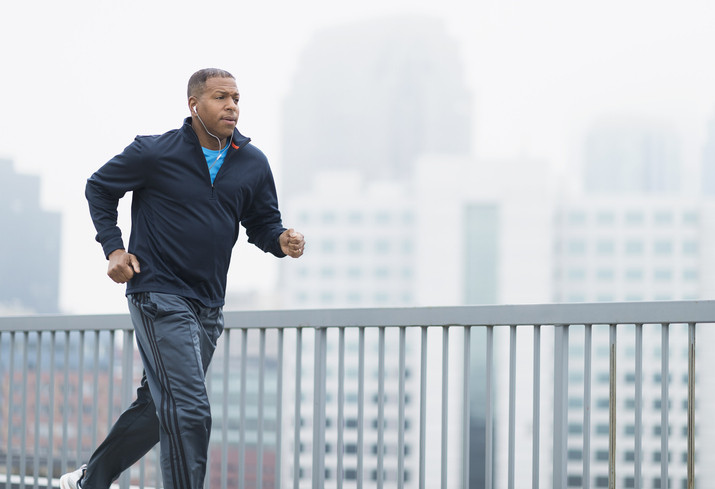
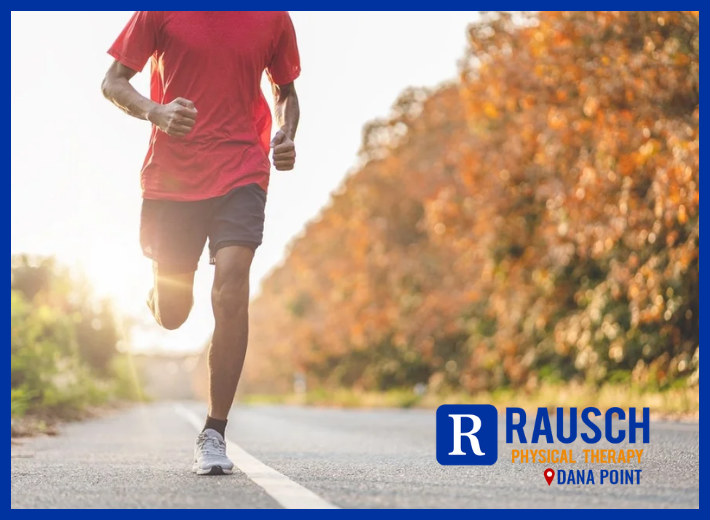
A middle-aged man wearing a blue zip top and lighter blue track pants running alongside a blurred cityscapeWhen I took up running in college, a friend of mine scoffed at the idea. He hated running and was convinced runners were “wearing out” their joints. He liked to say he was saving his knees for his old age.
So, was he onto something? Does running really ruin your joints, as many people believe?

Runners can get arthritis, but is running the cause?

You may think the answer is obvious. Surely, years of running (pounding pavements, or even softer surfaces) could wear out your joints, much like tires wear out after you put enough miles on them. And osteoarthritis, the most common type of arthritis, usually affects older adults. In fact, it’s often described as age-related and degenerative. That sounds like a wear-and-tear sort of situation, right?

Maybe not. Sure, it’s easy to blame running when a person who runs regularly develops arthritis. But that blame may be misguided. The questions to ask are:

  • Does running damage the joints and lead to arthritis?
  • Does arthritis develop first and become more noticeable while running?
  • Is the connection more complicated? Perhaps there’s no connection between running and arthritis for most people. But maybe those destined to develop arthritis (due to their genes, for example) get it sooner if they take up running.

Extensive research over the last several decades has investigated these questions. While the answers are still not entirely clear, we’re moving closer.

What is the relationship between running and arthritis?

Mounting evidence suggests that that running does not cause osteoarthritis, or any other joint disease.

  • A study published in 2017 found that recreational runners had lower rates of hip and knee osteoarthritis (3.5%) compared with competitive runners (13.3%) and nonrunners (10.2%).
  • According to a 2018 study, the rate of hip or knee arthritis among 675 marathon runners was half the rate expected within the US population.
  • A 2022 analysis of 24 studies found no evidence of significant harm to the cartilage lining the knee joints on MRIs taken just after running.

These are just a few of the published medical studies on the subject. Overall, research suggests that running is an unlikely cause of arthritis — and might even be protective.

Why is it hard to study running and arthritis?

  • Osteoarthritis takes many years to develop. Convincing research would require a long time, perhaps a decade or more.
  • It’s impossible to perform an ideal study. The most powerful type of research study is a double-blind, randomized, controlled trial. Participants in these studies are assigned to a treatment group (perhaps taking a new drug) or a control group (often taking a placebo). Double-blind means neither researchers nor participants know which people are in the treatment group and which people are getting a placebo. When the treatment being studied is running, there’s no way to conduct this kind of trial.
  • Beware the confounders. A confounder is a factor or variable you can’t account for in a study. There may be important differences between people who run and those who don’t that have nothing to do with running. For example, runners may follow a healthier diet, maintain a healthier weight, or smoke less than nonrunners. They may differ with respect to how their joints are aligned, the strength of their ligaments, or genes that direct development of the musculoskeletal system. These factors could affect the risk of arthritis and make study results hard to interpret clearly. In fact, they may explain why some studies find that running is protective.
  • The effect of running may vary between people. For example, it’s possible, though not proven, that people with obesity who run regularly are at increased risk of arthritis due to the stress of excess weight on the joints.

The bottom line

Trends in recent research suggest that running does not wear out your joints. That should be reassuring for those of us who enjoy running. And if you don’t like to run, that’s fine: try to find forms of exercise that you enjoy more. Just don’t base your decision — or excuse — for not running on the idea that it will ruin your joints.

Lace-up your running shoes without the weight of arthritis concerns. Take charge of your joint health with our experienced physical therapists to customize a plan that keeps you moving forward, pain-free. Contact us today at 949-597-0007. You can follow us on TikTok and Instagram for more inspiration and tips.


Reference : [https://www.health.harvard.edu/blog/does-running-cause-arthritis-202304262930]

Simple Strategies to Relieve Tight Muscles

Are you tired of dealing with persistent muscle tightness that’s been holding you back from enjoying life to the fullest? Tight muscles can be a real nuisance, affecting everything from your daily comfort to your overall well-being. Fortunately, there are simple yet effective ways to address this issue and regain your mobility. 

Feeling stiff? Achy? Can’t move quite like you used to?

You’ve likely got one – or more – tight muscles to blame. But what does it mean when muscles are tight?

Dr. Neal H. Patel, a family medicine specialist with Providence St. Joseph Hospital in Orange County, California, compares muscles to “rubber bands that have a certain level of natural stretch and elasticity. When someone says their muscles are tight, it means the muscles are similar to a stiff rubber band and not able to move as freely or be as elastic as they should be.”

Why Tight Muscles Happen

There are a variety of reasons why your muscles can feel tight, says Claire Such, a physical therapist in sports medicine at the Ohio State University Wexner Medical Center in Columbus. “In some cases, the muscle is at a shortened length compared to its ideal length,” she explains. This can result from being too sedentary or habitually being in the same position too often.

In other cases, “feelings of chronic muscle tightness can also be due to muscle weakness and fatigue,” Such says. This could be a sign that the muscle group needs to be strengthened.

“The body works on a simple principle of ‘if you don’t use it, you lose it,’” Patel adds. Therefore, if you don’t exercise or stretch much, that can reduce the natural movement and integrity of the muscle fibers and tendons, he says.

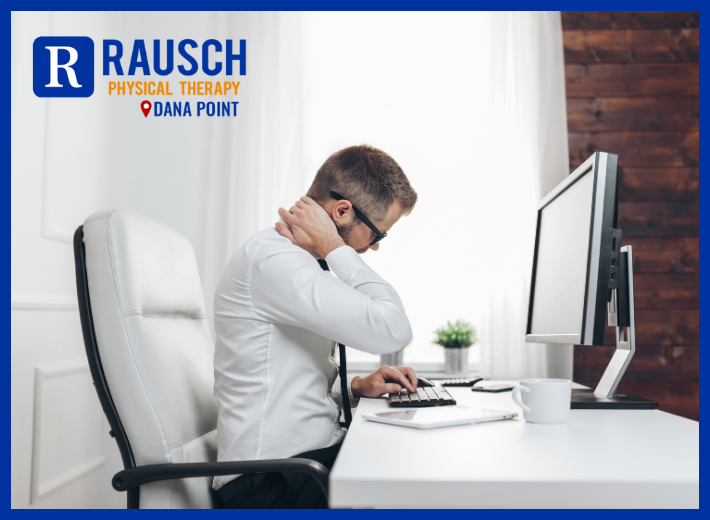
One of the biggest and most common culprits of tight muscles is sitting, typically while focusing on a computer or other gadget.

“When you sit, you keep your hip flexors in a constantly shortened, yet underload(ed) position,” explains kinesiologist and medical exercise specialist Dean Somerset, based in Alberta, Canada. After all, your hip flexors not only draw your knees up to your chest, they stabilize your spine and help keep it in place. As if tight hip flexors weren’t bad enough, all of their constant tension also draws the top of the pelvis forward, pulling your hamstrings tight and keeping you from being able to touch your toes.

Meanwhile, chances are that when you’re sitting, you’re also hunched over a keyboard, tablet or phone. “Ideal alignment is with the head directly over the spine,” Somerset explains. “When your head moves forward, your upper (trapezius) muscles have to work extremely hard to keep your head from basically falling off your shoulders.” The result: Those muscles become short and fatigued.

How to Release Chronically Tight Muscles

“If your muscles have tightened up, they’re not operating at 100% capacity,” says Costa Mesa, California-based certified personal trainer Kelly Collins, co-founder of SISSFiT, designed to help women lead healthier, fitter lives. “Therefore, loosening your muscles will not only relieve stress and reduce your risk of injury, but improve your overall functional performance and the results you get from those workouts.”

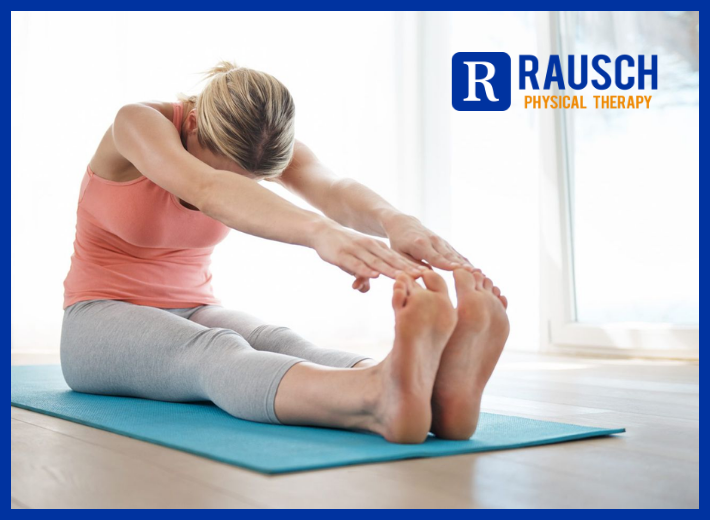
Such says that if you’re engaging in static stretching – that conventional kind of stretching that involves moving the muscle into its longest position without pain and holding it for 15 to 20 seconds – “it’s important to perform this after you are warm and are done with any exercise or activity you’re doing.” Being warmed up offers better results for both the stretching and your workout.

When your muscles are tight, sometimes your body’s neuromuscular control system gets a bit overprotective. This system includes an array of neurons and protective tissues that have to fire (or not fire) in a certain way for any given muscle to stretch to its full physiological capacity, Somerset explains.

So, to fully stretch a muscle, your neuromuscular system has to release its resistance to stretching that far. It does so by signaling your muscles not to worry and that it’s OK to stretch this far.

Exercise physiologists commonly use a stretching technique called “proprioceptive neuromuscular facilitation,” or PNF, to do this. While there are various ways to conduct PNF stretching, many experts believe the most effective version for combating excessive tightness, increasing muscle length and improving range of motion is the hold-relax with agonist contraction method. It’s a mouthful, but it’s easy enough to perform at home with some help from a friend or family member.

Here’s how to perform the stretch with the commonly tight hamstrings, but you can apply this same sort of stretch to any tight muscle. Perform two to four bouts of this stretch per day, either immediately following exercise or at the end of the day. It’s important to note that stretching should never provoke pain, so be mindful of not moving a joint so far that it causes pain.

Step 1:

Lie on your back on the floor, with one leg extended straight toward the ceiling. Have a partner hold your lifted leg firmly, with one hand on your heel and the other the thigh just above your knee.

Step 2:

Keeping your leg straight, have your partner press on your leg to move it toward your chest until you feel a mild stretch in your hamstrings. Have your partner hold this stretch for 10 seconds. Make sure to relax into the stretch.

Step 3:

With your partner still holding your leg firmly in the same stretched position, contract your hamstrings to push against their hands and “fight” the stretch for six seconds. With both of you working in opposite directions, your leg should not move.

Step 4:

Relax again into the stretch, this time using your quads to help “pull” your leg even closer to your chest and deepen the stretch. Hold for 30 seconds. You should be able to stretch the hamstrings farther than you could during Step 2.

Five Tips to Improve Your Stretching

Adding these strategies to your routine can help you get more out of every stretch:

Improve your core strength

Oftentimes, short, tight muscles are due to nothing more than a weak core, explains Los Angeles-based certified strength and conditioning specialist Holly Perkins, author of “Lift to Get Lean.” That’s because the core is in charge of stabilizing your spine and pelvis. So, when your core is weak – and thus your spine and pelvis get out of proper alignment – you’re bound to tighten some muscles.

Perkins recommends improving core strength through core stability exercises such as planks and “dead bugs.” Dead bugs are performed by lying on the floor on your back, engaging the core muscles and raising and lowering your arms above your head and legs with knees bent in an alternating pattern that looks something like a dead bug lying on its back.

Strengthen the muscle group

For other muscle groups beyond the core, strengthening can also help alleviate muscle tightness, Such says. When strengthening, it’s best to slowly ramp up your strength training rather than trying to do too much all at once.

“Strengthening that muscle group progressively over time will allow for more permanent elimination of those sensations and will lend more dynamic stability (making sure your body moves efficiently the way it was mechanically built) to the joint or joints it supports over time,” Such says.

Pair your stretching with foam rolling

Before diving into your favorite stretches, spend some time with a foam roller. While study results of foam rolling’s effectiveness and best application have been mixed, there is some evidence that it can be a helpful warmup activity to improve flexibility before exercise and it can also reduce muscle fatigue and soreness when used after exercise.

Collins recommends that, no matter your activity level, spend at least 10 minutes three times per week stretching and foam rolling.

Stay hydrated

“Because muscles retain water, especially after exercising, dehydration can also be a cause of muscle tightness,” Patel notes.

Make sure you’re taking in adequate levels of water; the U.S. National Academies of Sciences, Engineering and Medicine recommend consuming 15.5 cups (3.7 liters or 125 ounces) of fluid each day for men and 11.5 cups (2.7 liters or 91 ounces) of fluid per day for women. Roughly 20% of your fluid needs each day are typically met through foods you eat; the rest you should be drinking, and plain water is usually the more effective drink you can reach for.

Add pressure

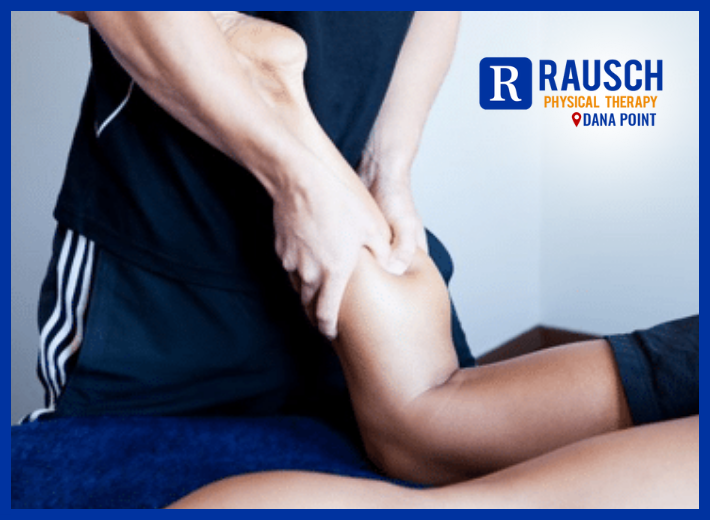
In addition to stretching, Patel recommends getting a massage from a licensed professional, “ideally one that places deeper tissue pressure.” Massage guns like the Theragun or HyperIce can also help relax and break down tension in muscles, he says. These devices are widely used in professional sports to help athletes keep tightness at bay when not actively participating in the game.

Battling a Consequence of Aging

Patel notes that while tight muscles might seem concerning, they are not a serious medical issue.

Dr. Akash Bajaj, a longevity specialist and founder of concierge wellness practice Remedy Wellness & Anti Aging in Marina del Ray, California, says that experiencing tightness in the muscles is common. “As we grow older, we can expect to experience episodes of muscle tightening because of lack of use, injuries and depletion of certain vital minerals like magnesium.”

Magnesium is vital for keeping muscles loose and supple. “This is why we must pay as much attention to keeping ourselves youthful and treat our bodies well as early as possible,” Bajaj advises.

Moving as much as you can and incorporating stretching into your daily routine, just like you would brush and floss your teeth, can help keep your muscles supple and ready to move well into your golden years, Patel adds.

Get rid of those stubborn muscle tightness issues with Rausch PT. Our experienced physical therapy team is here to help you regain your mobility and enjoy the activities you love. Plus — we offer Rx Massage to support your health journey. Contact us today at 949-597-0007 and start your journey to better health and well-being. For more helpful tips and information, follow us on Instagram.


Reference: [https://health.usnews.com/wellness/fitness/articles/simple-ways-to-ease-tight-muscles]

Posture Perfection: Tips and Exercises

Maintaining good posture and its impact on our overall health and well-being is often underestimated. From sitting at a desk all day to hunching over our devices, poor posture has become a common modern-day affliction. Learn the crucial role your posture plays and strategies to improve your routine by reading the article below.

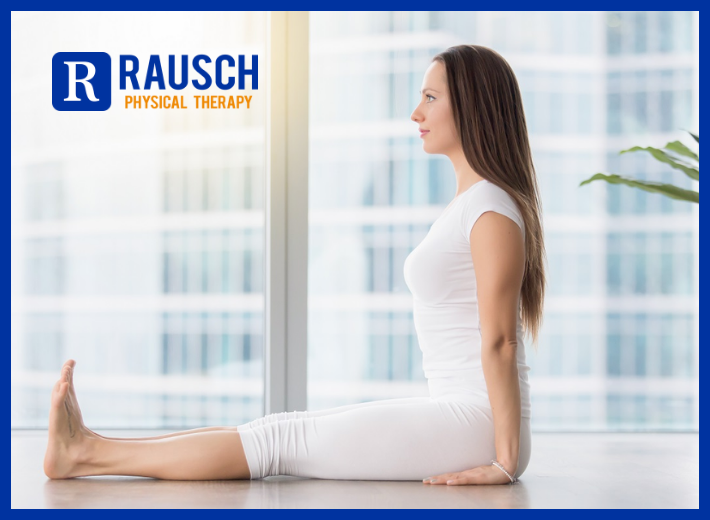
Good posture involves training your body to stand, walk, sit, and lie in positions where the least strain is placed on supporting muscles and ligaments during movement or weight-bearing activities.

If any of the following guidelines causes an increase of back pain or spreading of pain to the legs, do not continue the activity and seek the advice of a doctor or physical therapist.

The spinal curves

Your spine has natural curves that form an S-shape. Viewed from the side, the cervical and lumbar spines have a lordotic, or a slight inward curve, and the thoracic spine has a kyphotic, or gentle outward curve. The spine’s curves work like a coiled spring to absorb shock, maintain balance, and to facilitate the full range of motion throughout the spinal column (see Anatomy of the Spine).

These curves are maintained by two muscle groups, flexors and extensors. The flexor muscles are in the front and include the abdominal muscles. These muscles enable us to flex, or bend forward, and are important in lifting and controlling the arch in the lower back.

The extensor muscles are in the back. These muscles allow us to stand upright and lift objects. Working together these muscle groups act as guy wires to stabilize your spine.

What is good posture?

Posture is the position in which you hold your body upright against gravity while standing, sitting, or lying down.

Proper posture requirements:

  1. Good muscle flexibility
  2. Normal motion in the joints
  3. Strong postural muscles
  4. A balance of muscles on both sides of the spine
  5. Awareness of your own posture, plus awareness of proper posture which leads to conscious correction. With much practice, the correct posture for standing, sitting, and lying down (as described below and on the following page) will gradually replace your old posture.

Proper Sitting Posture

Shoulders over hips, feet flat on the floor, low back support provided, and chin aligned over the chest.

Proper Sitting Posture at Desk

Posture should start with shoulders over hips with good low back support. Details include: elbows flexed to 90 degrees, knees bent to 90 degrees, feet flat on floor or supported with stool/ phonebook (enough that there is a finger width gap between the knee and the chair). Computer monitor should be at eye level, head position should include ears aligned with shoulders. The computers mouse should be close enough that the elbow remains in a bent position. Finally, pen/phones should be kept within 14-16 inches of reach.

Sit to Stand

Place your feet so that toes and knees are in line. Bend forward so your nose is over your toes. Push up from the chair with a controlled motion. Use your hands as needed.

Tying Shoes

Place your foot on your opposite knee to keep from bending too far forward.

Proper Bending and Reaching Technique (Golfers Lift)

Please be aware that bending and lifting are contraindicated after lumbar fusion/kyphoplasty procedures. This technique is provided for the rare occasions when you absolutely require objects being picked up from the floor. Note that the subject has arranged herself in a position where she can use the leg as a lever arm to pull her body back up to its standing posture while maintaining a flat back.

Proper Sleeping Posture

When lying on your back a pillow support should be utilized under the knees. Remember a pillow should support the neck not the head.

Proper Sidelying Posture

Place the pillow support between the knees with another pillow support at the lumbar spine and a third pillow supporting the neck and head. The lumbar support pillow is only necessary if there is a gap between the bed and the waist.

Log Roll

With starting position lying on your back bend your knees.

Roll onto your side.

Keep your shoulders and hips together as a unit as you roll.

Place your top hand to the bed and push up while lowering your legs to the floor.

Slowly raise your body while lowering the legs to assume an upright position.

Getting In & Out of Car

Getting in the Car

  • When getting into the car, back up to the car seat until you feel the seat behind your legs.
  • Reach one hand behind you for the back of the seat while placing your other hand on the dashboard for balance.
  • Lower yourself slowly to the seat and bring your legs into the car one at a time.
  • Scoot your hips back until you are fully on the seat.

Getting out of the Car

  • Position the seat all the way back for maximum leg clearance.
  • Bring each leg out one at a time, turning your hips and shoulders with your body to avoid twisting at your spine.
  • Place one hand on the back of the seat and one hand on the door frame or dashboard.
  • Push up to a standing position; don’t pull.
  • Tip: Placing an empty plastic bag on the seat of the car will make sliding in and out of the car easier for you.

Preventing back pain and injury

Self care. Using correct posture and keeping your spine in alignment are the most important things you can do for your back. The lower back (lumbar curve) bears most of your weight, so proper alignment of this section can prevent injury to your vertebrae, discs, and other portions of your spine. If you have back pain, you may need to make adjustments to your daily standing, sitting, and sleeping habits and learn proper ways to lift and bend (see Self Care for Neck & Back Pain). Your workspace may need to be rearranged to keep your spine from slouching. Because extra pounds can make back pain worse, you should maintain a weight that is appropriate for your height and body frame.

Exercise. Regular exercise is important to prevent back pain and injury. A program of strengthening, stretching and aerobic exercises will improve your overall fitness level. Research has shown that people who are physically fit are more resistant to back injuries and pain, and recover quicker when they do have injuries, than those who are less physically fit (see Exercises: Back Stretches & Strengthening).

Ready to make positive changes in your posture and overall health? Our expert physical therapists are here to guide you. Schedule your appointment today at 949-597-0007. You can follow us on TikTok and Instagram for more inspiration and tips.


Reference: [https://mayfieldclinic.com/pe-posture.htm]

Step Ahead of Shin Splints

Are you an avid runner, dancer, or sports enthusiast who’s been dealing with the frustrating discomfort of shin splints? Don’t worry, you’re not alone. These pesky pains can put a real damper on your active lifestyle. But fear not – we’re here to offer some friendly guidance on how to tackle those shin splints head-on and get back to doing what you love. 

What are shin splints?

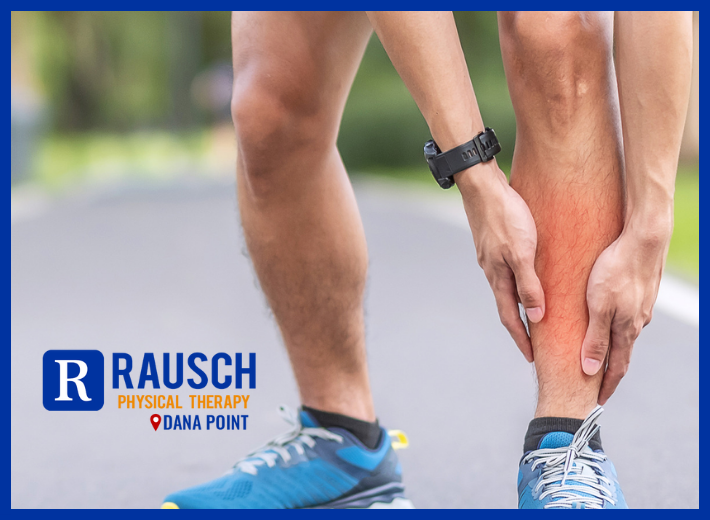
Shin splints refer to pain and tenderness along or just behind the large bone in the lower leg (the tibia).

What causes shin splints?

Shin splints most often happen after hard exercise, sports, or repetitive activity. This repetitive action can lead to inflammation of the muscles, tendons, and thin layer of tissue covering the shin bones, causing pain.

What are the symptoms of shin splints?

These are the most common symptoms of shin splints:

  • Pain felt on the front and outside of the shin. It’s first felt when the heel touches the ground during running. In time, pain becomes constant and the shin is painful to the touch.
  • Pain that starts on the inside of the lower leg above the ankle. Pain gets worse when standing on the toes or rolling the ankle inward. As the shin splint progresses, the pain will increase.

The symptoms of shin splints may look like other conditions or medical problems. Always talk with your healthcare provider for a diagnosis.

How are shin splints diagnosed?

Your healthcare provider can most often diagnose shin splints by reviewing your medical history and doing a physical exam. X-rays are often needed.

How are shin splints treated?

Your healthcare provider will figure out the best treatment based on:

  • How old you are
  • Your overall health and medical history
  • How sick you are
  • How well you can handle specific medicines, procedures, or therapies
  • How long the condition is expected to last
  • Your opinion or preference

The best course of treatment for shin splints is to stop any activity that’s causing the pain until the injury is healed. Other treatment may include:

  • Stretching exercises
  • Strengthening exercises
  • Cold packs
  • Medicine, such as ibuprofen
  • Running shoes with a stiff heel and special arch support

Can shin splints be prevented?

You may be able to prevent shin splints by wearing good fitting athletic shoes. Also, gradually increase the intensity, duration, and frequency of a new exercise routine. It may also help to switch between high impact activities and low impact activities such as swimming or cycling.

Say goodbye to those bothersome shin splints and welcome pain-free activities! Our team of skilled physical therapists is here to help you regain your stride. Contact us today at 949-597-0007 to schedule your consultation. For more helpful tips and information, follow us on Instagram.


Reference: [https://www.hopkinsmedicine.org/health/conditions-and-diseases/shin-splints]