Blog

Navigating a Hamstring Tear

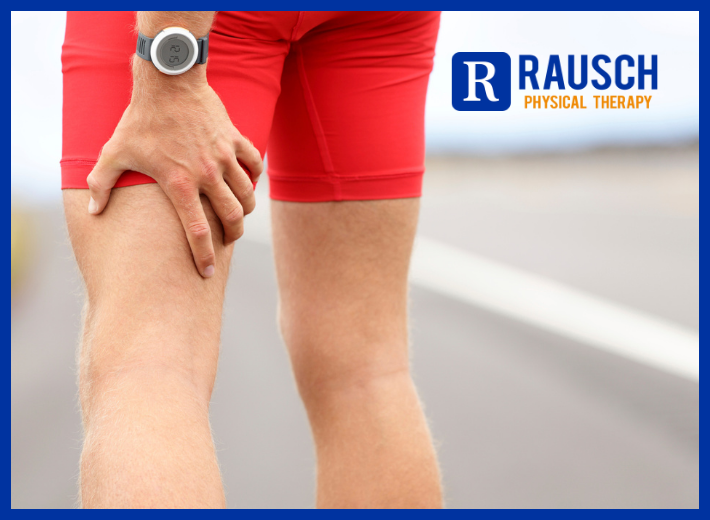
If you’re experiencing pain or discomfort in your thigh, you may have a hamstring tear. This injury can be painful and can significantly affect your daily activities. Rausch PT understands the importance of proper treatment and rehabilitation to help you recover and regain your strength. Learn the causes, symptoms, and treatment options for hamstring tears below.

A hamstring tear injury is a rip in the hamstring muscles. It happens when the hamstrings are overstretched or overloaded with too much weight. Depending on the injury, the hamstring can tear partially or completely.

The injury can affect one or more of the muscles in your hamstring muscle group. These muscles include the:

  • semitendinosus
  • semimembranosus
  • biceps femoris

These muscles, which are in the back of your thigh, help bend your knees during activities like jumping and running.

While anyone can tear their hamstring, the injury is most common in athletes. Let’s look at the symptoms, treatment, and typical recovery of hamstring tears.

Torn hamstring causes

Typically, a hamstring tear occurs during physical activity. Common causes include:

  • Athletic injuries. Most torn hamstrings are caused by extreme stretching or overload during a sport. The injury often happens to people who play sports like soccer, football, and ice hockey.
  • Past hamstring injury. If you’ve torn your hamstring in the past, you’re more likely to tear it again. The risk is higher if you do intense activity before you’re fully healed.
  • Overtraining. Training too hard can overload your hamstrings and cause tears.
  • Poor flexibility. If you have limited flexibility, certain movements may stretch your muscles too far.

In addition to athletes, older people are prone to hamstring tears. That’s because flexibility often declines with age.

Adolescent athletes, who are still growing, are also at risk. Since bone and muscle grow at different rates, the growing bone can tighten the hamstring muscles, making them more susceptible to injury.

Torn hamstring symptoms

The symptoms of a torn hamstring depend on the severity of your injury. You might feel:

  • sudden, sharp pain
  • a “popping” sensation at the time of injury
  • tenderness
  • swelling within the first few hours
  • bruising within the first few days
  • partial or complete weakness in your leg
  • inability to place weight on your leg

Hamstring tear grades

Depending on their severity, hamstring injuries are categorized into one of three grades.

Grade 1 is mild hamstring strain, which is also called a pulled hamstring. It happens when the hamstring muscles overstretch but don’t tear.

If the hamstring stretches to the point where it rips, the injury is considered a tear. Hamstring tear grades include:

Grade 2 hamstring tear

A grade 2 hamstring tear is a partial muscle tear. This means the muscle hasn’t fully ripped.

Compared to a grade 1 strain, a grade 2 tear is more painful. Your leg will feel somewhat weak and you’ll likely limp.

Grade 3 hamstring tear

The most severe hamstring tear is a grade 3 hamstring tear. It occurs when the hamstring muscle rips completely or tears off the bone. A tear that pulls the muscle off the bone is called an avulsion.

If you have a grade 3 tear, you likely heard a “popping” sound or sensation when you got the injury. The back of your thigh will also be extremely painful and swollen.

Because this tear is so severe, you may not be able to put weight on the injured leg.

Hamstring tear vs. strain

While some people use “tears” and “strains” interchangeably, the terms don’t necessarily mean the same thing.

In a hamstring tear, the muscle fibers stretch so much that they rip. A strain, on the other hand, is when the muscle is only overstretched.

Basically, a hamstring tear is a type of strain, but not all strains are tears.

Diagnosing a hamstring tear

At your appointment, a doctor will do several things to determine if you have a torn hamstring. This might include a:

  • Physical exam. The doctor will check your thigh for swelling, tenderness, and bruising. This helps them decide if your injury is mild or severe.
  • MRI. If the doctor thinks you have a severe injury, you might get an MRI. This imaging test will show the tear in your muscle tissue.
  • Ultrasound. An ultrasound is another test that produces a detailed image of your muscles. It can show the size and location of the hamstring tear.
  • X-ray. You’ll need to get an x-ray if the doctor thinks the bone was fractured during your injury,

Torn hamstring treatment

Torn hamstring treatment depends on the grade of your injury. In general, treatment options include:

RICE method

The RICE method is the first line of treatment for most sports injuries. For grade 2 tears, it’s the main form of treatment.

RICE stands for:

  • Rest. Taking a break from physical activity will let your hamstrings heal. You might need to use crutches or a knee splint to avoid moving your leg.
  • Ice. To ease swelling and pain, wrap an ice pack in a towel and place it on your hamstring for 20 minutes. Repeat a couple times each day.
  • Compression. An elastic compression bandage can help relieve swelling.
  • Elevation. Elevating your injured leg will also decrease swelling. Place it higher than your heart by using pillows, cushions, or folded blankets.

Pain medication

Typically, treatment often includes nonsteroidal anti-inflammatory drugs (NSAIDs) like ibuprofen. You’ll need to take NSAIDs for about a week after your injury.

A doctor can recommend the appropriate medication and dose for you.

Physical therapy

Once the pain subsides, you’ll go to physical therapy. The physical therapist will plan a regimen that’s designed to improve your flexibility and range of motion.

As you get better, they’ll have you do strengthening hamstring exercises.

Hamstring surgery

If the treatments above don’t heal a partial tear, or if you have a complete tear, you may need surgery to repair it. The surgeon will fix the tear with stitches.

However, most hamstring surgeries are done to treat avulsions. During the procedure, the surgeon will move the muscle into its correct position and staple or stitch it to the bone.

Torn hamstring recovery and outlook

Recovery time can vary greatly. It depends on various factors, including your:

  • hamstring tear grade
  • history of torn hamstrings
  • age
  • overall health

Recovery takes at least 4 to 8 weeks if you have a partial tear. During this time, you’ll need regular physical therapy and lots of rest.

If you have a complete tear, recovery can take about 3 months. It might take slightly longer if you get surgery.

Your doctor will let you know when you can go back to work. If you have a physically demanding job, you might need to stay home for most of your recovery time.

It’s important to follow your doctor’s rehabilitation plan during recovery. This will improve your outlook and reduce the risk of re-injury.

Suffering from a hamstring tear? Seeking the right treatment and rehabilitation is crucial for a successful recovery. At Rausch PT, our team of experienced physical therapists will help you heal and regain your strength and mobility. Contact us today at 949-276-5401. To get health and wellness updates and learn about what we have to offer ongoing, join our Facebook community.


Reference: [https://www.healthline.com/health/hamstring-tear]

How to Recover from a Ruptured Achilles Tendon

Recovering from an Achilles injury is no walk in the park. The Achilles is the largest tendon in your body. It helps you walk, run, jump, and move your foot in every direction. So if you injure or tear it, you won’t be able to do much of anything for a while. But Rausch PT is ready to help! With our tips below and a special program to get you moving again as soon as possible! We can also support your recovery with Rx Massage!

Achilles tendon injuries may not be very common in the general population, but if you frequently engage in sports and other recreational activities, the risk of rupturing your Achilles tendon is very real.

In fact, research suggests that more than 80% of Achilles tendon ruptures happen in people who engage in sports or active hobbies.

But what exactly is the role of your Achilles tendon, and what happens when you tear or rupture it? Here, we share what you need to know about this sports-related injury, including symptoms, diagnosis, and treatment.

Why is the Achilles tendon important?

A tendon is a type of connective tissue that attaches muscles to bones (or sometimes to other organs or structures). When you contract your muscles, your tendons transfer this mechanical force to your bones, allowing them to move. Tendons are a key part of the complex system that allows your body to move.

So, what kind of movement does your Achilles tendon help you do? Well, it attaches your lower calf muscle to your heel bone, which allows for plantar flexion — downward movement of your foot. Your Achilles tendon is why you can do things like stand on your toes, walk, jump, and run.

Common causes of a ruptured Achilles tendon

A 2018 study published in the Orthopedic Journal of Sports Medicine found that almost 82% of Achilles tendon ruptures resulted from sports or recreational activities. While the researchers attributed most of these injuries — more than 42% — to playing basketball, other common causes of a ruptured Achilles tendon included:

  • football
  • soccer
  • tennis
  • running
  • hiking
  • stretching

As you can see, many of the sports and activities commonly associated with Achilles tendon injuries involve a lot of lower leg involvement, such as running, jumping, and kicking.

However, other activities can also cause this type of injury. The same study found that common daily activities involving stairs, doors, and even sinks could cause Achilles tendon ruptures in older adults.

Symptoms of a ruptured Achilles tendon

A torn Achilles tendon can cause a handful of symptoms, depending on the extent of the injury. In some people, one of the first symptoms is a “pop” at the back of the ankle, usually accompanied by a sudden sharp pain.

A ruptured Achilles tendon can also cause:

  • bruising
  • swelling
  • changes in the surrounding skin
  • difficulty walking
  • trouble flexing the toes, especially downward

It’s also possible to have a partial rupture, which is when the Achilles tendon tears only partially. This type of injury may sometimes cause pain but will not necessarily result in significant changes to the movement of the foot or leg.

Treatment options for a ruptured Achilles tendon

Generally, the recommended treatment for a ruptured Achilles tendon depends on the extent of the injury, the risk of complications, and the desired recovery time.

For minor or partial tears, the first approach is usually to apply functional bracing or casting to help reduce the movement in the ankle and allow the tear to heal.

For a fully ruptured Achilles tendon, the initial approach is usually surgery to reconnect the torn tendon, followed by bracing to allow for healing.

The choice of whether to undergo surgery is complex. While bracing alone has a higher rate of re-rupture than surgery, surgery carries a higher risk of infection or skin-related complications. Older adults and people who are less active may opt for immobilization and physical therapy only.

With or without surgery, it’s important to rest your foot and keep your leg elevated during the initial healing process — which means minimal movement or weight-bearing for several weeks. You may be able to use crutches to move around when bed rest is not possible.

Nonsteroidal anti-inflammatory drugs can be helpful for reducing pain while your tendon heals.

As the healing process continues, you will have physical therapy to help restrengthen your muscles and allow them to adjust to movement again.

Recovery timeline for a ruptured Achilles tendon

Everyone’s recovery timeline looks different, but it usually takes 6 to 12 weeks or longer to recover from an initial Achilles tendon rupture. Beyond this, research suggests that it can take up to a year to regain full functionality in the affected tendon.

A small 2018 study explored the potential differences between early and late weight-bearing on recovery in 75 people who had surgery for a ruptured Achilles tendon. The researchers found that the tendon continued to repair itself for up to 6 months after surgery, and full functional recovery occurred almost 12 months after surgery.

Can a ruptured Achilles tendon heal itself?

When you have an Achilles tendon injury, there are generally two options for treatment: immobilization, which involves resting your leg and foot, or surgery with immobilization.

It’s possible to treat minor Achilles tendon ruptures with rest, elevation, and physical therapy, but there are some caveats — the biggest one being that, without surgery, the tendon is more likely to rupture again.

Plus, most people who rupture their Achilles tendon are athletes, and choosing to skip the surgery can mean taking longer to return to sports.

Older adults and less active individuals may be better served by casting or other immobilization techniques, but again, skipping surgery comes with a higher rate of re-rupture. If you’re not sure whether surgery is the right step for you, talk with your doctor about your concerns.

Are treatments for a ruptured Achilles tendon covered by insurance or Medicare?

Most insurance plans, including Medicare, will cover almost all the necessary treatments for a ruptured Achilles tendon.

One recent study found that the average cost of ruptured Achilles tendon treatment consisted of:

  • $3,000 to $4,000 for hospitalization
  • $300 to $800 for surgeon visits
  • upwards of $850 for 24 physical therapy sessions

If you have private insurance, depending on your plan, most of these treatment options should be covered, aside from standard out-of-pocket costs such as deductibles.

If you have Medicare, your plan should cover these treatments, but you may be responsible for more than $800 in out-of-pocket costs, as well as copays, depending on where you choose to get treated.

Frequently asked questions

If you’ve recently ruptured your Achilles tendon, here’s what you may need to know about what to do and what not to do during your recovery.

Can you walk with a ruptured Achilles tendon?

Even if you can still walk with a torn Achilles tendon, you probably should not, at least not at first. In fact, your doctor will likely recommend that you keep all weight off the affected foot and leg for at least the first 1 to 2 weeks — which means absolutely no walking on the injured foot.

How does a ruptured Achilles tendon heal?

A ruptured tendon can heal in one of two ways: with rest (in the case of minor tears) or with the help of surgery. Surgery reconnects the tendon, which then allows the connective tissue to regrow — the same process that happens to the tissue naturally in minor tears.

Does a ruptured Achilles tendon always require surgery?

While a ruptured Achilles tendon doesn’t always require surgery to repair, surgery has some advantages to nonsurgical treatment. Research has shown that surgery can potentially speed up recovery time, shorten needed time off from work, and reduce the risk of re-rupturing the tendon in the future.

Is a ruptured Achilles tendon an emergency?

If you believe you’ve ruptured your Achilles tendon, schedule a visit with a doctor as soon as possible.

If you’re in severe pain or are having trouble walking, consider heading to a hospital emergency department or urgent care center, as they can provide immediate relief and a quick referral to a specialist.

What happens if you don’t repair a torn Achilles tendon?

Without the right treatment, a torn Achilles tendon can heal improperly and cause a number of potential complications, including re-rupture, blood clots, chronic nerve issues, and ongoing pain.

While you may not need surgery, it’s important to consult a healthcare professional to find out the best way to help your body recover.

Regain strength. Reclaim your mobility. Keep doing what you love. Our physical therapy experts will evaluate your injury and customize a treatment plan that fits your needs. Find our team at 949-597-0007 and join our Facebook community here.


Reference: [https://www.healthline.com/health/sports-injuries/ruptured-achilles-tendon]

Exercise During Your Period And Each Stage Of Your Cycle

If you have a period, it’s likely you’ve experienced some of the negative side effects. There is no medical reason to avoid working out during menstruation or any other phase of your cycle. In fact, exercise may be beneficial for easing some common symptoms like cramps and emotional distress. To work with and not against our bodies, learn more about the phases of the menstrual cycle and how it connects to exercising.

There’s a common belief in the fitness world that regardless of gender, results are only gained with consistent hard work.

However, due to gender bias within the field of exercise science, most research on effective exercise programming is done on male test subjects.

Exercise recommendations are made as one-size-fits-all prescriptions, and women in all life stages optimistically attempt the latest workout trend to gain positive results.

The pressure to maintain a certain body shape is at the forefront of many women’s workout intentions. Yet, at some point in the month, the “always work hard” attitude comes in direct conflict with low energy days, and women can fall victim to their own negative judgment.

As a personal trainer and lifelong exerciser, I’ve gained a new perspective when it comes to exercise and the menstrual cycle. By gaining an understanding of our monthly hormonal fluctuations, we can ramp up our workouts when our bodies are ready for it, and turn down the intensity when our bodies can’t tolerate as much of a physical load.

When we learn how to cycle our exercise with our cycle, we’re using our female biology to our advantage — working smarter, not harder.

To work with and not against our bodies, we must first have a keen awareness of the phases of the menstrual cycle.

Phases of the menstrual cycle

A menstrual cycle averages 23–38 days and comprises 3 phases.

The follicular phase

The follicular phase begins on day one of your period, and it’s characterized by the lowest levels of female hormones throughout the month. Because sex hormones are low, this is when the female body is most similar to that of a man.

The follicular phase continues 5–6 days past the last day of your period, lasting 12–14 days. Following your period, estrogen gradually increases, resulting in the release of luteinizing and follicle-stimulating hormones, culminating in mid-cycle ovulation.

Ovulation

Ovulation is when your body releases an egg, and if sperm is present, this is the golden opportunity for implantation and pregnancy to occur. In a 28-day cycle, ovulation occurs right around the midpoint, often close to day 14.

The luteal phase

The luteal phase occurs right after ovulation and lasts for the second half of your cycle, bringing with it the hormonal parade.

At this point, estrogen has a moderate second rise, but more importantly, progesterone enters the picture and brings a number of physiological symptoms along with it.

The luteal phase ends when progesterone peaks, and if you’re not pregnant, both estrogen and progesterone drop and signal to your brain to start your period and begin a new cycle.

Now that we have a basic understanding of the hormonal changes that define the menstrual cycle, let’s talk more about the physiological changes that can affect your exercise efforts.

The effects of fluctuating hormones

The first part of your cycle, known as the follicular phase, is the low hormone phase, and the only cycle symptoms you’re likely experiencing are those of your period.

If you’re trying to exercise hard, it’d make sense that this is the time of the month to put your best efforts forth, as you have no hormonal symptoms complicating things.

The event of ovulation can be marked by a slight rise in a woman’s temperature. This doesn’t seem like a big deal on the thermometer, but it’s important to know that this temperature increase continues past ovulation and lasts the duration of the second half of your cycle.

Given the raised temperature during the luteal phase, the female body is more sensitive to exercising in hot or humid environments (think hot yoga, being in a warm gym, or running outside on a hot summer day), and athletic performance can really take a hit.

Aside from raising your core temperature, progesterone increases your resting heart rate and breathing rate. All three of these symptoms can be interpreted as additional strain on the body, especially when exercising, leaving a woman to feel like she’s having to work harder than usual.

Another characteristic of progesterone is its catabolic effect, meaning that this hormone likes to break tissue down.

This is important when it comes to strength training during the second half of your monthly cycle.

Under ordinary circumstances, strength exercises require a load to work against — bodyweight, bands, cables, free weights — that creates a tension response within the worked muscles.

Muscular tension from repetitively lifting a challenging load leads to microscopic tears within your working muscles. Your body then heals these microscopic tears by regrowing the muscle tissue, resulting in bigger and stronger muscles.

When progesterone is present during the second half of the menstrual cycle, it can reduce this protein regrowth, negatively affecting the process of muscle repair.

Let your biology be your exercise guide

Just a few simple habits can make a big difference when it comes to syncing your workouts with your cycle.

Tracking your cycle

If you want to improve your exercise efficiency in conjunction with your menstrual cycle, the first requirement is to track your cycle.

It’s as easy as keeping a digital thermometer and an alarm clock by your bed. Every morning when you wake up (waking up at the same time each morning is important for this method), before you do anything (don’t get out of bed or even take a sip of water), take your temperature and write it down.

This is especially important during the first half of your cycle, so you can have an understanding of what your waking temperature is. By writing it down every morning at the same time, you’ll be able to see a small increase in your temperature around mid-cycle, indicating ovulation has taken place.

Tracking your menstrual cycle will eliminate guesswork and provide you the ability to anticipate what your body is willing to tolerate.

Note that if you’re on birth control, which can work by preventing ovulation, this method of tracking your cycle might be more difficult.

Choose different exercise at different times of the month

  • Follicular phase. This is when you can HIIT it hard (see what I did there!). Get your high intensity interval training, powerlifting, heavy weight lifting, plyometrics, long runs, hot yoga, hill repeats, or other intense exercise modalities in now. Take at least one rest day between hard workouts, and be mindful of signs of overtraining, as some studies suggest you may be more prone to muscle damage from overtraining during this phase.
  • Luteal phase. This is when to respect your body’s high hormonal load. Moderate cardio (no breathless intervals), outdoor walks and hikes, strength training (low to moderate weight and higher reps), yoga, and Pilates are all great choices. This is a good time to work on enhancing your mobility, and make sure to stay away from hot workout environments.

Work with your body, not against it

Exercise research and recommended protocols rely heavily on data that has used male subjects, as they don’t have the monthly hormone fluctuations that women do.

As a result, women attempt to implement exercise programs that aren’t constructed with female biology in mind, leaving them to wonder where they went wrong when their energy changes.

Through knowledge of their menstrual cycle phases and tracking their cycles, women will be empowered by gaining control of their exercise efficiency while avoiding failed workouts and self-criticism.

Be strong. Be flexible. Be healthier with physical therapy! Don’t waste any more of your time in pain. Contact our team today at 949-276-5401. To get health and wellness updates and learn about what we have to offer ongoing, join our Facebook community.


Reference: [https://www.healthline.com/health/fitness/female-hormones-exercise#Phases-of-the-menstrual-cycle]

High School Football: What Are the Chances of Injury?

Youth football can be played safely if the athletes are coached and taught properly. To avoid further problems, keeping track of injuries and getting advice on treatment and prevention is essential. With the advice of your Rausch PT physical therapist, you and your teen can get to their best performance.

If a teen plays four years of high school football, chances are pretty good they’ll sustain an injury of some sort.

In fact, a high school athlete is about three times more likely to get hurt than competitors in other major sports.

In addition, that injury is more likely to be to their head or face. It’s also far more likely the injury will happen during a game instead of practice.

However, it is highly unlikely the injury will require surgery. And if it does, chances are it won’t have any serious lingering effects down the road.

Those are some of the conclusions that can be reached by sifting through statistics and talking with sports experts about high school football players.

Those experts add that advances in treatments, as well as injury prevention, are helping keep the number and severity of injuries down.

They also note the upside to participating in sports can make the risk of injury somewhat negligible.

“The benefits of participating in team sports far outweigh the risks,” Dr. Margot Putukian, F.A.C.S.M., director of athletic medicine at Princeton University, told Healthline.

Keeping track of injuries

Nearly 8 million teenagers now participate in high school sports.

That’s double the 4 million who participated in the 1971-72 school year.

For the past decade, the injuries sustained by those athletes have been monitored by the Colorado School of Public Health’s Program for Injury Prevention, Education & Research (PIPER).

The team, led by Professor Dawn Comstock, puts out an annual report on the injuries sustained in nine major high school sports.

The report has detailed statistics from 100 high schools across the country as well as estimated numbers for all high schools.

That data is gleaned from high school athletic officials who report their injuries to PIPER officials every Monday during their season.

The stats are broken down into number of injuries, the number of “athlete exposures,” and the rate of injuries for every 1,000 of those exposures.

Injuries are defined as any event that requires medical attention and keeps the athlete from participating in games or practices for at least one day. In addition, all fractures, concussions, dental injuries, and “heat events” are considered injuries.

Exposures are defined as one athlete participating in a single game or practice. For example, if 20 players get into a game, then that’s 20 exposures for that squad.

Football first in injuries

During the past decade, there has been an average of about 4 injuries per 1,000 athlete exposures in competition for all nine sports combined.

For high school football players, the rate during competition has ranged from 11.26 to 13.52 injuries per 1,000 athlete exposures.

The sport with the second highest rate is girls’ soccer, which hovers just above 5 injuries per 1,000 exposures every year.

For football, the injury rate during practice is right around 2 incidents per 1,000 exposures. That compares with an average rate of under 1.5 per 1,000 exposures for all nine sports combined.

Overall, the Colorado researchers estimate there are more than 500,000 injuries of some sort to high school football players nationwide every year.

In most years, less than 10 percent of those injuries require surgery.

In 2015, 28 percent of the football injuries were to a players’ head or face. Those included concussions.

Another 14 percent were knees, 11 percent were ankles, and 10 percent were shoulders.

About 68 percent of the injuries happened while players were tackling. Another 22 percent occurred while players were blocking.

Treatment and prevention

Safety concerns were raised last year when it was reported at least 11 high school football players died in the United States during the 2015 season.

Two years earlier, a study was published that concluded high school players had nearly twice the concussion rate as college players.

Still, experts said more sophisticated medical treatments and better prevention programs are holding the line on football injuries and reducing the severity of them.

Scott Sailor, president of the National Athletic Trainers’ Association (NATA), says athletes are also better physically prepared for contact sports than in decades past, helping cut down on the seriousness of injuries.

When surgery or other medical attention is required, he says, there are now safer and better techniques available.

Sailor also told Healthline it’s important for schools to have athletic trainers available, especially during competition. He said only 37 percent of U.S. high schools currently have a full-time athletic trainer.

Some of these precautions are also extending to football practice.

Putukian notes the National Collegiate Athletic Association (NCAA) now restricts contact practices to twice a week for football teams.

In addition, Ivy League teams don’t allow tackling in practices.

Putukian said some of the measures may be trickling down to high school teams.

She and Sailor also point out there are new coaching techniques to help reduce football injuries.

One of them is the Heads Up Football program overseen by USA Football. The program promotes tackling and blocking techniques designed to make the game safer.

Parental involvement

Sailor and Putukian agree parents need to take the lead when it comes to their child’s sports safety.

Putukian urges parents to scope out both a school’s program as well as the football coach before their child signs up.

For example, does the coach teach good techniques and put their athletes’ safety first?

“You need to do your homework,” she said.

NATA has launched the program At Your Own Risk, which provides information for parents, athletes, and school officials on sports safety.

Sailor says he feels all the measures being taken make football a relatively safe contact sport for high school students.

Rausch PT professionals have the skills and expertise you need to improve and restore your muscle to enjoy your sport to the fullest. Book your appointment today at 949-276-5401 and meet our experts. Join our Facebook community.


Reference: [https://www.healthline.com/health-news/likelihood-high-school-football-player-gets-injured#Parental-involvement]

Your Cardio Exercise Options

February is American Heart Month, a time when all people can focus on their cardiovascular health. But why do you need cardio in the first place? Cardiovascular exercise is a key part of a long and healthy life. Here we bring you a list of 14 types of cardio exercises to get you moving and their benefits. If some kind of pain is keeping you from cardio, see Rausch PT to get you back up and moving again, doing what you love!

If you need a low-impact exercise regimen, look no further. We’ve taken the guesswork out of things by creating a 20-minute low-impact cardio circuit that’s great for everyone — bad knees, bad hips, tired body, and all.

Below are six exercises you should do for 1 minute each, jumping right into the next when the minute is up.

After you complete all six exercises back-to-back, rest for 1 minute, and then start the circuit again. Repeat three times through for a butt-kicking low-impact cardio workout.

1. Low-impact jumping jack

A good warm-up exercise, low-impact jumping jacks will get your heart pumping and muscles moving. You can exaggerate the arm movements to burn maximum calories.

To get moving:

  1. Start by standing with arms down at your sides.
  2. Step your right foot out, and at the same time bring your arms up above your head. Keep your weight in your right foot throughout this movement.
  3. Return to your starting position.
  4. Immediately step your left foot out. Once again, with your weight on your left foot, bring your arms above your head.

2. Skaters

Channel a speed skater when you complete this move. The low-impact version omits the jump but will still make you work.

To get moving:

  1. Start in a curtsy lunge position with both legs bent, your right leg behind and across your body. Your left arm should be straight down and right arm bent comfortably up at your side for balance.
  2. Pushing off the left leg, begin to stand, bringing the right leg forward and swinging your left leg back and across, switching arms as you go. Work quickly, but to maintain the low-impact approach, don’t jump.

Push your limits and elevate your performance  — and eliminate pain while increasing mobility — with a customized physical therapy program. Let us help you perfect your form and increase your performance. Contact our experts today at (949) 276-5401 and join our Facebook community here.


Reference: [https://www.healthline.com/health/fitness-exercise/cardio-exercises-list#11.-Hula-Hooping]

Why is Nutrition Important?

The link between good health and good nutrition is well established. Whether you are a competing athlete, a weekend sports player, or a dedicated daily exerciser, the foundation for improved performance is a nutritionally adequate diet. Learn more about calories and macronutrients to maintain strength and energy to compete and stay injury-free.

Athletes will have different nutritional needs compared with the general public. They may require more calories and macronutrients to maintain strength and energy to compete at their optimum level.

In addition to consuming sufficient amounts of calories and macronutrients, athletes may also require more vitamins, minerals, and other nutrients for peak recovery and performance.

Moreover, they may need to consider meal timing and ensure adequate hydration.

In this article, we discuss macronutrient and micronutrient needs of athletes and look at calories, meal timing, and how to tailor requirements to specific sports. We also give meal examples for breakfast, lunch, and dinner.

Why is nutrition important?

Nutrition is essential for supporting an athlete’s general health and their training needs.

Having a suitable diet provides a person with enough energy and nutrients to meet the demands of training and exercise. In addition to helping a person perform optimally, it facilitates recovery.

Athletes may need to consider:

  • their caloric needs
  • macronutrient amounts and ratios
  • meal and snack timings
  • vitamins and minerals for recovery and performance
  • hydration

Tailoring these considerations to an athlete’s body weight and composition, the amount of time spent training, and the type of sport they do can improve their performance.

Macronutrients

The Dietary Guidelines for Americans, 2020–2025 suggest that the optimal macronutrient ratios for adults are as follows:

  • Carbohydrates: 45–65% of calories
  • Protein: 10–35% of calories
  • Fat: 20–35% of calories

The International Sports Sciences Association (ISSA) notes that people can adjust these ratios based on the goal of physical activity.

For example, an endurance athlete would increase the amount of carbohydrates they eat, while a strength athlete would increase their protein intake.

According to a 2018 review by the International Society of Sports Nutrition (ISSN), typical macronutrient ratios for athletes are as follows:

Carbohydrates

Carbohydrates receive a great deal of attention in sports nutrition due to the vital role they play in athletic performance.

Carbohydrates are typically the preferable fuel source for many athletes, particularly for high intensity and long duration exercise. This is because they supply ample glycogen storage and blood glucose to fuel the demands of exercise.

To maintain liver and muscle glycogen stores, athletes will need different amounts of carbohydrates depending on their exercise volume.

For moderate amounts of intense training, defined as 2–3 hours per day of intense exercise performed 5–6 times per week, the ISSN suggests consuming 5–8 grams per kilogram (g/kg) of body weight, or 250–1,200 g, of carbohydrates per day for athletes who weigh 50–150 kg.

For high volume intense training, defined as 3–6 hours per day of intense training in 1–2 daily workouts 5–6 days per week, the ISSN recommends 8–10 g/kg of body weight, or 400–1,500 g, of carbohydrates per day for athletes weighing 50–150 kg.

For example, an athlete weighing 150 kg who performs high volume intense training would look to consume roughly 1,200–1,500 g of carbohydrates.

Healthy carbohydrates for an athlete’s diet may include whole grains, such as brown rice, quinoa, oats, and pasta, and starchy vegetables, such as potatoes.

Protein

Protein also plays an essential role in sports nutrition, as it provides the body with the necessary amount of amino acids to help build and repair muscles and tissues.

Athletes doing intense training may benefit from ingesting more than two times the recommended daily amount (RDA)Trusted Source of protein in their diet.

For example, the dietary reference intake for adult females is 46 g, and for adult males — 56 g. That is why it may be beneficial for athletes to consume nearer to 92 g and 112 g of protein, respectively.

The ISSA suggests that many athletes can safely consume 2 g of protein per 1 kg of body weight daily, compared with the RDA of 0.8 g/kg.

The ISSN also notes that optimal protein intake may vary from 1.2 to 2.0 g/kg of body weight per day.

Higher amounts of protein can help athletes avoid protein catabolism and slow recovery, which the ISSN notes can contribute to injuries and muscle wasting over time.

For moderate amounts of intense training, an athlete should consume 1.2–2 g of protein per 1 kg of body weight, which translates into 60–300 g of protein per day for an athlete weighing 50–150 kg.

For high volume intense training, the ISSN suggests 1.7–2.2 g of protein per 1 kg of body weight per day, or 85–330 g of protein for an athlete weighing 50–150 kg.

Healthy protein sources include:

  • lean meat and poultry
  • fish and seafood
  • eggs and dairy products
  • beans and lentils
  • nuts and seeds
  • soy, including tofu and tempeh

Fats are essential in the diet to maintain bodily processes, such as hormone metabolism and neurotransmitter function.

Including healthy fats in the diet also helps satiety and can serve as a concentrated fuel source for athletes with high energy demands.

The ISSN recommends athletes consume moderate fat intake, representing around 30% of daily calories. However, they can safely consume up to 50% of their daily calories as fat to meet higher volume training needs.

Athletes seeking to decrease their body fat may reduce fat intake to 20% of their daily calories.

Some athletes may choose to eat a ketogenic diet and consume higher amounts of fats. However, the ISSN review indicates there is not sufficient evidence to support the diet’s effectiveness.

Healthy fat sources include oily fish, olive oil, avocados, nuts, and seeds.

Micronutrients, supplements, and hydration

Athletes should ensure they consume the essential vitamins and minerals they need to support their general health and sports performance.
People can usually achieve adequate intakes of essential vitamins and minerals by eating a varied, balanced diet.

Some athletes may choose to take vitamin or mineral supplements or ergogenic aids, such as creatine. The ISSN recommends that consumers evaluate the validity and scientific merit of claims that manufacturers make about dietary supplements.

There is little evidence to support the efficacy or safety of many dietary supplements, including:

  • adenosine 5′-triphosphate
  • branched-chain amino acids
  • phosphatidic acid
  • glutamine
  • arginine

However, scientists have shown that other ergogenic aids, such as caffeine and creatine monohydrate, are safe and effective for athletes.

It is important to be aware that some athletic associations ban the use of certain nutritional supplements.

Moreover, athletes should ensure they maintain adequate hydration. According to the ISSN and other sports nutrition experts, when a person loses 2% or more of their body weight through sweat, it can significantly impair their performance.

Given that sweat losses are a combination of fluids and electrolytes, such as sodium and potassium, athletes may choose to and benefit from using sports drinks, milk, or both to meet some of their hydration needs.

Sufficient calories

Athletes require sufficient calorie intake to match their energy expenditure through activity.

The ISSN suggests that athletes training intensely for 2–6 hours per day 5–6 days of the week may burn over 600–1200 calories per hour while exercising.

As a result, athletes engaging in this level of activity may require 40–70 calories per 1 kg of body weight per day, compared with the average less active individual, who typically requires 25–35 calories per 1 kg of body weight daily.

According to the ISSN, athletes weighing 50–100 kg may require 2,000–7,000 calories per day. It also notes that athletes weighing 100–150 kg may need to consume 6,000–12,000 calories daily to meet training demands.

Meal timing

The timing of meals and snacks can be vital to an athlete’s performance. The timing and content of meals can help support training goals, reduce fatigue, and help optimize body composition.

Guidelines for the timing and amount of nutrition will vary depending on the type of athlete.

For example, the ISSN advises strength athletes consume carbohydrates and protein or protein on its own up to 4 hours before and up to 2 hours after exercise.

The American College of Sports Medicine (ACSM) also notes the importance of consuming protein both before and after exercise for strength athletes.

By contrast, endurance athletes would need to consume mostly carbohydrates and a small amount of protein roughly 1–4 hours before exercise.

Both the ISSN and ACSM emphasize the role of meal timing in optimizing recovery and performance and recommend athletes space nutrient intake evenly throughout the day, every 3–4 hours.

Some people may find that consuming meals too close to the beginning of exercise can cause digestive discomfort. It is therefore important to eat an appropriate amount and not exercise too quickly after eating.

Are you ready to live your best life? When you choose PT, you choose more movement and better health. Time for a pain-free — and a pill-free — life! Don’t waste any more of your time in pain. Contact our team today at 949-276-5401. To get health and wellness updates and learn about what we have to offer ongoing, Join our Facebook community.


Reference: [https://www.medicalnewstoday.com/articles/nutrition-for-athletes]

5 Effective Hip Mobility Exercises

Wondering how to increase your hip mobility? These everyday moves will make hip tightness and lower back pain a thing of the past. You can incorporate these into your everyday routine. No special equipment is needed — and start 2023 pain-free. If you’re still suffering from limited hip mobility, let us help. We have 1001 tools to enhance your mobility and reduce pain — and reoccurring injuries.

These everyday moves will make hip tightness and low back pain a thing of the past.

Having tight hips is a common complaint, especially among adults who find themselves in a seated position for extended periods of time—a posture that can cause the hip flexor muscles to become short and stiff. Adults—women, in particular—also tend to hold a “tremendous amount of stress in [their] hips,” says Stefanie Corgel, certified strength and conditioning coach and group fitness instructor in Los Angeles.

That’s why it’s important not only to stretch your hips, but to do active hip exercises to improve strength, flexibility, and mobility. What’s the difference between a hip stretch and a hip exercise, and between hip flexibility versus mobility? A simple distinction: think passive versus active. “Hip flexibility is defined as length through range of motion while mobility points to more targeted strength and control of the muscle as it completes a movement pattern,” Corgel explains.

Mobility is just as important as flexibility, especially as you age. All of the activities you love doing—walking, cycling, dancing, or playing with your kids and pets—require joint mobility as a foundation. “Over time, if joints lack mobility, your performance and ability to improve is greatly inhibited,” Corgel says. The less you move, use, and strengthen certain body parts, the less likely they are to work optimally. This can also cause you to experience more aches and pains from everyday activities (even from just sitting!).

To keep your hips (and their surrounding muscles) strong and mobile, Corgel shares five hip exercises you can do anytime. Spend five to 10 minutes working through these hip-specific mobility exercises daily, and you’ll start to notice improved range of motion and hopefully less hip and lower back pain (which often stems from tight hips!) pretty quickly.

Simple Hip Exercises to Try Anywhere

Frog Squat

Stand with your feet slightly wider than shoulder-width. Turn your feet out at a diagonal and make sure your knees align vertically with your ankles. Keeping weight in your heels, bend your knees and slowly lower your butt to the floor—as low as you can comfortably go. Hold this low squat position for about 30 seconds, using your elbows to press your knees gently outward. Release to a standing position and shake your legs out. Repeat five times.

Tabletop Hip Circles

Start on the floor on your hands and knees, stacking shoulders over wrists and hips over knees. Keeping your pelvis level with the floor, engage your right glute and lift your right knee out to the side (think: dog at a fire hydrant). Draw a circle in the air with your right knee five times, keeping your right knee bent. It’s OK if you can’t lift your knee up very high—it’s better to do circles lower to the floor than to try to lift your leg higher and have your back and pelvis tilt to the side. Switch the direction of the circles and repeat five more times. Then switch legs and repeat. Do this one to two times per each side.

Kneeling Lunge to Half Split Rocks

Start by kneeling with both knees on the floor. First move into a kneeling lunge: Step your right foot forward until your right thigh is parallel to the floor (about one or two feet in front). Let your left leg extend behind you, place the top of your left foot on the floor, and reach your arms straight overhead (without scrunching up your shoulders). Then move into a half split: Slowly shift your weight back, sending your butt toward your left heel, as your right toes come up off the floor and your right leg is now straight (right heel should still be planted on the floor). At the same time, bend forward over your right leg and touch your hands to either side of your right foot. Move back and forth with control between these two positions five times before repeating the sequence with the other leg in front.

Hip 90/90

Sit on the floor with feet on the floor in front of you, knees bent, and legs open slightly wider than your hips. Place your hands on the floor on either side of your hips for support, or hold your arms out in front of you for more of a challenge. Slowly let your knees drop to one side, creating 90 degree angles at your hips and knees. Making sort of a wind-shield-wiper motion with your knees, rotate them back up to center then slowly let them knees drop to the opposite side. Rotate back and forth with control for about 30 seconds, rest, and repeat one or two more times.

Standing Leg Swings

Stand with your feet together next to a wall or doorway that you can hold with your hand for balance. From this position, swing your inside leg forward and backward with control, making sure not to swing so far forward or backward that you can’t keep a relatively neutral/straight back (no need to hurt yourself or impress the Rockettes). Repeat five times forward and backward. Then stand facing the wall and repeat five more times, swinging the same leg from side to side. Switch sides and repeat the same sequence with the opposite leg.

If you’re dealing with limited hip mobility or discomfort, it may be time for a professional consultation at Rausch PT. Book your appointment today at 949-276-5401 and meet our experts. To get health and wellness updates and learn about what we have to offer ongoing, join our Facebook community.


Reference: [https://www.realsimple.com/health/fitness-exercise/workouts/hip-exercises]

How to Avoid Sports Injuries in 2023

Here’s to the new year…and the opportunity to start anew and set your fitness goals. But as essential as preparing for that match or running a marathon is to keep your body free from pain. To help keep you from experiencing a sports-related injury, we provide the following prevention tips. We have 1001 tools to help you crush your goals — enhancing your mobility and recovery — and keeping you injury-free. 

Whether you play sports for competition or fitness, you don’t want to be sidelined with an injury. Time away from the game or in forced inactivity is something we all want to avoid. While it is impossible to prevent every injury, the American Academy of Orthopaedic Surgeons says research suggests that injury rates could be reduced by 25% if athletes took appropriate preventative action. Use these general rules for injury prevention no matter what sport you play.

Be in Proper Physical Condition to Play a Sport

Keep in mind the weekend warrior has a high rate of injury. If you play any sports, you should adequately train for that sport. It is a mistake to expect the sport itself to get you into shape. Many injuries can be prevented by following a regular conditioning program of exercises designed specifically for your sport.

Know and Abide by the Rules of the Sport

The rules are designed, in part, to keep things safe. This is extremely important for anyone who participates in a contact sport. You need to learn them and to play by the rules of conduct. Respect the rules on illegal procedures and insist on enforcement by referees, umpires, and judges. These rules are there to keep athletes healthy. Know them. Follow them.

Wear Appropriate Protective Gear and Equipment

Protective pads, mouth guards, helmets, gloves, and other equipment are not for those you consider weak; they are for everyone. Protective equipment that fits you well can save your knees, hands, teeth, eyes, and head. Never play without your safety gear.

Rest

Athletes with a high number of consecutive days of training, have more injuries. While many athletes think the more they train, the better they’ll play, this is a misconception. Rest is a critical component of proper training. Rest can make you stronger and prevent injuries of overuse, fatigue and poor judgment.

Always Warm-Up Before Playing

Warm muscles are less susceptible to injuries. The proper warm-up is essential for injury prevention. Make sure your warm-up suits your sport. You may simply start your sport slowly, or practice specific stretching or mental rehearsal depending upon your activity.

Avoid Playing When Very Tired or in Pain

This is a set-up for a careless injury. Pain indicates a problem. You need to pay attention to warning signs your body provides.

Factors That Increase Your Risk of Sport Injuries

Research provides us with helpful clues about the cause of sports injury. There are two factors that outweigh the rest when it comes to predicting a sports injury. They are:

  • Having a history of injury. Previous injuries to a muscle or joint tend to develop into chronic problem areas for many athletes. It is extremely important to warm up, and stretch previously injured parts.
  • A high number of consecutive days of training. Recovery days reduce injury rates by giving muscles and connective tissues an opportunity to repair between training sessions.

Physical therapy is a natural and healthier solution to ease pain and avoid injuries. Our team can teach you proper techniques to reduce your chances of recurrence. Start the new workout season fully prepared and at your peak. Find our team at 949-276-5401 or meet us on our Facebook page.


Reference: [https://www.verywellfit.com/how-to-prevent-sports-injuries-3119270]

Help Save Lives during National Blood Donor Month

January marks the 53rd anniversary of National Blood Donor Month. A decision to donate your blood can save a life. And there is nothing like starting 2023 helping people and feeling healthy. Here you can learn how to prepare and what to expect from the procedure.

Blood donation is a voluntary procedure that can help save lives. There are several types of blood donation. Each type helps meet different medical needs.

Whole blood donation

Whole blood donation is the most common type of blood donation. During this donation, you donate about a pint (about half a liter) of whole blood. The blood is then separated into its components — red cells, plasma and sometimes platelets.

Apheresis

During apheresis, you are hooked up to a machine that collects and separates different parts of your blood. These blood components include red cells, plasma and platelets. The machine then returns the remaining parts of the blood back to you.

  • Platelet donation (plateletpheresis) collects only platelets. Platelets are the cells that help stop bleeding by clumping and forming plugs in blood vessels (clotting).Donated platelets are commonly given to people with clotting problems or cancer and people who will have organ transplants or major surgeries.
  • Double red cell donation allows you to donate a concentrated amount of red blood cells. Red blood cells deliver oxygen to your organs and tissues.Donated red blood cells are typically given to people with severe blood loss, such as after an injury or accident, and people with sickle cell anemia.
  • Plasma donation (plasmapheresis) collects the liquid portion of the blood (plasma). Plasma helps blood clot and contains antibodies that help fight off infections.Plasma is commonly given to people in emergency and trauma situations to help stop bleeding.

Why it’s done

You agree to have blood drawn so that it can be given to someone who needs a blood transfusion.

Millions of people need blood transfusions each year. Some may need blood during surgery. Others depend on it after an accident or because they have a disease that requires certain parts of blood. Blood donation makes all of this possible. There is no substitute for human blood — all transfusions use blood from a donor.

Risks

Blood donation is safe. New, sterile disposable equipment is used for each donor, so there’s no risk of getting a bloodborne infection by donating blood.

Most healthy adults can donate a pint (about half a liter) safely, without health risks. Within a few days of a blood donation, your body replaces the lost fluids. And after two weeks, your body replaces the lost red blood cells.

How you prepare

Eligibility requirements

To be eligible to donate whole blood, plasma or platelets, you must be:

  • In good health.
  • At least 16 or 17 years old, depending on the law in your state. Some states allow legal minors to donate with parent permission. While there’s no legal upper age limit, policies may vary between individual donor centers.
  • At least 110 pounds (about 50 kilograms).
  • Able to pass the physical and health-history assessments.

Eligibility requirements differ slightly among different types of blood donation.

Food and medications

Before your blood donation:

  • Get plenty of sleep the night before you plan to donate.
  • Eat a healthy meal before your donation. Avoid fatty foods, such as a hamburger, fries or ice cream.
  • Drink plenty of water before the donation.
  • Check to see if any medications you are taking or recently took would prevent you from donating. For example, if you are a platelet donor, you must not take aspirin for two days prior to donating. Talk to your health care provider before you stop taking any medications.
  • Wear a shirt with sleeves that can be rolled up.

What you can expect

Before the procedure

Before you can donate blood, you will be asked to fill out a confidential medical history. It includes questions about behaviors known to carry a higher risk of bloodborne infections — infections that are transmitted through blood.

Because of the risk of bloodborne infections, not everyone can donate blood. The following are groups that are not eligible to donate blood:

  • Anyone who has used injected drugs, steroids or another substance not prescribed by a health care provider in the past three months
  • Men who have had sexual contact with other men in the past three months
  • Anyone who has a congenital coagulation factor deficiency
  • Anyone who has had a positive test for HIV
  • Anyone who has engaged in sex for money or drugs in the past three months
  • Anyone who, in the past 12 months, has had close contact with — lived with or had sexual contact with — a person who has viral hepatitis
  • Anyone who has had babesiosis, a rare and severe tick-borne disease, or the parasitic infection Chagas’ disease

You will also have a brief physical exam. The exam includes checking your blood pressure, pulse and temperature. A small sample of blood is taken from a finger prick and is used to check the oxygen-carrying part of your blood (hemoglobin level). If your hemoglobin concentration is within a healthy range, and you’ve met all the other screening requirements, you can donate blood.

COVID-19 concerns

The virus that causes coronavirus disease 2019 (COVID-19) hasn’t been shown to be transmitted through blood transfusions. However, the U.S. Food and Drug Administration suggests waiting to donate blood for at least 10 days after a positive diagnostic test for COVID-19 without symptoms or for at least 10 days after symptoms of COVID-19 have completely gone away.

Those who have tested positive for COVID-19 antibodies but didn’t have a diagnostic test and never developed symptoms can donate without a waiting period or having a diagnostic test done before donation.

If you get a nonreplicating, inactivated or mRNA-based COVID-19 vaccine, you can donate blood without a waiting period. However, if a live attenuated viral COVID-19 vaccine becomes available and you get it, wait 14 days after being vaccinated before donating blood. If you aren’t sure what type of vaccine you got, wait 14 days before donating blood.

During the procedure

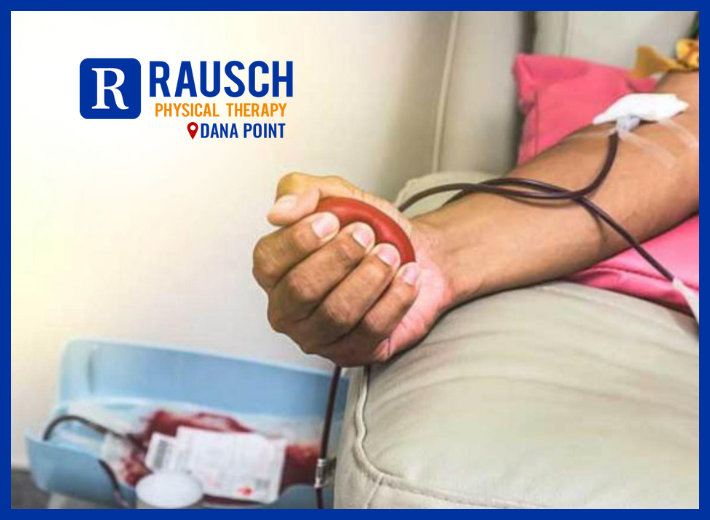
You lie or sit in a reclining chair with your arm extended on an armrest. If you have a preference for which arm or vein is used, tell the person who is collecting your blood. A blood pressure cuff or tourniquet is placed around your upper arm to fill your veins with more blood. This makes the veins easier to see and easier to insert the needle into. It also helps fill the blood bag more quickly. Then the skin on the inside of your elbow is cleaned.

A new, sterile needle is inserted into a vein in your arm. This needle is attached to a thin, plastic tube and a blood bag. Once the needle is in place, you tighten your fist several times to help the blood flow from the vein. First, blood is collected into tubes for testing. Then blood is allowed to fill the bag, about a pint (about half a liter). The needle is usually in place about 10 minutes. When your donation is finished, the needle is removed, a small bandage is placed on the needle site and a dressing is wrapped around your arm.

Another method of donating blood becoming increasingly common is apheresis. During apheresis, you are hooked up to a machine that can collect and separate different parts of your blood, such as red cells, plasma and platelets. This process allows more of a single component to be collected. It takes longer than standard blood donation — typically up to two hours.

After the procedure

After donating, you sit in an observation area, where you rest and eat a light snack. After 15 minutes, you can leave. After your blood donation:

  • Drink extra fluids.
  • Avoid strenuous physical activity or heavy lifting for about five hours.
  • If you feel lightheaded, lie down with your feet up until the feeling passes.
  • Keep your bandage on and dry for the next five hours.
  • If you have bleeding after removing the bandage, put pressure on the site and raise your arm until the bleeding stops.
  • If bruising occurs, apply a cold pack to the area periodically during the first 24 hours.
  • Consider adding iron-rich foods to your diet to replace the iron lost with blood donation.

Contact the blood donor center or your health care provider if you:

  • Forgot to report any important health information to the blood donation center.
  • Have signs and symptoms of an illness, such as a fever, within several days after your blood donation.
  • Are diagnosed with COVID-19 within 48 hours after donating blood.

Results

Testing

Your blood will be tested to determine your blood type and your Rh factor. Blood type is classified as A, B, AB or O. The Rh factor refers to the presence or absence of a specific antigen — a substance capable of stimulating an immune response — in the blood. You’ll be classified as Rh positive or Rh negative, meaning you do or don’t carry the antigen. This information is important because your blood type and Rh factor must be compatible with the blood type and Rh factor of the person receiving your blood.

Your blood will also be tested for bloodborne diseases, such as hepatitis and HIV. If these tests are negative, the blood is distributed for use in hospitals and clinics. If any of these tests are positive, the donor center notifies you, and your blood is discarded.

We help athletes reach their maximum potential by combining our innovative performance technologies with our expertise in human mechanics. Let us help you perfect your form and meet your fitness goals for 2023. Contact our experts today at 949-276-5401 and join our Facebook community here.


Reference: [https://www.mayoclinic.org/tests-procedures/blood-donation/about/pac-20385144]

How to Choose Your Next Running Race

The end of the year is close and so is the start of 2023. If you’re a runner, chances are you’re already starting to think about your next races. Here we bring you 8 great tips to help you decide which ones to pick (or all of them).

Remember – we offer a super running group, for training or for fun! The Tuesday Night Run (TNR). Beginner or advanced runner — join us! Dogs and strollers welcome! (https://www.facebook.com/groups/tuesdaynightrun)

1. Set Personal Goals

The first thing you need to determine is what you hope to accomplish in a race. Are you running just for fun or to run a certain distance? Are you running as part of training for a longer distance race? Or are you running to help raise money for charity? Figure out what your end goal is, and you’ll know what to opportunities are available. For example, some larger charities have race spots for a very wide variety of races like the Leukemia & Lymphoma Society. They have a “Team In Training” group that’s part of hundreds of running, cycling, triathalon, and hiking races/events each year, giving you tons of race options.

2. Choose Your Distance

Races vary in length from one mile runs to ultramarathons, so it takes careful consideration to select where you fall in the distance spectrum. If you’re a new runner and want to get the “race day experience,” I recommend choosing a short race, such as a one-mile race or a 5K to get your feet wet. (Plus, if it’s your first race, you can entice your friends to join you!) Now if you’re running to reach a certain distance, consider the necessary steps to achieve that goal. For example, if your goal is to run a half marathon, your first race shouldn’t be that half marathon. You should first run a 5K, then a 10K, and if possible even a 15K or a 10 mile race (some places offer these). This will help you not only learn how to prepare for races but also how to manage the race day itself, which is something that can be overwhelming at first. These shorter races will also help you gain confidence in yourself which will come in handy while you are running 13.1 miles, and may be doubting yourself.

3. Consider the Time Commitment

Your time commitment for races isn’t just at the race. Depending on what you want to achieve, the training plans that go with the race are going to demand part of your time beforehand. So if you have crazy schedule, and very little time to fit in a run longer than 5 miles, it may not be the right time to train for a marathon. (Marathon trainings will have you running up to 22 miles––that’s a big part of your morning!) Take a look at sample plans to get an idea of what’s involved, taking careful consideration of two things: the length of the runs (especially the weekly long run), and the duration of the training plan (some are several months long which requires time and dedication). Look at different training plans, and you’ll get a sense of how much time you’ll need to dedicate to running.

4. Run Shorter Races to Train for Longer Ones

Many of runners, including myself, may choose a shorter race as part of training for a longer one. So if you’re working on a four-month marathon training plan, you can run some half marathons on your long run days. By doing this, you get the course support (i.e. water) for many of your long run miles, along with the company of other runners. This can help keep you feeling overwhelmed or bored, and it’ll keep you accountable by being registered for races.

5. Beware of the Weather

Do you have a preference for running in warmer versus colder weather? It can make a huge difference if you’re used to running in warmer weather but then participate in a winter race. Also take a look at the weather conditions from previous years (like rain) to get an idea of what to expect during a race that’s weeks away. Now, if you’re not sure what to pick, you can go for a race in the Fall, where the weather’s generally cooler and more comfortable for running.


6. Consider the Terrain

If your goal is to achieve a personal best, you may not want to choose a race with big elevation changes or hills as these may slow your pace. However, if you prefer different terrains, such as running over bridges, you may wish to choose a course with hills and lots of turns. If you are a trail runner or you like scenery, a trail race or a road race through a very scenic place like the mountains or beaches might be something to choose. Either way, be sure to look at the elevation chart before you commit to the race in order to determine whether or not it is something you can handle.

7. Choose the Right Size Race

Some of us love the big race atmosphere. The vibe and energy of a big town race with their big crowds are thrilling for some runners. On the other hand, many runners prefer the small town feel. Also think about the process surrounding the race; packet pickup may be more crowded and hectic at bigger races––which can affect your mental game. So if this is your first race, consider participating in a local race where the start line procedures are simple, and the crowds are small. But in the end, it’s all about your preference!

8. Be Budget-Minded

This is something that can be overlooked––and can rack up costs quickly! Depending on which races you go for, entry fees can be expensive. And if you’re traveling out of town for the race, tack on the travel expenses. To help with this, it’s wise to create an annual budget that aligns with your goals. You can go for smaller races to save some money while helping you train for bigger (and more expensive) races towards the end of the year. That’s everything! Now you’re ready to lace up and start that training plan. The most important thing, though, is to remember to have fun!

You have a choice when it comes to your health — choose PT! Choose to live with more movement and better health. Start the holiday season pain free! Choose Rausch PT! Our caring team is ready to help you feel better with our personalized treatments. Schedule an appointment today at 949-276-5401. To get health and wellness updates, join our Facebook community.


Reference: [https://fitformulawellness.com/blogs/blog/8-tips-for-choosing-the-right-running-race-for-you#:~:text=Consider%20the%20Terrain&text=However%2C%20if%20you%20prefer%20different,might%20be%20something%20to%20choose]

How to Make Your Holiday Meals More Nutritious

We wait the whole year to gather around the table with family and friends during the holidays. This moment should be fun and not spoiled by feeling guilt about your health and fitness. If you are looking for ways to align your holiday meal with your nutrition goals this year, rest assured we’ve got you, and read these tips below.

The holidays are a time where celebrations abound, many of which center around food — and for a good reason. Gathering for meals is a long-standing tradition and is ingrained in many cultures. It is a time when people strengthen family bonds and build community around the table.

Not surprisingly, creating a relaxing and enjoyable meal is an important part of the equation. Not only is a sense of belonging important to health, but research also indicates that eating for pleasure can play a part, too. But this doesn’t mean you have to skip nutrition to meet those goals.

There are multiple ways to balance tantalizing and comforting flavors with your nutrition goals this holiday season. Below we provide you with nine tips for increasing the nutrition in your holiday meals this year without sacrificing taste.

Add Vitamin D-Rich Foods

During the colder months, when days are shorter, it can be challenging to get enough vitamin D, which your body makes from exposure to sunlight. Vitamin D is essential for strong bones, heart health, cancer prevention and may even help ward off colds and flu.

Adding foods rich in vitamin D may help you reach your daily intake recommendations. And some vitamin D-containing foods can easily be added to your holiday dishes. Look for ways to add mushrooms (especially maitake), fortified milk, fortified milk alternatives like soy milk or oat milk, and eggs.

Try More Veggies

Holiday meals are a fantastic opportunity to expand the range of vegetables on your table. Classic side dishes such as sweet potatoes, squash, and green beans are often served up according to traditional family recipes.

But look for opportunities to incorporate some additional vegetables into the menu. Adding new dishes or a more broad offering of vegetables at your next holiday meal is an easy way to increase nutrition.

Root vegetables are a popular choice, especially because they are in season and plentiful during the holidays. Roots are rich in complex carbohydrates, fiber, carotenoids, vitamin C, and more. Look for options like parsnips, beets, carrots, turnips, and rutabaga.

Leafy vegetables such as kale, spinach, and collard greens are another great option. They are still in season in some areas and are easily found in your grocery store. These leafy greens offer iron, calcium, potassium, and vitamin K.

Make Smart Switches

Heavy cream and butter are common ingredients in holiday meals, adding flavor and richness to many dishes. And while these foods have a place in a nutritious diet, you can make substitutions without compromising on flavor. Here are some potential switches you can make.

  • Broth: Make your mashed potatoes using some broth alongside your cream and butter.
  • Yogurt: Use plain yogurt in place of cream or sour cream to add a boost of calcium and protein in desserts, creamy sauces, dressings, mashed potatoes, some casseroles, and even butternut squash soup.
  • Applesauce: Add fruit purees like applesauce in place of some of the oil or butter in your baked goods to add more vitamins and minerals to your dish.
  • Olive oil: Replace some of the butter in your dish with olive oil to add a dose of heart-healthy unsaturated fats.

Include Plenty of Herbs and Spices

Herbs and spices may not stand out as a central player on your menu, but they can provide plenty of nutrients to your dishes. Adding fresh or dried herbs and spices to your dishes can elevate your recipes.

Not only do they provide a fresh and vibrant flavor profile, but they also increase the vitamins, minerals, and antioxidants in your meal. Here are some places where you could incorporate more herbs and spices.

  • Salad dressing: Make your own healthy salad dressing with oil, vinegar, garlic, and whatever herbs you want. Good choices include oregano, thyme, chives, and basil.
  • Stuffing: Create your own stuffing recipe by experimenting with fresh sage and thyme.
  • Vegetables: Increase the flavor of your vegetable sides by adding fresh herbs and spices such as parsley, chervil, fennel, coriander, dill, mint, sage, thyme, and rosemary.
  • Cranberry sauce: Spice up traditional cranberry sauce with warming spices like cinnamon and nutmeg.

Reduce Sodium

Sodium is essential for regulating blood pressure, muscle function, and your nervous system. However, many people consume more sodium than they need, which can lead to health problems like high blood pressure.56

Some brands of boxed and canned goods such as vegetables, broth, stuffing mix, gravy packets, broth concentrate, and other processed foods contain a lot of sodium. But making some of these popular ingredients from scratch can help reduce your sodium intake. This is especially important if your healthcare provider has advised you to follow a low-sodium diet.

Tips for Reducing Sodium

  • Make your own stock.
  • Use whole or dried herbs and spices instead of packaged blends.
  • Choose frozen or fresh vegetables instead of canned or rinse canned ones thoroughly.
  • Make your own biscuits and croutons.
  • Create your own simple salad dressings.
  • Make gravy from scratch.
  • Make your own stuffing.
  • Serve unsalted nuts and snacks.

Go for Whole Grains

An almost effortless way to add more nutrition to your holiday meals is to include plenty of whole grains. Whether in the bread you put on the table or the rice you serve on the side, choosing whole wheat or whole grain alternatives will boost the micronutrient and fiber content of your meal.

Whole grains provide more nutrition than their refined counterparts while helping balance cholesterol levels and blood sugar.7 Another way to add whole grains to your meal is to create sides that are centered around whole grains like brown rice, farro, barley, bulgur, millet, and quinoa.

Boost Your Dessert

Dessert is one of the most popular parts of any holiday feast. No matter your nutrition preferences, there’s a dessert for you.

Popular ingredients in holiday desserts such as pumpkin, apples, berries, dark chocolate, and cranberries are all nutrient-dense and packed with antioxidants. Plus, including whole grain flour or oats can increase fiber and nutrient content as well.

Experiment with a few new recipes or adapt some old favorites. Either way, there are plenty of ways to offer up sweet sensations at your holiday gathering that everyone is sure to love.

Focus on Nutrient Density

Nutrient density is often touted as the key to a balanced diet. Not only do nutrient-dense foods help keep you feeling full and energized, but they also provide vitamins, minerals, fiber, and phytochemicals.

That is not to say you need to avoid treats or eliminate them from your holiday meal plan. Instead, incorporate nutrient-dense food into your meal to help keep your body supplied with what it needs to feel energized.

Make Use of Leftovers

Leftovers are one of the best parts of making a holiday feast. Turkey, chicken, and roasts are easily shredded and sliced to create healthy sandwiches using whole grain bread, or salads on fresh greens.

Or you could try creating a grain bowl with leftover squash or other root vegetables, whole grains, and protein of choice. And, don’t forget to add in those fresh herbs and spices.

Leftover cranberry sauce or spinach dip can become a delicious sandwich spread while cooked veggies and proteins can come together to create wholesome, filling soups or casseroles. Add in some cooked whole grains for even more nutrients and fiber.

Are you ready to live your best life? When you choose PT, you choose more movement and better health. Time for a pain-free and pill-free life! Don’t waste any more of your time in pain. Contact our team today at 949-276-5401 and join our Facebook community here.


Reference: [https://www.verywellfit.com/ways-to-make-your-holiday-meal-more-nutritious-5208789]

Recovering From an Ankle Sprain

A sprained ankle is a common injury that occurs when the ankle ligaments are torn or stretched too far, often after a fall, or if you roll or twist your ankle. The majority of sprains heal on their own — but not always well — and treatment to strengthen the injured muscles can prevent future sprains. Learn how to recover from the injury — and then connect with us on how we can help you. Remember, you don’t need a prescription to see a PT — and our teams offer awesome, personalized recovery programs. 

A sprained ankle is an injury that occurs when you roll, twist or turn your ankle in an awkward way. This can stretch or tear the tough bands of tissue (ligaments) that help hold your ankle bones together.

Ligaments help stabilize joints, preventing excessive movement. A sprained ankle occurs when the ligaments are forced beyond their normal range of motion. Most sprained ankles involve injuries to the ligaments on the outer side of the ankle.

Treatment for a sprained ankle depends on the severity of the injury. Although self-care measures and over-the-counter pain medications may be all you need, a medical evaluation might be necessary to reveal how badly you’ve sprained your ankle and to determine the appropriate treatment.

Symptoms

Signs and symptoms of a sprained ankle vary depending on the severity of the injury. They may include:

  • Pain, especially when you bear weight on the affected foot
  • Tenderness when you touch the ankle
  • Swelling
  • Bruising
  • Restricted range of motion
  • Instability in the ankle
  • Popping sensation or sound at the time of injury

When to see a doctor

Call your doctor if you have pain and swelling in your ankle and you suspect a sprain. Self-care measures may be all you need, but talk to your doctor to discuss whether you should have your ankle evaluated. If signs and symptoms are severe, you may have significant damage to a ligament or a broken bone in your ankle or lower leg.

Causes

A sprain occurs when your ankle is forced to move out of its normal position, which can cause one or more of the ankle’s ligaments to stretch, partially tear or tear completely.

Causes of a sprained ankle might include:

  • A fall that causes your ankle to twist
  • Landing awkwardly on your foot after jumping or pivoting
  • Walking or exercising on an uneven surface
  • Another person stepping or landing on your foot during a sports activity

Risk factors

Factors that increase your risk of a sprained ankle include:

  • Sports participation. Ankle sprains are a common sports injury, particularly in sports that require jumping, cutting action, or rolling or twisting of the foot such as basketball, tennis, football, soccer and trail running.
  • Uneven surfaces. Walking or running on uneven surfaces or poor field conditions may increase the risk of an ankle sprain.
  • Prior ankle injury. Once you’ve sprained your ankle or had another type of ankle injury, you’re more likely to sprain it again.
  • Poor physical condition. Poor strength or flexibility in the ankles may increase the risk of a sprain when participating in sports.
  • Improper shoes. Shoes that don’t fit properly or aren’t appropriate for an activity, as well as high-heeled shoes in general, make ankles more vulnerable to injury.

Complications

Failing to treat a sprained ankle properly, engaging in activities too soon after spraining your ankle or spraining your ankle repeatedly might lead to the following complications:

  • Chronic ankle pain
  • Chronic ankle joint instability
  • Arthritis in the ankle joint

Prevention

The following tips can help you prevent a sprained ankle or a recurring sprain:

  • Warm up before you exercise or play sports.
  • Be careful when walking, running or working on an uneven surface.
  • Use an ankle support brace or tape on a weak or previously injured ankle.
  • Wear shoes that fit well and are made for your activity.
  • Minimize wearing high-heeled shoes.
  • Don’t play sports or participate in activities for which you are not conditioned.
  • Maintain good muscle strength and flexibility.
  • Practice stability training, including balance exercises.

Our physical therapy experts will evaluate your injury and customize a treatment plan that fits your needs. Don’t finish the year in pain. When it comes to your health, you have the option to request the best. Find our team at 949-597-0007 or meet us on our Facebook page.


Reference: [https://www.mayoclinic.org/diseases-conditions/sprained-ankle/symptoms-causes/syc-20353225]