Blog

Preventing Achilles Tendinopathy

Dr. Daniel Lozano — Dana Point

Whether you are a long-time competitive runner or a recreational athlete who enjoys participating in the occasional marathon, preparing your body for the activity is always vital. There are several methods of warming up to help muscles and tendons prepare — it is possible to overlook some crucial stretches, which can lead to unnecessary pain and inflammation. Here is an example of this — and how to mitigate it. 

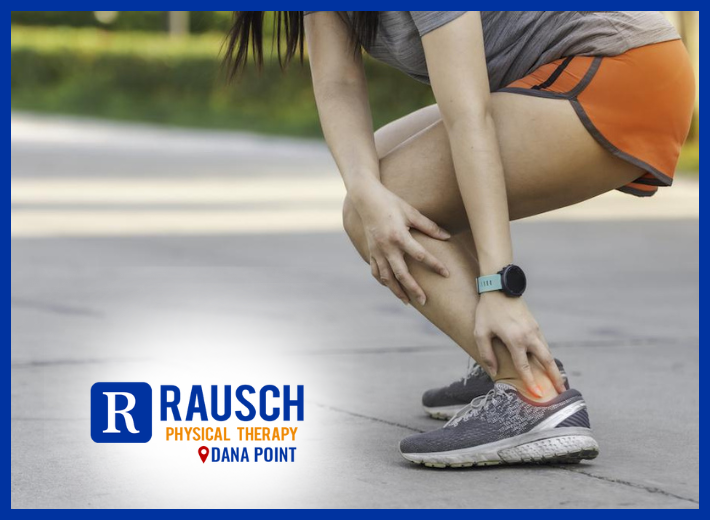
As a seasoned runner training for a twenty-six-mile race, there can be a few bumps along the way. There is always a potential for injury or setbacks with a lack of preparation or strengthening beforehand. Running is a single-leg endurance activity requiring trunk, hip, knee, and ankle strength and stability. However, we often “push through the pain” because we believe it is temporary. Our downfall is that we do not take the extra time in the day to perform our stretching or strengthening program — which will increase our longevity of doing the things we love.

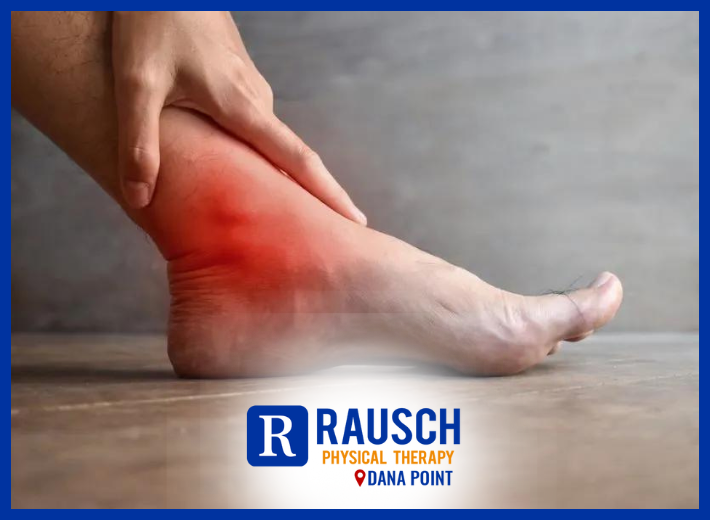
One of the easiest ways to prevent Achilles Tendinopathy from occurring is to maintain our ankle range of motion. Lacking adequate ankle motion puts our Achilles under too much stress.

This syndrome is an overuse issue; the more we fall into the trap of overusing our Achilles tendon, inflammation will occur. With proper warm-up and stretching of our ankles, we can begin traveling the road to prevent this chronic issue.

Another crucial factor in avoiding ankle pain is providing the body with the proper ankle stability. Several muscle imbalances can occur in our lower leg and foot area. Our Achilles can undergo unnecessary stress when our foot arch collapses during exercise. The muscles often neglected in the foot and lower legs are our intrinsic foot muscles and our tibialis posterior. Performing ankle mobility and lower leg strengthening can prepare our Achilles for activities with high loads.


Daniel’s Ankle Warm-Up

  1. Gastrocnemius and Soleus stretch
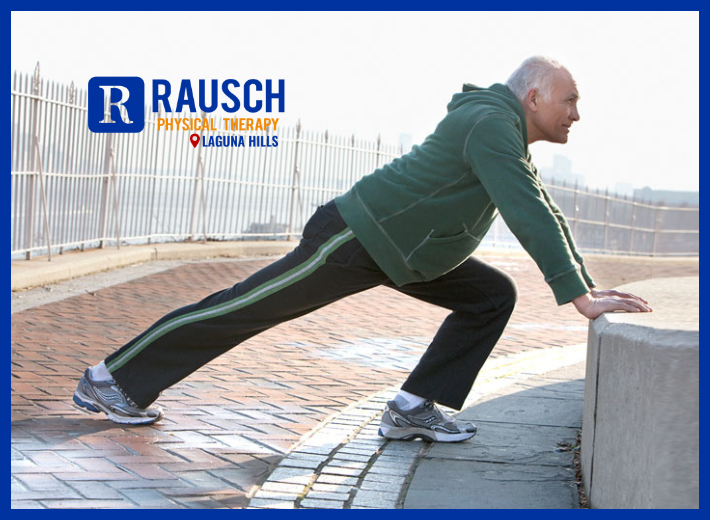
    This will stretch the muscle that is attached to the Achilles tendon.
  1. Dorsiflexion Mobilization
    Improving the ankle joint motion will help attain proper dorsiflexion.
  1. Arch Raises
    This will activate your intrinsic foot muscles and provide arch support.
  1. Heel raises with a ball in between ankles
    Strengthening the tibialis posterior in weight-bearing is a good progression for the foot arch.

Regardless of your fitness, Rausch PT is here to help you meet your goals with personalized treatments, plans, and professional guidance. Get in touch with us today to learn more at 949-276-5401 or meet us on our Facebook page.

How to Keep Your Muscles Strong as You Get Older

Age-related muscle loss is a common part of aging, but there are ways to limit it.  It’s important to start developing healthy habits as early as possible. Here are four things to learn about your muscles that will help them rejuvenate.

Need help with your exercise routine? We can help you move through pain or lack of mobility that might be getting in the way — or structure a routine that doesn’t aggravate what is irritating you! 

They get you out of bed each morning, power playtime with your kids and carry you across race-day finish lines. But as much as you use your muscles, there’s a lot about them that you probably don’t know — yet.

Here’s a look at four surprising, obscure and cool things to know and love about your muscles, as well as guidance around harnessing your newfound knowledge to rejuvenate muscle health from head to toe.

1. Your Muscles May be Connected to Your Heart Health

Did you know the health and strength of your muscles provide a clue to other health risks? It’s true.

A study published in The Lancet found that muscle strength – measured by grip strength – may more accurately determined the risk of fatal cardiovascular disease than systolic blood pressure. Additionally, another study suggested body composition (the ratio of muscle mass versus fat mass) is a better indicator of overall health than body mass index (BMI).

This is because your muscles do more than move you. Together, they act like an enormous organ, influencing mobility, strength, balance and even metabolism.

To start improving your muscle health, focus on strength training and muscle-building nutrition. The Centers for Disease Control and Prevention recommends performing total-body strengthening activities at least twice per week. It’s also a good idea to eat 25 to 30 grams of protein at every meal.

2. Exercise Causes Short-Term Damage to Your Muscles

Yes, exercise builds your muscles. But, before that, it breaks them down. When you challenge your muscles, you create tiny, microscopic tears to your muscle fibers. That damage signals your body to send amino acids (from protein) to your muscles to repair them and eventually make them stronger. Although it sounds like you’re damaging your muscles by challenging them during workouts or strenuous activity, it’s a healthy process — and helps you build strength.

To maximize the effectiveness of your workouts, consume 25 to 30 grams of protein after exercising, as this will help with the recovery and muscle-building process. In between tough sweat sessions focus on low-intensity activities like walking, yoga, gentle cycling and stretching. They can all help boost muscle recovery, according to the American Journal of Physical Medicine & Rehabilitation.

3. Your Body Needs More Protein As You Age


Research has found that starting at age 40, adults may lose up to 8% of their muscle mass per decade. And once they hit 70, that rate can potentially double. While inactivity plays a part (and requires a stronger focus on resistance exercises), your body also becomes less efficient at using the protein you eat to fortify your muscles.

A recent National Health and Nutrition Examination Survey from Abbott and the Ohio State University found that more than 1 in 3 adults over 50 years old don’t meet their recommended protein intake. Thankfully, there are a number of creative ways to add protein to your diet.

For ideal health and muscle nutrition, try combining your daily protein with HMB. It’s a natural compound that has been shown to help preserve muscle mass in healthy older adults. You can get it in trace amounts from foods such as avocados, grapefruit and catfish, but you can also find it listed alongside protein in some specialized muscle nutrition beverages.

4. Muscles Improve Your Immune Health

That’s right. If you want to build a strong immune system and reduce your risk of bacterial and viral infections, don’t underestimate your muscles.

Research has shown that muscle tissue plays a role in activating immune cells, and people with lower muscle and strength levels have reduced immune function. Staying active is a key to health in more ways than one.

To enhance your immune health, take a look at your overall diet and center your meals around lean proteins, fruits, vegetables, whole grains, nuts and beans, and low-fat dairy. Together, these foods provide the micronutrients like calcium, vitamin D, iron and antioxidants that can help keep your immune system strong and rejuvenate muscle health.

Be strong. Be flexible. Be healthier with physical therapy! We have specialized and personalized treatments that will keep your muscles healthy. Find our team at 949-276-5401 or meet us on our Facebook page.


Reference: [https://www.nutritionnews.abbott/healthy-living/aging-well/rejuvenate-muscle-health-4-things-you-didn-t-know-about-muscles/]

How to Use a Foam Roller

For general muscle soreness or tight muscles, you can use a foam roller. Using it can be uncomfortable so it’s better to be too gentle, rather than too intense when you’re starting out learning how to use a roller. You can adjust your intensity as your body responds. To get started, follow the steps below. Questions? You can always check in with us!

Whenever my muscles ache tightly, like stale-hardened licorice, I dream about this massage magician from Hong Kong. In a one-hour session, she would slowly knead my tight muscles, packing on the pressure until the knots unwound.

On the days she massaged my back, the aftermath was like I’d grown wings. On leg days, I would wobble out of the apartment — not because of pain, but because I felt weightless, every gram of tension released.

She’s a 12-hour flight away now, but I recently discovered a second-best option to her healing witchcraft.

Foam rolling

Benefits of foam rolling:

  • alleviates soreness
  • reduces inflammation that occurs during the muscle repair process
  • aids in muscle repair recovery
  • helps injury prevention by maintaining muscle length and remedying tension and tightness
  • increases blood flow and elasticity of muscle tissue, joints, and fascia — the body’s connective tissue — which helps with mobility, overall well-being, and a smoother appearance of fat underneath your skin
  • promotes relaxation — roll away your worries!

Not just for avid exercisers, foam rolling is a type of self-massage that allows you to alleviate tightness or trigger points — a super focused spot of tight muscle, aka muscle knots — by using a piece of equipment known as a foam roller.

According to Nicole Davis, ACE-certified personal trainer, it’s great for people who sit at a desk all day, have poor posture, joint issues, or bad form while exercising.

If you’re a foam rolling newbie, don’t worry — here’s how to do it

Davis has got you covered. She put together eight moves to target common tight areas.

“All you’ll need is a low- to medium-density foam roller and some open floor space. Aim to complete this routine three times per week,” Davis says.

You can really do this anytime, but Davis recommends before workouts as a warmup, or after to prevent soreness. I like to do it while watching The Office, before I go to bed.

1. Quads

If a desk job’s got you sedentary most of the day, roll out your quads to get your blood flowing and keep muscles engaged.

Directions:

  1. Start in a forearm plank position with the roller under your quads.
  2. Bracing yourself with your upper body and core, begin to slowly roll down the roller until it reaches just above your knees. Then, roll in the opposite direction until you reach your hip flexors.
  3. Do this for 30 seconds.
  4. When you hit a tender spot, hold yourself there for a few breaths.

If you want to give yourself more TLC, you can also focus on one quad first, and then the other.

2. Hip flexors

Sitting for extended periods of time can really mess with your hip flexors.

While stretching them is good, foam rolling them is even better because it works on loosening the muscle tissue plus the connective tissue (fascia) around it.

Directions:

  1. Start by lying down, facing the floor on the foam roller, once again in a forearm plank position. Make sure the foam roller is underneath your left hip flexor and your right leg is bent comfortably to the side.
  2. Resting on your forearms, begin to roll slowly up and down and side to side on the foam roller to target the hip flexor, paying close attention to trigger points.
  3. Do this for 30 seconds.
  4. Switch and repeat on the right hip flexor.

3. Calves

In addition to calf stretches, try foam rolling these muscles for an extra spring in your step.

Directions:

  1. Start by sitting on the floor with your legs extended, the foam roller positioned underneath your calves.
  2. Lift your body up so your weight is resting on the foam roller. Cross your left leg over your right for extra pressure.
  3. Begin to slowly roll your right calf back and forth on the foam roller, navigating your body forward and back with your arms.
  4. Complete for 30 seconds.
  5. Switch legs and focus on your left calf.

4. Hamstrings

Another muscle that’s negatively affected by sitting all day, your hamstrings may be in need of some TLC.

Directions:

  1. Again, start by sitting on the floor with your legs extended. This time, position the foam roller underneath your hamstrings.
  2. Lift your body up so your weight is resting on the foam roller and begin to slowly roll up and down between the back of your knees and your glutes.
  3. Linger on tender spots, and roll for at least 30 seconds overall.

An alternative way to complete this is to again cross your legs and focus on one hamstring at a time.

5. IT band


Made of connective tissue, the IT band runs along your outer thigh from the hip to the knee.

Soreness and tightness in this area is common in runners, but anyone can benefit from foam rolling this area.

Directions:

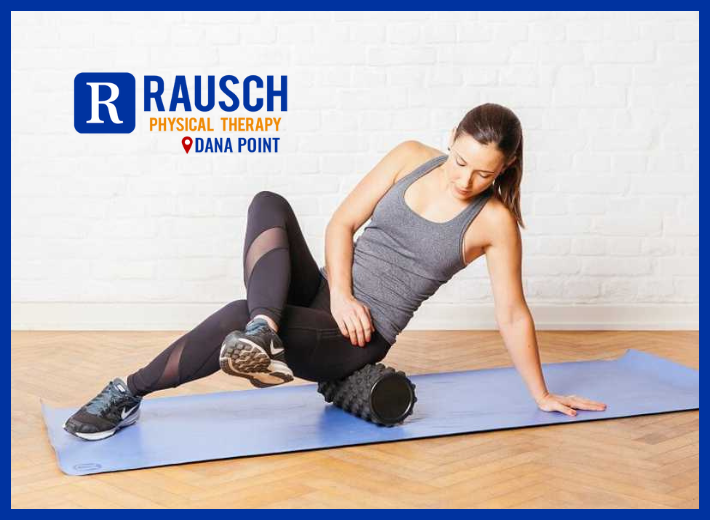
  1. Begin by lying on your right side with the foam roller positioned underneath your right IT band, or the side of your thigh. Rest your bodyweight on your right forearm. Your right leg should be straight, and your left should be bent at the knee with your foot placed comfortably in front of your right leg.
  2. Bracing yourself with your upper body and left leg, begin to slowly roll along the foam roller on your right IT band between your knee and glute, stopping at tender spots.
  3. Repeat for 30 seconds, then switch to roll your left IT band.

6. Upper back

Poor posture got ya down? If you’re holding tension in your upper back, hop on the foam roller to help loosen things up.

Directions:

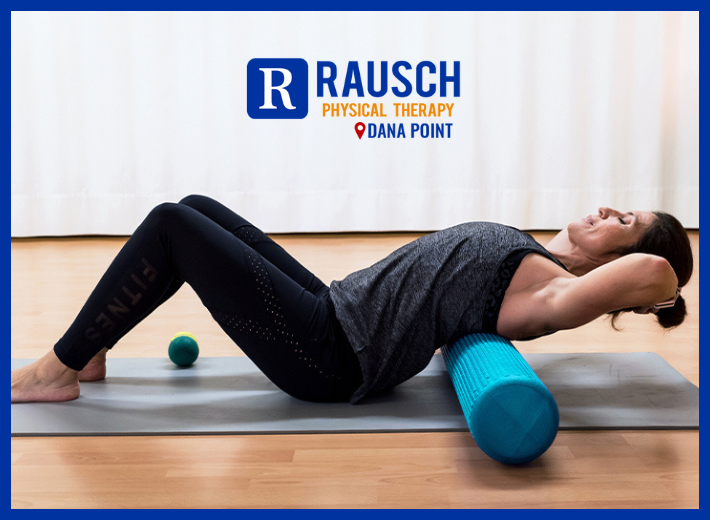
  1. Begin by lying on your back with the foam roller positioned underneath your upper back. Your knees should be bent with your feet flat on the floor and your arms can either be down by your sides or crossed in front of your chest.
  2. Brace your core and lift yourself up into a shallow bridge position.
  3. Slowly start to roll up and down between your lower neck and mid-back, stopping at tight areas along the way.
  4. Repeat for 30 seconds.

7. Lats

Affectionately known as your “wings,” tight lat muscles — located on your back, right below your armpits — can throw your posture out of whack. Make sure they’re nice and loose by hitting them with the foam roller.

Directions:

  1. Begin by lying on your back at a 45-degree angle with the foam roller positioned underneath your right lat. Keep your right leg straight and bend your left leg into a comfortable position.
  2. Slowly start to roll from your right armpit down to your mid-back area, focusing on tender areas.
  3. Repeat for 30 seconds.
  4. Switch to roll out your left lat.

8. Shoulders

Do your shoulders need some action? Roll out your deltoids to get mobility back.

Directions:

  1. Lie on your side with the foam roller underneath your right shoulder. Your lower body can be resting on the ground comfortably with your left arm out in front to guide movement.
  2. Roll slowly up and down over your deltoid muscle. Rotate your trunk slightly so you can hit part of your upper back as well if needed.
  3. Repeat for 30 seconds.
  4. Switch sides and repeat on your left shoulder.
Bonus stretch: Neck

When I have intense headaches, especially due to tension in the neck, I like to use my foam roller. This acts like a self-massage that’s stronger than any hand.

Directions:

  1. Rest your neck on the foam roller, at the top where it connects to your head.
  2. Slowly turn your head to the right, holding where you feel a tightness.
  3. Exhale and turn your head to the left.
  4. Repeat for 30 seconds.

Be careful on the first try

A disclaimer from Davis here: “Foam rolling can be painful, especially if you’re new to it. Pain in a specific area while foam rolling is typically a sign that your muscle or tissue is tight and needs some TLC.”

“Ease into painful spots by starting in the areas right around it and sensitivity should decrease fairly quickly,” she adds. “But, if it’s too much to bear, don’t continue.”

Choosing a foam roller

  • Start with a basic low- or medium-density model ($7.99-49.95).
  • A small ball ($12.99) can also be beneficial to target smaller areas.
  • Need some tough love? Try a rumble roller ($44.95) or the Master of Muscle ($17.97) which provides a deep-tissue release.

As a glued-to-the-desk editor, I can testify that foam rolling has been so good for my well-being.

What used to be chronic tension and needling pain in my arm and shoulder is now gone thanks to my once-a-week classes. Yep, I also pay to do it for an hour a week, just to make sure I’m really getting every knot.

The act itself is as fulfilling as pushing out the last bit of toothpaste from the tube. It’s the pimple-popping of muscle tension, an oddly satisfying mix of pain and pleasure — and after an hour of being my own healer, I leave the gym walking a little lighter.

If you’ve been experiencing muscle soreness, PT can help you reach back to your maximum potential. We are movement experts that treat people of all ages and abilities. Contact our team today at 949-276-5401 and join our Facebook community here.


Reference: [https://www.healthline.com/health/fitness-exercise/foam-rolling-how-to]

Should I Work Out When I Am Sick?

When you have a cold, you’re more likely to be tired. If you’re sticking to a training routine, it might feel hard to step back and stay home because you’re feeling sick. But is it a good idea or even safe to exercise when you have a cold? Before you hit the gym or unroll your yoga mat, let’s see what the experts say.

Engaging in regular exercise is an excellent way to keep your body healthy. In fact, working out has been shown to decrease your risk of chronic diseases like diabetes and heart disease, help keep your weight in check, and boost your immune system. While there’s no doubt that exercise plays an important role in health, many people wonder whether working out while sick will help or hinder their recovery.

However, the answer isn’t black and white. This article explains why sometimes it’s OK to work out when you’re sick, while other times it’s best to stay home and rest.

Is it OK to work out when you’re sick?

A speedy recovery is always the goal when you are sick, but it can be hard to know when it’s OK to power through with your normal gym routine and when it’s best to take a few days off. Exercise is a healthy habit, and it’s normal to want to continue working out, even when you’re feeling under the weather. This can be perfectly fine in certain situations but also detrimental if you’re experiencing certain symptoms. Many experts use the “above the neck” rule when advising people on whether to continue working out while sick.

According to this theory, if you’re only experiencing symptoms that are above your neck, such as a stuffy nose, sneezing, or an earache, you’re probably OK to engage in exercise at mild intensity for a shorter period, but only if you feel up to it. On the other hand, if you’re experiencing symptoms below your neck, such as nausea, body aches, fever, diarrhea, a productive cough, or chest congestion, you may want to skip your workout until you feel better. A productive cough is one in which you’re coughing up phlegm.

When it’s safe to exercise

Working out with the following symptoms is most likely safe, but always check with your doctor if you’re unsure.

Mild cold

A mild cold is a viral infection of the nose and throat. Though symptoms vary from person to person, most people who have a cold experience sneezing, a stuffy nose, a headache, and a mild cough. Given current events, if you have a mild cold and the energy to work out, the best solution is to take a light walk outside or at home rather than engage in vigorous exercise. With the added possibility of developing COVID-19, it’s even more important to maintain social distancing.

If you feel that you lack the energy to get through your normal routine, consider reducing the intensity of your workout or shortening its duration. While it’s generally OK to exercise with a mild cold, keep in mind that you might spread germs to others and cause them to become ill. Practicing proper hygiene is a great way to prevent spreading your cold to others. Wash your hands frequently and cover your mouth when you sneeze or cough.

Earache

An earache is a sharp, dull, or burning pain that can be located in one or both ears. Though ear pain in children is commonly caused by infection, earache in adults is more commonly caused by pain occurring in another area, such as the throat. This is an example of referred pain.

Ear pain can be caused by a sinus infection, a sore throat, a tooth infection, or changes in pressure. Certain types of ear infections can throw you off balance and cause a fever and other symptoms that make working out unsafe. Make sure you don’t have one of these ear infections before beginning exercise.

However, most earaches can just be uncomfortable and cause a feeling of fullness or pressure in the head. Though exercise is likely safe when you have an earache, try to avoid exercises that put pressure on the sinus region. Stick to light walking. Something as simple as bending over can be very uncomfortable with a sinus infection.

Stuffy nose

Having a stuffy nose can be frustrating and uncomfortable. If it’s associated with a fever or other symptoms like a productive cough or chest congestion, you should consider taking some time off from working out.

However, it’s OK to work out if you’re only experiencing some nasal congestion. In fact, getting some exercise may help open up your nasal passages, helping you breathe better. Ultimately, listening to your body to determine whether you feel well enough to exercise with a stuffy nose is the best bet. Modifying your workout to accommodate your energy level is another option.

Going for brisk walks or bike rides are great ways to stay active even when you aren’t feeling up to your usual routine. Because of the COVID pandemic, you shouldn’t be going to a gym if you’re sick. If your nose is really stuffy, don’t try anything more strenuous than very light exercise or walking. Pay attention to your breathing and what you feel you can handle.

Mild sore throat

A sore throat is usually caused by a viral infection like the common cold or flu. In certain situations, such as when your sore throat is associated with a fever, productive cough, or difficulty swallowing, you should put exercise on hold until a doctor tells you it’s OK to resume your workouts.

However, if you’re experiencing a mild sore throat caused by something like a common cold or allergies, working out is likely safe. If you’re experiencing other symptoms that are often associated with a common cold, such as fatigue and congestion, consider reducing the intensity of your normal exercise routine. Reducing the duration of your workout is another way to modify activity when you feel well enough to work out but don’t have your usual stamina. Staying hydrated with cool water is a great way to soothe a sore throat during exercise so you can add activity into your day.

When exercise is not recommended

While exercising is generally harmless when you have a mild cold or earache, working out when you are experiencing any of the following symptoms is not recommended.

Fever

When you have a fever, your body temperature rises above its normal range, which hovers around 98.6°F (37°C). A fever can be caused by many things, but it’s most commonly triggered by a bacterial or viral infection.

Fevers can cause unpleasant symptoms like weakness, dehydration, muscle aches, and a loss of appetite. Working out while you’re feverish increases the risk of dehydration and can make a fever worse. Additionally, having a fever decreases muscle strength and endurance and impairs precision and coordination, increasing the risk of injury. For these reasons, it’s best to skip the gym when you have a fever.

Productive or frequent cough

An occasional cough is a normal response to irritants or fluids in the body’s airways, and it helps keep the body healthy. However, more frequent episodes of coughing can be a symptom of a respiratory infection like a cold, the flu, or even pneumonia. While a cough associated with a tickle in the throat isn’t a reason to skip the gym, a more persistent cough can be a sign you need to rest. Although a dry, sporadic cough may not impair your ability to perform certain exercises, a frequent, productive cough is reason to skip a workout.

A persistent cough can make it difficult to take a deep breath, particularly when your heart rate rises during exercise. This makes you more likely to become short of breath and fatigued. A productive cough that brings up phlegm or sputum may be a sign of infection or another medical condition that requires rest and should be treated by a doctor. Furthermore, coughing is one of the main ways viruses like the flu and SARS-CoV-2, which causes COVID-19, are spread. Avoid going to the gym when you have a cough, as you’re putting fellow gym-goers at risk of being exposed to the germs that caused your illness. Also, if your cough is occurring during exercise, it may be a sign of asthma. See a doctor if this persists.

Stomach bug

Illnesses that affect the digestive system, such as the stomach flu, can cause serious symptoms that make working out off-limits. Nausea, vomiting, diarrhea, fever, stomach cramping, and decreased appetite are all common symptoms associated with stomach bugs. Diarrhea and vomiting put you at risk of dehydration, which physical activity worsens. Feeling weak is common when you have a stomach ailment, increasing the chance of injury during a workout.

What’s more, many stomach illnesses like the stomach flu are highly contagious and can be easily spread to others. If you’re feeling restless during a stomach illness, light stretching or yoga at home are the safest options.

Flu symptoms

Influenza is a contagious illness that affects the respiratory system. The flu causes symptoms like fever, chills, sore throat, body aches, fatigue, headache, cough, and congestion. The flu can be mild or severe, depending on the level of infection, and it may even cause death in serious cases. Although not every person who gets the flu will experience a fever, those who do are at an increased risk of dehydration, making working out a bad idea. Though the majority of people recover from the flu in less than 2 weeks, choosing to engage in intense workouts while sick may prolong the flu and delay your recovery.

Though it’s a debated topic, some researchers believe engaging in higher intensity activity like running or a spin class temporarily suppresses the body’s immune response. Plus, the flu is a highly contagious virus that’s spread primarily through tiny droplets that people with the flu release into the air when they talk, cough, or sneeze. If you’re diagnosed with the flu, it’s best to take it easy and avoid exercise while you’re experiencing symptoms.

When is it OK to return to your routine?

Many people are anxious to get back to the gym after recovering from an illness — and for good reason. Regular exercise can reduce your risk of becoming sick in the first place by boosting your immune system. However, it’s important to let your body completely recover from an illness before returning to your exercise routine, and you shouldn’t stress even if you’re unable to work out for an extended period of time.

While some people worry that a few days off from the gym will set them back and cause a loss of muscle and strength, that’s not the case. Many studies show that for most people, muscle loss and strength start to decline around the 5-day mark. As symptoms subside, gradually begin introducing more physical activity into your day, being careful not to overdo it. On your first day back to the gym, begin with a low intensity, shorter workout, and be sure to hydrate with water while exercising.

Remember, your body may be feeling weak, especially if you’re recovering from a stomach illness or the flu, and it’s important to pay attention to how you’re feeling. If you’re questioning whether you can safely work out while recovering from being sick, ask your doctor for advice. Additionally, while you may be feeling better, keep in mind that you might still be able to spread your illness to others. Adults can infect others with the flu up to 7 days after first experiencing flu symptoms. Although getting back to the gym after an illness is beneficial for your overall health, it’s important to listen to your body and doctor when deciding whether you’re well enough for more intense activity. When experiencing symptoms like diarrhea, vomiting, weakness, a fever, or a productive cough, it’s best to rest your body and take some time off from the gym to recover.

However, if you caught a mild cold or are experiencing some nasal congestion, there’s no need to throw in the towel on your workout, though it’s good sense to stay away from indoor public spaces like gyms. Yet, it’s important to confine your workouts to home during this time due to the risk of spreading your illness to others. It’s not always possible to know for sure whether you’re experiencing a cold or something more serious. It’s better to err on the side of caution when you’re not feeling up to par. If you’re feeling well enough to work out but lack your usual energy, reducing the intensity or length of your workout is a great way to stay active. That said, to stay healthy and safe when you’re sick, it’s always best to listen to your body and follow your doctor’s advice.

Regain strength. Reclaim your mobility. Keep doing what you love. Our physical therapy experts will evaluate your injury and customize a treatment plan that fits your needs. Schedule your appointment today at 949-276-5401. To get health and wellness updates and learn about what we have to offer ongoing, join our Facebook community.


Reference: [https://www.healthline.com/nutrition/working-out-while-sick#when-its-safe]

Medicare Advantage? Medicare Disadvantage Would Be a Better Name.

Beware the hype! Open enrollment for Medicare beneficiaries is upon us from October 15th to December 7th. Media outlets are inundating us with reminders to sign up, switch, or drop a plan before new coverage begins on January 1st. Although it is prudent to review coverage options, it is also imperative to understand that some things are not as advantageous as they appear. Here is an eye-opening insight into Medicare Advantage.

Along with leaves changing colour and the omnipresence of pumpkin spice comes the avalanche of ads, commercials and the telephone calls, entreating us to believe that Medicare Advantage is the best thing since the invention of the Internet. With open enrollment season upon us, it’s critical to examine that claim.

In traditional Medicare, the government pays doctors and hospitals directly. Recipients usually pay premiums and must meet deductibles, and many choose a supplemental “Medigap” plan to help with out-of-pocket costs.

Medicare Advantage was designed about 20 years ago as an alternative to traditional Medicare, meant to provide innovative ways of delivering care at a lower costs. It pays insurers — middlemen — a monthly fee per patient to manage their care. Premiums are often lower than traditional Medicare and can offer perks such as gym memberships or limited dental or vision care.

However, while traditional Medicare gives access to any participating provider, Medicare Advantage plans limit care to doctors and hospitals in their networks. They are also more likely to deny needed care by requiring prior authorizations for tests or procedures.

Earlier this year, the federal government reported that 13% of denials in Medicare Advantage would not have been refused under traditional Medicare. Medicare Advantage plans are also increasingly ending nursing home and rehabilitation care before providers consider patients ready to go home. While medical professionals make those decisions under traditional Medicare, in Medicare Advantage the insurer decides.


So instead of innovating care, Medicare Advantage seems to mainly withhold it. It has also proven to be costly. Because such plans get higher government payouts for sicker patients, insurers have the incentive to exaggerate the sickness of enrollees.

According to federal audits, 8 of 10 of the largest companies have submitted inflated bills, and 4 of 5 of the very largest have faced federal lawsuits accusing them of fraud. In 2020 alone, these exaggerated risk scores generated $12 billion in excess payments. Because of this and other factors, the government actually spends 4% more for Medicare Advantage enrollees than those in traditional Medicare.

Despite all this, the low premiums and perks may still be attractive to seniors who are not (yet) sick. The situation often changes when they develop an illness. They may find that a specialist or hospital they wish to see is out of network. They may experience delays or denials of care due to administrative barriers. Their out-of-pocket costs will often be higher.

A little-known fact about Medicare is that when patients are enrolled in Medicare Advantage for over 12 months but want to change to traditional Medicare, Medigap plans are no longer obligated to take them without underwriting, which involves passing a health screen. In other words, if you get cancer and want to go to a cancer centre not covered by your Medicare Advantage plan, you may be stuck.

Surely this program should be called Medicare Disadvantage. When a middleman makes profits from “managing” your healthcare, they inevitably do so by limiting the care you get. Medicare recipients, beware! And as citizens and taxpayers, we should all demand that Congress take Medicare out of the hands of corporations, freeing billions of dollars in savings to deliver actual health care.

At Rausch, your health and well-being are our priorities. Physical Therapy is a great proactive approach to maintaining a healthy, pain-free lifestyle! A licensed physical therapist can help evaluate and assess you for any mobility restrictions or muscular imbalances and recommend a proper program! Find our team at 949-276-5401 or meet us on our Facebook page.


Reference: [https://apple.news/APE5m-DubSSajtwrpP4bYiw]

Exercising your Leg After a Broken Bone

A broken leg can take you out of your activities for months. Recovering depends on the type, location, and complexity of the fracture. The ideal recovery from a broken leg returns you to pre-injury leg function without any pain. You can get all the need to restore mobility and strength with a Rausch PT expert — and reduce the chance of injuries to supportive muscles with our Rx Massage. Read on to learn more about broken legs and tips to recover. 

Whether a patient is a little kid, an active adult or a senior citizen, breaking a bone — particularly one in their leg — can knock them out of their regular routine for weeks or even months. As they heal, they’ll have to start the process of learning to walk after a broken leg.

That’s not a one-size-fits-all process. If you’re a patient who is learning to walk after a broken leg, you’ll find that you have to be very careful in determining the right pace: Go too aggressively and you might risk hurting yourself again, but go too gently and you might struggle to get back to full strength.

Your doctor or physical therapist can help you develop a plan that’s right for you and your specific situation, but here are a few general guidelines to keep in mind when you’re on the mend.

A Look at Leg Fractures

As Harvard Health Publishing explains, a fracture can happen to one of three major bones in the leg: There’s the femur, the formal name for the thighbone. Then there are the two lower leg bones, the tibia and the fibula. A doctor will diagnose a fracture with the use of an X-ray, which will also help determine the severity. Some cases of fracture involve multiple fragments, require surgery or even involve other complications like infection.

Not all leg fractures are alike, and a fracture in the femur will be slightly different from a fracture in the tibia or fibula. Here’s a closer look at how the fractures differ in each bone:

The femur is a strong bone and often takes significant force to break in a healthy person — think car accident or a fall from a great height. Children might break their femur from falling out of a tree or off the top of a slide. A person with a condition that weakens their bone strength (e.g. osteoporosis, cancer) could suffer a fracture from a lower-impact bump or fall.

When the femur is broken, Harvard Health Publishing notes, you’ll likely experience pain, swelling, tenderness, bruising in the thigh, an inability to bear weight and an inability to move the hip or knee on the affected side. If the fracture causes a break in the skin, you might see a visible portion of the fractured bone.

The American Academy of Orthopedic Surgeons notes that a broken femur often takes three to six months to heal.

About 75 to 85 percent of the time, a fracture of the tibia is accompanied by a fracture of the fibula. The tibia is the larger of the lower leg bones, whereas the fibula is the thin bone on the outer side that runs parallel to the tibia. Like the femur, they can be broken from high-impact trauma, but Harvard Health Publishing also notes that the tibia can be broken from low impact if the lower leg is bent or twisted above the ankle.

When you break your tibia and/or fibula, you will likely experience pain, swelling and tenderness just as you would with a fracture of the femur. You will also likely see a deformity of the lower leg and an abnormal alignment or positioning of the foot on the affected side.

According to the American Academy of Orthopedic Surgeons, a fracture of the tibia can take four to six months to heal.

Care for a Broken Leg

Ideally, you can avoid having to treat a fracture and learning to walk after a broken leg by reducing your risk of fracturing your bone in the first place. This is especially important for older adults, who are prone to osteoporosis.

The National Institutes of Health explains that it’s important to build and maintain bone density through exercise, as bone will respond to and get stronger from physical activity the same way that muscle does.

Weight-bearing exercises like walking, climbing stairs, dancing and playing tennis are good for increasing bone strength, and resistance training — such as lifting weights — builds muscle to support your bones. Additionally, you should do exercises like yoga to improve your balance and swimming or stretching to improve your flexibility.

But even with proper precautions, fractures still happen. When they do, it’s important that the leg is immobilized via a splint or cast to restrict the movement of the broken bone while it heals, per the Mayo Clinic. Crutches may be necessary to help you keep weight off the injured leg for six to eight weeks.

Another important part of the healing process, explains the American Academy of Orthopedic Surgeons, is pain management. Because a fracture can often be painful, doctors might recommend acetaminophen, nonsteroidal anti-inflammatory drugs (NSAIDs), gabapentinoids, muscle relaxants, opioids or topical pain medications. Be careful with opioids, as they are addictive — use them only as your doctor instructs.

Learning to Walk After a Broken Leg

While your leg returns to full strength, you will need to take care in learning to use it again. This process starts with the removal of the cast or splint that your doctor has you in. In some cases, according to the American Academy of Orthopedic Surgeons, your doctor will encourage you to put weight on the leg right after surgery, but in other situations, you need to wait for the fracture to heal.

When you start walking again, the Mayo Clinic explains, you might have stiffness or weakness in your leg. This makes sense — after all, you haven’t moved it or used it in a long time. You likely will have lost muscle strength in your leg.

In some cases, staying active is the best option for healing a broken leg. In the case of a broken fibula, Saint Alphonsus Rehabilitation Services recommends using a walking boot to stay mobile while your fracture heals. Physical activity like walking means there is less muscle atrophy, so you will have an advantage when you start engaging in physical therapy to bring the leg back to full strength.

The Mayo Clinic and the American Academy of Orthopedic Surgeons agree that physical therapy and rehab are important parts of learning to walk after a broken leg. Rehabilitation exercises prescribed by your doctor or physical therapist will reduce stiffness and help you achieve the mobility you have lost. Eventually, you will regain the muscle strength and flexibility you had before.

Regain strength. Reclaim your mobility. Keep doing what you love. Our physical therapy experts will evaluate your injury and customize a treatment plan that fits your needs. When it comes to your health, you have the option to request the best. Find our team at 949-276-5401 or meet us on our Facebook page.


Reference: [https://www.livestrong.com/article/380434-things-to-get-your-leg-to-full-strength-af er-you-broke-a-bone/]

Foods for Muscle Recovery

Sore muscles are one of the less pleasant side effects of exercise. Depending on the type and intensity of the workout, muscle soreness can be painful — although sometimes also satisfying! Proper nutrition plays a major role in helping your muscles recover. Learn about food and drink that can help relieve the soreness a tad more quickly. Remember, we also offer Rx Massage, with experts who understand the body and can help with your recovery and support your PT treatments. 

It’s important to stretch, warm up, and cool down if you want to avoid or relieve sore muscles the day after your workout. But don’t forget that proper nutrition also plays a major role. Which foods and drinks relieve sore muscles?

7 FOODS AND DRINKS FOR SORE MUSCLES

1. BEETROOT

Drinking 250 ml of beet juice right after an intense workout can reduce muscle soreness. Beets are rich in antioxidants and phytonutrients. How about a red beet smoothie after your workout? It promotes muscle regeneration.

Ingredients for one serving:

  • 75 g red beets (pre-cooked)
  • 1 apple
  • thumb-sized piece of ginger
  • 150 ml carrot juice

Directions:

  1. Chop the beet and apple into chunks.
  2. Peel the ginger.
  3. Add all ingredients to a blender and purée until smooth.

2. CAFFEINE

An espresso before your workout can improve performance. But is caffeine good for sore muscles, too? Studies show that athletes are less prone to suffer from muscle soreness and aches post-workout when drinking caffeine before their training.

3. SOUR CHERRIES

Relieve sore muscles by drinking 1.5 oz of cherry juice both before and after your workout. Thanks to the juice’s anti-inflammatory effects and antioxidants, your muscles will recover more quickly.

4. GINGER

Ginger has anti-inflammatory properties. The effects of gingerol, the active component responsible for the sting, are similar to those of the active agent contained in aspirin. If you eat ginger regularly, especially on days you work out, you can reduce muscle soreness.

5. TOMATO JUICE

The carotenoids in tomato juice can prevent muscle soreness. Drink this before your workout.

6. FISH

The omega-3 fatty acids contained in fish promote muscle recovery and healing.

Good to know:

Do you follow a vegan diet? order to prevent a deficiency in omega 3 fatty acids, you should add supplements to your diet. These days you can find plant-based dietary supplements derived from algae. Check with your doctor or nutritionist.

7. GREEN TEA

The phytochemicals in green tea (polyphenols) stimulate blood circulation, which has a positive influence on muscle regeneration. This is a great drink for sore muscles.

IN SUMMARY

After a tough HIIT workout or a long run, it’s not unusual to experience muscle aches. Include these foods and drinks in your meals and snacks to relieve sore muscles. Don’t forget to take a day off if you’re in a lot of pain. Or, focus on a different muscle group. Your muscles need time to recover.

Let us help you reach your maximum potential. Our team combines innovative performance technologies with our expertise in human mechanics to help you become better, stronger, and more competitive. Contact our experts today at 949-276-5401 and join our Facebook community here.


Reference: [https://www.runtastic.com/blog/en/sore-muscle-recovery/]

How to Keep Your Joints Healthy

Most sports-related injuries involve damage to the joints. Fortunately, you can take steps to help prevent joint damage, such as building strength in your joints and avoiding joint injuries by stretching and exercising correctly. If you’re unsure how to work on it, start with these seven expert tips below — and then come in to get all your questions answered. Remember, we also offer Rx Massage, with experts who understand the body and can help with your recovery and support your PT treatments. 

Joints undergo a lot of wear and tear in a life, especially if you’re an active individual. And while genetic factors certainly play a role in joint health, lifestyle is also key in keeping those joints in good working order. 

Common Joint Issues in Women

Regardless of your activity level, every woman is prone to joint issues. Some of the most common woes involve the lower extremities. “Knees are probably the most common, followed by hips, ankles and shoulders,” says Antonia F. Chen, M.D., associate professor of orthopedic surgery at Harvard Medical School and director of arthroplasty research at Brigham and Women’s Hospital in Boston. Why the knees? Chen blames it on women’s anatomy, namely the angles of the bones from the hips through the knees and down to the ankles. 

Of course, there are hereditary issues, like rheumatoid arthritis, that can be difficult to prevent. But even arthritis comes with good news. “Arthritis is manageable and treatable and shouldn’t be feared,” says Sridhar Yalamanchili, PT, MSPT, physical therapist with Atlantic Spine Center in West Orange, New Jersey.

How to Keep Your Joints Healthy

So what should you be doing to keep those joints healthy and strong? Try these seven strategies:

1. Eat an anti-inflammatory diet

Food and supplements can directly impact joints, Chen says. When her patients eat an anti-inflammatory diet, they report that their joint pain is reduced. Think about foods rich in omega-3 fatty acids and turmeric. And while many people tout supplements like glucosamine and chondroitin sulfate for joint health, the verdict is still out on how helpful they are.  

2. Choose joint-friendly activities

When it comes to activity, it’s a double-edged sword. “Too much exercise can lead to joint overload, which can hurt the joints,” Chen says. On the flip side, though, weight-bearing exercises are important for maintaining joint health, and activities like using the elliptical and bike riding are better on the knees than activities like running, she says. Walking on soft, even surfaces like tracks also can be better on joints than walking on asphalt or concrete. 

3. Pump some iron

You know strength training can help maintain bone density, but it also can strengthen tendons and muscles, which, along with ligaments, form the support system for your joints. “A stable support system reduces the stress on the joints during daily activities,” Yalamanchili says. For joint health, aim for two full-body strength workouts every week, focusing on compound exercises that use multiple muscle groups. 

4. Get enough sleep

As crazy as this sounds, sleep really can impact your joints. “Poor sleep can result in less energy, which may discourage activity, leading to worse joint health,” Chen says. Yet painful joints can actually affect your sleep, leading to a vicious cycle. Bottom line? Getting enough sleep will help you maintain an active lifestyle, which will keep those joints healthy. The Sleep Foundation recommends logging seven to nine hours every night. 

5. Don’t ignore joint pain

This should seem obvious, but there are women who will brush off their pain, following the adage of “walking it off.” Yet if joint pain is persistent, seek medical attention so that you prevent a worse injury, Chen advises. 

6. Modify activities when necessary

If you are starting to have issues with a joint, look for ways to modify that activity versus quitting your exercise program, Yalamanchili says. For instance, if you’re doing high-impact activities and they’re starting to get the best of you, switch to low-impact activities or swap a strength-training exercise like a step-up for a lunge. 

7. Stay active as you age

This is perhaps the most important thing you can do for your joints because motion really is lotion. “Joint health improves with appropriate cardio activity,” Chen says. 

Learn more exercises and techniques to protect your joints with our PT experts. We pride ourselves on being very attentive to YOUR needs. Schedule your appointment today at 949-597-0007. To get health and wellness updates and learn about what we have to offer ongoing, join our Facebook community.


Reference: [https://www.oxygenmag.com/training-tips-for-women/sports-medicine-for-women/injury-prevention/7-ways-to-keep-your-joints-healthy/]

Treating Sciatica

Sciatica is a condition many people reference, but do you know what it is? Did you know we can help you with it — a lot? Sciatica is a very uncomfortable symptom of many issues that affect the back, pelvis, and hips. People with sciatica often experience pain in their back as well! Learn more about this condition and how it can be treated, and then call us for your Rausch PT appointment — and let’s discuss your discomfort! 

We will look at treatments for acute and chronic sciatica individually:

Acute sciatica treatments

Most cases of acute sciatica respond well to self-care measures, which include:

  • Over-the-counter painkillers, such as ibuprofen, which are also available to buy online.
  • Exercises, such as walking or light stretching.
  • Hot or cold compression packs help to reduce pain. They are available to purchase online. It is often helpful to alternate between the two.

Not all painkillers are suitable for everyone; individuals should be sure to review options with their doctor.

Chronic sciatica treatments

Treatment of chronic sciatica usually involves a combination of self-care measures and medical treatment:

  • physical therapy
  • cognitive behavioral therapy (CBT) – helps manage chronic pain by training people to react differently to their pain
  • painkillers

Surgery may be an option if symptoms have not responded to other treatments and continue to intensify. Surgical options include:

  • Lumbar laminectomy – widening of the spinal cord in the lower back to reduce pressure on the nerves.
  • Discectomy – partial or entire removal of a herniated disk.

Depending on the cause of sciatica, a surgeon will go over the risks and benefits of surgery and be able to suggest a suitable surgical option.

Exercises and stretches

There are many ways to relieve the pressure on the sciatic nerve through exercise. This allows patients to:

  • alleviate their symptoms on their own
  • reduce or avoid taking medications where possible
  • find longer term comfort and relief for their condition during flare-ups

Causes of sciatica

Sciatica is a common symptom of several different medical conditions; however, an estimated 90 percent of cases are due to a herniated (slipped) disk. The spinal column is made up of three parts:

  • vertebra (individual bones in the spine that protect underlying nerves)
  • nerves
  • disks

Disks are made of cartilage, which is a strong and resilient material; the cartilage acts as a cushion between each vertebra and allows the spine to be flexible. A herniated disk occurs when a disk is pushed out of place, putting pressure on the sciatic nerve.

Other causes of sciatica include:

  • Lumbar spinal stenosis – narrowing of the spinal cord in the lower back.
  • Spondylolisthesis – a condition where a disk slips forward over the vertebra below it.
  • Tumors within the spine – these may compress the root of the sciatic nerve.
  • Infection – ultimately affecting the spine.
  • Other causes – for instance, injury within the spine.
  • Cauda equina syndrome – a rare but serious condition that affects the nerves in the lower part of the spinal cord; it requires immediate medical attention.

In many cases of sciatica, there is no single obvious cause.

Risk factors for sciatic nerve pain

Common risk factors include:

  • Age – people in their 30s and 40s have a higher risk of developing sciatica.
  • Profession – jobs that require lifting heavy loads for long periods.
  • Sedentary lifestyle – people who sit for long periods and are physically inactive are more likely to develop sciatica, compared with active people.

Pregnancy

Although sciatica-like pain can be a problem during pregnancy, an estimated 50–80 percent of women have back pain during pregnancy. Hormones produced during pregnancy, such as relaxing, cause ligaments to loosen up and stretch, which can potentially cause back pain in some women.

However, sciatica due to a herniated disk is no more likely during pregnancy.

Outlook

In most cases, sciatica will go away on its own; in the vast majority of cases, surgery is not needed. Around half of people will recover within 6 weeks.

Prevention of sciatica

In some cases, sciatica can be prevented; there are several lifestyle changes that can reduce the chances of developing it, including regular exercise and making sure proper posture is used when standing, sitting upright, and lifting objects.

Physical therapy is a natural and healthier solution to many pain problems. Our team can teach you proper techniques to reduce your chances of recurrence. If you’re facing sciatica symptoms or other conditions, try a PT session. Find our team at 949-276-5401 or meet us on our Facebook page.


Reference: [https://www.medicalnewstoday.com/articles/7619#treatments]

Stay Cool with Hydrating Foods

Hydration is essential to keep the body functioning properly. Through it, we maintain balanced body temperature, protect organs from diseases, eliminate toxins, and help lubricate the mucous membranes. We bring you some of the best hydrating foods to eat during summer — or anytime, really. Read along to get some ideas for your next pre-workout snack.

Summertime is here! It’s time to get out your flip flops, sunscreen, beach towel, and…cucumbers? As much as we love sunbathing, the warmer weather can increase the risk of dehydration. Being out in the heat can lead to excessive sweating as your body tries to cool itself down, and if you are not properly replenishing these fluids, you may become dehydrated.

In fact, did you know that roughly 60% of the human body is made of water? So you can guess water is pretty important for overall health. Still, it is estimated that 75% of the U.S. population is chronically dehydrated. Dehydration can negatively affect health, causing headaches, fatigue, muscle cramps, and low blood pressure. It can also impair athletic physical performance, which can be an issue for athletes and boxers alike. If not addressed, prolonged dehydration can lead to serious complications such as increased heart rate and organ failure.

To meet your hydration needs, health professionals recommend drinking a minimum of 64 to 96 fluid ounces – eight to twelve cups – of water daily, which works for most people. However, if you are a boxer who is sweating excessively from your workouts, or someone who spends a lot of time out in the heat, you may need to consume more. Beyond drinking more fluids, a way to increase your fluid intake is to “eat your water” with these water-rich foods.

BEST HYDRATING FOODS TO EAT THIS SUMMER

Fruits

  • Watermelon: One of the most hydrating fruits, watermelon is also a rich source of vitamin C and potassium.

  • Strawberries: An antioxidant food, strawberries are an excellent source of vitamin C and fiber.

  • Cantaloupe: An excellent source of vitamin C, cantaloupe also provides beta-carotene, which the body converts into vitamin A.

  • Peaches: Rich in fiber, peaches are also a good source of vitamin C, which acts as an antioxidant.

  • Oranges: An excellent source of vitamin C, oranges also provide fiber and folate.

  • Grapefruit: Rich in water and vitamin C, grapefruit contains great amounts of vitamin A.

  • Pineapple: A nutrient powerhouse, pineapple is an excellent source of vitamin C, fiber, manganese, and B vitamins.

Vegetables

  • Cucumber: A water-rich food, cucumber is known for its high vitamin K content.

  • Lettuce: This low-calorie leafy green is an excellent source of vitamin K.

  • Spinach: A nutrient powerhouse, spinach contains large amounts of vitamins A, C, and K, as well as iron, folate, and fiber.

  • Celery: Beyond providing a high content of water, celery is a great source of fiber and potassium.

  • Zucchini: Rich in many nutrients, zucchini is an excellent source of vitamin A.

  • Tomatoes: Known for their antioxidant benefits, tomatoes are also a good source of vitamin C and potassium.

  • Bell peppers: An excellent source of vitamin C, bell peppers also contain fiber and vitamin A.

  • Cabbage: Rich in vitamin C and vitamin K, cabbage contains powerful antioxidants.

HOW TO INCORPORATE THESE FOODS INTO YOUR DIET

Breakfast

  • Top your yogurt bowl with strawberries

  • Add tomatoes to your omelet or avocado toast

  • Pair your meal with a grapefruit or an orange

Lunch

  • Try grilling zucchini at your next barbecue

  • Saute spinach with garlic and lemon as a side dish

  • Add lettuce to your sandwich or wrap

Snacks

  • Pack watermelon slices and pineapple for a beach day

  • Add cucumber to your water or enjoy it in a green juice

  • Dip celery into hummus or peanut butter

Dinner

  • Add bell peppers or cabbage into a stir-fry

  • Try a new stuffed bell pepper recipe

  • Swap pasta for spiralized zucchini for a healthier noodle option

Dessert

  • Enjoy a juicy peach for a healthier sweet treat

  • Top your favorite ice cream with fresh berries

  • Try watermelon with a squeeze of lime and a pinch of chili powder

HYDRATION IS KEY

Staying hydrated is extremely important for human health. If you’re a boxer, you need to ensure you properly hydrate before, during, and after a workout. In the summertime, there is a higher risk for dehydration, especially for active individuals. While drinking plenty of water is essential for good health, boxers should also consume water-rich foods such as fruits and vegetables to prevent dehydration. These foods also happen to be extremely nutritious and beneficial for health. During the summer months, it’s a good idea to make your reusable water bottle your travel buddy, and to stock up on healthy, water-rich foods to keep you nourished and hydrated.

Physical therapy is a great addition to your workout regimen. Schedule your appointment with one of our sports PT specialists today! Let us help you perfect your form and increase your performance. Contact our experts today at 949-597-0007 and join our Facebook community here.


Reference: [https://blog.joinfightcamp.com/wellness/best-hydrating-foods/]

How to Treat Shoulder Pain from Sleeping

If you’re noticing that your shoulder hurts after sleeping, or that sleep makes a preexisting shoulder pain worse, something is not right. Shoulder pain from sleeping can have several causes. Here, you can learn some of the possible reasons and how to prevent it. With the help of one of our PT experts, soon you’ll be able to learn more about your pain and recover from it. 

Sleep helps the body repair itself. However, some people may notice that their shoulder hurts after sleeping, or that sleep makes their preexisting shoulder pain worse.

Shoulder pain from sleeping has several causes. There are also a number of effective remedies.

This article discusses those causes, how to treat shoulder pain from sleeping, and how to prevent it.

Causes

Sleeping position

In some cases, shoulder pain from sleeping occurs due to a person’s sleeping position.

A small 2017 study found that people who sleep with their dominant hand on their forehead while lying on their back were most likely to experience shoulder pain.

This position puts more stress on the neck and shoulder muscles than others. It also puts more stress on the spine through a muscle called the scalene. This muscle is attached to both the shoulder and the spine through the ribs.

The stress on these muscles can cause several types of pain. Tightness of the neck and shoulder muscles can cause a tension headache, whereas tightness of the scalene muscle can cause tingling, pain, and weakness of the arms.

However, it is worth noting that this was a small study. Scientists will need to carry out more research to verify these results.

Frozen shoulder

Frozen shoulder is a very painful condition that causes inflammation in the shoulder. This can lead to stiffness and difficulty moving the affected joint.

This condition develops over time, but pain and stiffness may occur very suddenly. Recovery can take 2–3 years.

Doctors do not know why frozen shoulder happens. However, there are a number of risk factors that make it more likely to develop. These include:

  • diabetes
  • stroke
  • thyroid disorders
  • shoulder injuries
  • Parkinson’s disease
  • cancer

The symptoms of frozen shoulder are:

  • pain in one shoulder
  • difficulty rotating and moving the shoulder
  • neck pain

Osteoarthritis

Osteoarthritis is the most common joint disorder in the United States. Estimates suggest that 30.8 million people in the U.S. have this condition.

Osteoarthritis occurs when the cartilage at the end of a joint wears down over time.

There are several risk factors that may make osteoarthritis more likely. These include:

  • being older
  • being female
  • having a family history of osteoarthritis

The symptoms of osteoarthritis include:

  • pain
  • aching
  • stiffness

Osteoarthritis can affect any joint, but it is more common in the hands, hips, and knees.

Rotator cuff injury

The rotator cuff comprises four muscles that start on the shoulder blade and go into the shoulder joint. These muscles improve stability in the arm.

Sometimes, however, people injure this set of muscles, either through overuse or as a result of osteoarthritis.

Rotator cuff injuries (RCIs) range from inflammation of the tendons around the area to partial or complete tearing of the muscles.

Symptoms of an RCI include pain that may start off mild but gradually gets worse and difficulty moving the affected arm.

People are most at risk of an RCI when they are over 80 years old. There is also an increased risk of injuring one rotator cuff if the other is already injured.

Shoulder impingement

Shoulder impingement occurs when the shoulder joint traps some surrounding soft tissue. This can happen due to:

  • inflammation around the joint
  • muscular imbalance in the shoulder
  • RCIs

Symptoms of shoulder impingement include:

  • persistent pain that is not the result of an injury
  • difficulty and pain raising the arm above the head
  • pain when sleeping on the affected side

There are a range of treatment options available for shoulder pain due to sleeping. The best option will depend on the specific cause.

The sections below will outline some treatment options in more detail.

Reducing pain and inflammation

The first line of treatment for most types of shoulder pain is over-the-counter pain medication, such as acetaminophen (Tylenol) or nonsteroidal anti-inflammatory drugs (NSAIDs).

People with arthritis, shoulder impingement, or inflammation in the shoulder may also find that resting the joint helps reduce pain.

Shockwave therapy may help reduce pain in some cases, but this therapy does not heal shoulder injuries.

Physical therapy

Physical therapy and home exercises are very effective treatments for RCIs and shoulder impingement. When it comes to shoulder injuries, the aim of physical therapy is to gradually increase a person’s strength and range of mobility.

Doing physical therapy in a swimming pool can help reduce the burden of gravity on the joints and make it easier for a person to build up their mobility.

The type of physical therapy and exercise a person needs for their shoulder pain will depend on the underlying cause. A physical therapist will be able to advise people on which exercises are safe and which activities to avoid.

Corticosteroids

Corticosteroids are drugs that can reduce inflammation. They can provide short-term pain relief for some shoulder conditions.

For osteoarthritis, corticosteroid injections provide 1–2 weeks of pain relief. However, they can result in cartilage and joint damage if doctors inject them too often.

Similarly, for frozen shoulder, oral corticosteroids can improve symptoms within the first 6 weeks. However, the symptoms may come back after this time, even if people continue taking the treatment.

Steroid injections may be more effective for frozen shoulder when a person combines them with another treatment, such as physical therapy.

For RCIs, there is some evidence to suggest that corticosteroid injections are more successful if doctors use ultrasound to identify the best place to inject the medication.

Surgery

If a person does not find relief from pain medication, steroid treatments, or physical therapy, a doctor may refer them to surgery.

For people with osteoarthritis, this may involve joint replacement surgery. This procedure requires a surgeon to replace the joint with an artificial implant.

For RCIs, a person may need to undergo rotator cuff repair surgery. Depending on the severity of the injury, the surgeon may either smooth the tendon or reattach the tendon where it broke.

A doctor treating someone with frozen shoulder may recommend hydrodilation or arthroscopic capsular release surgery.

During hydrodilation, a doctor will inject anesthetic into the arm at a pressure high enough to stretch the joint. However, this treatment can be very painful.

Arthroscopic capsular release surgery involves a surgeon cutting out the inflamed muscle that is making the shoulder freeze. This is the most invasive form of treatment for frozen shoulder.

Around 30% of shoulder impingement cases do not respond to nonsurgical treatment and will require surgery.

There are several different surgeries for shoulder impingement, including:

  • Subacromial decompression: During this operation, a surgeon will either remove the deltoid muscle that is causing the impingement entirely from the bone or separate some of the deltoid fibers, leaving the muscle attached.
  • Bursectomy: Inflammation of a tissue called the bursa can cause shoulder impingement. During this operation, a surgeon will remove the bursa.
  • RCI surgery: If the shoulder impingement is the result of an RCI, a doctor may refer a person for RCI surgery.

Prevention

To prevent shoulder pain from sleeping, a person can:

Change sleeping position

A 2018 study found that some sleeping positions may help reduce or protect against shoulder pain.

For example, positions that the researchers named “freefaller” and “starfish” — wherein a person lies with their arms extended above their head, either on their front or their back — were less associated with shoulder pain.

However, this study did not take into account other factors that could affect the amount of pain a person experiences after sleep.

Researchers should continue to study the effects of specific sleeping positions on pain to better understand the relationship.

Change the mattress

A 2015 study found that a medium-firm mattress helped reduce musculoskeletal pain in older adults.

Using medium-firm mattresses led to less pain than very firm mattresses, which suggests that having a mattress that is either too hard or too soft could make body aches worse.

Having the right pillow is also important. Different pillows can help reduce pain, depending on a person’s typical sleeping position.

  • For back sleepers, choose a thinner pillow that is thicker at the bottom and cradles the neck.
  • For stomach sleepers, choose a very thin pillow or no pillow at all.
  • For side sleepers, choose a firm, thick pillow that keeps the head level with the shoulders.

It is important to replace pillows every 18 months. Once a pillow loses its shape, it does not support the head and body as it should.

Improve sleep hygiene

For some people, not getting enough sleep may lead to increased pain. One study found that people who got less sleep were two to three times more likely to develop a pain condition.

Poor quality sleep leads to an increase in two different kinds of protein in the body. High levels of these proteins, called interleukin-6 and C-reactive protein, can cause the body to feel more pain.

Sleep hygiene is a series of practices that help regulate a person’s circadian rhythm and promote a good night’s sleep.

Habits that help with sleep hygiene include:

  • getting exposure to natural light in the daytime and darkness at night
  • creating a relaxing bedtime routine and sleep environment
  • avoiding stimulants such as caffeine or nicotine in the evening
  • avoiding naps of longer than 30 minutes during the daytime

Although alcohol consumption may help a person feel drowsy enough to sleep, it also reduces sleep quality later in the sleep cycle. The Sleep Foundation recommend drinking in moderation and away from bedtime.

Home remedies

There are ways to treat temporary shoulder pain at home. For a shoulder injury, the National Institute of Arthritis and Musculoskeletal and Skin Diseases recommend the RICE approach:

  • Rest the shoulder for 48 hours.
  • Ice the shoulder for 20 minutes four to eight times per day.
  • Compress the shoulder using a wrap or a bandage.
  • Elevate the shoulder above the chest.

NSAIDs such as ibuprofen may also help reduce shoulder pain in the short term. People should not use NSAIDs for more than 1–2 weeks, as they can cause side effects such as stomach bleeding when a person uses them for long periods of time.

Curcumin, a component of the spice turmeric, may also reduce joint pain. A review of three studies found that curcumin made a significant difference to people with arthritis in all three.

A 2010 study suggests that curcumin combined with frankincense may work more effectively than diclofenac (Voltarol).

When to see a doctor

It is important to see a doctor if shoulder pain does not go away despite making improvements to sleeping positions, sleep hygiene, and the mattress.

It is possible that the shoulder pain is a symptom of an underlying condition that may need medical attention.

Make sure what you’re feeling isn’t an aggravated injury or underlying chronic condition. We provide treatments that help improve and restore function and get you pain-free — with no prescription from a doctor required. Call our experts today at (949) 276-5401 and make an appointment. We would also love to have you join our Facebook community where you can get health and wellness updates and learn about what we have to offer ongoing!


Reference: [https://www.medicalnewstoday.com/articles/shoulder-pain-from-sleeping#outlook]

Get Your Legs in Shape for Summer Activities

Summer is the perfect time for exercising outdoors: biking, hiking, swimming, and more. But they all require intense use of leg muscle groups. Are you ready for that? To help lengthen your leg muscles and increase flexibility, check out our tips and exercises below.

My favorite summer activities officially kick in when the calendar flips to May. It’s prime time for open water swimming, running, cycling, hiking, and anything else that gets me outside and moving. Yet, my first step is to get my legs in shape.

“Legs are the foundation for most activities,” says Vijay Daryanani, a physical therapist at Harvard-affiliated Spaulding Rehabilitation Hospital. “They’re home to some of the body’s largest muscles, and building healthy legs can improve one’s performance, reduce injury, and increase endurance.”

Four leg muscle groups to build for summer activities

Four muscles do the most leg work: quadriceps, gluteus maximus (glutes), hamstrings, and calves. Here is a look at each.

Quadriceps (quads). Also known as the thigh muscles, the quads are a group of four muscles (hence the prefix “quad’). They extend your leg at the knee and power every leg action: stand, walk, run, kick, and climb.

Glutes. The body’s largest muscles, the glutes (your buttock muscles) keep you upright and help the hips and thighs propel your body forward.

Hamstrings. The hamstrings are a group of three muscles that run along the back of your thighs from the hip to just below the knee. They allow you to extend your leg straight behind your body and support hip and knee movements.

Calves. Three muscles make up the calf, which sits in the back of the lower leg, beginning below the knee and extending to the ankle. They work together to move your foot and lower leg and push you forward when you walk or run.

Spotlight muscle strength and length

Strength and length are the most important focus for building summer-ready legs, says Daryanani. “Strengthening leg muscles increases power and endurance, and lengthening them improves flexibility to protect against injury.”

If you are new to exercise or returning to it after time off, first get your legs accustomed to daily movement. “Start simply by walking around your home nonstop for several minutes each day, or climbing up and down stairs,” says Daryanani.

After that, adopt a walking routine. Every day, walk at a moderate pace for 20 to 30 minutes. You can focus on covering a specific distance (like one or two miles) or taking a certain number of steps by tracking them on your smartphone or fitness tracker. You won’t just build leg strength — you’ll reap a wide range of health benefits.
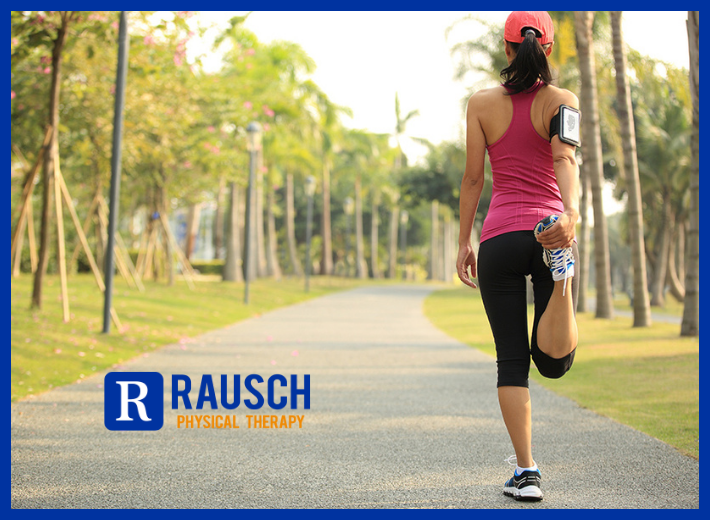
There are many different leg muscle-building exercises, some focused on specific activities or sports. Below is a three-move routine that targets the four key leg muscles. Add them to your regular workout or do them as a leg-only routine several times a week. (If you have any mobility issues, especially knee or ankle problems, check with your doctor before starting.)

To help lengthen your leg muscles and increase flexibility, try this daily stretching routine that includes several lower-body stretches.

Dumbbell squats

Reps: 8-12

Sets: 1-2

Rest: 30-90 seconds between sets

Starting position: Stand with your feet apart. Hold a weight in each hand with your arms at your sides and palms facing inward.

Movement: Slowly bend your hips and knees, leaning forward no more than 45 degrees and lowering your buttocks down and back about eight inches. Pause. Slowly rise to an upright position.

Tips and techniques: Don’t round or excessively arch your back

Make it easier: Do the move without holding weights.

Make it harder: Lower yourself at a normal pace. Hold briefly. Stand up quickly.

Reverse lunge

Muscles worked: quads, glutes, hamstrings

Reps: 8-12

Sets: 1-3

Rest: 30-90 seconds between sets

Starting position: Stand straight with your feet together and your arms at your sides, holding dumbbells.

Movement: Step back onto the ball of your left foot, bend your knees, and lower into a lunge. Your right knee should align over your right ankle, and your left knee should point toward (but not touch) the floor. Push off your left foot to stand and return to the starting position. Repeat, stepping back with your right foot to do the lunge on the opposite side. This is one rep.

Tips and techniques:

  • Keep your spine neutral when lowering into the lunge.
  • Don’t lean forward or back.
  • As you bend your knees, lower the back knee directly down toward the floor with the thigh perpendicular to the floor.

Make it easier: Do lunges without weights.

Make it harder: Step forward into the lunges, or use heavier weights.

Calf raises

Muscles worked: calves

Reps: 8-12

Sets: 1-2

Rest: 30 seconds between sets

Starting position: Stand with your feet flat on the floor. Hold on to the back of a chair for balance.

Movement: Raise yourself up on the balls of your feet as high as possible. Hold briefly, then lower yourself.

Make it easier: Lift your heels less high off the floor.

Make it harder: Do one-leg calf raises. Tuck one foot behind the other calf before rising on the ball of your foot; do sets for each leg. Or try doing calf raises without holding on to a chair.

Rausch PT professionals have the skills and expertise you need to improve and restore your muscle to enjoy summer to the fullest. Book your appointment today at 949-276-5401 and meet our experts. To get health and wellness updates and learn about what we have to offer ongoing, join our Facebook community.


Reference: [https://www.health.harvard.edu/blog/strong-legs-help-power-summer-activities-hiking-biking-swimming-and-more-202205122743]