Blog

Why Pain-Free Isn’t The Goal

Many people get caught up in their pain. How much pain they have. How often they have pain. BUT I’d like to say that Pain isn’t what matters… at least to us as your Physical Therapist, for your long-term goal.  As I evaluate and treat new patients, I am constantly looking at your whole body function, how you are moving, how you walk, how you can squat, what do your SL balance and squat look like. Does your arch collapse too much make your knee collapse in, are your glutes weak, do you have a hip drop, do your muscle compensate for weaknesses, do you have a leg length discrepancy, how is your foot affecting your knee which affects your hip and back? I look at the pain as a problem somewhere up or down the chain; looking at the body as a whole chain instead of an individual joint.

Too many people are pain-centered. If my pain is gone, then I must be fixed right? Wrong. Pain is your body telling you that something is not right, but even after there is no pain anymore, the body can break down to the weakest areas and start having pain again. People often come to PT with the goal of surfing or being able to run, but too often they are satisfied at that 6th-8th visit mark when they are feeling better, but far too often it hasn’t “fixed” why they needed the PT, to begin with. At Rausch, we want to get you better, doing the things you LOVE, and with that comes strength, functionality for long-term benefits. As much as we love seeing you, we love seeing you more if it is for a new issue/injury, not the same one that has crept back. So please please please, book out your full prescribed treatments so we can take a look at the body as a whole for your long term benefits.  Also, if we progress your exercises to make it harder for you and more functional, it is only because we love and care about you. We want you to be pain-free YES, but more importantly for the long run, we want you to be strong functionally.


Dr. Ruth Meltzer PT, DPT, OCS

Let’s talk! We are here to help. Give us a call for a complimentary consultation. We would love to meet you.

Did you know there’s no prescription needed from a doctor to see us – but we will communicate your progress and treatment to your doctor if you’d like us to!
(949) 276-5401

RauschPT


Patient Spotlight – Chris Shilling

After twenty years of multiple doctor visits and the same diagnosis of Prostatitis time after time, Chris still was not finding the relief that he needed to live a better life while dealing with this diagnosis. In 2019, Chris met with his urologist who recommended Pelvic Floor PT, and that is when he first met Dr. Yvonne of South Orange County Physical Therapy. Finally, Chris was under the care of a doctor who understood his issues and could give him the tools to fix them. Not only did these tools help Chris physically but they made an even greater personal impact now that he finally knew that he did not have to live this way any longer.

Chris endured many years of physical work as an infantryman in the Marine Corps, which led to many other injuries and surgeries — from his knees to his shoulders. Yvonne realized that these other injuries needed some extra attention, so she referred him over to massage therapist Melissa at Rx Massage. Due to his many years of military service, Chris knew that anything worthwhile takes time and effort, so he kept coming to his massage treatments even though they hurt in the beginning.

From learning how to sit properly to standing on his feet correctly, Chris now has the tools to avoid injuries and remain active. After years of doctor visits, all treating the wrong cause, Dr. Yvonne diagnosed Chris correctly right off the bat. Once she began treating the cause and not the symptom, Chris started healing immediately. And along with feeling great because of his physical changes, Chris also has found mental relief knowing that he is in the great care of Dr. Yvonne and all of our pelvic floor PT specialists at SOCPT!


Melissa-Bruketta-Massage-Therapist

Melissa Bruketta

Let’s talk! We are here to help. Give us a call for a complimentary consultation. We would love to meet you.

Did you know there’s no prescription needed from a doctor to see us – but we will communicate your progress and treatment to your doctor if you’d like us too!
(949) 276-5401

Disclaimer — All the information that you find on our blogs and social media pages are for informational purposes only and is not intended to be used as your personal professional diagnosis, or treatment. Come and see us for your excellent, personalized care! https://rauschpt.net/

Patient Spotlight – George Alvarez

George tested positive for COVID-19 in early November 2020 and was hospitalized for 36 days, on a ventilator for five of those days. He received physical therapy while in the hospital, which prepared him for his outpatient rehab. Three weeks after his release from the hospital in early January 2021, George began his physical therapy with Dr. Rebecca Gasca at our Laguna Niguel Rausch Physical Therapy location.

George had heard about Rausch Physical Therapy through a friend, and when he came in for his initial evaluation, he was extremely impressed with the outstanding, laser-focused evaluation that he received from Rebecca. She diagnosed that his back muscles were very tight due to COVID and that his balance needed improvement, as well as his weak core and weak leg muscles.

After recovering from COVID and his hospital stay, George had a ways to go in order to get back to the bike rides that he enjoyed so much. He spent his time with Rebecca working on balance, endurance, flexibility, and core strength. After all of his dedication and hard work, George now feels more energetic and flexible. Just last week, he was able to get back on his bike for his first ride since his recovery! George can not express enough how much his time working with Rebecca helped him get back to his peak physical strength and activity after COVID.


Rebecca

Dr. Rebecca Gasca

Let’s talk! We are here to help. Give us a call for a complimentary consultation. We would love to meet you.

Did you know there’s no prescription needed from a doctor to see us – but we will communicate your progress and treatment to your doctor if you’d like us too!
(949) 276-5401

RauschPT


Disclaimer — All the information that you find on our blogs and social media pages are for informational purposes only and are not intended to be used as your personal professional diagnosis, or treatment. Come and see us for your excellent, personalized care! https://rauschpt.net/

Should I keep running or stop?


How often have you heard a runner say my hip, ankle, knee hurt so I took some time off and it got better but then I started running again and it came back.

Running injuries are very different from the common injuries you hear about from football, basketball, or soccer. Rarely do they occur because of traumatic injury or a specific moment, most commonly it is an overuse injury caused by “training load error.” Basically what happened is the tissues you are stressing during running were overloaded for some reason be it mechanics, training stress, or tissue resiliency. The most important aspect to always look at is have you changed something about your running recently: mileage, intensity, frequency, or terrain? These factors change the accumulation of stress on your body and tissues, if you are not properly prepared for that then injuries will develop.

Pain is difficult to judge with running as there is always a level of discomfort/pain associated with running. So how can you tell if you can keep running, stop running, or as is most often the case alter how much or often you are running. The danger with stopping to run completely is you may not be helping the problem but actually making it worse. If you stop you will decondition the tissue you’ve injured and it will stop hurting but run the risk of restarting the same injury. This can lead to a bad cycle of run-injury-rest-run-reinjury etc. The best option is to alter what you’re doing and work on the tissues in order to strengthen them so that when you resume running at your goal mileage/intensity etc you will be able to handle the load.

The best way to judge what you need to change is to ask yourself a few questions about your
injury/pain.

1. Does it hurt all the time?

If it hurts all the time you probably should stop running and get it checked out by your PT.

2. How long does it take for the pain to start?

If it kicks on at X miles or after X minutes then just run less than that for a few weeks and gradually start lengthening it back out

3. Does your pain get worse if you keep running?

If your pain keeps getting worse the further you run then you probably should back off.  Keep an eye on whats happening but take it easy and probably get it checked out by your PT.

4. Are certain workouts better or worse?

Speedwork or hills is the only thing that irritates your injury? Avoid that specific type of running for a few weeks and then slowly try to ramp back into it.

5. Does your pain return to normal after?

If you stop running and everything feels fine again, give it a few days or a week. If it’s not improving then go see your PT.

Overall stopping to run is not always the best option, there are plenty of ways that you can modify what you’re doing in order to keep forward on your goals or keep active.

Rausch Physical Therapy remains your caring team and can accommodate you with a specific, personalized plan. Visit our Facebook page at https://www.facebook.com/rauschpt or call us at (949) 276-5401 to learn how we can help you. Don’t forget: there’s no prescription needed to see a PT in California.


Dr. Max Biessmann PT, DPT

Let’s talk! We are here to help. Give us a call for a complimentary consultation. We would love to meet you.

Did you know there’s no prescription needed from a doctor to see us – but we will communicate your progress and treatment to your doctor if you’d like us too!
(949) 276-5401

RauschPT


7 Surprising Benefits of Massage

Can you believe it has almost been a year since physical distancing became a thing? Even people who aren’t touchy-feely are starting to feel the effects of prolonged touch deprivation. Massage can help alleviate those feelings safely and hygienically. And if you needed any more reason to visit a massage therapist, here are seven other benefits.


Many people associate massage with relaxation but there are actually plenty of surprising health benefits. Massage is a common therapy recommended by health professionals to complement other treatments. It’s beneficial for both your mental and physical health and is great for recovery from injuries and even reduces the appearance of scars. There are several reasons why you should finally book that visit to the spa. Here are seven surprising benefits of massage.

Massage aids digestion

Massage facilitates healthy blood flow and this means that it aids digestion. This is because oxygenated blood reaches your digestive system and helps speed up the process. It’s also great for reducing tension in your body. Often a massage therapist will focus on stubborn areas of your body and this includes your waist. Improved digestion can even help with weight loss, relieves constipation, and leaves the patient feeling much comfortable overall.

Massage helps with rehabilitation

Massage is often prescribed to complement other treatments such as physiotherapy by a spine surgeon. It helps with overall rehabilitation after an injury and is also beneficial to those with back or muscle problems due to sport or an accident. Massage brings the patient back to a speedy recovery and also relieves some of the stress caused by the injury. It helps loosen sore muscles and reduce swelling and pain.

Massage is great for your skin.

There are many reasons why massage is great for your skin and several benefits of facial massage, for example. It improves blood flow to the face which can relieve tension and result in facial rejuvenation. It’s even used to reduce the signs of aging such as wrinkles. If you want fresh, glowing, and younger-looking skin, you might want to consider booking an appointment with a massage therapist.

Massage relieves sinus pressure

Another benefit of facial massage in a particular is that it relieves sinus pressure. You can even do a sinus massage to yourself at home and this helps reduce the build-up of nasal congestion and relieves pain. Often people with conditions such as sinusitis or tension headaches are recommended massage as a treatment. Massage works by relieving tension from the affected area, so this is why it’s an effective treatment for headaches and sinus infections.

Massage reduces the appearance of scars

Massage also reduces the appearance of scars over time. There are several benefits of scar massage. It not only increases the blood flow to the area but also flattens out bumps and loosens the surrounding tissue. Many people have also found that it helps with the associated symptoms such as itching and soreness. There are, therefore, many ways in which massage can help with rehabilitation and improve the patient’s quality of life.

Massage boosts mental wellbeing

There are plenty of mental health benefits associated with massage. It helps reduce stress and anxiety due to its relaxing effects. It also helps you sleep and maintain a healthier sleeping routine. Massage has been linked to being an effective treatment for depression because it encourages the release of endorphins, serotonin, and dopamine. These positive hormones increase wellbeing and happiness and help to reduce anxiety. Massage also works well in combination with meditation and other mindfulness techniques which are used to improve mental wellbeing. It’s the perfect present for someone in need of a little stress relief or a way to focus on your own self-care.

Massage improves blood and lymph flow

It’s proven that massage improves circulation which is why it has so many health benefits. By stimulating a healthy blood flow, massage allows your whole body to receive a fresh supply of oxygen which is great for your vitals. It also soothes your muscles and improves skin blood flow. Increased blood flow also helps to reduce swelling and pain. Massage increases your lymph flow as well and helps you maintain a healthy lymphatic system. In fact, lymphatic drainage is a specific type of massage therapy to encourage the movement of lymph fluids. These fluids remove waste and toxins from your body.

Massage has many benefits for both your physical and mental wellbeing. It’s not only a relaxing stress-relieving experience, but it also helps your body with its overall functioning. Massage should be carried out by a specialist, but there are some techniques you can try at home. There are several different types of massage and these are often complemented by other therapies. Always speak to your doctor about any new treatments and they will be able to recommend the best one for you.

Reference: {https://www.shinyshiny.tv/2020/12/7-surprising-benefits-of-massage.html}


A therapeutic massage may be what you need right now, without even knowing it. We’re here with certified therapists to help you. Visit our Facebook page at www.facebook.com/rauschpt or call us at 949.336.1089 to book an appointment.

Let’s talk! We are here to help. Give us a call for a complimentary consultation. We would love to meet you.

Did you know massage can massively speed up your healing, from training, injury, or surgery recovery? Massage has an overarching positive effect on so many aspects of your health. We have excellent memberships that make regular expert massages possible. Call us! (949) 276-5401


Exercise and Insomnia

Can’t sleep? Are you having trouble getting to sleep or staying asleep? Many people have had their sleep patterns disrupted — along with many other routines — since the pandemic. Here is a helpful article that correlates exercise with helping you get some good nights’ sleep once again.


Regular exercise can help most people achieve better quality sleep, but what if you’re experiencing more serious sleep problems? Up to 15 percent of adults suffer from chronic insomnia, which is defined by difficulties falling or staying asleep, waking up too early, or experiencing restless sleep multiple times a week.

How Does Exercise Help Treat Insomnia?

Studies have shown that in as little as four weeks, individuals with chronic insomnia who begin regular exercise can fall asleep up to 13 minutes faster and stay asleep 18 minutes longer. In fact, study authors found that exercise was just as effective as hypnotic drugs in relieving insomnia. Researchers have a few theories why this might be the case.

Exercise causes changes in your core body temperature. During exercise, your body increases its temperature, and afterward your body’s temperature drops. That drop in temperature mimics a similar temperature change that happens before you fall asleep when your body cools down in the evening in preparation for rest. The similarity between these changes may signal to your brain that it’s time to sleep.


Exercise relieves symptoms of anxiety and depression. Insomnia often goes hand-in-hand with anxiety and depression. These symptoms — including anxious thoughts, worry, and stress — can interfere with one’s ability to fall asleep. Exercise can mitigate these symptoms through the release of endorphins, positively improving sleep quality.

Exercise may realign your internal body clock. Some people experience insomnia due to a misaligned internal body clock. A disruption of one’s circadian rhythms can cause them to naturally feel tired later at night than “normal.” Depending on the time of day they exercise, it can help reset their body clock and help them fall asleep earlier. Further, some forms of exercise, like running, boost serotonin (a hormone involved in the sleep-wake cycle), which may improve the brain’s ability to metabolize serotonin and regulate sleep.

While researchers are still working to understand exactly how physical activity affects sleep, they’ve found that moderate aerobic exercise is the most effective at relieving insomnia. Specifically, moderate aerobic exercise increases the amount of time you spend in a deep sleep. Deep sleep is the stage where your body restores and replenishes itself, healing your muscles and tissues to prepare for more exercise.

Can a Lack of Exercise Induce Insomnia?

Multiple studies have found that regular exercise correlates with better sleep. Across age groups, individuals who have a regular exercise routine are less likely to have insomnia and sleep issues. Further, those who are more physically active tend to be less likely to develop insomnia later in life, indicating that exercise also acts as a protective function against insomnia.

Conversely, a lack of exercise is associated with insomnia. Along with factors like poor health, stress, old age, and unemployment, lack of regular exercise is a predictor of insomnia. Problematically, when people are suffering from insomnia, it can be harder to be physically active due to higher levels of daytime fatigue and sleepiness.

Can Exercise Cause Insomnia?

In general, the answer is no. However, some people experience exercise-induced insomnia if they exercise too close to bedtime, while others have no trouble falling asleep right afterward.

For some people, exercising too late in the day can keep them up at night. In addition to elevating your mood, the endorphin release associated with exercise can energize your brain, leading some people to feel more alert. For this reason, experts recommend avoiding exercise at least 2 hours before bed so those effects can wear off.

However, the drop in body temperature that occurs after exercising can begin 30 to 90 minutes later, which may help with falling asleep.


To figure out the right time for you to exercise, consider keeping a sleep diary. Record when you exercise, what type of exercise you did and for how long, when you went to bed, and how long it took you to fall asleep. Just make sure you don’t make any other changes (like eating heavy meals or drinking coffee or alcohol) that otherwise might affect your sleep and interfere with your results.

What Types of Exercises Are Best for Insomnia?

While the options for exercise routines and movements are numerous, note that only moderate-intensity aerobic exercise, like walking, has been shown to relieve insomnia. Vigorous aerobic exercise, like running or resistance weight lifting, has not been shown to improve sleep.

Just a single 30-minute exercise session can reduce the time it takes you to fall asleep, and help you sleep longer overall. But these effects are stronger when you undertake a regular exercise program. Studies have shown that long-term exercise (ranging from periods of four to 24 weeks) enables individuals with insomnia to fall asleep faster, sleep longer, and enjoy better sleep quality than they did before exercising.

Moderate aerobic exercise can help relieve other symptoms associated with insomnia, too. For individuals with comorbid insomnia and anxiety, it can significantly lower pre-sleep anxiety, reducing the anxious thoughts that make it tough to fall asleep.

After a period of four to six months, a regular moderate aerobic exercise routine can also reduce depression symptoms and reduce the time it takes to fall asleep. Overall sleep quality improves, and you’re more likely to feel well-rested upon waking up. Best of all, the participants in these studies enjoyed the same results regardless of whether they exercised in the morning or late afternoon.

Exercise can be a powerful tool in relieving insomnia. If you are having trouble sleeping, consult your doctor about an appropriate exercise regimen to help you enjoy better sleep and wellbeing.

Reference: {https://www.sleepfoundation.org/insomnia/exercise-and-insomnia}


Did you know you can be evaluated by a Rausch physical therapist who can help streamline the right routine for you to prevent injury and sleep better sooner? Did you know there is no prescription needed from a doctor to see us? Give us a call at 949-276-5401 or find us on Facebook at https://www.facebook.com/rauschpt/. Don’t forget: there’s no prescription needed to see a PT in California.

If you find yourself in discomfort or think you could benefit from a personalized exercise plan, talk to a Physical Therapist.

Let’s talk! We are here to help. Give us a call for a complimentary assessment.

Did you know there’s no prescription needed from a doctor to see us? (949) 276-5401


Physical Therapy for the Elderly

Many people misconstrue physical therapy as beneficial only for folks recovering from injury or illness, athletes, or a specific demographic. The truth is that physical therapy can benefit anyone of any age or fitness level. Here is an insightful look into how it can foster maximum function in the elderly.


Physical therapy has an important role in health care delivery and is connected with maximizing function, preventing decline, decreasing pain, and treating physical illnesses. For elderly individuals, who often have decreased physical reserve, any medical illness can lead to decline. Inactivity and bedrest, a common consequence of illness, contributes to and intensifies muscle weakness, causing deterioration in walking and loss of function. Illnesses, such as Parkinson’s disease, fracture, or stroke, can affect walking and balance directly. Chronic diseases, such as arthritis, may cause pain or restriction of movement. Exercise, activity, and other physical therapy interventions can therefore have a profound effect on overall health, restoring an individual’s ability to perform the daily activities required to live independently in the community.

Assessment

Evaluation begins with a patient interview to determine the individual’s perception of the problems and their goals for treatment and then proceeds to a physical exam. Typically, a physical therapist will assess a wide array of abilities, including strength, balance, transfers (rise from a chair), and walk.

Assessment of muscle strength, through manual muscle testing, can determine whether the strength of a particular muscle, graded from five (normal) down to zero (completely dysfunctional). Muscle weakness is commonly associated with problems walking and climbing stairs, as well as falls. Appreciating the relationship between strength and function can clarify the expected degree of difficulty an individual will have with daily tasks. Other areas evaluated include sensation, range of movement, coordination, and muscle tone (i.e., a measure of the ability to relax when an extremity is passively moved).

Pain is another common problem that limits abilities. If pain is present, it is important to determine the duration of pain, describe what exacerbates and relieves the pain, get an indication of severity, and formulate a comprehensive treatment plan for pain control.

The impaired balance will affect the ability to walk safely and can contribute to falling. By observing an individual in the sitting or standing position, static balance can be determined. Dynamic balance, or balance during movement, can be assessed by watching an individual’s ability to react to perturbation and displacement.

Physical therapists will judge walking safety, evaluate gait patterns and posture, and appraise a person’s ability to transfer safely from a bed or chair to a standing position. Transfer and gait can be described by the amount of assistance that is needed to safely accomplish these tasks and can be grossly classified as independent needing assistance (of one or more people), or unable. A specific gait pattern may point to a medical diagnosis, such as Parkinson’s disease, stroke, or uncontrolled pain.

Sometimes home safety assessments can delineate problems in the environment that predispose the patient to fall. Common problems include scattering rugs, poorly lit areas, low chairs, and clutter.

Assessment tools are frequently used to standardize evaluation and measure treatment outcomes. These tools allow the physical therapist to record and communicate information in a consistent fashion. For example, both the Berg Balance Scale (scored from 0–56 with 56 being the optimal score) and Functional Reach Test (ability to reach forward, calculated in inches) measure balance. Mobility scales include the Elderly Mobility Scale (scores a person’s ability to transfer, stand, reach, and walk) Timed Up and Go (amount of time required for a person to rise from a chair, walk 3 meters, turn and return to a seated position in the chair), and a 6-Minute Walk Test (a measure of the distance a person can walk in this time). There are many activities of daily living scales (Barthel Index and Lawton Brody) that can be used to document a person’s abilities to carry out basic tasks (i.e., dressing, bathing, walking, hygiene).

Functional ability is important as it affects the quality of life, emotional status, and ability to remain independent.

Treatment

Treatment must be tailored to the physical and functional problems identified during the assessment. Muscle weakness and lack of strength can be treated with resistance exercise. An exercise technique known as high-intensity resistance training (HIRT) can be used in different clinical settings, from nursing homes to community programs. Research shows that high-intensity resistance training is safe, well-tolerated, and can increase muscle strength by as much as 113 percent. Even people who are very weak are able to tolerate and benefit from this form of exercise.

Pain control is essential to achieve optimal function and quality of life. Mechanical aspects of pain can be helped with sketching, the use of an aid or orthotic, or activity modification to achieve joint protection. Exercise can remediate pain, as is the case in osteoarthritis. Pain associated with inflammation or swelling can be treated with the use of modalities such as ice, heat, transcutaneous electrical stimulation (TENS), ultrasound, or acupuncture. Medications can be used adjunctively when necessary.

Gait and balance training is an integral part of treatment. Gait training is aimed at improving postural alignment, gait pattern, speed, safety, and endurance. A walking aid, such as a cane or walker, an orthotic, or appropriate footwear may be recommended. To help with stability, balance responses are practiced to promote appropriate reactions. Weight-shifting exercises and functional activities, such as reaching, can be helpful.

Aerobic conditioning can improve cardiovascular function and endurance and is an especially important component of a cardiac rehabilitation program.

These interventions often improve an individual’s physical condition and restore function. Sometimes, physical problems cannot be entirely alleviated, but usually, therapy can help an individual adapt to disabilities, allowing for increased independence and improved safety.

Interdisciplinary approach

The physical therapist typically works closely with other health care professionals, such as nurses, physicians, social workers, and occupational therapists, in order to refine both diagnosis and treatment. This interdisciplinary approach allows for the integration of all domains of health to more fully address the needs of the elderly.

Conclusion

For the elderly population, illness can quickly affect physical stability and cause deterioration in walking. Alternatively, a decline in physical function can cause deterioration in health and quality of life. Therefore, physical therapy interventions are an essential aspect of health care delivery. Exercise and other therapeutic treatments provide options to address inactivity, muscle weakness, and specific physical and medical problems. Using these techniques, the physical therapist is able to improve function, optimize safety, and ameliorate painful or dysfunctional conditions.

Reference: {https://www.encyclopedia.com/education/encyclopedias-almanacs-transcripts-and-maps/physical-therapy-elderly}


Rausch Physical Therapy remains your caring team and can accommodate you with a specific, personalized plan. Visit our Facebook page at https://www.facebook.com/rauschpt or call us at (949) 276-5401 to learn how we can help you. Don’t forget: there’s no prescription needed to see a PT in California.

RauschPT-logo

Let’s talk! We are here to help. Give us a call for a complimentary consultation. We would love to meet you.

Did you know there’s no prescription needed from a doctor to see us – but we will communicate your progress and treatment to your doctor if you’d like us too! (949) 276-5401

Disclaimer — All the information that you find on our blogs and social media pages is for informational purposes only and is not intended to be used as your personal professional diagnosis, or treatment. Come and see us for your excellent, personalized care! https://rauschpt.net/

Dealing With Jaw, Neck, or Face Tension Lately? Here Are 5 Ways to Get Relief (Without Turning to Advil)

2021 is here, and it is time to let go of the stress of 2020 and leave it all behind! If you’re feeling any tension in your jaw, neck, or face, here are five great ways to get relief and take on 2021 stress-free!


Aches and pains in the neck and jaw area affect more people than you think. Here are some pro tips for releasing tension yourself.

Tension in the neck, jaw, and face is so common that it’s almost impossible to be human and not have it. “Nearly every patient who walks through our door has some level of this type of tension,” says Sean Joyce, PT, DPT, a licensed physical therapist with Hudson Medical + Wellness in New York City. Although the causes are numerous, the pandemic has certainly done its fair share to make things worse for people. Evidence suggests that stress and anxiety from COVID-19 are driving an increase in facial pain. In one study from Tel Aviv University, stress and anxiety caused a significant rise in facial and jaw pain, with women suffering more from symptoms than men, and people aged 35 to 55 suffering the most of anyone.

The Biggest Culprits

Physical and Emotional Stress

Added stress brought on by the pandemic is what David J. Calabro, DC, a certified pediatric and pregnancy chiropractor and functional medicine practitioner in Linwood, N.J., classifies as emotional stress, and while it’s certainly one culprit, physical stress also plays a role. Physical stress includes falls, accidents, and traumas such as falling off a bicycle, jamming your head getting out of a car, or going through a C-section delivery (which puts extra stress on the neck), even if these things happened when you were young. “They can manifest years later as pain or other symptoms,” Calabro says. But here’s the kicker: If you have too much emotional stress, you can suffer an increase of physical stress. “You might hold more tension in your body, stress-eat, which can drive weight gain and add to more physical stress, or use poor posture,” Calabro explains.

Bad Postural Habits

Unfortunately, modern-day living exacerbates poor posture. Maybe you have a work-from-home station that’s not set up properly: the mouse is positioned too far away and your arm is overstretched for too long, which can cause shoulder and neck tension that even extends into the jaw.

Or it’s possible your head is too far forward in front of your shoulders, which puts extra stress on the joints and muscles of the neck, shoulders, and jaw—and can even affect nerves at the base of the skull, Calabro says. In fact, Joyce notes that because so much of what modern living requires is forward-focused—sitting at a desk, looking at your iPhone, even driving—and because most people don’t perform mobility or strengthening exercises to counteract poor posture, you’re bound to get tension at some point.

If you don’t get this tension under control, it can lead to bigger issues. “Basically, it can lead to pain, soreness, stiffness, tenderness, arthritis, loss of mobility, muscle spasms, muscle loss, muscle imbalance, numbness, tingling and burning in the arm and hands, and other neurological pains and symptoms,” Calabro says. It can also exacerbate existing conditions like high blood pressure, headaches, migraines, and sinus problems.

But at the very least, tension, pain, or aching in the neck, face, and jaw is plain old uncomfortable. So how do you keep it in check and find relief when it’s at its worst? While you still may need to seek medical care, especially if the tension is being caused by a structural issue like a joint dysfunction or dental condition, these six strategies can help get things under control.

Do Breathing Exercises

There’s a reason every wellness expert recommends breathing exercises: They work. Focusing on breathing can help calm the brain and take you out that tension-inducing fight-or-flight response. What’s more, “breathing exercises can reduce blood pressure, improve circulation, reduce cortisol levels and put you in a state of ease rather than stress,” Calabro says. Try doing rhythmic breathing where you breathe in deeply for four seconds, hold for seven seconds and then blow out forcefully for eight seconds.

Try a Gentle Jaw Massage

Stretching or massaging your jaw might never have crossed your mind, but if you’re aching there, Calabro recommends this easy, soothing massage that feels so good.

Open your mouth slightly, place the palms of your hands in front of your ears, and slowly open your mouth as you gently massage straight down your face. If you’ve been clenching your teeth all day, this could be a little uncomfortable so go nice and easy.

Alternate You’re Posture

Whether you’re standing or sitting all day, staying in one position for too long will cause problems. “We’re meant to be fluid beings,” Joyce says. His patients see the best results when they alternate from sitting to standing, or vice versa, every 30 minutes. “Doing this will help alleviate tension in the neck, jaw and face, promote good posture and decrease the chance that you develop soft tissue adaptations that keep you from being able to achieve optimal posture.”

Set a recurring timer for every 30 minutes to remind you it’s time to switch it up.

Manage Your Stress Levels

This might be the most overstated tip of the year, but it’s worth repeating. “By forcing yourself to break away from the tunnel vision that your stress creates, you’ll give tight muscles a chance to unwind,” Joyce says. While you’re easing mental and physical symptoms of stress, you may even notice significant improvements in facial and jaw tension. Everybody has different ways of keeping stress in check but suggestions include meditating, listening to music, taking a bath, reading, walking your dog, and exercising.

Stretch Your Neck and Shoulders Daily

Get into the habit of stretching your neck and shoulder muscles daily. Here are two stretches from Joyce that you can do anytime, anywhere.

Get into a proper seated posture. Then sit on your left hand to help anchor your left shoulder. Tilt your head to the right so your right ear moves toward your right shoulder. Place your right hand on top of your head and gently pull your head further to the right to intensify the stretch on the left side. Hold for 30 seconds, remembering to breathe deeply, and repeat three times before switching to the other side.

For the second stretch, you’ll start in the same seated position as above—but before applying pressure on or tipping your head toward the right shoulder, first rotate your head down so your nose is pointed to your right armpit. Now place your right hand on top of your head and gently pull the head down more to increase the stretch in the back of the neck and spine. Hold for 30 seconds, breathing deeply, and repeat three times consecutively before switching to the other side.

Reference: {https://www.yahoo.com/lifestyle/dealing-jaw-neck-face-tension-202244040.html}


A therapeutic massage is another fantastic way to help rid yourself of residual stress! We’re here with certified therapists to help you. Visit our Facebook page at www.facebook.com/rauschpt or call us at 949.336.1089 to book an appointment.

Let’s talk! We are here to help. Give us a call for a complimentary consultation. We would love to meet you.

Did you know massage can massively speed up your healing, from training, injury, or surgery recovery? Massage has an overarching positive effect on so many aspects of your health. We have excellent memberships that make regular expert massages possible. Call us! (949) 276-5401


Slow And Steady Wins The Race: 10 Simple Goals To Set Your Health On The Right Track

2020 certainly taught us resilience — how are you going to apply that to the new year? If you want to live a healthier life but don’t know how to get started, here’s a helpful article.


Many of us are looking to make changes to our health following a year of messed up schedules and life-altering events. Whether that involves getting back on track with a healthy diet, starting up a new food or exercise plan or re-introducing some much-needed gym time after the repeated closures, we are here to assist.

Often, getting back into, or introducing, healthy patterns can seem so overwhelming as a whole, which is why breaking the effort down into bitesize chunks can make the approach feel much more achievable. To help you overcome those challenges, we’ve put together 10 simple goals to set your health on the right track.

Start meditating daily

As you accustom yourself to simply sitting quietly with your eyes closed and taking measured breaths, you could soon find that you can focus, concentrate and sleep better, as a Medium article points out, so try it out for five to ten minutes a day. Meditating is a great starting point and will ultimately have a big effect on many areas of your life, don’t underestimate the impact that ten minutes a day of meditation can have on your wellbeing.

Eat just one more vegetable a day

It’s well-advised that you try to eat a range of vegetables in a mix of colors to help ensure you get various vitamins into your diet. If you’re not very good at getting those important vegetables into your meals then you could start diversifying your diet in this way by adding mushrooms to your toast for breakfast, try an extra carrot with your lunch, or sneak in some extra vegetables with dinner.

Drink a glass of water every morning

It is recommended to drink eight glasses of water a day, and that seems like quite a lot if you’re not keen on the stuff already. Consuming a glass of water when you first wake up will help you on your way towards suitably replenishing your fluids from the night, a step important to the health of your body and skin as well as your overall wellbeing. And once you start the day with good intentions, it will hopefully lead to better decisions throughout the day.

Write down what you daily eat

A great way to get an overall picture of your eating habits and to help you decide if there are any amendments that can be made is to keep a food diary. This is not to fill you with guilt, but to offer a valuable insight into how you are routinely nourishing yourself, consequently, you will be able to easily identify bad eating habits and ways to potentially regulate them.

Look for any food triggers

If you are overeating, could there be important underlying reasons why? If you notice that you tend to eat more often when, for example, you are bored or stressed, you could then work on changing that negative behavior, as Healthline notes. Keeping that food diary along with other notes about your health and mood can help you to spot trends and provide you with something to work with.

Do some exercise every day, even just for five minutes

Getting yourself up and moving will set you on your way to a much healthier path in the long run. Starting small is a great way to achieve this, so opt for five minutes a day to start with. This exercise could consist of jumping, squatting, dancing, hula hooping, or any other exercise you could fit into an easy five-minute session. Add the exercise to your to-do list in advance, and you will be afforded the satisfaction of crossing off that activity after completing it.

Try to slowly increase your amount of daily exercise over time

Start with five-minute sessions and build up the time in five-minute chunks as and when you feel ready, you may be enjoying the positive feelings and energy this gives you so much that you increase your time sooner than you think!

Alternatively, if you get yourself used to running a mile three times a week, you could soon transition into running a couple of miles on one or two of those occasions and build up the distance over time. Or you could incorporate different exercises into your routine to mix it up a bit if you are likely to get bored or doing the same thing.

Invest in new clothes for your workouts

As workouts become cemented as a major part of your routine, you should definitely think about buying new attire to get you in the mode. A new tracksuit can look as good in the queue at your local supermarket as it does in the gym, click here for an array of men’s tracksuits and get ready to up your fitness game once you’re dressed for success.

Spend a week instilling consistency into your life

Whatever new, small habit you want to take up, commit yourself to follow it for a week at first. A HuffPost piece says that doing this “will signal to your body and soul that consistency is possible, and steadiness will follow.” Whether that habit is meditation, drinking water, eating more vegetables, or exercising, focus on one and do it well then the rest will follow.

Replace each negative thought with a positive one

While negative thoughts will inevitably drift into your mind from time to time, consciously replacing them as they arrive over a three-day period can soon leave you with far fewer spontaneous adverse thoughts than before. Psychologists suggest that we have an average of 6,000 thoughts every single day and if you lean towards the negative in life, this can feel a bit much at times, so working hard to replace each conscious negative thought with a positive one can leave you feeling much brighter and more positive in general and ready to tackle those goals.

Reference: {https://www.luxurylifestylemag.co.uk/health-wellbeing/slow-and-steady-wins-the-race-10-simple-goals-to-set-your-health-on-the-right-track/}


It’s a perfect time to be evaluated by a Rausch physical therapist who can help support you on your journey to better health! Did you know there is no prescription needed from a doctor to see us? Give us a call at (949) 443-0713 or visit our Facebook page at https://www.facebook.com/rauschpt to learn more.

If you find yourself in discomfort or think you could benefit from a personalized exercise plan, talk to a Physical Therapist.

Let’s talk! We are here to help. Give us a call for a complimentary assessment.
Did you know there’s no prescription needed from a doctor to see us?
(949) 276-5401


Physical therapists urge long-haulers to seek their treatment in COVID-19 recovery

The arrival of the new year is a welcome relief. But we’re not out of the pandemic woods yet. Some of us are still recovering from having contracted the coronavirus. If you’re still feeling ‘off’, here’s an encouraging article about how to treat the long-term effects.


WORCESTER, MA — As health officials continue to warn that patients experience long-term COVID-19 symptoms may need extra medical attention, an emerging treatment for ‘long-haulers’ may be physical therapy.

Physical therapists warn that not getting the proper treatment may be dangerous.

“With these types of problems, you’re looking at prolonged debilitations,” explained Jimmy Kakouris, a physical therapist at Worcester Physical Therapy Services. “A lot of times we don’t know what the full effect is.

According to Kakouris, many of the common long-term COVID-19 symptoms are treatable.

On Friday he told Boston-25 News that he believes more people will begin to seek help as positive cases continue to surge in Massachusetts.

“Physical therapists can be the best provider to help them get better and improve functions in a faster and effective way.”

According to the Center for Disease Control and Prevention (CDC), the most commonly reported long-term COVID-19 symptoms include:

  • Fatigue
  • Shortness of breath
  • Cough
  • Joint pain
  • Chest pain

Other reported long-term symptoms include:

  • Difficulty with thinking and concentration (sometimes referred to as “brain fog”)
  • Depression
  • Muscle pain
  • Headache
  • Intermittent fever
  • Fast-beating or pounding heart (also known as heart palpitations)

Kakouris warned that not getting proper treatment can hurt a patient’s chance at recovery.

“The biggest risk in people who are maybe osteoporotic or older, or elderly patients, is they could fall and break a hip,” he explained.

According to medical experts, once COVID-19 is in the chest, it can impact a person’s airways and cause inflammation.

Kakouris told Boston-25 News that diaphragmatic breathing can help with that, and that he teaches his patients to breathe from the stomach instead of the chest.

“The belly takes in a bigger, deeper breath, using muscles that are more effective at breathing,” he said.

He added that physical therapy can also help people who have trouble with balance and other cardiovascular issues.

“We definitely should be the first source in post-rehab following any kind of COVID, the flu, or any other long-term illness.”

Reference: {https://www.boston25news.com/news/health/physical-therapists-urge-long-haulers-seek-their-treatment-covid-19-recovery/276LU6KQTVEKVPSRS5VS7D3CHM/}


Rausch Physical Therapy remains your caring team and can accommodate you with a specific, personalized plan. Visit our Facebook page at https://www.facebook.com/rauschpt or call us at (949) 276-5401 to learn how we can help you.


RauschPT-logo

Let’s talk! We are here to help. Give us a call for a complimentary consultation. We would love to meet you.

Did you know there’s no prescription needed from a doctor to see us – but we will communicate your progress and treatment to your doctor if you’d like us too!
(949) 276-5401

Disclaimer — All the information that you find on our blogs and social media pages is for informational purposes only and is not intended to be used as your personal professional diagnosis, or treatment. Come and see us for your excellent, personalized care! https://rauschpt.net/
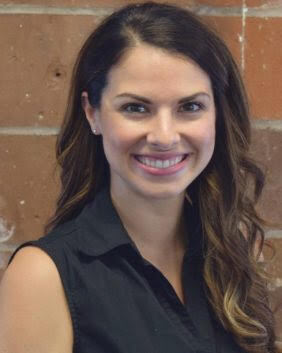
Employee Spotlight – Calvin Vang

Rx Massage-Laguna Niguel is thrilled to have our newest Massage Therapist, Calvin Vang, join our team! When it comes to his massage treatments Calvin views the entire body as a whole. He treats patients from all ages with muscular issues related to stress, tension or spasm, circulation, and energy flow. One of Calvin’s favorite issues to treat would be hip-related issues that cause low back pain, hip impingement, and knee pain. He believes that a lot of lower body (and sometimes upper body) issues come from the pelvis and associated structures and is usually where he begins his treatments.

What did you used to wear that you thought was cool, but now realize it isn’t?

2008 Joe Jonas Long Hairstyle

What’s a phrase you always say?

“That’s crazy.”


The reason I got into this industry is…

To give people an opportunity to create awareness and understanding of their own bodies so that they can live life freely.


Let’s talk! We are here to help. Give us a call for a complimentary consultation. We would love to meet you.

Did you know there’s no prescription needed from a doctor to see us – but we will communicate your progress and treatment to your doctor if you’d like us too!
(949) 276-5401

RauschPT

Easy Ways to Speed Up Recovery After Exercise (Besides Stretching!)

Happy holidays! If you’re like the rest of the world, you’re going to get some much-needed rest and have some great meals and good times over the festive season — and then you’ll want to exercise some of those holidays pounds off! Make sure you don’t overdo the workouts and use these suggestions to speed up your exercise recovery afterward! 

A therapeutic massage is another fantastic way to help your muscles recover! We’re here with certified therapists to help you. Call us at 949.336.1089 to book an appointment.


Stretching is arguably the most common way to recover from a workout. According to Harvard Health, stretching is important for muscle flexibility. It “keeps the muscles flexible, strong, and healthy, and we need that flexibility to maintain a range of motion in the joints. Without it, the muscles shorten and become tight”.

But, there are other ways to help the recovery process along and it doesn’t involve a post-workout stretch. Here’s what you can try to help speed up your post-exercise recovery.

Passive recovery

Passive recovery basically refers to resting your body to allow it to repair after exercise. According to Healthline, passive recovery is especially “important and beneficial if you’re injured or in pain.”


Resting is also imperative if you’re experiencing exercise burnout and the thought of working out feels either mentally or physically draining. In that case, definitely head for the couch.

Active recovery

Active recovery, on the other hand, refers to using movement as a form of recovery. Studies have shown that active recovery can reduce the amount of lactic acid buildup in your muscles, which helps prevent fatigue, sore muscles and stiffness.

Forms of active recovery include:

— An active cooldown

While collapsing in a heap after a workout is the most appealing option, try to keep moving for roughly 10 minutes after you finish your session. This could be as simple as going for a quick jog or walk, or if you’ve just finished a grueling HIIT session, opt for a quick spin on a stationary bike.

Because it’s technically still a cooldown, Healthline advises not to work at more than 50% of your maximum effort during this time.

— Try an active rest day

Taking an active rest day is a great way to keep moving without causing too much stress on your body. Instead of forgoing all movement on your day off, try a low impact form of exercise.


It could be as simple as going for a walk or swim, hitting up a virtual yoga class, or taking your bike out for a leisurely ride. Continuing to move your body will help it recover and be super beneficial to sore muscles.

— Break up interval training

If you’re a fan of circuit training, breaking up your session with active recovery activities can lead to a quicker recovery post-workout. Research published in the Journal of Sports Medicine & Science found that engaging in active recovery exercises between circuits can help clear lactic acid.

The study used climbers as the research subject and found that those who used walking as their active recovery between climbing stints found that they were less fatigued on their second climb and had lower blood lactate levels.

So, if you’re into HIIT, it could help to break up your sets with walking or a gentle jog on the spot.

Reference: {https://thelatch.com.au/ways-to-speed-up-recovery/}


Let’s talk! We are here to help. Give us a call for a complimentary consultation. We would love to meet you.

Did you know massage can massively speed up your healing, from training, injury, or surgery recovery? Massage has an overarching positive effect on so many aspects of your health. We have excellent memberships that make regular expert massages possible. Call us! (949) 276-5401